
Spinning Yarns: The Significance of Textile Production in Ancient Indian Economies

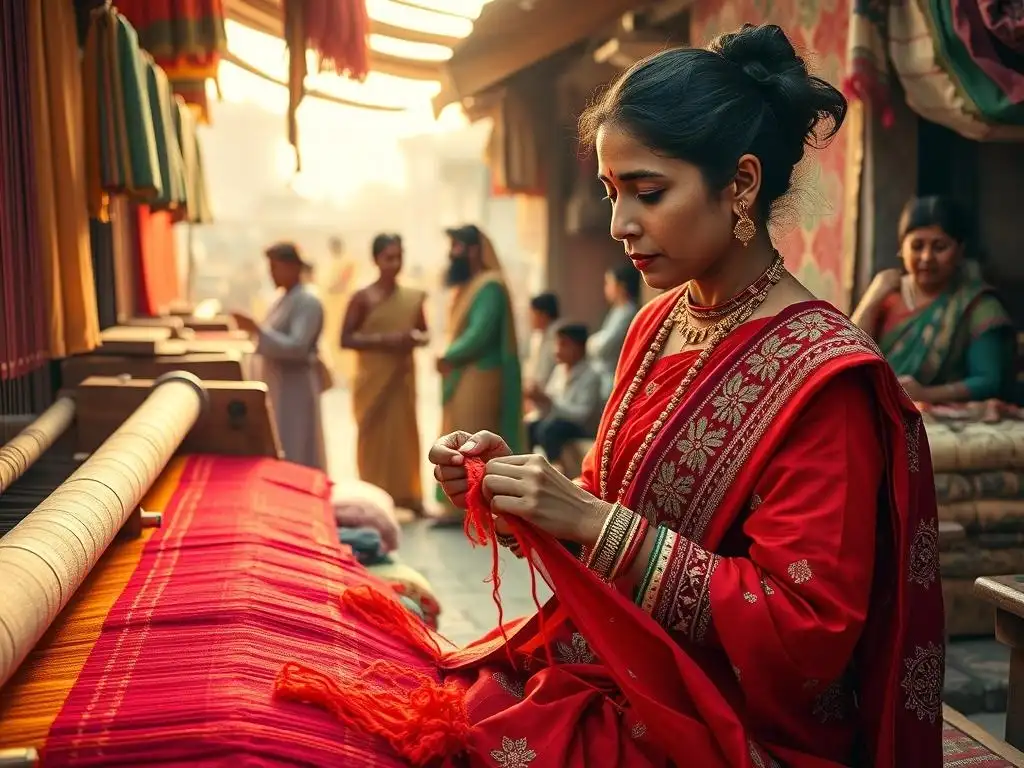
Welcome to Ancient India History, where we embark on a captivating journey through time, uncovering the rich tapestry of civilization that shaped one of the world's oldest cultures. In our featured article, “Spinning Yarns: The Significance of Textile Production in Ancient Indian Economies,” we delve into the intricate world of textile production in ancient India—a cornerstone of daily life and a driving force of economic prosperity.
Join us as we explore how the art of weaving not only influenced society but also connected diverse communities across vast landscapes. Prepare to unravel the colorful threads of history that continue to inspire and intrigue!
Textile production in ancient India was not merely a craft but a cornerstone of the economy, influencing trade, culture, and daily life across various civilizations. From the sophisticated weaving techniques of the Indus Valley Civilization to the flourishing textile industry during the Gupta Empire, the art of textile production played a vital role in shaping social structures and economic frameworks. As we delve into the intricacies of this significant sector, we will explore how textile production intertwined with the broader narrative of ancient Indian societies, illuminating their innovations, trade routes, and the everyday lives of their people.
The Historical Context of Textile Production in Ancient India
Textile production in ancient India can be traced back to the Indus Valley Civilization around 2500 BCE, where archaeological findings suggest advanced techniques in cotton weaving. The significance of textiles extended beyond mere utility; they reflected the cultural identity and technological prowess of the societies.
- Indus Valley Civilization:
- Evidence of Cotton Use: The discovery of cotton fibers and woven textiles in sites like Mohenjo-Daro highlights the early adoption of this material.
- Trade Networks: Textiles were crucial in establishing trade links with regions such as Mesopotamia, facilitating cultural exchange.
- Vedic Period:
- Evolution of Techniques: The transition to more sophisticated weaving methods, including the use of wool and silk.
- Cultural Significance: Textiles began to hold religious and social importance, evidenced by references in ancient texts.
Economic Impact of Textile Production
The textile industry was a significant economic driver in ancient India, supporting various occupations and contributing to wealth accumulation.
- Occupational Diversity:
- Artisans, weavers, dyers, and traders formed a complex network that sustained the textile economy.
- The guild system (shreni) organized these occupations, ensuring quality and fair practices.
- Trade and Commerce:
- Textiles were among the primary commodities traded along the Silk Road and maritime routes.
- The economic implications of textile production expanded beyond local markets to international trade, boosting the overall economy.
Textile production also played a crucial role in the social fabric of ancient Indian civilizations.
- Cultural Identity:
- Different regions developed unique styles, patterns, and dyeing techniques, contributing to India's diverse cultural landscape.
- Textiles became a medium of expression, encapsulating local traditions and rituals.
- Gender Roles:
- Women often played a central role in textile production, influencing their social status and economic independence.
- The craft fostered community engagement and skill transmission across generations.
Innovations in Textile Technology
The evolution of textile production was marked by significant technological advancements that enhanced efficiency and creativity.
- Weaving Techniques:
- The development of the pit loom and other innovations allowed for intricate designs and patterns.
- Techniques such as tie-dyeing and block printing emerged, showcasing artistic expression.
- Dyeing Methods:
- The use of natural dyes derived from plants and minerals highlighted a deep understanding of materials and aesthetics.
- The vibrant colors of textiles became a hallmark of ancient Indian artistry, influencing styles worldwide.
As we continue to explore the various facets of textile production in ancient India, we will uncover its profound impact on the economy, society, and culture, revealing a rich tapestry woven through the ages.
- The Historical Context of Textile Production in Ancient India
- Economic Impact of Textile Production
- Social and Cultural Dimensions
- Innovations in Textile Technology
- What role did textile production play in ancient Indian economies?
- Which civilizations are known for their textile production in ancient India?
- What materials were commonly used in ancient Indian textiles?
- How did ancient Indian textiles influence global trade?
- What techniques were used in textile production in ancient India?
Introduction to Textile Production in Ancient India
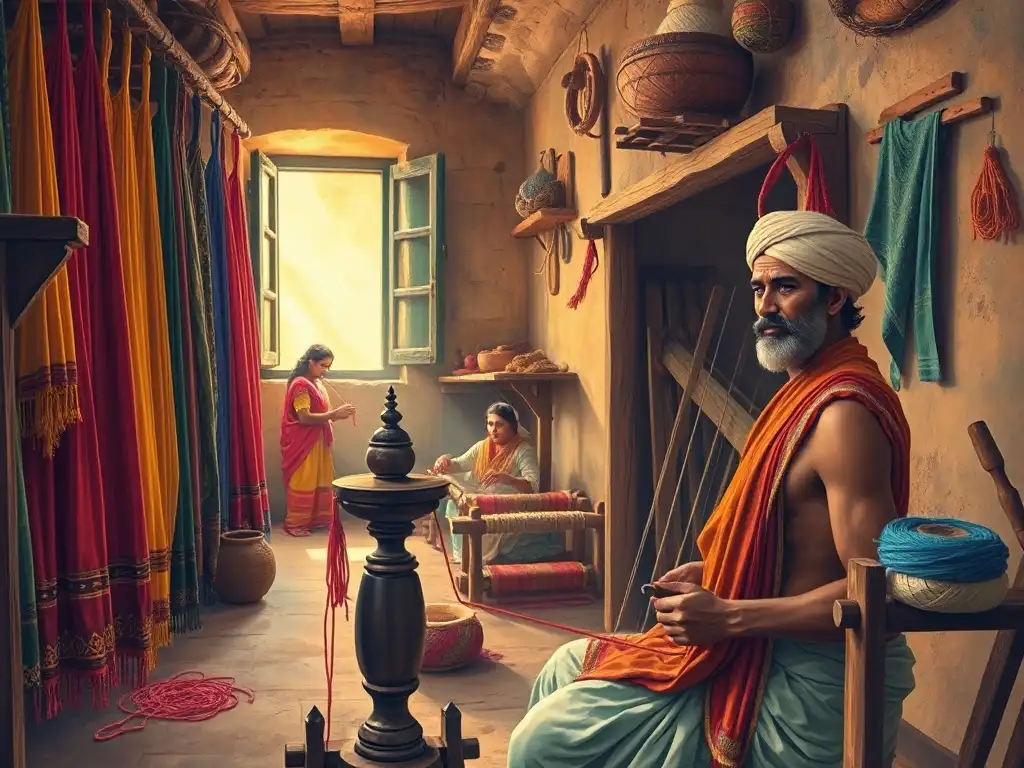
Textile production in ancient India played a pivotal role in shaping the economy and culture of various civilizations. From the early Indus Valley Civilization to the flourishing empires of the Gupta period, textiles were not merely functional items; they were symbols of status, artistry, and trade. The intricate processes involved in textile production reflect the ingenuity and craftsmanship of ancient Indian societies, highlighting their contributions to global textile practices.
Overview of Textile Production in Ancient Indian Civilizations
Textile production in ancient India can be traced back to the Indus Valley Civilization (c. 2500–1900 BCE), where archaeological evidence suggests that cotton was cultivated and woven into fabric. The remnants of ancient looms and spindle whorls indicate a sophisticated understanding of spinning and weaving techniques. The people of this civilization developed a range of textiles, including cotton, wool, and silk, which would later become integral to trade routes connecting India with other regions.
Key Techniques and Materials
- Materials Used:
- Cotton: The primary material, known for its softness and durability.
- Silk: Highly prized, especially during the Mauryan and Gupta periods.
- Wool: Used mainly in the northern regions, where sheep farming thrived.
- Techniques:
- Spinning: The use of spinning wheels and hand spindles was common. The spinning wheel, known as "charkha," gained prominence in later centuries.
- Weaving: Handlooms were widely employed, with various patterns and techniques unique to different regions.
- Dyeing: Natural dyes from plants and minerals were used, creating a vibrant palette of colors that enhanced the aesthetic appeal of textiles.
The evolution of textile production techniques over centuries showcases the adaptability and innovation of ancient Indian artisans, who continuously refined their craft.
Importance of Textiles in Ancient Indian Economies
Textiles were more than just clothing in ancient India; they formed a significant part of the economy and played a crucial role in trade, culture, and social structure. The prominence of textile production can be understood through several key aspects:
Economic Significance
- Trade: Textiles were major export items in ancient India, traded extensively with civilizations such as Mesopotamia, Egypt, and China. The Silk Road and other trade routes facilitated the flow of Indian textiles to distant lands.
- Employment: The textile industry provided livelihoods to a vast number of artisans, weavers, and dyers. Craftsmanship was often a family tradition, passed down through generations, contributing to a stable economy.
- Wealth Generation: The production and trade of textiles enriched local economies and contributed to the overall wealth of kingdoms. Textiles were often used as a form of currency in trade.
Cultural Impact
- Social Status: Textiles were indicators of social status and wealth. Fine fabrics and intricate designs were reserved for the elite, while simpler textiles were worn by common people.
- Symbolism: Textiles often carried cultural and religious significance. Certain patterns and colors were associated with specific rituals or festivals, reflecting the deep connection between textiles and daily life.
Technological Innovations
The need for efficiency in textile production led to technological advancements, such as improvements in loom designs and dyeing techniques. These innovations not only enhanced production quality but also spurred creativity in textile design, resulting in a diverse array of fabrics that continue to influence modern practices.
Textile production in ancient India was a fundamental aspect of the economy, culture, and technological progress. The legacy of this craft is still evident today, as contemporary Indian textiles are celebrated for their rich heritage and artistic expression.
Historical Context of Textile Production
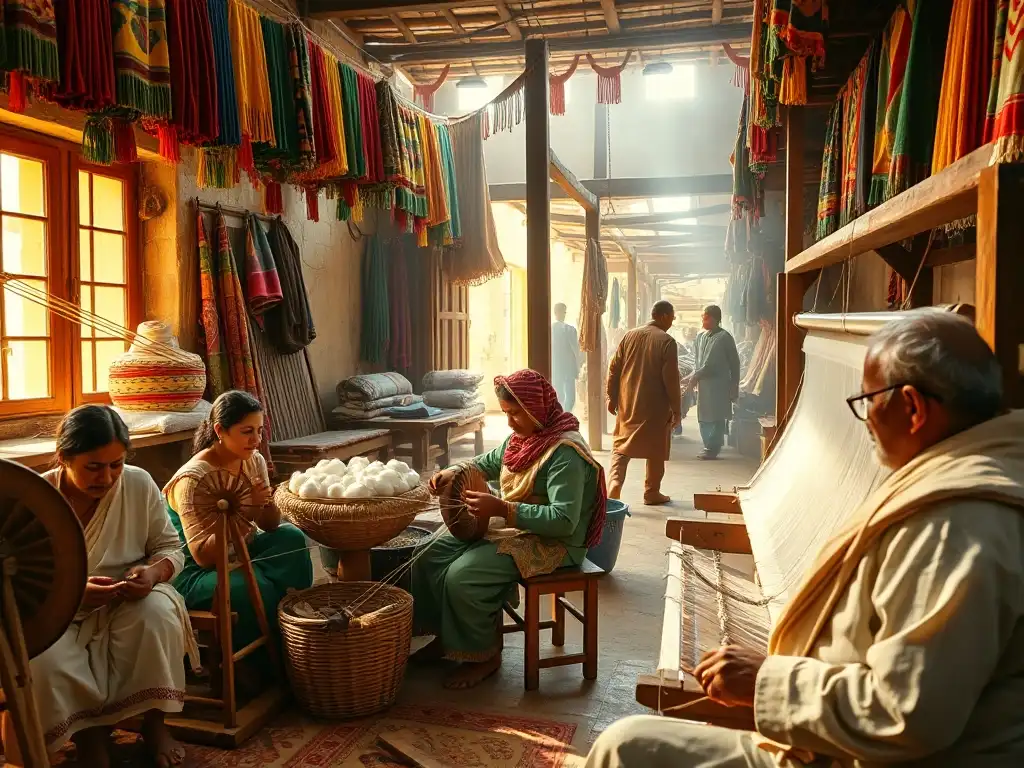
Textile production in ancient India has roots that stretch back thousands of years, playing a pivotal role in the economy and daily life of its civilizations. The significance of textiles transcended mere utility; it was deeply interwoven with social status, trade relations, and cultural identity. From the intricate weaves of the Indus Valley Civilization to the sophisticated textile industries of the Maurya and Gupta Empires, the evolution of textile production reflects the technological advancements and economic strategies of these ancient societies.
Textile Production in the Indus Valley Civilization
The Indus Valley Civilization (c. 3300–1300 BCE) is renowned for its advanced urban planning and sophisticated craftsmanship, including textile production. Archaeological findings suggest that the people of this civilization were among the first to practice cotton cultivation and weaving.
- Cotton Cultivation: Evidence indicates that the Indus Valley was one of the earliest centers of cotton cultivation, with the fibers being spun into yarn and woven into textiles. This early use of cotton set the foundation for what would become a dominant industry in India.
- Weaving Techniques: The inhabitants employed various weaving techniques, such as the use of simple looms. Archaeological sites like Mohenjo-Daro and Harappa have revealed remnants of loom weights and finished textiles, showcasing the quality and diversity of their fabrics.
- Trade Networks: Textiles produced in the Indus Valley were not only used locally but also traded extensively. Their intricate designs and quality made them sought after goods in foreign markets, indicating a robust trade network that connected them with Mesopotamia and beyond.
The significance of textile production during the Indus Valley period laid the groundwork for subsequent civilizations, influencing economic activities and cultural practices for centuries to come.
The Role of Textiles in the Maurya Empire
With the rise of the Maurya Empire (c. 322–185 BCE), textile production became integral to economic prosperity and cultural exchange. The Mauryan period witnessed significant advancements in textile techniques and trade, further solidifying India's status as a textile hub.
- State Control and Regulation: The Mauryan rulers recognized the importance of textiles in the economy and established state control over production. This included the regulation of quality and the establishment of guilds that organized weavers and traders, ensuring a stable supply of textiles.
- Diverse Fabrics and Dyes: The Maurya Empire was known for producing a variety of textiles, including silk, wool, and cotton. The use of natural dyes from local flora led to vibrant colors in textiles, enhancing their appeal in both domestic and international markets.
- Cultural Significance: Textiles were not merely economic goods; they held cultural significance. They were used in rituals, clothing for different castes, and as symbols of status. The famous silk fabrics of the Mauryan era, for instance, became a luxury item, influencing fashion and decorum in society.
The Mauryan Empire’s emphasis on textile production not only contributed to its economic stability but also facilitated cultural exchanges along trade routes that connected India with other civilizations.
Textiles during the Gupta Empire: Growth and Innovation
The Gupta Empire (c. 240–550 CE) is often referred to as the "Golden Age" of India, marked by significant achievements in arts, sciences, and commerce, including the textile industry. This period saw remarkable growth and innovation in textile production, elevating it to new heights.
- Technological Advancements: The Guptas introduced new weaving techniques and improved loom designs, enabling the production of more intricate and high-quality textiles. The invention of the pit loom allowed for finer fabrics and more sophisticated patterns.
- Global Trade Expansion: The flourishing trade networks established during the Gupta period expanded beyond the Indian subcontinent. Indian textiles became highly sought after in markets as far as China, Persia, and Southeast Asia. The export of silk and cotton textiles contributed significantly to the empire’s wealth.
- Artistic Expression: Textiles during the Gupta era were not only functional but also a canvas for artistic expression. The use of elaborate motifs and intricate embroidery reflected the cultural narratives and religious themes of the time. Textiles became an essential part of the artistic heritage, influencing later generations.
The Gupta Empire's innovations in textile production not only reinforced the economic stature of ancient India but also left a lasting legacy on the art and culture of textile craftsmanship that continues to be celebrated today.
Textile production in ancient India evolved through various periods, each contributing to its rich tapestry of cultural and economic significance. From the sophisticated techniques of the Indus Valley to the innovations of the Gupta Empire, textiles represented a fusion of art, economy, and identity in ancient Indian societies.
Techniques and Materials Used in Ancient Textile Production
Common Fibers and Materials in Ancient Indian Textiles
In ancient India, textile production was a sophisticated art that utilized a variety of natural fibers and materials. The most common fibers included:
- Cotton: Grown extensively in regions like the Indus Valley, cotton was the primary fiber used for making textiles. Archaeological evidence indicates that cotton textiles date back to 3000 BCE. The soft, breathable nature of cotton made it ideal for garments.
- Silk: While silk production became prominent during the later periods, it was introduced in India around 2000 BCE, primarily from the North-East region and imported through trade. The luxurious quality of silk led to its association with nobility and religious ceremonies.
- Wool: Mainly used in the northern parts of India, wool was essential for producing warm garments. Sheep herding was a common occupation, and the wool was often spun into threads and woven into textiles.
- Linen: Derived from the flax plant, linen was less common than cotton but still used, particularly in certain regions. The durability and breathability of linen made it a suitable choice for various applications.
These fibers were often blended to create textiles that served different purposes, from everyday wear to ceremonial garments.
Traditional Weaving Techniques and Methods
Weaving in ancient India was not just a craft; it was an integral part of the socio-economic fabric. Several traditional techniques emerged, reflecting the regional diversity of ancient Indian textiles:
- Handloom Weaving: The primary method of weaving involved handlooms, where skilled artisans would produce intricate patterns and designs. This technique allowed for the creation of unique fabrics, such as brocade and ikat.
- Backstrap Loom: This simple loom setup was widely used in rural areas. The weaver would secure one end of the loom to a tree or a post and the other end to their body, allowing for flexibility and mobility during the weaving process.
- Jacquard Weaving: This advanced technique, though more recognized in later periods, had its roots in ancient methods. It allowed for complex patterns to be woven into the fabric, showcasing the artisan's skill.
- Embroidery and Decorative Techniques: Beyond weaving, embellishments such as embroidery were commonly applied to textiles. Techniques included kantha, a type of running stitch, and zardozi, which involved the use of gold and silver threads.
These weaving methods not only produced textiles for functional use but also served as a canvas for artistic expression and cultural identity.
Dyeing and Finishing Processes in Ancient India
The art of dyeing and finishing textiles in ancient India was crucial in enhancing the aesthetic appeal and durability of fabrics. Various natural dyes were extracted from plants, minerals, and insects:
- Plant-Based Dyes: Common sources included indigo (for blue), madder (for red), and turmeric (for yellow). These dyes were not only vibrant but also sustainable, as they were derived from local flora.
- Animal-Based Dyes: Certain dyes were made from insects, like lac, which produced a rich red color. These dyes were often highly prized and used for ceremonial textiles.
- Mineral Dyes: Some colors were achieved through minerals; for instance, ochre was used for earthy tones.
The dyeing process typically involved several steps:
- Preparation of Fabric: Textiles were scoured to remove impurities and to ensure even dye absorption.
- Dyeing: Fabrics were immersed in dye baths, sometimes using mordants to enhance color adherence.
- Finishing: After dyeing, textiles underwent various finishing techniques like washing, drying, and sometimes steaming to set the colors and enhance the fabric's texture.
The combination of these techniques resulted in textiles that were not only visually stunning but also rich in cultural significance, reflecting the heritage and artistry of ancient Indian civilizations.
Economic Impact of Textile Production
Contribution of Textiles to Trade and Commerce
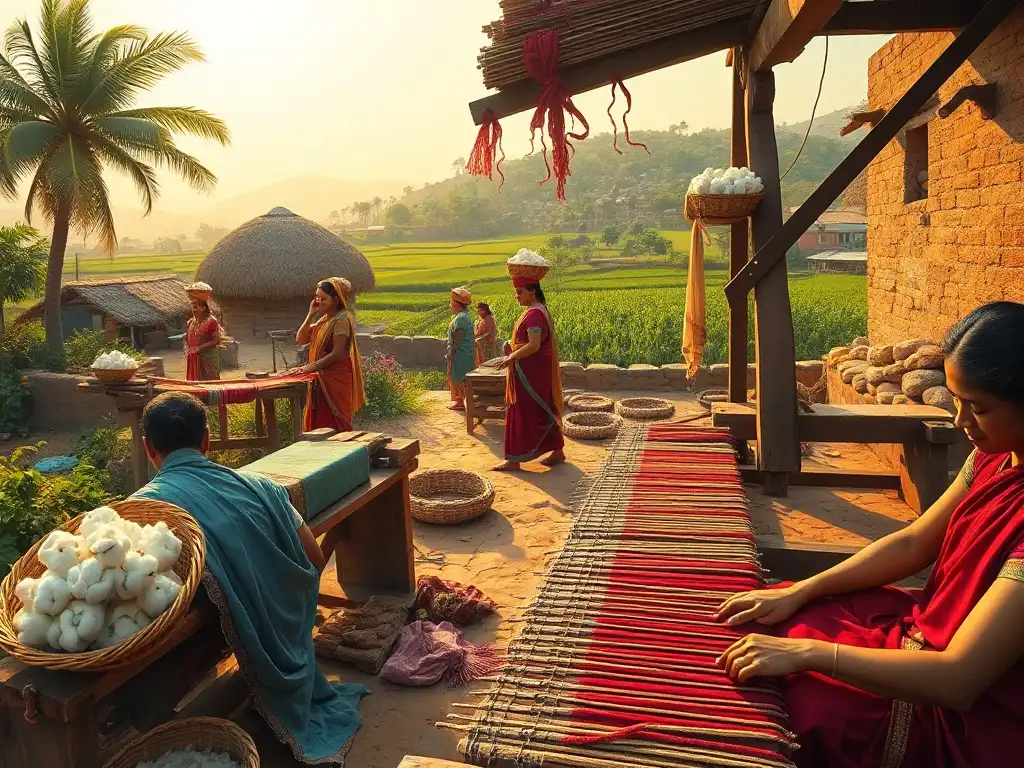
Textile production in ancient India played a pivotal role in shaping trade and commerce, acting as a catalyst for economic interactions both domestically and internationally. The rich tradition of weaving, dyeing, and embroidery not only generated substantial revenue but also established India as a significant player in the global textile market.
- Regional Specialization: Different regions in ancient India became known for specific textile products. For instance, cotton textiles flourished in Gujarat, while silk production thrived in Varanasi and Kanchipuram. This regional specialization fostered trade networks, allowing for the exchange of goods across vast distances.
- Trade Routes: Ancient Indian textiles were highly sought after along trade routes such as the Silk Road and the maritime routes to Southeast Asia, Persia, and even Europe. Historical accounts indicate that Indian textiles, particularly fine cotton and silk, were highly prized commodities, often traded for spices, precious stones, and metals.
- Economic Integration: The influx of textile goods contributed to the integration of various economies, stimulating local markets and creating a demand for ancillary industries such as dyeing and finishing. This interconnectedness laid the groundwork for a thriving commercial economy in ancient India.
Textile Production as a Source of Employment
The textile industry in ancient India was a significant source of employment, providing livelihoods for millions. It encompassed a diverse range of occupations, from farming cotton to skilled craftsmanship in weaving and dyeing.
- Labor Force Composition: The workforce involved in textile production included farmers, artisans, and traders. Farmers cultivated cotton and other raw materials, while artisans specialized in spinning, weaving, and finishing textiles.
- Family-based Units: Many textile production activities were carried out within family units, where skills were passed down through generations. This not only ensured the preservation of traditional techniques but also provided economic stability to families engaged in textile crafts.
- Cottage Industries: The rise of cottage industries allowed for decentralized production, enabling individuals to work from home. This model not only empowered women and marginalized groups but also contributed to the overall economic resilience of communities.
The Role of Guilds and Craftsmen in Textile Industries
Guilds played a crucial role in organizing and regulating the textile industry in ancient India. They served as a framework for the collaboration and protection of craftsmen involved in textile production.
- Formation of Guilds: Known as shrenis, these guilds were formed based on trade specialization, including weaving, dyeing, and embroidery. They provided a platform for artisans to collaborate, share knowledge, and uphold quality standards.
- Quality Control and Regulation: Guilds enforced strict regulations regarding production processes and quality control. This ensured that the textiles produced were not only of high quality but also met the demands of both local and international markets.
- Cultural Preservation: Beyond their economic functions, guilds were instrumental in the preservation of cultural heritage and traditional craftsmanship. They facilitated the transmission of techniques and styles, ensuring that ancient Indian textile arts thrived and adapted over centuries.
In conclusion, textile production in ancient India was not merely an economic activity but a complex system that interwove culture, commerce, and community, leaving a lasting legacy that resonates even today.
Cultural Significance of Textiles in Ancient India
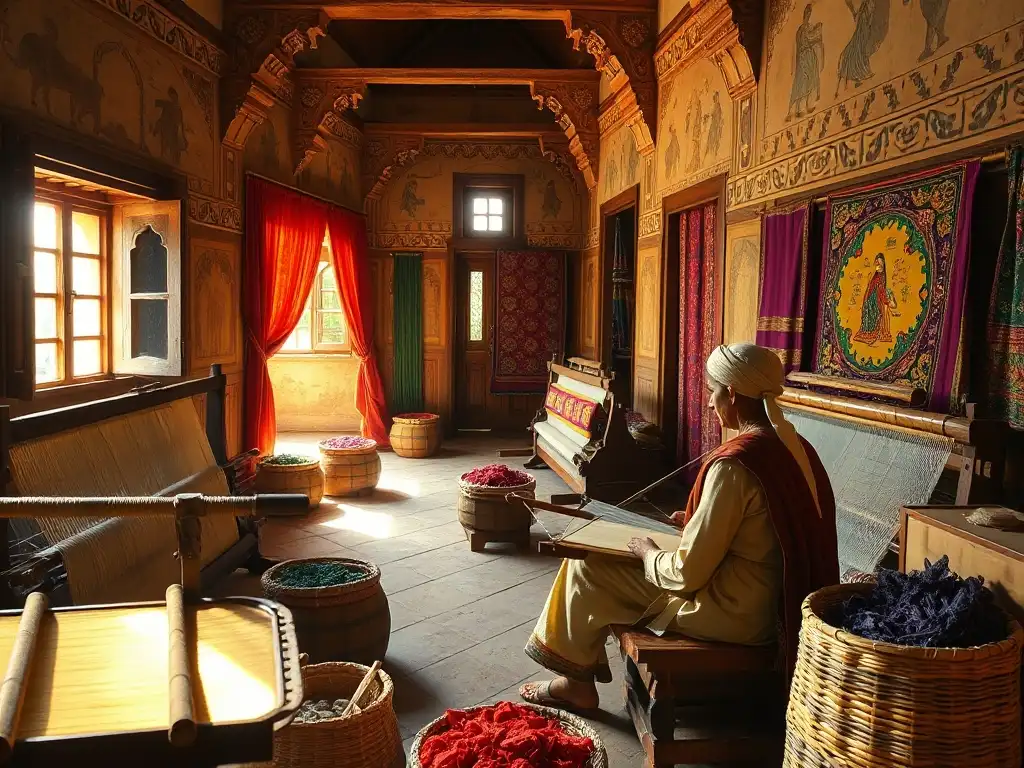
Textiles in ancient India were not merely functional items; they held profound spiritual and social significance. Different fabrics and techniques of weaving were often associated with specific deities and rituals. For example, sacred threads like the yajnopavita were essential for religious performances, serving as symbols of purity and societal duty.
In many Hindu ceremonies, garments such as sarees or dhotis were worn to embody respect towards the deities. The colors and motifs used in these textiles often conveyed religious meanings. For instance, white was associated with purity and mourning, while red symbolized fertility and auspiciousness.
Moreover, textiles were also indicative of social status and caste. The quality of fabric, its color, and the complexity of the weave could signify a person's wealth and position in society. Fine cotton and silk, for example, were primarily reserved for the elite, while the common populace typically wore coarser materials.
The Influence of Textiles on Fashion and Identity
The diversity of textiles produced in ancient India contributed significantly to the evolution of fashion and personal identity. Each region developed its own unique styles and techniques, influenced by local culture, resources, and climate. For instance, the Kanchipuram silk sarees from Tamil Nadu are renowned for their vibrant colors and intricate designs, while the Banarasi sarees are famous for their luxurious silk and gold brocade.
Fashion was not static; it evolved with time, reflecting changing tastes and societal norms. Textile production in ancient India facilitated the interchange of styles across different regions, allowing for a rich tapestry of fashion influences.
The garments worn by individuals were also a reflection of their identity. Certain textiles were emblematic of specific communities or regions, allowing people to express their cultural affiliations. For example:
- Pattu (woolen) textiles were associated with the colder regions of the northwest.
- Linen was preferred in the hotter climates, especially in the Gangetic plains.
Textiles in Ancient Indian Literature and Art
Textiles were not only significant in daily life but also prominently featured in ancient Indian literature and art. Texts such as the Mahabharata and Ramayana include numerous references to textiles, illustrating their importance in the socio-cultural fabric of the time. Descriptions of garments worn by characters often emphasize the artistry and symbolism of the textiles, highlighting their role in conveying status and identity.
In visual arts, textiles were depicted in various forms, from sculptures to frescoes. The Ajanta Caves, for instance, showcase detailed paintings of figures adorned in elaborate garments, illustrating the skill and intricacy of textile production. These artworks serve as historical records of ancient garments, providing insights into the materials and techniques used.
Furthermore, the crafting of textiles has been celebrated in folk tales and proverbs, indicating their deep-rooted significance in the collective consciousness of ancient Indian society. Textiles were woven into everyday life, celebrated in rituals, and even used as metaphors in poetry, showcasing their multifaceted role in ancient Indian culture.
The cultural significance of textiles in ancient India is apparent through their symbolic meanings, influence on fashion and identity, and representation in literature and art. This rich heritage underscores the importance of textile production in ancient Indian economies and societies.
Regional Variations in Textile Production
Textile production in ancient India was deeply influenced by regional characteristics, resulting in a rich tapestry of traditions that varied significantly across different areas of the subcontinent. Each region not only specialized in certain types of fabrics but also developed unique techniques and styles that reflected local resources, cultural practices, and trade relationships.
Distinct Textile Traditions Across Ancient India
Ancient India was home to a wide array of textile traditions, each with its own distinctive characteristics. Some of the most renowned textile-producing regions included:
- The Indus Valley: Known for its advanced cotton cultivation and weaving techniques, the Indus Valley civilization (around 2500-1500 BCE) produced some of the earliest known cotton textiles. Archaeological findings indicate the use of spindle whorls and weaving tools, showcasing their sophisticated textile production methods.
- Gujarat: This western state became famous for its vibrant cotton and silk fabrics, particularly the intricate bandhani (tie-dye) and block-printing techniques. The city of Surat was a major trade hub during the Mughal era, exporting textiles globally.
- Tamil Nadu: Renowned for its silk weaving, Tamil Nadu produced high-quality silk sarees, such as Kanchipuram sarees, known for their rich colors and intricate designs. The use of traditional handlooms and the expertise of local artisans contributed to the region's reputation as a center for silk production.
- Bengal: The Bengal region was famous for its muslin—a fine cotton fabric that was highly sought after. The production of muslin involved meticulous weaving techniques, and the fabric was often so fine that it could be folded into a small space, earning it the nickname "woven air."
- Uttar Pradesh: This northern state was known for its exquisite brocade textiles, particularly from the city of Varanasi. The elaborate gold and silver thread work created intricate patterns that were highly prized by royalty and traders alike.
These diverse traditions highlight how regional resources, cultural influences, and historical contexts shaped the textile landscape of ancient India.
Influence of Geography on Textile Production Techniques
Geography played a pivotal role in shaping textile production techniques across ancient India. The availability of natural resources, climate conditions, and trade routes all contributed to the development of distinct textile practices.
- Cotton Cultivation: The fertile plains of the Indus Valley and parts of Gujarat provided ideal conditions for cotton cultivation. The warm climate and rich soil allowed for the growth of high-quality cotton, which became a staple in textile production. This led to innovations in spinning and weaving techniques, enabling the mass production of cotton fabrics.
- Silk Production: In contrast, the cooler regions such as Tamil Nadu and parts of northeastern India were more conducive to sericulture (silk farming). The mulberry trees, essential for silkworm cultivation, thrived in these areas, allowing for the growth of a robust silk industry. Techniques such as weaving with intricate patterns were developed to enhance the value of silk textiles.
- Trade Routes: The geographical layout of ancient India facilitated trade with neighboring regions and countries. Key trade routes, such as the Silk Road and maritime routes along the Indian Ocean, allowed for the exchange of raw materials and finished textiles. This interaction with other cultures led to the adoption of various techniques and styles, influencing local textile production.
- Natural Dyes: The availability of local plants and minerals also shaped the dyeing techniques employed in textile production. Regions rich in indigo, for example, became known for their deep blue fabrics, while others utilized vibrant natural dyes derived from flowers and roots, leading to a palette that was both diverse and reflective of the environment.
The interplay between geography and textile production techniques in ancient India created a dynamic and varied textile landscape. Understanding these regional variations provides insight into the broader economic and cultural significance of textile production in ancient Indian societies.
Challenges Faced by Textile Producers in Ancient India
Economic Challenges and Market Fluctuations
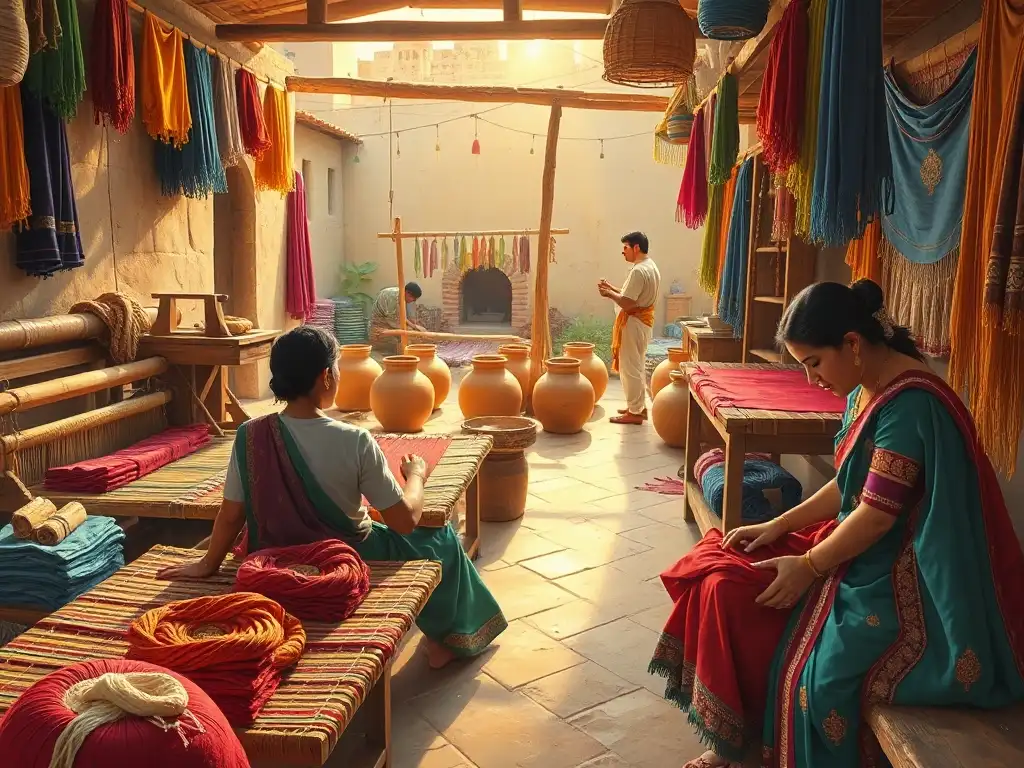
Textile production in ancient India was not merely a craft; it was a vital economic driver that faced numerous challenges. Economic fluctuations played a significant role in determining the viability and profitability of textile producers. Key factors included:
- Market Demand: The demand for textiles fluctuated based on seasonal needs, festivals, and trade relations. For instance, during certain festivals, the demand for colorful and ornate fabrics surged, while off-peak seasons saw a decline, affecting the income of weavers and dyers.
- Trade Routes: Ancient India was a hub of trade, and the stability of trade routes directly impacted textile production. Disruptions due to invasions or natural disasters could lead to significant drops in raw material supply and market access.
- Pricing Fluctuations: The prices of raw materials such as cotton and silk varied widely. Price volatility could be triggered by factors such as crop failures or sudden spikes in demand from foreign markets, leading to uncertainty for producers.
These economic challenges necessitated adaptability among textile producers, forcing them to innovate in production techniques and seek alternative markets.
Environmental Factors Affecting Textile Production
Environmental conditions significantly influenced textile production in ancient India. The following factors were crucial:
- Climate Variability: The success of cotton and other fiber crops depended heavily on the monsoon season. Insufficient rainfall could lead to poor harvests, severely impacting the availability of raw materials for textile production.
- Soil Quality: Regions with fertile soil were more conducive to growing high-quality cotton. Consequently, areas like Gujarat and the Deccan plateau became prominent centers for cotton production.
- Natural Disasters: Floods, droughts, and other environmental calamities could disrupt production cycles. Such events not only affected the immediate availability of raw materials but also had long-term impacts on the socio-economic systems of textile-producing communities.
These environmental challenges required textile producers to establish resilient practices, such as crop rotation and diversification, to mitigate risks associated with their dependency on nature.
Competition with Other Regions and Cultures
The landscape of textile production in ancient India was marked by competition not only from within but also from neighboring regions and cultures. The following points illustrate this competition:
- Regional Specialization: Different regions developed unique textile styles and techniques, such as the intricate weaving of Banaras silks and the bold patterns of Andhra Pradesh handlooms. This regional specialization led to competitive markets where artisans sought to distinguish their products.
- Foreign Influence: The presence of foreign cultures, such as the Persians and later the Mughals, introduced new techniques and styles into Indian textile production. While this could enhance creativity, it also posed a challenge to traditional methods and markets.
- Trade Rivalries: The flourishing trade routes facilitated competition with textile producers from regions like China and Persia. Indian textiles were often sought after, but producers had to continuously innovate to maintain their competitive edge in quality and design.
The challenges faced by textile producers in ancient India were multifaceted, involving economic uncertainties, environmental dependencies, and competitive pressures from both domestic and foreign markets. Understanding these challenges provides a richer context for appreciating the resilience and ingenuity of ancient Indian textile production.
Conclusion: The Legacy of Textile Production in Ancient India
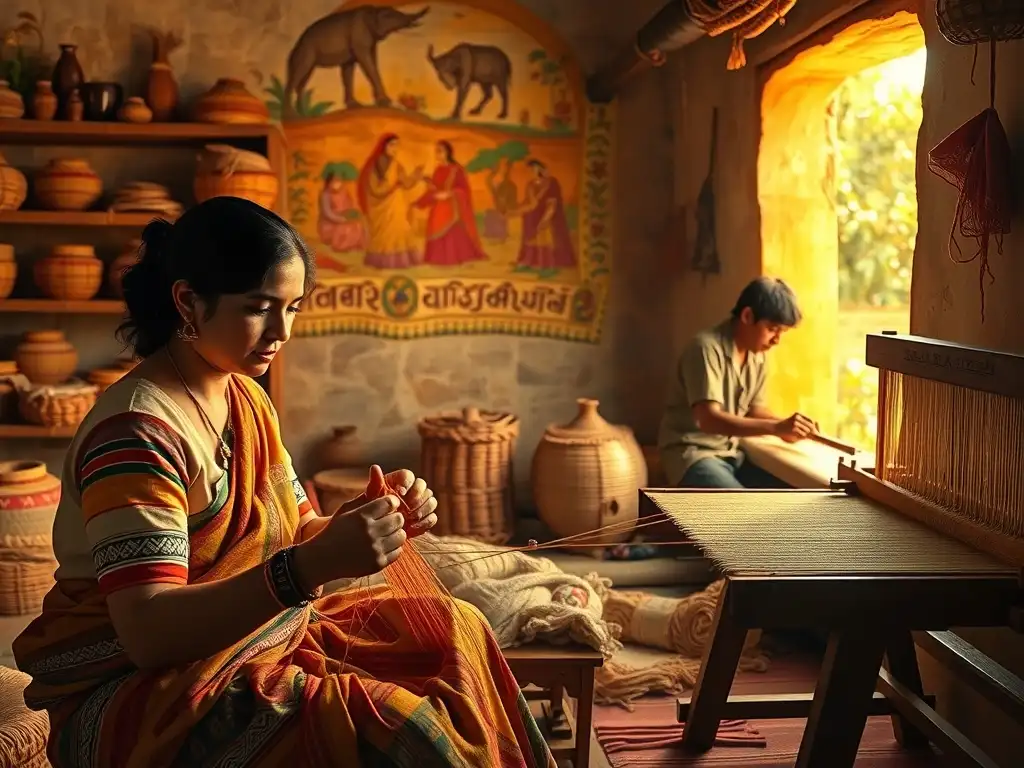
Textile production in ancient India played a pivotal role in shaping not only the economy but also the social and cultural fabric of the civilization. As we conclude our exploration, it's essential to recognize how these age-old practices have influenced contemporary textile industries globally. The techniques, patterns, and materials developed during ancient times continue to resonate, highlighting the enduring legacy of India’s textile artisans.
Lasting Influence of Ancient Textile Techniques on Modern Practices
Ancient Indian textile production was characterized by a remarkable array of techniques and innovations that have left an indelible mark on modern textile practices.
- Weaving Techniques: The intricate weaving methods used in ancient India, such as the art of Ikat and brocade weaving, have been preserved and adapted in contemporary textile production. Modern weavers often draw inspiration from these traditional techniques, ensuring that the craftsmanship remains alive.
- Natural Dyes: Ancient artisans utilized a variety of natural dyes sourced from plants, minerals, and insects. Today, there is a resurgence of interest in sustainable practices, and many modern textile producers are revisiting these natural dyeing methods to reduce environmental impact and promote eco-friendly textiles.
- Textile Patterns: The motifs and designs from ancient times, including geometric patterns and floral designs, continue to influence modern fashion and interior design. Designers often incorporate these elements into contemporary garments, creating a fusion of tradition and modernity.
| Ancient Technique | Modern Equivalent |
|---|---|
| Ikat Weaving | Tie-dye and resist dyeing techniques |
| Block Printing | Digital printing methods |
| Natural Dyeing | Eco-friendly dyes |
The reverberations of ancient textile production extend beyond just techniques; they embody a rich cultural heritage that informs today’s artistic expressions.
Reflection on the Importance of Textiles in Understanding Ancient Indian Economies
Textiles were not merely commodities in ancient India; they were a vital part of the economy and trade networks. The significance of textile production can be analyzed through various lenses:
- Trade Networks: Ancient Indian textiles were highly sought after in international markets, leading to extensive trade routes that connected India with regions such as the Middle East, Africa, and Southeast Asia. This trade not only facilitated economic exchanges but also cultural interactions, allowing for a rich blend of ideas and practices.
- Employment and Social Structure: The textile industry provided employment to a vast number of individuals, from weavers and dyers to merchants and traders. This created a diverse labor system that was integral to the social structure of ancient Indian society. Understanding this labor dynamic offers insights into the broader economic frameworks of the time.
- Cultural Identity: Textiles often carried cultural significance, reflecting regional identities and social status. Fabrics such as silk and cotton became symbols of wealth and prestige, playing essential roles in ceremonies and rituals. This cultural dimension underscores the importance of textiles in understanding the values and social hierarchies of ancient Indian civilizations.
Textile production in ancient India serves as a crucial lens through which we can examine economic practices, cultural identities, and social structures. By studying the legacy of these textiles, we gain a deeper appreciation for the complexity of ancient Indian societies and their enduring influence on the modern world.
References
Textile production in ancient India played a pivotal role in shaping the economy, culture, and trade practices of the time. The significance of this industry is evidenced through various historical texts, archaeological findings, and economic records. Below is a compilation of essential references that provide insightful information on textile production and its broader implications in ancient Indian societies.
Suggested Readings on Textile Production in Ancient India
-
"The Fabric of Society: Textiles in Ancient India"
This comprehensive book explores the evolution of textile production techniques and the socio-economic impact on ancient Indian civilizations. It delves into the different materials used, such as cotton, silk, and wool, and discusses regional variations in textile styles.
-
"Indus Valley Civilization: A Study of Textiles and Trade"
This research paper examines the textile production practices of the Indus Valley Civilization, including the evidence of cotton cultivation. It highlights the trade routes that facilitated the exchange of textiles with neighboring regions.
-
"Woven Threads: The Role of Textiles in Ancient Indian Culture"
A detailed account of how textiles were intertwined with religious and cultural practices in ancient India. This book analyzes the symbolic meanings of various textile patterns and their significance during rituals and ceremonies.
-
"Trade and Textiles in Ancient India: An Economic Perspective"
This publication provides an economic analysis of the textile industry in ancient India, focusing on trade dynamics, market structures, and the impact of textiles on local and international economies.
Academic Resources for Further Research on Ancient Indian Economies
-
Journal of Ancient Indian History
This peer-reviewed journal publishes articles on various aspects of ancient Indian economies, including textile production. It is a valuable resource for scholars looking for the latest research findings in the field.
-
"Ancient Indian Economy: A Comprehensive Overview"
An academic book that covers the various economic systems in ancient India, including the textile industry. It integrates archaeological evidence with historical analysis to present a well-rounded view of economic practices.
-
"Archaeological Evidence of Textile Production in Ancient India"
This paper discusses archaeological findings related to ancient textile production, including tools, residues, and loom structures. It provides insight into the technological advancements of the time.
-
"The Role of Women in Ancient Indian Textile Production"
A focused study on the contributions of women in the textile industry, exploring their roles in weaving, dyeing, and the socio-economic implications of their labor.
-
Digital Archives of Ancient Indian Textiles
An online resource that offers access to a collection of historical documents, artifact images, and research papers related to textile production in ancient India. It serves as a useful tool for researchers and enthusiasts alike.
Through these references and resources, readers can gain a deeper understanding of the intricate relationship between textile production and ancient Indian economies. The extensive body of work available highlights the importance of this sector in shaping trade, culture, and everyday life in ancient India.
Frequently Asked Questions
What role did textile production play in ancient Indian economies?
Textile production was a crucial component of ancient Indian economies, contributing to trade, employment, and cultural identity. It facilitated both local and international trade routes, boosting economic growth.
Which civilizations are known for their textile production in ancient India?
The Indus Valley Civilization is renowned for its advanced textile techniques, particularly in cotton weaving. Additionally, the Gupta Empire saw significant developments in textile arts, further enhancing this industry.
What materials were commonly used in ancient Indian textiles?
Ancient Indian textiles were primarily made from cotton, silk, and wool. The use of these materials showcased the diversity and innovation in textile production across different regions.
How did ancient Indian textiles influence global trade?
Ancient Indian textiles, especially cotton and silk, were highly sought after in global markets. They were exported to regions like Rome and the Middle East, establishing India as a key player in international trade.
What techniques were used in textile production in ancient India?
Techniques such as spinning, weaving, and dyeing were integral to textile production. Traditional methods, including block printing and ikat, highlight the artistry and skill of ancient Indian artisans.
Final Reflection: The Enduring Legacy of Textile Production in Ancient India
Textile production in ancient India was not merely an economic activity; it was a vibrant tapestry woven into the very fabric of society. The intricate techniques and rich traditions of textile craftsmanship have left an indelible mark on contemporary culture, influencing modern fashion, trade, and craftsmanship. As we delve into the significance of these ancient practices, we recognize that they are not relics of the past but rather vital threads that continue to shape our present and future.
The impact of textile production in ancient India extends far beyond the loom; it has shaped social structures, trade networks, and cultural identities. The artistry and skill involved in creating textiles fostered community bonds and economic prosperity, laying the groundwork for a thriving civilization. As Mahatma Gandhi once said, “The soul of India lives in its villages,” highlighting how these practices were integral to the rural economy and community life. The soul of India lives in its villages.
As we reflect on the lessons from ancient textile production, let us consider how we can honor and incorporate these traditions into our lives today. I invite you to explore the stories behind the fabrics you encounter, to appreciate the craftsmanship that goes into each piece, and to support sustainable practices that echo the wisdom of our ancestors. By doing so, we not only celebrate our rich heritage but also contribute to a more conscious and connected world.
Unveil the Legacy of Ancient Textiles!
Thank you for diving into the fascinating world of textile production in Ancient India! You've uncovered how this vital industry shaped economies and cultures. Now, it's time to take this knowledge further and connect with the rich heritage of textile craftsmanship.
Here are some inspired steps you can take:
- Explore local textile exhibitions or museums to see historical fabrics and techniques firsthand.
- Share your insights with friends or on social media by discussing how ancient practices influence modern textiles.
- Consider experimenting with DIY textile projects to engage with the art of crafting and deepen your appreciation for its significance.
What aspect of ancient textile production would you like to explore further in your own life or community?