
The Significance of Family in Ancient Indian Society: A Deep Dive

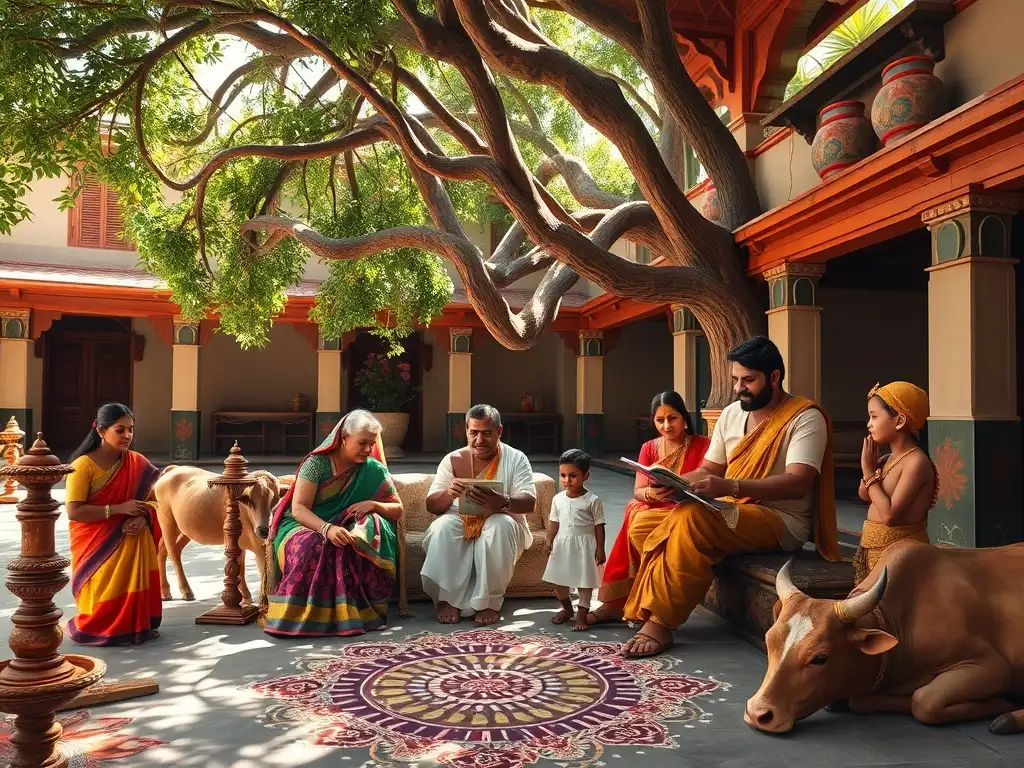
Welcome to Ancient India History, where we embark on a captivating journey through the vibrant tapestry of ancient Indian civilizations. In our featured article, "The Significance of Family in Ancient Indian Society: A Deep Dive," we unravel the profound importance of family in ancient India, exploring how familial bonds shaped daily life and societal structures. Prepare to be intrigued as we delve into the values, traditions, and legacies that continue to influence modern India. Join us as we uncover the rich narratives that define a civilization steeped in history and culture—your adventure into the past starts here!

Introduction to Family in Ancient India
The importance of family in ancient India cannot be overstated, as it served as the cornerstone of social organization and cultural continuity. Family structures in ancient Indian society were not merely a private concern but were deeply intertwined with the broader societal framework, impacting everything from governance to religious practices.
Families functioned as key units of economic production, socialization, and community identity, playing a significant role in the lives of individuals. By analyzing family dynamics, we can gain profound insights into the values, customs, and norms that defined ancient Indian civilization, allowing us to appreciate the intricate tapestry of relationships that shaped daily life and societal interactions.
Overview of Family Structure in Ancient Indian Society
In ancient India, family structures were predominantly patriarchal, with authority often concentrated in the hands of the eldest male. The joint family system was prevalent, where extended families lived together, fostering strong intergenerational bonds. This structure allowed for shared resources and collective responsibilities, which were essential for survival and prosperity.
- Key Features of Family Structure:
- Patriarchal Leadership: Eldest male as the head of the family.
- Joint Family System: Multiple generations living under one roof.
- Role of Women: Women were primarily seen as caregivers and homemakers, though they held significant responsibilities within the family unit.
These dynamics not only reinforced familial bonds but also ensured the continuation of cultural traditions and practices through generations.
Importance of Family as a Social Unit
The family unit in ancient Indian society held immense significance, serving multiple purposes that extended beyond mere kinship.
- Socialization: Families were responsible for the upbringing and education of children, instilling moral values and social norms.
- Economic Support: Families pooled resources for agriculture, trade, and craft, contributing to the economic stability of the community.
- Cultural Preservation: Families played a critical role in the transmission of traditions, rituals, and religious practices, ensuring cultural continuity.
Thus, the family was not just a private entity; it was a vital component of the larger social fabric that defined ancient Indian civilization.
Historical Context of Family in Ancient India
To fully appreciate the importance of family in ancient India, it is essential to explore the historical context that shaped its evolution. From the early Indus Valley Civilization to the Vedic period, family dynamics underwent significant transformations influenced by various socio-political and cultural factors.
Evolution of Family Dynamics from the Indus Valley Civilization
The Indus Valley Civilization (c. 3300–1300 BCE) exhibited early forms of family organization, as evidenced by archaeological findings. Homes were constructed with an emphasis on communal living, suggesting a form of social cohesion and family unity.
- Characteristics of Family in the Indus Valley:
- Evidence of shared living spaces indicates a focus on collective family life.
- Artifacts reveal the importance of domestic activities, hinting at defined roles within family units.
As this civilization transitioned into subsequent periods, the family structure began to adapt and evolve, influenced by new cultural and religious ideologies.
Family Roles in Vedic Period Society
The Vedic period (c. 1500–500 BCE) marked a significant shift in family dynamics, particularly with the emergence of the Brahmanical social order. During this time, the roles of family members became more defined, with specific duties attributed to men and women.
- Men's Roles: Typically involved in rituals, governance, and economic activities.
- Women's Roles: Primarily focused on domestic responsibilities, child-rearing, and participation in religious ceremonies.
This period also witnessed the formulation of texts that codified family roles and responsibilities, reinforcing the family's importance in societal structure and religious practice.
The family was a foundational element in ancient Indian society, guiding personal identity, social interactions, and cultural integrity throughout various historical epochs. Understanding these dynamics provides a richer perspective on the importance of family in ancient India and its enduring legacy in contemporary society.
The Importance of Family in Ancient Indian Culture
Family played a pivotal role in ancient Indian culture, serving as the cornerstone of social organization and community life. The importance of family in ancient India can be traced back to various texts, including the Vedas and the Manusmriti, which emphasized familial duties, relationships, and responsibilities. Families were not merely units of cohabitation; they were integral to the transmission of cultural values, social norms, and religious beliefs.
In ancient Indian society, the family unit was often extended, encompassing multiple generations living together, which fostered a strong sense of belonging and mutual support. This structure facilitated shared resources, collective wisdom, and the nurturing of children in a stable environment. Moreover, family ties were celebrated through various rituals and festivals, reinforcing the bonds between members and their roles within the broader community.
The family was regarded as the bedrock of social stability in ancient India. It provided a structure through which individuals learned their societal roles and responsibilities. The interconnectedness within families helped maintain order and harmony in society. This stability was crucial during times of social change or upheaval, as families often acted as support systems for their members.
Furthermore, the norms and values instilled within the family were essential in shaping the behavior of individuals in society. The emphasis on duties, respect for elders, and adherence to traditions contributed to a cohesive social fabric. In this way, the importance of family transcended personal relationships, influencing the larger societal dynamics and promoting a sense of unity among individuals.
Family and Religious Practices in Ancient India
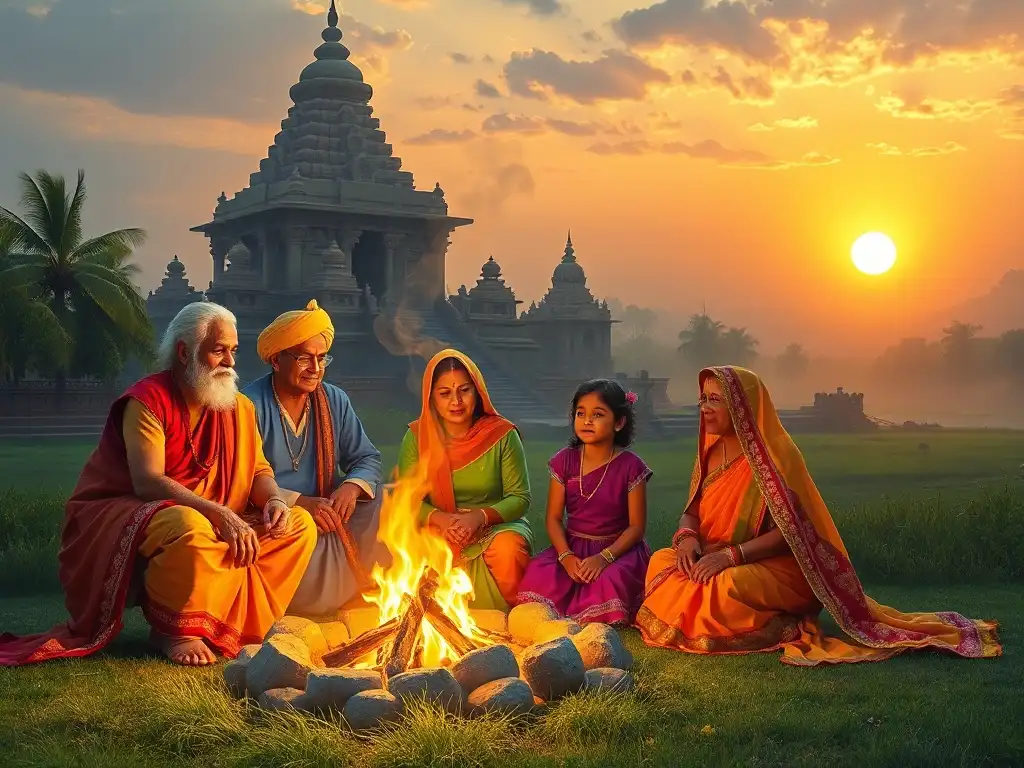
Religious practices in ancient India were deeply intertwined with family life. The family unit was often the primary setting for the observance of religious rituals, festivals, and ceremonies. Hindu scriptures highlight the significance of performing rites, such as puja and samskaras, within the home, emphasizing the family's role in maintaining spiritual well-being.
Additionally, family members were often responsible for passing down religious teachings and traditions to the next generation. Elders imparted knowledge about sacred texts and moral values, ensuring that religious practices were preserved and adapted over time. This continuity of cultural and spiritual practices reinforced the family's importance not only as a social unit but also as a vessel for spiritual heritage.
Family Hierarchy and Structure
The hierarchy within ancient Indian families was typically well-defined, often reflecting broader societal norms. Families were usually patriarchal, with the eldest male assuming authority and responsibility for decision-making and resource management. This structure was integral to maintaining order within the family and ensuring the continuation of familial lineage.
In many cases, the hierarchical structure extended beyond immediate family members to include relatives, creating a network of obligations and support. The roles within this hierarchy were clearly delineated, with expectations for each member based on age, gender, and social standing.
Patriarchy in Ancient Indian Families
Patriarchy was a dominant feature of family life in ancient India. The male head of the family, often referred to as the karta, held significant power and authority over family affairs. This patriarchal structure influenced various aspects of family dynamics, including inheritance, marriage arrangements, and social status.
While men were typically the primary decision-makers, this did not negate the essential roles of women in family life. Women's contributions, particularly in managing household affairs and nurturing children, were invaluable, although often unrecognized in the patriarchal framework. The emphasis on male authority shaped the expectations and responsibilities placed on women, leading to a complex interplay between power and duty within the family.
Role of Women in Family Units
Despite the patriarchal nature of ancient Indian families, women played crucial roles within the family unit. Their primary responsibilities included managing the household, raising children, and ensuring the well-being of family members. Women were often seen as the custodians of culture and tradition, with their roles extending to the transmission of values and practices to future generations.
In addition to domestic duties, women also participated in various economic activities, such as weaving and agriculture, contributing to the family's financial stability. Notably, there were instances where women held significant influence within the family, particularly in matrilineal societies or among certain communities where women could inherit property and engage in socio-economic activities.
Children’s Roles and Responsibilities within the Family
Children in ancient Indian families were expected to fulfill specific roles and responsibilities that contributed to the family's well-being and honor. From a young age, children were taught the importance of duty ( dharma) and respect for their elders. Their upbringing emphasized obedience, learning, and participation in family rituals.
As children grew, their roles evolved to include assisting in household chores, learning trades, and preparing for future responsibilities within the family structure. The education of boys and girls, although differing in focus, was seen as essential for maintaining family honor and ensuring the continuation of family traditions. This process of enculturation ensured that children understood their place within the family hierarchy and their duties to both their immediate family and the larger community.
Marriage Practices and Their Impact on Family Significance
Marriage in ancient India was not merely a personal union but a significant social contract that reinforced familial ties and societal structures. The importance of family in ancient India is deeply intertwined with prevailing marriage practices, which served to enhance the collective identity and security of families. Families played a pivotal role in orchestrating marriages, ensuring that they aligned with social, economic, and cultural expectations. These practices not only shaped individual lives but also influenced broader societal norms and values, emphasizing the family's role as a foundational unit of society.
Arranged Marriages and Their Cultural Importance
Arranged marriages were a predominant practice in ancient Indian society, reflecting the belief that marriages were more about alliances than love. Families, particularly those belonging to higher castes, often took the lead in selecting suitable partners for their children. This practice was rooted in the idea that families could better assess compatibility based on social status, caste, and economic stability.
The cultural significance of arranged marriages extended beyond the immediate couple. They solidified relationships between families, ensuring mutual support and cooperation. This system fostered a sense of community, as marriages often linked multiple families together, creating networks of alliances that could aid in various aspects of life, including trade, politics, and social standing. The success of an arranged marriage was seen as a reflection of the family’s honor, further emphasizing its importance in ancient Indian culture.
Dowry System and Its Influence on Family Dynamics
The dowry system, where the bride's family provided gifts, money, or property to the groom's family, was a critical component of marriage in ancient India. This practice had profound implications for family dynamics. While it was intended to provide financial security for the bride, it often placed significant pressure on the bride's family to meet societal expectations, leading to economic strain.
Moreover, the dowry system reinforced patriarchal structures within families. It sometimes resulted in the devaluation of women, as their worth was often measured by the size and value of the dowry they brought into the marriage. In cases where the dowry was deemed insufficient, it could lead to conflicts and even violence within the marriage. Thus, the dowry system influenced not only individual families but also societal attitudes towards marriage and gender roles, highlighting the complex interplay between economic factors and family significance in ancient India.
The Role of Family in Daily Life and Society
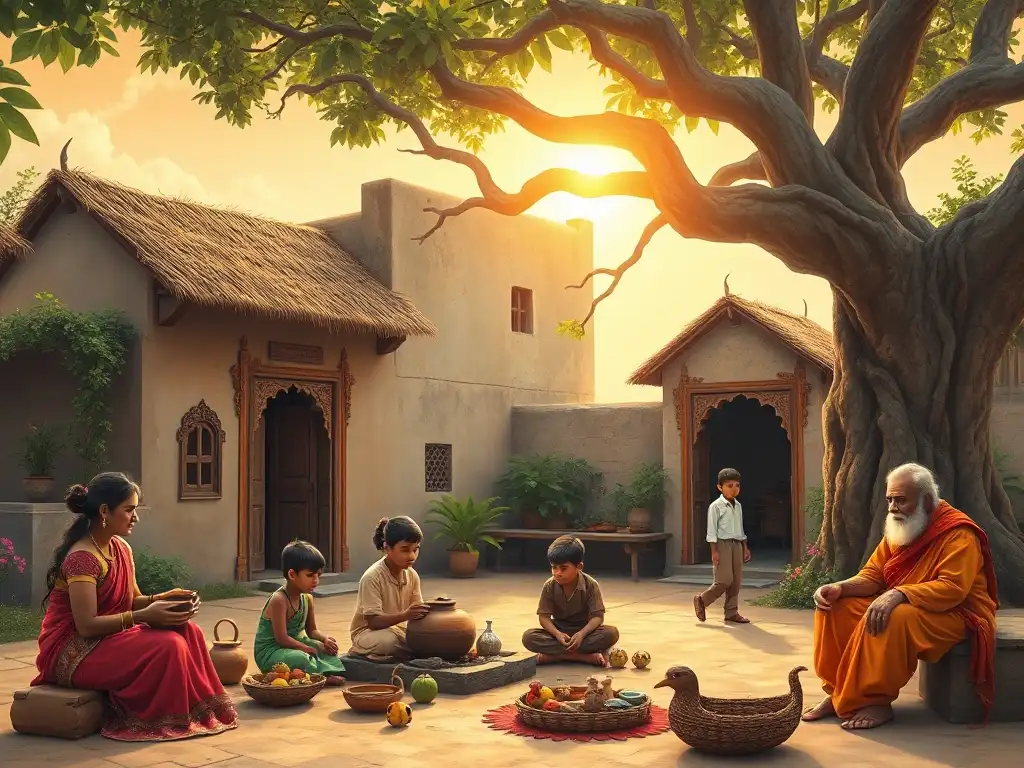
Families were the cornerstone of daily life in ancient India, serving as the primary unit of social organization. The importance of family transcended mere biological ties; it encompassed broader networks of kinship that provided emotional, economic, and social support. The family structure in ancient India was typically patriarchal, with men often seen as the heads of households, but women also played crucial roles in maintaining family cohesion and cultural practices.
Family as a Support System in Ancient Indian Society
In ancient Indian society, families provided essential support systems that were critical for survival and well-being. They were responsible for education, socialization, and the transmission of cultural values and traditions. Elders, particularly grandparents, were revered for their wisdom and often took on roles as custodians of family history and cultural heritage, ensuring that traditions were passed down through generations.
Moreover, families were integral in times of crises, such as during illness or economic hardship. The collective effort of family members to support one another strengthened bonds and fostered resilience within the community. This support system was vital in maintaining social stability and fostering a sense of belonging, underscoring the importance of family in navigating the challenges of ancient life.
Economic Contributions of Families in Ancient India
Families in ancient India were not only social units but also economic entities. They often functioned as self-sufficient units, engaging in agriculture, trade, and handicrafts. The family’s economic activities were closely tied to the local environment and community needs. For instance, agricultural families worked together to cultivate land, ensuring food security and contributing to the local economy.
Additionally, many families participated in guilds or trade associations, facilitating economic exchanges and enhancing community ties. This collective economic effort allowed families to thrive and ensured the continuity of skills and knowledge across generations. The economic contributions of families were crucial in shaping the prosperity of ancient Indian society, highlighting the interconnectedness of family life and economic stability.
The Significance of Joint Families in Ancient India
Joint families were a predominant feature of ancient Indian society, reflecting the deep-rooted cultural values and social structures that prioritized familial bonds. In these families, multiple generations lived under one roof, encompassing grandparents, parents, children, and sometimes extended relatives. This family structure was not only a means of economic survival but also a way to ensure the continuity of traditions and cultural practices. The joint family system fostered a strong sense of identity and belonging, which was crucial in a society where individualism took a backseat to collective welfare.
The joint family also played a significant role in socialization, education, and the transmission of values. Children grew up surrounded by various family members, each contributing to their upbringing and instilling moral and ethical teachings. This environment nurtured close relationships and helped maintain a cohesive social fabric, enabling families to support one another in times of need.
Benefits of Joint Family Systems
Joint families in ancient India provided numerous benefits that contributed to the stability and resilience of the household:
- Economic Support: Shared resources allowed families to pool their income and manage expenses effectively. This collective financial strength often made it easier to withstand economic hardships and invest in education or business ventures.
- Emotional Stability: The presence of extended family members created a nurturing environment where individuals could find emotional support and companionship. This was especially important during difficult times, such as illness or the loss of a loved one.
- Child Rearing: With multiple adults to guide and care for children, the responsibility of child rearing was distributed. This not only lightened the load on parents but also provided children with diverse perspectives and guidance from various family members.
- Cultural Continuity: Joint families acted as custodians of traditions and cultural practices, ensuring that rituals, festivals, and familial legacies were passed down through generations. This continuity helped in preserving the rich cultural heritage of ancient India.
Challenges Faced by Joint Families
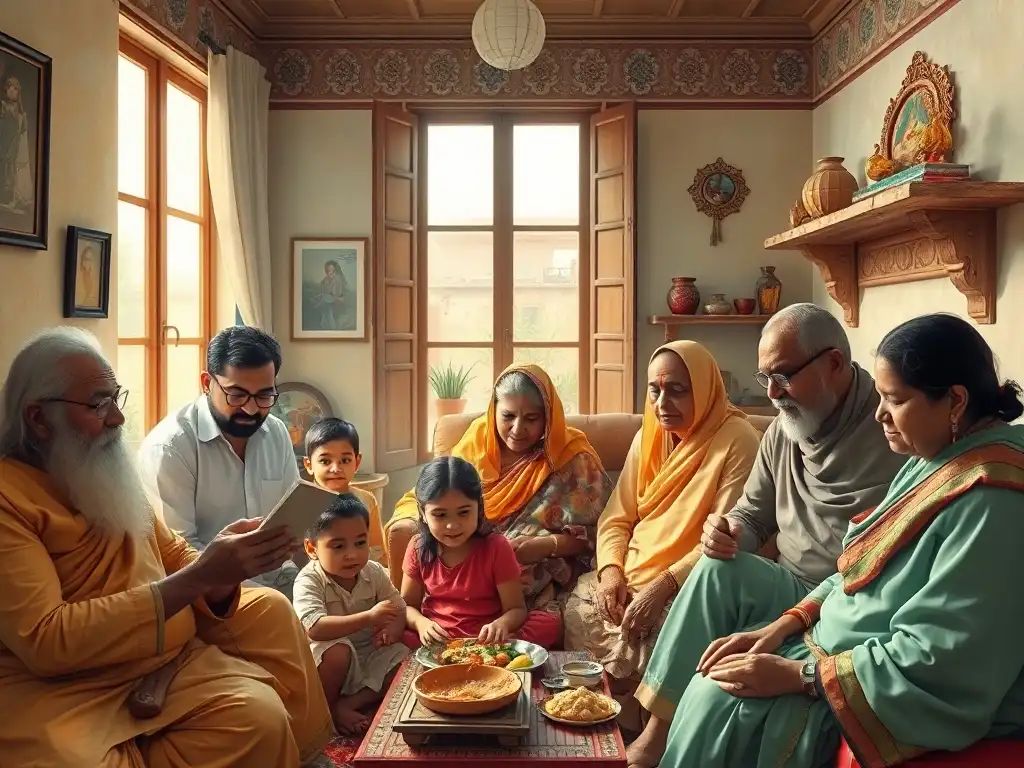
Despite their many benefits, joint families also encountered several challenges:
- Conflicts and Tensions: Close quarters and shared responsibilities can lead to conflicts over resources, parenting styles, and lifestyle choices. Disagreements between elders and younger generations were common and could create significant rifts within the family.
- Loss of Individuality: In a joint family system, individual preferences and aspirations might be overlooked in favor of collective decisions. This sometimes led to feelings of frustration, particularly among younger members seeking independence.
- Gender Roles: Traditional gender roles were often reinforced within joint families, limiting women's autonomy and freedom. Women frequently had to navigate a complex web of expectations concerning their roles as wives and mothers, which could stifle personal growth.
- Dependency Issues: While economic support was a significant advantage, it sometimes fostered dependency. Younger generations may have relied too heavily on the family structure, leading to a lack of initiative to pursue self-sufficiency.
Conclusion
Summary of the Importance of Family in Ancient India
The importance of family in ancient India is evident through the various structures and systems that governed social life. Family served as the primary unit of economic, social, and emotional support, playing a crucial role in individual identities and community cohesion. The joint family system epitomized these values, showcasing the significance of familial bonds in nurturing relationships and preserving cultural heritage.
Legacy of Family Structures in Contemporary Indian Society
The legacy of these ancient family structures continues to influence contemporary Indian society. While nuclear families have become more common due to urbanization and modernization, the principles of interdependence and familial support remain strong. Many Indians still prioritize family ties and communal living, reflecting the enduring importance of family in shaping social dynamics and cultural practices today. The historical significance of family in ancient India serves as a reminder of the foundational role that family plays in fostering community, identity, and shared values.
Further Reading and Resources
To gain a deeper understanding of the importance of family in ancient Indian society, several books and articles provide valuable insights into the family structure, marriage practices, and their societal implications. This collection of resources can enhance your comprehension of the intricate dynamics of family in ancient India.
Recommended Books on Ancient Indian Family Practices
- "The Family in India: Structure and Practice" by A.M. Shah
- This book delves into the evolution of family structures in India, tracing back to ancient times and analyzing how these structures have influenced contemporary practices.
- "Ancient Indian Society and Culture" by R. S. Sharma
- An essential read for anyone interested in understanding the socio-cultural context of ancient India, this book discusses the familial roles and their significance in shaping Indian society.
- "Marriage and Family in India" by Ramesh B. Ramesh
- This comprehensive text explores various aspects of marriage and family life in ancient India, including customs, rituals, and legal frameworks that governed familial relationships.
- "The Hindu Family: A Sociological Perspective" by S. N. Agarwal
- This book provides a sociological analysis of the Hindu family system, focusing on its historical roots and its evolution over centuries, including insights into joint families and modern nuclear families.
- "Women and Family in Ancient India" by Kumud Sharma
- A critical examination of women's roles within the family structure in ancient India, this book highlights their contributions and the socio-political factors affecting their status.
Articles Exploring Family and Marriage in Ancient Civilizations
- "Family Structures in Ancient India: Insights from Historical Texts"
- This article reviews various historical texts, including the Vedas and Manusmriti, to reveal how family structures were perceived and organized in ancient Indian society.
- "Marriage Customs in Ancient India: Rituals and Symbolism"
- An exploration of the various marriage customs prevalent in ancient India, this article discusses the rituals and symbols associated with marriage, emphasizing their cultural significance.
- "The Role of Family in the Social Hierarchy of Ancient India"
- This analytical piece investigates how family lineage influenced social status and hierarchy in ancient Indian civilization, exploring the connections between family, caste, and societal roles.
- "Changing Family Dynamics: A Historical Perspective"
- This article traces the evolution of family dynamics in India from ancient times to the present, highlighting key changes and continuities in family structures and relationships.
- "Rituals of Kinship: The Importance of Family Ties in Ancient Societies"
- Focusing on kinship and family ties, this article examines the role of familial relationships in ancient Indian society and their implications for broader social cohesion and identity.
These resources are invaluable for anyone looking to explore the importance of family in ancient India and understand its lasting impact on Indian culture and society.
- Introduction to Family in Ancient India
- Historical Context of Family in Ancient India
- The Importance of Family in Ancient Indian Culture
- Family as the Foundation of Social Stability
- Family and Religious Practices in Ancient India
- Family Hierarchy and Structure
- Marriage Practices and Their Impact on Family Significance
- The Role of Family in Daily Life and Society
- The Significance of Joint Families in Ancient India
- Benefits of Joint Family Systems
- Challenges Faced by Joint Families
- Conclusion
- Further Reading and Resources
- What was the role of family in ancient Indian society?
- How did family impact social status in ancient India?
- Were there any specific family structures prominent in ancient India?
- How did the importance of family manifest in ancient Indian literature?
- What were some key contributions of families to ancient Indian civilization?
Frequently Asked Questions
What was the role of family in ancient Indian society?
Family served as the foundation of social structure in ancient India, playing a crucial role in cultural transmission and maintaining social order.
Family lineage significantly influenced social status, with higher castes often enjoying better privileges and responsibilities, affecting individuals' roles in society.
Were there any specific family structures prominent in ancient India?
Yes, joint family systems were common, where extended families lived together, promoting collective responsibility and shared resources.
How did the importance of family manifest in ancient Indian literature?
Ancient Indian texts, such as the Mahabharata and Ramayana, often emphasized the value of family ties, duty, and loyalty, reflecting the cultural significance placed on family.
What were some key contributions of families to ancient Indian civilization?
Families contributed to ancient Indian civilization through education, the preservation of traditions, and involvement in agriculture and trade, all of which were vital for societal development.
Final Reflection: The Enduring Importance of Family in Ancient India
The significance of family in ancient Indian society remains a cornerstone of cultural identity and social structure today. As we navigate a rapidly changing world, the values and traditions rooted in familial bonds continue to shape our understanding of community, support, and belonging. The lessons from ancient India remind us that the essence of family transcends time, offering a framework for resilience and unity in the face of modern challenges.
Cultural narratives surrounding family in ancient India have profoundly influenced contemporary social dynamics. The emphasis on kinship, duty, and respect for elders fosters a sense of responsibility that resonates in today's familial relationships. As we reflect on these values, we can draw inspiration from the words of Mahatma Gandhi: The best way to find yourself is to lose yourself in the service of others.
This quote encapsulates the spirit of familial devotion that was prevalent in ancient Indian society and encourages us to embrace these ideals in our own lives.
As you ponder the significance of family in your own journey, consider how these ancient principles can enrich your relationships today. Reflect on the roles you play within your family and community, and strive to cultivate connections that honor the wisdom of the past while embracing the future. By nurturing these bonds, you contribute to a legacy that honors the importance of family, ensuring that its values continue to thrive for generations to come.
Embrace the Legacy: Strengthen Your Family Bonds Today!
Thank you for joining us on this enlightening journey through the significance of family in ancient Indian society. You’ve uncovered the profound role families played in shaping cultural values and social structures. Now, it’s time to put these insights into action!
Here are some ways you can honor this legacy and enhance your family connections:
- Revisit your roots: Organize a family gathering or virtual reunion to share stories from your ancestry. This strengthens ties and fosters appreciation for your heritage.
- Start a family project: Create a scrapbook, a shared journal, or a family tree together to celebrate your shared history and build lasting memories.
- Explore ancestral traditions: Research and engage in traditional practices or festivals that resonate with your family's background, fostering a deeper connection to your cultural heritage.
What steps will you take today to honor your family's legacy and integrate its values into your life?