
Ashoka’s Role in Social Welfare: Innovations for the Common Good


Welcome to Ancient India History, where we embark on an enlightening journey through the rich tapestry of India’s past. In this exploration, we delve into the remarkable contributions of key historical figures, such as Emperor Ashoka, whose social welfare innovations transformed the lives of countless individuals. What were these groundbreaking initiatives that set a precedent for future generations? Join us as we uncover the profound impact of Ashoka’s compassionate rule and discover the essence of ancient wisdom that continues to resonate today. Your adventure into the depths of history begins here!
Ashoka the Great, the third emperor of the Maurya Dynasty, is often celebrated for his transformative role in ancient Indian history, particularly regarding social welfare. His reign, which spanned from 268 to 232 BCE, marked a pivotal shift in governance, emphasizing the well-being of his subjects over mere territorial expansion.
Ashoka’s social welfare innovations are significant not only for their immediate impact on society but also for their enduring legacy that continues to inspire discussions on governance and ethics. This article delves into the various initiatives and policies implemented by Ashoka that aimed to enhance the lives of the common people, illustrating how his commitment to social welfare was both revolutionary and foundational for future generations.
Ashoka’s Edicts and Their Impact on Society
Ashoka's edicts, inscribed on pillars and rocks throughout his empire, serve as a testament to his dedication to social welfare. These decrees were not merely proclamations but a reflection of his philosophical transformation following the Kalinga War, which deeply influenced his approach to leadership.
- Promotion of Dharma: Ashoka emphasized the importance of Dharma (moral law) in governance, advocating for non-violence, tolerance, and respect for all living beings. His edicts laid the foundation for a more humane administration.
- Healthcare Initiatives: He established hospitals for both humans and animals, which were innovative for their time. This initiative aimed to ensure the health and well-being of his subjects, showcasing a profound understanding of public health needs.
Innovations in Infrastructure for Public Welfare
Ashoka's reign was marked by significant developments in infrastructure, aimed at enhancing the quality of life for his people:
- Road Construction: Extensive networks of roads were constructed to facilitate trade and communication, making resources more accessible to remote areas.
- Water Management Systems: Ashoka invested in the development of wells, irrigation systems, and reservoirs, which were crucial for agriculture and drinking water supply, thus directly impacting food security and health.
Educational Reforms and Promoting Knowledge
Recognizing the importance of education in societal development, Ashoka implemented several reforms:
- Support for Monastic Institutions: Ashoka patronized Buddhist monastic institutions, which became centers of learning and education, promoting literacy and philosophical discourse.
- Public Libraries: He encouraged the establishment of libraries, making knowledge accessible to a broader audience, which was a revolutionary concept in ancient times.
Conclusion
Ashoka's contributions to social welfare were profound and transformative, setting a benchmark for future rulers. His innovations in governance, healthcare, infrastructure, and education not only improved the lives of his subjects but also established a legacy of compassion and ethical leadership that resonates through history. Understanding Ashoka's role in social welfare provides valuable insights into the complexities of ancient Indian civilization and its enduring influence on contemporary discussions about governance and social responsibility.
- Ashoka’s Edicts and Their Impact on Society
- Innovations in Infrastructure for Public Welfare
- Educational Reforms and Promoting Knowledge
- Conclusion
- What were Ashoka's main contributions to social welfare?
- How did Ashoka promote non-violence in his social welfare policies?
- What role did the Dharma play in Ashoka's social welfare initiatives?
- How did Ashoka communicate his social welfare policies to the public?
- Why are Ashoka's social welfare innovations considered significant today?
Introduction to Ashoka the Great and His Legacy
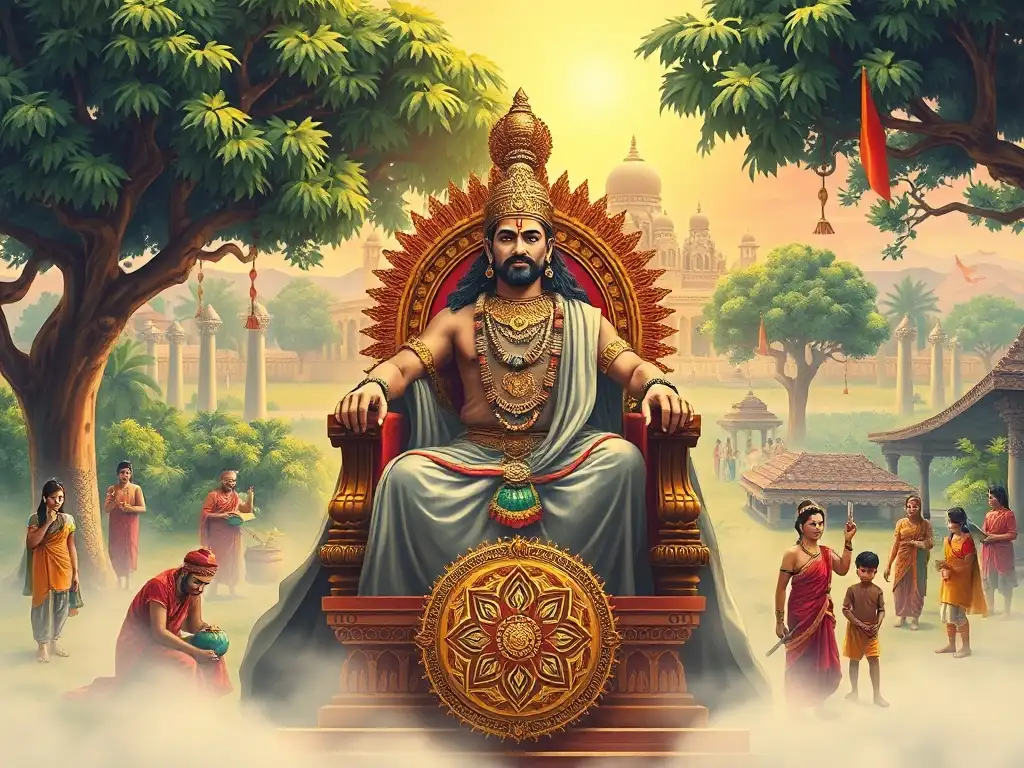
Ashoka the Great, one of the most illustrious emperors of ancient India, is renowned not only for his military conquests but also for his profound contributions to social welfare and governance. His reign, which lasted from approximately 268 to 232 BCE, marked a transformative period in Indian history, characterized by a shift from aggressive expansionism to a focus on humanitarianism and ethical administration. Ashoka's commitment to the principles of Dhamma, or righteous living, has left an indelible mark on the cultural and social fabric of India, influencing generations long after his time.
Overview of Ashoka's Life and Reign
Born into the Maurya dynasty, Ashoka was the grandson of Chandragupta Maurya, the founder of the Mauryan Empire. He ascended to the throne after a series of violent power struggles and quickly established himself as a formidable ruler. His early reign was marked by military campaigns, most notably the conquest of Kalinga, which resulted in significant loss of life and suffering. However, the aftermath of this war profoundly affected Ashoka, leading him to embrace Buddhism and adopt a philosophy centered around non-violence and compassion.
- Key Milestones in Ashoka's Life:
- Birth: Circa 304 BCE
- Ascension to the Throne: Circa 268 BCE
- Kalinga War: Circa 262-261 BCE
- Adoption of Buddhism: Following the Kalinga War
- Edicts of Ashoka: Circa 250 BCE
Ashoka's reign is characterized by a series of innovations in social welfare, which aimed to improve the quality of life for his subjects. He established a network of hospitals, roadside rest houses, and water wells, reflecting his commitment to public health and infrastructure. His rock edicts, inscribed on pillars across his empire, communicated his policies on ethics, moral conduct, and the importance of social responsibility.
Significance of Ashoka in Ancient Indian History
The significance of Ashoka in ancient Indian history cannot be overstated. He is often celebrated as a pioneer of social welfare innovations, setting a precedent for future rulers in India and beyond. His approach to governance emphasized the well-being of the populace rather than mere territorial expansion. Here are some key aspects of his significance:
- Promotion of Dhamma:
- Ashoka's advocacy of Dhamma was a revolutionary approach to governance. He promoted values such as tolerance, compassion, and ethical behavior, which fostered harmony among diverse communities within his empire.
- Social Welfare Initiatives:
- His establishment of hospitals for both humans and animals highlights his innovative approach to public health. These institutions provided care and treatment, reflecting a profound understanding of the interconnectedness of society and health.
- Cultural Integration:
- Ashoka's policies encouraged cultural integration and the spread of Buddhism, which became a unifying force in the Indian subcontinent. His support for religious tolerance allowed various faiths to coexist, promoting social harmony.
- Legacy of Peace:
- Ashoka's transition from a conqueror to a benevolent ruler serves as a powerful lesson in leadership. His legacy continues to inspire modern discussions on governance, ethics, and social responsibility.
- Historical Documentation:
- The Edicts of Ashoka, inscribed in various languages, serve not only as a source of historical information but also as a testament to his governance philosophy. These inscriptions provide insights into the socio-political landscape of ancient India and his vision for a just society.
Ashoka's social welfare innovations and his commitment to ethical governance have cemented his status as one of the most influential figures in ancient Indian history. His legacy endures, reminding us of the importance of compassion and social responsibility in leadership.
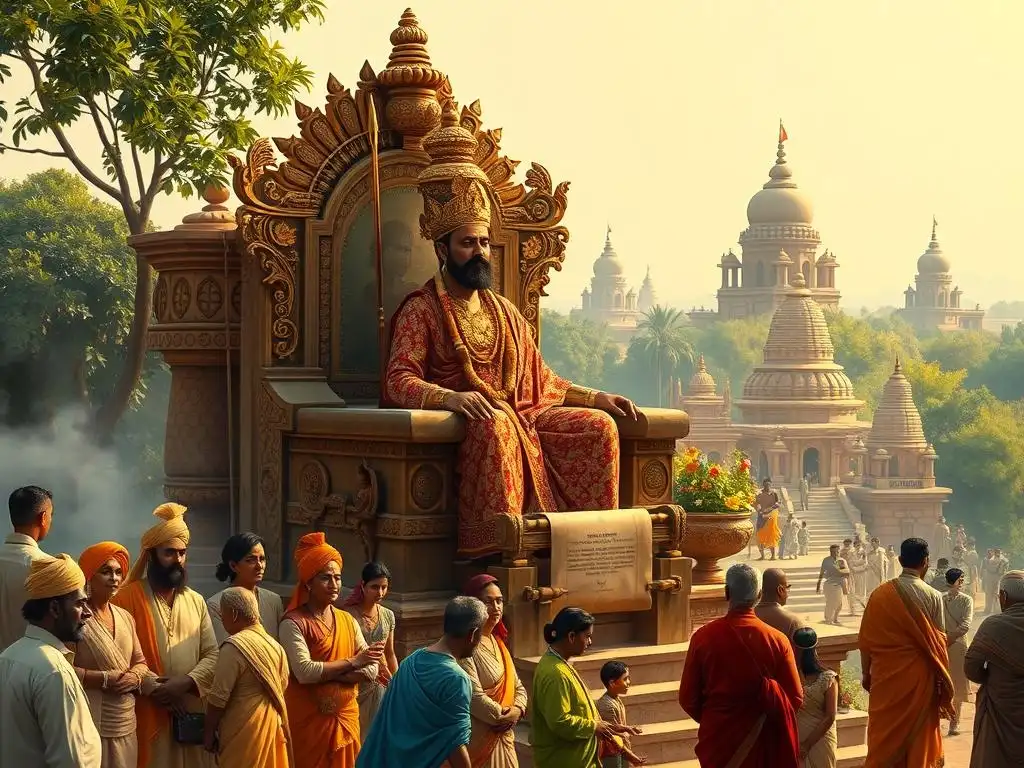
Social welfare in ancient India can be understood as a set of practices and policies aimed at promoting the well-being of the populace, particularly the marginalized and underprivileged. Unlike the modern interpretation of social welfare, which often encompasses government-sponsored programs and services, ancient Indian social welfare revolved around the philosophy of Dharma, which emphasized moral duty, ethical conduct, and the responsibilities of rulers and society towards their citizens.
In the context of ancient civilizations, social welfare was deeply intertwined with religion, culture, and community values. Key aspects included:
- Charitable Acts: Philanthropy played a significant role, with wealthy individuals and royal patrons often funding temples, schools, and hospitals.
- Support for the Needy: Provisions for the poor, orphans, and the elderly were integral, often organized by community leaders or local governments.
- Public Works: Investment in infrastructure, such as roads, irrigation, and sanitation, was seen as a means to enhance the quality of life, which indirectly contributed to social welfare.
Ashoka the Great, renowned for his emphasis on social welfare innovations, exemplified these principles by establishing a system where the welfare of his subjects was paramount. His edicts, inscribed on pillars and rocks, articulated the need for compassion and the moral obligation of rulers to care for their people, highlighting the significance of social welfare during his reign.
The kingship in ancient India was not merely a position of power but also a sacred office with the responsibility to uphold Dharma and ensure the welfare of the subjects. This sense of duty was particularly pronounced during Ashoka's reign, as he transformed the nature of kingship into a more benevolent and socially responsible role.
Key elements of kingship that contributed to social welfare included:
- Moral Leadership: Kings were expected to embody ethical principles, serving as role models for their subjects. Ashoka's conversion to Buddhism reinforced his commitment to non-violence, compassion, and social justice.
- Legislative Innovations: Ashoka enacted laws that prioritized the welfare of his people. His edicts promoted the humane treatment of animals, the establishment of hospitals, and the encouragement of community welfare activities.
- Civic Engagement: The concept of public participation in governance emerged, with Ashoka involving local communities in decision-making processes related to welfare initiatives. This grassroots approach fostered a sense of ownership and responsibility among the populace.
The role of kingship in ancient India, particularly under Ashoka, was pivotal in advancing social welfare innovations. By integrating moral responsibility with governance, Ashoka set a precedent for future rulers, emphasizing that the true measure of a king lies in the well-being of his subjects.

Key Innovations Introduced by Ashoka
Ashoka the Great, the third Mauryan emperor, is renowned not only for his military conquests but also for his transformative social welfare innovations that left a lasting impact on ancient Indian society. His reign marked a significant shift towards humanitarianism, where he prioritized the well-being of his subjects over territorial expansion. Below are some of the critical innovations he introduced that exemplify his commitment to social welfare.
Establishment of Hospitals and Medical Care
One of Ashoka's most notable contributions to social welfare was the establishment of hospitals, which were revolutionary for their time. These hospitals, known as "Arama," were intended to provide free medical care to both humans and animals.
- Public Health Initiatives: Ashoka implemented a network of hospitals equipped with skilled physicians who offered medical assistance.
- Medicinal Herbs: He also ensured that medicinal herbs were cultivated and made accessible to the public, promoting holistic health practices.
- Compassion for Animals: The inclusion of animal hospitals reflected his compassion towards all living beings, establishing a precedent for animal welfare in society.
These initiatives not only improved public health but also fostered a sense of community well-being among the citizens.
Promotion of Education and Learning
Ashoka recognized the importance of education in uplifting society and thus promoted learning across his empire.
- Establishment of Educational Institutions: He supported the establishment of schools and educational institutions that provided free education, especially for marginalized groups.
- Encouragement of Buddhism: By promoting Buddhist teachings, Ashoka contributed to the dissemination of knowledge and moral values, which were foundational to the ethical development of society.
- Literary Contributions: He commissioned texts and inscriptions that emphasized moral and ethical conduct, ensuring that education was aligned with the principles of Dhamma.
Through these educational reforms, Ashoka aimed to cultivate an informed and ethical citizenry that could contribute positively to society.
Infrastructure Development for Public Use
Ashoka's reign was marked by significant infrastructure development aimed at enhancing the quality of life for his subjects.
- Road Construction: He constructed extensive road networks, facilitating trade, travel, and communication across the empire. These roads were often lined with trees and rest houses, providing comfort to travelers.
- Water Supply Systems: Ashoka invested in building wells, reservoirs, and irrigation systems, which were crucial for agriculture and drinking water accessibility.
- Public Amenities: He established parks, gardens, and recreational spaces, emphasizing the importance of leisure and well-being in daily life.
These infrastructural advancements not only bolstered economic activity but also enriched the social fabric of the empire.
The Concept of Dhamma and Its Impact on Society
The concept of Dhamma played a central role in Ashoka's social welfare policies and initiatives. It served as a guiding principle that shaped his vision for a harmonious and just society.
Principles of Dhamma and Their Application
Dhamma, often translated as "moral law" or "righteousness," encompassed a range of ethical principles that guided Ashoka's governance.
- Compassion and Non-violence: Ashoka promoted non-violence (ahimsa) and compassion towards all living beings, which became foundational to his policies.
- Truthfulness and Integrity: He emphasized the importance of truthfulness in personal conduct and governance, advocating for transparency and accountability.
- Social Justice: Dhamma ensured that the welfare of all subjects, including the marginalized, was prioritized, fostering a sense of equity and justice.
These principles were embedded in Ashoka's edicts, which served as public reminders of the moral obligations of both rulers and citizens.
Dhamma as a Tool for Social Harmony
Ashoka utilized Dhamma not only as a philosophical framework but also as a practical tool for promoting social harmony and cohesion.
- Community Engagement: He encouraged community gatherings where discussions on ethical conduct and societal responsibilities could take place, fostering a sense of belonging among subjects.
- Conflict Resolution: Dhamma provided mechanisms for conflict resolution, emphasizing forgiveness and reconciliation over retribution, thus reducing societal tensions.
- Interfaith Dialogue: By promoting religious tolerance and respect for diverse beliefs, Ashoka sought to create a pluralistic society where various faiths could coexist peacefully.
The implementation of Dhamma under Ashoka's rule significantly contributed to a stable and harmonious society, reflecting his deep commitment to social welfare innovations.
Ashoka's Policies and Their Implementation
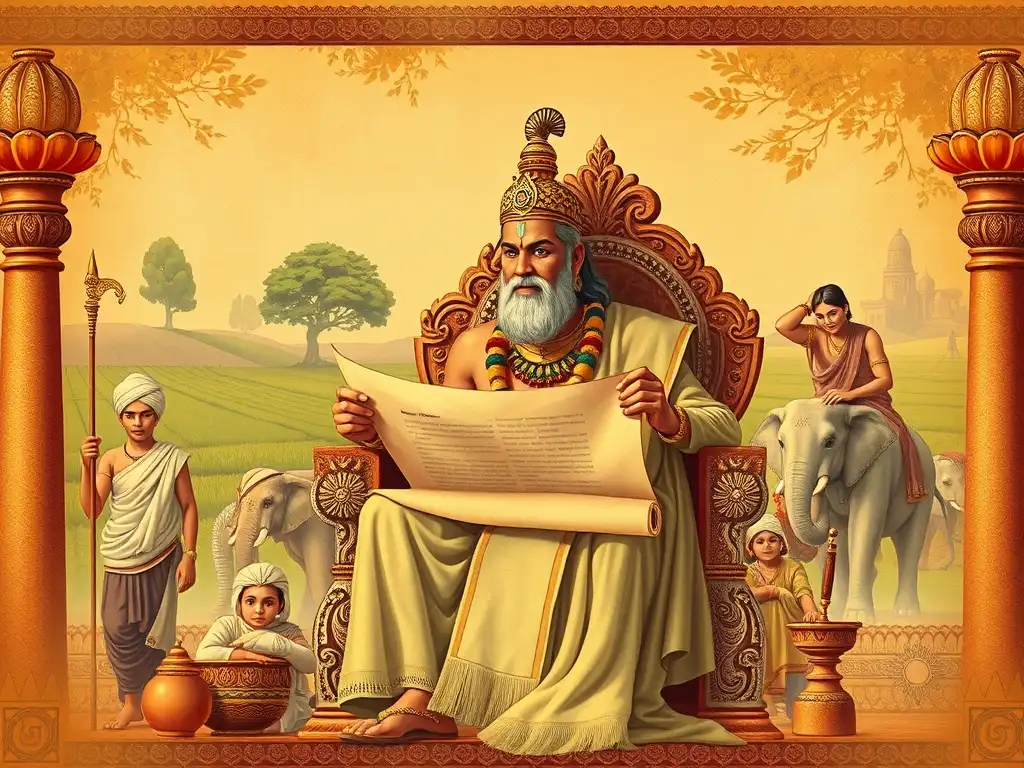
Ashoka the Great, the third Mauryan emperor, is often celebrated for his remarkable contributions to social welfare, which were primarily communicated through his edicts. These inscriptions, carved on rocks and pillars across his empire, served as a tool to disseminate his vision of a just and humane society. The edicts underscore his commitment to the principles of Dharma, which emphasized morality, non-violence, and the welfare of all beings.
The social implications of Ashoka's edicts are profound, as they reflect a shift from traditional power dynamics towards a more compassionate governance model. By promoting social welfare innovations, Ashoka aimed to elevate the living standards of his subjects, fostering a sense of community and ensuring that the benefits of governance extended beyond the elite classes.
Analysis of Major Edicts Related to Welfare
Several of Ashoka's major edicts specifically address social welfare, outlining his policies and initiatives designed to improve the lives of his subjects. Notable among these are:
- Edict I: Proclaims that the welfare of all living beings is paramount. Ashoka emphasizes the importance of compassion, urging his subjects to treat others with kindness and respect.
- Edict II: Discusses the establishment of hospitals for humans and animals, highlighting his innovative approach to public health. This initiative ensured that medical care was accessible to all, regardless of social status.
- Edict VII: Focuses on providing for the poor and marginalized, mandating that resources be allocated to uplift the underprivileged. This reflects an early understanding of social equity.
- Edict IX: Encourages the promotion of moral education and ethical conduct among the populace, laying the foundation for a society that values integrity and compassion.
Through these edicts, Ashoka not only articulated his vision for social welfare but also set in motion reforms that would resonate for centuries, influencing subsequent generations of leaders.
The Role of Pillars and Rock Edicts in Spreading Welfare Ideals
The pillars and rock edicts of Ashoka played a crucial role in disseminating his welfare ideals throughout his vast empire. Strategically placed across key trade routes and urban centers, these inscriptions served as both a means of communication and a tool for education.
- Accessibility: The visibility of these edicts ensured that a wide audience, including common citizens, could engage with Ashoka's messages. This accessibility was essential in cultivating a shared sense of responsibility towards social welfare.
- Cultural Integration: By using local languages and dialects in some inscriptions, Ashoka fostered cultural integration and made his welfare messages relatable to different communities. This approach encouraged collective ownership of the welfare initiatives, enhancing their effectiveness.
- Symbol of Governance: The pillars, often adorned with intricate carvings and the emblem of the lion, became symbols of Ashoka's enlightened rule. They reinforced the idea that good governance is inherently linked to the welfare of the people.
- Legacy of Compassion: The enduring presence of these edicts serves as a reminder of Ashoka's commitment to social welfare. They remain a testament to his innovative policies that prioritized the common good, influencing not only his contemporaries but also future leaders across the Indian subcontinent.
Ashoka’s social welfare innovations were intricately woven into the fabric of his edicts, which served as both a manifesto and a moral compass for his empire. His policies laid the groundwork for a legacy of compassion and responsibility that resonates through history.
The Impact of Ashoka’s Innovations on Society
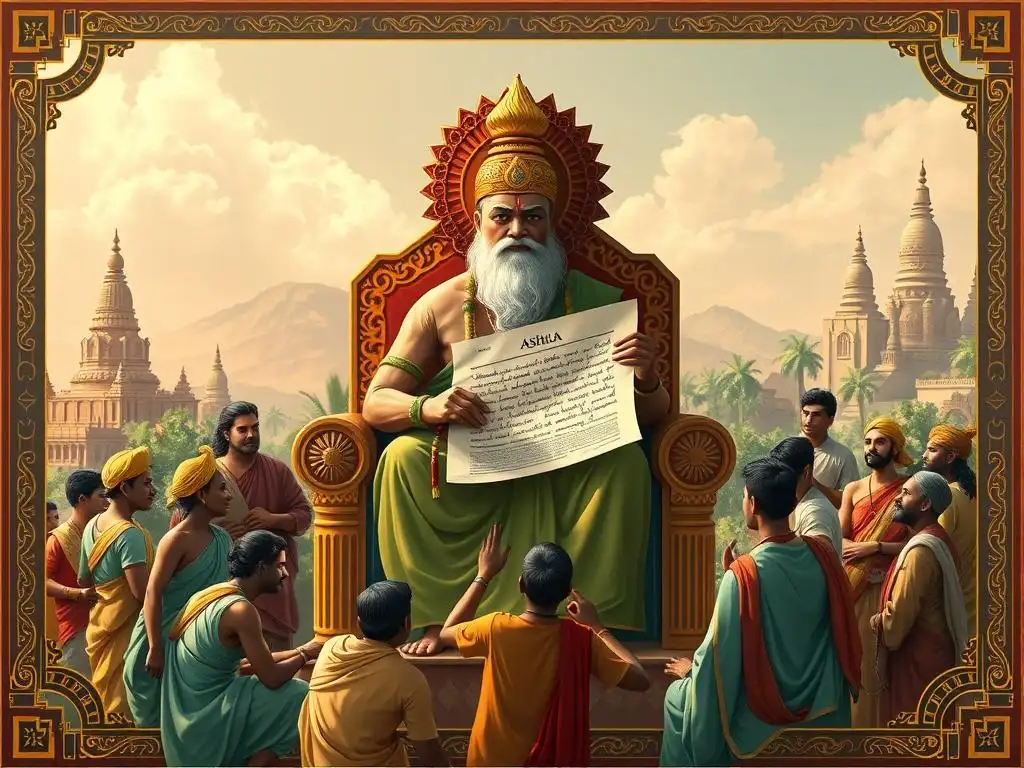
Ashoka the Great, the third emperor of the Maurya Dynasty, is renowned not only for his military conquests but also for his significant contributions to social welfare. His policies and innovations aimed at uplifting the common populace created a profound impact on society during his reign and beyond. The principles he implemented laid the groundwork for a more humane governance model that emphasized compassion, justice, and the welfare of all citizens.
During Ashoka's reign (circa 268-232 BCE), the immediate repercussions of his social welfare innovations were evident across various segments of society. His transformation from a warrior to a benevolent ruler, influenced by the teachings of Buddhism, led to several key initiatives:
- Public Health and Infrastructure:
- Ashoka established hospitals for both humans and animals, a pioneering concept at the time. These facilities provided free medical care and were equipped with herbal medicines, showcasing a holistic approach to health.
- The construction of wells, rest houses, and roads facilitated better communication and access to resources, significantly improving the quality of life for ordinary citizens.
- Promoting Education:
- The emperor encouraged the establishment of educational institutions, which played a crucial role in promoting literacy and knowledge. This focus on education fostered a more informed populace capable of contributing to societal welfare.
- Legal and Ethical Reforms:
- Ashoka's Edicts, inscribed on rocks and pillars throughout his empire, advocated for ethical behavior, non-violence, and respect for all living beings. These messages resonated with the populace, instilling a sense of moral responsibility and community welfare.
- The introduction of laws that protected the rights of the underprivileged, including women and marginalized groups, marked a significant shift towards more inclusive governance.
The short-term effects of these innovations were transformative, as they directly addressed the immediate needs of the people and improved their living conditions. The emphasis on compassion and ethical governance also contributed to a more cohesive and harmonious society.
Long-term Influence on Indian Society and Governance
The impact of Ashoka's social welfare innovations extended far beyond his reign, influencing Indian society and governance for centuries to come. Several long-term effects can be identified:
- Enduring Legacy of Buddhism:
- Ashoka's conversion to Buddhism and his efforts to propagate its principles led to the establishment of a strong Buddhist community. This faith promoted values that emphasized social welfare, compassion, and communal harmony, which continued to shape Indian society long after his rule.
- Framework for Future Governance:
- Ashoka’s model of governance, which prioritized the welfare of citizens, inspired subsequent rulers and dynasties. His emphasis on ethical leadership and social responsibility became a benchmark for good governance in India.
- The integration of welfare policies into governance, such as public health initiatives and legal reforms, paved the way for future administrations to adopt similar practices, thus embedding social welfare into the political fabric of India.
- Influence on Legal Systems:
- The legal reforms initiated by Ashoka, particularly those protecting the rights of marginalized groups, set a precedent for future laws in India. His commitment to justice and equity became integral in the evolution of legal systems, promoting a sense of fairness and accountability.
- Cultural Integration:
- Ashoka’s policies fostered a culture of tolerance and respect for diversity, which is still a hallmark of Indian society today. The respect for various religions and communities he promoted encouraged a pluralistic society, enriching India's cultural heritage.
Ashoka’s social welfare innovations had profound short-term effects on the lives of his contemporaries and laid a robust foundation for long-term societal changes. His vision of a compassionate and just society continues to resonate, influencing the principles of governance and social welfare in India to this day.
Comparative Analysis of Ashoka’s Innovations with Other Rulers

Comparison with Other Ancient Indian Rulers’ Welfare Policies
Ashoka the Great, known for his profound commitment to social welfare, stands out among ancient Indian rulers not only for the scale of his innovations but also for their philosophical underpinnings. His approach was markedly different from those of his predecessors and contemporaries, particularly in integrating ethical governance with social responsibility.
Key Features of Ashoka's Welfare Policies:
- Dhamma: Ashoka's principles of Dhamma emphasized moral conduct and compassion towards all living beings. This philosophical framework was foundational to his social welfare initiatives, promoting non-violence, respect, and empathy.
- Public Health and Infrastructure: Ashoka initiated extensive public health measures, including the establishment of hospitals for humans and animals. He also constructed wells, rest houses, and roads, which facilitated trade and access to resources, significantly improving the quality of life for his subjects.
In contrast, other rulers like Chandragupta Maurya, Ashoka's grandfather, focused more on military expansion and consolidation of power. His welfare policies were less defined and primarily aimed at maintaining order rather than promoting social good. Chandragupta's reign was characterized by a more autocratic governance style, with limited emphasis on the welfare of the common people.
Similarly, rulers like Harsha Vardhana in the 7th century also made contributions towards social welfare, such as support for education and the promotion of Buddhism. However, unlike Ashoka, Harsha's initiatives were often tied to his personal beliefs and the need to consolidate his power rather than a systematic approach to governance based on ethical principles.
The Gupta Empire, which followed Ashoka's reign, saw advancements in arts and sciences but lacked a unified approach to social welfare comparable to Ashoka’s. While there were advancements in education and the establishment of universities, the focus remained more on cultural and intellectual development rather than direct social welfare initiatives.
Ashoka's social welfare innovations provide several valuable lessons that remain relevant in contemporary discussions about governance and public policy:
- Ethical Governance: Ashoka's integration of Dhamma into his governance illustrates the importance of ethical frameworks in leadership. Modern leaders can learn from his commitment to morality and compassion as guiding principles for societal improvement.
- Holistic Development: By addressing various aspects of life, including health, infrastructure, and education, Ashoka demonstrated a comprehensive approach to welfare. This model suggests that successful social welfare policies must consider the interconnectedness of different societal needs.
- Public Engagement: Ashoka’s use of inscriptions and edicts to communicate his policies to the people highlights the importance of transparency and public engagement in governance. This approach fosters trust and encourages community involvement in welfare initiatives.
- Adaptation to Local Needs: Ashoka's policies were often tailored to the specific needs of his diverse subjects. This adaptability is crucial for modern policymakers, who must consider the unique contexts and challenges within different communities.
- Long-term Vision: Ashoka's legacy reflects a long-term vision for societal well-being that transcends his reign. Modern leaders should aim for sustainability in their welfare initiatives, ensuring that they leave a positive impact for future generations.
Ashoka’s innovations in social welfare not only set a precedent for governance in ancient India but also provide timeless insights into the principles of effective leadership aimed at the common good. His commitment to ethical governance, holistic development, and public engagement remains a model for contemporary society.
Ashoka the Great, known for his transformative reign during the 3rd century BCE, has left an indelible mark on the concept of social welfare. His innovations in governance and his commitment to the welfare of his subjects set a precedent that resonates even in today's context. Through the establishment of hospitals, the promotion of education, and the emphasis on moral and ethical living, Ashoka crafted a framework aimed at uplifting the common people.
The Edicts of Ashoka, inscribed on pillars and rocks, serve as a testament to his pioneering approach. These edicts not only reflected his vision for a just society but also emphasized values such as compassion, non-violence, and community service. Ashoka's belief that the state should play an active role in ensuring the well-being of its citizens was revolutionary, laying the groundwork for future social welfare policies.
The principles that Ashoka championed are echoed in modern social welfare practices across the globe. His holistic approach to governance, which prioritized the needs of the populace, can be seen in contemporary initiatives aimed at poverty alleviation, healthcare access, and education reform.
- Healthcare Initiatives: Ashoka's establishment of hospitals for both humans and animals highlights the importance of health as a fundamental right. Today, many countries implement universal healthcare systems inspired by the idea that a government should ensure the health of its citizens.
- Education and Literacy: By promoting educational reforms, Ashoka underscored the value of knowledge. Modern educational policies often reflect this ethos, aiming to provide free or affordable education to ensure that all segments of society have access to learning opportunities.
- Community Engagement: Ashoka’s emphasis on community service fosters a sense of collective responsibility, which is mirrored in contemporary social programs that encourage volunteerism and civic engagement.
The ongoing relevance of Ashoka's social welfare innovations is evident as nations strive to create inclusive policies that cater to the needs of their diverse populations. His vision serves as a guiding light for leaders and policymakers who seek to uplift the marginalized and promote equitable growth.
The Continued Relevance of Ashoka's Principles in Contemporary Society
As society grapples with challenges such as inequality, health crises, and social unrest, the teachings and innovations of Ashoka provide valuable insights into sustainable solutions.
- Ethical Governance: Ashoka's commitment to ethical leadership is a model for today's politicians. His focus on moral integrity encourages contemporary leaders to prioritize the common good above personal or political interests.
- Sustainable Development: Ashoka’s respect for nature and animal welfare is increasingly relevant in today’s discussions on environmental sustainability. His proactive measures for ecological balance advocate for a harmonious relationship between humans and nature, which is crucial in the face of climate change.
- Civic Responsibility: The call for individuals to contribute to societal welfare remains significant. Ashoka’s vision encourages citizens to engage in community service, fostering a culture of mutual support and cooperation.
Ashoka's social welfare innovations not only shaped ancient Indian society but also continue to inspire modern practices aimed at fostering social equity and improving the quality of life for all. His legacy serves as a reminder that the pursuit of the common good is a timeless endeavor, essential for the progress of any civilization. As we reflect on his contributions, it is clear that Ashoka's ideals hold profound lessons for contemporary society, urging us to advance the cause of social welfare with compassion and integrity.
Frequently Asked Questions
Ashoka's reign was marked by significant innovations in social welfare, including the establishment of hospitals, planting of trees for shade, and building of wells to ensure access to clean water.
Ashoka embraced Buddhism, advocating for non-violence and compassion. He implemented policies that discouraged harm to living beings and encouraged moral conduct among his subjects.
Dharma, or righteous living, was central to Ashoka's social welfare. He used it as a guiding principle to promote ethical governance and social responsibility among his people.
Ashoka famously inscribed his edicts on pillars and rocks across his empire, effectively communicating his social welfare policies and moral teachings to a wide audience.
Ashoka's innovations laid the groundwork for modern social welfare concepts. His emphasis on public health, education, and ethical governance continues to inspire contemporary social policies around the world.
Final Reflection: Embracing Ashoka’s Legacy for a Better Tomorrow
Ashoka’s contributions to social welfare innovations remain profoundly relevant today, as they challenge us to rethink our roles in fostering community well-being. In an era marked by social disparities and environmental crises, the principles championed by Ashoka resonate with urgency. His vision of empowering individuals to become changemakers inspires us to act, reminding us that social innovation is not just a lofty ideal but a necessary pursuit for the common good.
The impact of Ashoka’s philosophy is evident in the cultural and social landscape we navigate today. From grassroots movements to global initiatives, the spirit of social entrepreneurship ignited by Ashoka continues to influence countless individuals striving for positive change. As Ashoka himself once said, > “The greatest challenge of our time is to build a world where everyone can be a changemaker.” This call to action underscores the importance of nurturing a culture of innovation and collaboration, where every voice contributes to the collective effort of improving society.
As we reflect on the lessons from Ashoka’s legacy, let us consider how we can embody the spirit of social welfare innovations in our daily lives. I invite you to explore your potential as a changemaker, recognizing that even small actions can lead to significant impacts. Whether through volunteering, supporting local initiatives, or simply advocating for social justice, each of us has the power to contribute to a brighter future. Together, let us honor Ashoka’s vision by committing ourselves to the pursuit of social welfare and innovation for the common good.
Thank you for exploring the impactful legacy of Ashoka and his innovations in social welfare! We hope you gained valuable insights on how his principles can inspire modern change. Now, it’s your turn to carry forward this spirit of transformation.
Consider taking these actionable steps:
- Join a local organization that focuses on community welfare initiatives and put Ashoka’s values into practice.
- Share this article with friends and family to spark conversations about the importance of social responsibility.
- Explore unique volunteer opportunities that align with your passions, embracing a mindset of service and innovation.
As Ashoka once led by example, how will you take the initiative in your community to inspire others towards the common good?