
The Impact of Ancient Indian Surgical Techniques on Global Medicine

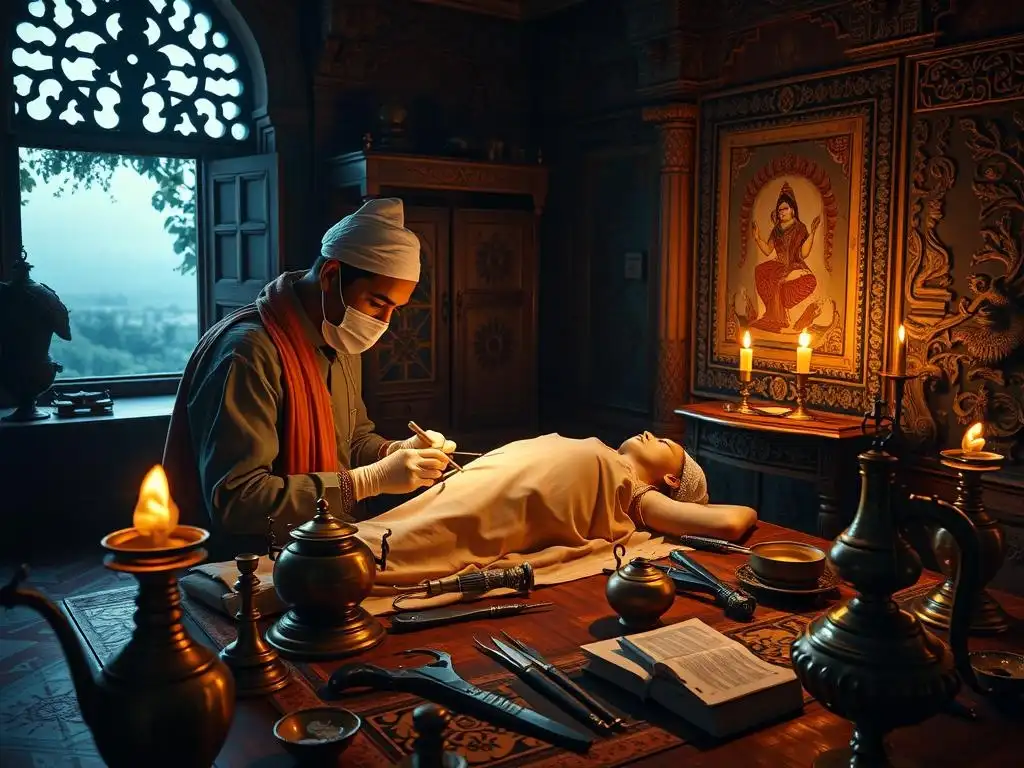
Welcome to Ancient India History, where we embark on a captivating journey through the rich tapestry of one of the world's oldest civilizations. Have you ever wondered how ancient Indian surgical techniques shaped the landscape of global medicine? In our featured article, "The Impact of Ancient Indian Surgical Techniques on Global Medicine," we delve into the groundbreaking practices that emerged from the Indus Valley to the Gupta Empire.
Join us as we uncover the wisdom and innovations of ancient healers, and discover how their contributions continue to resonate in modern medical practices. Prepare to be inspired and enlightened—your exploration of this fascinating history begins now!

Introduction to Ancient Indian Surgical Techniques
The history of medicine is deeply intertwined with the evolution of surgical practices, and ancient India stands as a monumental pillar in this narrative. Ancient Indian surgical techniques not only highlight the advanced understanding of human anatomy and surgical procedures among ancient practitioners but also demonstrate how these methods influenced global medical practices. This article delves into the remarkable contributions of ancient Indian surgeons, exploring their techniques, the cultural significance of surgery within Indian society, and the enduring legacy that continues to shape modern medicine today.
Overview of Ancient Indian Medicine
Ancient Indian medicine, primarily known as Ayurveda, is a holistic system that emphasizes the balance between mind, body, and spirit. It dates back thousands of years and incorporates a range of practices, including herbal medicine, diet, and surgical interventions.
- Key Features of Ancient Indian Medicine:
- Emphasis on natural remedies and lifestyle changes.
- Detailed classification of diseases and their treatments.
- Integration of surgery as a vital component of healing.
The surgical practices in ancient India were documented extensively, showcasing a sophisticated understanding of surgical procedures that included not just operations but also the principles of wound care and recovery.
Significance of Surgical Practices in Ancient India
Surgical practices in ancient India were highly regarded and often considered both an art and a science. The significance of these practices can be observed in several ways:
- Cultural Importance: Surgery was not merely a medical intervention but also held spiritual and cultural connotations. Successful surgeries were often attributed to divine intervention and the skills of the surgeon.
- Educational Framework: The training of surgeons was formalized, with apprentices learning under the guidance of masters, ensuring the transfer of knowledge and skills through generations.
- Innovative Techniques: Ancient Indian surgeons developed various innovative techniques, including the use of anesthesia, suturing methods, and advanced surgical instruments, which laid the groundwork for future surgical practices.
Historical Context of Surgical Techniques in Ancient India
The historical context of ancient Indian surgical techniques reveals a rich tapestry of knowledge that flourished in various dynasties and regions. The advancement of these techniques was influenced by cultural, philosophical, and scientific developments.
Key Texts Documenting Surgical Practices
Several ancient texts serve as crucial sources of information regarding surgical practices in India. The most notable among these are:
- Sushruta Samhita: Often regarded as the foundational text of surgery, it details surgical techniques, instruments, and various surgical procedures.
- Charaka Samhita: Although primarily focused on internal medicine, it complements surgical knowledge by providing insights into preoperative and postoperative care.
These texts not only document surgical techniques but also highlight the ethical considerations and holistic approach to patient care prevalent during that era.
Major Ancient Indian Surgeons and Their Contributions
Among the luminaries of ancient Indian surgery, a few figures stand out due to their groundbreaking contributions:
- Sushruta: Known as the "father of surgery," Sushruta's techniques and teachings have had a profound impact on both Indian and global surgical practices. His detailed descriptions of over 120 surgical instruments and procedures are still referenced today.
- Charaka: While primarily an expert in medicine, Charaka's holistic approaches have influenced surgical practices, particularly in the realm of patient care and the importance of understanding the body as a whole.
These surgeons not only exemplified skill in their surgical techniques but also contributed to an ethical framework that prioritized patient wellbeing, influencing future generations of medical practitioners across the world.
Techniques and Innovations in Ancient Indian Surgery
Ancient Indian surgical techniques, particularly those documented in the Sushruta Samhita, reveal a sophisticated understanding of human anatomy and surgical practices that were advanced for their time. These techniques encompassed a variety of procedures, including but not limited to, excision, suturing, and even plastic surgeries. Sushruta, often referred to as the "father of surgery," emphasized the importance of surgical training and the need for a well-documented methodology in performing surgeries.
Innovations like the use of anesthesia, particularly through herbal concoctions, marked a significant advancement in patient care. The ancient texts describe the administration of various plant-based drugs to minimize pain during surgical procedures. Additionally, the emphasis on cleanliness and the use of antiseptic techniques foreshadowed modern practices in surgery, showcasing a remarkable understanding of infection control.
Moreover, ancient Indian surgeons developed innovative methods for treating wounds and fractures, employing techniques such as the "Yavakshara" (alkaline paste) for cauterization. The holistic approach of integrating surgical procedures with Ayurvedic principles highlighted the ancient Indian belief in treating the whole person, setting a foundation for future medical practices globally.
Unique Surgical Methods Developed in Ancient India
Among the unique surgical methods developed in ancient India, rhinoplasty stands out as a significant achievement. The procedure, documented extensively in the Sushruta Samhita, involved reconstructing the nose using skin grafts from the forehead. This method not only showcased surgical skill but also catered to the social and cultural importance of physical appearance in ancient Indian society.
Another notable technique was the extraction of cataracts, known as "couching." This procedure involved displacing the cataractous lens to restore sight, demonstrating an impressive understanding of ocular anatomy. The meticulousness with which these surgeries were performed laid the groundwork for later advancements in ophthalmology.
Furthermore, ancient Indian surgeons practiced various forms of lithotomy, a procedure for removing bladder stones, which involved a range of techniques to minimize patient discomfort and enhance recovery. These unique methods underscore the ingenuity and depth of knowledge possessed by ancient Indian practitioners, influencing surgical practices in subsequent civilizations.
Instruments Used in Ancient Indian Surgery
The surgical landscape of ancient India was characterized by a diverse array of instruments, many of which were crafted from materials like bronze, iron, and wood. The Sushruta Samhita provides detailed descriptions of over 120 surgical instruments, each designed for specific purposes.
Key instruments included:
- Scalpels (Shastra): Used for making incisions, these sharp tools were essential for various surgical procedures.
- Forceps (Vishala): These were employed to grasp and manipulate tissues during surgery, facilitating precision in delicate operations.
- Suction devices: Early versions of suction instruments were developed to remove fluids and debris from surgical sites, an innovation critical for maintaining a clear field of vision during procedures.
- Cauterizing tools (Agni): Used to burn tissue and control bleeding, these instruments demonstrated an advanced understanding of thermal therapies.
The sophistication of these instruments reveals the skill and craftsmanship of ancient Indian artisans, as well as the cultural significance placed on surgical practices.
The Influence of Ancient Indian Surgical Techniques on Global Medicine
The impact of ancient Indian surgical techniques on global medicine is profound, with knowledge transmission playing a crucial role in their adaptation and evolution across cultures.
Transmission of Knowledge Across Cultures
The exchange of medicinal knowledge was facilitated by trade routes, particularly the Silk Road, which connected India with various civilizations. Ancient Indian texts were translated into Arabic during the Islamic Golden Age, allowing for the dissemination of surgical techniques to the Middle East and beyond. Notably, the Sushruta Samhita became a pivotal reference for Islamic scholars, who incorporated these techniques into their medical practices.
The migration of Indian physicians and scholars to regions like Persia and the Mediterranean facilitated this cross-cultural exchange. As ancient Indian surgical methods were absorbed into local practices, they contributed to the development of more sophisticated medical systems, blending with the knowledge of other cultures and enriching global medical history.
Impact on Islamic Medicine and the Renaissance
The influence of ancient Indian surgical techniques extended significantly into Islamic medicine, where scholars such as Al-Razi and Ibn Sina (Avicenna) acknowledged and built upon the foundations laid by Indian practitioners. The incorporation of surgical procedures, anatomical understandings, and medicinal practices from ancient India not only enhanced Islamic medicine but also laid the groundwork for advancements during the Renaissance.
During this period, European physicians began to rediscover classical texts, including translations of Indian medical works. The emphasis on empirical observation and surgical precision found in these texts inspired a new wave of medical innovation, leading to the establishment of more systematic approaches to surgery in Europe.
This interplay of knowledge illustrates how ancient Indian surgical techniques not only shaped the medical practices within India but also transcended cultural boundaries, leaving a lasting legacy on global medicine that continues to be recognized and appreciated today.
Modern Relevance of Ancient Indian Surgical Techniques
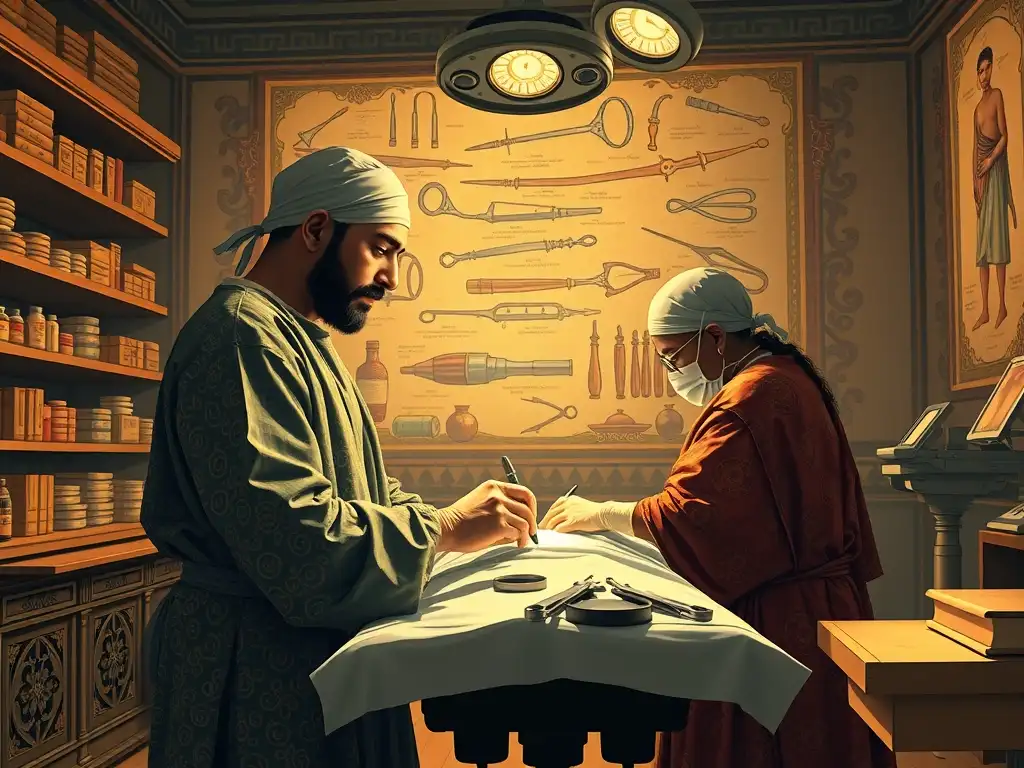
Ancient Indian surgical techniques, particularly those documented in texts like the Sushruta Samhita, have left a profound impact on the practice of medicine worldwide. These techniques, rooted in a deep understanding of human anatomy and physiology, have relevance even in today’s medical landscape. Surgeons and medical practitioners today can draw from these age-old methods to enhance their skills, broaden their perspectives, and refine their approaches to surgical procedures.
For instance, the concept of plastic surgery was pioneered in ancient India, where the reconstruction of noses and ears was performed with remarkable precision. This foundational work laid the groundwork for modern reconstructive and aesthetic surgeries. Moreover, techniques related to surgical instruments and their sterilization are reflected in contemporary practices, emphasizing the importance of hygiene and precision in surgical environments.
Lessons from Ancient Practices in Contemporary Medicine
The teachings derived from ancient Indian surgical techniques offer valuable lessons that can be integrated into contemporary medical practices. One notable aspect is the holistic approach toward patient care that ancient practitioners adopted. They focused not only on the physical ailments but also considered psychological and social factors affecting health. This perspective is gaining traction in modern medicine, where a multidisciplinary approach is increasingly seen as vital for patient recovery and well-being.
Additionally, the ancient texts emphasize the importance of patient education and informed consent, which are critical components of modern medical ethics. By understanding the historical context and the rationale behind these ancient practices, modern practitioners can cultivate a more empathetic and informed relationship with their patients, leading to improved health outcomes.
Reviving Ancient Knowledge in Modern Medical Education
Integrating ancient Indian surgical techniques into current medical education can enrich the curriculum and provide students with a broader understanding of surgical practices. Medical schools are beginning to recognize the significance of historical surgical methods, and some institutions are including modules on ancient medical texts and techniques.
Workshops that focus on ancient surgical instruments and methods can offer insights into their construction and use, thereby allowing students to appreciate the evolution of surgical tools over the centuries. Furthermore, case studies from ancient practices can inspire innovative solutions to modern medical challenges, encouraging future generations of surgeons to explore diverse methodologies.
Conclusion: The Legacy of Ancient Indian Surgical Techniques
The legacy of ancient Indian surgical techniques is not merely a historical footnote but a living testament to the wisdom of ancient practitioners. Their contributions to surgery have transcended time, influencing not only the development of surgical techniques but also the broader field of medicine.
Summary of Contributions to Global Medicine
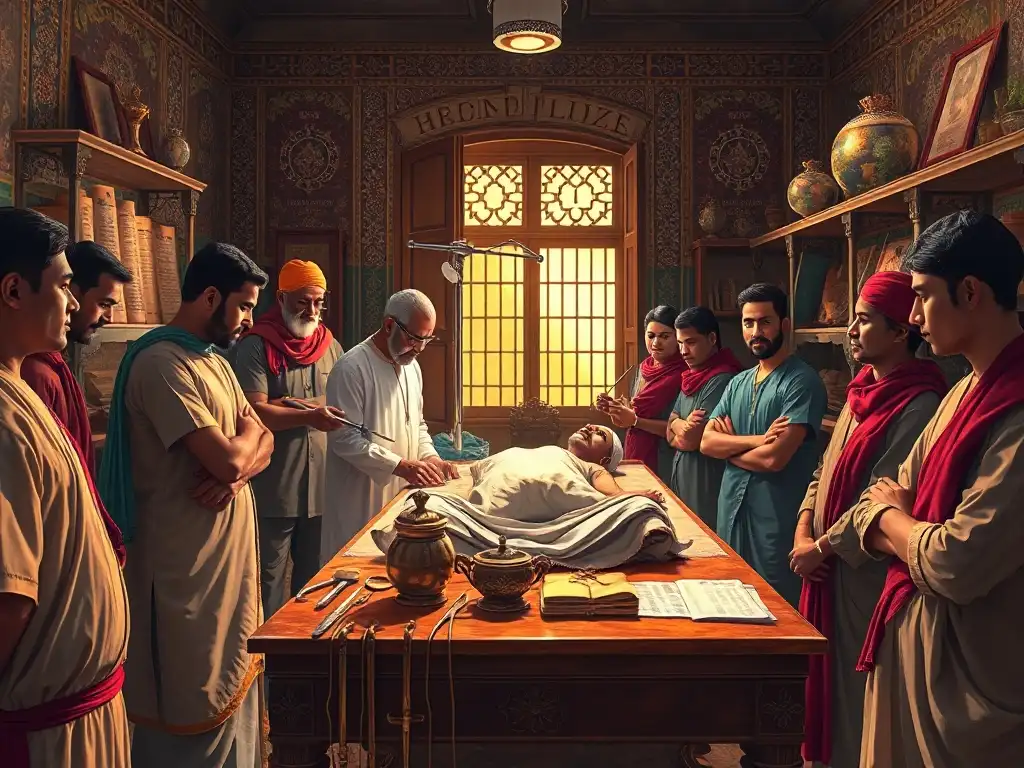
Ancient Indian surgical techniques have made substantial contributions to global medicine, particularly in the realms of surgical procedures, instruments, and patient care philosophies. The principles of surgical precision, anatomical knowledge, and holistic patient management are just a few of the enduring legacies that continue to shape medical practices today.
The Sushruta Samhita, for example, remains a cornerstone of surgical education, demonstrating the advanced understanding of surgical techniques that existed in ancient India. This text has inspired countless medical professionals around the world, serving as a bridge connecting ancient wisdom with modern medical science.
Future of Ancient Surgical Techniques in Medical Practice
Looking forward, the integration of ancient surgical techniques into modern medical practice holds great potential. As medicine continues to evolve, there is an increasing recognition of the value of traditional knowledge systems. This recognition can lead to a hybrid approach that combines the best of both worlds: advanced modern techniques backed by time-tested ancient practices.
Incorporating ancient methodologies into surgical training, research, and practice can provide innovative solutions to contemporary medical challenges. By fostering an environment where ancient knowledge is respected and utilized, the medical community can ensure that the rich heritage of ancient Indian surgical techniques continues to thrive, benefiting future generations of practitioners and patients alike.
References
Key Texts and Research Material
The study of ancient Indian surgical techniques draws upon a rich tapestry of historical texts and research material that provide insight into the medical practices of the time. Some of the most significant works include:
- Sushruta Samhita: Often referred to as the foundational text of ancient Indian surgery, this ancient treatise attributed to Sushruta, a physician from the 6th century BCE, covers various surgical procedures, techniques, and instruments. It is considered one of the earliest texts on surgery in the world and details operations such as cataract surgery and plastic surgery.
- Charaka Samhita: While primarily a text on Ayurveda, the Charaka Samhita, dating back to approximately the 2nd century BCE, includes valuable information on surgical practices as they relate to the overall health and treatment of patients. The text emphasizes the holistic approach of ancient Indian medicine.
- Astanga Hridaya: Compiled by Vagbhata in the 7th century CE, this text integrates surgical and medical knowledge. It serves as a critical reference for understanding the evolution of surgical techniques in ancient India.
- Arthashastra: Although primarily a treatise on statecraft and military tactics, this 4th-century BCE text by Kautilya also highlights the importance of medical knowledge in warfare, including surgical techniques employed in battle.
These texts not only provide insights into specific surgical methods but also reflect the cultural and philosophical underpinnings of ancient Indian medicine.
Additional Resources for Further Reading
To deepen your understanding of ancient Indian surgical techniques and their impact on medicine, consider exploring the following resources:
- "Surgery in Ancient India: A Historical Perspective": by Dr. P. S. Gupta: This comprehensive book explores the evolution of surgical practices in ancient India, examining key texts and their implications for modern medicine.
- "The Legacy of Sushruta: An Ancient Indian Surgeon": This article discusses the contributions of Sushruta to the field of surgery, highlighting his techniques and their relevance in contemporary surgical practices.
- "Ayurvedic Medicine: The Principles of Traditional Practice": by Dr. David Frawley: This resource provides insights into the broader context of Ayurveda, including its surgical aspects and how these have shaped current medical practices.
- Online Journals and Databases: Academic journals such as the "Journal of Ancient Indian History" and databases like JSTOR often feature articles on ancient surgical techniques and their historical significance.
These resources will provide a comprehensive overview of the surgical methodologies pioneered in ancient India and their lasting influence on global medicine, enriching your knowledge of this fascinating aspect of history.
- Introduction to Ancient Indian Surgical Techniques
- Historical Context of Surgical Techniques in Ancient India
- Techniques and Innovations in Ancient Indian Surgery
- The Influence of Ancient Indian Surgical Techniques on Global Medicine
- Modern Relevance of Ancient Indian Surgical Techniques
- Lessons from Ancient Practices in Contemporary Medicine
- Reviving Ancient Knowledge in Modern Medical Education
- Conclusion: The Legacy of Ancient Indian Surgical Techniques
- Summary of Contributions to Global Medicine
- Future of Ancient Surgical Techniques in Medical Practice
- References
Frequently Asked Questions
What are ancient Indian surgical techniques?
Ancient Indian surgical techniques refer to innovative procedures and medical practices developed in India, particularly during the Indus Valley and Gupta Empire periods, which laid the groundwork for modern surgery.
How did ancient Indian surgical techniques influence global medicine?
These techniques, documented in texts like Sushruta Samhita, introduced concepts such as plastic surgery and anesthesia, significantly impacting medical practices across the world and inspiring future generations of surgeons.
Who was Sushruta and why is he important?
Sushruta was an ancient Indian physician often referred to as the father of surgery. His contributions to surgical practices and procedures are foundational in understanding the evolution of medical science.
What are some examples of surgical procedures from ancient India?
Ancient Indian surgeons performed a variety of procedures, including cataract surgery, cesarean sections, and nose reconstruction, showcasing their advanced knowledge of anatomy and surgical techniques.
Are any ancient Indian surgical techniques still used today?
Many principles from ancient Indian surgical techniques are still relevant, particularly in plastic surgery and trauma care, highlighting the enduring legacy of these practices in modern medicine.
Final Reflection: The Enduring Legacy of Ancient Indian Surgical Techniques
The exploration of ancient Indian surgical techniques reveals a profound connection between the past and the present, demonstrating that the wisdom of our ancestors continues to shape modern medicine. As we delve into the intricate methods and philosophies that characterized these ancient practices, we uncover not only their technical brilliance but also their holistic approach to healing that remains relevant in today’s medical landscape. The impact of these techniques is not merely historical; it serves as a reminder that innovation often has its roots in ancient wisdom.
The influence of ancient Indian surgical techniques extends far beyond the confines of history books; it permeates our cultural and social fabric, inspiring a renewed appreciation for integrative medicine. As we witness a growing trend towards holistic health practices, the teachings of ancient Indian surgeons resonate with contemporary healthcare professionals and patients alike. The greatest medicine of all is teaching people how not to need it.
This quote encapsulates the essence of these ancient practices, emphasizing prevention and holistic well-being over mere treatment.
As we reflect on the significance of ancient Indian surgical techniques, I invite you to consider how these lessons can be applied in your own life. Embrace the wisdom of the past to inform your present choices, whether in health, wellness, or personal growth. Let the legacy of these ancient practices inspire you to seek balance, understanding, and a deeper connection to the art of healing, both for yourself and for those around you. The journey of integrating ancient wisdom into modern life is not just a tribute to our history; it is a pathway to a healthier future.
Embrace the Wisdom of Ancient Techniques!
Thank you for exploring the fascinating world of ancient Indian surgical techniques and their profound impact on global medicine. We hope you gained valuable insights into how these innovative practices laid the groundwork for modern surgical methods. Now, it’s time to take what you've learned and put it into action!
Here are a few ways you can explore and celebrate this rich heritage:
- Deepen Your Knowledge: Delve into original texts or documentaries about ancient Indian medicine to uncover more captivating stories and techniques.
- Share the Knowledge: Discuss your discoveries with friends or on social media — inspire others to explore the connection between ancient practices and contemporary health!
- Join the Conversation: Engage in forums or local history groups to share your insights or questions regarding ancient medicine.
Which ancient surgical technique do you find most intriguing or surprising, and how do you believe it could shape future medical practices?