
The Gupta Empire: Pioneers of Warfare and Strategic Innovation

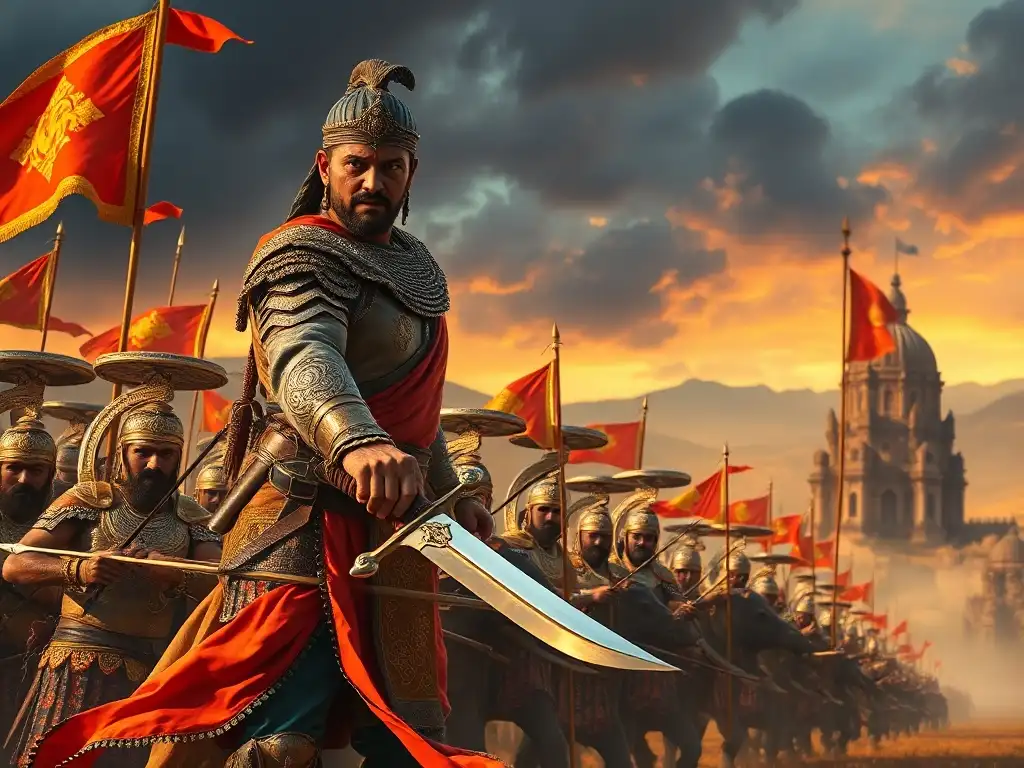
Welcome to Ancient India History, where we embark on an enthralling journey through the rich tapestry of India's past! Delve into the remarkable Gupta Empire as we uncover the pioneering warfare strategies that not only defined an era but also influenced military tactics for generations to come. What innovative techniques did the Gupta rulers employ to maintain their dominance? Join us as we explore these fascinating contributions to military history, igniting your curiosity and expanding your understanding of one of the most dynamic periods in ancient civilization. The adventure awaits—read on to discover the secrets behind their strategic brilliance!
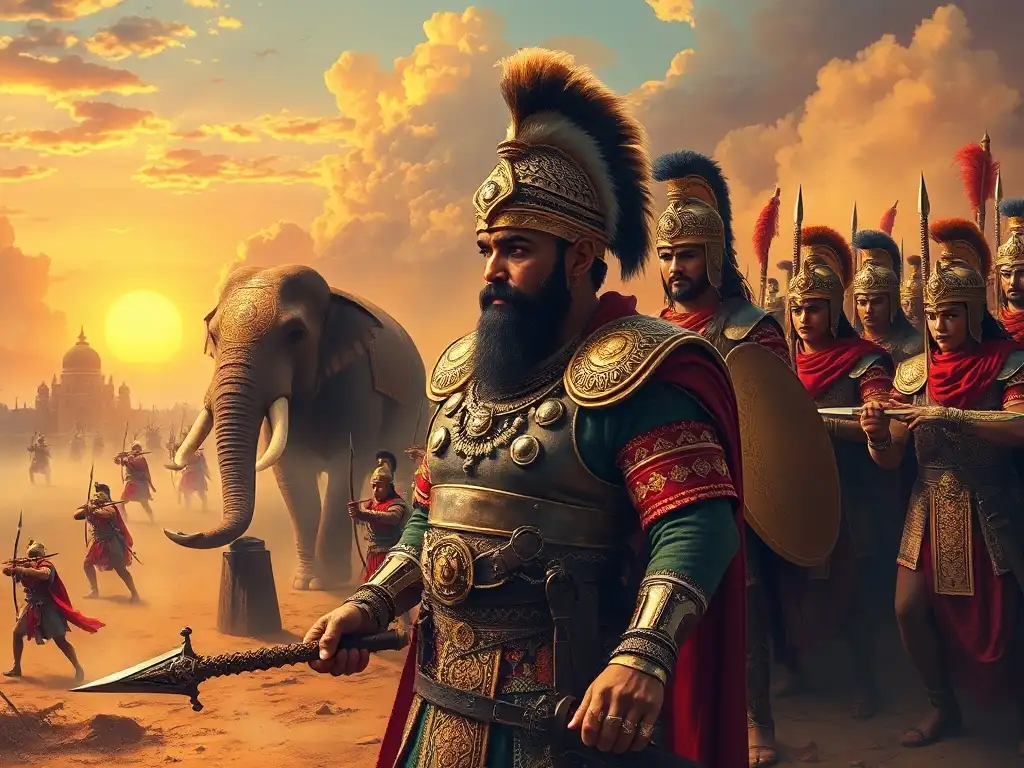
Introduction to the Gupta Empire
The Gupta Empire, which flourished from approximately 320 to 550 CE, represents one of the most significant periods in ancient Indian history. Renowned for its remarkable achievements in arts, science, and political governance, this era also marked a profound evolution in warfare and military strategies. Understanding the Gupta Empire warfare strategies not only provides insight into their military prowess but also highlights their contributions to the broader landscape of ancient Indian military history.
The Gupta rulers implemented innovative tactics and organizational structures that allowed them to maintain control over vast territories and defend against formidable adversaries. This article delves into the intricacies of Gupta warfare, examining its key features and the strategic innovations that defined this powerful empire.
Overview of the Gupta Empire's Historical Context
The Gupta Empire emerged after the decline of the Maurya Empire, establishing its rule over northern India. Under the leadership of Chandragupta I and his successors, the empire expanded rapidly, encompassing regions that included present-day India, Pakistan, and Bangladesh. The political stability and economic prosperity during this period laid the groundwork for advancements in various fields, including military organization and strategy.
The Gupta rulers emphasized the importance of a well-structured military to protect their realm from external threats, particularly from the Huns and other nomadic tribes. This period is often referred to as the "Golden Age of India" due to its remarkable cultural and intellectual achievements, which were, in part, supported by military successes.
Significance of Gupta Empire Warfare in Ancient India
The significance of Gupta Empire warfare extends beyond mere military victories. Their strategies and innovations influenced subsequent generations and set a standard for military practices in India. The Gupta military was characterized by a blend of traditional Indian warfare techniques and adaptations influenced by interactions with other cultures. This adaptability allowed them to engage effectively with diverse opponents and maintain the integrity of their empire. Furthermore, the Gupta emphasis on a strong military presence contributed to the stability of their rule, fostering economic growth and cultural development that would leave a lasting legacy on Indian civilization.
Key Features of Gupta Empire Warfare Strategies
The Role of Military Organization in Gupta Strategies
Military organization was a cornerstone of Gupta warfare strategies. The empire's army was well-structured, comprising various units, including infantry, cavalry, and specialized forces. The Gupta military was organized into units called sena, which facilitated effective command and control. This hierarchical structure allowed for rapid mobilization and efficient deployment of troops during conflicts. The Gupta rulers maintained a standing army supplemented by local militias, ensuring that they could respond swiftly to threats. This organizational prowess enabled the empire to defend its borders effectively while also projecting power into neighboring regions.
Technological Innovations in Warfare during the Gupta Era
Technological advancements played a crucial role in the success of Gupta warfare. Innovations such as improved weaponry and armor contributed to the effectiveness of their military forces. The Gupta Empire saw the introduction of crossbows, which enhanced long-range combat capabilities, and advancements in metallurgy that produced stronger weapons and armor. Additionally, the use of siege warfare techniques, including the construction of fortified structures and the use of siege engines, allowed the Gupta military to conduct successful campaigns against fortified cities and strongholds, showcasing their strategic ingenuity.
Tactical Approaches: Infantry, Cavalry, and Elephants
The Gupta Empire's military tactics were diverse and adaptable, incorporating a variety of combat units.
- Infantry: The backbone of the Gupta military, the infantry was organized into various formations to engage the enemy effectively.
- Cavalry: Highly mobile and trained for rapid assaults, cavalry units played a vital role in flanking maneuvers and pursuing retreating foes.
- War Elephants: The use of elephants in battle was a hallmark of Gupta warfare strategies. These majestic creatures not only served as a psychological weapon but also provided significant advantages in terms of mobility and strength on the battlefield.
The combination of these elements allowed the Gupta Empire to conduct intricate maneuvers and maintain tactical superiority in various combat scenarios, underscoring their status as pioneers of warfare in ancient India.
The Influence of Geography on Gupta Warfare Tactics
The geography of ancient India played a pivotal role in shaping the warfare strategies employed by the Gupta Empire. Situated in a region with diverse landscapes—ranging from fertile plains to rugged mountains—the Gupta military leaders capitalized on these geographical features to enhance their tactical advantages. The empire encompassed areas that included the Indo-Gangetic Plain, which facilitated the movement of troops and resources, and the Himalayas, which served as natural barriers against invasions.
The Gupta Empire's strategic use of rivers also contributed significantly to their warfare tactics. Major rivers such as the Ganges and Yamuna not only provided sustenance and resources but also acted as natural defensive lines. The ability to navigate these waterways allowed Gupta forces to execute surprise attacks and establish supply lines, making riverine routes vital for the movement of troops during conflicts.
Moreover, the positioning of the Gupta Empire in relation to neighboring states influenced their military strategies. The proximity to the Persian Empire, Central Asian tribes, and the southern kingdoms necessitated a flexible approach to warfare, enabling the Guptas to adapt their tactics based on the unique challenges posed by each adversary.
Strategic Locations of Battles and Their Impact
The Gupta Empire strategically selected battle locations that maximized their chances of success. Key battles often took place in areas where the terrain favored their forces. For instance, engaging in mountainous regions allowed Gupta soldiers, who were well-trained in navigating difficult terrains, to outmaneuver and ambush larger enemy forces. By leveraging the element of surprise and the natural landscape, the Gupta military achieved decisive victories.
Additionally, the Guptas understood the importance of controlling vital trade routes and urban centers. Battles were frequently fought near significant cities or commercial hubs, as these locations not only offered logistical advantages but also served as vital economic centers. The capture of these sites would disrupt enemy supply chains and bolster the Gupta economy, further empowering their military efforts.
The use of strategic locations was complemented by careful reconnaissance. Gupta generals often deployed scouts to gather intelligence on enemy movements, which allowed them to select battlegrounds that offered tactical superiority while minimizing risks.
The Role of Fortifications in Gupta Military Success
Fortifications were a cornerstone of Gupta military success, reflecting their advanced understanding of defensive warfare. The empire constructed numerous forts and defensive structures strategically located throughout their territories. These fortifications served multiple purposes, including protecting key cities, safeguarding trade routes, and providing a base for military operations.
The design of Gupta forts typically incorporated natural features like hills and rivers, enhancing their defensive capabilities. Walls made of stone and mud were reinforced with watchtowers and gates, allowing for effective surveillance and defense against sieges. The fortifications also acted as rallying points for troops, enabling the mobilization of forces during conflicts.
In addition to physical defenses, the Guptas employed innovative strategies such as creating layered defenses to deter enemy advances. The combination of strong fortifications and well-trained troops proved essential in repelling invasions and securing the empire's frontiers.
Comparison of Gupta Warfare Strategies with Previous Indian Empires
The Gupta Empire's warfare strategies marked a significant evolution from the military tactics employed by previous Indian empires, particularly the Maurya Empire. While both empires shared similarities in their overall objectives, the Gupta military approach reflected an adaptation to the changing geopolitical landscape of ancient India.
Contrasts with Maurya Empire Military Tactics
The Maurya Empire, known for its vast size and centralized authority under leaders like Chandragupta Maurya and Ashoka, utilized a large standing army and a more rigid military structure. Their tactics often relied on overwhelming force and extensive use of war elephants, which played a crucial role in their victories.
In contrast, the Gupta Empire adopted a more flexible and decentralized approach to warfare. While they maintained a capable standing army, the Guptas also emphasized the importance of local militias and allied forces. This strategy allowed them to mobilize quickly and adapt to various combat scenarios, leveraging the strengths of regional forces.
Moreover, the Gupta military placed a greater emphasis on strategic innovation, utilizing guerrilla tactics and psychological warfare. Their ability to conduct rapid maneuvers and ambushes distinguished them from their Mauryan predecessors, who often engaged in traditional set-piece battles.
Innovations in Warfare Compared to Predecessors
The Gupta Empire introduced several innovations in warfare that set them apart from earlier Indian empires. One notable advancement was the integration of advanced metallurgy in weaponry, leading to the production of superior swords, spears, and armor. This technological edge provided Gupta soldiers with enhanced combat effectiveness.
Additionally, the Guptas were pioneers in incorporating cavalry into their military forces. While earlier empires primarily relied on infantry and elephants, the Gupta cavalry units provided mobility and speed, enabling rapid strikes and flanking maneuvers during battles. This adaptability became a hallmark of Gupta warfare strategies.
Furthermore, the Gupta military also demonstrated a keen understanding of logistics and supply chain management. The establishment of well-organized supply routes ensured that troops remained well-equipped and sustained during campaigns, which was a significant improvement over the practices of earlier empires.
The Gupta Empire's warfare strategies not only reflected an evolution from previous military practices but also showcased their ability to adapt to the challenges of their time, ultimately solidifying their reputation as pioneers of warfare and strategic innovation in ancient India.
Major Campaigns and Military Conflicts of the Gupta Empire
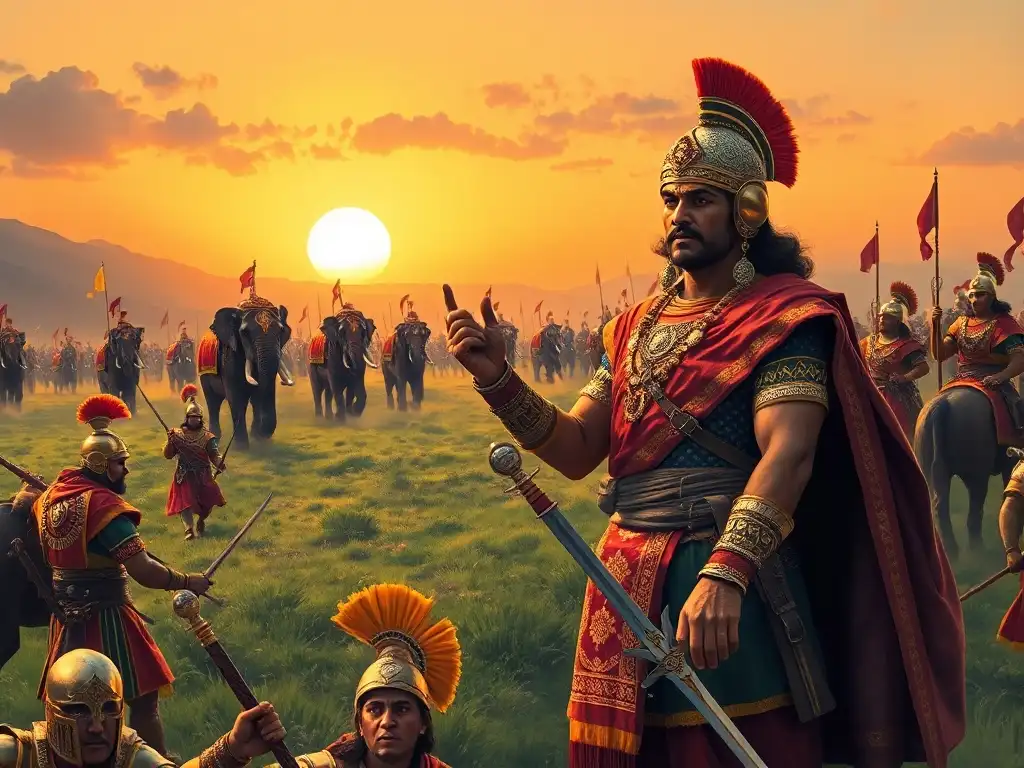
The Gupta Empire, which thrived from approximately 320 to 550 CE, is often heralded as a golden age of Indian history, noted for its achievements in science, art, and philosophy. However, its military prowess and strategic innovations significantly contributed to its stability and expansion. The Gupta rulers engaged in several major campaigns, notably against the Shakas, the Huns, and various regional powers.
One of the most significant military confrontations was against the Shaka rulers in western India. The Gupta emperors, particularly Chandragupta II (also known as Vikramaditya), successfully defeated the Shakas, consolidating their control over trade routes and enhancing their economic power. This campaign exemplified the strategic significance of warfare in securing vital resources and maintaining influence over neighboring territories.
Another critical conflict arose during the Gupta Empire's encounters with the Huns, a nomadic group that threatened the stability of Northern India. The Gupta military strategies, which included organized cavalry units and tactical formations, were pivotal in repelling these invasions. The ability of the Gupta forces to adapt to different styles of warfare showcased their innovative approaches and solidified their reputation as formidable military leaders in ancient India.
Overview of Notable Battles and Their Strategic Importance
Several notable battles defined the military landscape of the Gupta Empire. One such battle was the Battle of the Narmada, where Chandragupta II faced the Shaka king, Rudrasimha III. This victory not only marked the decline of the Shaka power in India but also opened up trade routes that were essential for economic growth.
The Battle of Malwa further demonstrated Gupta military strategy. By utilizing a combination of infantry, cavalry, and war elephants, the Guptas showcased their tactical flexibility. The strategic importance of Malwa lay in its geographic location, serving as a crucial junction for trade and military movements across the region.
Additionally, the defensive strategies employed against the Huns highlighted the Gupta Empire's military acumen. The Guptas fortified their borders and developed alliances with local kingdoms, which played a significant role in maintaining regional stability. These battles collectively emphasized the strategic importance of military campaigns in safeguarding the empire's integrity and expanding its influence.
The Role of Key Figures in Gupta Military History
Key figures in the Gupta Empire's military history played instrumental roles in its military successes. Chandragupta II stands out as a prominent ruler whose military conquests significantly expanded the empire's territory. His strategic marriages, such as the one with the daughter of the Shaka king, not only strengthened alliances but also facilitated military campaigns.
Another notable figure was his son, Kumaragupta I, who focused on consolidating the gains made by his father. Kumaragupta's campaigns against the Huns were marked by strategic brilliance, as he employed guerrilla tactics and used the element of surprise to outmaneuver his opponents.
Additionally, military commanders, such as Vishnu Gupta, contributed to the empire's military endeavors. Their expertise in strategy and logistics was crucial in executing successful campaigns and maintaining the cohesion of the Gupta forces. The leadership and military innovations introduced by these figures were pivotal in establishing the Gupta Empire as a dominant force in ancient Indian warfare.
The Impact of Gupta Warfare on Indian Society and Culture
The warfare strategies of the Gupta Empire had profound implications on Indian society and culture. The military successes not only expanded the territory but also facilitated cultural exchanges and the spread of ideas. The Gupta military campaigns often resulted in the assimilation of diverse cultures, leading to a more unified Indian identity.
The patronage of arts and literature during this period was significantly influenced by military conquests. Victorious campaigns allowed the Gupta rulers to sponsor scholars, poets, and artists, leading to advancements in literature, sculpture, and architecture. This cultural flourishing was inextricably linked to the empire's military achievements, demonstrating how warfare shaped social and cultural landscapes.
Influence on Trade and Economic Growth through Military Conquests
Gupta warfare strategies had a direct impact on trade and economic growth. By securing trade routes through military conquests, the Gupta Empire facilitated the exchange of goods, ideas, and technologies. The defeat of the Shakas, for instance, allowed the Gupta rulers to control crucial trade routes connecting the eastern and western parts of India.
The establishment of trade links with foreign territories, such as the Roman Empire and Southeast Asia, was also a direct consequence of the political stability achieved through military success. The influx of wealth from trade further strengthened the empire's economic foundations, allowing for investments in infrastructure and public works.
Moreover, the military's role in protecting merchants and traders contributed to a thriving economy. The Gupta Empire became a hub for commerce, showcasing how effective warfare strategies could lead to economic prosperity and cultural exchanges.
The Relationship between Warfare and Political Power in the Gupta Empire
Warfare was intrinsically tied to the political power dynamics of the Gupta Empire. Military successes were often seen as a reflection of a ruler's legitimacy and strength. The Gupta emperors utilized their military achievements to consolidate power and assert their authority over rival factions and regional leaders.
The strategic marriages and alliances formed through military victories helped solidify the Gupta rulers' political standing. By marrying into powerful families or forming alliances with conquered states, they expanded their influence and secured loyalty from local rulers.
Furthermore, the military's role in governance cannot be understated. The Gupta rulers maintained a standing army that not only defended the empire but also enforced the central authority. This integration of military power into governance ensured stability and reinforced the political structure of the Gupta Empire. Through warfare, the Guptas not only expanded their territory but also established a framework for political power that would influence the Indian subcontinent for centuries to come.
Conclusion: Legacy of Gupta Empire Warfare Strategies
The Gupta Empire, often referred to as a golden age of India, is renowned not just for its advancements in art, science, and culture, but also for its pioneering warfare strategies. The legacy of Gupta warfare is characterized by a blend of innovation, adaptability, and strategic depth that laid the groundwork for subsequent military practices in India and beyond. The empire's ability to effectively deploy cavalry, utilize elephants in battle, and implement comprehensive battlefield tactics showcased a level of military sophistication that influenced future generations.
The Gupta military strategies exemplified the importance of organized logistics, intelligence gathering, and the integration of different types of forces, which proved crucial in both offensive and defensive operations. The emphasis on training and discipline within the ranks fostered a sense of loyalty and efficiency among troops, which became a hallmark of successful military campaigns during this period. As a result, the Gupta Empire's approach to warfare not only contributed to its own territorial expansions but also established principles that would resonate through the annals of Indian military history.
Lasting Effects on Subsequent Indian Warfare Practices
The warfare strategies of the Gupta Empire significantly impacted subsequent Indian dynasties and their military practices. Techniques developed during this period, such as the effective coordination of infantry and cavalry, were adopted and adapted by later rulers, including the Harsha and the Chola dynasties. The Gupta emphasis on fortification and defensive strategies also played a crucial role in shaping the military architecture of later kingdoms.
Moreover, the use of war elephants, which became a symbol of power and prestige, was popularized during the Gupta era. These majestic animals not only served as a formidable presence on the battlefield but also influenced ceremonial aspects of warfare in subsequent Indian cultures. The Gupta military innovations in logistics and resource management set a precedent for later empires, showcasing the importance of supply chains in sustaining military campaigns.
The Gupta Empire's Contribution to Military History in Ancient India
The military history of ancient India was profoundly shaped by the Gupta Empire's contributions. The empire's strategic innovations, such as the sophisticated use of espionage and intelligence, allowed for informed decision-making in warfare. This focus on information gathering laid the groundwork for what would become a crucial element of military strategy in India.
Additionally, the Gupta period saw advancements in weaponry and the development of new military technologies, such as improved archery techniques and metalworking that produced more effective arms. This technological progress not only enhanced the Gupta military's effectiveness but also influenced neighboring cultures and armies.
The Gupta Empire's emphasis on military science and strategy was documented in various texts, many of which served as references for future generations of military leaders. These contributions established a rich tradition of military scholarship that would continue to evolve in the Indian subcontinent.
References and Further Reading on Gupta Empire Warfare Strategies
For those interested in delving deeper into the military strategies and innovations of the Gupta Empire, there are numerous resources available that provide comprehensive insights into this fascinating aspect of ancient Indian history. Below are some suggested readings and online resources that can offer valuable information.
Suggested Books and Articles for In-Depth Knowledge
- "The Gupta Empire" by Romila Thapar: This book provides a detailed analysis of the Gupta period, including military tactics and strategies.
- "War and Society in Ancient India" by R. S. Sharma: A scholarly work that explores the intersection of warfare and societal structures during ancient Indian empires, including the Guptas.
- "The Military History of India" by John Keay: This book outlines the military developments throughout Indian history, with a focus on key periods, including the Gupta Empire.
- "Gupta Period: Warfare and Trade": An academic article that examines the military innovations and economic factors contributing to the Gupta Empire’s successes.
Online Resources for Exploring Gupta Military Innovations
- Ancient India Warfare: A dedicated website featuring articles and discussions on the various aspects of warfare during the Gupta Empire.
- Digital Library of India: Offers access to historical texts and documents related to the Gupta Empire, including military treatises.
- YouTube Channels: Various educational channels provide documentaries and lectures on ancient Indian military history, including the Gupta military strategies.
- Online Courses: Platforms like Coursera and edX often feature courses on ancient Indian history that include modules on military strategies of the Gupta Empire.
By exploring these resources, readers can gain a more nuanced understanding of the Gupta Empire's warfare strategies and their lasting impact on military practices in ancient India.
- Introduction to the Gupta Empire
- Key Features of Gupta Empire Warfare Strategies
- The Influence of Geography on Gupta Warfare Tactics
- Comparison of Gupta Warfare Strategies with Previous Indian Empires
- Major Campaigns and Military Conflicts of the Gupta Empire
- The Impact of Gupta Warfare on Indian Society and Culture
- Conclusion: Legacy of Gupta Empire Warfare Strategies
- References and Further Reading on Gupta Empire Warfare Strategies
- What were the key warfare strategies used by the Gupta Empire?
- How did the Gupta Empire's military organization contribute to their success?
- What role did technology play in Gupta Empire warfare?
- How did the Gupta Empire's geographical position influence their warfare?
- Were there any notable battles or conflicts during the Gupta Empire?
Frequently Asked Questions
What were the key warfare strategies used by the Gupta Empire?
The Gupta Empire employed a range of innovative strategies, including guerrilla tactics, effective use of cavalry, and leveraging fortifications to secure their territories.
How did the Gupta Empire's military organization contribute to their success?
The military organization of the Gupta Empire was highly structured, with a focus on training, discipline, and the integration of various forces, which enhanced their combat effectiveness.
What role did technology play in Gupta Empire warfare?
The Gupta Empire utilized advanced military technology, such as improved weaponry and chariots, which significantly enhanced their battlefield performance and strategic capabilities.
How did the Gupta Empire's geographical position influence their warfare?
The geographical position of the Gupta Empire allowed for strategic advantages in terms of trade routes and access to resources, which were vital for sustaining their military campaigns.
Were there any notable battles or conflicts during the Gupta Empire?
Yes, the Gupta Empire faced several critical battles, including conflicts with the Hunas, which tested their strategic innovations and military resilience, ultimately solidifying their power in the region.
Final Reflection: The Enduring Legacy of Gupta Empire Warfare Strategies
The Gupta Empire's innovative warfare strategies continue to resonate in today's military and strategic thinking, showcasing the timeless nature of their tactical brilliance. As we navigate an increasingly complex global landscape, understanding the principles that guided the Gupta Empire can provide invaluable insights into modern conflict resolution and strategic planning. Their ability to adapt and innovate in warfare not only secured their dominance but also laid the groundwork for future military doctrines.
The influence of Gupta warfare strategies transcends time, shaping not only military tactics but also the broader cultural and social fabric of societies that followed. The emphasis on strategic innovation and psychological warfare reflects a profound understanding of human dynamics, which remains relevant in contemporary discussions about conflict and resolution. As noted by historian John Keegan, The art of war is not just about the battlefield; it is about the minds of men.
This perspective invites us to consider how the Gupta Empire's legacy informs our current approaches to leadership, diplomacy, and conflict management.
As we reflect on the Gupta Empire's contributions to warfare strategies, let us take a moment to consider how we can apply these lessons in our own lives. How can we embrace adaptability and strategic thinking in our personal and professional endeavors? I encourage you to explore the principles of innovation and foresight that defined the Gupta Empire, and to integrate these values into your own journey. By doing so, we honor their legacy and empower ourselves to navigate the complexities of our modern world with wisdom and resilience.
Unleash Your Curiosity about the Gupta Empire!
Thank you for diving into the remarkable world of the Gupta Empire! We hope you’ve gained valuable insights into their pioneering strategies in warfare and innovation. Now, it's time to put that knowledge into action.
Here are some exciting next steps for you to explore:
- Dive deeper into ancient tactics: Research specific battles fought by the Gupta warriors and analyze their innovative strategies. Consider documenting your findings in a blog post or journal entry!
- Engage with history enthusiasts: Share your thoughts on social media or in the comments section below! Discuss how the innovations of the Gupta Empire continue to inspire modern strategic thinking.
- Connect with fellow learners: Join an online forum or local history group focused on ancient civilizations. Explore new perspectives and ideas about the legacy of the Gupta Empire.
How has your understanding of warfare evolved after learning about the strategies of the Gupta Empire? We would love to hear your thoughts!