
The Role of Strategy in the Success of the Mauryan Empire


Welcome to Ancient India History, where we embark on a fascinating journey through the rich tapestry of India's past. Here, we dive deep into the strategic brilliance that propelled the Mauryan Empire to unprecedented heights. In our featured article, "The Role of Strategy in the Success of the Mauryan Empire," you'll uncover the military innovations and tactical maneuvers that defined this powerful civilization.
Prepare to be captivated as we unravel the secrets behind their remarkable achievements and explore how these ancient strategies continue to resonate through time. Join us in discovering the profound impact of the Mauryan Empire on military history and beyond!
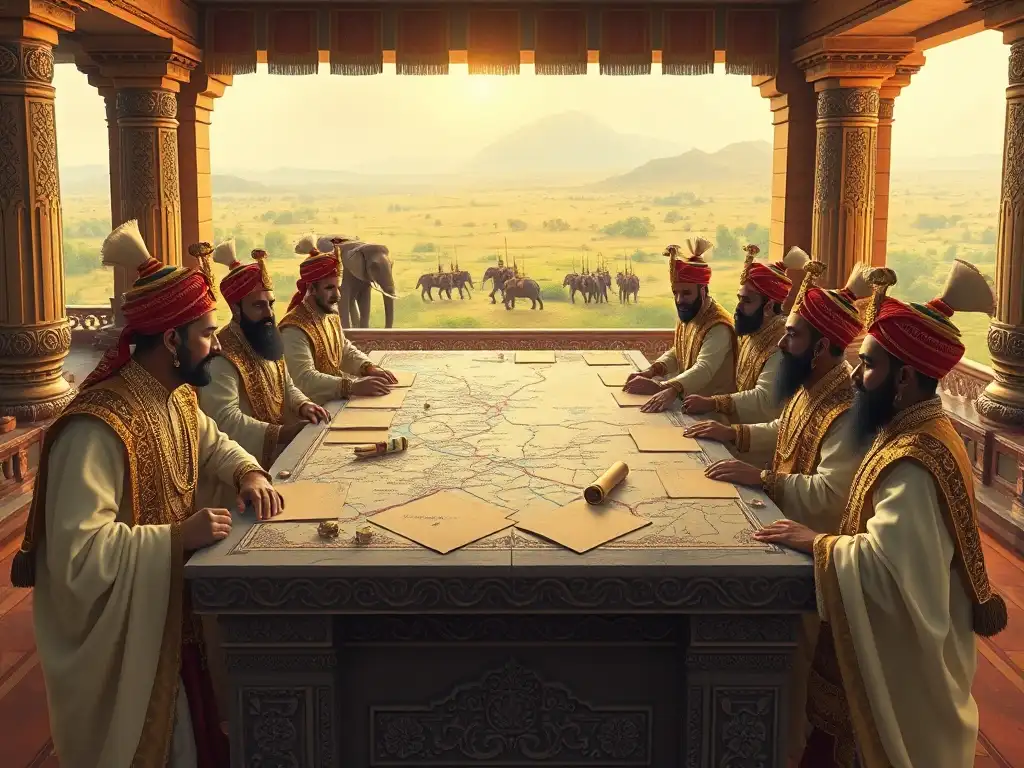
The Mauryan Empire, which thrived from approximately 322 to 185 BCE, stands as a monumental chapter in ancient Indian history, renowned for its expansive reach and profound impact on the subcontinent. The empire's strategic success can be attributed to a confluence of military innovations, diplomatic acumen, and effective governance, all of which played pivotal roles in establishing and maintaining one of the largest empires in ancient India.
Understanding the intricate strategies employed by the Mauryan rulers, particularly during the reign of Ashoka the Great, provides valuable insights into how military prowess, combined with astute political maneuvering, shaped the course of Indian history. As we delve into the key factors contributing to the Mauryan Empire's strategic success, we will explore the multifaceted dimensions of its military operations and administrative frameworks, illustrating how these elements intertwined to create a formidable empire.
Introduction to the Mauryan Empire
Overview of the Mauryan Empire's Historical Context
The Mauryan Empire emerged in the wake of the fragmented political landscape of northern India following the decline of the Magadha kingdom. Founded by Chandragupta Maurya, the empire quickly expanded through a combination of military conquests and strategic alliances. By the time of Ashoka, the empire had not only unified the majority of the Indian subcontinent but also established a centralized administration that promoted trade, culture, and infrastructure. The Mauryan Empire's historical context is characterized by its unprecedented scale and the socio-economic transformations it fostered, which laid the groundwork for future Indian civilizations.
Importance of Strategy in Ancient Indian Civilizations
In ancient Indian civilizations, the significance of strategy transcended mere military tactics; it encompassed a holistic approach to governance, diplomacy, and societal organization. Successful rulers recognized the necessity of formulating comprehensive strategies that effectively addressed both internal and external challenges. The Mauryan Empire exemplifies this principle, as its leaders employed diverse strategies that not only secured their territory but also enhanced their cultural and economic stature. The ability to adapt to changing circumstances while maintaining a clear vision for the empire's future was crucial for the sustained success of the Mauryan dynasty.
Key Factors in the Strategic Success of the Mauryan Empire
Military Innovations and Tactics
The Mauryan Empire's military success can be attributed to several innovations and tactics that revolutionized warfare in ancient India. The use of war elephants, cavalry, and infantry formations allowed the Mauryan armies to dominate their adversaries. Furthermore, the strategic implementation of psychological warfare and espionage enabled the Mauryan rulers to gain critical advantages over rival kingdoms. The famous Kalinga War, fought under Ashoka, serves as a prime example of the effective strategies employed to expand the empire's influence, showcasing the importance of military innovation in the Mauryan Empire's conquests.
Diplomatic Strategies and Alliances
In addition to military prowess, the Mauryan Empire adeptly utilized diplomacy to solidify its power. Strategic marriages, alliances, and treaties with neighboring states were critical in creating a network of support and stability. Chandragupta's alliance with the Nanda dynasty and Ashoka's policy of Dhamma further illustrate the empire's commitment to fostering peaceful relations and promoting cultural integration. This diplomatic approach not only facilitated territorial expansion but also contributed to the long-term sustainability of the empire by reducing the likelihood of conflict with allied states.
Administrative Efficiency and Governance
The administrative framework of the Mauryan Empire was instrumental in its strategic success. A well-organized bureaucracy, overseen by efficient administrators, ensured effective governance across the vast territories. The introduction of a standardized taxation system and the establishment of trade routes facilitated economic stability and growth. Ashoka's promotion of ethical governance and public welfare initiatives exemplified the Mauryan commitment to the well-being of its citizens. This focus on administration and governance not only secured the loyalty of the populace but also laid the foundation for a prosperous and enduring empire.
The strategic success of the Mauryan Empire is a multifaceted phenomenon rooted in military innovation, diplomatic finesse, and administrative excellence. As we explore these elements further, we will uncover the intricate strategies that enabled the Mauryan rulers to forge a legacy that resonates through the annals of history.
Notable Battles That Shaped Mauryan Strategy
The Mauryan Empire, one of the largest and most powerful empires in ancient India, owes much of its success to its strategic military engagements. These battles not only showcased the military prowess of the Mauryan rulers but also played a crucial role in shaping their broader strategic objectives. Key battles such as the Battle of Kalinga and various campaigns led by both Chandragupta Maurya and Ashoka highlight how military strategy, coupled with political acumen, facilitated the expansion and consolidation of the Mauryan Empire.
The Battle of Kalinga: A Turning Point
The Battle of Kalinga, fought around 261 BCE, is often regarded as a pivotal moment in the history of the Mauryan Empire. This conflict arose from Ashoka's desire to expand his territory and assert Mauryan dominance over the eastern coastal region. The battle was marked by intense fighting and significant casualties, with estimates suggesting that over 100,000 soldiers and civilians lost their lives.
The aftermath of the battle had profound implications for Ashoka. Witnessing the devastation and suffering caused by the war led him to adopt a policy of Dhamma, prioritizing peace and non-violence over further conquest. This strategic shift not only transformed his rule but also influenced the future of the Mauryan Empire, steering it toward an era of cultural and religious flourishing rather than military expansion.
The Role of Chandragupta Maurya's Campaigns
Chandragupta Maurya, the founder of the Mauryan Empire, played a critical role in establishing the empire's strategic foundations through a series of successful military campaigns. After overthrowing the Nanda Dynasty, he expanded his control over much of northern India. His campaigns were characterized by several strategic elements:
- Alliances: Chandragupta formed strategic alliances with local rulers, which helped him secure territories without extensive conflict.
- Guerrilla Tactics: Employing guerrilla warfare allowed him to effectively combat larger forces, especially in regions where traditional battles would be disadvantageous.
- Intelligence and Espionage: Using spies to gather intelligence on enemy movements and weaknesses was a hallmark of his military strategy, enabling him to outmaneuver opponents.
These strategies not only facilitated rapid territorial expansion but also laid the groundwork for a centralized administration that would characterize the Mauryan Empire.
Ashoka's Military Strategies and Their Impact
Ashoka's military strategies were defined by a combination of aggression and subsequent restraint. Initially, Ashoka continued his father's legacy of expansion, employing large armies and advanced tactics to conquer various regions. However, the Battle of Kalinga marked a significant shift in his approach.
Post-Kalinga, Ashoka implemented several strategies that had lasting impacts:
- Promotion of Buddhism: Following his conversion to Buddhism, Ashoka used his influence to promote Buddhist ideals, which emphasized non-violence and tolerance. This strategic pivot not only helped unify his empire under a common ethical framework but also fostered diplomatic relations with neighboring kingdoms.
- Infrastructure Development: Ashoka invested in infrastructure, such as roads and hospitals, which not only improved the mobility of troops but also enhanced trade and communication across the empire.
- Diplomatic Engagements: He favored diplomacy over military confrontation, which led to peace treaties and alliances that secured the empire's borders without further bloodshed.
These strategies contributed to the Mauryan Empire's stability and prosperity, illustrating how Ashoka’s military legacy extended beyond conquest to encompass governance and cultural development.
The Influence of Geography on Mauryan Strategic Success
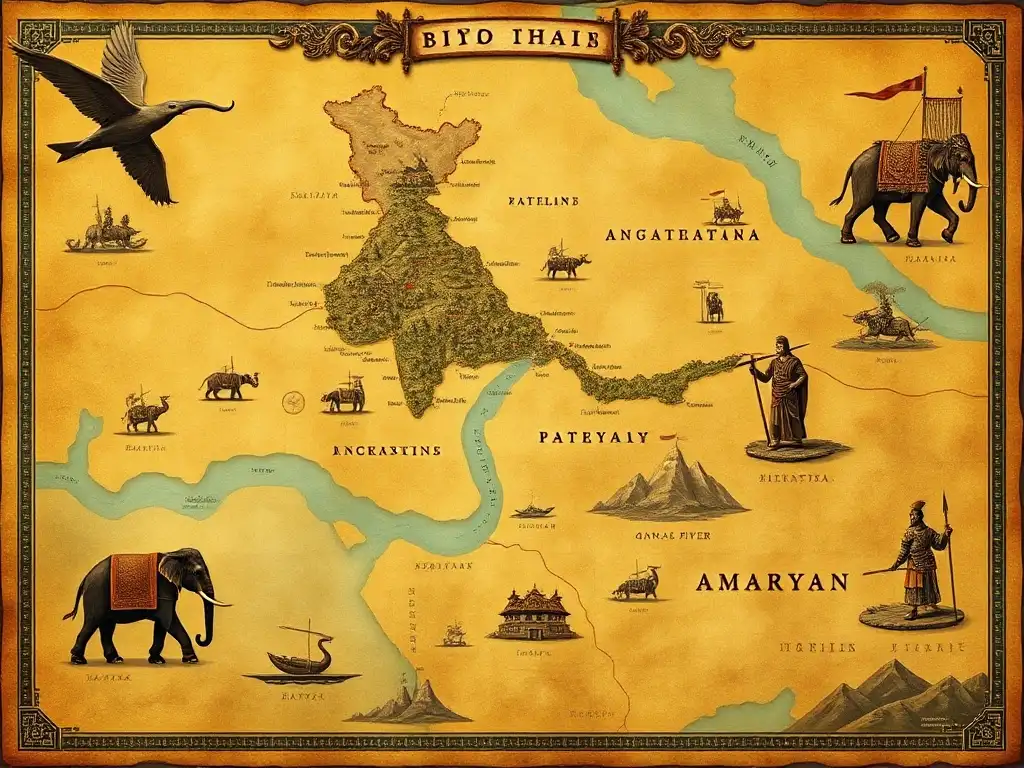
Geography played a vital role in the strategic success of the Mauryan Empire. The land's topography, climate, and natural resources significantly influenced military tactics, trade routes, and the overall administration of the empire.
The Strategic Importance of the Indian Subcontinent
The Indian subcontinent, with its diverse geography, presented both opportunities and challenges for the Mauryan Empire. Key geographical features included:
- Himalayan Mountains: Acting as a natural barrier against northern invasions, these mountains provided security and helped maintain the empire's northern borders.
- Rivers: Major rivers like the Ganges and Indus served as vital trade routes, facilitating commerce and communication across vast distances.
- Coastal Access: The eastern and western coasts allowed for maritime trade, which enhanced economic prosperity and provided resources to support military campaigns.
These geographical advantages not only aided military logistics but also enabled the Mauryan Empire to thrive economically, ensuring a steady flow of resources for its strategic needs.
Natural Resources and Their Role in Warfare
Natural resources were crucial for sustaining the Mauryan military and contributed significantly to its strategic success. The empire was rich in essential resources, including:
- Metals: The availability of iron and other metals allowed for the production of weapons and armor, enhancing the effectiveness of Mauryan armies.
- Agriculture: Fertile lands along the river valleys supported extensive agriculture, providing food supplies for both soldiers and civilians, which was essential for maintaining an army.
- Trade Goods: The empire's control over trade routes enabled access to valuable goods, including spices, textiles, and precious stones, which could be used to fund military campaigns and foster alliances.
By effectively utilizing these resources, the Mauryan Empire not only ensured its military readiness but also established a robust economic foundation that supported its strategic objectives.
The Legacy of Mauryan Strategies in Military History
The Mauryan Empire, which flourished from 322 to 185 BCE, is renowned for its sophisticated military strategies that not only facilitated its expansion but also established a legacy that influenced subsequent Indian empires. The strategic acumen of the Mauryan rulers, particularly Chandragupta Maurya and his grandson Ashoka, showcased a blend of conventional warfare and innovative tactics. Their military prowess relied on a well-organized army, intelligence gathering, and effective use of diplomacy, laying foundations that shaped military doctrines in later Indian civilizations.
One of the most significant aspects of Mauryan military strategy was their ability to adapt to diverse combat situations. They employed a mixture of infantry, cavalry, and war elephants, which provided them with a tactical advantage over their adversaries. Moreover, the Mauryan Empire’s strategic use of fortifications and urban centers for resource management and troop mobilization showcased an understanding of logistics, which is a crucial element in military success.
Influence on Subsequent Indian Empires
The strategic principles developed during the Mauryan Empire had a profound influence on later Indian empires, including the Gupta Empire and the Chola Dynasty. These successors adopted and adapted Mauryan tactics to suit their own military needs. For instance, the Gupta Empire, known for its extensive territory and cultural achievements, utilized the Mauryan model of consolidating power through both military conquest and diplomatic alliances.
Additionally, the Mauryan techniques of psychological warfare, such as propaganda and the maintenance of a powerful image, were echoed in subsequent military campaigns across the subcontinent. The emphasis on a strong, centralized command structure established by the Mauryas also became a template for future rulers, emphasizing the need for a cohesive strategy and effective communication within military ranks.
Strategic Lessons from the Mauryan Empire
The Mauryan Empire’s strategic successes offer several lessons that remain relevant in military strategy today. Firstly, the importance of intelligence cannot be overstated; the Mauryan rulers placed great emphasis on gathering information about their enemies, which enabled them to make informed decisions in warfare. This principle of intelligence-led strategy is still a cornerstone of modern military operations.
Secondly, the integration of diverse military forces, such as infantry, cavalry, and elephants, illustrates the value of versatility in warfare. By employing a multi-faceted approach, the Mauryan military was able to outmaneuver opponents and adapt to different battlefield conditions. This concept of combined arms remains a fundamental aspect of contemporary military strategy.
Lastly, the use of diplomacy alongside military action highlights the importance of negotiation and alliance-building in achieving long-term goals. The Mauryan rulers often sought to secure their borders and expand their influence through treaties and alliances, showcasing that military strength can be complemented by strategic diplomacy.
Conclusion: The Enduring Impact of Mauryan Strategic Success
The strategic success of the Mauryan Empire did not merely facilitate its dominance during its time; it also left an enduring impact on the military strategies of future generations. By effectively combining military prowess with political acumen, the Mauryan rulers set a precedent for how empires could thrive in a complex landscape of rival factions and shifting allegiances.
Reflection on the Role of Strategy in the Empire's Longevity
The longevity of the Mauryan Empire can be attributed significantly to its strategic brilliance. The ability to maintain a vast and diverse empire required not only military might but also a nuanced understanding of governance and public welfare. Ashoka's shift towards a more benevolent rule post-Kalinga War underscores how adaptive strategy can lead to sustainable governance. This strategic shift from conquest to consolidation allowed the empire to endure challenges and maintain stability, showcasing the critical role of strategy in the longevity of empires.
The Mauryan Empire's Contribution to Military Strategy in History
The Mauryan Empire's contributions to military strategy are well-documented and continue to be studied by historians and military strategists alike. Their innovative tactics, comprehensive military organization, and strategic vision laid the groundwork for future military doctrines. By emphasizing the integration of military force, intelligence, diplomacy, and governance, the Mauryan Empire not only achieved remarkable territorial expansion but also influenced military thought for centuries to come. The legacy of their strategic success remains a significant chapter in the annals of military history, underscoring the importance of strategy in shaping the destinies of empires.
- Introduction to the Mauryan Empire
- Key Factors in the Strategic Success of the Mauryan Empire
- Notable Battles That Shaped Mauryan Strategy
- The Influence of Geography on Mauryan Strategic Success
- The Legacy of Mauryan Strategies in Military History
- Conclusion: The Enduring Impact of Mauryan Strategic Success
Frequently Asked Questions
What was the Mauryan Empire known for?
The Mauryan Empire was known for its strategic governance, vast territorial expansion, and the promotion of Buddhism under Emperor Ashoka, influencing culture and religion throughout ancient India.
How did strategic success contribute to the Mauryan Empire's expansion?
The strategic success of the Mauryan Empire stemmed from its effective military tactics, diplomatic alliances, and a well-organized administration, allowing it to control a vast territory efficiently.
Who were the key figures in the Mauryan Empire?
Key figures in the Mauryan Empire include Chandragupta Maurya, the founder, and Ashoka, known for his transformative policies and commitment to non-violence and Buddhism.
What role did trade and economy play in the Mauryan Empire's success?
The trade and economy of the Mauryan Empire flourished due to a robust network of trade routes that facilitated commerce, contributing significantly to its wealth and power.
How did the Mauryan Empire influence future Indian civilizations?
The Mauryan Empire set precedents in administration, law, and culture, influencing later Indian civilizations like the Gupta Empire and shaping the subcontinent's historical trajectory.
Final Reflection: The Enduring Legacy of Mauryan Empire Strategic Success
The strategic prowess of the Mauryan Empire remains a pivotal lesson in understanding how calculated decisions can shape the course of history. Today, as we navigate a world filled with complex challenges and opportunities, the principles of strategy that guided the Mauryan rulers resonate more than ever. Their ability to unify a diverse subcontinent through effective governance and military tactics serves as a powerful reminder that thoughtful planning and execution are essential for achieving lasting success.
The impact of the Mauryan Empire's strategies extends far beyond its historical context, influencing contemporary discussions on leadership, governance, and societal cohesion. The lessons learned from their strategic successes are echoed in modern leadership frameworks, where adaptability and foresight are critical. As Mahatma Gandhi once said, "> The future depends on what you do today." This sentiment underscores the importance of applying historical insights to our current endeavors, emphasizing the need for strategic thinking in our personal and professional lives.
As we reflect on the strategic success of the Mauryan Empire, I invite you to consider how these lessons can be integrated into your own journey. What strategies can you adopt to navigate the complexities of your life? Embrace the opportunity to learn from the past and apply these insights to foster your own success. By doing so, you not only honor the legacy of the Mauryan Empire but also empower yourself to create a meaningful impact in your own sphere of influence.
Unleash Your Inner Strategist for Success!
Thank you for exploring the fascinating world of the Mauryan Empire and discovering the pivotal role of strategy in its success! Your curiosity about strategic thinking can significantly transform your approach to challenges. Now, it’s time to take that inspiration and put it into action!
Here are a few ways to harness the lessons from the Mauryan Empire:
- Reflect on Your Goals: Identify a specific strategy you can implement in your daily life or work. Write it down and actively pursue it!
- Explore Further: Dive into additional resources about ancient strategies or even modern applications of historical tactics to broaden your understanding.
- Share Your Insights: Discuss what you’ve learned with friends or on social media. Engaging others can enhance your knowledge and spark thoughtful conversations!
Which strategy from the Mauryan Empire resonates most with you, and how will you apply it to overcome your own challenges?