
Understanding the Origins of the Caste System in Ancient India


Welcome to Ancient India History, where we embark on a fascinating journey through the rich tapestry of India's past! Here, we delve into the intriguing origins of the caste system in ancient India, exploring its profound impact on daily life and society. Have you ever wondered how this complex social structure emerged and evolved? Join us as we unravel the threads of history that connect the Indus Valley civilization to the Gupta Empire, revealing the cultural nuances and historical milestones that shaped the lives of millions. Prepare to be captivated as you explore the depths of ancient Indian society!
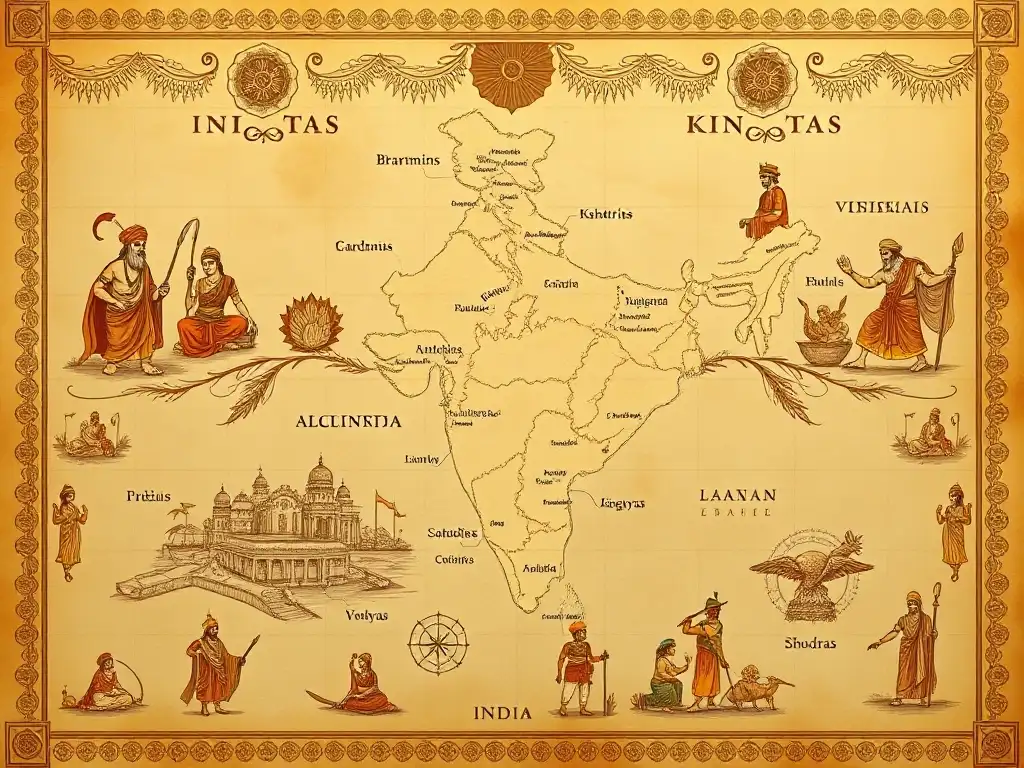
The caste system in ancient India stands as a cornerstone of social organization, deeply intertwined with the historical, cultural, and religious fabric of Indian civilization. Understanding the origins of the caste system is crucial for grasping how social hierarchies emerged and evolved, influencing the daily lives of millions across centuries.
This article delves into the roots of the caste system, tracing its development from the early Vedic period to the more structured classifications seen in subsequent eras. By exploring various aspects of this complex system, we aim to shed light on the socio-economic and cultural dynamics that shaped ancient Indian society.
Introduction to the Caste System in Ancient India
Defining the Caste System
The caste system, known as "varna" in ancient texts, categorizes society into hierarchical groups based on occupational roles. Traditionally, there are four main varnas:
- Brahmins: Priests and scholars, responsible for religious rituals and teachings.
- Kshatriyas: Warriors and rulers, tasked with governance and protection.
- Vaishyas: Merchants and landowners, involved in commerce and agriculture.
- Shudras: Laborers and service providers, supporting the other three varnas.
This classification, while initially fluid, became increasingly rigid over time, leading to a complex web of sub-castes, or "jatis," that defined social interactions and mobility.
Importance of Studying Caste System Origins
Investigating the origins of the caste system is essential for several reasons:
- Cultural Understanding: It provides insights into the values and beliefs of ancient Indian societies.
- Historical Perspective: Analyzing its evolution helps us understand the socio-political changes in ancient India.
- Social Implications: Understanding the foundations of the caste system can inform contemporary discussions on social justice and equality.
Historical Context of Ancient India
Overview of Ancient Indian Civilizations
Ancient India was home to several flourishing civilizations, including the Indus Valley Civilization (c. 3300–1300 BCE) and the subsequent Vedic period (c. 1500–500 BCE). These periods marked significant advancements in urban planning, trade, and cultural practices. The arrival of the Indo-Aryans introduced new religious and social concepts that laid the groundwork for the caste system, intertwining it with the evolving societal norms.
Social Structures Prior to the Caste System
Before the formalization of the caste system, ancient Indian societies exhibited a more fluid social structure. During the Indus Valley period, evidence suggests a degree of egalitarianism, with urban centers that promoted trade and collaboration among various groups. However, as Vedic culture took hold, the emergence of ritualistic practices and the establishment of priestly authority began to stratify society, paving the way for the rigid caste classifications that would dominate later periods.
By examining these foundational aspects, we can begin to understand the complex origins of the caste system in ancient India and its lasting impact on Indian society.
The Emergence of the Caste System
The caste system in ancient India is a complex social hierarchy that has evolved over millennia. Its origins are deeply rooted in the socio-economic and cultural fabric of early Indian societies. The emergence of the caste system can be traced back to the Vedic period, where distinctions among communities began to form based on both occupation and function within society. Over time, these divisions became more rigid, leading to a formalized system that categorized individuals into distinct groups, known as "varna" and later "jati."
Initially, the caste system was likely more fluid, allowing individuals to move between groups based on their skills and contributions. However, as agricultural practices intensified and urban centers developed, the need for social organization and stability increased. This led to the entrenchment of social roles, where specific occupations became hereditary and the mobility between castes diminished. Understanding this evolution is crucial to grasping the complexities of ancient Indian society and its enduring impacts on contemporary social dynamics.
Early References to Social Stratification
The earliest references to social stratification in ancient India can be found in the Rigveda, dated around 1500 BCE. These texts describe a division of society into four primary groups known as varnas: the Brahmins (priests and scholars), Kshatriyas (warriors and rulers), Vaishyas (merchants and landowners), and Shudras (laborers and service providers).
In these ancient scriptures, there is an indication that this division was more functional than hierarchical; each varna had specific roles essential for the society's survival and prosperity. The distinctions were based on occupational duties rather than moral superiority, suggesting an initial understanding of social roles as complementary rather than competitive. As these texts were interpreted and reinterpreted over time, the social structures began to solidify into the more rigid caste system recognized in later centuries.
The Role of Vedic Texts in Shaping the Caste System
Vedic texts played a pivotal role in shaping the caste system's ideological foundation. The concept of dharma, or duty, was central to these texts, providing a framework for individuals to understand their roles within society. Each varna was assigned specific duties that contributed to the overall harmony and functionality of the community. This notion of dharma reinforced the idea that individuals should accept their social positions and perform their roles honorably.
The Manusmriti, a significant legal text from the later Vedic period, further codified these social divisions. It outlined rules and regulations governing the behavior of different varnas, emphasizing the importance of maintaining social order. This text solidified the caste system's rigidity, associating social roles with moral and spiritual worth, thus embedding the caste system deeply within the cultural and religious psyche of ancient India.
Influence of Religion on Caste Formation
Religion has been a significant factor in the formation and perpetuation of the caste system in ancient India. Hinduism, particularly through its sacred texts, has often linked social status with spiritual purity. The belief that one's caste was determined by karma from past lives contributed to the acceptance of one's social position and reinforced the idea of divine sanctioning of the caste system.
In addition to Hinduism, other religions emerging in ancient India, such as Buddhism and Jainism, also addressed social stratification but proposed alternatives to the rigid caste hierarchies. However, despite their reformative approaches, the entrenched practices of caste often overshadowed these philosophies. As religious beliefs intertwined with social practices, the caste system became a defining feature of social identity in ancient India, influencing marriage, occupation, and community interactions.
Key Factors Influencing Caste System Origins
The origins of the caste system in ancient India cannot be attributed to a single factor; rather, they emerged from a confluence of various influences that shaped social organization. Understanding these key factors is essential to grasp the complexities surrounding the caste system's development.
Economic Factors and Occupation
Economic considerations have played a crucial role in the origins of the caste system. As agrarian societies developed, the need for a stable workforce became paramount. Specific occupations began to be associated with certain groups, leading to the classification of individuals based on their economic roles.
The specialization of labor further entrenched these divisions, as individuals started to inherit professions, resulting in the establishment of hereditary castes. This economic stratification not only influenced social mobility but also dictated the interactions between different groups, establishing a framework where certain occupations were deemed superior or inferior based on their economic contributions to society.
Political Structures and Power Dynamics
The political landscape of ancient India significantly contributed to the formation of the caste system. As kingdoms rose and fell, power dynamics influenced social hierarchies. Rulers often relied on specific castes to maintain control over their territories, leading to the elevation of particular groups that held political power or military strength.
The consolidation of power by certain varnas often resulted in the marginalization of others, reinforcing the existing social order. The intertwining of caste and politics created a system where social status was not only determined by occupation but also by one’s relationship with the ruling elite, perpetuating inequalities within the society.
Geographic Influences on Social Organization
Geography played an essential role in shaping the caste system’s origins. The diverse landscapes of ancient India, from fertile plains to rugged mountains, influenced agricultural practices and settlement patterns. Regions with abundant resources often supported larger populations, leading to more complex social organizations.
Moreover, geographical barriers sometimes led to the isolation of communities, fostering distinct cultural identities and practices. This regional variation contributed to the diversity of jatis (sub-castes) within the broader varna system, resulting in a mosaic of social identities that reflected local customs, occupations, and economic conditions. The geographic context, therefore, was crucial in determining how caste systems developed uniquely across ancient Indian societies.
Types of Castes in Ancient India
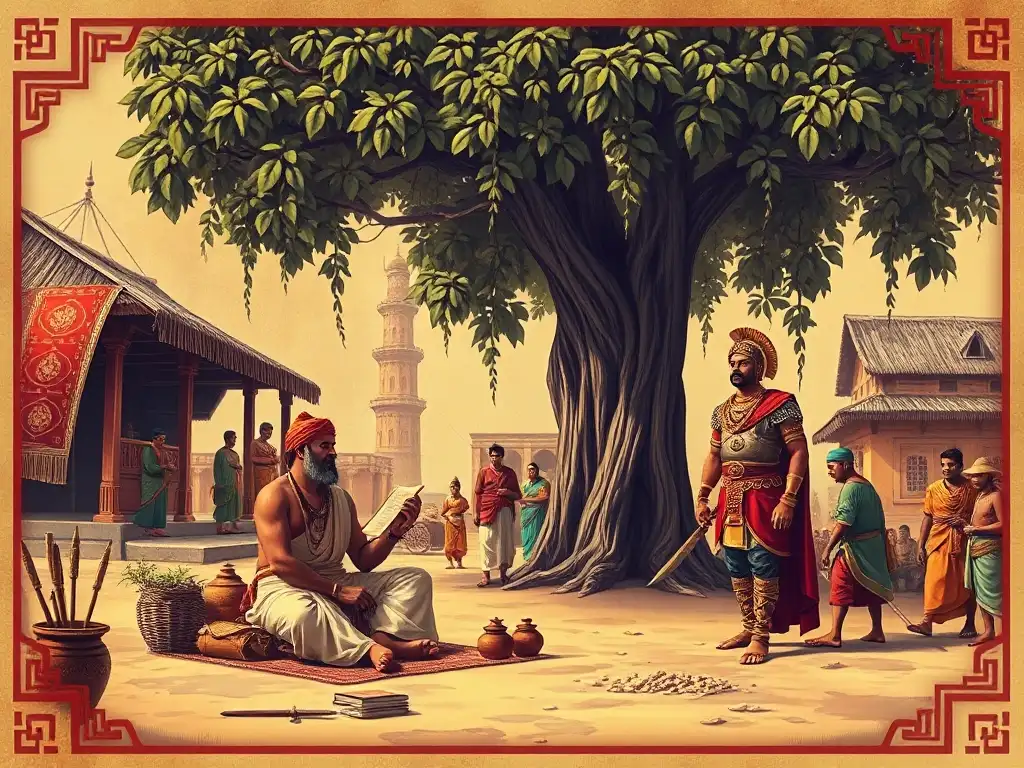
The caste system in ancient India was a complex social hierarchy that divided society into distinct groups, each with its own roles, responsibilities, and privileges. This stratification was not merely a reflection of socio-economic conditions but was deeply intertwined with religious beliefs and cultural practices. The four primary castes, or varnas, that emerged in ancient Indian society were Brahmins, Kshatriyas, Vaishyas, and Shudras. Each caste played a specific role in society, contributing to the overall functioning of the civilization.
Brahmins: The Priestly Class
Brahmins were regarded as the highest caste in the social hierarchy of ancient India. Their primary role was to perform religious rituals, conduct ceremonies, and preserve sacred knowledge through oral traditions. As scholars and priests, they were responsible for interpreting the Vedas, which are ancient Indian scriptures that form the basis of Hindu philosophy and practice.
The Brahmins enjoyed significant social prestige and were often granted land and gifts in exchange for their services. They were seen as mediators between the divine and the mortal world, and their status was reinforced by the belief that they were born from the mouth of the cosmic being, Purusha, according to Hindu mythology. However, their position also came with strict codes of conduct and expectations, leading to a life centered around spirituality and ethical living.
Kshatriyas: The Warrior and Ruling Class
The Kshatriyas constituted the warrior and ruling class in ancient Indian society. Their primary responsibility was to protect the land and its people, and they often held positions of power in governance and military leadership. Kshatriyas were expected to uphold dharma, which refers to righteousness and moral duty, particularly in the context of warfare and governance.
In terms of social status, Kshatriyas were regarded as the protectors of society and were often involved in land ownership and administration. They were believed to have emerged from the arms of Purusha, symbolizing strength and valor. Many of the great Indian epics, such as the Mahabharata and Ramayana, feature Kshatriya heroes who embody ideals of bravery and honor.
Vaishyas: The Merchant Class
The Vaishyas were primarily the merchant class, responsible for agriculture, trade, and commerce. They played a vital role in the economy, engaging in various professions, including farming, trading, and craftsmanship. This caste was considered essential for the sustenance of society, as they facilitated the exchange of goods and services.
The Vaishyas were believed to have originated from the thighs of Purusha, representing stability and support. Their contributions to society included not only economic prosperity but also the promotion of cultural exchange through trade networks that extended beyond the Indian subcontinent. As such, they were instrumental in the development of urban centers and the wealth of ancient Indian kingdoms.
Shudras: The Laboring Class
Shudras formed the lowest caste in the traditional hierarchy, primarily composed of laborers and service providers. Their roles included menial tasks such as farming, artisanship, and domestic service. The Shudras were vital to the functioning of society, as they provided essential services and labor that supported the higher castes.
According to ancient texts, Shudras were believed to have originated from the feet of Purusha, representing their foundational role in the social structure. Despite their critical contributions, they faced significant restrictions and were often subjected to social stigma. The caste system's rigid boundaries limited their opportunities for social mobility and access to education.
The Impact of the Caste System on Ancient Indian Society
The caste system's influence on ancient Indian society was profound, shaping various aspects of daily life, cultural practices, and social interactions. While it provided a framework for organizing society, it also led to significant social stratification and reinforced inequalities.
Social Mobility and Restrictions
The caste system in ancient India imposed strict social boundaries, limiting the movement and interactions between different castes. While there were instances of individuals rising to higher castes based on merit or exceptional achievements, these cases were relatively rare. The rigid nature of the caste system often resulted in individuals being confined to the roles and duties associated with their birth caste.
Marriage between different castes was generally discouraged, leading to the establishment of endogamous practices that further entrenched the system. As a result, social mobility was severely restricted for the lower castes, particularly the Shudras, who faced systemic barriers in accessing education and economic opportunities.
Cultural Practices and Beliefs
The caste system significantly influenced the cultural practices and beliefs of ancient Indian society. Each caste had its own customs, traditions, and societal roles, which were often reflected in religious practices, festivals, and rituals. These customs were deeply ingrained in the social fabric, reinforcing the identity of each caste.
The Brahmins, for instance, played a crucial role in dictating religious ceremonies, while Kshatriyas were often celebrated in heroic epics. The Vaishyas contributed to economic prosperity through trade, and the Shudras provided essential services. This division of roles not only defined individual identities but also shaped collective cultural norms and values.
The Caste System's Role in Daily Life
In daily life, the caste system manifested in various forms, influencing everything from occupation to social interactions. The hierarchical structure determined one's profession, social circle, and even dietary practices. For instance, members of higher castes often engaged in rituals that reinforced their status, while individuals from lower castes faced discrimination and exclusion from certain social activities.
Overall, the caste system's pervasive influence on ancient Indian society created a complex social landscape that defined relationships, responsibilities, and societal norms. While it provided a sense of order and organization, it also led to systemic inequalities that would have lasting implications throughout Indian history.
Debates and Controversies Surrounding Caste System Origins
The origins of the caste system in ancient India have long been a subject of intense debate among historians, sociologists, and anthropologists. Multiple theories exist regarding how this complex social hierarchy developed, each presenting differing interpretations of historical evidence and cultural practices.
One prominent theory suggests that the caste system evolved from occupational specialization as societies transitioned from nomadic to settled agricultural lifestyles. In this view, specific roles emerged based on the needs of agrarian communities, leading to the stratification of society. Conversely, some scholars argue that caste was institutionalized by religious texts, particularly the Manusmriti, which outlined strict social codes and hierarchies.
Adding to the debate is the contention over the relevance of race in the formation of the caste system, with some theories proposing that racial distinctions played a role in creating social divisions. However, this perspective is often criticized for oversimplifying a complex phenomenon shaped by various cultural, economic, and political factors.
Historical Interpretations of Caste Development
Historical interpretations of caste development can be broadly categorized into several schools of thought. The Indo-Aryan migration theory posits that the arrival of Indo-Aryans in the Indian subcontinent introduced new social structures that crystallized into the caste system. This theory is supported by linguistic evidence but faces challenges regarding the archaeological record.
Another interpretation focuses on the tribal and local social structures that existed prior to the formalization of caste. Proponents of this view argue that these indigenous systems were co-opted and transformed into the caste system over time, influenced by a combination of local customs and external pressures, such as the expansion of empires or invasions.
Moreover, the economic perspective emphasizes the role of trade and commerce in shaping caste dynamics. As trade networks expanded, certain communities gained wealth and power, leading to the reconfiguration of social hierarchies. This interpretation highlights the fluidity of caste and the ways in which economic factors can transcend rigid social categories.
Modern Perspectives on Ancient Caste Structures
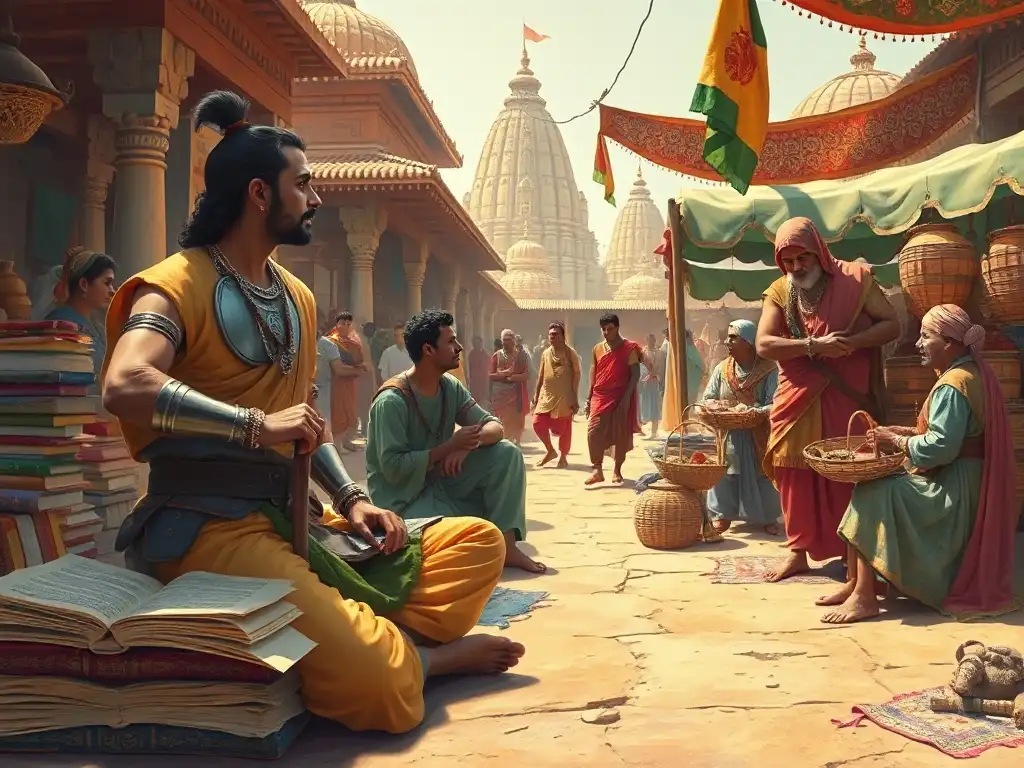
Modern perspectives on ancient caste structures often emphasize the need for a nuanced understanding of caste as a social construct rather than a static category. Researchers advocate for an examination of regional variations in caste practices, recognizing that the experience of caste could differ significantly across various geographic and cultural contexts.
Furthermore, contemporary sociological studies highlight the importance of interactions between caste and other social identities, such as class, gender, and religion. These studies suggest that caste cannot be understood in isolation and that its implications are intertwined with broader social dynamics.
The role of historical narratives in shaping public perceptions of caste is also critical. Modern discussions often challenge traditional narratives that portray the caste system solely as a system of oppression. Instead, some scholars argue for an understanding that acknowledges the complexities and variations of caste practices, including instances of resistance and adaptation.
Conclusion
Summary of the Caste System Origins in Ancient India
The origins of the caste system in ancient India are multifaceted and subject to various interpretations. The interplay of occupational roles, religious texts, and pre-existing social structures contributed to the emergence of this complex social hierarchy. Historical and modern analyses reveal a dynamic system shaped by a multitude of factors, including economic, cultural, and political influences.
Reflection on the Legacy of the Caste System in Contemporary Society
The legacy of the caste system continues to influence contemporary Indian society. Although legal frameworks have been established to promote equality, the social ramifications of caste identity persist, affecting access to resources, opportunities, and social relationships. Understanding the origins and evolution of the caste system is essential not only for historical scholarship but also for addressing ongoing inequalities and fostering a more inclusive society.
Reflecting on this legacy encourages critical dialogue and promotes awareness of the complexities involved in caste dynamics, paving the way for a nuanced approach to social justice in modern India.
References
The origins of the caste system in ancient India have been a subject of extensive scholarly research, with numerous texts, articles, and studies contributing to our understanding of this intricate social structure. The following resources provide valuable insights into the historical context, evolution, and implications of the caste system.
Recommended Reading on Caste System Origins
-
"The Origins of Caste in India: A Historical Perspective" by R.S. Sharma
This book offers a comprehensive examination of the socio-economic factors that contributed to the emergence of the caste system in ancient India, analyzing archaeological and literary evidence to trace its evolution.
-
"Caste: A Very Short Introduction" by Kim Knott
This concise text provides an overview of the caste system's history and significance in Indian society, exploring its impact on social dynamics and cultural practices.
-
"The Untouchables: Who Were They and Why They Became Untouchables?" by Bhimrao Ramji Ambedkar
Ambedkar, a prominent social reformer and architect of the Indian Constitution, delves into the historical roots of untouchability and the caste system, offering critical perspectives on its socio-political implications.
-
"Caste in Ancient India: A Study of the Vedic and Post-Vedic Periods" by Upinder Singh
This scholarly work investigates the development of caste during the Vedic period and its transformation in subsequent eras, providing a detailed analysis of religious texts and societal norms.
-
"The Caste System and the Politics of Social Justice in India" by G. A. O. N. D.
This book discusses the historical and contemporary implications of the caste system in India, examining how it has shaped social justice movements and political discourse.
Key Academic Sources on Ancient Indian Society
-
"Ancient India" by Romila Thapar
A seminal work that provides an in-depth overview of ancient Indian history, Thapar's analysis encompasses the social structures, including the caste system, and their historical context.
-
"The Archaeology of Ancient India" by Stuart Piggott
Piggott's research highlights archaeological findings that shed light on the social organization of ancient Indian civilizations, offering insights into the formation of caste.
-
"The Hindu Social Order" by M. N. Srinivas
This book examines the implications of the caste system within the broader framework of Hindu society, analyzing its historical roots and contemporary relevance.
-
"Caste and Class in India" by B. R. Ambedkar
Ambedkar's critical examination of caste and class dynamics provides a foundational understanding of the socio-economic factors influencing the caste system.
-
"Indian Society: Themes and Perspectives" by Rajendra Singh
This text explores various themes related to Indian society, including caste, providing a comprehensive overview of its origins and transformations throughout history.
These references and recommended readings serve as essential resources for anyone seeking to gain a deeper understanding of the origins and complexities of the caste system in ancient India, as well as its lasting impact on Indian society.
- Introduction to the Caste System in Ancient India
- Historical Context of Ancient India
- The Emergence of the Caste System
- Key Factors Influencing Caste System Origins
- Types of Castes in Ancient India
- The Impact of the Caste System on Ancient Indian Society
- Debates and Controversies Surrounding Caste System Origins
- Historical Interpretations of Caste Development
- Modern Perspectives on Ancient Caste Structures
- Conclusion
- References
Frequently Asked Questions
What is the caste system in ancient India?
The caste system is a hierarchical social structure that originated in ancient India, categorizing people into distinct groups based on occupation and social status.
How did the caste system evolve over time?
The caste system evolved from ancient practices and was influenced by religious texts, particularly the Vedas, which established divisions based on purity and rituals.
What were the main castes in ancient India?
The primary castes included the Brahmins (priests), Kshatriyas (warriors), Vaishyas (merchants), and Shudras (laborers), forming a structure that dictated social and economic roles.
What role did religion play in the caste system's origins?
Religion played a significant role in the origins of the caste system, as Hindu texts reinforced the social hierarchy and justified the division of labor among different castes.
How did the caste system impact ancient Indian society?
The caste system had profound effects on ancient Indian society, influencing marriage, occupation, and social interactions, thereby shaping the cultural and economic landscape of the time.
Final Reflection: Unraveling the Threads of the Caste System's Origins
Understanding the origins of the caste system in ancient India is not just an academic pursuit; it is a crucial exploration of social dynamics that continue to shape contemporary society. The intricate web of historical, cultural, and religious factors that contributed to the establishment of this system remains deeply relevant today, as we grapple with issues of inequality and social stratification across the globe. The caste system's legacy serves as a stark reminder of how societal structures can evolve and persist, influencing lives in profound ways.
The caste system has left an indelible mark on the cultural and social landscape of India, affecting millions and shaping identities for centuries. Its origins reveal a complex interplay of power, religion, and economy that still resonates in modern discussions about caste-based discrimination and social justice. As Mahatma Gandhi once said, "The true measure of any society can be found in how it treats its most vulnerable members." This quote encapsulates the ongoing struggle against the remnants of caste discrimination and highlights the importance of understanding its roots to foster a more equitable society.
As we reflect on the lessons learned from the origins of the caste system, let us challenge ourselves to confront the biases and inequalities that persist in our own lives and communities. Consider how you can contribute to breaking down barriers and fostering inclusivity, drawing inspiration from the past to create a more just future. By engaging with this history, we can empower ourselves and others to advocate for change, ensuring that the mistakes of the past do not define our collective future.
Unveil the Rich Tapestry of Ancient Indian Society!
Thank you for diving into the fascinating origins of the caste system in ancient India! Your interest in understanding this complex social structure is the first step in unraveling the rich history and cultural diversity that shaped the nation. Now that you're equipped with knowledge, it's time to take action and expand your insights even further!
- Engage with Others: Join a local or online discussion group focused on ancient Indian history to share your thoughts and gain new perspectives.
- Explore Further: Read additional articles or books about the evolution of the caste system and its impact on modern India.
- Share Your Knowledge: Write a brief summary or blog post about what you've learned and invite your friends to read it!
What aspect of the caste system intrigues you the most, and how do you think it has shaped contemporary Indian society?