
How Ancient Indian Educational Practices Encourage Lifelong Learning

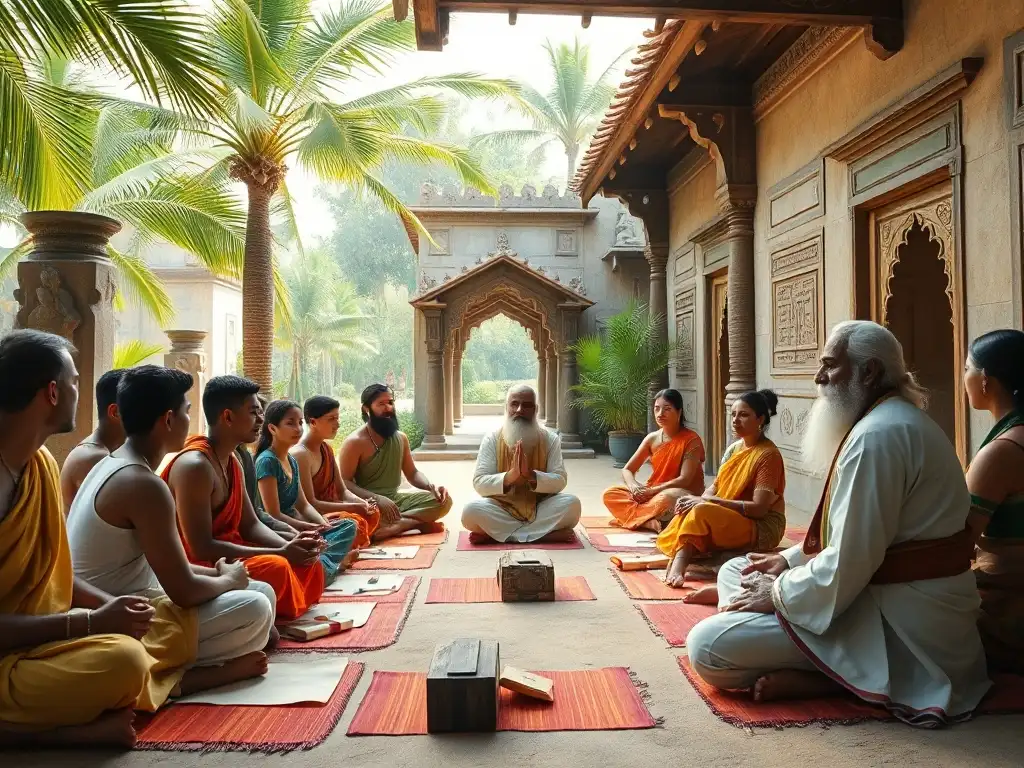
Welcome to Ancient India History, where we embark on a fascinating journey through the rich tapestry of India’s past. Delve into the intricate web of ancient Indian educational practices that not only shaped the minds of scholars but also laid the groundwork for lifelong learning. Discover how these time-honored traditions fostered an environment of curiosity and intellectual growth, inviting you to reflect on the profound impact of education in shaping civilizations. Are you ready to uncover the secrets of wisdom that thrived in ancient India? Join us as we explore how these practices continue to resonate in today’s world!
- Introduction to Ancient Indian Educational Practices
- Historical Context of Ancient Indian Educational Practices
- Core Principles of Ancient Indian Educational Practices
- Lifelong Learning in Ancient Indian Educational Systems
- Methods and Techniques of Learning in Ancient India
- Contributions of Ancient Indian Educational Practices to Modern Education
- Conclusion: The Legacy of Ancient Indian Educational Practices
- Frequently Asked Questions
- Final Reflection: Embracing Lifelong Learning Through Ancient Wisdom
- Embrace Lifelong Learning Today!
Introduction to Ancient Indian Educational Practices
Ancient Indian educational practices are a fascinating subject that reflects the sophisticated and diverse approaches to learning that thrived in the subcontinent thousands of years ago. From the renowned Gurukula system to the establishment of formal universities like Takshashila and Nalanda, the educational landscape of ancient India was marked by a commitment to holistic learning, critical thinking, and moral development.
These practices not only emphasized the acquisition of knowledge but also fostered a culture of lifelong learning, which remains relevant in today’s fast-paced world. In this article, we will explore the key features of ancient Indian educational practices and their emphasis on continuous education, showcasing how these principles can inspire modern educational systems.
Overview of Ancient Indian Education
The educational framework of ancient India was deeply rooted in its cultural and philosophical ethos. Education was primarily oral, with teachers known as Gurus imparting wisdom to their students in an intimate setting. This system promoted a strong mentor-student relationship, emphasizing personalized learning. Here are some defining characteristics of ancient Indian education:
- Gurukula System: Students lived with their Gurus in residential schools, where they learned not only academic subjects but also life skills.
- Subjects of Study: The curriculum included a wide range of subjects such as philosophy, mathematics, astronomy, music, and medicine, reflecting a well-rounded approach to education.
- Focus on Ethics and Morality: Ethical teachings were integral, aiming to cultivate virtuous citizens who would contribute positively to society.
- Role of Language: Sanskrit was the primary medium of instruction, emphasizing the significance of language in preserving knowledge.
This rich tapestry of educational practices laid the foundation for a culturally vibrant society that valued knowledge and wisdom.
Importance of Lifelong Learning in Ancient India
Lifelong learning was not merely a concept in ancient India; it was a way of life. The ancient Indian educational practices instilled a sense of curiosity and an understanding that learning never truly ends. This philosophy is encapsulated in several key aspects:
- Continuous Knowledge Acquisition: Individuals were encouraged to seek knowledge throughout their lives, adapting to new circumstances and continuous societal changes.
- Integration of Practical Skills: Education was not limited to theoretical knowledge; practical skills were equally emphasized, preparing learners for real-life applications.
- Cultural Heritage: The emphasis on arts and literature fostered a deep appreciation for one’s cultural heritage, encouraging ongoing exploration and understanding of one’s roots.
- Philosophical Foundations: Texts such as the Vedas and Upanishads highlighted the pursuit of knowledge as a spiritual and intellectual journey, reinforcing the idea that education is a lifelong endeavor.
Through these practices, ancient India created a robust educational environment that nurtured inquisitive minds and fostered an enduring passion for learning, a legacy that continues to inspire modern educational paradigms.
Historical Context of Ancient Indian Educational Practices
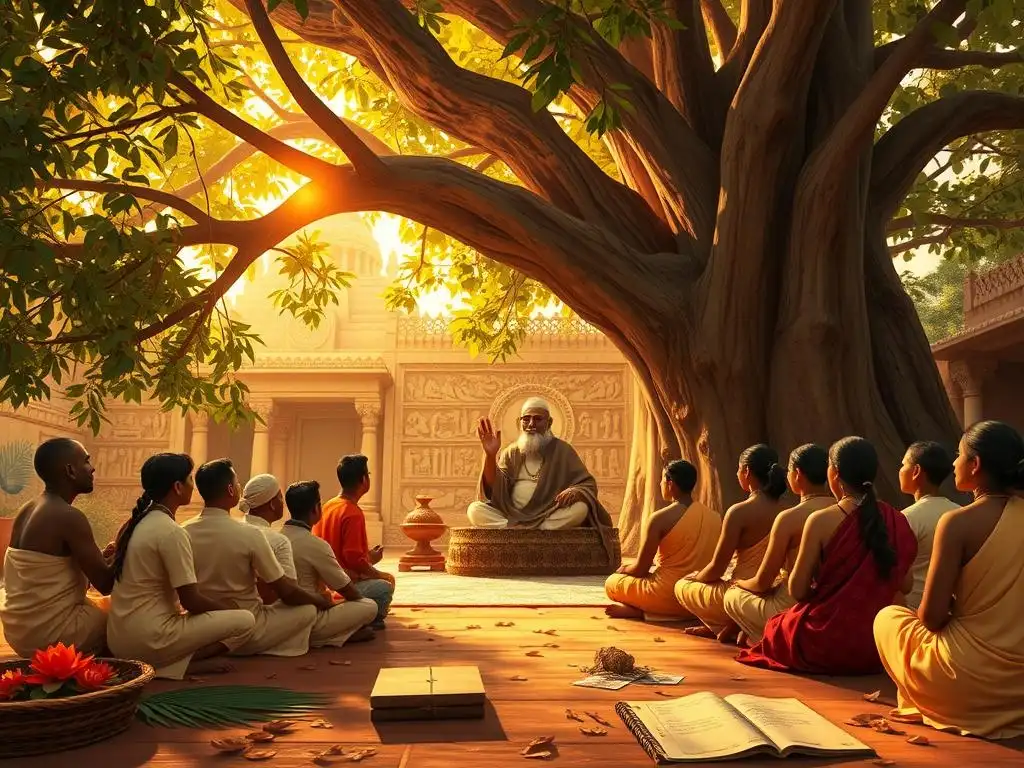
Evolution of Education from the Indus Valley Civilization
The educational practices in ancient India have a rich and diverse history, with roots tracing back to the Indus Valley Civilization (circa 3300–1300 BCE). This early civilization set foundational principles for learning and knowledge dissemination. Archaeological findings suggest that the Indus Valley cities had advanced urban planning and social organization, which likely included early forms of education.
-
Craftsmanship and Practical Knowledge:
The people of the Indus Valley were skilled artisans, and education was predominantly practical, focusing on craftsmanship, trade skills, and agricultural practices. Evidence of seal inscriptions and weights suggests that mathematical concepts were integral to their education, hinting at an early understanding of arithmetic and trade.
-
Oral Tradition and Transmission of Knowledge:
Education was primarily oral, with knowledge being passed down through generations. Elders and skilled practitioners would teach younger members of the community, emphasizing experiential learning. This method laid the groundwork for more structured educational systems that emerged later.
-
Transition to Vedic Education:
Following the decline of the Indus Valley Civilization, the arrival of the Vedic period (circa 1500 BCE) marked a significant shift in educational practices. The Vedas, ancient sacred texts, became central to education, emphasizing spiritual knowledge, rituals, and philosophical discourse.
The Role of Gurukuls in Shaping Educational Systems
The gurukul system emerged as a prominent educational model during the Vedic period, fundamentally transforming how education was perceived and delivered. Gurukuls were residential schools where students, known as shishyas, lived with their teacher, or guru, fostering a deep bond and personalized learning experience.
-
Curriculum and Holistic Education:
Gurukuls focused on a holistic approach to education, encompassing various subjects, including philosophy, mathematics, astronomy, and arts. The curriculum was designed to develop both intellectual and moral virtues. Students also engaged in physical activities, including sports and martial arts, to promote overall development.
-
Mentorship and Lifelong Learning:
The guru-shishya relationship was characterized by mentorship, where the guru guided the students not only in academic pursuits but also in life skills and ethics. This relationship fostered an environment of lifelong learning, encouraging students to continually seek knowledge beyond formal education.
-
Inclusivity and Accessibility:
Although initially accessible to the higher castes, over time, gurukuls began to include students from various backgrounds, promoting inclusivity in education. This shift played a crucial role in disseminating knowledge across different strata of society.
Influence of Ancient Texts on Learning Methods
Ancient Indian educational practices were heavily influenced by various texts that provided philosophical insights and practical guidelines on learning.
-
Vedas and Upanishads:
The Vedas and Upanishads emphasized not just spiritual learning but also critical thinking and philosophical inquiry. These texts encouraged questioning and debate, laying the groundwork for dialectical methods that would shape discussions in educational settings.
-
Dharma Shastras:
Works such as the Manusmriti provided frameworks for ethical and moral education, guiding students in their personal and social responsibilities. The focus on dharma (duty) in education emphasized the importance of character development alongside academic knowledge.
-
Mathematical and Astronomical Texts:
Texts like the Aryabhatiya by Aryabhata and the Sulbasutras presented advanced mathematical concepts and practical applications in geometry and astronomy. These works not only advanced scholarly pursuits but also influenced educational methodologies, demonstrating the importance of empirical learning and observation.
The historical context of ancient Indian educational practices reveals a complex interplay of cultural, philosophical, and practical factors that promoted lifelong learning and knowledge dissemination. The evolution from practical skills in the Indus Valley to the structured systems of gurukuls and the influence of ancient texts highlights the depth and richness of India's educational heritage.
Core Principles of Ancient Indian Educational Practices
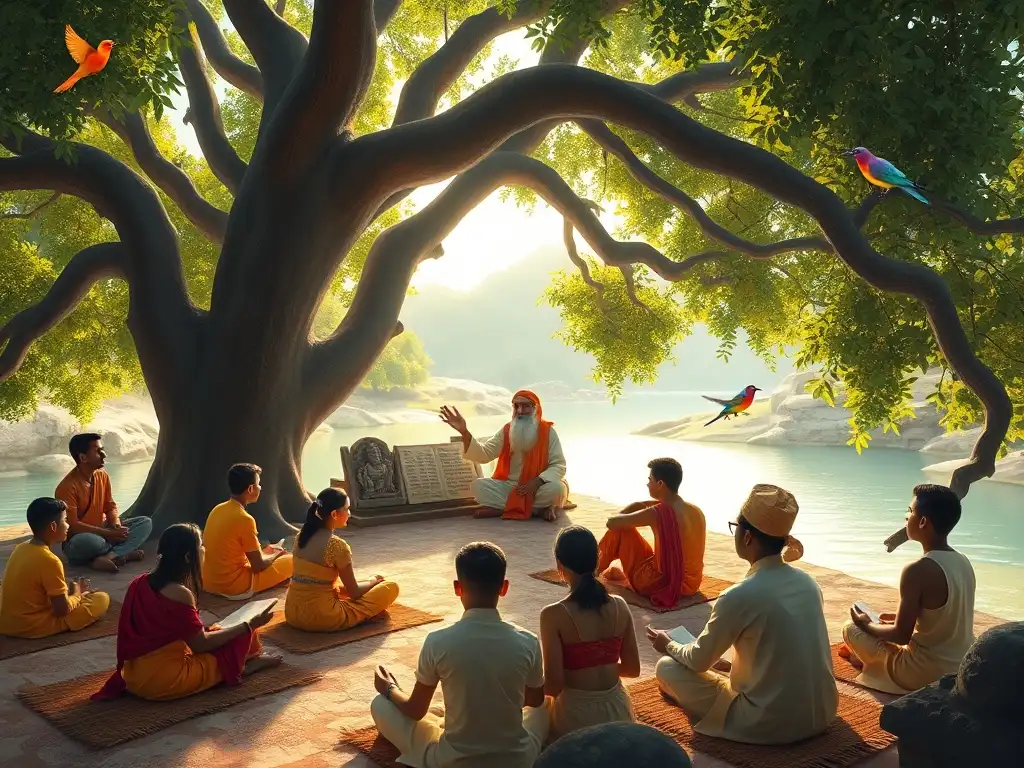
Ancient Indian educational practices were deeply rooted in the cultural, spiritual, and philosophical ethos of the civilization. These practices not only aimed at imparting knowledge but also emphasized the overall development of individuals. The core principles that underpinned these educational systems can be categorized into three main areas: holistic development, the integration of spiritual and secular knowledge, and the promotion of critical thinking and inquiry-based learning.
Emphasis on Holistic Development
Holistic development in ancient Indian educational practices refers to nurturing the mind, body, and spirit of the individual. This approach was encapsulated in the ancient Sanskrit term Sampoorna Vikas, which translates to "complete development." The curriculum included various subjects such as mathematics, astronomy, philosophy, arts, and physical education, ensuring that students received a well-rounded education.
- Physical Education: Activities such as yoga, martial arts, and traditional sports were integral components. They promoted physical health and discipline.
- Moral Education: Ethical teachings derived from texts like the Bhagavad Gita instilled values of righteousness and duty (Dharma).
- Arts and Culture: Music, dance, and literature were not merely extracurricular but essential for nurturing creativity and emotional intelligence.
This holistic approach aimed to create individuals who were not only knowledgeable but also balanced and virtuous, capable of contributing positively to society.
Integration of Spiritual and Secular Knowledge
Ancient Indian educational practices seamlessly blended spiritual teachings with secular knowledge. This integration recognized that understanding the material world and spiritual truths were not mutually exclusive but rather complementary paths to knowledge.
- Vedic Education: The Vedas, which are some of the oldest sacred texts in India, provided a foundation for both spiritual wisdom and practical knowledge. Students were encouraged to explore subjects like arithmetic, astronomy, and medicine alongside philosophical discussions.
- Gurukul System: In the traditional Gurukul system, students lived with their teachers (gurus) and engaged in discussions that explored both worldly and spiritual matters. This environment fostered deep learning and personal growth.
- Interdisciplinary Approach: Subjects were often taught in an interconnected manner, allowing students to see the relationships between different fields of knowledge. For example, mathematics was applied in astrology, and philosophy was related to ethics in governance.
This dual approach enriched the educational experience, making it comprehensive and relevant to the learners' lives.
Value of Critical Thinking and Inquiry-Based Learning
Critical thinking and inquiry-based learning were hallmarks of ancient Indian educational practices. Students were encouraged to question, debate, and seek answers rather than merely memorizing information.
- Socratic Method: Similar to the Socratic method used in Western education, ancient Indian philosophers often engaged in dialogues that challenged assumptions and encouraged deep reflection. This method fostered an environment of curiosity and exploration.
- Research and Experimentation: Scholars like Aryabhata and Sushruta exemplified the spirit of inquiry through their research in mathematics and medicine. Their works were not just theoretical; they involved extensive observational studies and practical applications.
- Encouragement of Discourse: Educational gatherings, known as Shastrarthas, were common, where students engaged in discussions on various topics. This practice not only honed their analytical skills but also prepared them for real-world challenges.
By valuing critical thinking and inquiry, ancient Indian educational practices laid the groundwork for a culture of lifelong learning, encouraging individuals to continuously seek knowledge and understanding throughout their lives.
Lifelong Learning in Ancient Indian Educational Systems
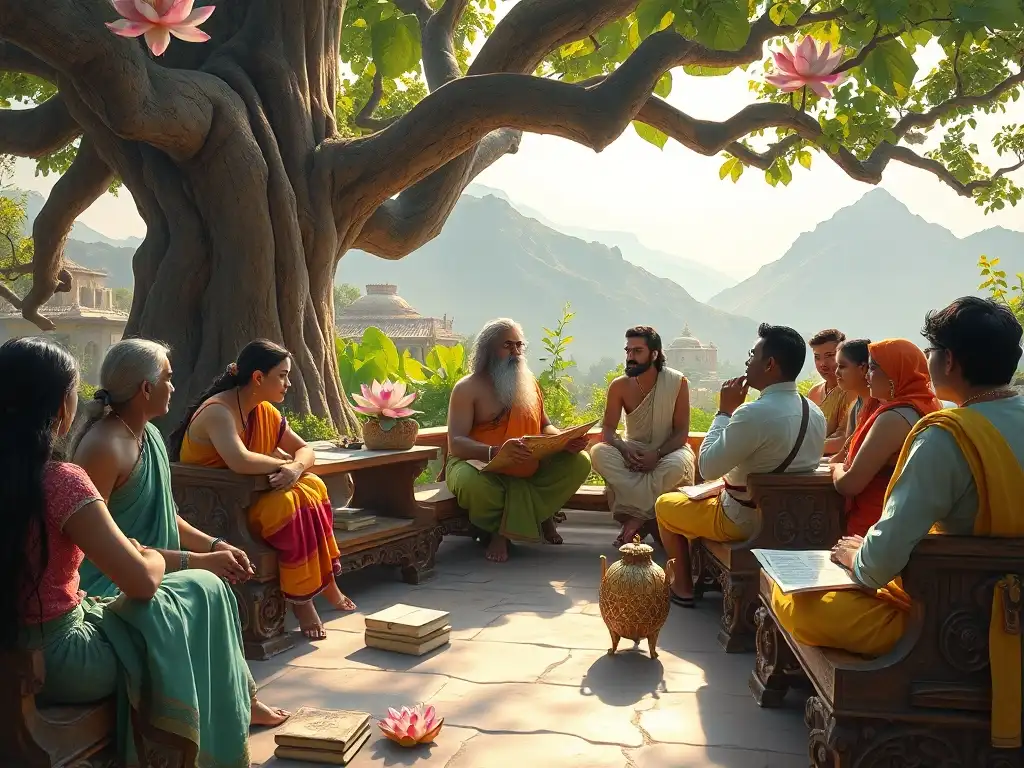
Concepts of 'Vidya' and 'Avidya'
In ancient Indian educational practices, the concepts of 'Vidya' (knowledge) and 'Avidya' (ignorance) played a crucial role in shaping the philosophical foundation of lifelong learning. 'Vidya' encompassed a broad spectrum of knowledge, including not only academic subjects but also practical skills, spiritual wisdom, and ethical values. This holistic approach encouraged individuals to seek knowledge continuously, fostering an environment where education was seen as a lifelong journey rather than a finite process.
Conversely, 'Avidya' represented the absence of knowledge and understanding. The ancient Indian sages believed that overcoming 'Avidya' was essential for personal growth and societal development. This duality emphasized the importance of critical thinking and self-reflection, motivating learners to question their understanding and seek deeper truths throughout their lives.
The emphasis on lifelong learning through 'Vidya' and 'Avidya' is evident in the educational philosophies of ancient texts, such as the Upanishads and Bhagavad Gita, where knowledge is portrayed as a means to attain liberation (Moksha). Thus, these concepts fostered an intrinsic motivation to pursue knowledge throughout one’s lifetime, highlighting the transformative power of education.
Lifelong Learning Through Oral Traditions and Storytelling
Oral traditions and storytelling were vital elements of ancient Indian educational practices that fostered lifelong learning. The rich tapestry of narratives passed down through generations served not only as a medium of entertainment but also as a powerful educational tool.
- Cultural Transmission:
- These stories often encapsulated moral lessons, cultural values, and historical events, ensuring that knowledge was preserved and transmitted across generations.
- By engaging with stories like the Mahabharata and Ramayana, learners could reflect on complex themes such as duty, righteousness, and the consequences of one’s actions.
- Cognitive Development:
- Storytelling stimulated critical thinking and creativity, encouraging listeners to interpret and analyze characters’ decisions and the moral dilemmas they faced.
- This practice not only enhanced comprehension but also inspired individuals to draw parallels to their own lives, promoting continuous personal and intellectual growth.
- Community Engagement:
- Oral traditions fostered a sense of community and belonging. Gatherings centered around storytelling provided opportunities for social interaction, discussion, and collective learning, reinforcing the idea that education is a shared experience.
The integration of oral traditions into educational practices ensured that learning was not confined to formal settings but was a dynamic, communal process that persisted throughout life.
The Role of Mentorship and Guru-Shishya Relationship
The Guru-Shishya relationship is a hallmark of ancient Indian educational practices, embodying the essence of mentorship that encourages lifelong learning. This relationship was characterized by deep respect, trust, and a commitment to knowledge sharing between the teacher (Guru) and the student (Shishya).
- Personalized Learning:
- Gurus tailored their teaching methods to meet the individual needs of their students, recognizing that each learner has unique strengths and weaknesses. This personalized approach facilitated a deeper understanding of the subject matter and instilled a passion for continuous learning.
- Holistic Development:
- The Guru-Shishya relationship extended beyond academic instruction; it encompassed moral and ethical guidance. Gurus imparted wisdom on life skills, spirituality, and societal responsibilities, preparing students to navigate the complexities of life beyond the classroom.
- Lifelong Connections:
- The bond formed between a Guru and a Shishya often lasted a lifetime. Former students would return to their Gurus for advice and guidance, fostering a culture of lifelong learning where knowledge was continuously exchanged and expanded upon.
The significance of the Guru-Shishya relationship highlights how mentorship in ancient Indian educational practices not only facilitated immediate learning but also cultivated a lifelong pursuit of knowledge, nurturing wisdom across generations.
Methods and Techniques of Learning in Ancient India
Use of Dialogue and Discussion in Learning
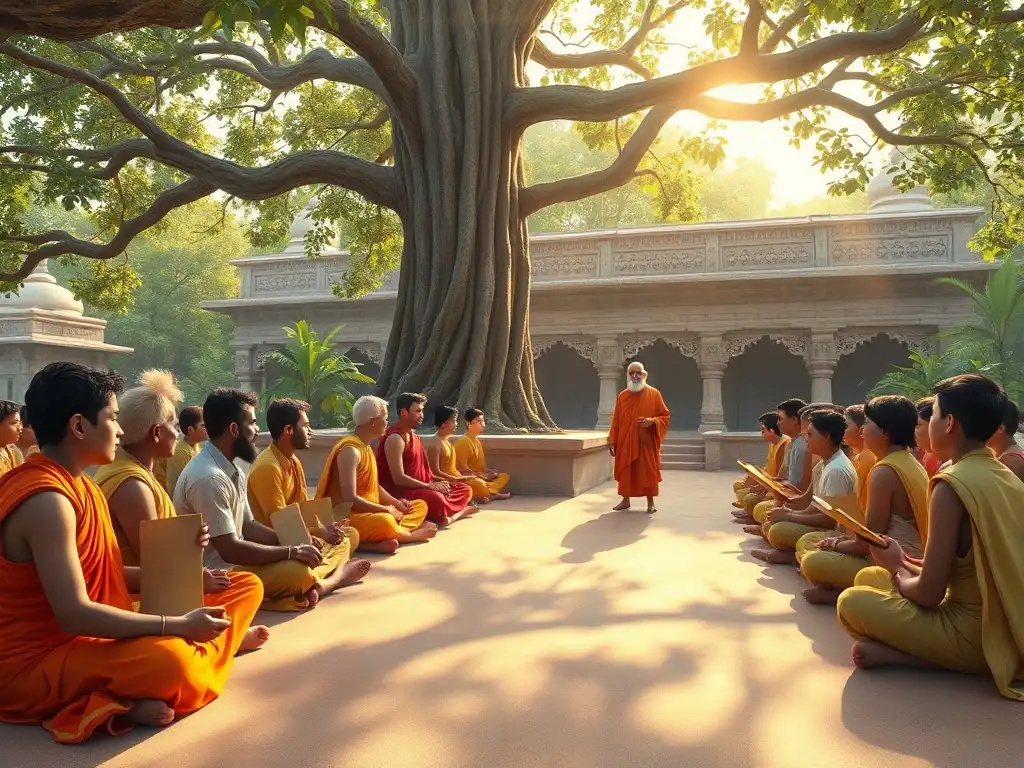
Ancient Indian educational practices emphasized the importance of dialogue and discussion as fundamental techniques for learning. This approach is epitomized in the traditional Gurukul system, where students lived with their teacher (guru) and engaged in daily discussions that encouraged critical thinking and intellectual discourse.
- Socratic Method Influence: The method of questioning and dialogue resembles the Socratic method, which encourages students to explore ideas through inquiry. Ancient Indian scholars often engaged in debates, which not only enhanced understanding but also fostered a spirit of inquiry.
- Role of the Teacher: The guru played a pivotal role in facilitating discussions. They encouraged students to express their views, question assumptions, and engage in collective reasoning. This environment nurtured collaborative learning, allowing students to learn from each other’s perspectives.
- Philosophical Schools: Various philosophical schools, such as Nyaya (logic) and Vaisheshika (atomism), relied heavily on dialogue to expound complex ideas. Texts like the Brahmanas and Upanishads illustrate how philosophical discussions were integral to the educational process, allowing students to delve into metaphysical concepts through debate.
Practical Applications and Experiential Learning
Ancient Indian educational practices also placed significant emphasis on practical applications and experiential learning. This hands-on approach ensured that students not only acquired theoretical knowledge but also developed practical skills essential for their future professions.
- Skill-Based Training: Vocational training was a key component of education. Students learned various crafts, trades, and agriculture through direct involvement. For instance, the Vedic texts mention specific skills such as carpentry, metallurgy, and pottery, which were taught through practical engagement rather than abstract theory.
- Field Studies: Education was not confined to the classroom; students often engaged in field studies to observe natural phenomena, agricultural practices, or societal functions. This allowed learners to connect theoretical knowledge with real-world applications, fostering a deeper understanding of their environment and society.
- Cultural Practices: Festivals and rituals served as practical learning experiences where students participated in community activities. This integration of education with cultural practices ensured that knowledge was not only retained but also appreciated in a broader societal context.
Importance of Reflection and Self-Assessment in Education
Reflection and self-assessment were central to the ancient Indian educational paradigm. Students were encouraged to engage in introspection, which helped them evaluate their learning and personal development.
- Journaling and Reflection: Students were often encouraged to maintain journals or engage in reflective practices, allowing them to document their thoughts, insights, and learning experiences. This practice helped reinforce knowledge and promote a habit of self-evaluation.
- Mentorship and Feedback: The guru-student relationship facilitated regular feedback and guidance. Students were encouraged to discuss their reflections with their teachers, fostering a culture of continuous improvement and lifelong learning.
- Spiritual and Ethical Development: Education in ancient India wasn’t solely about acquiring knowledge; it also encompassed spiritual and ethical dimensions. Reflection on moral values and ethical dilemmas was integral, allowing students to align their learning with their personal and societal responsibilities.
The methods and techniques of learning in ancient Indian educational practices laid a strong foundation for lifelong learning through dialogue, practical engagement, and reflective practices. These elements not only enriched the learning experience but also fostered a holistic approach to education that remains relevant today.
Contributions of Ancient Indian Educational Practices to Modern Education
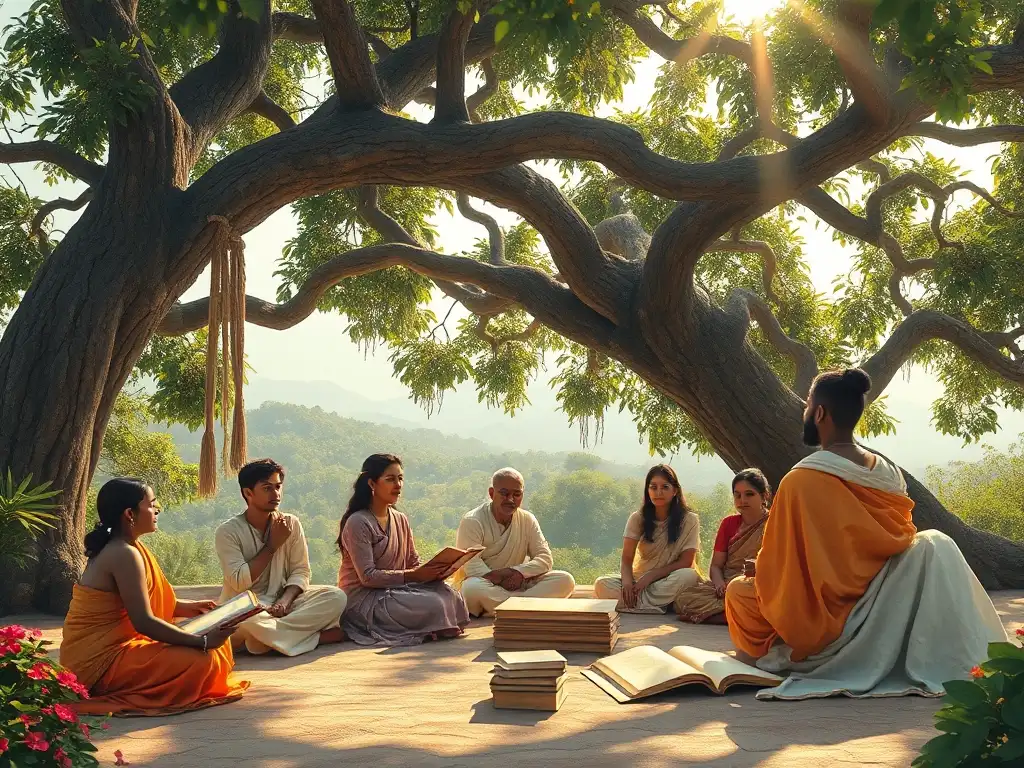
The educational practices of ancient India have played a pivotal role in shaping contemporary educational systems across the globe. Rooted in philosophical, spiritual, and practical frameworks, these practices emphasized holistic learning, moral development, and the pursuit of knowledge. The contributions of ancient Indian educational practices can be observed in various aspects of modern education, including curriculum design, pedagogical methods, and the overall approach to learning.
Influence on Contemporary Educational Philosophies
Ancient Indian educational practices are characterized by their emphasis on knowledge acquisition, critical thinking, and self-discovery. These elements have significantly influenced contemporary educational philosophies, especially in the following ways:
- Holistic Education: Ancient Indian systems, such as the Gurukul tradition, promoted a holistic approach to education, integrating physical, mental, and spiritual development. This concept has found its way into modern educational frameworks that prioritize the overall well-being of the student.
- Student-Centered Learning: The ancient practice of individualized learning, where the student was encouraged to explore and question, has been revived in modern educational philosophies such as constructivism. This approach recognizes the importance of students' active participation in their learning process.
- Moral and Ethical Education: Ancient texts like the Bhagavad Gita and the Vedas emphasized the importance of ethics and morality in education. Today, many educational institutions integrate character education into their curricula, focusing on developing responsible citizens.
- Interdisciplinary Learning: The ancient Indian education system encouraged students to learn across various fields, from philosophy to science. This interdisciplinary approach is now evident in modern educational systems that promote STEAM (Science, Technology, Engineering, Arts, and Mathematics) education.
Adaptation of Ancient Methods in Today's Learning Environments
Modern educators have begun to adapt ancient Indian educational practices to create innovative learning environments. Some notable adaptations include:
- Mentorship and Guru-Shishya Tradition: The traditional mentor-student relationship is being revived in contemporary settings, where teachers act as guides rather than mere dispensers of knowledge. This shift fosters deeper learning and stronger connections between educators and students.
- Experiential Learning: Ancient practices emphasized learning through experience, whether through hands-on activities, storytelling, or practical applications. This concept has been integrated into modern curricula through project-based learning and field experiences.
- Mindfulness and Meditation: The ancient Indian focus on meditation and mindfulness is gaining traction in modern classrooms. Schools are incorporating mindfulness practices to enhance students' focus, reduce anxiety, and promote emotional well-being.
- Community Involvement: Ancient educational systems often involved the community in the learning process. Today, many educational programs encourage parental and community participation, recognizing the importance of a support network in a child's education.
Case Studies of Successful Implementation of Ancient Practices
Several educational institutions and initiatives around the world have successfully integrated ancient Indian educational practices into their frameworks. Here are a few notable examples:
- The Krishnamurti Schools:
- Founded by philosopher J. Krishnamurti, these schools emphasize self-discovery, inquiry, and the importance of understanding one's own mind. The curriculum is designed to foster critical thinking and a deep connection to nature, mirroring ancient practices.
- Auroville:
- In this experimental township in India, education is centered around the principles of unity and diversity, inspired by ancient Indian philosophies. The approach encourages collaborative learning and personal growth, reflecting the values of ancient educational systems.
- The Gurukula System Revival:
- Some modern educational institutions are reviving the Gurukula system, offering a blend of traditional and contemporary curricula that focuses on experiential learning, ethical development, and a close mentor-student relationship.
- Mindfulness Programs in Schools:
- Various schools in the West have adopted mindfulness programs inspired by ancient practices. These programs aim to enhance emotional regulation, focus, and overall mental health among students.
Through these case studies, it is evident that the rich traditions of ancient Indian educational practices continue to inspire and shape modern educational systems, promoting a lifelong love for learning and personal development.
Conclusion: The Legacy of Ancient Indian Educational Practices
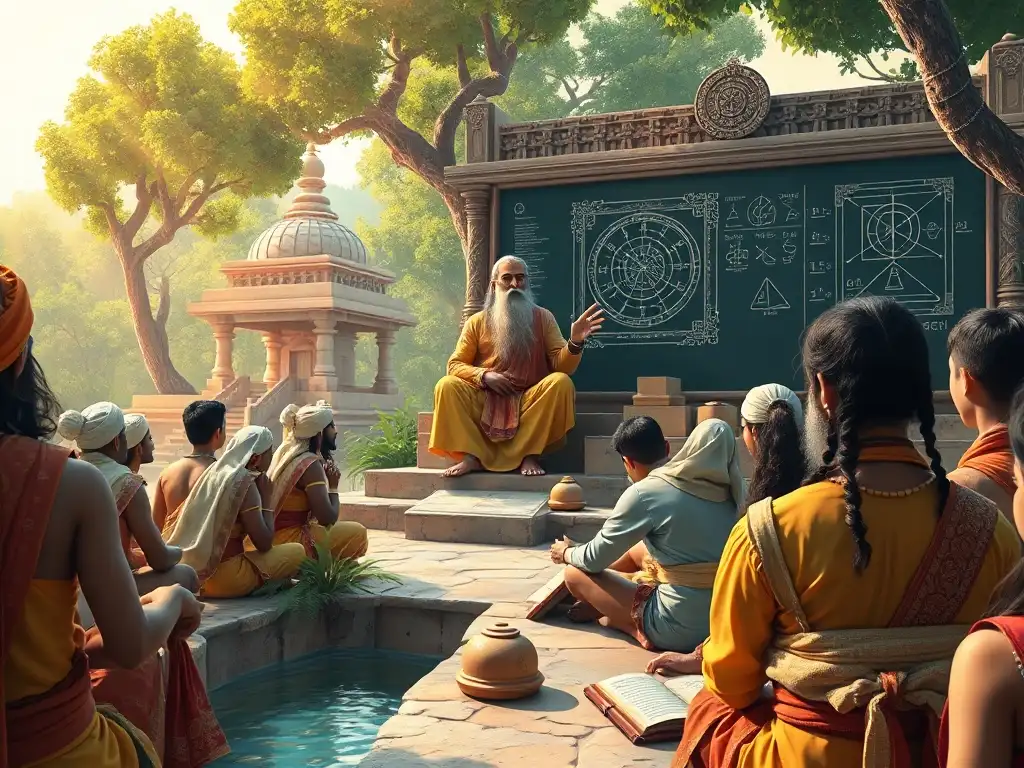
The educational practices of ancient India have left an indelible mark on the development of learning systems across the globe. Rooted in a philosophy that emphasized holistic development, these practices were not merely about the transfer of knowledge; rather, they were designed to foster critical thinking, ethical values, and a lifelong love for learning. The ancient Indian education system was characterized by its diverse methodologies, which included experiential learning, mentorship, and a focus on the arts and sciences.
One of the most significant contributions of ancient Indian educational practices is their focus on self-directed learning. Students were encouraged to pursue knowledge actively and engage with their teachers in dialogue, fostering an environment of inquiry and exploration. This approach is echoed in modern educational theories that advocate for student-centered learning and critical thinking skills.
Moreover, the integration of ethical and moral education in ancient Indian curricula instilled a sense of responsibility and societal awareness in students. This holistic approach has significant implications for today's educational systems, which often prioritize rote memorization over critical engagement with material. By revisiting these ancient practices, modern educators can cultivate a more balanced educational framework that emphasizes both knowledge acquisition and character development.
Lasting Impact on Lifelong Learning in Modern Society
Ancient Indian educational practices have profoundly influenced contemporary views on lifelong learning. The emphasis on continuous education and personal growth is evident in various modern educational paradigms. For instance, the concept of Vidyā (knowledge) in ancient India advocated for the pursuit of knowledge throughout one's life, aligning closely with today's ideas of lifelong learning and professional development.
The Gurukul system, where students lived with their teachers, exemplified the importance of mentorship and community in education. This model fosters relationships that extend beyond formal education, encouraging lifelong connections that support ongoing learning. In today's fast-paced world, where new information and skills are constantly emerging, the idea of continuous mentorship remains relevant, highlighting the need for collaborative learning environments.
Furthermore, the interdisciplinary nature of ancient Indian education, which encompassed subjects ranging from philosophy to astronomy, resonates with current trends in holistic education. Modern curricula that integrate various fields encourage learners to draw connections between disparate subjects, thereby enriching their understanding and fostering versatility in thought.
Ultimately, the legacy of ancient Indian educational practices serves as a critical reminder of the importance of adaptability, curiosity, and ethical engagement in the learning process, principles that are vital in our rapidly evolving society.
Call to Action: Embracing Ancient Wisdom for Future Education
As we reflect on the profound insights offered by ancient Indian educational practices, it becomes imperative to consider how these principles can be integrated into our current educational frameworks. Here are a few actionable steps that educators, policymakers, and learners can take to embrace this wisdom:
- Incorporate Experiential Learning: Encourage hands-on experiences and real-world applications of knowledge in the curriculum. This approach fosters deeper understanding and retention.
- Promote Mentorship Programs: Establish mentorship opportunities that connect experienced individuals with learners, facilitating the sharing of knowledge and fostering personal growth.
- Encourage Interdisciplinary Studies: Develop curricula that integrate various disciplines, allowing students to explore connections and gain a holistic understanding of subjects.
- Foster a Culture of Inquiry: Create an educational environment that values questions and critical thinking, encouraging students to engage actively with their learning process.
- Emphasize Ethical Learning: Integrate discussions around ethics and social responsibility into the curriculum, preparing students to engage thoughtfully with the world around them.
By actively incorporating these ancient practices into modern educational systems, we can create a richer, more engaging learning environment that not only prepares students for their careers but also nurtures their lifelong journeys as learners and responsible global citizens.
Frequently Asked Questions
What were the key ancient Indian educational practices?
Ancient Indian educational practices included Gurukul systems, where students lived with their teachers, emphasizing personalized learning and knowledge retention through oral traditions.
How did the Gurukul system foster lifelong learning?
The Gurukul system encouraged lifelong learning by promoting holistic education, where students learned various subjects, including philosophy, arts, and sciences, instilling a thirst for knowledge that lasted beyond formal education.
What role did religion play in education in ancient India?
Religion played a significant role in ancient Indian education, as many subjects were taught through scriptures and philosophical texts, linking spirituality with academic pursuits and encouraging moral development.
How did ancient Indian educational practices influence modern education?
Many principles from ancient Indian educational practices, such as mentorship and interactive learning, continue to influence modern educational systems, promoting a focus on critical thinking and holistic development.
What contributions did the Gupta Empire make to education?
During the Gupta Empire, significant advancements in subjects like mathematics, astronomy, and literature were achieved, leading to the establishment of renowned universities such as Nalanda, which became centers of learning in ancient India.
Final Reflection: Embracing Lifelong Learning Through Ancient Wisdom
The principles of ancient Indian educational practices resonate profoundly in today's fast-paced world, where the pursuit of knowledge is more critical than ever. In a society increasingly driven by technology and instant gratification, the emphasis on continuous learning and personal growth found in ancient Indian traditions offers a refreshing perspective. These practices remind us that education is not merely a phase of life but a lifelong journey that enriches our existence and shapes our identities.
The enduring influence of these educational philosophies can be seen in the way they foster a culture of inquiry and self-discovery. By encouraging individuals to seek knowledge not just for academic success but for personal and spiritual development, ancient Indian educational practices have laid the groundwork for a holistic approach to learning. As Mahatma Gandhi once said, "> Live as if you were to die tomorrow. Learn as if you were to live forever." This sentiment encapsulates the essence of lifelong learning, urging us to embrace curiosity and wisdom at every stage of our lives.
As we reflect on the lessons drawn from these ancient practices, I invite you to consider how you can integrate the spirit of lifelong learning into your own life. What steps can you take today to cultivate a mindset of curiosity and growth? Whether it's exploring new subjects, engaging in meaningful discussions, or simply taking time for self-reflection, let us honor the legacy of ancient Indian educational practices by committing to a path of continuous learning and personal evolution. The journey is yours to embark upon—make it a fulfilling one.
Embrace Lifelong Learning Today!
Thank you for exploring the enriching world of ancient Indian educational practices! By diving into this article, you've uncovered valuable insights that can transform your own learning journey. Now, it’s time to put that inspiration into action!
- Start your own learning tradition: Dedicate 30 minutes each day to explore a new topic or skill. Whether it’s philosophy, science, or art, choose something that truly excites you!
- Join a local or online study group: Connect with others who share your passion for learning. Collaborate to share knowledge, discuss concepts, and dive deeper into subjects together.
- Reflect on your learning journey: Consider keeping a journal of your thoughts and discoveries. This practice will not only help consolidate your knowledge but also inspire you to delve into new areas of interest.
What ancient practice will you incorporate into your life to enhance your learning experience? Let's spark a discussion in the comments below!