
Fasting and Feasting: The Dietary Rituals of Ancient Indian Festivals

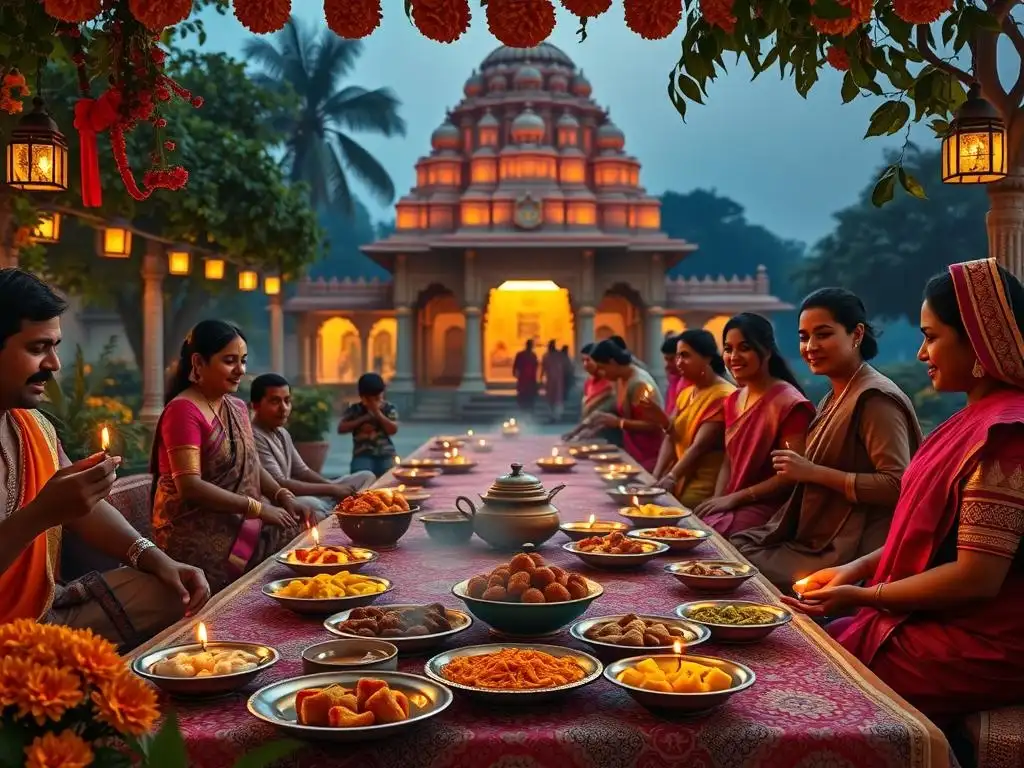
Welcome to Ancient India History, where we delve into the rich tapestry of civilizations that shaped the Indian subcontinent. In our latest exploration, we uncover the fascinating world of Ancient Indian dietary rituals, particularly the traditions surrounding fasting and feasting during vibrant festivals.
From the sacred practices of the Indus Valley to the sumptuous celebrations of the Gupta Empire, these rituals not only nourished the body but also the soul of ancient communities. Prepare to embark on a journey that reveals the profound connections between food, culture, and spirituality—dive in to discover how these age-old customs continue to influence modern celebrations!
- Introduction to Ancient Indian Dietary Rituals
- The Cultural Significance of Dietary Rituals in Ancient Indian Festivals
- Types of Fasting Practices in Ancient Indian Festivals
- Feasting Traditions in Ancient Indian Festivals
- Case Studies of Prominent Festivals and Their Dietary Rituals
- The Evolution of Dietary Rituals from Ancient Times to Modern Practices
- Conclusion: The Enduring Legacy of Ancient Indian Dietary Rituals
-
Frequently Asked Questions
- What were the main dietary rituals in ancient Indian festivals?
- How did fasting influence ancient Indian culture?
- What foods were commonly associated with ancient Indian dietary rituals?
- How did dietary rituals vary between different ancient Indian civilizations?
- What role did dietary rituals play in ancient Indian society?
- Final Reflection: Embracing the Wisdom of Ancient Indian Dietary Rituals
- Unveil the Rich Tapestry of Ancient Indian Dietary Rituals!
Introduction to Ancient Indian Dietary Rituals
Exploring the rich tapestry of ancient Indian history reveals a fascinating interconnection between culture, spirituality, and sustenance. The concept of dietary rituals, particularly during festivals, serves as a vivid reflection of this intricate relationship. In ancient India, food was not merely a means of survival but a profound expression of devotion, community, and celebration.
From the vibrant feasts that marked significant religious occasions to the solemn fasting practices that signified purification and penance, these dietary rituals played a pivotal role in the social and spiritual fabric of ancient Indian civilizations. This article delves into the diverse dietary customs associated with festivals, shedding light on the significance of fasting and feasting in ancient India.
Overview of Fasting and Feasting in Ancient India
In ancient Indian society, fasting and feasting were imbued with deep cultural and spiritual meanings. Festivals often served as a platform for these dietary practices, symbolizing a time of reflection, gratitude, and communal harmony.
- Fasting Practices:
- Fasting was observed for various reasons, including spiritual purification, devotion to deities, and personal health.
- Different regions and communities had their unique fasting customs, often tied to specific deities or seasonal changes.
- Common fasting days included Ekadashi, which occurs twice a month, and various other days dedicated to deities like Lord Shiva and Goddess Durga, where devotees would abstain from certain foods.
- Feasting Traditions:
- Feasting was a celebratory act, often involving elaborate meals prepared for family and friends during festivals like Diwali, Holi, and Makar Sankranti.
- Food offerings to deities, known as prasad, were an integral part of the feasting ritual, symbolizing blessings and divine grace.
- The variety of dishes prepared during festivals showcased the region's agricultural bounty and culinary diversity, with ingredients ranging from grains and fruits to dairy and spices.
Importance of Dietary Rituals in Festivals
The dietary rituals observed during festivals held significant importance in ancient Indian society, serving multiple purposes:
- Spiritual Significance:
- Meals prepared during festivals often included offerings to gods, reflecting gratitude and devotion. This act of sharing food with deities fostered a sense of spiritual connection and reverence.
- Cultural Identity:
- Different regions of India showcased their cultural diversity through unique dietary practices during festivals, helping to preserve traditions and strengthen community bonds. The rituals surrounding food became a means of expressing cultural identity and heritage.
- Social Cohesion:
- Festivals provided an opportunity for communal gatherings, where fasting and feasting rituals brought people together. These shared experiences fostered unity and reinforced social ties among families and communities.
- Health and Wellness:
- Certain dietary rituals aimed at detoxification and rejuvenation, reflecting a holistic understanding of health. The cyclical nature of fasting and feasting also contributed to the balance of physical and spiritual well-being.
The dietary rituals of ancient Indian festivals encompassed a rich blend of spirituality, culture, and community, illustrating the profound significance of food in historical contexts. By examining these traditions, we gain insight into the values and beliefs that shaped ancient Indian societies.
The Cultural Significance of Dietary Rituals in Ancient Indian Festivals
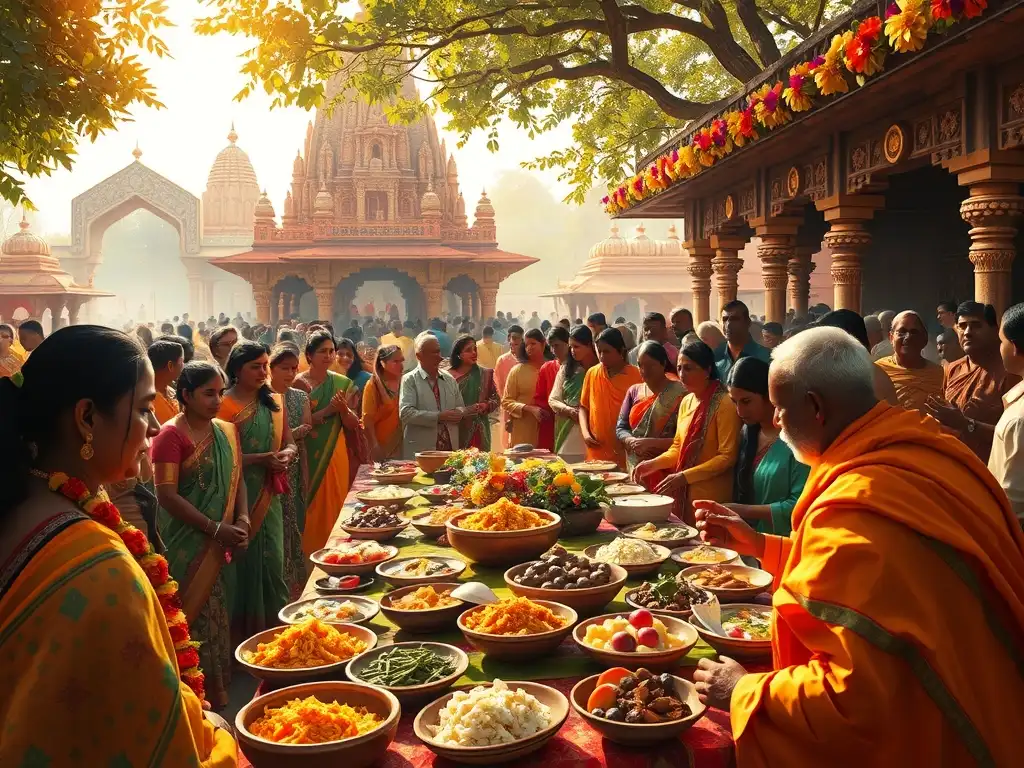
The dietary rituals of ancient Indian festivals are deeply woven into the fabric of cultural and spiritual life. These rituals served not only as acts of devotion but also as integral components of community identity and social cohesion. Food, in this context, transcends mere sustenance; it becomes a medium through which individuals express their spirituality, celebrate abundance, and reinforce communal bonds.
Spiritual Beliefs and Dietary Practices
In ancient India, food was viewed through a spiritual lens, closely linked with various religious beliefs and practices. Many festivals involved offerings, known as prasad, which represented a spiritual communion between the divine and the devotees. For instance, during the festival of Navaratri, devotees would fast as a form of penance and purification, believing that abstaining from certain foods would elevate their spiritual state.
The types of food consumed during these festivals were often dictated by religious prescriptions. Certain foods were considered 'pure' (such as fruits, nuts, and dairy products), while others were deemed 'impure' (such as meat and alcohol). This classification influenced dietary choices during rituals. For example, during Makar Sankranti, the consumption of sesame seeds and jaggery is prevalent, symbolizing the sun's transition and the onset of longer days.
Moreover, the act of sharing food during festivals reinforced social bonds. Communal feasts, where families and communities gathered to enjoy traditional dishes, emphasized unity and collective identity. This practice is evident in festivals such as Diwali, where sweets and snacks are exchanged as tokens of goodwill, fostering relationships and community spirit.
Connection Between Festivals and Agricultural Cycles
Agriculture played a pivotal role in shaping the dietary rituals observed during ancient Indian festivals. The agrarian calendar dictated the timing of many festivities, aligning them with the seasons and harvest cycles. For instance, Pongal, celebrated in South India, marks the harvest of rice and is characterized by the preparation of a special dish called Pongal, made from newly harvested grains, milk, and jaggery. This festival not only celebrates the bounty of the harvest but also expresses gratitude to the earth and the gods for their blessings.
The connection between festivals and agricultural cycles extends to the types of foods that symbolize fertility, prosperity, and abundance. During Baisakhi, the festival that marks the harvest of wheat in Punjab, traditional foods such as kheer (rice pudding) and ladoo are prepared, signifying the prosperity of the region.
Additionally, many festivals incorporate the concept of seasonal foods, which are believed to have specific health benefits corresponding to the climatic conditions. For example, summer festivals often include cooling foods like buttermilk and coconut water, while winter celebrations feature warming dishes like halwa and khichdi. This practice highlights an ancient understanding of dietary balance and the importance of aligning one’s diet with nature.
Ancient Indian dietary rituals are intrinsically linked to spiritual beliefs and agricultural practices. They reflect a profound respect for nature, community, and the divine, embodying a holistic approach to life that continues to resonate in contemporary practices. Through these rituals, ancient Indian civilizations showcased their profound connection with the earth, emphasizing the significance of food as both a physical and spiritual sustenance.
Types of Fasting Practices in Ancient Indian Festivals
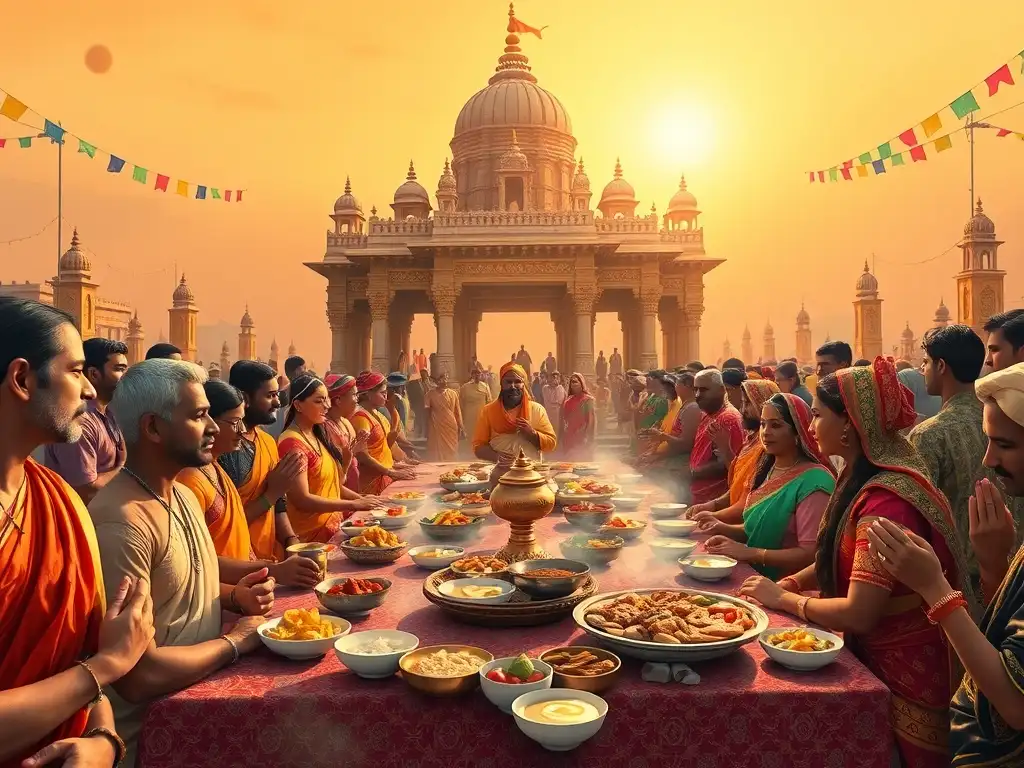
Ritual Fasting: Purpose and Meaning
Ritual fasting in ancient Indian festivals is deeply intertwined with spiritual beliefs and practices. It serves multiple purposes, ranging from spiritual purification to expressing devotion. The act of fasting is often seen as a means to attain higher consciousness and to cleanse the body and mind.
In many communities, fasting is not merely a physical abstinence from food but rather a holistic approach to spirituality. Devotees believe that by refraining from food, they can elevate their spiritual awareness and connect more intimately with the divine. This practice is supported by various scriptures, where fasting is mentioned as a way to attain moksha (liberation) and dharma (righteousness). For example, texts like the Bhagavad Gita and Upanishads emphasize self-discipline and the importance of moderating one’s desires.
Furthermore, fasting is often accompanied by specific rituals, such as prayers, chanting, and offerings. These practices enhance the spiritual experience, making the act of fasting a multifaceted ritual that fosters community bonds and individual devotion.
Common Fasting Days and Their Significance
Several significant days in the Hindu calendar are designated for fasting, each with its unique significance:
- Ekadashi: Occurring twice a month, Ekadashi is dedicated to Lord Vishnu. Devotees abstain from grains and legumes, believing that fasting on this day purifies the soul and pleases Vishnu.
- Navaratri: This nine-night festival celebrates the goddess Durga. During this time, many observe fasting, which can vary from complete abstinence to a diet of fruits and dairy. The fast symbolizes the victory of good over evil.
- Maha Shivaratri: Devotees of Lord Shiva fast on this day, often consuming only water or fruits. The fast is meant to seek blessings for health and prosperity, and it culminates in night-long vigils and prayers.
- Karva Chauth: Primarily observed by married women for the well-being of their husbands, this fast involves refraining from food and water until sighting the moon. It symbolizes devotion and marital fidelity.
These fasting practices not only reflect individual devotion but also foster a sense of community as families and friends often come together to observe these significant days.
Variations in Fasting Across Different Regions
Fasting practices can vary significantly across different regions of India, influenced by local customs, cultures, and religious beliefs. Here are some notable variations:
- North India: In states like Uttar Pradesh and Punjab, fasting during festivals like Navaratri often involves specific rituals, such as singing devotional songs and performing dances. The fast may include offerings of certain foods like kuttu (buckwheat) and sabudana (tapioca).
- South India: In Tamil Nadu, festivals such as Pongal involve a unique form of fasting where people prepare special dishes as offerings to the sun god. Fasting here may include consuming only specific vegetarian dishes made from locally sourced grains.
- West India: In Gujarat, fasting during festivals like Navratri is characterized by vibrant celebrations, including garba (a traditional dance). Here, the fast may involve a variety of vegetarian foods, including dishes made from potatoes and sweet potatoes.
- East India: In West Bengal, during the festival of Durga Puja, many people fast with the belief that it purifies the mind and body. The fasting practices here often include specific rituals dedicated to the goddess Durga.
These regional variations highlight the rich tapestry of ancient Indian dietary rituals, showcasing how cultural context shapes fasting practices during festivals. By understanding these differences, we can appreciate the diversity and depth of ancient Indian traditions and their enduring impact on contemporary practices.
Feasting Traditions in Ancient Indian Festivals
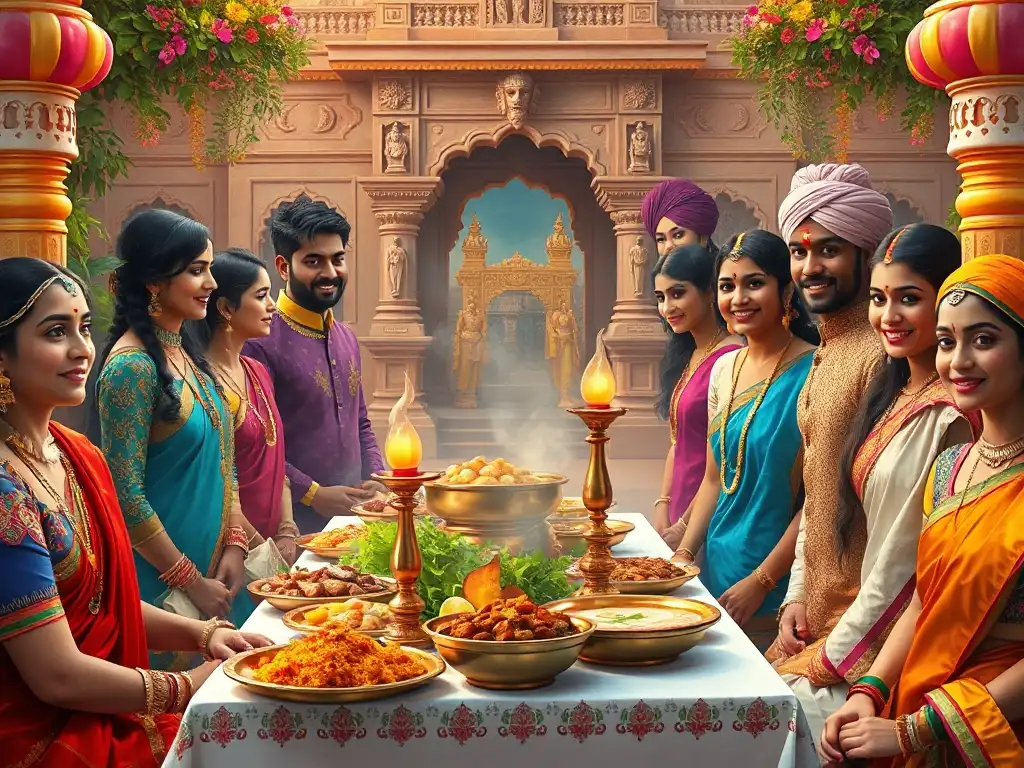
In ancient India, feasting during festivals was not merely a celebration of abundance but also a deep-rooted expression of cultural identity, religious devotion, and community bonding. Festivals provided an opportunity for families and communities to come together, share food, and reinforce social ties. The feasting traditions were often characterized by elaborate meals that showcased local ingredients, culinary skills, and the significance of various dishes in the context of the festival.
Typical Foods Offered During Festivals
The diversity of ancient Indian dietary rituals can be seen in the various foods prepared and offered during festivals. Some common offerings included:
- Grains and Pulses: Rice, wheat, and lentils served as staples in many feasts, symbolizing prosperity and sustenance.
- Fruits and Vegetables: Seasonal fruits like mangoes, bananas, and guavas were often used, representing the bounty of nature.
- Sweets: Desserts such as modaks (sweet dumplings) during Ganesh Chaturthi and ladoo (round sweets) during Diwali were prepared to honor deities and share joy among participants.
- Savory Dishes: Dishes like pulao (spiced rice) and sabzi (vegetable curry) were popular, showcasing regional flavors and cooking techniques.
| Food Item | Festival | Significance |
|---|---|---|
| Modak | Ganesh Chaturthi | Symbol of wisdom and prosperity |
| Ladoo | Diwali | Represents the sweetness of life |
| Pulao | Makar Sankranti | Celebrates harvest and abundance |
| Seasonal Fruits | Various festivals | Reflects nature's generosity |
The preparation and enjoyment of these foods were often accompanied by rituals like prayers and offerings to deities, signifying gratitude and reverence.
The Role of Vegetarianism in Ancient Indian Dietary Rituals
Vegetarianism holds a significant place in ancient Indian dietary rituals, influenced by philosophical and religious beliefs. Many ancient texts, including the Vedas and Upanishads, advocate for ahimsa (non-violence), which extended to dietary choices. This led to the prevalence of vegetarian diets during festivals, where animal sacrifices were often replaced by plant-based offerings.
- Spiritual Purity: Consuming vegetarian food was believed to purify the body and mind, making it more receptive to spiritual experiences during festivals.
- Inclusivity: Vegetarian feasts allowed for broader participation in communal meals, as they catered to diverse beliefs and practices within communities.
- Symbol of Abundance: The emphasis on plant-based foods during festivals symbolized the connection to the earth and its resources, reinforcing the idea of sustainability and respect for nature.
The tradition of vegetarianism during festivals persists today, reflecting the enduring impact of ancient dietary rituals on contemporary practices.
Use of Ingredients and Their Symbolism
The ingredients used in ancient Indian feasting traditions carried profound symbolism, often tied to the festival's themes or the deities being honored. Understanding these symbols enhances our appreciation of ancient Indian dietary rituals.
- Turmeric: Often used in dishes and for ceremonial purposes, turmeric symbolizes purity and auspiciousness.
- Coconut: Frequently offered to deities, the coconut represents wealth and the promise of fulfilling wishes.
- Ghee (Clarified Butter): Used in cooking and offerings, ghee signifies purity and is believed to enhance the spiritual atmosphere.
- Herbs and Spices: Ingredients like cumin and coriander not only add flavor but also symbolize health, vitality, and the richness of life.
In essence, each ingredient in ancient Indian dietary rituals was selected not just for its taste but for the deeper meanings and connections to the cultural and spiritual fabric of society. By understanding these elements, we can gain insight into the rich tapestry of ancient Indian dietary traditions that continue to influence contemporary practices.
Case Studies of Prominent Festivals and Their Dietary Rituals
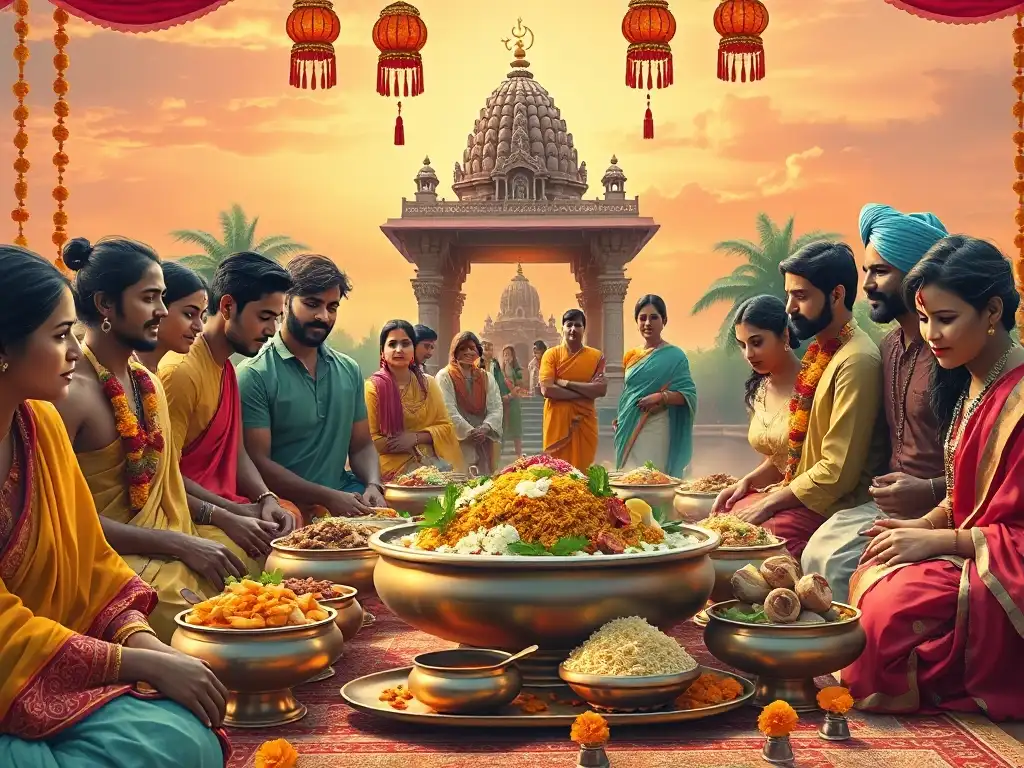
Diwali: The Festival of Lights and Its Culinary Traditions
Diwali, also known as Deepavali, is one of the most significant festivals in ancient India, celebrated with great fervor and joy. It symbolizes the victory of light over darkness and good over evil. The dietary rituals associated with Diwali are as diverse as its cultural significance, showcasing a rich tapestry of culinary practices that have evolved over centuries.
Traditional Sweets and Snacks
During Diwali, families prepare an array of sweets and snacks, which are integral to the celebrations. Popular items include:
- Gulab Jamun: Deep-fried dough balls soaked in sugar syrup, symbolizing indulgence and joy.
- Barfi: A fudge-like confection made from condensed milk, often flavored with cardamom or garnished with nuts.
- Chivda: A savory mix of flattened rice, nuts, and spices, enjoyed as a snack during the festivities.
These delicacies are not only offered to deities as part of the Puja (worship) rituals but are also shared with family and friends, reinforcing social bonds and community spirit.
Ritual Offerings and Symbolism
The food prepared during Diwali carries profound symbolic meanings. For instance, the act of sharing sweets represents goodwill and the wish for prosperity. The offerings made to goddess Lakshmi, the deity of wealth, often include a platter of sweets, fruits, and other symbolic foods, emphasizing the importance of abundance and gratitude in ancient Indian dietary rituals.
Navratri, a festival dedicated to the worship of the goddess Durga, spans nine nights of intense devotion, fasting, and feasting. The dietary practices during this period vary significantly, reflecting both spiritual disciplines and culinary creativity.
Fasting and Dietary Restrictions
During Navratri, many devotees observe fasting, which often involves abstaining from grains and non-vegetarian foods. Instead, they consume:
- Fruits: Apples, bananas, and pomegranates are common choices, providing essential nutrients.
- Sabudana: Tapioca pearls cooked in various forms, such as khichdi or vada, serve as a popular fasting food.
- Singhara Flour: This flour made from water chestnuts is used to prepare various dishes like puris and pancakes.
These fasting rituals are designed to detoxify the body while fostering a deeper spiritual connection.
Celebratory Feasting on Ashtami
The culmination of Navratri, particularly on the eighth day known as Ashtami, involves a grand feast. Families prepare a variety of dishes to celebrate the occasion, including:
- Kheer: A sweet rice pudding, often flavored with cardamom and garnished with nuts.
- Chole: A spicy chickpea curry served with puris.
- Vegetarian Thali: A platter featuring a mix of seasonal vegetables, lentils, and rice, symbolizing abundance and gratitude.
The transition from fasting to feasting embodies the celebration of life and the blessings received throughout the festival.
Pongal: Celebrating Harvest with Special Dishes
Pongal, celebrated primarily in South India, marks the harvest season and is steeped in agricultural traditions. The festival is named after the dish Pongal, made from newly harvested rice, signifying gratitude and abundance.
The Ritual of Cooking Pongal
Central to the festival is the ritual cooking of Pongal, which involves boiling rice with milk and jaggery, often garnished with cashews and raisins. This dish not only represents the harvest but also symbolizes the essence of life and sustenance. The preparation is often performed outdoors, with families gathering around a clay pot, reinforcing communal bonds.
Offerings to the Sun God
During Pongal, offerings are made to the Sun God, Surya, as a gesture of thanks for a bountiful harvest. The dishes prepared during this time include:
- Sakkarai Pongal: A sweet version of Pongal, symbolizing sweetness in life.
- Ven Pongal: A savory version, made with spices and served alongside coconut chutney.
These culinary traditions highlight the connection between agricultural practices, spirituality, and the ancient Indian dietary rituals celebrated during Pongal. The festival encapsulates the themes of gratitude, community, and the sustenance provided by nature, making it a vital part of ancient Indian culture.
The Evolution of Dietary Rituals from Ancient Times to Modern Practices
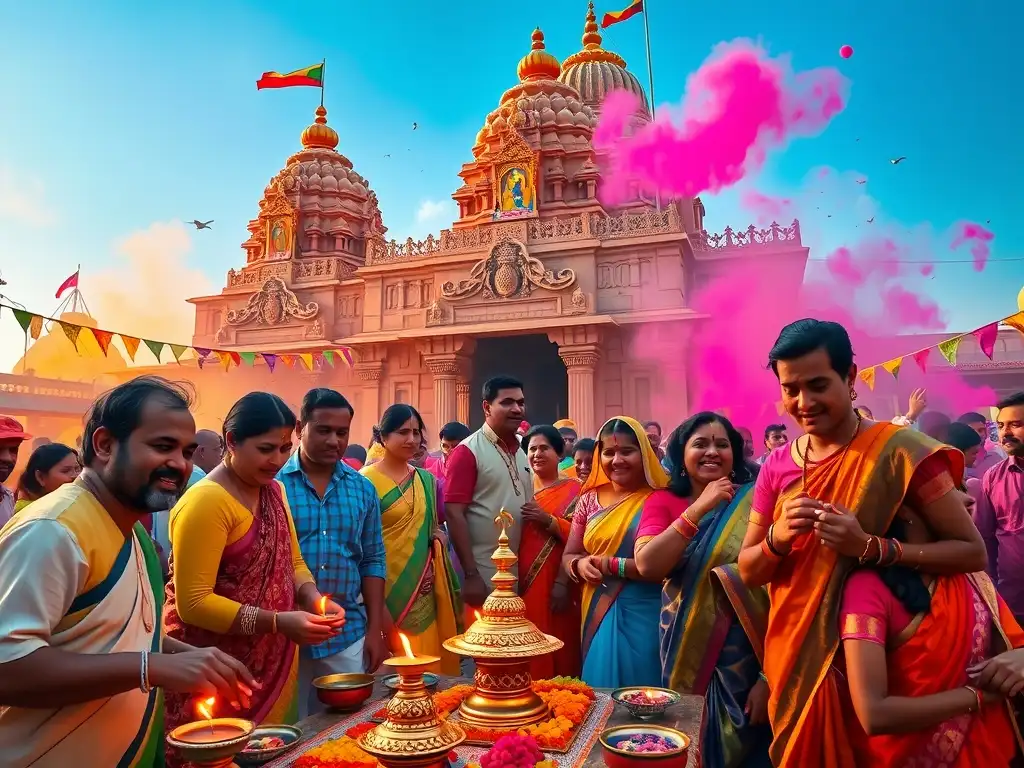
The practices surrounding dietary rituals in ancient India have undergone a significant transformation over the centuries, reflecting the dynamic nature of Indian society, culture, and religion. These rituals, which encompass fasting and feasting during festivals, play a crucial role in the spiritual and social fabric of communities.
Ancient Indian dietary rituals were deeply intertwined with religious beliefs, agricultural cycles, and seasonal changes. Initially, these rituals were simple, based on locally available ingredients and traditional cooking methods. As society evolved, so did the complexity of these rituals, incorporating a wider array of ingredients and culinary techniques influenced by trade, migration, and cultural exchanges.
Fasting, for instance, was often associated with purification and penance, while feasting symbolized abundance and gratitude. The significance of these rituals can be traced back to texts like the Vedas, which highlight the importance of offerings and the role of food in spiritual practices. Festivals such as Diwali and Makar Sankranti are prime examples where dietary rituals reflect a blend of ancient beliefs and modern adaptations.
Changes in Ingredients and Cooking Methods
The evolution of ingredients used in ancient Indian dietary rituals is a testament to the rich agricultural heritage of the region. Early communities primarily relied on staple grains like barley, millet, and rice, along with legumes and seasonal vegetables. Over time, the introduction of new crops, such as the chili pepper from the Americas and various spices through trade routes, diversified the culinary landscape.
Key Changes in Ingredients:
- Grains: Transition from ancient grains like barley to the prominence of rice and wheat.
- Spices: Incorporation of foreign spices and herbs, enhancing flavor and medicinal properties.
- Fruits and Vegetables: Seasonal availability has led to the inclusion of various regional produce, reflecting local biodiversity.
Changes in cooking methods also played a pivotal role in the evolution of dietary rituals. Techniques such as steaming, frying, and slow-cooking were refined over centuries. The introduction of new cooking equipment, like the tandoor and pressure cooker, has allowed for greater culinary creativity and efficiency during festive preparations.
Cooking Methods Evolution:
- Traditional Methods:
- Use of clay pots and open flames.
- Steaming and slow-cooking techniques.
- Modern Techniques:
- Adoption of electric stoves and pressure cookers.
- Use of microwaves for quicker preparations.
This gradual amalgamation of ingredients and cooking methods has led to the creation of a diverse array of festive dishes that not only honor ancient traditions but also cater to contemporary tastes and lifestyles.
Continuity and Adaptation of Ancient Rituals in Contemporary India
Despite the changes in ingredients and methods, many ancient dietary rituals continue to thrive in contemporary India. The essence of fasting and feasting remains unchanged, serving as a means to connect with heritage, spirituality, and community.
Continuity in Rituals:
- Fasting Practices: Many festivals still observe fasting as a means of spiritual cleansing. For example, during Navratri, devotees abstain from certain foods to purify the body and mind.
- Feasting Traditions: Celebratory meals during festivals like Eid and Diwali retain traditional recipes passed down through generations, showcasing regional diversity.
Adaptation of Rituals:
However, contemporary society has also seen adaptations of these rituals to accommodate modern lifestyles. The rise of vegetarianism and veganism, for example, has influenced the dietary choices made during festivals, leading to innovative interpretations of traditional dishes.
- Health Consciousness: A greater emphasis on health has prompted the inclusion of nutrient-rich ingredients in traditional recipes, promoting well-being while honoring ancient practices.
- Global Influences: Exposure to global cuisines has led to fusion dishes that incorporate traditional elements with international flavors, reflecting a broader culinary evolution.
The interplay of continuity and adaptation in ancient Indian dietary rituals exemplifies the resilience and dynamism of cultural practices. As society continues to evolve, these rituals will likely transform further, yet the core values of community, spirituality, and gratitude embedded in fasting and feasting will remain integral to India's rich tapestry of traditions.
Conclusion: The Enduring Legacy of Ancient Indian Dietary Rituals
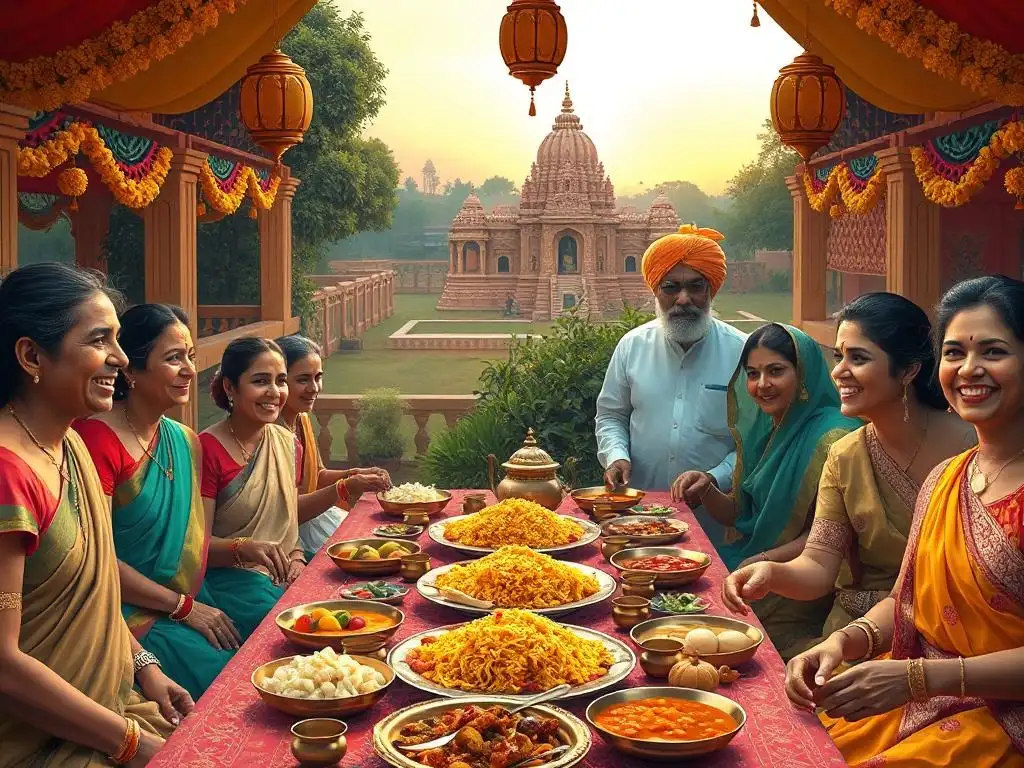
The dietary rituals observed during ancient Indian festivals are more than mere practices; they are profound expressions of cultural identity, spirituality, and community bonding. These rituals, deeply woven into the fabric of society, illustrate how food is not just sustenance but a vehicle for cultural transmission and preservation. The meticulous adherence to fasting and feasting patterns showcases a respect for tradition, reflecting the values and beliefs of ancient civilizations.
The legacy of these practices can be seen in contemporary celebrations, where echoes of ancient dietary customs remain alive. From the offerings made during Diwali to the communal feasts of Pongal, the rituals surrounding food continue to play a pivotal role in enhancing social cohesion and fostering a sense of belonging. As we explore this enduring legacy, it becomes evident that the essence of ancient Indian dietary rituals lies in their ability to unite individuals and communities, transcending time and cultural shifts.
Reflection on the Importance of Fasting and Feasting in Cultural Identity
Fasting and feasting rituals serve as a mirror reflecting the cultural identity of ancient Indian societies. These practices are often tied to specific religious beliefs, agricultural cycles, and seasonal changes, highlighting the interdependence of nature and culture. For instance:
- Religious Significance: Many fasting rituals hold deep religious connotations, symbolizing purification, devotion, and penance. Festivals like Navratri, which involve fasting for nine days, signify the worship of the goddess Durga, reinforcing faith and spiritual commitment.
- Agricultural Roots: Feasting during harvest festivals, such as Lohri and Makar Sankranti, celebrates the bounty of nature, reinforcing the connection between agricultural practices and food rituals. These festivities mark the end of the harvest season, encouraging gratitude and communal sharing.
- Cultural Transmission: The recipes and food customs associated with fasting and feasting are passed down through generations, preserving the culinary heritage of various regions. Each dish tells a story, reflecting local ingredients, cooking techniques, and historical influences.
Through these lenses, fasting and feasting become essential components of cultural identity, allowing communities to express their values, beliefs, and histories.
Future of Dietary Rituals in Celebrating Ancient Indian Festivals
As society evolves, so too do the dietary rituals associated with ancient Indian festivals. While many practices remain intact, the future of these rituals will likely be shaped by several factors:
- Globalization: The influence of globalization brings diverse culinary traditions into the mix, potentially enriching but also challenging the authenticity of ancient dietary rituals. As communities adapt, there may be a blending of traditional and contemporary practices.
- Health Consciousness: With an increasing emphasis on health and wellness, modern interpretations of fasting may shift towards more balanced approaches. This could lead to a reevaluation of traditional fasting practices, making them more inclusive and health-oriented while still honoring the underlying spiritual significance.
- Sustainability: The growing awareness of environmental issues may prompt a rethinking of food consumption patterns during festivals. Sustainable practices, such as sourcing local ingredients and minimizing waste, could redefine feasting rituals, aligning them with contemporary values of ecological responsibility.
While the core principles of ancient Indian dietary rituals are likely to persist, their expressions will evolve, reflecting the dynamic interplay between tradition and modernity. By embracing both the past and the future, communities can continue to celebrate their rich heritage while adapting to the changing cultural landscape.
Frequently Asked Questions
What were the main dietary rituals in ancient Indian festivals?
Ancient Indian festivals often involved fasting and feasting, which were integral to the religious and cultural practices of the time. These rituals emphasized purity, spirituality, and community bonding.
How did fasting influence ancient Indian culture?
Fasting was seen as a way to attain spiritual purification and was often followed by feasting to celebrate the end of the fast. This duality reinforced the importance of self-discipline and gratitude in ancient Indian society.
What foods were commonly associated with ancient Indian dietary rituals?
During festivals, foods such as fruits, grains, and sweets made from milk were prevalent. These foods were often prepared in ritualistic manners to showcase their sacred significance.
How did dietary rituals vary between different ancient Indian civilizations?
Dietary rituals varied widely, influenced by regional customs and religious beliefs. For instance, the Indus Valley Civilization had distinct practices compared to those during the Gupta Empire, reflecting diverse cultural identities.
What role did dietary rituals play in ancient Indian society?
These rituals were crucial for fostering community ties and cultural identity. They provided a structured way to celebrate divine connections and seasonal changes, reinforcing societal norms and traditions.
Final Reflection: Embracing the Wisdom of Ancient Indian Dietary Rituals
The dietary rituals of ancient India are not merely relics of the past; they resonate profoundly with our contemporary lives. In a world increasingly dominated by fast food and convenience, the intentional practices of fasting and feasting during festivals remind us of the significance of mindfulness in our eating habits. These rituals are a celebration of community, spirituality, and health, offering a powerful counter-narrative to the hurried pace of modern life.
The influence of these ancient dietary practices extends beyond mere sustenance; they shape our cultural identity and foster a sense of belonging. As we gather around tables during festivals, we partake in a legacy that emphasizes gratitude, balance, and the sacredness of food. Food is not just what we eat; it is a reflection of our culture, our values, and our history.
This ongoing connection to our roots encourages us to appreciate the deeper meanings behind our meals and the traditions that have shaped our societies.
As we reflect on the lessons of fasting and feasting, let us invite these ancient practices into our daily lives. Consider how you can incorporate mindfulness into your meals, celebrate the abundance of nature, and honor the rituals that connect us to our heritage. By embracing the wisdom of ancient Indian dietary rituals, we not only nourish our bodies but also enrich our souls, fostering a deeper appreciation for the food we consume and the communities we cherish.
Unveil the Rich Tapestry of Ancient Indian Dietary Rituals!
Thank you for journeying through the fascinating world of fasting and feasting during ancient Indian festivals. We hope you’ve discovered the profound cultural significance behind these dietary rituals. Now, it’s time to take what you've learned and bring that ancient wisdom into your own life!
Here are some enriching ways to deepen your connection with this vibrant tradition:
- Try a Festival-Style Meal: Plan a feast inspired by traditional recipes and ingredients. Experiment with cooking classic dishes and share the experience with family or friends.
- Join a Community Forum: Engage with others who share your interest in ancient Indian culture. Exchange recipes, stories, and insights within online communities dedicated to Indian heritage.
- Explore Local Festivals: Attend local Indian festivals or events to experience the rituals firsthand. Immerse yourself in the celebration and learn about the culinary traditions associated with these occasions.
What aspect of ancient Indian dietary rituals inspires you the most, and how do you plan to incorporate it into your own life? Share your thoughts in the comments below!