
How Family Traditions Shaped Ancient Indian Society

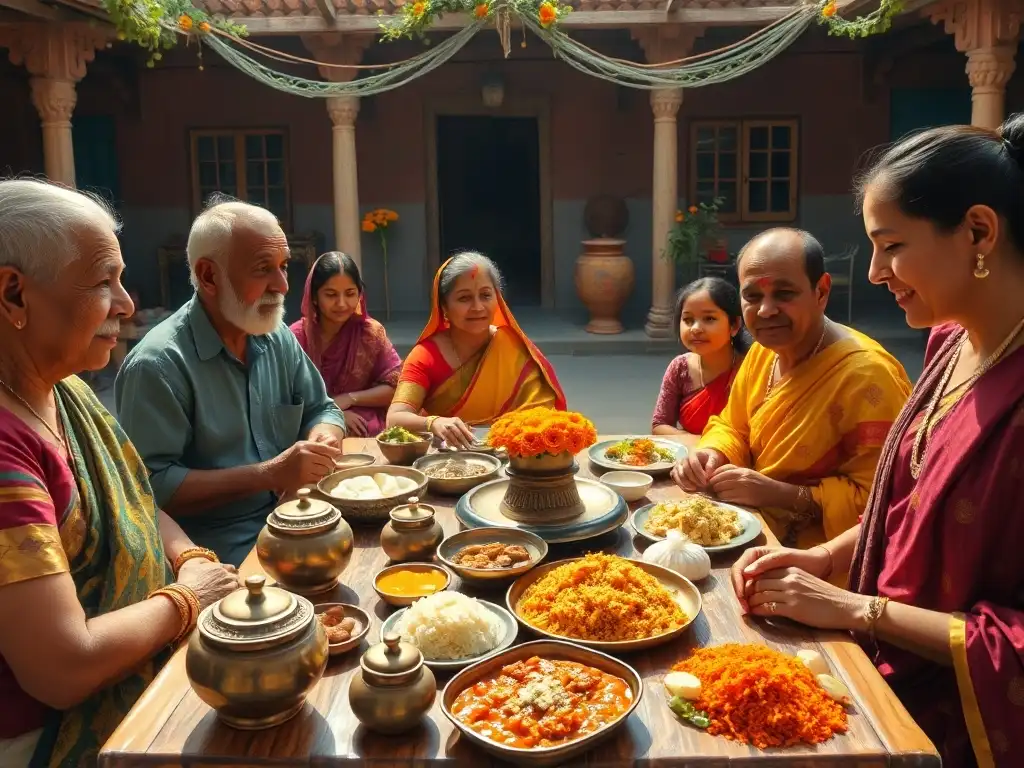
Welcome to Ancient India History, where we embark on a fascinating journey through the rich tapestry of India's past. Today, we delve into the captivating world of Ancient Indian family traditions—an integral aspect that shaped societal norms, values, and the very fabric of daily life. Ever wondered how these customs influenced social structures and familial bonds across centuries? Join us as we explore the profound impact of these traditions on ancient Indian society, and uncover the legacies that continue to resonate today. Your adventure into the depths of history begins here!
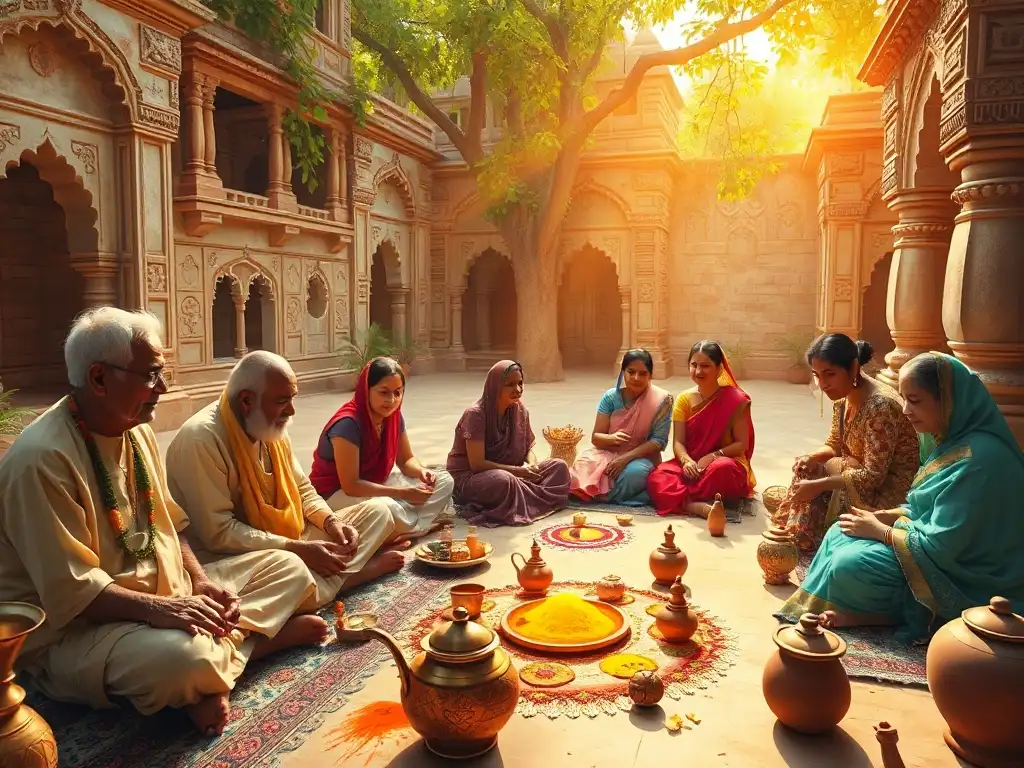
Introduction to Ancient Indian Family Traditions
Family traditions in ancient India were not just rituals; they were foundational elements that shaped the very fabric of society. These traditions encompassed a wide range of practices, beliefs, and values that were passed down through generations, influencing the way individuals interacted within their families and communities.
From the early days of the Indus Valley Civilization to the flourishing Gupta Empire, family dynamics played a crucial role in maintaining social order, imparting cultural values, and fostering a sense of belonging. Understanding these ancient Indian family traditions is pivotal in appreciating how they contributed to the development and sustainability of Indian society as a whole.
Overview of Family Traditions in Ancient India
Family traditions in ancient India were deeply intertwined with religious and cultural practices. These traditions included:
- Rituals and Festivals: Celebrations often revolved around family gatherings, emphasizing the importance of kinship ties.
- Marriage Customs: Marriages were typically arranged, reflecting alliances between families rather than merely unions of individuals.
- Religious Practices: Many family traditions centered on worship and rituals, highlighting the family's role in spiritual life.
The complexity and richness of these traditions were influenced by various factors, including regional variations and the evolution of societal norms over time.
Importance of Family in Ancient Indian Society
The family was the cornerstone of ancient Indian society, serving as a primary social unit. Its significance is evident in various aspects:
- Social Structure: Families formed the basis of the caste system, which organized society into hierarchical groups.
- Economic Support: Families were responsible for sustaining economic activities, including agriculture and trade, often working collaboratively to ensure survival and prosperity.
- Cultural Transmission: Through storytelling, rituals, and education, families played a crucial role in imparting cultural values and traditions to younger generations.
This emphasis on family not only fostered a sense of identity but also reinforced societal norms and expectations.
The Role of Family in Ancient Indian Culture
Family as a Social Unit in Ancient India
In ancient India, families functioned as vital social units that provided emotional and economic support. Each family member had specific roles and responsibilities, contributing to the collective well-being. Common characteristics included:
- Patriarchal Structure: Most families followed a patriarchal system, where the eldest male held authority and made significant decisions.
- Joint Families: Many families lived in extended households, promoting cooperation and shared resources among relatives.
- Role of Women: Women played essential roles in maintaining the household and upholding family traditions, though their status varied across different periods and regions.
This structure not only ensured survival but also fostered deep-rooted connections among family members.
The Impact of Family Traditions on Community Cohesion
Family traditions significantly impacted community cohesion in ancient India. They served as a means of preserving cultural identity and fostering unity. Key aspects include:
- Shared Values: Common family practices helped cultivate shared values and beliefs within communities, reinforcing social bonds.
- Support Systems: Families often relied on each other for mutual support during times of need, creating a network of assistance.
- Cultural Celebrations: Traditional festivals and rituals brought families together, strengthening ties and enhancing community spirit.
Overall, the traditions upheld by families were instrumental in maintaining harmony and stability within ancient Indian society, illustrating how family dynamics shaped a rich and diverse cultural landscape.
Key Components of Ancient Indian Family Traditions
Ancient Indian family traditions were deeply rooted in the social and cultural fabric of the civilization. These traditions emphasized collectivism and the importance of familial bonds, which were paramount in daily life. The family unit often included extended members, reflecting a hierarchical structure where elders commanded respect and authority. Essential components of these family traditions included:
- Patriarchy: Traditionally, the male head of the family held significant power and responsibility. He was seen as the primary decision-maker, providing for the family's material needs while also guiding spiritual beliefs and practices.
- Joint Families: Many ancient Indian families consisted of joint families, where multiple generations lived together under one roof. This arrangement fostered a sense of unity and shared responsibilities, allowing for mutual support in both economic and emotional aspects.
- Cultural Rituals: Family traditions were often marked by various cultural rituals that reinforced familial ties. Celebrations, festivals, and rites of passage, such as weddings and naming ceremonies, played a crucial role in connecting family members and preserving cultural heritage.
These components created a robust framework that shaped the identity and values of ancient Indian society, allowing families to navigate the complexities of life together.
Marriage Practices and Traditions
Marriage in ancient India was not merely a personal choice but a significant social institution, often arranged by families to strengthen alliances and maintain social status. Key aspects of marriage practices included:
- Arranged Marriages: Families typically arranged marriages based on social status, caste, and compatibility. This practice ensured that the union was advantageous for both families involved, emphasizing the collective over the individual.
- Dowry System: The dowry system was prevalent, where the bride’s family provided gifts and money to the groom’s family. While this practice aimed to secure the bride's future, it also led to various social issues, including the commodification of women.
- Ceremonial Rituals: Marriages were celebrated with elaborate rituals, often lasting several days. Important ceremonies included the Saptapadi (seven steps) where the couple promised to support each other, and the Kanyadaan, where the father gives away his daughter, symbolizing the transfer of responsibility.
These marriage practices helped define social relationships and expectations, ensuring the continuity of family traditions across generations.
Parenting and Child Rearing in Ancient Indian Families
Parenting in ancient Indian families was a communal effort, with a strong focus on moral and ethical education. The upbringing of children was guided by various principles:
- Role of Elders: Grandparents and other elder family members played crucial roles in child-rearing, imparting wisdom and cultural values. Their involvement ensured continuity of traditions and reinforced familial bonds.
- Education and Training: Boys and girls received education tailored to their future roles in society. While boys were often sent to Gurukuls for formal education, girls were taught domestic skills and moral values at home.
- Rites of Passage: Significant milestones in a child’s life were celebrated through various rites of passage, such as the Namakarana (naming ceremony) and Upanayana (sacred thread ceremony for boys). These rituals signified the child's entry into societal responsibilities.
The emphasis on education and moral upbringing reflected the values of ancient Indian society, preparing children to contribute positively to their families and communities.
Influence of Religion on Family Traditions
Religion significantly influenced family traditions in ancient India, shaping values, rituals, and social norms. The intertwining of religion and family life created a unique cultural landscape that defined societal behavior and expectations.
Role of Hinduism in Shaping Family Dynamics
Hinduism, as the predominant religion in ancient India, played a crucial role in shaping family dynamics and traditions. Its teachings provided a framework for family interactions and responsibilities:
- Dharma: Central to Hindu beliefs, the concept of Dharma outlined the duties and responsibilities of individuals within the family structure. Each family member had specific roles based on their age, gender, and life stage, fostering a sense of order and respect.
- Rituals and Festivals: Hindu rituals and festivals, such as Diwali and Holi, were integral to family life, serving as occasions for families to come together, reinforcing bonds and shared values.
- Sacred Texts: Texts like the Manusmriti provided guidelines on family conduct, marriage, and relationships, emphasizing the importance of adherence to societal norms and religious duties.
Hinduism’s influence ensured that family traditions were not only followed but also celebrated, creating a strong sense of identity and belonging among family members.
Influence of Other Religions on Family Practices
While Hinduism was the dominant faith, other religions also contributed to shaping family traditions in ancient India, enriching the cultural tapestry:
- Buddhism: Emphasizing compassion and familial harmony, Buddhism introduced concepts that encouraged nurturing relationships within families. The teachings of the Buddha inspired many to adopt principles of non-violence and understanding in family dynamics.
- Jainism: Jainism's strict adherence to non-violence and truthfulness influenced family practices, promoting ethical living and interpersonal respect. Jain families often engaged in communal activities, reinforcing family ties and community bonds.
- Islam: With the arrival of Islam, new marriage customs and family structures emerged. Practices such as Nikah (marriage contract) and the importance placed on mutual consent between spouses began to reshape existing traditions, blending with local customs.
The diverse influences of various religions contributed to a rich tapestry of family practices, allowing ancient Indian society to adapt and evolve while maintaining core values.
The Evolution of Family Traditions Through Different Eras
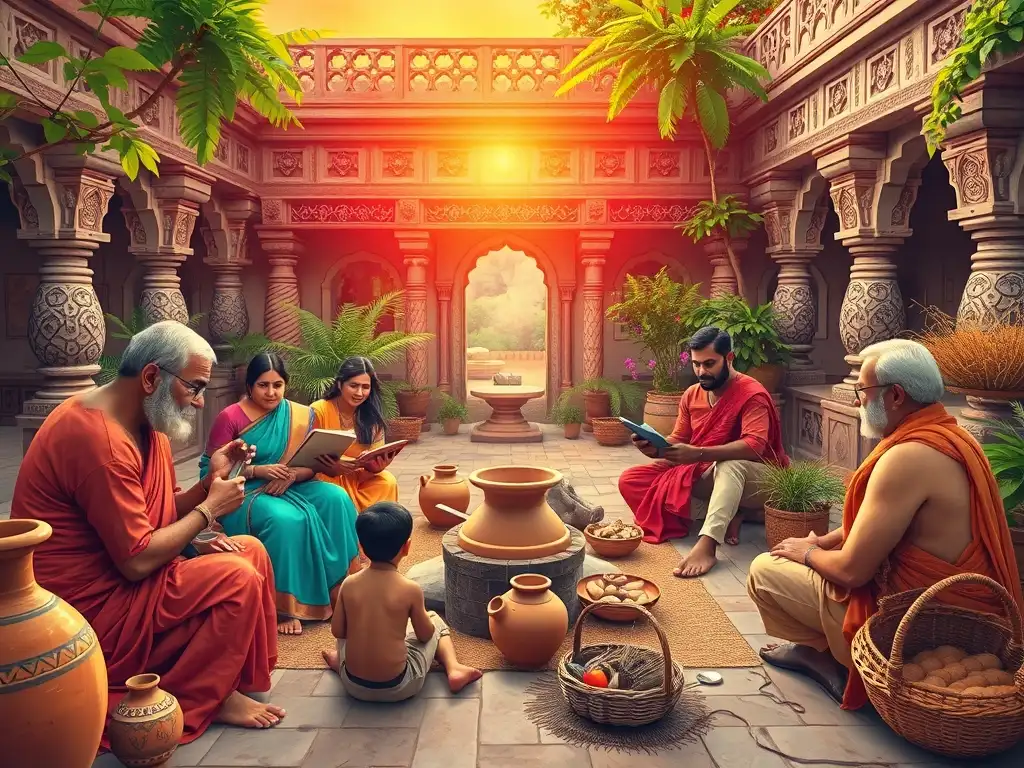
Ancient Indian family traditions have undergone significant evolution over the centuries, shaped by socio-economic changes, cultural exchanges, and the rise and fall of various empires. From the communal living of the Indus Valley Civilization to the more structured family units of the Gupta Empire, these traditions reflect the lifestyles, values, and beliefs of the times. Each era contributed unique elements to family structures, roles within the family, and the overall societal framework.
The transition from matrilineal to patriarchal systems, the influence of religious texts, and the establishment of marriage customs are just a few of the factors that have defined family traditions across different periods. Understanding these changes provides insight into how ancient Indian societies functioned and how their legacies continue to influence modern family dynamics.
Family Traditions During the Indus Valley Civilization
The Indus Valley Civilization (c. 3300–1300 BCE) is one of the earliest urban societies in the world, characterized by sophisticated city planning and social organization. Family traditions during this era were likely communal and centered around extended family units. Archaeological findings suggest that households were often interconnected, indicating a reliance on familial ties for economic support and social cohesion.
Artifacts, such as pottery and seals, hint at the importance of ritual and ceremony, which may have played a role in family life. Although specific records of family practices are scarce, the evidence of shared living spaces and communal resources points to a strong sense of family identity and collective responsibility. This communal framework laid the groundwork for future family structures in ancient India.
Changes in Family Practices During the Vedic Period
The Vedic period (c. 1500–500 BCE) marked a significant transformation in family traditions, largely influenced by the arrival of Indo-Aryans and the subsequent composition of the Vedas. This era introduced more defined roles within families, with a shift towards patriarchal structures. The family unit became more nuclear, focusing on the immediate family rather than extended kin.
Marriage practices evolved during this time, with the institution becoming more formalized. The concept of "Kanyadaan," or the giving away of the bride, emerged, emphasizing the transition of women from their father's household to their husband's. The Vedic texts also highlight the importance of dharma (duty) within family life, reinforcing the roles of each family member and ensuring societal stability.
The Gupta Empire and Its Influence on Family Norms
The Gupta Empire (c. 320–550 CE) is often referred to as a golden age in Indian history, marked by advancements in art, science, and philosophy. During this period, family traditions became more codified, with clear expectations for marriage, parenting, and intergenerational relationships. The Gupta era saw the rise of texts like the Manusmriti, which detailed the roles and responsibilities of family members, particularly in the context of caste and gender.
The emphasis on education and learning also influenced family dynamics, as families began to prioritize the education of their sons while daughters were often taught domestic skills. This period solidified the patriarchal nature of Indian families, but it also allowed for the emergence of respected roles for women, particularly as mothers and caretakers. The legacy of Gupta family norms continued to shape societal expectations in the centuries that followed.
The Impact of Ancient Indian Family Traditions on Modern Society
The family traditions established in ancient India have a lasting impact on contemporary society, influencing values, social structures, and familial relationships. While some practices have adapted to modern contexts, many core principles remain relevant in today's family dynamics.
Continuity and Change in Family Traditions
In modern India, the essence of ancient family traditions can still be observed, particularly in the importance placed on familial bonds and respect for elders. Many families maintain the practice of joint family living, where extended families cohabit, echoing the communal living styles of the past.
However, significant changes have also occurred, driven by urbanization, globalization, and changing socio-economic conditions. These factors have led to a rise in nuclear families and a shift in gender roles, prompting a re-evaluation of traditional practices. The balance between preserving ancient customs and adapting to contemporary needs remains a dynamic aspect of Indian family life.
Lessons from Ancient Indian Family Practices for Contemporary Families
Ancient Indian family practices offer valuable lessons for modern families. The emphasis on collective responsibility, respect for elders, and the importance of rituals and traditions can foster stronger family bonds today.
For instance, by incorporating family rituals, such as celebrations of festivals or family gatherings, contemporary families can create a sense of belonging and continuity. Moreover, the ancient focus on education and moral values can guide modern parenting approaches, ensuring that children grow up with a balanced perspective on duty, respect, and familial love.
The exploration of ancient Indian family traditions reveals a rich tapestry of social norms and values that continue to influence modern life, highlighting the importance of understanding our historical roots in shaping our present and future.
Conclusion: The Legacy of Ancient Indian Family Traditions
The family traditions of ancient India have left an indelible mark on the cultural, social, and religious fabric of the subcontinent. These traditions not only shaped familial structures but also influenced broader societal norms throughout history. The emphasis on joint families, respect for elders, and the role of rituals and festivals are just a few components that reinforced community bonds and cultural continuity. As we explore the legacy of these practices, it becomes clear that they served as the foundation for moral values, ethical conduct, and social responsibilities in ancient Indian society.
The intricate web of family traditions fostered a sense of belonging and identity among individuals. This was particularly significant in an era where kinship ties were crucial for survival and social cohesion. Moreover, the transmission of knowledge, skills, and cultural practices through generations ensured the preservation of ancient Indian wisdom and traditions, which continue to resonate in contemporary society.
Summary of Key Points
- Joint Family System: The prevalent joint family structure emphasized interdependence, shared responsibilities, and collective decision-making, which reinforced family bonds and societal stability.
- Rituals and Festivals: Family traditions were deeply intertwined with religious rituals and seasonal festivals, which played a vital role in promoting unity and cultural identity among families and communities.
- Role of Elders: The respect for elders was a cornerstone of family life, with older generations imparting wisdom, moral guidance, and cultural knowledge to younger members, ensuring continuity of traditions.
- Marriage Practices: Arranged marriages were a common practice, solidifying alliances between families and ensuring the social and economic stability of both parties involved.
- Cultural Transmission: Family traditions acted as a vehicle for transmitting cultural values, religious beliefs, and social norms, shaping the collective identity of ancient Indian society.
Final Thoughts on the Influence of Family Traditions in Ancient India
The influence of ancient Indian family traditions extends far beyond their historical context; they continue to inform modern societal structures and practices. The values instilled through these traditions, such as respect, duty, and community, remain relevant today. Understanding these family traditions allows us to appreciate the complexities of ancient Indian society and its enduring legacy.
As we reflect on the significance of family traditions, it is evident that they were not merely customs but a vital framework that shaped the lives of individuals and communities. They were instrumental in fostering resilience, solidarity, and identity, elements that continue to define Indian society in the present day. Embracing the lessons from these traditions can provide valuable insights into contemporary family dynamics and social constructs, reinforcing the importance of heritage in shaping our identities.
- Introduction to Ancient Indian Family Traditions
- The Role of Family in Ancient Indian Culture
- Key Components of Ancient Indian Family Traditions
- Influence of Religion on Family Traditions
- The Evolution of Family Traditions Through Different Eras
- The Impact of Ancient Indian Family Traditions on Modern Society
- Conclusion: The Legacy of Ancient Indian Family Traditions
Frequently Asked Questions
What are ancient Indian family traditions?
Ancient Indian family traditions refer to the practices, customs, and values that were passed down through generations, influencing social structures and community life in ancient India.
Family traditions often determined social status, with lineage playing a crucial role in defining one's place in society, including caste and occupation.
What role did rituals and festivals play in family traditions?
Rituals and festivals were essential in reinforcing family bonds and cultural identity, providing opportunities for collective celebration and adherence to ancestral customs.
How did family traditions affect gender roles in ancient India?
Family traditions established clear gender roles, dictating responsibilities and expectations for men and women within the household and society at large.
What impact did the Gupta Empire have on family traditions?
The Gupta Empire saw a flourishing of arts and literature that reflected and sometimes reformed family traditions, influencing cultural practices and social norms during its reign.
Final Reflection: The Enduring Legacy of Ancient Indian Family Traditions
Ancient Indian family traditions have not only shaped the cultural fabric of their time but continue to resonate in today's society. The values, rituals, and customs that were passed down through generations serve as a foundation for modern familial relationships and social structures. As we navigate a rapidly changing world, the essence of these traditions remains a guiding light, reminding us of the importance of connection, respect, and continuity in our lives.
The influence of ancient family traditions can be seen in the way we celebrate festivals, honor our ancestors, and uphold values that foster unity and respect within our communities. These traditions have woven a rich tapestry of cultural identity that transcends time. As Mahatma Gandhi once said, "> A nation's greatness is measured by how it treats its weakest members." This quote encapsulates the spirit of ancient Indian family traditions, emphasizing the importance of nurturing and supporting one another, a principle that is as relevant today as it was centuries ago.
As we reflect on the lessons embedded in these traditions, I invite you to consider how you can incorporate their wisdom into your own life. Think about the rituals that hold meaning for you and your family, and how you can honor them while also adapting to the present. Let us embrace the richness of our heritage and actively participate in the creation of new traditions that will inspire future generations. In doing so, we not only preserve our cultural legacy but also strengthen the bonds that unite us as a society.
Ignite Your Understanding of Family Traditions!
Thank you for exploring the rich tapestry of Ancient Indian society with us! We hope you gained valuable insights into how family traditions influenced cultural and social structures. Now, it’s time to take your newfound knowledge and bring it to life!
- Dive Deeper: Research a family tradition from your own ancestry and compare its impact on societal norms with those from ancient India.
- Share Your Findings: Discuss your discoveries with friends and family—initiate a conversation about the importance of traditions in today’s world.
- Join the Community: Connect with fellow history enthusiasts in our forums to share insights and learn from different perspectives.
What family tradition do you think has the most significant impact on shaping the culture of your community today?