
The Importance of Apprenticeships in Ancient Indian Occupations

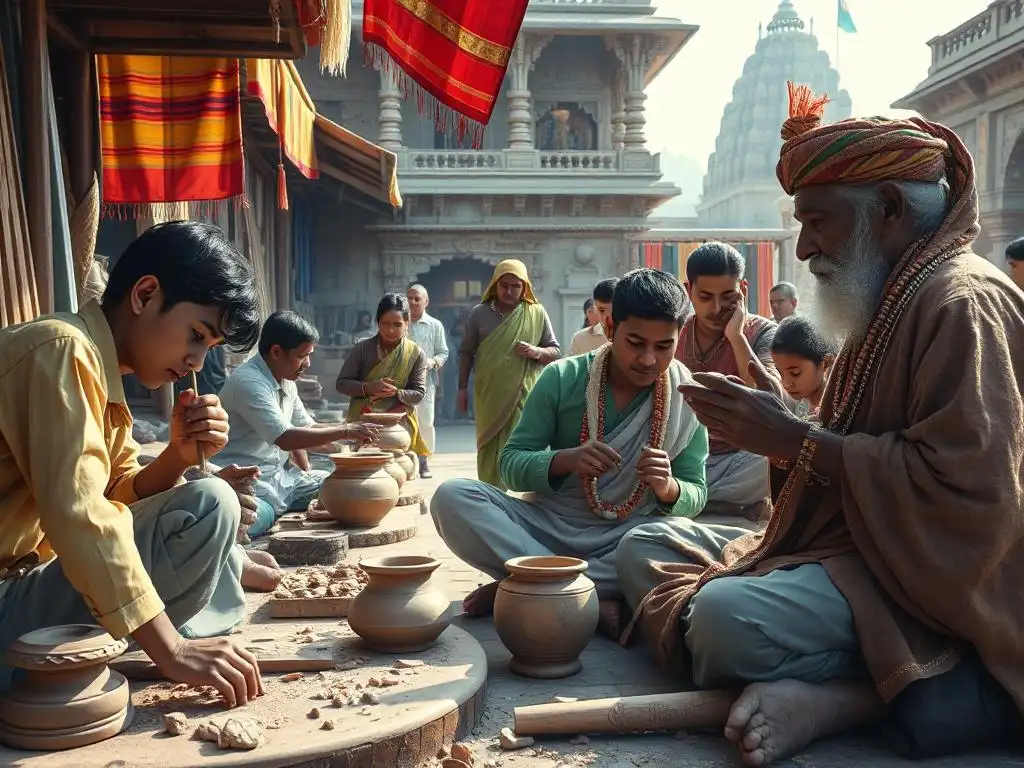
Welcome to Ancient India History, where we embark on a fascinating journey through the vibrant tapestry of ancient Indian civilizations. Here, you'll uncover the rich traditions, cultural legacies, and remarkable contributions that have shaped our world. In this article, we delve into the intriguing history of ancient Indian apprenticeships, a vital aspect of daily life and society that empowered countless individuals to master their crafts and trades.
What secrets did these apprenticeships hold, and how did they influence the socio-economic landscape of their time? Join us as we explore this captivating facet of ancient Indian life that continues to resonate today!
Introduction to Ancient Indian Apprenticeships History
The history of apprenticeships in ancient India is a reflection of the complex and multifaceted labor systems that defined its various civilizations. From the Indus Valley Civilization to the flourishing Gupta Empire, the transmission of skills and knowledge through apprenticeship played a crucial role in shaping the workforce of ancient Indian society. These structured forms of training ensured that specialized skills were passed down from one generation to the next, fostering not only economic growth but also cultural continuity.
Apprenticeships in ancient India were not merely vocational training programs; they were integral to the very fabric of society. Young individuals would often enter apprenticeships under the guidance of experienced craftsmen, merchants, or scholars, immersing themselves in a specific trade or art. This process was essential for sustaining the diverse occupations that contributed to the economic and cultural richness of ancient India. Understanding the nuances of these apprenticeships provides valuable insights into the social dynamics, economic practices, and educational methods of the time.
Significance of Apprenticeships in Ancient Indian Society
The significance of apprenticeships in ancient Indian society can be examined through various lenses, including economic, social, and educational aspects.
-
Economic Contributions
Apprenticeships were vital for the economic stability of ancient Indian communities. They facilitated the development of skilled labor, which was essential for various industries such as textiles, metallurgy, and agriculture. For instance, the art of weaving, which thrived during the Mauryan period, relied heavily on a system of apprentices who learned intricate techniques from master weavers.
- Key Economic Sectors Influenced by Apprenticeships:
- Textiles: Mastery of weaving and dyeing.
- Metallurgy: Skills in crafting tools and ornaments.
- Agriculture: Knowledge of farming techniques and crop management.
- Key Economic Sectors Influenced by Apprenticeships:
-
Social Structure and Caste System
Apprenticeships also reinforced the existing caste system in ancient India, where specific trades were often associated with particular social groups. This system not only dictated the type of apprenticeship available to an individual but also preserved traditional occupations within families, thus ensuring societal stability. For example, a family of potters would pass their skills down through generations, creating a strong community identity tied to their craft.
-
Educational Framework
The educational implications of apprenticeship in ancient India were profound. Unlike formal schooling, apprenticeships provided hands-on experience and practical knowledge, which were deemed essential for mastery in a trade. This experiential learning approach emphasized the importance of mentorship and the sharing of wisdom between generations.
- Elements of Learning in Apprenticeships:
- Practical Skills: Hands-on training in specific trades.
- Cultural Knowledge: Understanding of traditions and practices associated with the occupation.
- Mentorship: Guidance from experienced professionals.
- Elements of Learning in Apprenticeships:
Apprenticeships were a cornerstone of ancient Indian occupations, shaping not just the economy but also the social and educational frameworks of the time. As we explore the rich tapestry of ancient Indian apprenticeships history, we uncover the intricate connections between labor, culture, and societal development that have left a lasting impact on India's historical legacy.
- Introduction to Ancient Indian Apprenticeships History
- Significance of Apprenticeships in Ancient Indian Society
Historical Context of Apprenticeships in Ancient India
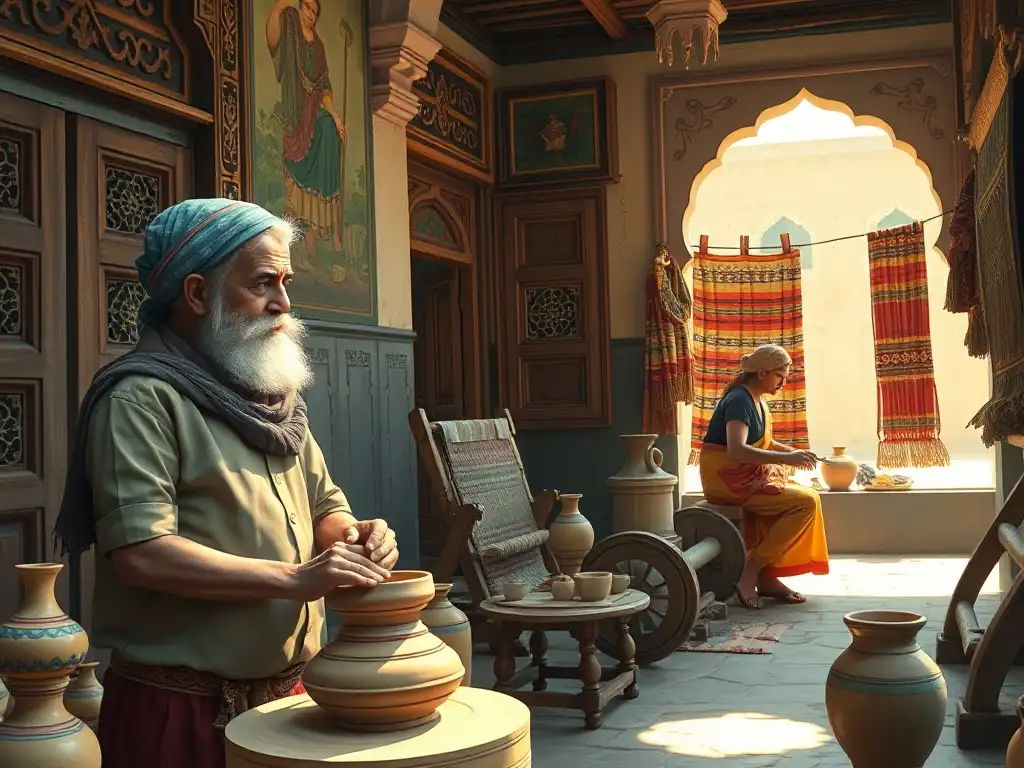
Apprenticeships in ancient India served as a crucial mechanism for the transmission of skills, knowledge, and cultural practices across generations. These systems were deeply embedded within the socio-economic fabric of various ancient Indian civilizations, particularly from the Indus Valley Civilization (c. 3300–1300 BCE) through to the Gupta Empire (c. 320–550 CE). This period was marked by a flourishing of trade, craftsmanship, and agricultural practices, necessitating a structured approach to skill acquisition.
Overview of Ancient Indian Occupations
Ancient India was characterized by a diverse array of occupations that reflected the complexity of its society. The primary categories of occupations included agriculture, craftsmanship, trade, and administration. Each of these sectors required specific skills that were often passed down through apprenticeship.
- Agriculture: The backbone of ancient Indian society, agriculture involved various tasks from plowing to harvesting. Young boys often apprenticed under experienced farmers to learn techniques of cultivation and seasonal practices.
- Craftsmanship: Artisans such as potters, weavers, blacksmiths, and sculptors played vital roles in the economy. For instance, in the Indus Valley, evidence of pottery and bead-making workshops suggests a sophisticated level of craftsmanship. Apprentices were crucial in learning intricate techniques from masters, ensuring the continuity of these trades.
- Trade: As trade routes expanded, particularly during the Mauryan and Gupta periods, apprenticeships in commercial activities became prevalent. Young men learned the art of negotiation, accounting, and market dynamics under the guidance of seasoned merchants.
- Administration: With the growth of empires, administrative roles became increasingly important. Apprenticeships in this sector often involved learning legal codes, governance, and record-keeping, preparing individuals for positions in the royal courts or local governance.
The skills and knowledge acquired through apprenticeships not only facilitated individual economic mobility but also contributed to the overall advancement of ancient Indian society.
The Role of Caste and Guilds in Apprenticeships
In ancient India, the caste system played a significant role in shaping apprenticeship practices. Occupations were often hereditary, with specific castes associated with particular trades. This structure provided a framework within which apprenticeships operated, influencing who could learn certain skills and how knowledge was transmitted.
Caste System Dynamics
- Hereditary Occupations: Many castes were linked to distinct trades, such as the Vishwakarma who were known for their skills in construction and metalwork. Apprentices generally belonged to the same caste as their masters, ensuring that skills remained within the community.
- Social Hierarchy: The caste system established a hierarchy that impacted access to apprenticeships. Higher castes often had more opportunities for education and skilled trades, while lower castes faced restrictions, limiting their ability to pursue certain professions.
Guilds (Shrenis)
Guilds, or shrenis, were associations of craftsmen and traders that played a pivotal role in regulating apprenticeships. These organizations were responsible for:
- Training Standards: Guilds set standards for training and skill acquisition, ensuring that apprentices received quality instruction. They often provided a structured environment for learning, with specific guidelines on the duration and expectations of apprenticeships.
- Economic Protection: By regulating trade practices and safeguarding their members' interests, guilds created a supportive network that facilitated the economic stability of their crafts. Apprentices learned not only their trade but also how to navigate the economic landscape within which they operated.
The history of ancient Indian apprenticeships is interwoven with the social, economic, and cultural contexts of the time. By understanding the intricacies of occupations and the influence of caste and guilds, we can gain deeper insights into the importance of these systems in shaping the labor landscape of ancient India.
Structure and Process of Apprenticeships in Ancient India
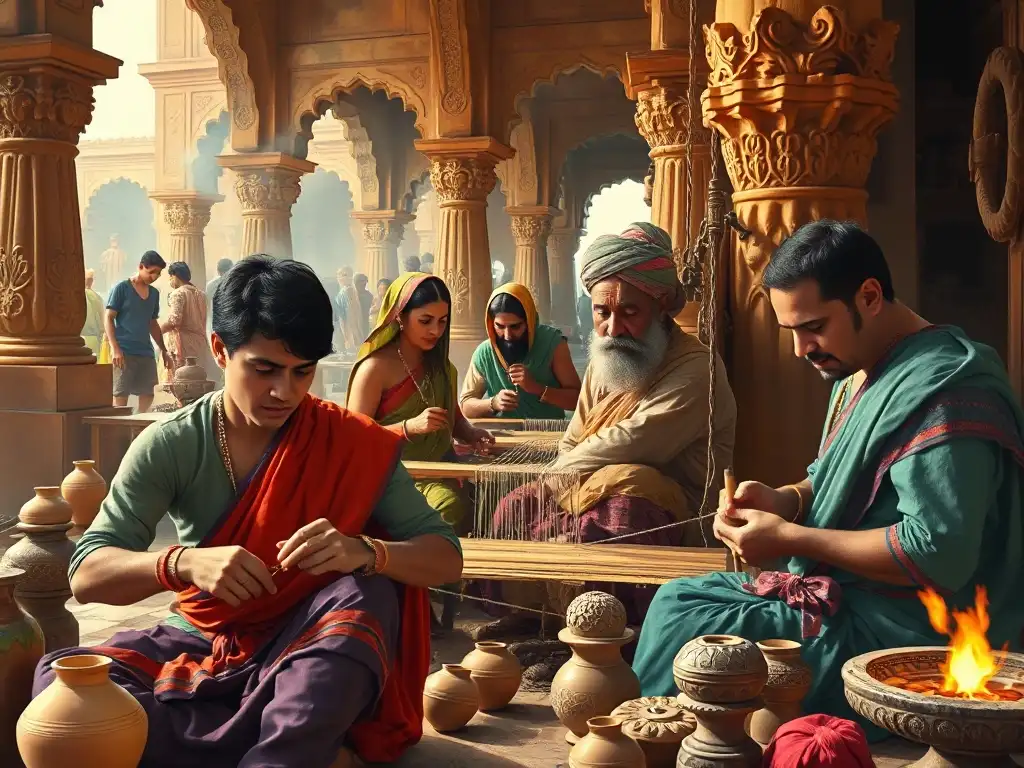
In ancient India, apprenticeships were integral to the transmission of skills and knowledge across generations. These structured training programs not only facilitated the learning of trades but also ensured the preservation of various crafts and professions essential for the socio-economic fabric of society. The apprenticeship system was prevalent in numerous occupations, ranging from traditional crafts to scholarly pursuits.
The apprenticeship model typically involved a master craftsman or an experienced professional who would take on one or more apprentices. This relationship was often formalized through a mutual agreement, which outlined the expectations, duration, and duties of both parties. The apprentices, usually young males, would live with the master and learn directly through observation and hands-on experience.
The process was deeply embedded within the social framework, often influenced by caste and community dynamics. For instance, specific trades were associated with particular castes, and apprenticeships were often passed down within families. This not only ensured that the skills remained within the community but also reinforced social structures.
Duration and Training Methods of Ancient Indian Apprenticeships
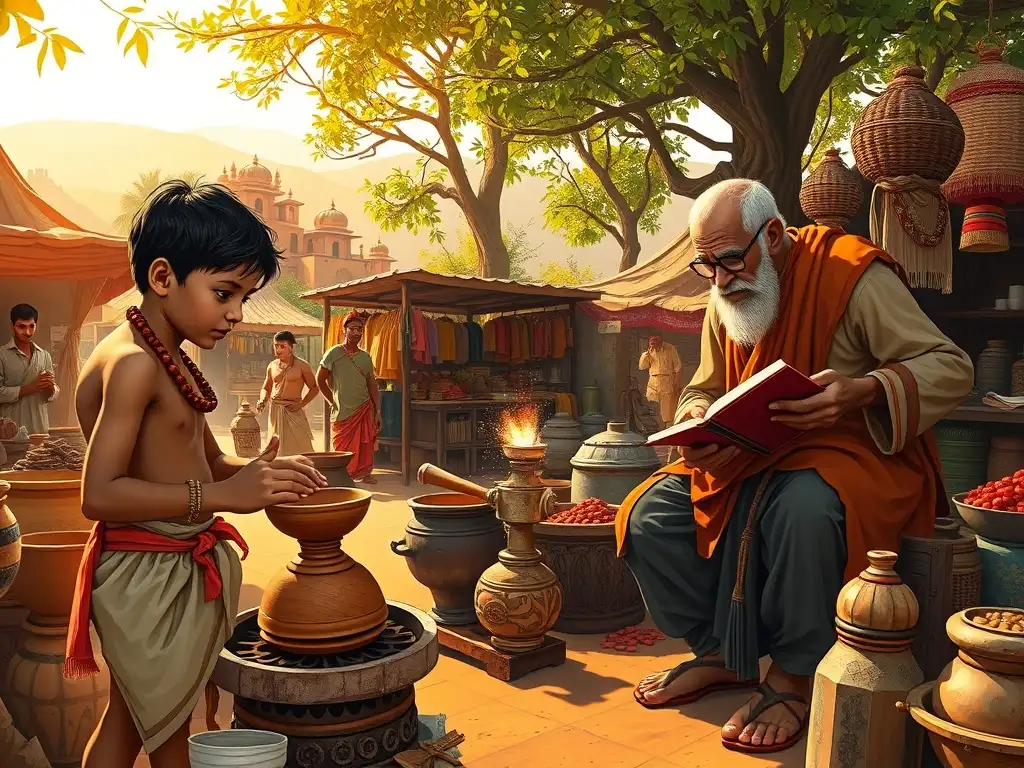
The duration of apprenticeships in ancient India varied significantly depending on the trade and the complexity of the skills being imparted. Typically, apprenticeships could last anywhere from three to twelve years. During this period, apprentices were expected to engage in both practical training and theoretical learning.
Training Methods
- Direct Learning from Masters: Apprentices learned directly from their masters, who would demonstrate techniques while the apprentices practiced under supervision.
- Observation and Imitation: Much of the learning process relied on observation. Apprentices would watch their masters work and then replicate the tasks until they mastered the necessary skills.
- Participation in Community Projects: Apprentices often participated in community projects or trade fairs, which provided real-world experience and exposure to various aspects of the trade.
- Oral Tradition: Knowledge was frequently passed down orally, with masters sharing stories, techniques, and philosophies related to the craft.
- Workshops and Guilds: Many trades were organized into guilds or workshops, where apprentices could learn from multiple masters and collaborate with peers.
This multifaceted training approach ensured that apprentices not only learned the technical skills necessary for their trades but also understood the cultural and social significance of their work within the broader context of ancient Indian society.
Skills Acquired through Apprenticeships in Various Trades
Ancient Indian apprenticeships covered a wide range of trades, each imparting specific skills that were crucial for the economic and cultural sustainability of the time. Here are some key trades and the skills acquired through their respective apprenticeship programs:
- Weaving: Apprentices learned to weave intricate patterns and designs, mastering the use of various looms and materials.
- Metallurgy: Training in metallurgy involved skills in smelting, alloying, and crafting tools and ornaments, essential for both daily life and warfare.
- Pottery: Apprentices in pottery learned techniques for shaping clay, glazing, and firing pots, crucial for both functional and ceremonial purposes.
- Medicine: Aspiring physicians or vaidyas underwent rigorous training in herbal medicine, anatomy, and surgery, often learning through texts and direct practice.
- Architecture: In architecture, apprentices developed skills in design, stone carving, and construction techniques, which were critical for temple building and urban planning.
- Scripture and Literature: For those pursuing scholarly roles, skills in reading, writing, and interpretation of ancient texts were emphasized, ensuring the continuity of cultural knowledge.
The apprenticeship system in ancient India was not just a means of skill acquisition; it was a pivotal aspect of cultural identity, social structure, and economic stability. By fostering a deep connection between the master and apprentice, these programs ensured the survival and evolution of various trades and professions throughout history.
The Impact of Apprenticeships on Ancient Indian Economy
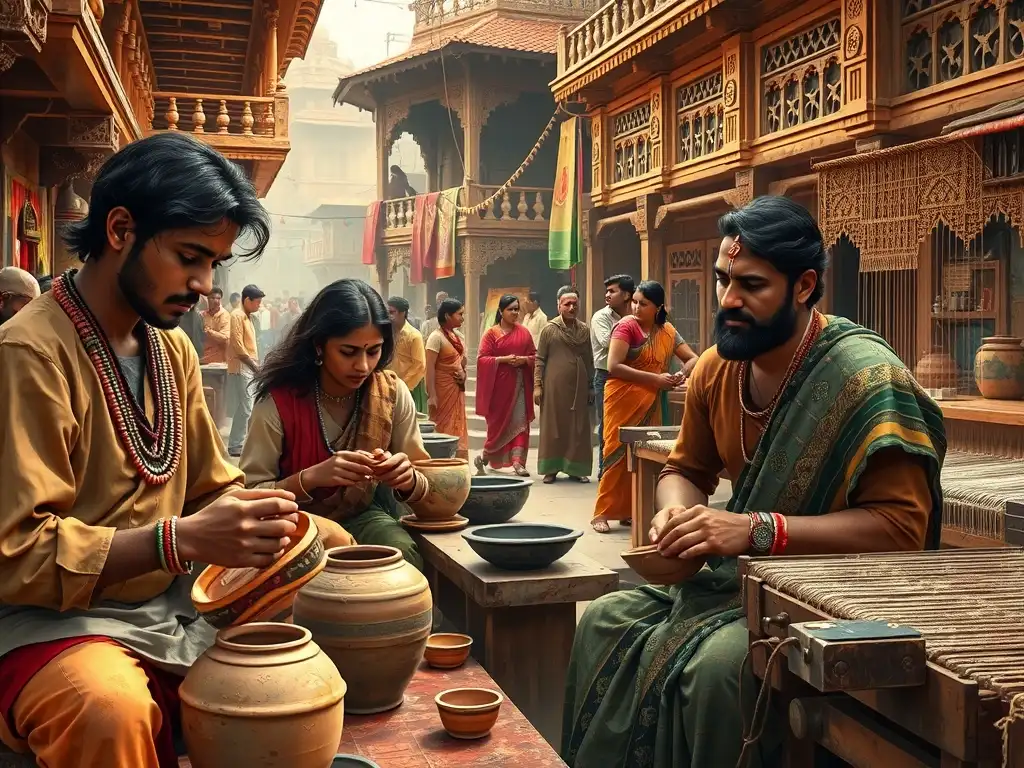
Apprenticeships played a crucial role in shaping the economic landscape of ancient India. They were not merely a means of vocational training but an essential component of the labor system, contributing significantly to the development of skilled labor, economic mobility, and the overall prosperity of various regions. The apprenticeship system facilitated the transfer of knowledge and skills across generations, ensuring the continuity of specialized trades and crafts that were vital for the economy.
Contribution of Apprenticeships to Skilled Labor
In ancient India, the apprenticeship model was deeply rooted in the socio-economic fabric, particularly in urban centers and trade hubs. Skilled labor was the backbone of various industries, including textiles, metallurgy, pottery, and agriculture. Here’s a closer look at how apprenticeships contributed to the development of skilled labor:
- Training and Mastery:
- Apprentices were typically young individuals who would learn under the guidance of a master craftsman. This relationship was essential for preserving the intricate techniques required in various trades.
- The duration of apprenticeship often ranged from 3 to 10 years, depending on the complexity of the craft, enabling apprentices to gain hands-on experience and mastery over their chosen occupation.
- Caste and Guild Systems:
- The guild system, known as shreni, formalized the apprenticeship process within specific trades. These guilds not only regulated the quality of work but also established standards and practices that apprentices were expected to follow.
- Apprenticeship was often linked to caste, where specific trades were associated with particular social groups, ensuring that skills were passed down through family lines.
- Economic Specialization:
- By fostering specialization, apprenticeships contributed to the efficiency and productivity of industries. For instance, in metallurgy, artisans were trained to create tools, ornaments, and weapons, which were essential for both domestic use and trade.
- The rise of skilled labor through apprenticeships stimulated local economies, leading to increased production and trade, which was particularly evident in bustling markets of cities like Varanasi and Pataliputra.
Economic Mobility through Apprenticeship Systems
The apprenticeship system in ancient India also served as a pathway for economic mobility, enabling individuals to rise above their socio-economic conditions. The following points illustrate how apprenticeships facilitated this movement:
- Access to Opportunities:
- Apprenticeships provided individuals from lower socio-economic backgrounds with the opportunity to learn valuable skills. This access to skilled labor positions often led to better job prospects and improved living standards.
- Successful apprentices could eventually become masters themselves, opening their own workshops or businesses, which was a significant step towards economic independence.
- Networking and Community Building:
- As apprentices developed their skills, they also built networks within their trade communities. These connections were crucial for securing future employment or contracts, which further enhanced their economic prospects.
- The communal aspect of apprenticeship fostered a sense of belonging and support among practitioners, allowing for the sharing of resources and knowledge.
- Role in Trade Expansion:
- The skills acquired through apprenticeships contributed to the expansion of trade routes and the overall economy. Skilled artisans could produce high-quality goods that were in demand both locally and in distant markets.
- This demand for skilled artisans led to the establishment of trading relationships, further integrating local economies into larger trade networks that spanned across Asia.
In summary, the impact of apprenticeships on the ancient Indian economy was profound, serving as a catalyst for skilled labor, economic mobility, and trade expansion. The legacy of these apprenticeship systems is evident in the rich tapestry of ancient Indian craftsmanship and the enduring significance of skilled trades in contemporary society.
Case Studies of Notable Ancient Indian Apprenticeships
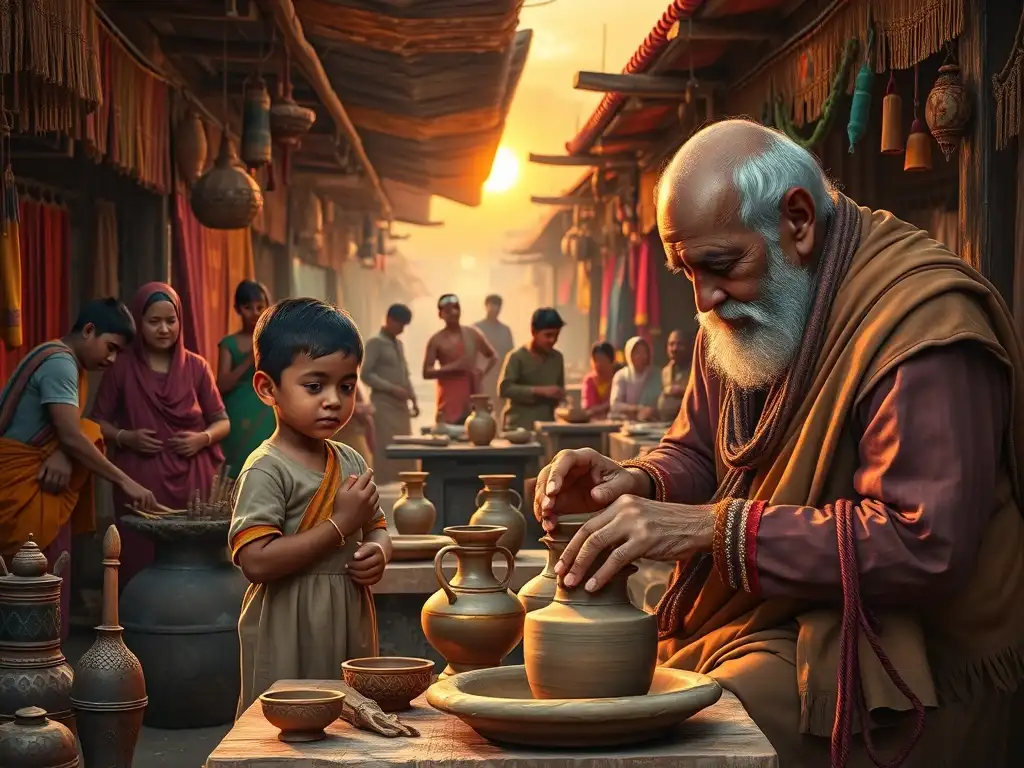
Exploring the intricate web of ancient Indian apprenticeships reveals a rich tapestry of skills, trades, and knowledge transfer essential for the sustenance and advancement of various occupations. These apprenticeships played a crucial role in the development of specialized labor, fostering creativity, and maintaining economic stability across diverse sectors. Here, we delve into specific case studies that highlight the importance of apprenticeships in different fields of ancient Indian society.
Apprenticeships in Artisanship: Crafting and Trade
Artisanship in ancient India was not merely a profession; it was an art form that involved a deep understanding of materials, techniques, and aesthetics. Apprenticeships were vital in this sector, as they ensured the transmission of skills from seasoned artisans to the younger generation.
- Metalwork and Jewelry Making: The ancient Indian craftsmen excelled in metalwork, creating intricate jewelry and tools. Apprentices would learn the art of metallurgy, involving techniques such as casting, engraving, and alloying. For example, the city of Varanasi was renowned for its skilled goldsmiths, and young apprentices would often spend years under the tutelage of a master, mastering the delicate balance between artistry and precision.
- Pottery and Terracotta: In the context of pottery, apprenticeships allowed young artisans to grasp the nuances of clay manipulation, firing techniques, and glazing. The famous Indus Valley civilization showcased advanced pottery styles, illustrating how apprentices learned to create functional yet beautiful items that reflected their cultural identity.
- Textile Weaving: The art of weaving was another domain where apprenticeships flourished. Regions like Gujarat and Tamil Nadu were known for their exquisite textiles, such as cotton and silk. Young weavers would apprentice with experienced craftsmen to learn about dyeing, pattern design, and the intricacies of loom operation, thus preserving traditional techniques while innovating new styles.
Through these apprenticeship structures, skills were not only preserved but also evolved, leading to the rich legacy of ancient Indian craftsmanship that continues to influence modern artisans.
The Role of Apprenticeships in Agriculture and Farming Techniques
Agriculture was the backbone of ancient Indian society, and apprenticeships within this sector were instrumental in ensuring sustainable practices and innovation in farming techniques.
- Crop Cultivation Techniques: Young farmers learned from their elders the seasonal cycles, irrigation methods, and crop rotation practices that were vital for maximizing yields. For instance, in regions like the Gangetic plains, apprentices would observe and participate in the cultivation of rice and wheat, gaining firsthand experience in soil management and pest control.
- Animal Husbandry: Apprenticeships also extended to animal husbandry, where young individuals learned proper care for livestock, breeding techniques, and the significance of animals in agricultural productivity. This knowledge was crucial, especially in agrarian societies, where oxen were often used for plowing and transport.
- Traditional Tools and Implements: The transfer of knowledge regarding the use of traditional tools, such as sickles, plows, and hoe, was another important aspect of agricultural apprenticeships. Apprentices would learn not only how to use these tools effectively but also how to craft and maintain them, ensuring a constant supply for agricultural needs.
The role of apprenticeships in agriculture was foundational, providing the necessary skills and knowledge to sustain and innovate within ancient Indian farming practices. This systematic approach to learning ensured that each generation was equipped with the tools to thrive and advance their agricultural endeavors.
Through these case studies, we observe how ancient Indian apprenticeships were not just a means of labor but a critical aspect of cultural and economic development, shaping the society in profound ways.
Cultural Influence of Apprenticeships in Ancient Indian Occupations
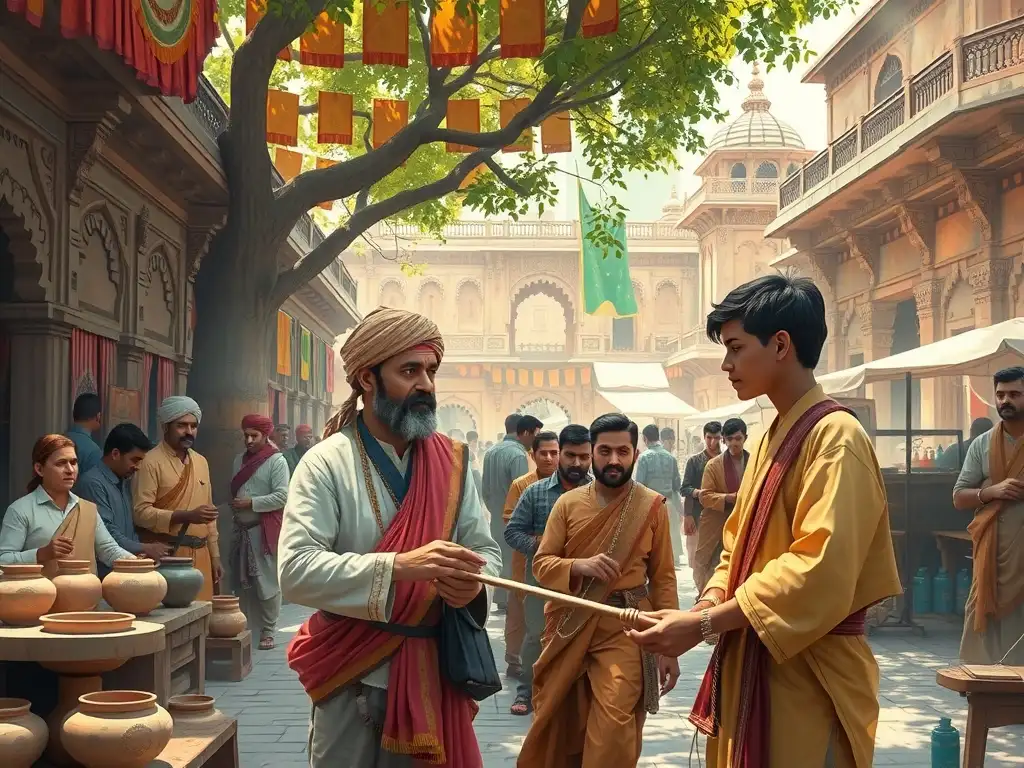
Apprenticeships in ancient India played a pivotal role in shaping various occupations and labor systems, reflecting the cultural and societal values of the time. The system was not merely an educational model; it was deeply intertwined with social structures, practices, and the preservation of traditional crafts. This cultural influence can be observed in various ways, including the preservation of traditional skills and the intergenerational transfer of knowledge.
Preservation of Traditional Skills through Apprenticeships
In ancient India, apprenticeships served as a crucial mechanism for the preservation of traditional skills and crafts. Young individuals were taken under the wing of experienced artisans, merchants, and craftsmen, ensuring that valuable expertise was passed down through generations. This practice was not only essential for the survival of specific trades but also played a significant role in maintaining cultural identity.
- Artistic Crafts: The intricate art forms of pottery, weaving, metalwork, and sculpture were taught through hands-on experiences. For instance, the tradition of weaving in regions like Varanasi involved apprentices learning from master weavers, absorbing techniques that had been refined over centuries.
- Trade and Commerce: Apprenticeships were integral to the functioning of trade guilds, which specialized in various goods. Young apprentices learned the nuances of their trade, from negotiation skills to understanding quality control, thus ensuring that the standards of craftsmanship were upheld.
- Culinary Arts: In ancient kitchens, culinary skills were passed down through apprenticeships, where young cooks learned recipes, techniques, and the cultural significance of food. This not only preserved regional cuisines but also fostered a sense of community and belonging.
The apprenticeship system was characterized by an informal yet structured approach, often encompassing several years of hands-on training. This allowed apprentices to achieve mastery in their respective fields, contributing to the overall economic and cultural fabric of ancient Indian society.
The Intergenerational Transfer of Knowledge in Ancient India
The intergenerational transfer of knowledge was another vital aspect of ancient Indian apprenticeships. This transfer was not merely about skill acquisition; it involved a broader understanding of cultural practices, ethical values, and social responsibilities.
- Mentorship: Experienced artisans acted as mentors, imparting not only technical skills but also life lessons and philosophical insights. This mentorship established strong bonds between generations, fostering a sense of loyalty and respect.
- Community and Family Ties: Apprenticeships often took place within family units or close-knit communities, reinforcing familial and social ties. Knowledge was shared in an environment of trust and mutual respect, ensuring that traditional practices remained alive.
- Adaptation and Innovation: While the primary focus of apprenticeships was on preserving traditional techniques, the dynamic nature of these relationships allowed for adaptation and innovation. As apprentices learned from their masters, they also contributed new ideas, resulting in a rich tapestry of evolving crafts and practices.
This intergenerational exchange not only empowered individuals but also strengthened community identities and cultural continuity. The legacy of ancient Indian apprenticeships can still be traced in modern Indian society, where traditional crafts and skills continue to thrive, reflecting the enduring influence of this historical practice.
The cultural influence of apprenticeships in ancient Indian occupations was profound, ensuring the preservation of skills and knowledge that shaped the society. Through hands-on training, mentorship, and community bonds, apprenticeships played a critical role in maintaining the rich tapestry of ancient Indian civilization.
Challenges Faced by Apprentices in Ancient Indian Society
In ancient Indian society, apprenticeships were crucial for the transmission of skills and knowledge across generations. However, several social barriers significantly limited apprenticeship opportunities for various groups.
- Caste System: The rigid caste system entrenched in ancient Indian society created a significant barrier for many individuals seeking to become apprentices.
- High Castes: Primarily, occupations were determined by one's caste. For example, Brahmins often trained in religious and scholarly fields, while Shudras were typically relegated to manual labor and service professions.
- Limited Opportunities: People from lower castes faced substantial restrictions, often excluded from particular trades and crafts, which curbed their chances for upward mobility.
- Gender Roles: Gender also played a vital role in determining apprenticeship access.
- Male-Dominated Fields: Most apprenticeships were dominated by males, particularly in trades such as metalwork, carpentry, and textiles.
- Restrictions on Women: Women had limited access to formal apprenticeships, focusing instead on household duties and informal skills training, such as weaving or pottery, passed down through family lines.
- Economic Factors: The economic structure of ancient India further complicated apprenticeship opportunities.
- Affordability: Many aspiring apprentices came from economically disadvantaged backgrounds, making it difficult to afford training or the necessary tools for the trade.
- Resource Accessibility: In rural areas, limited access to resources often meant that only those with connections or wealth could secure apprenticeships, leaving many talented individuals without proper guidance or mentorship.
Evolution of Apprenticeship Systems Over Time
The evolution of apprenticeship systems in ancient India reflects the socio-economic and cultural changes that shaped the subcontinent over centuries.
- Indus Valley Civilization: Evidence from the Indus Valley suggests the existence of early forms of apprenticeship where skilled artisans passed down their knowledge through familial lines.
- Guild Structures: Artisans often organized into guilds, providing a framework for training and collaboration among skilled workers.
- Vedic Period: As society transitioned into the Vedic period, apprenticeships became more structured, with an emphasis on formal education in various disciplines.
- Gurukula System: The Gurukula system emphasized holistic learning, where students lived with their teacher (Guru) and learned not only skills but also philosophy and spirituality, showcasing the multifaceted nature of apprenticeship beyond mere trade skills.
- Medieval Period: By the medieval period, the rise of urbanization and trade networks led to a diversification of apprenticeship opportunities.
- Specialized Trades: Increased demand for specialized trades resulted in more organized systems of apprenticeship, often regulated by local rulers or trade guilds, ensuring quality training and standardized practices.
- Influence of Religion and Philosophy: Religious texts and philosophical teachings also began to influence apprenticeship systems, promoting the value of skill development and craftsmanship as honorable pursuits.
- Cultural Integration: The blending of different cultures through trade routes led to the introduction of new techniques and practices, enriching the apprenticeship landscape.
Conclusion: The Legacy of Ancient Indian Apprenticeships in Modern Context
The legacy of ancient Indian apprenticeships is evident in contemporary vocational training and skill development initiatives. Despite the challenges faced in ancient times, the foundation laid by these early systems has influenced modern approaches to education and labor.
- Skill Development: Modern vocational programs echo the principles of ancient apprenticeships by emphasizing hands-on experience and mentorship, ensuring that skills are passed down effectively.
- Inclusivity and Diversity: Today, there is a growing recognition of the importance of inclusivity in apprenticeship systems, aiming to break down social barriers that once restricted access to skill training for marginalized communities.
- Cultural Heritage: The rich traditions of craftsmanship and artistry inherited from ancient apprenticeships continue to thrive, contributing to India's cultural heritage and economic landscape.
- Global Influence: Ancient Indian apprenticeship models have also influenced global practices, showcasing the importance of skill-sharing and collaborative learning in various cultural contexts.
The history of ancient Indian apprenticeships is not just a relic of the past but a dynamic legacy that continues to shape modern occupational practices, emphasizing the importance of learning, skill transmission, and social equity in the workforce.
Reflections on the Importance of Apprenticeships in Today's Workforce
Apprenticeships have a rich history in ancient Indian society, serving as a vital mechanism for skill transmission and professional training. This historical perspective sheds light on their relevance in today's workforce, highlighting the need for structured training programs that blend theoretical knowledge with practical experience.
In ancient India, apprenticeships were essential in various trades, from metallurgy to textiles, ensuring that knowledge was preserved and passed down through generations. The guild system, known as "shreni," facilitated this process, creating a community of craftsmen who nurtured and trained the next generation of artisans. This model not only ensured the survival of skills but also fostered a sense of belonging and identity among workers.
Today, the value of apprenticeships is being rediscovered, especially in an economy that increasingly prioritizes hands-on experience. Organizations are recognizing that traditional education alone may not adequately prepare individuals for the complexities of modern job markets. By integrating apprenticeships into workforce development strategies, businesses can cultivate a skilled labor force that meets specific industry needs.
Moreover, the ancient Indian apprenticeship model emphasized mentorship, a crucial element that remains relevant today. Experienced professionals guided apprentices through their learning journeys, providing insights that textbooks could not offer. This mentorship fosters relationships that can lead to networking opportunities and career advancement, a practice that is equally beneficial in contemporary settings.
The challenges faced by apprentices in ancient India—such as social stratification and economic barriers—parallel some of the obstacles present today. Many individuals still encounter difficulties accessing quality apprenticeship programs, particularly in marginalized communities. Addressing these inequities is essential for creating a more inclusive workforce that reflects the diversity of society.
Reflecting on the history of apprenticeships in ancient India highlights their enduring significance in today’s workforce. By drawing lessons from the past, modern societies can develop robust apprenticeship programs that not only enhance individual careers but also strengthen overall economic resilience. Embracing the principles of mentorship, skill development, and community engagement can pave the way for a brighter future, echoing the legacy of ancient Indian apprenticeships.
Frequently Asked Questions
What were apprenticeships in ancient India?
Apprenticeships in ancient India involved training under skilled artisans or tradespeople, allowing young individuals to gain practical experience and knowledge in various occupations.
How did apprenticeships benefit ancient Indian society?
These programs helped maintain the continuity of skills across generations, ensuring that specialized trades such as weaving, metallurgy, and pottery thrived in ancient Indian culture.
Were apprenticeships formalized in ancient Indian civilization?
Yes, many guilds and community organizations had structured apprenticeship systems, where young learners would typically train for several years under the guidance of a master craftsman.
What role did religion play in ancient Indian apprenticeships?
Religious texts often emphasized the importance of skilled labor and upheld the value of apprenticeships as a means to contribute to society while also fulfilling one's dharma.
How do modern apprenticeships compare to those in ancient India?
While modern apprenticeships may have more formal educational frameworks, the core principle of hands-on training and mentorship remains similar, reflecting the age-old tradition of skill transmission in ancient Indian history.
Final Reflection: Embracing the Legacy of Ancient Indian Apprenticeships
The significance of apprenticeships in ancient Indian occupations resonates profoundly in today's world, as we navigate a rapidly changing job landscape. The traditional model of learning through hands-on experience and mentorship is more relevant than ever, providing a framework for skill development that transcends generations. In a time when formal education often overshadows practical knowledge, we must recognize that the wisdom of ancient Indian apprenticeships holds the key to bridging the gap between theory and practice.
Cultural and social dynamics have been shaped significantly by the apprenticeship system in ancient India, fostering a sense of community and continuity. The relationships built between master and apprentice were not merely transactional; they were transformative, creating bonds that enriched both personal and professional lives. As noted by the historian R.S. Sharma, The apprenticeship system was a vital part of the socio-economic fabric, ensuring the transmission of skills and knowledge from one generation to the next.
This enduring influence is evident in modern vocational training and the resurgence of interest in skill-based education, highlighting the timeless value of mentorship and experiential learning.
As we reflect on the lessons of ancient Indian apprenticeships, let us embrace the call to integrate these principles into our own lives. Consider how you can seek mentorship, share your skills, or even explore the art of learning through doing. The legacy of these ancient practices invites us to cultivate a culture of continuous learning and collaboration, ensuring that the wisdom of the past informs the innovations of the future. Together, we can honor this rich history and pave the way for a more skilled and connected society.
Embrace the Legacy: Start Your Apprenticeship Journey Today!
Thank you for exploring the fascinating world of apprenticeships in traditional Indian occupations with us! By uncovering their significance, you’ve taken an important step toward appreciating how these timeless practices shaped skills and community throughout our history. Now, it’s time to take that inspiration and turn it into action!
- Research local apprenticeship programs in crafts that pique your interest and consider applying to gain valuable hands-on experience and skills.
- Connect with local historians or artisans who specialize in ancient techniques and traditions to deepen your understanding and appreciation.
- Share this article with friends or on social media to spark discussions about the relevance of apprenticeships in today’s world!
What traditional skill or craft would you love to master through an apprenticeship?