
The Art of Dowry: Historical Perspectives on Marriage Transactions

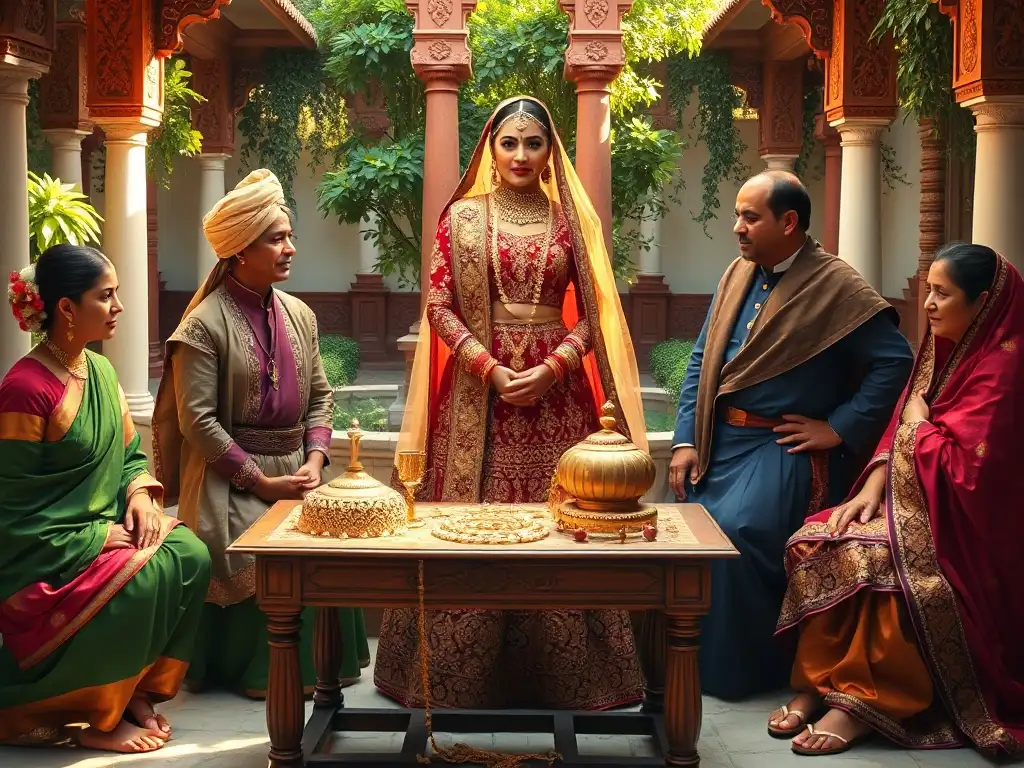
Welcome to Ancient India History, where we invite you to embark on a fascinating journey through time, unraveling the intricate tapestry of ancient Indian civilizations. In our featured article, "The Art of Dowry: Historical Perspectives on Marriage Transactions," we delve deep into the nuanced practices surrounding dowry, exploring how these traditions shaped societal norms and influenced daily life.
Prepare to be captivated by the rich stories and cultural significance behind this age-old practice, as we shed light on the complexities of marriage transactions throughout history. Join us in uncovering the layers of tradition and societal evolution that continue to resonate today!
Introduction to Historical Perspectives on Dowry
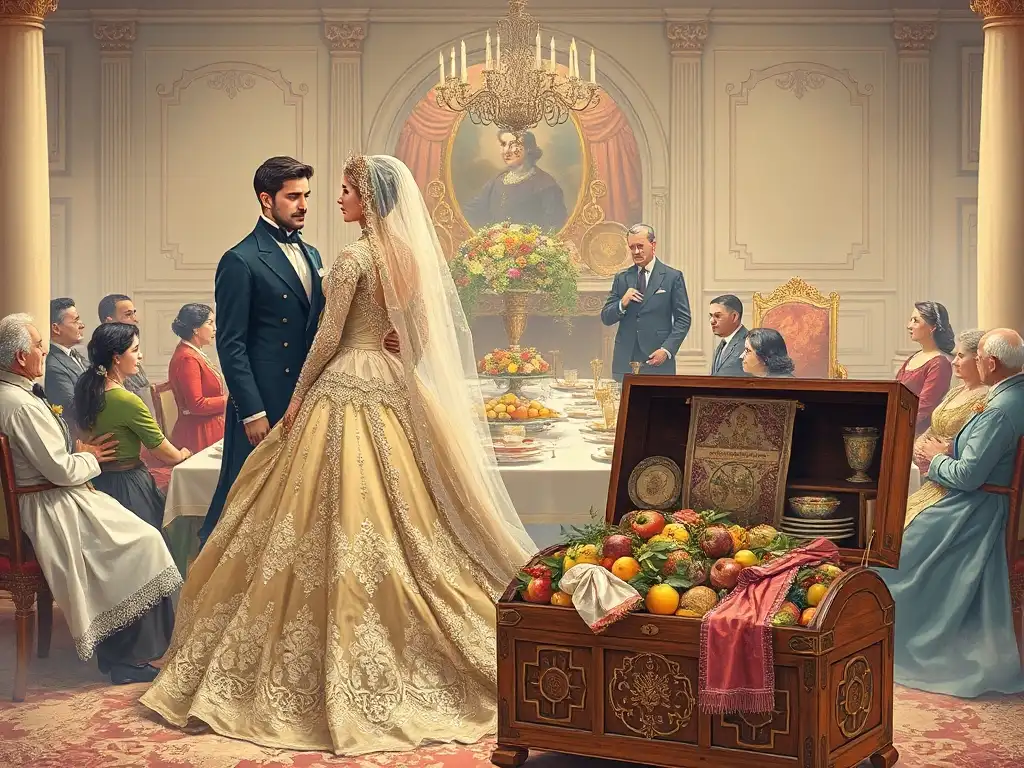
The concept of dowry has been an integral part of marriage transactions across various cultures, particularly in ancient civilizations. In the context of India, the practice of dowry is deeply rooted in social customs and has evolved significantly over time. Understanding the historical perspectives on dowry allows us to uncover the complexities surrounding this tradition, exploring its implications on family dynamics, societal structures, and gender roles. This article delves into the rich tapestry of dowry practices in ancient India, examining their significance, evolution, and the cultural influences that shaped them.
Definition and Significance of Dowry in Ancient Cultures
Dowry can be defined as the transfer of parental wealth, goods, or property to the groom or his family as part of the marriage arrangement. This practice has varied meanings and significance across different cultures:
- Economic Security: In many societies, dowry served as a form of financial support for the bride, ensuring her security in her new household.
- Social Status: The size and nature of the dowry often reflected the family's social status, influencing the marriage prospects of daughters.
- Cultural Symbolism: Beyond its economic implications, dowry carried cultural symbolism, often seen as a means of establishing alliances between families.
In ancient India, dowry was not merely a transaction but a complex social institution intertwined with familial honor and societal expectations.
Overview of Marriage Transactions in Ancient India
Marriage in ancient India was a multifaceted institution encompassing various rituals, customs, and practices. Key aspects of marriage transactions included:
- Negotiation: Families engaged in negotiations regarding the terms of the marriage, including dowry, which would often involve discussions of wealth, property, and status.
- Ceremonial Aspects: Marriage rituals in ancient India were elaborate, often involving significant religious and cultural ceremonies designed to bless the union.
- Role of Women: The role of women in marriage transactions varied, with dowry often seen as a means of ensuring their welfare, albeit sometimes reinforcing patriarchal structures.
The interplay of these elements highlights the importance of dowry in the broader context of family and societal dynamics.
The Evolution of Dowry Practices in Ancient India
The practice of dowry in ancient India did not remain static; rather, it evolved through various historical periods, influenced by socio-political changes and philosophical teachings.
Dowry in the Indus Valley Civilization
The Indus Valley Civilization, one of the world's earliest urban cultures, provides insight into the initial forms of marriage transactions. Archaeological evidence suggests that:
- Material Wealth: The presence of jewelry and household items in burial sites indicates that material wealth was significant in marriage customs.
- Social Structure: Dowry-like practices might have functioned within the framework of societal hierarchies, although specific details remain largely speculative due to limited written records.
This early civilization laid the groundwork for the development of more structured dowry practices in subsequent periods.
Dowry Practices During the Vedic Period
The Vedic period heralded significant changes in societal norms and marriage practices, including dowry. Notable features included:
- Sacred Texts: The Vedas and other texts mention the significance of gifts exchanged during marriage, which can be interpreted as early forms of dowry.
- Patriarchal Norms: The reinforcement of patriarchal structures saw dowry becoming a tool for negotiating social alliances and securing the family's status.
These developments established a more formalized approach to dowry, shaping its role in matrimonial customs.
The Impact of Dharma Shastras on Dowry Customs
The Dharma Shastras, ancient legal texts, played a crucial role in codifying social norms, including dowry practices. Their influence can be summarized as follows:
- Legal Framework: These texts provided guidelines on the ethical and legal dimensions of dowry, outlining the rights and responsibilities of both parties involved in marriage.
- Gender Dynamics: The Shastras often reinforced patriarchal perspectives, impacting women's status and the expectations surrounding dowry.
As such, the Dharma Shastras significantly influenced the evolution of dowry practices, embedding them within the fabric of Indian society.
In exploring the historical perspectives on dowry, we gain a deeper understanding of its complexities and the cultural significance it has held throughout ancient India’s history. Through this examination, we can appreciate how these practices not only reflect social norms of the past but also continue to influence contemporary discussions surrounding marriage and gender roles in society.
Cultural Context of Dowry in Ancient Indian Society
The concept of dowry in ancient India is deeply rooted in the cultural and societal frameworks that shaped marital practices. Historically, dowry was perceived as a form of wealth transferred from the bride's family to the groom or his family at the time of marriage. This practice was not merely a financial transaction; it also served to solidify alliances between families, enhance social status, and ensure economic stability within the marriage.
In ancient texts, such as the Manusmriti, dowry is discussed in relation to the duties of families and the virtues of women. The expectation of a dowry was often linked to the perceived value of the bride, where her education, beauty, and family background played significant roles. Thus, dowry was intricately tied to notions of honor, dignity, and social standing, influencing how families negotiated marriages and established relationships.
Dowry transactions in ancient India were significantly influenced by social hierarchies, particularly caste and class distinctions. The expectations surrounding dowry varied widely across different strata of society, with higher caste families often demanding more substantial dowries. This system reinforced existing social structures, where wealth accumulation and social prestige were closely correlated with marital alliances.
In many cases, the practice of dowry perpetuated inequalities, as families with fewer resources struggled to meet the expectations set by higher caste counterparts. The pressure to provide a generous dowry could lead to financial burdens on the bride’s family, sometimes resulting in severe consequences, such as debt or even social ostracism. Over time, these practices contributed to the solidification of class distinctions, with dowry becoming a means of displaying wealth and status within societal frameworks.
The Role of Gender in Marriage Practices
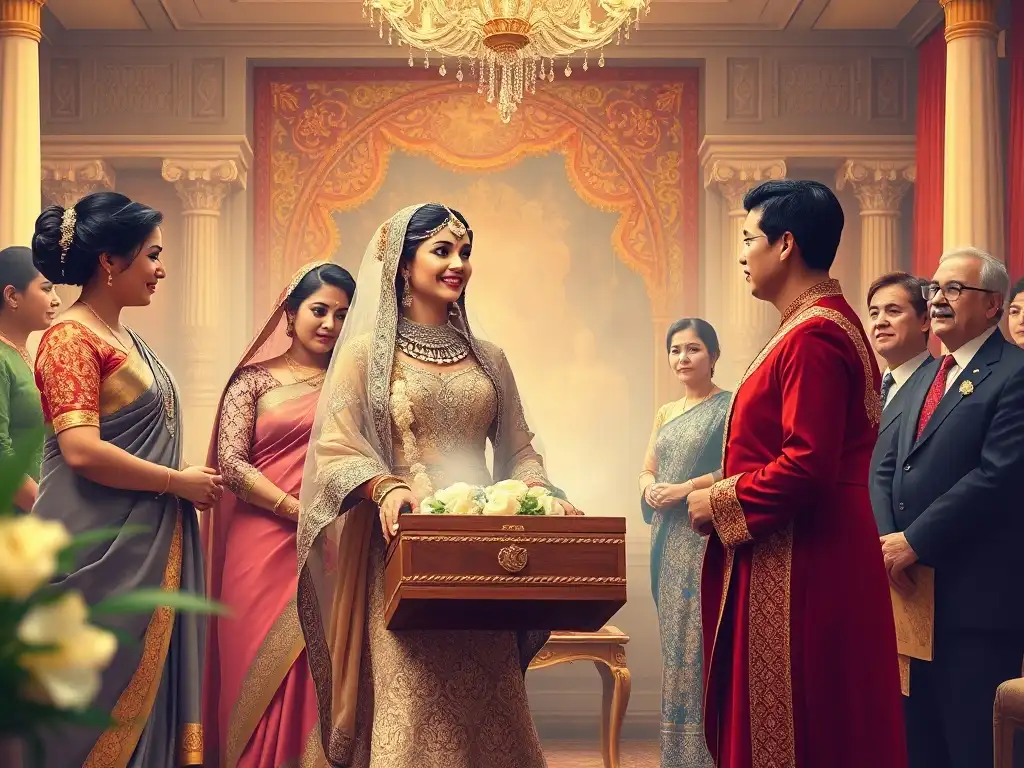
Gender played a pivotal role in the dynamics of dowry and marriage practices in ancient India. Traditionally, women were viewed as subordinate to men, and their value was often measured by the dowry they brought into a marriage. This perspective not only objectified women but also positioned them within a transactional framework, where their worth was determined by their family's ability to provide a substantial dowry.
Moreover, the expectation of dowry placed significant pressure on the bride's family, often leading to the commodification of women. In many cases, daughters were seen as financial liabilities rather than individuals with autonomy and rights. The societal norms surrounding marriage and dowry led to instances of gender-based violence, including dowry-related harassment and even murder, highlighting the darker aspects of this cultural practice.
Economic Implications of Dowry in Ancient Times
The economic implications of dowry in ancient India were profound, influencing both individual families and the broader economy. Dowry transactions often served as a form of economic security for newlywed couples, providing them with resources to establish their household. However, the expectation of dowry could also lead to financial strain on the bride's family, prompting them to save or borrow extensively to meet societal expectations.
In many regions, dowry became a significant factor in the local economy, influencing trade and the distribution of wealth. Families with daughters faced economic pressures to accumulate wealth that would be transferred as dowry, impacting their financial stability and social mobility. The practice of dowry thus played a dual role, acting as both a source of support for married couples and a potential burden on families, shaping the economic landscape of ancient Indian society.
Regional Variations in Dowry Practices
Dowry practices in ancient India varied significantly across different regions, reflecting diverse cultural, social, and economic contexts. These variations were influenced by local customs, religious beliefs, and the prevailing social structures of each area.
Dowry Practices in Northern India
In Northern India, dowry practices were often characterized by substantial financial expectations. Families in this region typically negotiated elaborate dowries, which could include cash, jewelry, and household goods. The prominence of agricultural wealth also played a role, as land and livestock were common components of dowries. This practice was often entwined with the patriarchal norms of the region, where the groom's family would expect a visible display of wealth from the bride's family.
Dowry Traditions in Southern India
Southern India exhibited distinct dowry practices, often influenced by local customs and traditions. In many South Indian communities, dowries were seen as a means to ensure the bride's well-being and security within the marital home. While the expectation for dowries existed, the focus was often on the quality and utility of the gifts rather than their monetary value. This approach fostered a somewhat different perspective on dowry, emphasizing practical contributions to the household rather than merely showcasing wealth.
Differences in Dowry Across Various Castes and Communities
The differences in dowry practices were stark when viewed through the lens of caste and community. Higher caste groups typically had more rigid expectations regarding dowry, often leading to significant financial burdens for brides' families. In contrast, lower caste communities might have had more flexible or less formalized dowry practices, reflecting their economic realities and social structures.
In some communities, dowry was less emphasized, and marriages were often arranged with little to no financial transactions involved. These variations highlight the complex interplay between social identity, economic status, and cultural norms, demonstrating that dowry practices were not monolithic but rather shaped by a multitude of factors inherent to each community.
Dowry and Its Impact on Marriage Dynamics
The practice of dowry has had profound implications on marriage dynamics throughout history, particularly in ancient Indian societies. Dowry refers to the transfer of parental wealth, property, or valuable goods from the bride's family to the groom's family as part of the marriage arrangement. This tradition has shaped various aspects of marital relationships, influencing not only the individual dynamics between spouses but also the broader social fabric of communities.
Dowry has often been intertwined with the concepts of power and control within marriages. In many cases, the expectation of a dowry can place a significant burden on the bride's family, leading to financial strain and societal pressure. This dynamic can foster an environment where marital relationships are commodified, with the bride's value often being assessed based on the size and nature of her dowry. Consequently, this can lead to a range of social issues, including gender discrimination and violence against women, particularly in instances where dowry expectations are not met.
Influence of Dowry on Marital Relationships
The influence of dowry on marital relationships can be multifaceted. In many cultures, dowry is perceived as a demonstration of the bride's family's commitment to the marriage. It can serve as a form of financial security for the bride, ensuring her welfare in case of marital discord or the husband's demise. However, this security is often overshadowed by the negative consequences of dowry demands, which can lead to tension and conflict within the marriage.
Moreover, dowry can create an imbalance of power in marital relationships. The groom, having received a substantial dowry, may feel entitled to exert control over the bride, leading to a hierarchical dynamic that undermines the principles of partnership and equality in marriage. This inequality can manifest in various ways, including emotional abuse, reduced agency for the bride, and even domestic violence in extreme cases.
Dowry as a Symbol of Status and Wealth
In ancient Indian society, dowry has historically been viewed as a symbol of status and wealth. Families would often invest considerable resources in the dowry, seeing it as a reflection of their social standing. This phenomenon has perpetuated a cycle where the size of the dowry can significantly impact the perceived value of the bride, with families seeking to enhance their social prestige through the marriage transaction.
The association of dowry with status can also lead to competition among families, where larger dowries become a means of showcasing affluence. This practice can exacerbate existing inequalities, as families from lower socio-economic backgrounds may struggle to meet escalating dowry demands, thus limiting their daughters' marriage prospects. Consequently, the dowry system has reinforced class distinctions and perpetuated social stratification within communities.
The Role of Dowry in Ensuring Family Alliances
Dowry has historically played a crucial role in forming and strengthening family alliances. Marriages in ancient India were often strategic arrangements designed to enhance familial ties and secure social, economic, or political advantages. The dowry served as a tool for facilitating these alliances, with families negotiating terms that would benefit both parties.
In many cases, the dowry was not merely a financial transaction but rather a symbol of goodwill and commitment between families. It could include not just cash or property but also gifts and resources intended to foster a harmonious relationship between the two families. This practice highlights the broader social implications of dowry, as it often shaped community interactions and established long-lasting connections between families.
The Decline of Traditional Dowry Practices
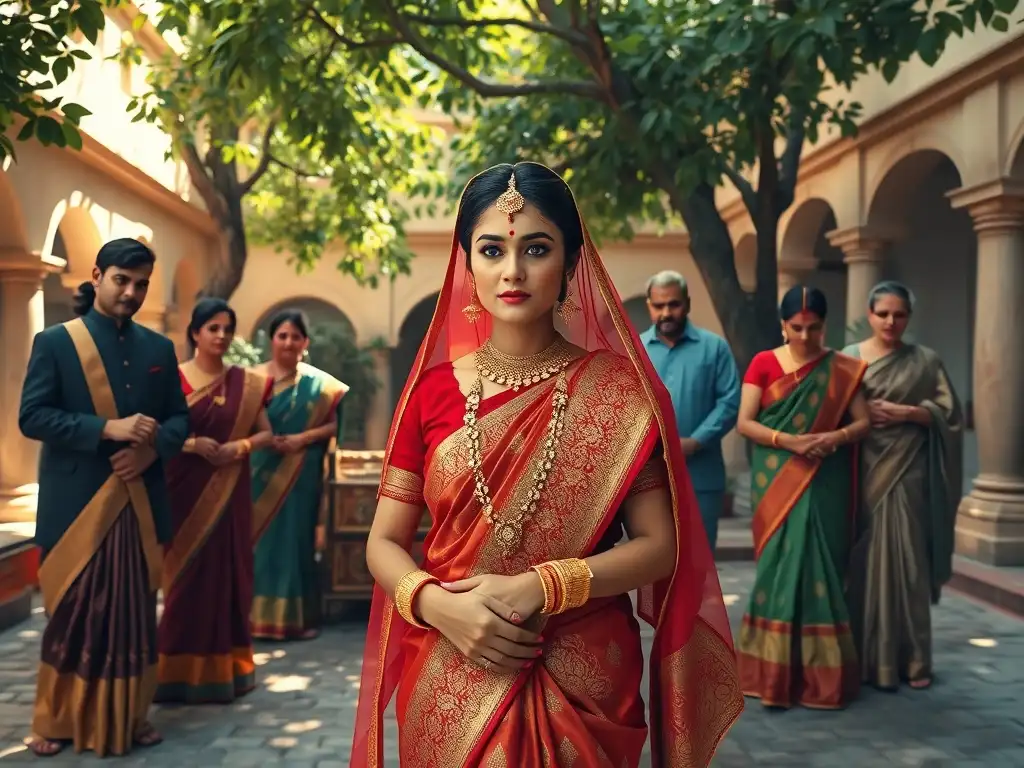
The decline of traditional dowry practices has been influenced by various socio-economic and cultural factors. As Indian society has evolved, there has been a growing recognition of the inequities and adverse effects associated with dowry, prompting both legal and social reforms aimed at curbing the practice.
In contemporary India, many communities are re-evaluating the significance of dowry, with shifts in attitudes reflecting broader changes in gender dynamics and economic independence. This transformation has been marked by a movement toward more egalitarian marriage practices, where the focus is placed on mutual respect and partnership rather than financial transactions.
Historical Events Leading to Changes in Dowry Customs
Several historical events have catalyzed changes in dowry customs in India. The rise of the women's rights movement in the late 19th and early 20th centuries brought attention to the injustices associated with dowry and led to increased advocacy for women's empowerment. Key figures and social reformers, such as Raja Ram Mohan Roy and Begum Roquiah Sakhawat Hossain, challenged the status quo, promoting education and legal rights for women, which indirectly influenced dowry practices.
Additionally, the socio-economic changes brought about by modernization and urbanization have contributed to the decline of traditional dowry customs. As more women entered the workforce and gained financial independence, families began to reconsider the necessity and implications of dowry, leading to a gradual shift in societal norms.
Legal Reforms and Their Impact on Dowry Transactions
Legal reforms have played a significant role in addressing dowry-related issues in India. The Dowry Prohibition Act of 1961 was a landmark legislation aimed at prohibiting the practice of dowry and penalizing those who demanded or accepted it. Over the years, various amendments and legal measures have been introduced to strengthen enforcement and protect women's rights.
These legal frameworks have had a profound impact on dowry transactions, leading to increased awareness about the legal repercussions of dowry demands. Despite ongoing challenges, such as the persistence of dowry-related violence and the societal reluctance to abandon the practice, legal reforms have provided a foundation for advocacy and change, empowering women to challenge oppressive structures.
Contemporary Perspectives on Dowry in Modern India
In contemporary India, perspectives on dowry are increasingly complex and varied. While some communities continue to uphold traditional dowry practices, there is a growing movement advocating for change. Many younger generations are rejecting the notion of dowry, favoring marriages based on love, mutual respect, and equality.
Moreover, educational initiatives and grassroots movements are raising awareness about the negative consequences of dowry, encouraging families to adopt more progressive views on marriage. As India navigates the challenges of modernization and globalization, the discourse surrounding dowry is likely to continue evolving, reflecting broader societal changes and the ongoing struggle for gender equality.
Conclusion: Reflecting on Historical Perspectives on Dowry
The practice of dowry has woven itself intricately into the fabric of marriage customs throughout history, particularly in ancient Indian societies. By examining these historical perspectives on dowry, we can gain insights into its multifaceted nature, which transcends mere financial transactions. Dowry was often seen as a means of securing social status, ensuring economic stability, and fostering familial alliances. This historical context underscores the complexity of dowry as both a social institution and a cultural norm.
As we reflect on the evolution of dowry practices, it becomes evident that they have undergone significant transformations over time. The motivations behind dowry have shifted, influenced by changes in social structures, economic conditions, and legal frameworks. Understanding these dynamics is crucial for navigating contemporary discussions surrounding dowry, as they highlight the enduring legacies and challenges that persist in modern society.
Summary of Key Historical Insights
- Ancient Beginnings: The origins of dowry can be traced back to ancient texts and practices in India, where it was often linked to the socio-economic status of families. It served as a form of wealth transfer and was considered a way to ensure a woman's financial security in marriage.
- Cultural Significance: Dowry evolved beyond a mere economic transaction; it became a symbol of familial pride and honor. In many communities, the size and nature of the dowry were reflections of a family's status, influencing marriage prospects.
- Legal Evolution: Over the centuries, various laws were enacted to regulate dowry practices, especially in response to the misuse and abuse associated with dowry-related violence. The Dowry Prohibition Act of 1961 marked a significant legislative attempt to curb these practices.
- Regional Variations: The practice of dowry is not uniform across India; it varies significantly by region, community, and caste, reflecting diverse cultural norms and historical influences. Some communities have maintained traditional practices, while others have adapted or rejected them in light of modern values.
- Contemporary Challenges: Despite legal prohibitions, dowry practices continue to persist in various forms, often leading to social issues such as domestic violence and gender inequality. Recognizing the historical roots of these challenges is essential for addressing them effectively.
The Legacy of Dowry Practices in Contemporary Society
In contemporary society, the legacy of dowry practices remains a contentious topic. While legal frameworks aim to eradicate coercive dowry demands, cultural attitudes and entrenched social norms often perpetuate these practices. As families still seek to enhance their status through dowry, the implications for women’s rights and gender equity are profound.
Moreover, the commodification of marriage continues to influence social dynamics, with dowries sometimes being viewed as a necessary prerequisite for securing a suitable match. This ongoing practice reflects the tension between tradition and modernity, as many individuals and families navigate their identities in a rapidly changing socio-economic landscape.
Efforts to address the challenges associated with dowry require a nuanced understanding of its historical context. Educational initiatives and community engagement are crucial in reshaping perceptions about marriage and dowry, promoting equality, and fostering a culture of respect for women’s rights.
References and Further Reading on Historical Perspectives on Dowry
Suggested Academic Texts and Articles
- "Dowry and the Status of Women in India" by A. K. Sharma – This work provides an in-depth analysis of the socio-economic implications of dowry practices and their effects on women's status in society.
- "Marriage and Dowry in Indian Society" by R. Gupta – This book explores the historical evolution of marriage customs and dowry, offering insights into regional differences and cultural significance.
- "The Dowry System in India: A Historical Perspective": by P. K. Jain – This article examines the origins and transformations of dowry practices through various historical periods, highlighting key legislative changes.
Links to Relevant Historical Studies and Research
- Research papers on the DBT (Dowry and Brideprice Transactions) can be found in various academic journals focusing on anthropology and sociology, providing nuanced perspectives on marriage transactions across different cultures.
- Various studies conducted by the National Commission for Women (NCW) offer insights into the ongoing issues related to dowry practices and their impact on women's rights and societal norms.
- Historical analyses published in journals like "Indian Journal of Gender Studies" and "Economic and Political Weekly" frequently discuss the implications of dowry from historical and contemporary viewpoints, making them valuable resources for further exploration.
- Introduction to Historical Perspectives on Dowry
- The Evolution of Dowry Practices in Ancient India
- Cultural Context of Dowry in Ancient Indian Society
- Social Hierarchies and Dowry Transactions
- The Role of Gender in Marriage Practices
- Economic Implications of Dowry in Ancient Times
- Regional Variations in Dowry Practices
- Dowry and Its Impact on Marriage Dynamics
- The Decline of Traditional Dowry Practices
- Conclusion: Reflecting on Historical Perspectives on Dowry
- References and Further Reading on Historical Perspectives on Dowry
Frequently Asked Questions
What is the significance of dowry in ancient Indian cultures?
The dowry system played a crucial role in marriage transactions, symbolizing the family's social status and ensuring financial security for the bride in ancient India.
How did the practice of dowry evolve over time?
Initially, dowries were meant to support the bride, but over time, they became a financial burden and often led to social issues, reflecting changes in societal attitudes towards marriage.
What were the legal implications of dowry in ancient India?
Various legal texts addressed dowry, often emphasizing its importance while also setting guidelines to prevent exploitation and ensure fair practices in marriages.
How did different civilizations in ancient India perceive dowry?
Different regions and civilizations had unique perspectives on dowry, often influenced by local customs, religions, and economic conditions, shaping its cultural significance over time.
What contributions did dowry make to ancient Indian society?
Dowry contributed to the economic stability of families and played a role in strengthening alliances between families, but it also highlighted social inequalities that persisted throughout history.
Final Reflection: Understanding the Legacy of Dowry in Modern Society
The historical perspectives on dowry reveal a complex tapestry of cultural significance and economic implications that resonate deeply in today's world. As we navigate the intricacies of marriage transactions, it becomes clear that the practice of dowry is not merely a relic of the past but a living tradition that continues to shape relationships and societal norms. The ongoing discussions surrounding dowry highlight the need for a critical examination of its role in contemporary marriage dynamics, underscoring the importance of understanding its historical roots.
Culturally and socially, the concept of dowry has evolved, influencing gender roles and economic structures across various societies. The implications of dowry extend beyond individual marriages, impacting entire communities and perpetuating cycles of inequality. As we reflect on this topic, we are reminded of the words of sociologist Veena Das: The dowry system is not just a transaction; it is a social contract that binds families and shapes identities.
This observation emphasizes how deeply entrenched the practice is in our social fabric, affecting perceptions of value and worth in relationships.
As we move forward, I invite you to reflect on the lessons gleaned from the historical perspectives on dowry and consider how they apply to your own life and relationships. What role do you believe tradition should play in modern partnerships? Embrace the opportunity to challenge outdated norms and advocate for a more equitable understanding of marriage that honors both partners equally. By engaging in this dialogue, we can contribute to a future where love and respect take precedence over transactional expectations, fostering healthier and more balanced relationships for generations to come.
Unveil the Rich Legacy of Dowry Traditions!
Thank you for exploring the fascinating nuances of dowry traditions with us! Your engagement allows you to appreciate the historical perspectives that have shaped relationships and social structures over time. Now, it's time to take the knowledge you've gained and put it into meaningful action.
- Dive deeper into the dowry practices of a specific culture by researching its unique stories and lessons.
- Share your insights within your community or on social media to spark conversations about the significance of dowry in today's world.
- Join a local history group or an online forum to connect with others who share your interest in cultural customs.
What aspect of dowry traditions surprised you the most, and how do you think these practices influence relationships in contemporary society?