
Investing Smart: The LongTerm Value of Indian Artifacts in Today's Economy

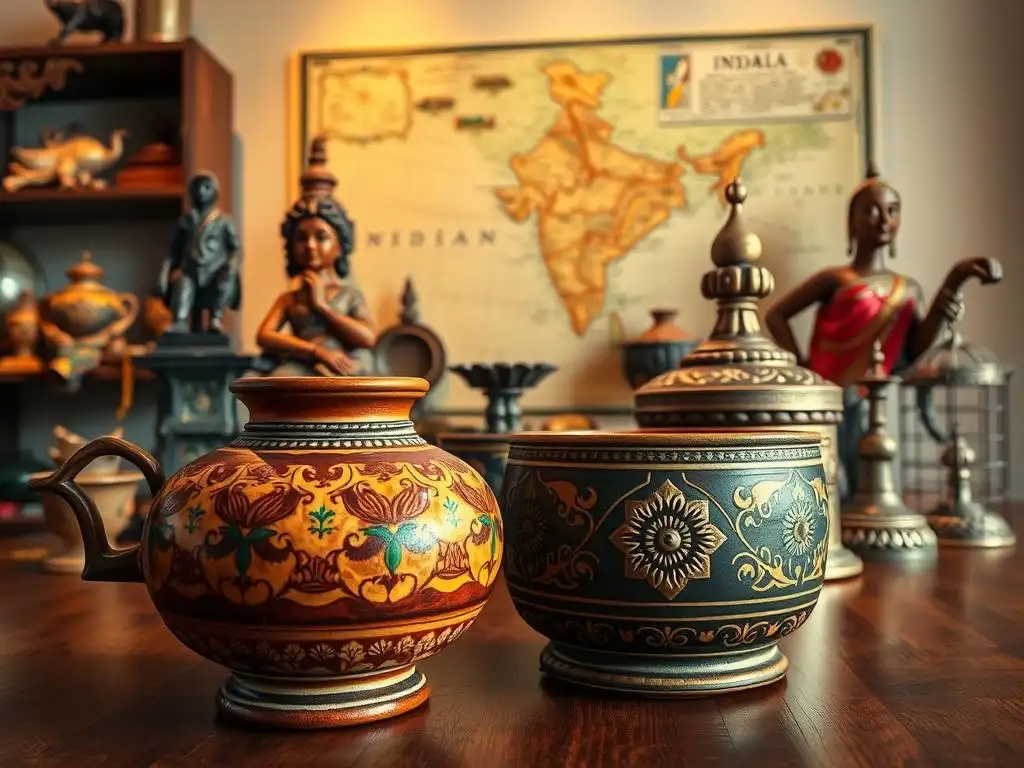
Welcome to Ancient India History, where we embark on an exhilarating journey through time, uncovering the rich tapestry of ancient Indian civilizations that have shaped our world today. In our latest article, “Investing Smart: The Long-Term Value of Indian Artifacts in Today's Economy,” we delve into the fascinating value of Indian artifacts investment—a topic that not only highlights the historical significance of these treasures but also reveals their potential in the modern marketplace.
Join us as we explore how these relics of the past can offer more than just cultural insights; they can also be a savvy addition to your investment portfolio. Discover the stories behind these artifacts and why they may hold the key to a prosperous future!
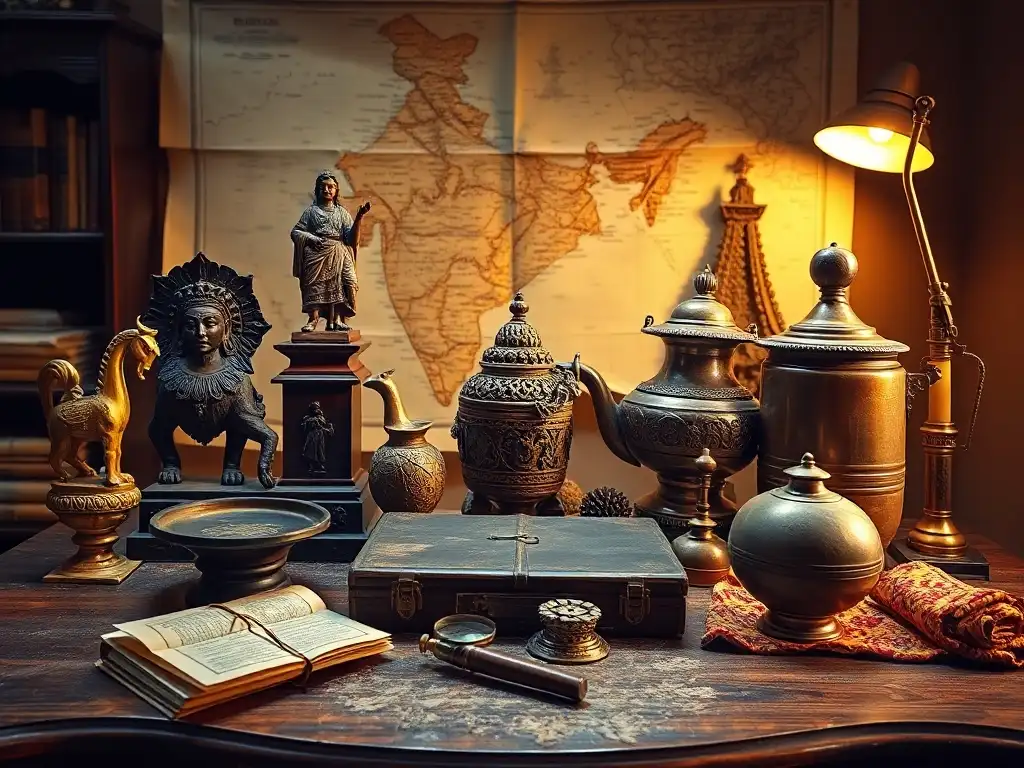
The investment landscape is evolving, and one area that is gaining traction among savvy investors is the market for Indian artifacts. These treasures, steeped in history and cultural significance, offer not only aesthetic appeal but also a potential for long-term value appreciation. As collectors and investors increasingly seek tangible assets that tell a story, the value of Indian artifacts investment emerges as a compelling option. This article delves into the multifaceted aspects of investing in Indian artifacts, exploring their historical significance, cultural heritage, and current economic trends, thus providing a comprehensive understanding of their value in today's economy.
Understanding the Value of Indian Artifacts Investment
Investing in Indian artifacts is not merely about acquiring objects; it encompasses understanding their intrinsic value derived from historical and cultural contexts. The value of Indian artifacts investment can be appreciated through various lenses, including their rarity, craftsmanship, and the narratives they embody. As we explore this topic, it's crucial to recognize the intersections of history, culture, and economics that shape the market for these artifacts.
The Historical Significance of Indian Artifacts
Indian artifacts, ranging from the ancient sculptures of the Indus Valley civilization to exquisite textiles from the Mughal era, are testimony to a rich cultural heritage. These artifacts serve as physical reminders of the social, political, and artistic achievements of their times. For instance:
- Indus Valley Civilization: Artifacts like seals and terracotta figurines provide insights into one of the world's earliest urban cultures.
- Maurya and Gupta Empires: The intricate artistry of coins and sculptures from these periods reflects advancements in art and trade.
- Mughal Era: Textiles and miniature paintings showcase a blend of indigenous and Persian influences, highlighting the era's cultural syncretism.
Each artifact is imbued with stories that not only enrich our understanding of history but also enhance their market value, making them sought-after pieces for collectors and investors alike.
Cultural Heritage and Its Impact on Value
Cultural heritage plays a pivotal role in determining the value of Indian artifacts. The emotional and aesthetic aspects tied to these pieces often lead to increased demand among collectors. Some key factors include:
- Cultural Significance: Artifacts that symbolize historical events or cultural practices tend to attract higher valuations.
- Provenance: The documented history of an artifact—where it has been and who has owned it—can greatly influence its market price.
- Artistic Merit: The skill and creativity involved in the creation of an artifact can elevate its status and desirability.
Investors must appreciate how these cultural elements interlink with market dynamics to make informed purchasing decisions.
The Economic Landscape of Indian Artifacts
As the global market for Indian artifacts continues to expand, understanding the economic landscape becomes essential for prospective investors. This section outlines current trends and factors influencing the investment value of these artifacts.
Current Market Trends for Indian Artifacts
Recent years have witnessed a surge in interest in Indian artifacts, driven by a growing appreciation for cultural heritage and investment in art. Key trends include:
- Rising Demand: Increased participation from both domestic and international collectors is pushing prices upward.
- Online Auctions: The digital marketplace has revolutionized access to Indian artifacts, enabling broader participation and competition.
- Sustainability: A shift towards sustainable and ethical investment practices has led collectors to prioritize artifacts with verifiable provenance.
These trends suggest a robust and growing market for Indian artifacts, making them a viable investment option.
Factors Influencing the Value of Indian Artifacts Investment
Several factors contribute to the fluctuating value of Indian artifacts in the investment market. Key influences include:
- Economic Conditions: General economic health can affect disposable income and investment priorities.
- Cultural Trends: Shifts in public interest towards preservation and appreciation of cultural artifacts can impact demand.
- Legislation: Changes in laws regarding the export and sale of artifacts can influence market accessibility and pricing.
Navigating these dynamics is crucial for investors looking to make informed decisions in the ever-evolving landscape of Indian artifacts investment.
The value of Indian artifacts investment presents a unique opportunity for those looking to diversify their portfolios. By understanding the historical significance, cultural impact, and economic factors at play, investors can strategically position themselves in this vibrant market.
Types of Indian Artifacts with High Investment Potential
Investing in Indian artifacts offers a unique opportunity to tap into the rich cultural heritage and artistic traditions that have flourished over millennia. Collectors and investors alike are increasingly recognizing the potential of various types of artifacts that not only serve as a connection to the past but also promise significant returns in the modern economy. Among these, ancient sculptures, handcrafted textiles, and pottery stand out as particularly valuable categories.
Ancient Sculptures: Timeless Masterpieces
Ancient Indian sculptures are revered for their intricate craftsmanship and spiritual significance. Often made from stone, bronze, or terracotta, these sculptures represent deities, historical figures, and mythical narratives, reflecting the artistic prowess of civilizations such as the Maurya, Gupta, and Chola dynasties.
- Investment Appeal: The demand for ancient sculptures has surged, especially for pieces from recognized periods or those attributed to notable artists. Auction houses and collectors are willing to pay premium prices for well-preserved artifacts with verifiable provenance.
- Market Trends: Recent auction results have shown that sculptures from the Gupta period can fetch prices ranging from tens of thousands to millions of dollars, depending on their condition and historical context.
Investors should prioritize acquiring sculptures that are not only aesthetically pleasing but also hold significant historical importance, ensuring they appreciate in value over time.
Handcrafted Textiles: A Blend of Tradition and Craftsmanship
Indian textiles are a testament to the country’s rich weaving traditions and cultural narratives. From the luxurious silks of Varanasi to the intricate embroidery of Kutch, handcrafted textiles have become highly sought-after investments.
- Cultural Heritage: Each piece often tells a story, linking the fabric to its geographical and cultural roots. This cultural significance adds layers of value that appeal to both collectors and investors.
- Sustainable Investment: With a growing global interest in sustainable and ethically sourced products, handcrafted textiles are increasingly viewed as valuable assets. Many investors appreciate the rarity and uniqueness of these textiles, which are often made using traditional techniques passed down through generations.
Investors should consider acquiring textiles that are not only visually stunning but also have a well-documented history of craftsmanship, as these factors contribute significantly to their investment potential.
Pottery and Ceramics: Unique Art Forms from Ancient India
The pottery and ceramics of ancient India offer a glimpse into the daily lives and artistic expressions of past civilizations. Ranging from utilitarian objects to ornate decorative pieces, Indian pottery showcases diverse styles influenced by regional traditions.
- Investment Considerations: Certain pieces, particularly those from the Indus Valley Civilization or notable dynasties, can be highly valuable. The rarity of specific styles, such as blue-and-white pottery or terracotta figurines, enhances their appeal in the market.
- Artistic Value: The artistic merit of these artifacts, often showcasing intricate designs and techniques, can drive up demand among collectors seeking unique pieces to enhance their collections.
For investors, the key lies in identifying pottery that not only represents a high artistic standard but also has historical significance, as these factors can lead to substantial appreciation in value.
How to Assess the Value of Indian Artifacts
Assessing the value of Indian artifacts requires a careful examination of various factors that contribute to their worth. Investors must be vigilant and informed to navigate the complexities of this niche market effectively.
Authenticity: Ensuring Genuine Investments
The authenticity of an artifact is paramount in determining its value. Counterfeit artifacts are a significant concern in the market, and investors must take steps to ensure that their purchases are genuine.
- Documentation: Provenance and documentation play a crucial role in verifying authenticity. Artifacts with a clear history of ownership or those supported by scholarly research are more likely to be genuine and valuable.
- Expert Consultation: Engaging with experts or reputable appraisers who specialize in Indian artifacts can provide insights into an artifact's authenticity. Certificates of authenticity from recognized institutions can also enhance an artifact's marketability.
Investors should prioritize acquiring artifacts that come with robust documentation to mitigate risks associated with authenticity.
Appraisal Methods for Indian Artifacts
Understanding the appraisal methods for Indian artifacts is essential for investors aiming to assess the market value of their collections accurately.
- Comparative Analysis: Appraisers often use comparative analysis, examining similar artifacts sold at auction to determine a piece's market value. This method considers factors like age, condition, and historical significance.
- Condition and Restoration: The condition of an artifact significantly impacts its value. Expert appraisals will take into account any restoration work that has been done, as well-preserved items are generally more desirable.
Investors should familiarize themselves with these appraisal methods and consider seeking multiple opinions to ensure a well-rounded understanding of an artifact's value before making an investment.
Strategies for Investing in Indian Artifacts
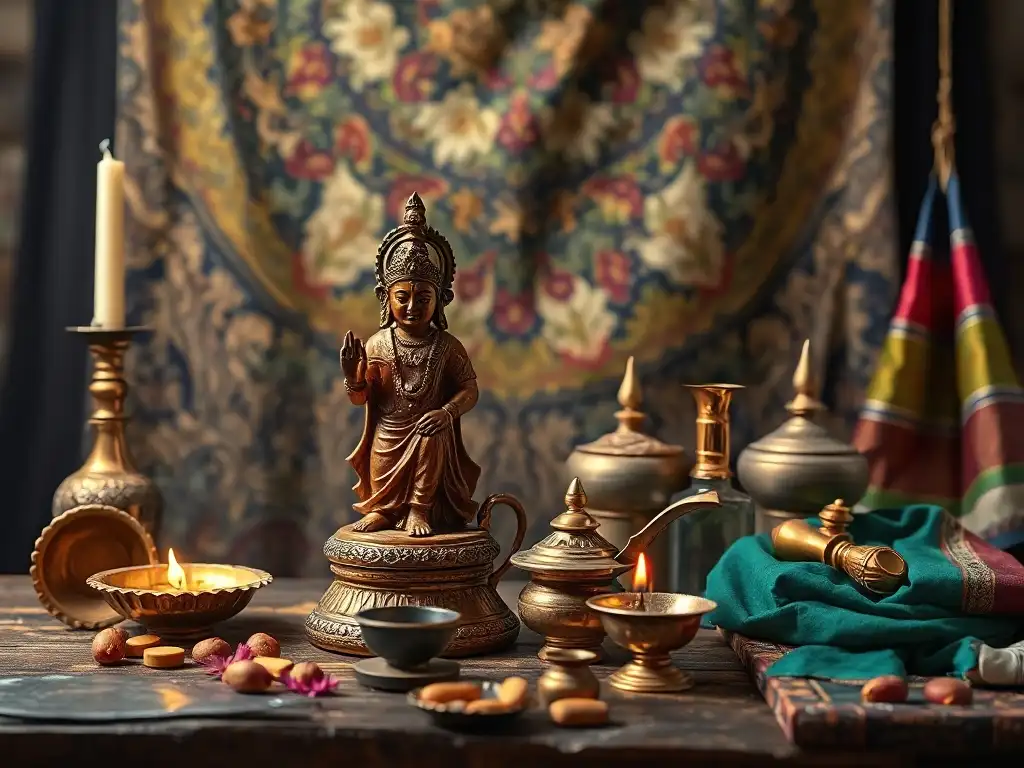
Investing in Indian artifacts is not only a passion for many collectors but also a strategic financial decision. To maximize returns, it is essential to develop effective strategies that consider market trends, authenticity, and cultural significance.
- Research and Education: Knowledge is power when investing in artifacts. Understanding the historical context, craftsmanship, and provenance of each piece can significantly enhance its value. Collectors should familiarize themselves with reputable sources, literature, and experts in the field.
- Networking with Experts: Establishing relationships with historians, curators, and other collectors can provide invaluable insights into market trends and the authenticity of pieces. Attending exhibitions and conferences can also help in expanding one's network.
- Authentication and Documentation: Investing in authenticated artifacts adds credibility and value to a collection. Collectors should always seek documentation that verifies the provenance and authenticity of each item, as this information can significantly influence resale value.
- Market Timing: Like any investment, timing can impact returns. Monitoring market trends, seasonal demand, and significant events related to Indian culture can guide collectors on when to buy or sell their artifacts.
- Diversification: Just like in other forms of investment, diversifying a collection can mitigate risks. Collectors should consider various types of artifacts, such as textiles, pottery, sculptures, and manuscripts, to spread their investment across different categories.
Building a Diverse Collection of Indian Artifacts
A diverse collection of Indian artifacts not only enriches the aesthetic appeal of a collection but also enhances its investment potential. Here are key considerations for building a well-rounded collection:
- Variety of Types: Focus on acquiring different types of artifacts, including textiles, jewelry, sculptures, and paintings. Each category has its market dynamics and potential for appreciation.
- Historical Eras: Include artifacts from various historical periods, such as the Indus Valley Civilization, Maurya and Gupta Empires, and regional styles. This approach offers a broader perspective on India’s rich cultural heritage and increases the collection’s overall value.
- Cultural Significance: Prioritize artifacts that hold cultural or religious significance. Items with connections to important historical figures, events, or traditions often appreciate more in value.
- Condition and Rarity: Seek artifacts in good condition, as they are generally more valuable. Additionally, rare items or those with unique features tend to attract collectors’ attention and command higher prices.
By considering these factors, collectors can develop a diverse and valuable collection that reflects the depth of Indian history and artistry.
Long-Term vs. Short-Term Investment Approaches
When investing in Indian artifacts, collectors often face the decision between long-term and short-term investment strategies. Each approach has its advantages and challenges:
- Long-Term Investment: This strategy focuses on holding artifacts for several years, allowing their value to appreciate over time. Collectors benefit from:
- Historical Appreciation: Over time, the historical significance and rarity can increase demand and value.
- Stable Returns: Long-term investments tend to be less volatile compared to short-term trading, providing a more stable return on investment.
- Personal Enjoyment: Collectors can enjoy their artifacts while they appreciate in value, creating a personal connection to their investment.
- Short-Term Investment: This approach involves buying artifacts with the intention of selling them quickly for a profit. Advantages include:
- Quick Returns: If market conditions are favorable, investors can capitalize on trends and realize profits quickly.
- Market Dynamics: Short-term investors can take advantage of seasonal demand and fluctuations in the market.
- Active Engagement: This strategy often requires active participation in auctions and sales, keeping investors engaged in the market.
Ultimately, the choice between long-term and short-term investment strategies depends on individual goals, risk tolerance, and market knowledge.
Recommended Platforms for Indian Artifacts Investment
As the market for Indian artifacts continues to grow, several platforms have emerged as reliable sources for purchasing and investing. These platforms cater to a variety of collectors, from casual buyers to serious investors.
Top Online Marketplaces for Purchasing Indian Artifacts
The digital age has transformed the way collectors acquire Indian artifacts. Here are some of the top online marketplaces:
- eBay: A popular platform for buying and selling a wide range of artifacts. It offers a vast selection, but buyers should be cautious and verify authenticity.
- Heritage Auctions: Specializes in high-end artifacts and offers auctions that attract serious collectors. The platform provides expert appraisals and detailed descriptions.
- Catawiki: An online auction platform that features unique artifacts from around the world, including Indian items. Catawiki’s experts curate auctions, ensuring quality.
- Artnet: Focused on fine art, but also includes significant Indian artifacts. Artnet provides market analysis and pricing information, making it valuable for investors.
- 1stdibs: A curated marketplace for high-end antiques and artifacts. It connects buyers with reputable dealers, ensuring authenticity and quality.
Each of these platforms provides unique features and access to different types of artifacts, allowing investors to find pieces that align with their collection goals.
Auctions and Galleries: Where to Find Valuable Indian Artifacts
Physical auctions and galleries remain essential venues for collectors seeking valuable Indian artifacts. Here are key points to consider:
- Reputable Auction Houses: Established auction houses like Sotheby’s and Christie’s frequently hold auctions featuring Indian artifacts. These events often attract high-profile collectors and can yield significant returns.
- Local Galleries and Exhibitions: Visiting local galleries and exhibitions can uncover hidden gems. Many galleries specialize in Indian art and artifacts, providing access to niche markets.
- Specialized Shows: Events like art fairs and antique shows often feature dedicated sections for Indian artifacts. Collectors can meet dealers, view items firsthand, and gain insights into market trends.
- Networking Opportunities: Auctions and gallery events provide opportunities to network with other collectors, dealers, and experts, which can enhance knowledge and investment strategies.
By exploring various avenues, collectors can discover valuable artifacts and expand their investment portfolio effectively.
Case Studies: Successful Investments in Indian Artifacts
Investing in Indian artifacts has proven to be not only a passion for many but also a lucrative opportunity. Numerous collectors and investors have successfully navigated the market, yielding significant returns on their investments.
One notable case involves a rare bronze statue of a dancing Shiva, dating back to the Chola dynasty. Purchased for approximately $50,000 at an auction, this artifact was later appraised at over $300,000 due to its historical significance and exquisite craftsmanship. This case highlights how deep knowledge of historical periods and cultural contexts can lead to substantial financial gains.
Another example can be seen in the sale of ancient pottery from the Indus Valley Civilization. An investor acquired a collection for about $20,000, which included several unique pieces. After a few years, with rising interest in ancient Indian civilizations, the collection was sold for nearly $150,000. Such cases not only affirm the potential for substantial returns but also underscore the growing appreciation for Indian artifacts in the global market.
High-Value Sales of Indian Artifacts in Recent Years
The market for Indian artifacts has seen remarkable high-value sales in recent years, reflecting the increasing demand among collectors and investors. In 2021, a rare Mughal miniature painting fetched over $1 million at a prominent auction house, setting a record for Indian art. This sale exemplifies the premium that collectors are willing to pay for pieces that are not only aesthetically pleasing but also rich in history.
Additionally, a collection of ancient Indian coins, particularly those from the Gupta Empire, has gained traction. One such collection sold for $250,000, demonstrating the growing interest in numismatics within the realm of Indian artifacts. The value of these artifacts is often driven by their rarity, historical context, and the narrative they carry.
Overall, the high-value sales of Indian artifacts indicate a vibrant market, where discerning investors can reap significant rewards.
Interviews with Collectors: Insights on the Value of Indian Artifacts Investment
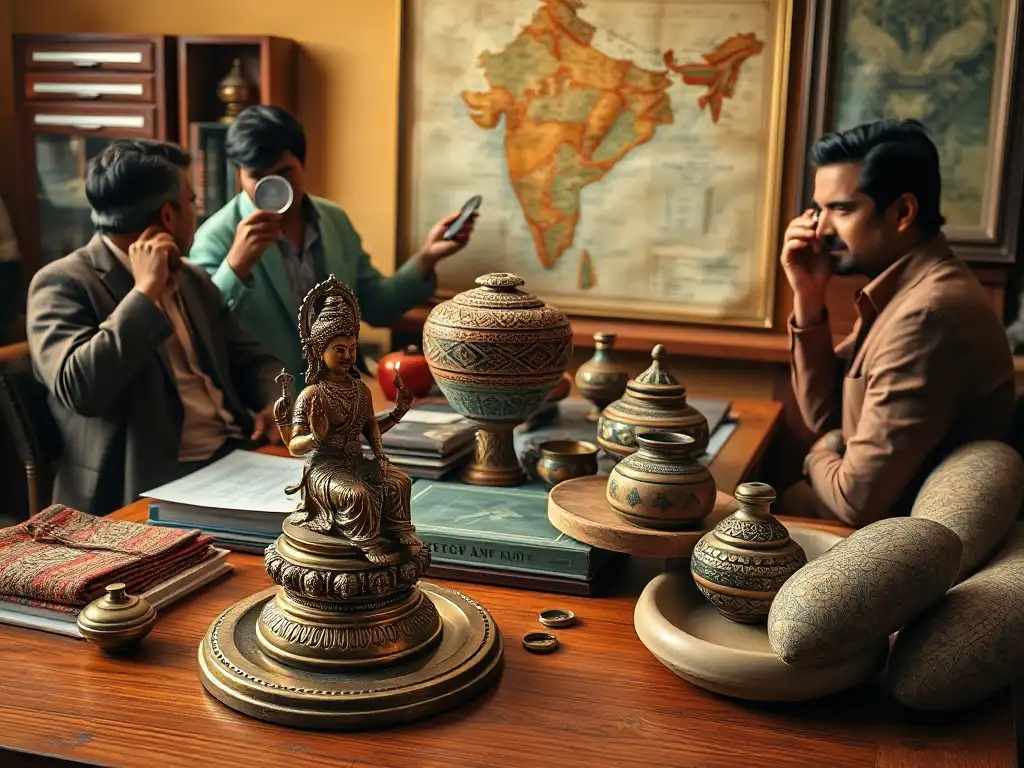
Engaging with collectors of Indian artifacts provides valuable insights into the motivations and strategies behind their investments. Many collectors emphasize that their passion for history and culture significantly influences their purchasing decisions. For instance, a prominent collector stated, "Investing in Indian artifacts is not just about financial gain; it's about preserving history and connecting with our heritage."
Another frequent theme in interviews with collectors is the importance of provenance. Many emphasize the need for thorough documentation and authenticity verification before making a purchase. A collector noted, "The value of an artifact greatly increases when you can trace its history back to its origins. It adds a layer of credibility and allure."
Furthermore, collectors often advise new investors to focus on building relationships with reputable dealers and auction houses. "Networking within the community is crucial," shared one seasoned collector. "The more you engage, the better opportunities you will find."
Common Misconceptions about Investing in Indian Artifacts
Despite the growing market for Indian artifacts, several misconceptions persist, which can deter potential investors. Understanding these myths is essential for making informed investment decisions.
Debunking Myths: Is Indian Artifacts Investment Just a Fad?
A common misconception is that investing in Indian artifacts is merely a passing trend. However, the sustained interest in ancient Indian history, art, and culture suggests otherwise. While certain styles may come in and out of fashion, the intrinsic value of well-preserved artifacts remains. Experts argue that the demand for Indian artifacts is rooted in a deep appreciation for their historical significance, which transcends fleeting trends.
Moreover, as global awareness of Indian culture continues to grow, so does the market for its artifacts. This indicates that investing in Indian artifacts is a long-term strategy rather than a short-lived fad.
Reality Check: The True Value of Indian Artifacts in Today’s Market
The true market value of Indian artifacts can be complex and multifaceted. Many potential investors mistakenly believe that artifacts from India are affordable, which is often not the case. The rarity, condition, and provenance of an artifact significantly influence its market price.
Additionally, the value of Indian artifacts is also affected by global economic factors. For instance, during economic downturns, luxury items, including artifacts, may see a temporary dip in demand. Conversely, during economic booms, the market tends to flourish as collectors seek to diversify their portfolios.
Understanding these dynamics is crucial for anyone looking to invest in Indian artifacts. With a keen eye for quality and historical significance, investors can uncover hidden gems that offer both cultural enrichment and financial returns.
Conclusion: The Future of Indian Artifacts Investment
The investment landscape is continually evolving, and Indian artifacts represent a unique niche with both cultural significance and economic potential. As global interest in heritage and antiquities grows, the future of investing in Indian artifacts appears promising. With their rich history and intricate craftsmanship, these artifacts continue to attract collectors, investors, and scholars alike. By recognizing the long-term value of Indian artifacts, investors can position themselves advantageously in a market that combines cultural appreciation with financial gain.
Why Investing in Indian Artifacts is Smart for the Future
Investing in Indian artifacts is not just a matter of passion for history; it also makes sound financial sense. Here are several reasons why this investment avenue is wise for the future:
- Cultural Significance: Indian artifacts, ranging from ancient sculptures to textiles, carry immense cultural heritage. As global interest in diverse cultures increases, the demand for authentic Indian artifacts is likely to rise.
- Scarcity and Rarity: Many artifacts are unique or in limited supply, which can drive up their value over time. As collectors seek rare pieces, well-preserved artifacts often appreciate significantly.
- Global Market Growth: The market for art and antiquities has seen robust growth globally. Investors are increasingly looking for tangible assets that provide diversification, and Indian artifacts fit this profile well.
- Increasing Awareness: There is a growing awareness of the importance of preserving cultural heritage. As more people recognize the value of Indian artifacts, both as collectibles and as investment opportunities, the market is expected to expand.
- Investment Returns: Historical data suggests that the art market can yield substantial returns on investment. Notable auction houses have reported high sales for Indian art, indicating a positive trend in artifact appreciation.
Final Thoughts on the Value of Indian Artifacts Investment
The value of Indian artifacts investment is multifaceted, combining cultural appreciation with financial viability. As the global economy continues to evolve, the allure of investing in artifacts that embody ancient histories and traditions will likely endure. For investors looking to diversify their portfolios and engage with tangible assets, Indian artifacts present a compelling opportunity.
By investing wisely in this field, individuals not only contribute to the preservation of India's rich cultural heritage but also stand to benefit from potential financial returns. As interest in antiquities grows, the value of Indian artifacts is poised to appreciate, making now an opportune time to explore this fascinating investment landscape.
- Understanding the Value of Indian Artifacts Investment
- The Economic Landscape of Indian Artifacts
- Types of Indian Artifacts with High Investment Potential
- How to Assess the Value of Indian Artifacts
- Strategies for Investing in Indian Artifacts
- Recommended Platforms for Indian Artifacts Investment
- Case Studies: Successful Investments in Indian Artifacts
- High-Value Sales of Indian Artifacts in Recent Years
- Interviews with Collectors: Insights on the Value of Indian Artifacts Investment
- Common Misconceptions about Investing in Indian Artifacts
- Conclusion: The Future of Indian Artifacts Investment
Frequently Asked Questions
What are Indian artifacts?
Indian artifacts are historically significant objects created by ancient Indian civilizations, reflecting their culture, art, and daily life.
Why is investing in Indian artifacts considered valuable?
Investing in Indian artifacts is considered valuable due to their historical significance, potential for appreciation in value, and their ability to provide a cultural connection to the past.
How can one authenticate Indian artifacts?
Authenticating Indian artifacts typically involves expert evaluation, provenance documentation, and scientific testing to ensure they are genuine and historically accurate.
What factors influence the value of Indian artifacts?
The value of Indian artifacts is influenced by their rarity, condition, historical significance, and market demand among collectors and investors.
How can investors get started with Indian artifacts?
Investors can start by researching reputable dealers, attending auctions, and understanding the market trends in Indian artifacts to make informed purchases.
Final Reflection: The Enduring Value of Indian Artifacts in a Changing Economy
The investment landscape is ever-evolving, yet the value of Indian artifacts investment remains a beacon of cultural significance and financial potential. As we navigate through economic uncertainties, the appreciation for these unique pieces of history not only enriches our lives but also serves as a testament to the resilience of our heritage. The intersection of art and finance reveals a profound truth: investing in Indian artifacts is not merely a transaction; it is a commitment to preserving stories that transcend generations.
_Culturally, the impact of Indian artifacts extends far beyond their monetary worth; they embody the spirit of a civilization that has thrived for millennia. _The ongoing fascination with these artifacts reflects our collective desire to connect with our roots and understand the narratives that shape our identities. As we witness a growing trend of collectors and investors recognizing the significance of these treasures, it becomes evident that the appreciation for Indian artifacts is not a fleeting moment but a lasting movement. Art is the most beautiful of all lies.
- Claude Debussy. This quote resonates deeply as it underscores the intrinsic value found in the stories and emotions that artifacts evoke, making them timeless investments.
As you reflect on the insights shared in this article, consider the role you can play in this vibrant tapestry of culture and investment. Embrace the opportunity to educate yourself about the rich history of Indian artifacts and explore how they can enhance your portfolio while also contributing to the preservation of cultural heritage.
Take a moment to envision how your choices today can create a ripple effect, fostering appreciation for art and history in the future. The journey of investing in Indian artifacts is not just about financial gain; it is about nurturing a legacy that will inspire generations to come.
Unveil the Power of Indian Art: Invest in Your Future Today!
Thank you for taking the time to explore the fascinating world of investing in Indian artifacts! By diving into this topic, you've gained valuable insights into how these cultural treasures can play a pivotal role in today's economy. Now, it’s time to put that knowledge into action.
Here are some steps to help you get started:
- Research and Identify: Begin your investment journey by identifying Indian artifacts that resonate with you and have the potential for value appreciation. Explore online galleries, auction houses, and exhibitions for inspiration.
- Join a Community: Connect with fellow art enthusiasts and collectors through forums or social media groups. Sharing experiences and insights can enhance your understanding and help you make informed decisions.
- Start Collecting: Consider making your first purchase of an artifact or art piece. Whether it’s at a local market or an online auction, every small step counts towards building your collection and investment portfolio.
Engaging with the world of Indian artifacts not only enriches your life but also supports the preservation of our cultural heritage.
What unique Indian artifact or art piece are you excited to explore or invest in next? We would love to hear your thoughts!