
Rituals and Rites of Passage: Marriage Ceremonies Through the Ages

Welcome to Ancient India History, where we embark on a fascinating journey through the rich tapestry of ancient Indian civilizations. In our featured article, "Rituals and Rites of Passage: Marriage Ceremonies Through the Ages," we delve into the intricate ancient Indian marriage rituals that have shaped societal norms and traditions over millennia. Discover how these ceremonies reflect the diverse cultures and profound beliefs of the time, and prepare to be captivated by the stories behind each rite. Join us as we unlock the secrets of the past and explore the enduring legacy of these time-honored practices!
- Introduction to Ancient Indian Marriage Rituals
- Historical Context of Marriage Ceremonies in Ancient India
- Key Elements of Ancient Indian Marriage Rituals
- Regional Variations of Marriage Rituals
- Rituals and Rites of Passage in Marriage Ceremonies
- Impact of Religion on Ancient Indian Marriage Rituals
- Modern Reflections of Ancient Indian Marriage Rituals
- Conclusion: The Legacy of Ancient Indian Marriage Rituals
- References and Further Reading on Ancient Indian Marriage Rituals
-
Frequently Asked Questions
- What are the main marriage rituals in ancient Indian culture?
- How did marriage ceremonies vary across different regions in ancient India?
- What role did sacred texts play in ancient Indian marriage rituals?
- How have ancient marriage practices influenced modern Indian weddings?
- What is the significance of rites of passage in ancient Indian marriages?
- Final Reflection: The Timelessness of Ancient Indian Marriage Rituals
- Embrace the Journey of Love and Tradition!
Introduction to Ancient Indian Marriage Rituals
The history of marriage in ancient India is a fascinating tapestry woven with threads of tradition, cultural diversity, and societal evolution. From the well-documented practices of the Indus Valley Civilization to the intricate ceremonies of the Gupta Empire, ancient Indian marriage rituals offer a profound insight into the values and beliefs of these civilizations.
These rituals not only signify the union of two individuals but also represent the merging of families, communities, and even social classes. As we embark on this exploration of ancient Indian marriage rituals, we will uncover the significance of these ceremonies and their enduring impact on contemporary practices.
Overview of Marriage in Ancient Indian Society
Marriage in ancient Indian society was not merely a personal affair; it was a significant social institution that served multiple purposes, including the continuation of family lineage, the establishment of alliances between families, and the maintenance of social order.
- Types of Marriages:
- Brahma Marriage: Involving the voluntary consent of both parties, this was considered the ideal form of marriage where the bride and groom are united through sacred rituals.
- Asura Marriage: This form included a bride price paid to the bride's family, often seen as less favorable than Brahma marriage.
- Gandharva Marriage: A form of love marriage, based on mutual attraction, that took place without formal ceremonies.
- Rakshasa Marriage: Reflecting a more aggressive approach, this type involved abduction of the bride.
- Cultural Variations: Different regions of ancient India exhibited unique marriage practices influenced by local traditions, beliefs, and customs, resulting in a rich diversity of rituals.
- Religious Significance: Many marriage ceremonies were steeped in religious rituals, invoking blessings from deities and ancestors, thus reinforcing the spiritual dimension of the marital union.
Importance of Rites of Passage in Culture
Rites of passage in ancient Indian culture, particularly marriage ceremonies, played a crucial role in marking significant transitions in an individual's life. These rites encapsulated not only the union of a couple but also the broader societal framework in which they existed.
- Cultural Identity: Marriage rituals served as a means of expressing cultural identity, with specific customs and practices unique to different communities and regions.
- Social Cohesion: These rites fostered social bonds, reinforcing ties between families and communities, and promoting a sense of belonging.
- Continuity of Traditions: By adhering to established marriage rituals, societies ensured the transmission of cultural values and practices across generations.
Ancient Indian marriage rituals are a vital part of the historical narrative of India, reflecting the complexities of social structures, cultural identities, and the human experience. As we delve deeper into the specifics of these rituals, we will uncover the intricate details that have shaped the landscape of marriage throughout the ages.
Historical Context of Marriage Ceremonies in Ancient India
Marriage ceremonies in ancient India have played a pivotal role in shaping social structures and cultural practices. These rituals are not just personal unions but are deeply embedded in the societal fabric, reflecting the values, beliefs, and traditions of various civilizations. The historical context of marriage in ancient India can be traced back to the Indus Valley Civilization, where the roots of marital customs began to take form.
The significance of marriage in ancient Indian society was often viewed through the lens of dharma (duty) and social order. Marriages were not solely based on romantic love; they served as strategic alliances that strengthened familial ties and social networks. The ancient texts, including the Vedas and Smritis, provide insights into the various marriage forms, rituals, and their underlying philosophies. Over time, these practices evolved, influenced by the socio-political changes and cultural interactions across different regions.
Evolution of Ancient Indian Marriage Rituals Through the Ages
The evolution of ancient Indian marriage rituals can be categorized into distinct phases, showcasing a rich tapestry of customs and traditions that varied significantly across regions and communities.
- Indus Valley Civilization: Early signs of marital practices can be traced back to this civilization, where evidence suggests the importance of family and social structures. While specific marriage rituals remain largely undocumented, archaeological findings indicate that marriage was a significant social institution.
- Vedic Period: This era saw the formalization of marriage rituals as outlined in the Vedic texts. The concept of 'saptapadi' (seven steps) emerged, symbolizing the couple's commitment to each other. Marriages were often marked by elaborate ceremonies, including the exchange of 'mangal sutra' (sacred thread) and the performance of various rites to invoke blessings.
- Maurya Empire: The Mauryan period introduced more diverse marriage practices, influenced by regional customs and the growing significance of caste systems. Marriages often involved elaborate festivities that incorporated local traditions, and the status of the families played a crucial role in determining marital alliances.
- Gupta Empire: The Gupta era witnessed a flourishing of cultural and artistic expressions, which extended to marriage ceremonies. This period emphasized the sanctity of marriage, with rituals becoming more intricate. The concept of 'kanyadaan' (giving away of the bride) became prominent, symbolizing the transition of the bride from her family to her husband's.
Influence of Major Civilizations on Marriage Practices
The influence of major civilizations on ancient Indian marriage practices is evident in the integration of diverse customs and traditions. Each civilization contributed uniquely to the evolution of marriage rituals, enriching the cultural heritage of India.
Indus Valley Civilization
The Indus Valley Civilization provides the earliest evidence of societal structures that likely included marriage systems. While specific rituals remain speculative due to limited textual evidence, artifacts suggest an emphasis on family and communal living. The significance of fertility and agricultural cycles may have influenced early marriage customs, focusing on alliances that ensured agricultural productivity and social stability.
Vedic Period
The Vedic Period marked a significant advancement in the codification of marriage rituals. The Rigveda and Atharvaveda contain verses that describe marriage as a sacred duty. Key rituals from this period include:
- Saptapadi: The couple takes seven steps together, each representing a vow.
- Grihapravesh: The bride enters her new home, marking her acceptance into her husband's family.
These practices laid the groundwork for the enduring customs in Hindu marriages, emphasizing the spiritual and social dimensions of the union.
Maurya Empire
During the Maurya Empire, marriage practices became more diversified, reflecting the complexities of society. The integration of various regional customs led to the emergence of different marriage forms, such as:
- Asura Marriage: Involving financial transactions.
- Gandharva Marriage: Based on romantic love.
This period highlighted the growing importance of status and wealth in marital alliances, often dictating the nature of the ceremonies and the rituals involved.
Gupta Empire
The Gupta Empire, often referred to as the "Golden Age" of India, saw the formalization of numerous cultural practices, including marriage. Rituals became increasingly elaborate, emphasizing religious and cultural significance. Key features of marriage during this era included:
- Kanyadaan: Symbolizing the father's blessing as he gives away his daughter.
- Agni Pariksha: A trial by fire, representing purity and commitment.
The Gupta period's influence is still evident in contemporary Hindu marriage rituals, showcasing the continuity and evolution of practices over centuries.
Ancient Indian marriage rituals have evolved significantly through various historical contexts, shaped by the influences of major civilizations. Each era contributed to the rich diversity of practices that continue to be celebrated in modern times, underscoring the importance of marriage in the socio-cultural landscape of India.
Key Elements of Ancient Indian Marriage Rituals
Ancient Indian marriage rituals are steeped in tradition and symbolism, reflecting the diverse cultural practices across various regions and communities. These ceremonies were not merely social contracts; they encompassed a deep spiritual significance, intertwining the lives of the couple with their families and the broader community. Understanding the key elements of these rituals can provide insights into the values and beliefs that shaped ancient Indian society.
Types of Marriage in Ancient India
In ancient India, marriage was not a one-size-fits-all institution. Different types of marriages existed, each with its own customs and significance. These various forms were determined by social norms, family lineage, and the prevailing cultural context.
Brahma, Daiva, Arsha, and Other Forms
- Brahma Marriage: Considered the most auspicious and ideal form of marriage, Brahma marriage involved the groom seeking the bride's hand with the consent of her family. This type emphasized love and mutual respect, typically leading to lifelong partnerships. The rituals included a formal engagement and elaborate ceremonies.
- Daiva Marriage: In this form, the bride was offered to a priest or deity as a part of a religious ritual. This practice reflected the belief that marriage could serve a sacred purpose beyond personal union, often associated with ensuring prosperity and divine favor.
- Arsha Marriage: This type involved the groom giving a symbolic price (often a cow and a bull) to the bride's family. It was considered a more traditional form of union, highlighting the importance of cattle in agrarian societies. Arsha marriages were often arranged and focused on familial alliances.
- Gandharva Marriage: Representing a love marriage, Gandharva marriages occurred when individuals fell in love and decided to marry without familial consent. This type emphasized personal choice and romantic love, contrasting with the more traditional forms.
- Asura Marriage: This form involved the groom purchasing the bride through a significant bride price, often leading to a perception of a less honorable union. It was frowned upon in many circles, as it was viewed as commodifying the bride.
- Other Forms: Other types like Kshatriya (warrior class) and Prajapatya (where the couple jointly performs rituals) also existed, showcasing the variety in marriage practices based on social status and cultural beliefs.
Symbolism and Significance of Marriage Rites
The rites and rituals performed during ancient Indian marriages were rich in symbolism, each element conveying deeper meanings related to life, duty, and spirituality. These ceremonies were designed to invoke blessings and ensure harmony in the couple's life together.
Importance of Fire (Agni) in Marriage Ceremonies
One of the most significant symbols in ancient Indian marriage rituals is fire, or Agni. It is revered as a witness to the marriage and symbolizes purity, energy, and transformation. During the Saptapadi, or seven steps ritual, the couple circles the sacred fire seven times, each round representing a vow or commitment made to each other.
Key Roles of Agni:
- Witness: Agni is considered a divine witness to the vows exchanged, making the marriage sacred.
- Purification: The flames are believed to purify the couple and their families, removing any negative energies.
- Life Force: Fire represents life itself, linking the couple to the cycles of nature and the universe.
Role of Ritual Offerings and Prayers
Ritual offerings and prayers are integral to ancient Indian marriage ceremonies. These acts serve to honor deities and ancestors, seeking their blessings for a prosperous and harmonious married life.
Common Elements:
- Homa (Fire Sacrifice): The couple often performs a Homa, where offerings are made into the sacred fire, invoking blessings from various deities.
- Puja (Worship): Various forms of Puja are conducted to honor family gods and seek their protection and guidance.
- Prayers for Fertility and Prosperity: Specific prayers are recited to ensure fertility, health, and prosperity for the family, underscoring the family's role in sustaining the lineage.
Ancient Indian marriage rituals encompassed a rich tapestry of practices, beliefs, and symbols, reflecting the values of the society from which they emerged. These rituals not only served as a means of uniting individuals but also as a means of connecting families, communities, and generations through shared cultural heritage.
Regional Variations of Marriage Rituals
The diversity of ancient Indian marriage rituals is a reflection of the rich tapestry of cultures across various regions. Each area has its unique customs, traditions, and practices that have evolved over centuries, influenced by local beliefs, languages, and social structures. This section explores the distinct marriage rituals practiced in North India, South India, and the eastern and western regions of the subcontinent.
North Indian Marriage Customs
In North India, marriage rituals are characterized by elaborate ceremonies and vibrant celebrations. The customs often vary significantly between different communities, but some common elements include:
- Pre-Wedding Rituals:
- Roka Ceremony: This initial engagement ritual marks the formal agreement between the families. It signifies the acceptance of the alliance and involves the exchange of gifts.
- Mehendi Ceremony: In this pre-wedding celebration, intricate henna designs are applied to the bride's hands and feet, symbolizing joy and auspiciousness.
- Sangeet: A musical evening where family and friends gather to sing and dance, celebrating the impending union.
- Wedding Day Rituals:
- Baraat: The groom's procession to the bride's home is a grand affair, featuring music, dancing, and sometimes even decorated elephants or horses.
- Kanyadaan: A significant ritual where the bride's father gives her away to the groom, symbolizing the transfer of responsibility.
- Saptapadi: The couple takes seven vows while circling the sacred fire, representing their commitment to each other.
South Indian Marriage Traditions
South Indian marriages are renowned for their simplicity and spiritual significance, often steeped in religious customs. Key elements include:
- Pre-Wedding Rituals:
- Nischayathartham: The engagement ceremony, which involves the exchange of gifts and the announcement of the wedding date.
- Pellikuthuru: A ritual where the bride is adorned with turmeric paste to purify and beautify her before the wedding.
- Wedding Day Rituals:
- Kashi Yatra: A playful ritual where the groom pretends to leave for Kashi (a holy city), only to be stopped by the bride’s father, symbolizing the importance of family and marital duties.
- Mangalya Dharanam: The tying of the sacred thread (mangal sutra) around the bride's neck by the groom, signifying their marital bond.
- Saptapadi: Similar to North Indian customs, the couple takes seven steps together, with each step representing a promise to each other.
East and West Indian Marriage Practices
Both East and West India showcase their unique marriage practices reflective of their cultural heritage:
- East Indian Practices:
- Bengali Weddings: Known for their vibrant traditions, the ceremony often includes the Aiburobha (a pre-wedding ritual) and the Bidaai (farewell ceremony), where the bride departs from her parental home.
- Saptapadi: Like in other regions, the couple takes seven vows around the sacred fire.
- West Indian Traditions:
- Gujaratis: Marriages are celebrated with a series of rituals, including the Kankotri (invitation ceremony) and the Varghodo (groom’s procession).
- Maharashtrian Weddings: These rituals often feature a Sankalp (commitment) where the couple seeks blessings from the elders, and the Paani Grahan (taking of hands), symbolizing their union.
The regional variations of ancient Indian marriage rituals highlight the diversity and richness of cultural practices across the subcontinent. Each tradition carries deep symbolic meanings and reflects the values of the communities involved, contributing to the vibrant mosaic of ancient Indian society.
Common Themes and Unique Practices Across Regions
Marriage rituals in ancient India are a fascinating tapestry woven from shared cultural threads and unique regional practices. Across the subcontinent, certain common themes emerge, reflecting the underlying values of society, while distinct customs highlight the diversity of local traditions.
Common Themes
- Sacred Union: At the heart of ancient Indian marriage rituals lies the concept of the sacred union between two individuals. Marriage is often viewed as a divine covenant, symbolizing not only the joining of two families but also the fusion of two souls. This sanctity is emphasized through religious rites and blessings from deities, making the ceremony a significant spiritual event.
- Ritual Offerings: Across various regions, marriage ceremonies commonly include offerings to gods and ancestors. These offerings, such as flowers, grains, and sweets, symbolize gratitude and seek blessings for the couple's future. The act of giving reflects respect for familial heritage and acknowledges the role of the divine in marital harmony.
- Role of Community: Marriage in ancient India was not just a personal affair but a community celebration. Family, friends, and often the entire village would actively participate in the festivities. This collective involvement reinforces social bonds and highlights the communal nature of marriage, where the couple is integrated into a broader social fabric.
- Ceremonial Significance: Many rituals are imbued with symbolic meaning. For instance, the tying of the mangalsutra (sacred thread) is a common practice across regions, signifying the husband's protection and the wife's fidelity. Such symbols serve to reinforce the couple's commitment and the societal expectations surrounding marriage.
Unique Practices
- North India: In regions like Punjab, the vibrant and elaborate wedding ceremonies are characterized by the Baraat (groom's procession) and the Saat Phere (seven circles around the sacred fire). The joyous atmosphere is marked by traditional music and dance, with specific rituals such as the Kanyadaan, where the bride's father gives her away.
- South India: Southern states like Tamil Nadu and Kerala showcase unique practices such as the Mangalsutra tying, which is an intricate ceremony involving the groom tying a sacred thread around the bride's neck. The Kashi Yatra, where the groom pretends to leave for Kashi to renounce worldly life, adds a dramatic flair to the Weddings here.
- Eastern India: In Bengal, the Bengali wedding is a colorful affair where the bride is adorned with Shakha and Pola (red and white bangles) symbolizing marriage. The Saat Paak ritual, where the bride is carried around the groom seven times, is unique to this region and signifies her acceptance into his family.
- Western India: In Gujarat, the Garba dance is a pre-wedding celebration that brings together family and friends, creating a lively atmosphere. The Kanyadaan and Saptapadi (seven steps taken together) rituals are also prominent, emphasizing the couple's commitment to each other.
Conclusion
The marriage rituals in ancient India reflect a blend of common themes and regional uniqueness, showcasing the rich diversity of cultural practices. While the sacred union and communal participation remain central to all ceremonies, each region adds its own flavor, contributing to the vibrant mosaic of ancient Indian marriage customs. Understanding these variations not only enriches our appreciation of ancient Indian society but also highlights the enduring legacy of these practices in contemporary culture.
Rituals and Rites of Passage in Marriage Ceremonies
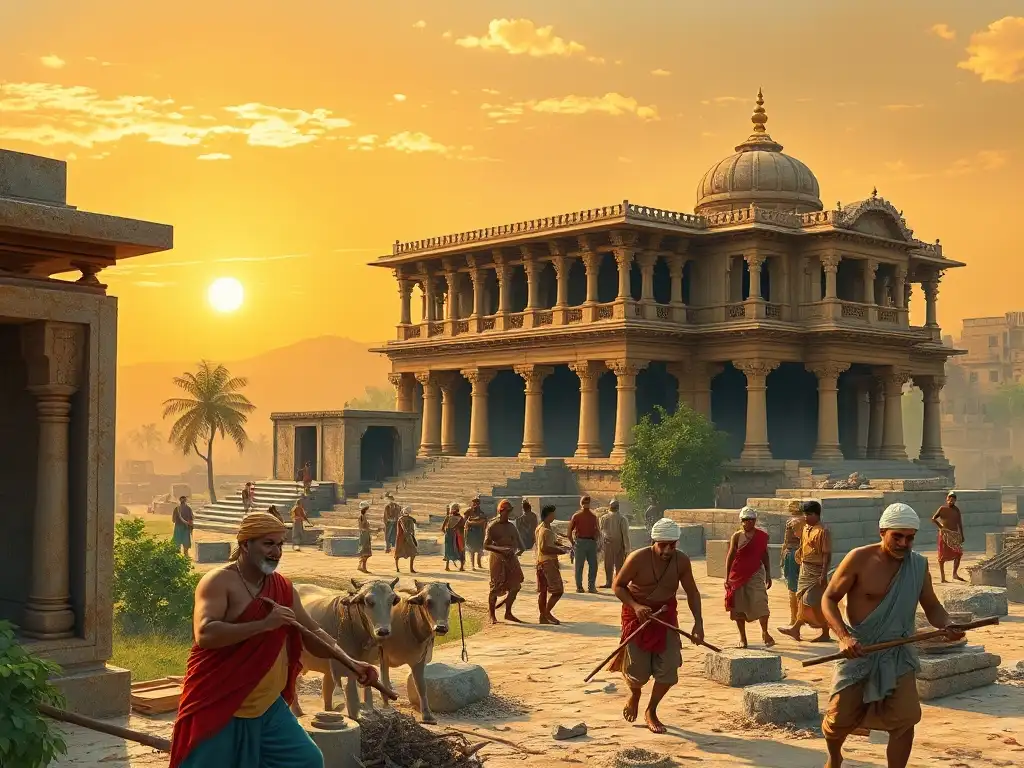
Pre-Wedding Rituals
Marriage in ancient India was not just a union of two individuals; it was a complex tapestry woven with rituals and customs that highlighted the social, cultural, and religious beliefs of the time. The pre-wedding rituals set the tone for the wedding celebration, emphasizing the importance of family and community involvement.
Engagement and Pre-nuptial Customs
The engagement ceremony, known as Sagai or Mangni, was a significant event in ancient Indian marriage rituals. This ritual marked the formal announcement of the forthcoming marriage and involved the exchange of gifts between the families of the bride and groom. It was often accompanied by a small gathering of relatives and friends, where blessings were sought for the couple’s future happiness.
During this time, various pujas (prayers) were conducted to invoke divine blessings. The families would also discuss dowry and other arrangements, which were crucial elements of the marriage contract. This stage was not just about the couple but symbolized the joining of two families.
Haldi and Mehendi Ceremonies
The Haldi ceremony involves applying a paste made from turmeric, which is believed to purify and bless the couple before marriage. This vibrant ritual is steeped in tradition, where family members gather to apply the paste while singing folk songs. Turmeric, known for its auspicious properties, is significant in Ancient Indian marriage rituals as it signifies prosperity and fertility.
Following the Haldi ceremony, the Mehendi ritual takes place. Here, elaborate designs of henna are applied to the bride's hands and feet, symbolizing joy, beauty, and spiritual awakening. The darker the color of the mehendi, the stronger the love between the couple is believed to be. This ceremony often includes the participation of female relatives and friends, fostering a sense of community and celebration.
Wedding Day Rituals
The wedding day is a culmination of various rituals and ceremonies that reflect the rich cultural heritage of ancient Indian societies. Each ritual holds its own significance and is imbued with symbolism that connects the couple to their families, traditions, and ancestors.
Saptapadi and Its Significance
One of the most crucial rituals performed during the wedding ceremony is the Saptapadi, or the seven steps. This ritual involves the couple taking seven steps together, each step symbolizing a specific vow they make to each other. The vows encompass aspects like mutual respect, love, fidelity, and support, representing the foundation of their married life.
Each step taken during the Saptapadi is accompanied by a prayer, reinforcing the spiritual dimension of their union. This practice highlights the importance of companionship and commitment in ancient Indian marriage rituals, emphasizing that marriage is a partnership that requires collaboration and dedication.
Kanyadaan and Other Key Ceremonies
Kanyadaan is another pivotal ritual, where the father of the bride gives away his daughter to the groom, symbolizing the transfer of parental responsibility. This act is often filled with deep emotional significance, underscoring the bond between father and daughter. The father’s gesture is seen as a blessing for the couple's new journey.
Other key ceremonies may include the Agni Parikrama, where the couple circles the sacred fire, and the Sindoor and Mangal Sutra rituals, where the groom applies vermillion on the bride's forehead and ties a sacred thread around her neck, respectively. These rituals not only signify the couple's commitment to each other but also their bond with the divine, marking their transition into a new phase of life.
Through these rituals and rites of passage, ancient Indian marriage ceremonies reflect a rich cultural legacy, weaving together elements of spirituality, family values, and societal norms that continue to influence contemporary practices. The profound meanings behind each ritual illuminate the significance of marriage as a vital institution in ancient Indian society.
Post-Wedding Rituals
Post-wedding rituals in ancient Indian marriage ceremonies are significant as they mark the official transition of the bride into her new home and family. These rituals not only symbolize the beginning of a new life for the couple but also reinforce familial ties and cultural traditions. One of the most important post-wedding rituals is the Griha Pravesh, which literally translates to "entering the house." This ceremony is deeply rooted in Hindu culture and is performed with great reverence.
During the Griha Pravesh, the bride is welcomed into her husband's home with various auspicious rituals designed to ensure prosperity and happiness in the new household. The ceremony typically involves the bride entering the house with her right foot first, which is believed to bring good luck. She may also carry a pot filled with rice or other grains, signifying abundance. Upon entry, she may draw a kolam (a decorative floor design made from rice flour) at the entrance, symbolizing the creation of a new, sacred space.
The rituals post-marriage also involve the couple seeking blessings from elders and performing pujas (ritual prayers) to invoke divine blessings for their union. These rituals vary across different regions and communities, showcasing the rich diversity of ancient Indian marriage customs.
Griha Pravesh and Its Cultural Importance
The Griha Pravesh ritual holds profound cultural significance in ancient Indian society. It is not merely an act of entering a new home but is laden with symbolic meanings that reflect the values and beliefs of the community.
- Spiritual Cleansing: The ritual is often preceded by purification rites to cleanse the home and the couple from any negative energies. This aspect emphasizes the importance of spiritual health and harmony within the household.
- Establishing New Roles: The Griha Pravesh serves to formally establish the bride’s new role as a householder and caretaker of the family. It symbolizes her commitment to her new family and her responsibilities within it.
- Cultural Transmission: This ritual is a means of transmitting cultural values and traditions from one generation to another. It is often accompanied by teachings from the elders about the responsibilities of marriage and the importance of family unity.
- Community Bonding: The ceremony often becomes a community affair, with relatives and neighbors participating in the celebrations. This fosters a sense of belonging and community support, which is crucial for the couple as they start their married life.
- Auspicious Beginnings: The various rituals performed during the Griha Pravesh are believed to set the tone for the couple's married life, making it auspicious and filled with joy and prosperity.
The Griha Pravesh is a vital post-wedding ritual that encapsulates the essence of ancient Indian marriage ceremonies. It reflects a blend of spiritual, cultural, and social elements that underline the significance of marriage in ancient Indian society.
Impact of Religion on Ancient Indian Marriage Rituals
Hindu Wedding Customs and Their Significance
Hindu marriage rituals are deeply rooted in religious beliefs and cultural practices, reflecting the rich tapestry of ancient Indian society. At the core of Hindu weddings is the concept of samskaras, or sacred rites, which are believed to purify and sanctify individuals. Among these, marriage is considered one of the most important samskaras, marking the transition from singlehood to a familial role.
The saptapadi, or the seven steps, is a central ritual in Hindu weddings. During this ceremony, the bride and groom take seven steps together, each representing a vow that they make to one another. These vows encompass various aspects of life, including companionship, strength, and fidelity. The significance of these steps lies in their representation of the couple’s commitment to support each other through life's challenges.
Another essential element is the kanyadaan, where the father of the bride gives her away to the groom. This act symbolizes the transfer of responsibility and care from the father to the husband, reinforcing the importance of family ties and the sanctity of marital union.
Key Hindu Wedding Rituals Table
| Ritual | Description | Significance |
|---|---|---|
| Saptapadi | Seven steps taken by the couple | Symbolizes mutual vows and commitment |
| Kanyadaan | Giving away of the bride by her father | Represents the transfer of responsibility |
| Mangal Phera | Circling the sacred fire (Agni) | Invokes divine presence and blessings |
| Aashirvad | Elder family members bless the couple | Ensures support and blessings from family |
Influence of Buddhism and Jainism on Marriage Practices
The spread of Buddhism and Jainism in ancient India introduced new dimensions to marriage customs. While Buddhism generally places less emphasis on rituals compared to Hinduism, it still recognizes marriage as a significant social contract. Within Buddhist communities, marriage ceremonies often include the chanting of suttas and blessings from monks, emphasizing spiritual harmony and mutual respect.
Jain marriage practices, on the other hand, are characterized by their strict adherence to non-violence (ahimsa) and ethical living. Jains often conduct marriage rituals in accordance with their religious texts, emphasizing the importance of spiritual compatibility. The saat phere (seven circles) ritual is common in Jain weddings, similar to Hindu practices, but with additional focus on the vows of non-violence and truthfulness.
Key Features of Buddhist and Jain Marriage Practices
- Buddhist Weddings:
- Often emphasize simplicity and spiritual grounding.
- Include blessings from monks and community members.
- Jain Weddings:
- Strict adherence to non-violence and ethical principles.
- Rituals include the saat phere, focusing on moral values.
Interfaith Marriages in Ancient India
Interfaith marriages in ancient India reflect the complexities of social dynamics and cultural exchanges. Despite the predominance of specific religious customs, historical records indicate that interfaith unions did occur, often facilitated by political alliances or cultural exchanges. These marriages were sometimes accepted, especially among the elite, as they fostered diplomatic ties and strengthened communal bonds.
However, such unions often faced societal challenges, including resistance from family members and community leaders who adhered strictly to traditional norms. The acceptance of these marriages largely depended on the social standing of the families involved and their willingness to adapt or merge their respective customs.
Notable Examples of Interfaith Marriages
- Royal Alliances: Several royal families engaged in interfaith marriages to secure political alliances, demonstrating flexibility in cultural practices for the sake of unity.
- Literary References: Ancient texts sometimes mention characters from different faiths marrying, showcasing a narrative acceptance of diversity.
Ancient Indian marriage rituals were significantly influenced by religious beliefs, with Hindu customs forming the foundation while Buddhism and Jainism added layers of spiritual and ethical dimensions. Interfaith marriages, though complex, highlight the interplay between tradition and adaptability in ancient Indian society.
Modern Reflections of Ancient Indian Marriage Rituals
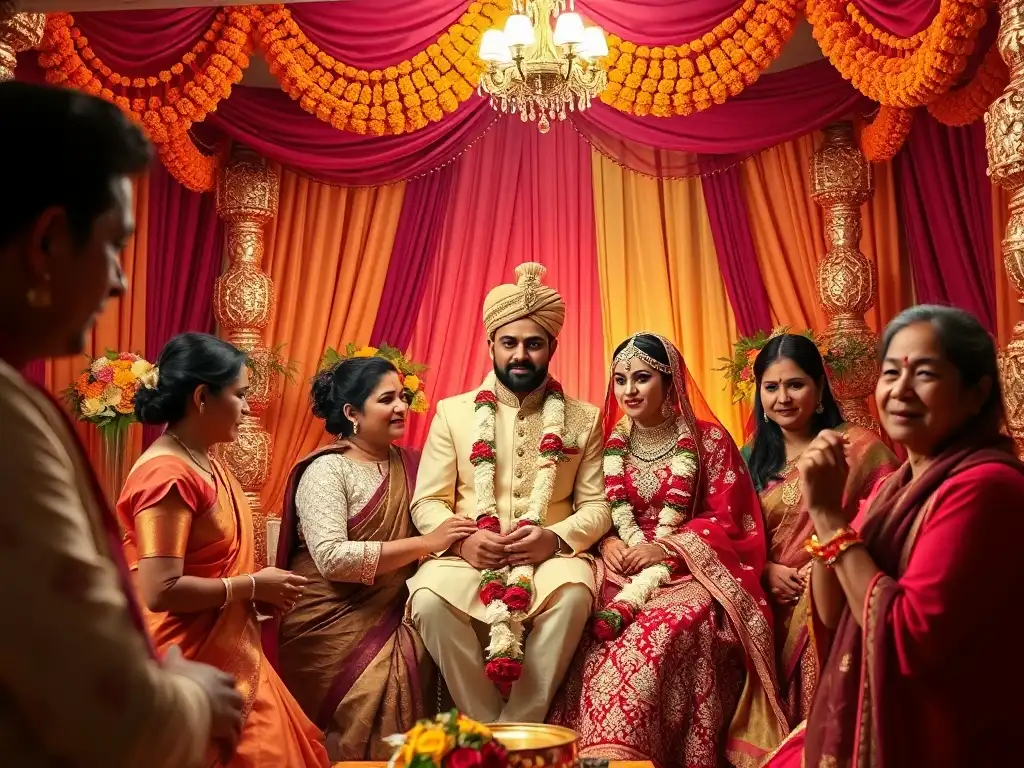
The rich tapestry of ancient Indian marriage rituals continues to influence contemporary wedding practices across the country. While modern weddings often incorporate new elements and trends, the essence of traditional ceremonies remains deeply rooted in the customs and beliefs that have evolved over centuries. This section examines how ancient Indian marriage rituals still resonate in today's society, reflecting both continuity and change.
Continuity and Change in Contemporary Marriage Practices
Contemporary marriage practices in India, while increasingly influenced by globalization and modernity, still embody many elements of ancient Indian marriage rituals. Here are some key aspects to consider:
- Ceremonial Elements: Core rituals such as the saat phere (seven circumambulations around the sacred fire) and kanyadaan (giving away of the bride) continue to hold significant importance. These practices symbolize the union of the couple and the blessing of the families involved.
- Cultural Adaptations: Different regions in India have adapted these rituals to reflect local customs. For instance, the mangal sutra (sacred thread) may vary in design and significance across various communities, yet it remains a vital symbol of marital fidelity.
- Ritualistic Innovations: Modern couples are increasingly personalizing their weddings by incorporating new traditions or altering existing ones. For example, some may choose to integrate eco-friendly practices, such as using biodegradable decorations, while still adhering to traditional rituals.
- Technology and Weddings: The use of technology has also transformed marriage ceremonies. Live streaming of weddings, digital invitations, and social media announcements have become prevalent, allowing extended families to participate even from afar. This evolution illustrates how ancient practices can coexist with modern innovations.
Overall, while the essence of ancient Indian marriage rituals persists, the way they are expressed and celebrated has adapted to fit contemporary society's evolving values and expectations.
Reviving Ancient Traditions in Modern Weddings
In recent years, there has been a notable resurgence of interest in reviving ancient traditions within modern weddings. This revival not only honors the rich heritage of ancient Indian marriage rituals but also provides couples with a deeper connection to their cultural roots. Here are some prominent trends:
- Thematic Weddings: Many couples are opting for themed weddings that reflect ancient Indian aesthetics. This includes using traditional attire, intricate jewelry, and age-old decorations like torans (door hangings) and rangoli (colorful floor designs), which echo the artistry of ancient times.
- Focus on Rituals: Couples are increasingly prioritizing the spiritual aspects of their ceremonies. Engaging priests who specialize in ancient rites and incorporating less common rituals—such as griha pravesh (home entering ceremony) and mangalya dharanam (tying of the sacred thread)—are becoming popular choices.
- Cultural Workshops: Some couples are participating in workshops that educate them about ancient marriage customs and rituals. This allows them to understand the significance behind each practice and integrate these elements meaningfully into their ceremonies.
- Community Involvement: Reviving ancient traditions often means involving family and community members in the wedding preparations. This collective participation reflects ancient practices where community support played a crucial role in marriage ceremonies.
The revival of ancient traditions in modern weddings serves as a bridge between past and present, allowing individuals to celebrate their heritage while embracing contemporary practices. This blending of old and new not only enriches the wedding experience but also strengthens the cultural identity of the couple and their families.
Conclusion: The Legacy of Ancient Indian Marriage Rituals
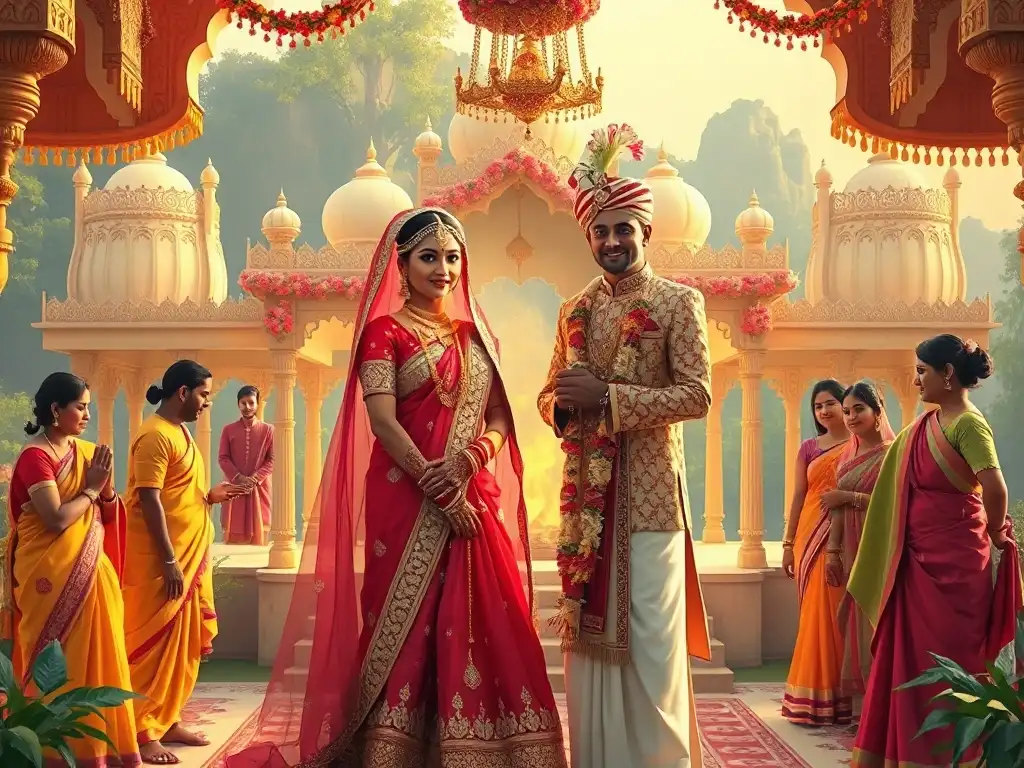
The legacy of ancient Indian marriage rituals is a profound reflection of the diverse cultural tapestry that has shaped India through the ages. These rituals, steeped in tradition and symbolism, have not only defined individual unions but have also contributed significantly to the social fabric of Indian society. Ancient Indian marriage rituals encapsulate a wide range of practices, customs, and beliefs that have evolved over millennia, yet their essence continues to resonate in contemporary marriage ceremonies across the nation.
Lasting Impact on Indian Society and Culture
The impact of ancient Indian marriage rituals extends beyond personal unions, influencing various aspects of societal structure, cultural identity, and communal harmony. Key elements of these rituals include:
- Social Structure: Ancient marriage rituals often reflected and reinforced the prevailing social hierarchies and caste systems, providing a framework for alliances between families and clans. The practice of arranged marriages, which has its roots in these ancient customs, remains prevalent today, highlighting the importance of family in the marriage process.
- Cultural Identity: Different regions of India have their unique marriage customs, which serve to preserve and promote local traditions. For example, the elaborate rituals of Punjabi weddings contrast sharply with the simplicity of South Indian ceremonies, showcasing the rich diversity inherent within the country. This regional variation fosters a sense of cultural pride and identity among communities.
- Religious Significance: Ancient Indian marriage rituals are often imbued with religious significance, drawing on texts such as the Vedas and the Dharmashastras. Rituals like Saptapadi (the seven vows taken by the couple) symbolize not just the union of two individuals, but also their commitment to uphold dharma (moral order) in their lives together. Such spiritual dimensions continue to play a crucial role in modern marriages.
- Community Bonds: Marriage ceremonies traditionally involve the participation of extended families and communities, reinforcing social bonds and collective identity. The communal aspect of these rituals fosters relationships among families and creates a network of support that is vital in Indian society.
The Importance of Preserving Historical Marriage Practices
Preserving ancient Indian marriage rituals is essential for several reasons:
- Cultural Heritage: These rituals are a vital part of India's cultural heritage, providing insight into the values, beliefs, and social norms of ancient civilizations. By maintaining these practices, future generations can connect with their roots, fostering a sense of belonging and continuity.
- Educational Value: Understanding ancient marriage rituals offers invaluable lessons in sociology, anthropology, and history. It helps scholars and enthusiasts alike comprehend the evolution of societal norms and the interplay between tradition and modernity.
- Social Cohesion: In a rapidly changing world, the preservation of historical marriage practices can serve as a unifying force. They remind individuals of their shared heritage and values, promoting social cohesion amidst diversity.
- Inspiration for Modern Practices: Elements of ancient rituals can inspire contemporary marriage practices, blending tradition with modern sensibilities. Couples today often seek to incorporate meaningful rituals from their ancestry, thus keeping the spirit of these ancient customs alive.
Ancient Indian marriage rituals not only encapsulate a rich historical narrative but also continue to shape the lives of countless individuals today. By understanding and preserving these practices, we ensure that the legacy of our ancestors lives on, enriching our present and guiding our future.
References and Further Reading on Ancient Indian Marriage Rituals
Recommended Books and Articles
-
"Marriage in Ancient India" by R. C. Dutt
This book provides an in-depth analysis of marriage customs from the Vedic period to the Gupta Empire. Dutt explores various marriage rituals, highlighting their significance and evolution.
-
"The Hindu Marriage: A Historical Perspective" by A. Sharma
A comprehensive exploration of the Hindu marriage system, this work discusses the religious, social, and cultural aspects of marriage in ancient India, offering valuable insights into rituals and rites of passage.
-
"Rituals of Marriage in Ancient India" by N. S. Bhattacharya
This article delves into specific rituals associated with marriage ceremonies in ancient Indian culture, detailing the symbolism and meanings behind various practices.
-
"Women in Ancient India: Their Role in Society and Family" by S. G. Rao
Rao's work discusses the position of women in ancient Indian society, particularly focusing on their roles within marriage and family structures. This book sheds light on how marriage rituals were intertwined with gender roles.
Online Resources for Exploring Ancient Indian Marriage Customs
-
Digital South Asia Library
A vast resource that provides access to historical texts, manuscripts, and images related to ancient Indian culture and society. Researchers can find valuable primary sources concerning marriage rituals.
-
Indira Gandhi National Centre for the Arts (IGNCA)
This online platform offers a wealth of information on Indian art, culture, and traditions, including detailed studies on marriage customs in ancient India.
-
The British Library: Indian Marriage Customs
The British Library's online collection features a range of documents and articles on Indian marriage customs. This resource is particularly useful for understanding the historical context of various rituals.
-
Academia.edu
A platform where scholars share research papers, including studies on ancient Indian marriage rituals. Users can search for specific topics related to marriage customs to access a variety of academic works.
-
YouTube: Documentaries on Ancient Indian Culture
Various documentaries available on YouTube explore the marriage rituals of ancient India. These visual resources can complement written texts and provide a deeper understanding of the cultural practices.
By utilizing these resources, readers can gain a comprehensive understanding of ancient Indian marriage rituals, their historical significance, and their role within the broader context of Indian society.
Frequently Asked Questions
What are the main marriage rituals in ancient Indian culture?
Ancient Indian marriage rituals were rich in symbolism and tradition, often involving ceremonies such as Saptapadi (seven steps) and Kanyadaan (giving away the bride), which emphasized the sacred bond between the couple.
How did marriage ceremonies vary across different regions in ancient India?
The marriage ceremonies in ancient India varied significantly by region, influenced by local customs, languages, and cultures, leading to diverse practices like Brahmin, Kshatriya, and Vaishya marriage rituals.
What role did sacred texts play in ancient Indian marriage rituals?
Sacred texts, such as the Vedas and Smritis, provided guidelines for marriage rituals, outlining the spiritual significance and the proper conduct for both the bride and groom, ensuring adherence to dharma (duty).
How have ancient marriage practices influenced modern Indian weddings?
Many modern Indian weddings still reflect ancient marriage practices, incorporating traditional rites, attire, and customs, showcasing the enduring legacy of these rituals in contemporary celebrations.
What is the significance of rites of passage in ancient Indian marriages?
Rites of passage in ancient Indian marriages were crucial for marking the transition from singlehood to married life, reinforcing community ties and ensuring the couple's acceptance within the social structure.
Final Reflection: The Timelessness of Ancient Indian Marriage Rituals
The exploration of ancient Indian marriage rituals reveals a profound connection between tradition and modernity. In a world that often prioritizes individualism, the enduring significance of these rituals serves as a reminder of our shared cultural heritage and the values that bind us together. As we navigate the complexities of contemporary relationships, the wisdom embedded in these age-old practices offers a guiding light, illuminating the path toward deeper connections and meaningful commitments.
The influence of these marriage ceremonies extends beyond mere tradition; they shape our cultural identity and social fabric. From the vibrant colors of the wedding attire to the sacred vows exchanged, each element of the ritual carries a story that resonates with generations. As we witness the evolution of marriage practices, it becomes clear that these rituals are not just relics of the past but living traditions that continue to inspire and unite us. Tradition is not the worship of ashes, but the preservation of fire.
– Gustav Mahler. This quote encapsulates the essence of how ancient rituals can ignite passion and purpose in our modern lives.
As you reflect on the significance of marriage rituals in your own life, consider how these practices can enrich your relationships and foster a sense of community. Embrace the lessons of the past and allow them to inform your present and future. Whether you are planning a wedding, celebrating a milestone, or simply cherishing your connections, let the wisdom of ancient Indian marriage rituals inspire you to create meaningful moments that honor both tradition and personal expression.
Embrace the Journey of Love and Tradition!
Thank you for taking the time to explore the fascinating world of marriage ceremonies throughout history! We hope you found inspiration in the rich tapestry of rituals that celebrate love and commitment. Now, it's time to dive deeper and connect more with these timeless traditions.
Here are some exciting ways you can continue your journey:
- Discover a traditional ceremony: Research and experience a local marriage ceremony that incorporates ancient practices. Take notes on how it resonates with the customs we've discussed.
- Share your thoughts: Engage with friends and family by sharing your favorite historical ritual or rite of passage you learned about. Spark a conversation about how different cultures celebrate love today.
- Join a community: Connect with online forums or local groups focused on cultural history. Ask questions and share your discoveries about marriage rituals across various cultures.
What unique traditions or modern adaptations have you encountered in marriage ceremonies that you believe deserve recognition?