
The Mahabharata: An Epic That Shaped Indian Psychology

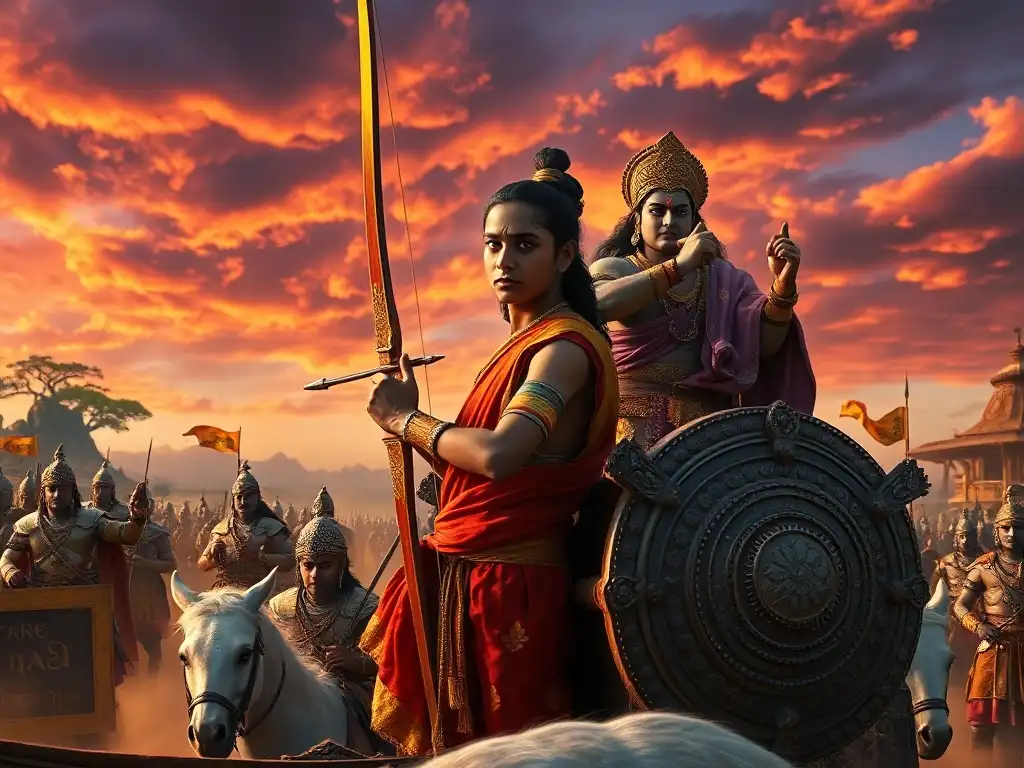
Welcome to Ancient India History, where we embark on a journey through the rich tapestry of India's past, unraveling the incredible stories that shaped its diverse culture and civilization. In this exploration, we delve into the profound impact of the Mahabharata on Indian culture, an epic that transcends time and continues to influence the psyche of millions.
Prepare to be captivated as we uncover the layers of wisdom embedded within this monumental text and discover how it has molded the very fabric of Indian thought and society. Join us as we turn the pages of history and delve deeper into the legacy of this timeless epic!
Introduction to the Mahabharata
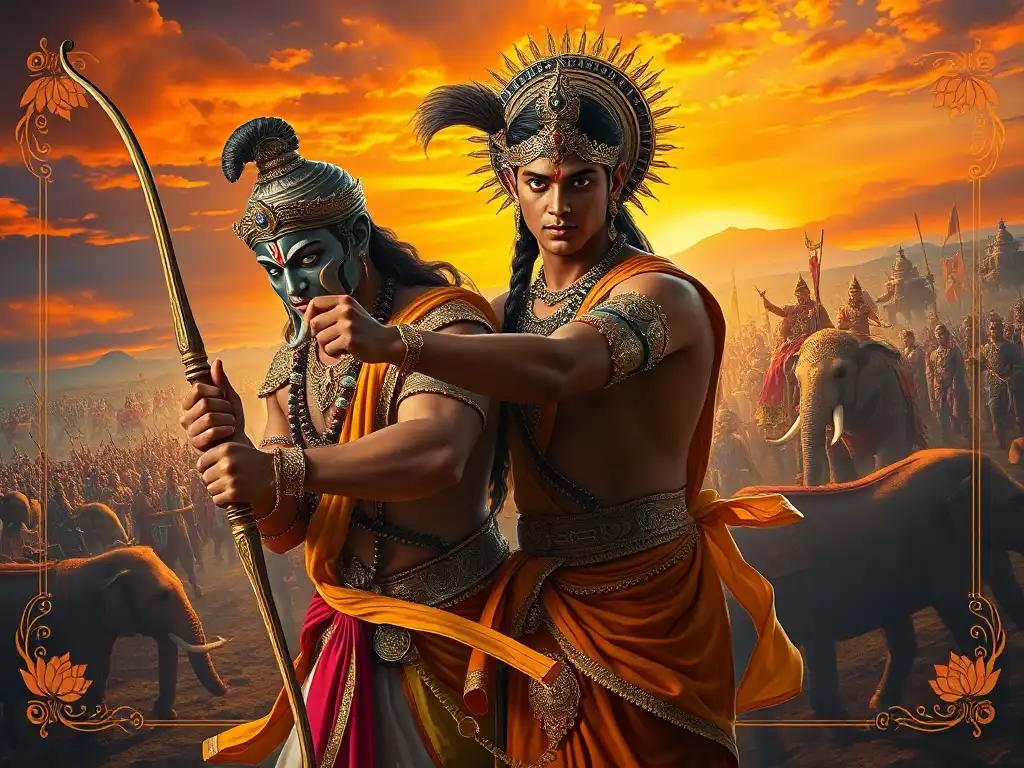
The Mahabharata is not merely an epic poem; it is an intricate tapestry of narratives that encapsulate the spiritual, ethical, and philosophical dimensions of ancient Indian civilization. Composed over centuries, this monumental text weaves together tales of heroism, morality, and the profound struggle between dharma (righteousness) and adharma (unrighteousness). Its narratives extend beyond the battlefield of Kurukshetra, delving deep into the psyche of characters that reflect the complexities of human nature.
This article will explore the impact of the Mahabharata on Indian culture, examining how its teachings and stories have permeated various aspects of life in India, shaping the very essence of the society that emerged from its profound influence.
Overview of the Mahabharata
The Mahabharata, attributed to the sage Vyasa, is one of the longest epics in the world, comprising over 100,000 shlokas (verses) and divided into 18 parvas (books). It chronicles the dynastic struggle between the Pandavas and Kauravas, culminating in the great battle of Kurukshetra. Not only does it narrate the events of this conflict, but it also encompasses a wealth of stories, philosophical discourses, and moral lessons that continue to resonate in contemporary Indian thought.
At its core, the Mahabharata explores fundamental questions about duty, justice, and the human condition, posing dilemmas that are as relevant today as they were in ancient times. Themes such as the complexity of relationships, the nature of power, and the quest for truth invite readers to reflect on their own lives and societal norms.
Significance in Indian Epic Literature
The Mahabharata holds a paramount position in Indian epic literature, often regarded as a complementary counterpart to the Ramayana. While the Ramayana focuses on the ideals of virtue and fidelity through the lens of Lord Rama's life, the Mahabharata presents a more nuanced portrayal of morality, highlighting the grey areas of ethical decision-making.
Its intricate storytelling, character development, and philosophical depth have set a benchmark for literary excellence in Indian culture. As a result, it has inspired a myriad of adaptations and retellings across various mediums, from classical dance to modern cinema, thereby ensuring its continued relevance in the cultural landscape of India.
The Role of Mahabharata in Indian Culture
The Mahabharata's influence extends far beyond literature; it serves as a foundational text for understanding Indian culture and societal values. Its characters and their dilemmas are often invoked in discussions of morality, governance, and personal conduct. The epic encapsulates the essence of Indian ethos, where the interplay of duty, loyalty, and ethical conflict is explored in depth.
Moreover, the Mahabharata has played a crucial role in shaping the spiritual and ethical frameworks within which Indian society operates. Its teachings on justice, sacrifice, and the transient nature of life resonate deeply with the collective consciousness of the Indian populace, influencing everything from family dynamics to political ideologies.
The Impact of Mahabharata on Indian Culture
The impact of the Mahabharata on Indian culture is multifaceted, affecting various domains such as philosophy, ethics, and the arts. Its narratives and teachings have left an indelible mark on the Indian psyche, fostering a rich tradition of inquiry and reflection.
Influence on Indian Philosophy and Thought
The Mahabharata is a treasure trove of philosophical discourse, particularly evident in the Bhagavad Gita, a section of the epic where Lord Krishna imparts wisdom to the warrior Arjuna. This dialogue addresses profound questions of duty, righteousness, and the nature of reality, establishing a philosophical framework that has influenced Indian thought for centuries.
The themes explored in the Mahabharata have inspired numerous philosophical schools and thinkers, contributing to the development of concepts such as karma, dharma, and moksha. The epic encourages critical reflection on moral choices, urging individuals to navigate the complexities of life with wisdom and discernment.
Reflection of Ethical Dilemmas in Indian Society
One of the most significant contributions of the Mahabharata is its exploration of ethical dilemmas that resonate within Indian society. The characters in the epic face moral quandaries that mirror real-life conflicts, prompting readers to engage with questions of justice, loyalty, and the consequences of choice.
For instance, the quandary faced by Arjuna on the battlefield—whether to fight against his own kin—serves as a powerful metaphor for the ethical conflicts individuals encounter in their lives. This portrayal fosters a deeper understanding of the human condition, encouraging a culture of empathy and introspection.
Contributions to Indian Arts and Literature
The Mahabharata has profoundly influenced various forms of art and literature across India. From classical dance forms like Bharatanatyam and Kathak to modern theatrical productions, the narratives of the Mahabharata have been adapted and reinterpreted in diverse ways, enriching India's cultural heritage.
In literature, the epic has inspired countless authors and poets, leading to a vibrant tradition of retellings and reinterpretations. Works such as Mahabharata by C. Rajagopalachari and The Palace of Illusions by Chitra Banerjee Divakaruni exemplify how the Mahabharata continues to inspire contemporary storytelling, bridging the past with the present.
The Mahabharata's impact on Indian culture is profound and enduring, shaping the philosophical, ethical, and artistic landscape of the nation. Its teachings remain a guiding force, reflecting the complexities of human experience and the eternal struggle between right and wrong.
Key Themes of the Mahabharata
The Mahabharata is not simply a tale of war and rivalry; it is a profound exploration of human nature and societal values. Several key themes emerge throughout this epic, shaping the psyche and cultural fabric of India. Among these themes, Dharma, the nature of conflict, and the interplay of fate and free will stand out as pivotal to understanding its impact on Indian culture.
- Dharma: This concept of duty and righteousness is central to the Mahabharata. The text illustrates how characters navigate their responsibilities amidst complex moral dilemmas, emphasizing that adherence to Dharma can lead to harmony, while its neglect results in chaos.
- Conflict and Resolution: The epic exemplifies the inevitability of conflict in human life and the various paths to resolution. The modes of addressing disputes, whether through dialogue, war, or divine intervention, are depicted vividly, reflecting the multifaceted nature of human relationships.
- Fate and Free Will: The tension between destiny and personal choice is a recurring motif. Characters often grapple with their predetermined roles while seeking to assert their agency, a duality that resonates deeply within the Indian consciousness.
Dharma: The Concept of Duty and Righteousness
Dharma, or the moral law that governs individual conduct, is arguably the most critical theme in the Mahabharata. It encompasses the duties owed to oneself, family, society, and the universe. The epic presents Dharma as a complex and often conflicting set of obligations that characters must navigate.
- Complexity of Dharma: The narrative showcases dilemmas faced by characters, such as Arjuna's initial reluctance to fight against his kin. This internal conflict highlights the often ambiguous nature of what is considered 'right' and the struggles individuals face in adhering to their Dharma.
- Consequences of Adherence and Neglect: The Mahabharata illustrates that following one's Dharma leads to righteousness and societal order, while ignoring it can result in personal and collective ruin, as seen in the devastating consequences of the Kurukshetra War.
The Nature of Conflict and Resolution
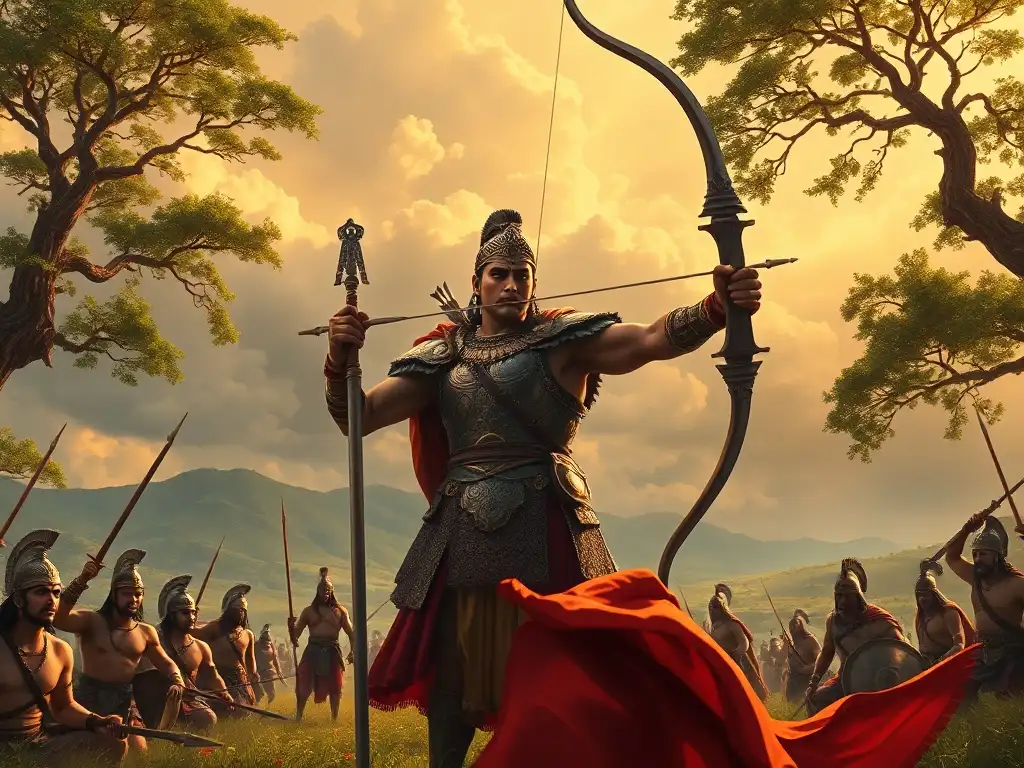
Conflict is an inherent part of the Mahabharata, reflecting the struggles that define human existence. The epic portrays various forms of conflict—be it familial, ethical, or political—and explores the means of resolution.
- Types of Conflict: The Mahabharata delves into interpersonal conflicts, such as the rivalry between the Pandavas and Kauravas, and larger societal conflicts that question the very foundations of justice and morality.
- Methods of Resolution: Characters employ diverse strategies to resolve conflicts, including negotiation, warfare, and divine guidance. The outcomes serve as lessons on the complexities of human relationships and the importance of wisdom and compassion in resolving disputes.
The Role of Fate and Free Will in Human Life
The interplay between fate and free will is a significant philosophical inquiry within the Mahabharata. This theme invites readers to reflect on the extent of human agency against the backdrop of destiny.
- Fate: The epic presents a deterministic view where certain events are preordained. Characters like Dhritarashtra and Gandhari face the consequences of their fateful choices, illustrating how destiny can shape lives.
- Free Will: Despite the overarching influence of fate, characters are portrayed as having the capacity to make choices that can alter their destinies. This duality emphasizes the importance of personal responsibility and moral decision-making in shaping one's life.
Characters that Define Indian Psychology
The characters in the Mahabharata are not just individuals in a story; they embody various aspects of human psychology and cultural values that resonate with Indian society. Their struggles, virtues, and flaws contribute significantly to the understanding of human behavior.
Arjuna: The Struggle with Morality
Arjuna, one of the central characters, epitomizes the human struggle with moral dilemmas. His initial reluctance to engage in battle against his own relatives presents a profound exploration of conflict between personal ethics and societal duty.
- Moral Dilemma: Arjuna's inner turmoil reflects the complexities of adhering to Dharma in the face of familial loyalty and ethical considerations. His journey emphasizes the importance of self-reflection and guidance in making difficult decisions.
- Transformation: Through Krishna's counsel, Arjuna evolves from confusion to clarity, symbolizing the journey toward self-awareness and the acceptance of one’s duties. This transformation resonates deeply with the Indian ethos of seeking wisdom in times of crisis.
Krishna: The Guide and Philosopher
Krishna serves as a pivotal figure in the Mahabharata, embodying wisdom, guidance, and philosophy. His role as Arjuna's charioteer is rich in symbolic meaning, representing the divine intervention in human affairs.
- Philosophical Teachings: Krishna's discourse on the Bhagavad Gita encapsulates key philosophical principles, such as the nature of the self, the importance of duty, and the paths to liberation. His teachings have had a lasting impact on Indian thought and spirituality.
- Role of a Guide: Krishna exemplifies the importance of mentorship and guidance in navigating life's challenges. His ability to impart wisdom during times of turmoil highlights the significance of seeking counsel and understanding in personal growth.
Draupadi: The Symbol of Strength and Resilience
Draupadi stands out as a powerful female character in the Mahabharata, representing strength, resilience, and the complexities of womanhood in a patriarchal society.
- Agency and Empowerment: Her character challenges traditional gender roles and embodies the struggle for agency. Draupadi's defiance in the face of humiliation during the dice game showcases her strength and determination to uphold her dignity.
- Cultural Significance: Draupadi's experiences reflect broader themes of injustice and the fight for rights, resonating with contemporary discussions on gender equality and social justice in Indian culture. Her narrative serves as a reminder of the enduring power of resilience in the face of adversity.
Mahabharata in Modern Indian Context
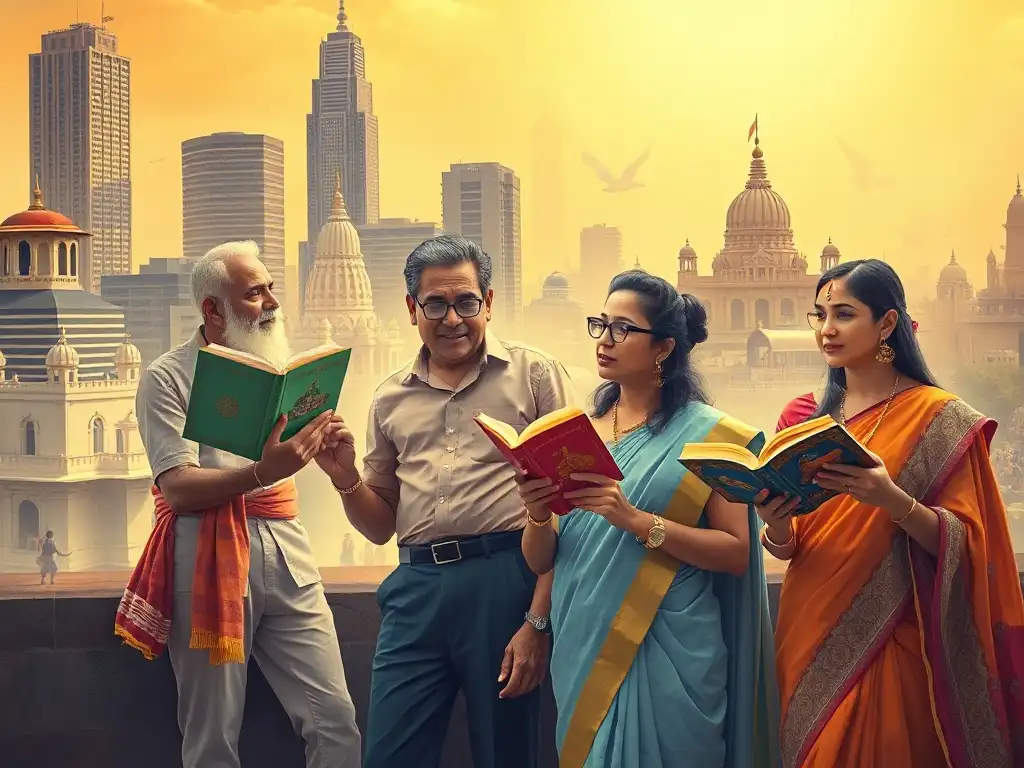
The Mahabharata, one of the two great Sanskrit epics of ancient India, continues to resonate profoundly in the modern Indian context. Its narratives, moral dilemmas, and philosophical inquiries are not only historical artifacts but also living texts that inform contemporary thought and culture. The epic encapsulates the complexities of human relationships, ethics, and governance, making it remarkably relevant as society grapples with modern challenges. As a result, the Mahabharata serves as a lens through which many view social and political issues today, fostering discussions on justice, duty, and righteousness.
Adaptations in Literature and Cinema
The Mahabharata has inspired countless adaptations across various forms of literature and cinema, reflecting its versatile themes and characters. Notable adaptations include:
- Literature: Many authors have reinterpreted the epic, such as Ramesh Menon's retelling, which aims to make the story accessible to contemporary readers while preserving its essence. Others, like Devdutt Pattanaik, explore specific characters and themes, offering new insights into the narrative.
- Cinema and Television: The Mahabharata has been adapted into numerous films and television series, with the most famous being the 1988 TV series directed by B.R. Chopra. This adaptation brought the epic to a mass audience, influencing public perceptions of the characters and their moral dilemmas. More recent adaptations, such as "Mahabharat" (2013) and the animated series "Mahabharat - The Epic," continue to explore its themes for new generations.
These adaptations not only entertain but also provoke thought, making the Mahabharata a dynamic part of Indian cultural discourse.
Relevance to Contemporary Social Issues
The Mahabharata addresses several contemporary social issues, including moral ambiguity, gender roles, and the quest for justice. For instance, the portrayal of Draupadi in her confrontation with the Kauravas highlights issues of women's rights and dignity, resonating with today's movements advocating for gender equality. Additionally, the epic's exploration of dharma (duty/righteousness) raises questions about ethical leadership and the responsibilities of individuals in society.
Moreover, the dilemmas faced by characters such as Arjuna, who struggles with the morality of war, can be paralleled with modern-day conflicts and the ethical implications of violence. This relevance ensures that discussions surrounding the Mahabharata remain vital in addressing current societal challenges.
The Mahabharata's Influence on Indian Identity
The Mahabharata is intrinsically linked to Indian identity, shaping cultural values and collective memory. It encapsulates the complex interplay of duty, justice, and familial bonds that are central to Indian society. The epic provides archetypes and narratives that people draw upon to understand their roles within their families and communities.
Moreover, festivals like Dussehra and Diwali often incorporate themes from the Mahabharata, reinforcing its significance in the cultural fabric of India. The epic's characters and their stories are invoked in various contexts, from political discourse to personal reflection, solidifying their place in the Indian psyche.
Conclusion: The Lasting Legacy of the Mahabharata
The Mahabharata's legacy is characterized by its profound impact on Indian culture, literature, and identity. Through its timeless narratives and philosophical depth, the epic continues to shape the way Indians perceive themselves and their values.
Summary of the Impact on Indian Culture
The impact of the Mahabharata on Indian culture is multifaceted, influencing not only literature and arts but also the moral and ethical frameworks within which society operates. Its teachings on duty, justice, and human relationships resonate across generations, making it a cornerstone of Indian cultural identity. The epic has inspired various art forms, from classical dance to theater, and its themes continue to be relevant in discussions concerning social justice and ethical governance.
Future Implications for Study and Interpretation
As scholars and enthusiasts explore the Mahabharata, new interpretations and understandings will emerge. The ongoing relevance of its themes suggests that future studies will likely delve deeper into its psychological aspects, ethical considerations, and societal implications. Furthermore, as India continues to evolve, the Mahabharata will remain a crucial reference point for understanding the complexities of Indian culture and identity, ensuring its place in both academic and popular discourse for years to come.
References and Further Reading
The Mahabharata, an intricate tapestry of stories, characters, and philosophies, has not only shaped literature but also profoundly influenced Indian culture and psychology. For those interested in delving deeper into this epic, the following texts and studies provide a wealth of information on its significance and impact.
Key Texts on Mahabharata
- The Mahabharata by Vyasa
- This ancient Indian epic, traditionally attributed to the sage Vyasa, is essential reading. It narrates the tale of the Kurukshetra War and covers diverse themes such as duty (dharma), righteousness, and the complexities of human relationships.
- Mahabharata: An Inquiry in the Human Condition by Rajagopalachari
- This analysis explores the philosophical underpinnings of the Mahabharata, examining how its narratives reflect human emotions, ethical dilemmas, and societal norms.
- The Mahabharata: A Modern Rendering by Ramesh Menon
- Menon presents a contemporary retelling of the Mahabharata, making its intricate stories accessible to modern readers while retaining the core themes that resonate with Indian culture.
- Mahabharata: The Definitive Guide by Bibek Debroy
- A comprehensive translation and commentary on the Mahabharata, this work provides insights into the text's historical context and its enduring relevance in Indian society.
- The Mahabharata: A Shortened Modern Prose Version of the Indian Epic by Ramesh Menon
- This version condenses the original epic into a more manageable form, making it suitable for readers seeking an introduction to the story and its themes without wading through the entire text.
Recommended Studies on Indian Culture and Psychology
- The Psychology of the Mahabharata: An Analytical Approach by V. N. Sharma
- This study investigates the psychological dimensions of the Mahabharata, analyzing how its characters embody various psychological archetypes and moral dilemmas that continue to affect Indian thought.
- Indian Psychology: Theories and Practices by A. K. Gupta
- Gupta's work explores how traditional Indian texts, including the Mahabharata, contribute to understanding Indian psychology, emphasizing the link between culture, spirituality, and mental health.
- The Influence of Mahabharata on Indian Society and Culture by S. R. Rao
- This research paper discusses the profound impact of the Mahabharata on social structures, ethical frameworks, and cultural practices in India, illustrating its role in shaping collective consciousness.
- Myth and Reality in the Mahabharata by R. S. Sharma
- Sharma examines how the mythological aspects of the Mahabharata interweave with historical realities, providing insights into how these narratives influence contemporary Indian identity and psychological frameworks.
- Understanding the Self: Insights from the Mahabharata by P. K. Sinha
- This text delves into the philosophical discussions within the Mahabharata concerning self-identity, morality, and the human condition, offering a psychological lens through which to view the epic’s teachings.
These resources can provide a comprehensive foundation for understanding the profound impact of the Mahabharata on Indian culture and psychology, enriching one's grasp of this monumental epic and its continued relevance in modern society.
- Introduction to the Mahabharata
- The Impact of Mahabharata on Indian Culture
- Key Themes of the Mahabharata
- Dharma: The Concept of Duty and Righteousness
- The Nature of Conflict and Resolution
- The Role of Fate and Free Will in Human Life
- Characters that Define Indian Psychology
- Mahabharata in Modern Indian Context
- Conclusion: The Lasting Legacy of the Mahabharata
- References and Further Reading
Frequently Asked Questions
What is the Mahabharata and its significance in Indian culture?
The Mahabharata is an ancient Indian epic that narrates the story of the Kurukshetra War and the fates of the Kaurava and Pandava princes. It has a profound impact on Indian culture, influencing literature, philosophy, and social values.
How did the Mahabharata influence Indian psychology?
The Mahabharata explores complex themes such as morality, duty, and human nature, shaping Indian psychology by providing insights into the struggles of life and the importance of ethical dilemmas.
What are some key themes found in the Mahabharata?
Key themes include dharma (duty/righteousness), karma (action and consequence), and the nature of conflict. These themes continue to resonate in contemporary Indian thought and culture.
In what ways has the Mahabharata contributed to Indian literature?
The Mahabharata has inspired countless retellings, adaptations, and literary works in various languages, making it a cornerstone of Indian literature that reflects societal values and moral questions.
How is the Mahabharata relevant to modern Indian society?
The Mahabharata remains relevant as it provides lessons on conflict resolution, leadership, and ethical behavior, offering guidance for individuals facing moral challenges in today's world.
Final Reflection: The Enduring Impact of the Mahabharata on Indian Culture
The Mahabharata is not just a story; it is a profound exploration of human nature and morality that continues to resonate in contemporary society. As we navigate the complexities of modern life, the themes of duty, justice, and the struggle between good and evil presented in this epic remain incredibly relevant. The Mahabharata serves as a mirror reflecting our own dilemmas and choices, urging us to confront the ethical challenges we face today.
Culturally and socially, the Mahabharata has left an indelible mark on Indian society, shaping our values, beliefs, and collective psyche. Its narratives have influenced everything from literature and art to politics and philosophy. The epic encourages us to engage in self-reflection and personal growth, reminding us that our actions have consequences. As Mahatma Gandhi once said, “The Mahabharata is a great book of life,” encapsulating its role as a guide for living with integrity and purpose.
As you reflect on the lessons of the Mahabharata, consider how you can apply its teachings in your own life. Embrace the complexities of your own journey, and let the wisdom of this epic inspire you to act with courage and compassion. The stories of the Mahabharata are not just relics of the past; they are living narratives that invite us to engage, reflect, and evolve as individuals and as a society.
Unveil the Wisdom of the Mahabharata!
Thank you for diving into the rich tapestry of the Mahabharata with us! Your exploration of this epic has illuminated its profound insights and its significant impact on Indian culture and philosophy. Now, it’s time to take what you’ve learned and apply it to your own journey!
Here’s how you can deepen your connection with this timeless narrative:
- Dive deeper: Read an analysis or commentary on specific chapters that resonate with you, revealing greater nuances of the characters and the invaluable lessons they offer.
- Share your thoughts: Join a local book club or online discussion group to explore the themes and relevance of the Mahabharata in today’s society.
- Reflect creatively: Write a short story or poem inspired by the moral dilemmas and relationships portrayed in the Mahabharata that resonate with your own experiences.
As you embark on these activities, consider this: How can the lessons from the Mahabharata influence your everyday decisions and relationships?