
The Atharvaveda: Magic, Medicine, and Mysticism in Ancient India

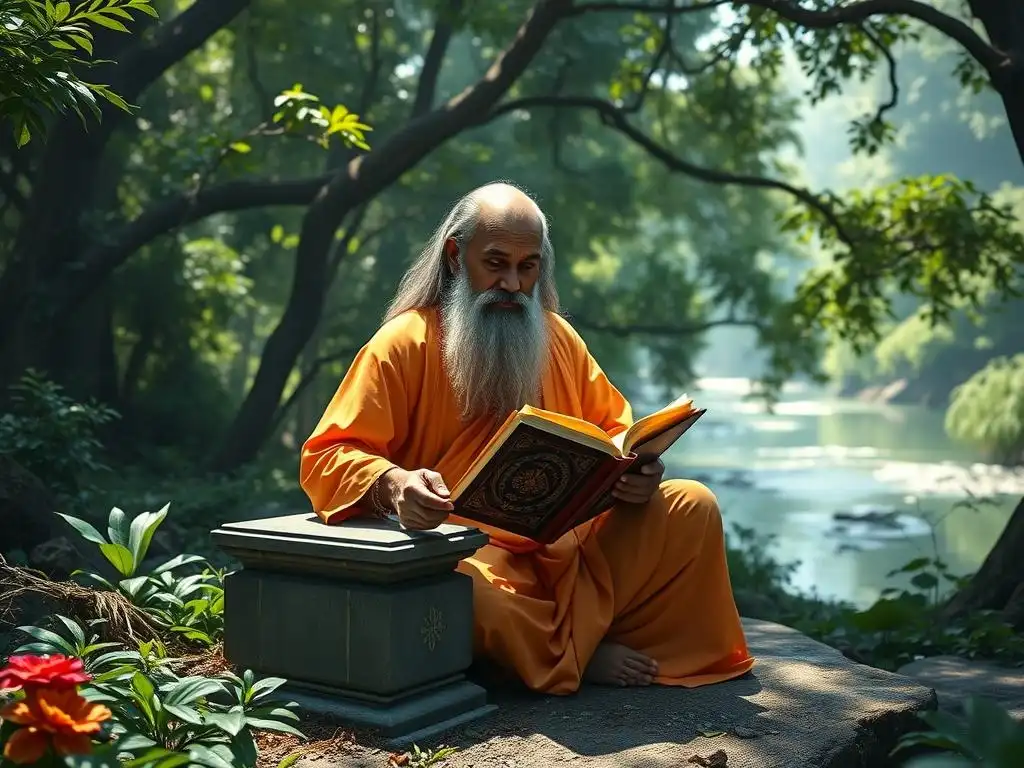
Welcome to Ancient India History, where we delve into the rich tapestry of cultures and civilizations that shaped an extraordinary past. Prepare to embark on a journey through time as we explore the fascinating realm of Ancient Indian magic and medicine, a topic that intertwines mysticism with the profound wisdom of the ancients. In our featured article, "The Atharvaveda: Magic, Medicine, and Mysticism in Ancient India," you'll uncover the secrets of healing practices and magical rituals that have echoed through the ages.
What mysteries lie within these ancient texts? Join us as we unravel the enigmatic legacy of the Atharvaveda and discover how it continues to influence our understanding of history and spirituality.
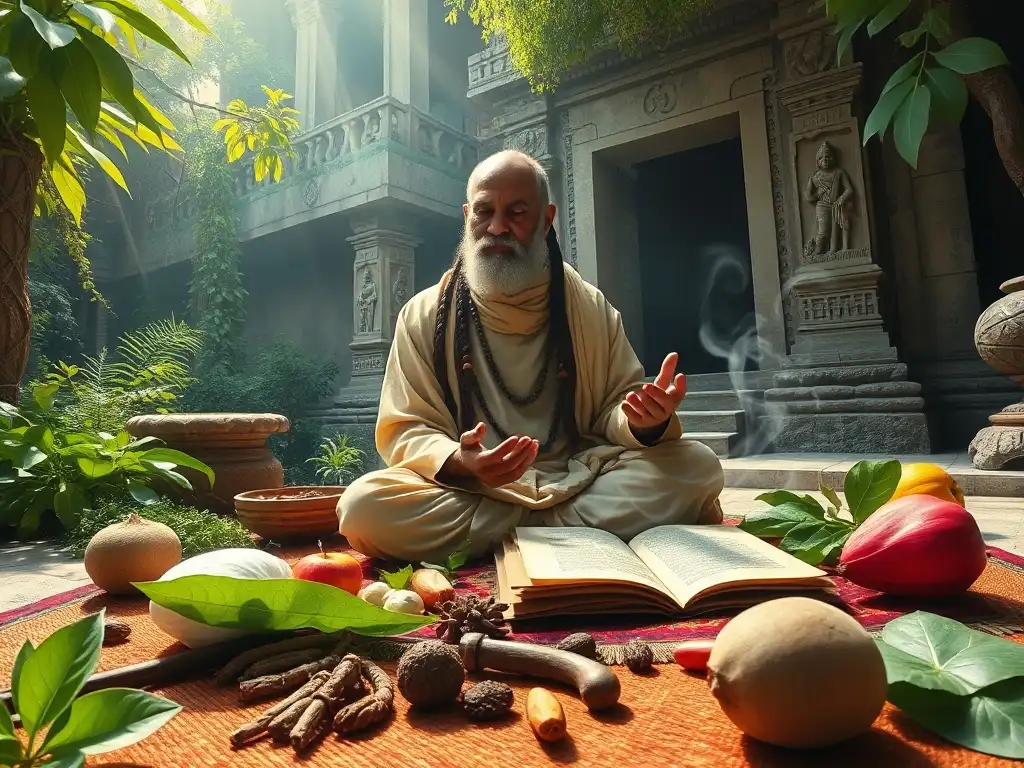
The Atharvaveda, one of the four sacred texts of Hinduism, offers a fascinating glimpse into the world of ancient Indian magic and medicine, intertwining the mystical with the practical. Unlike its counterparts, the Rigveda, Samaveda, and Yajurveda, which primarily focus on hymns and rituals, the Atharvaveda delves into the everyday life of ancient Indians, encompassing spells, incantations, and medicinal practices.
This unique text serves as both a spiritual guide and a medical compendium, reflecting the diverse beliefs, practices, and cultural nuances of ancient Indian civilization. By exploring the Atharvaveda, we can uncover the rich tapestry of ancient Indian magic and medicine, revealing how these elements shaped the cultural and spiritual landscape of the time.
Introduction to the Atharvaveda
The Atharvaveda stands out as a pivotal text that not only offers insights into spiritual practices but also serves as a testament to the advanced understanding of health and healing in ancient India. Composed around 1200 BCE, it is believed to be one of the latest of the Vedas, showcasing a blend of ritualistic and practical knowledge. This section will explore the Vedas in their entirety, emphasizing the Atharvaveda's distinctive contributions to ancient Indian thought and culture.
Overview of the Vedas in Ancient Indian Literature
The Vedas are the oldest scriptural texts of Hinduism, comprising four primary collections: the Rigveda, Yajurveda, Samaveda, and Atharvaveda. Each Veda serves a unique purpose:
- Rigveda: Primarily a collection of hymns dedicated to various deities.
- Yajurveda: Focuses on the rituals and ceremonies associated with sacrifices.
- Samaveda: Contains melodies and chants for ritualistic purposes.
- Atharvaveda: Encompasses a variety of spells, incantations, and practical knowledge related to everyday life, including healing and magic.
The Atharvaveda's content is diverse, addressing not only the spiritual realm but also the physical and emotional well-being of individuals, making it an essential component of ancient Indian literature.
Significance of the Atharvaveda in Historical Context
The Atharvaveda holds significant historical value as it reflects the socio-cultural evolution of ancient India. Its verses provide insight into the beliefs and practices of early Indian societies, illustrating how magic and medicine were integral to daily life. The text reveals the interactions between various social classes, the role of priests, and the importance of rituals in maintaining social order. Furthermore, the Atharvaveda serves as a bridge connecting the spiritual and the practical, highlighting the holistic approach of ancient Indians towards health, wellness, and spirituality.
Ancient Indian Magic
Ancient Indian magic, as depicted in the Atharvaveda, is a multifaceted concept that encompasses a wide range of practices aimed at influencing the natural world and human life. This section will delve into the definitions, types, and roles associated with magic as outlined in the Atharvaveda.
Definition and Scope of Magic in the Atharvaveda
Magic in the Atharvaveda is defined as a system of rituals and spells designed to harness supernatural forces for various purposes, including protection, healing, and prosperity. It encompasses the following aspects:
- Protective Magic: Spells aimed at safeguarding individuals from harm or misfortune.
- Healing Magic: Incantations and remedies intended to cure ailments and promote health.
- Destructive Magic: Rituals meant to bring about the downfall of enemies or negative influences.
The scope of magic extends beyond mere superstition; it reflects a deep understanding of human psychology and the natural world.
Types of Magic Practices Mentioned
The Atharvaveda enumerates various types of magical practices, including:
- Mantras: Sacred sounds or phrases believed to possess inherent power.
- Ritual Offerings: Sacrifices made to deities to invoke their favor.
- Healing Potions: Natural remedies combined with incantations to treat illnesses.
- Protective Charms: Objects imbued with magical properties to ward off evil.
These practices illustrate the intricate relationship between belief, ritual, and community in ancient Indian society.
The Role of Priests in Magic Practices
Priests, or ritviks, played a crucial role in the execution of magical practices as outlined in the Atharvaveda. They were seen as intermediaries between the divine and the mundane, wielding the power of sacred knowledge to perform rituals effectively. Their responsibilities included:
- Conducting Rituals: Leading ceremonies to invoke deities and channel magical energies.
- Interpreting Texts: Understanding and conveying the meanings of sacred verses related to magic and medicine.
- Providing Guidance: Advising individuals on the appropriate rituals and spells for their specific needs.
The authority of priests in magical practices reflects the broader societal structure of ancient India, where spiritual leaders held significant influence over community life.
By examining these facets of the Atharvaveda, we gain valuable insights into the interplay of magic and medicine in ancient Indian culture, revealing how these practices shaped the lives and beliefs of individuals throughout history.
Ancient Indian Medicine
The Atharvaveda, one of the four Vedas in ancient Indian literature, is a crucial text that intertwines the realms of magic, medicine, and mysticism. It offers a unique perspective on ancient Indian medicine, encompassing both physical healing practices and spiritual dimensions. This ancient scripture functions not only as a medical treatise but also as a guide for understanding health and illness within a broader metaphysical context.
Concepts of Health and Illness in the Atharvaveda
In the Atharvaveda, health is often perceived as a state of harmony between the body, mind, and spirit. The text emphasizes the importance of balance and the interconnectedness of physical well-being with mental and spiritual health. Illness is viewed as a disruption of this balance, often attributed to various causes, including supernatural influences, sins, or the displeasure of deities.
The Atharvaveda introduces several terms related to health and disease, illustrating an advanced understanding of human anatomy and physiology. It describes ailments in detail, categorizing them based on symptoms and potential causes, which indicates a sophisticated approach to diagnosis and treatment. The use of incantations and rituals to combat illnesses suggests that the ancient Indians believed that healing extended beyond the physical realm and involved addressing spiritual imbalances.
Herbal Remedies and Their Significance
Herbal medicine is a cornerstone of the healing practices documented in the Atharvaveda. The text contains numerous hymns that detail various plants and their medicinal properties, highlighting their significance in treating ailments.
Some of the key herbs mentioned include:
- Tulsi (Holy Basil): Revered for its numerous health benefits, including anti-inflammatory and adaptogenic properties.
- Ashwagandha: Known for its ability to reduce stress and enhance vitality.
- Ginger: Utilized for its digestive and anti-nausea effects.
The emphasis on herbal remedies illustrates the deep-rooted connection between nature and health in ancient Indian culture. These plants were not merely seen as medicinal; they were often imbued with spiritual significance, believed to carry divine qualities that could aid in healing. The Atharvaveda's rich herbal lore contributes to the understanding of ancient Indian magic and medicine and continues to influence contemporary practices in Ayurveda and holistic health.
The Intersection of Magic and Medicine
The Atharvaveda uniquely blends the practices of magic and medicine, reflecting a worldview where the two are inseparable. Healing rituals often included invocations to deities and the recitation of mantras, suggesting that spiritual energies were key to effective treatment.
For instance, spells aimed at curing illnesses were frequently accompanied by rituals intended to appease spirits or invoke divine protection. The belief in the efficacy of these practices implies a profound understanding of psychological aspects of healing, where faith and intention played crucial roles in recovery.
Additionally, the Atharvaveda recognizes various supernatural entities, such as demons and spirits, as potential causes of illness, which necessitated a magical approach for protection and healing. This intersection of magic and medicine underscores the holistic nature of ancient Indian healthcare, where physical, spiritual, and magical elements coalesced to promote well-being.
Mysticism in the Atharvaveda
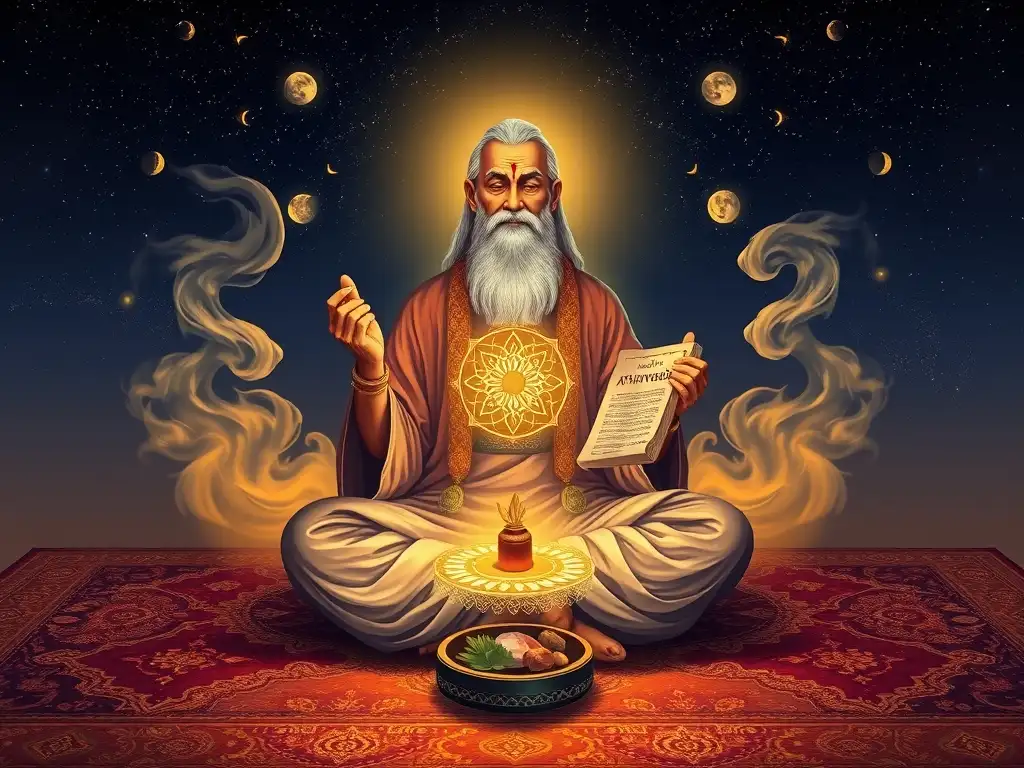
The Atharvaveda is deeply imbued with mysticism, serving as a bridge between the material and spiritual worlds. Its philosophical insights and spiritual practices reveal a profound understanding of existence and the nature of reality, which has influenced subsequent spiritual traditions in India.
Philosophical Insights: The Nature of Reality
The text introduces various metaphysical concepts that explore the nature of reality and existence. It delves into the essence of the universe, the relationship between the individual self (Atman) and the universal consciousness (Brahman). This duality reflects a foundational principle in Indian philosophy, emphasizing the interconnectedness of all beings.
The Atharvaveda posits that reality is multi-layered, consisting of both the tangible and the intangible realms. It encourages individuals to seek deeper truths through contemplation and introspection, fostering a spiritual understanding that transcends mere material existence. The philosophical insights presented in the Atharvaveda continue to resonate within modern spiritual practices, highlighting its lasting impact on Indian thought.
Spiritual Practices Described in the Text
The Atharvaveda outlines various spiritual practices aimed at self-realization and communion with the divine. Rituals, meditations, and chants are integral components of these practices, designed to elevate the practitioner's consciousness and foster a connection with higher realms.
Some notable spiritual practices described in the text include:
- Yajnas (sacrificial rituals): Performed to honor deities and seek blessings for health, wealth, and prosperity.
- Meditative techniques: Encouraged as a means to attain inner peace and insight into the nature of existence.
- Chanting of mantras: Believed to invoke divine energies and facilitate healing and protection.
These spiritual practices, deeply rooted in the traditions outlined in the Atharvaveda, underscore the significance of mysticism in ancient Indian culture, illustrating how the pursuit of knowledge and connection with the divine was intertwined with everyday life.
The Influence of the Atharvaveda on Later Indian Traditions
The Atharvaveda, one of the four Vedas of ancient Indian literature, has had a profound and lasting influence on various aspects of Indian culture, particularly in the realms of medicine, magic, and mysticism. Unlike the more ritualistic and sacrificial focus of the Rigveda, the Atharvaveda delves into the practical applications of magic and healing, intertwining spiritual beliefs with everyday life. This unique blend has influenced not only religious practices but also the development of various philosophical and medical systems in India.
Impact on Ayurveda and Medical Texts
The Atharvaveda is often regarded as a foundational text for Ayurveda, the traditional system of medicine in India. It contains numerous hymns and verses that discuss herbal remedies, healing rites, and the philosophical underpinnings of health and disease. The emphasis on natural remedies and holistic healing found in the Atharvaveda laid the groundwork for later medical texts, such as the Charaka Samhita and Sushruta Samhita.
Key aspects of the Atharvaveda's influence on Ayurveda include:
- Herbal Knowledge: Detailed descriptions of various plants, their properties, and their uses in healing are present in the Atharvaveda, which served as an inspiration for later texts that elaborated on herbal medicine.
- Spiritual Healing: The Atharvaveda emphasizes the interconnection between physical health and spiritual well-being, a theme that is echoed in Ayurvedic practices that incorporate meditation, yoga, and lifestyle choices.
- Rituals and Healing: The use of incantations and rituals to invoke health and ward off illness is a recurring theme in the Atharvaveda, influencing the ritualistic elements found in Ayurvedic healing practices.
Continuation of Magical Practices in Indian Culture
The magical practices delineated in the Atharvaveda have endured through centuries, continuing to shape various cultural traditions in India. The hymns that invoke protective spells, charms, and curses highlight the significance of magic in daily life and its role in seeking favor from the divine or warding off malevolent forces.
- Folk Practices: Many elements of ancient Indian magic, such as the use of amulets and talismans, have persisted in folk traditions across regions, illustrating the Atharvaveda's lasting impact on popular beliefs.
- Ritualistic Ceremonies: Modern rituals often retain aspects of the magical practices found in the Atharvaveda, reflecting a continuity of these traditions that blend the sacred with the practical.
- Cultural Symbolism: The Atharvaveda's magical elements have entered the wider cultural narrative, influencing literature, art, and performance, where themes of magic and mysticism are depicted vividly.
Mysticism's Legacy in Indian Philosophy
The mystical dimensions present in the Atharvaveda have played a crucial role in shaping Indian philosophical thought. Its exploration of the cosmos, the divine, and the nature of existence has laid the groundwork for various schools of thought that have emerged throughout Indian history.
- Philosophical Inquiry: The Atharvaveda raises questions about the nature of reality, existence, and the connection between the material and spiritual worlds, themes that have been central to later philosophical discourses, including Vedanta and Samkhya.
- Spiritual Practices: The emphasis on meditation, contemplation, and the pursuit of knowledge found in the Atharvaveda resonates with the practices of later mystics and philosophers who sought deeper understanding of the self and the universe.
- Integration with Other Texts: The Atharvaveda's mystical insights have been integrated into various other texts, enriching the tapestry of Indian philosophy and contributing to an evolving dialogue on spirituality.
Conclusion
Summary of the Atharvaveda's Contributions to Ancient Indian Magic and Medicine
The Atharvaveda stands as a testament to the rich tapestry of ancient Indian magic and medicine. Its contributions extend beyond mere textual significance; they have woven themselves into the very fabric of Indian culture and thought. From its insights into herbal medicine to the continuation of magical practices and the development of mystical philosophies, the Atharvaveda has left an indelible mark on the historical landscape of ancient India.
Reflection on the Importance of the Atharvaveda in Understanding Ancient Indian Civilization
Understanding the Atharvaveda is essential for grasping the complexities of ancient Indian civilization. It serves as a bridge connecting the spiritual and the practical, illustrating how ancient Indian people understood their world through the lenses of magic, medicine, and mysticism. As such, the Atharvaveda enriches our comprehension of not only the historical context but also the enduring legacy of these ancient practices in contemporary Indian society.
- Introduction to the Atharvaveda
- Ancient Indian Magic
- Ancient Indian Medicine
- Mysticism in the Atharvaveda
- The Influence of the Atharvaveda on Later Indian Traditions
- Conclusion
Frequently Asked Questions
What is the Atharvaveda?
The Atharvaveda is one of the four Vedas in ancient Indian literature, containing hymns, spells, and incantations related to magic, medicine, and mysticism.
How does the Atharvaveda relate to ancient Indian magic?
The Atharvaveda is known for its extensive collection of magical spells and rituals, addressing various aspects of life, including health, prosperity, and protection from evils.
What role did medicine play in the Atharvaveda?
In the Atharvaveda, medicine is intertwined with magic; it includes herbal remedies, healing rituals, and incantations aimed at curing ailments and promoting well-being.
How did ancient Indian civilizations view mysticism?
Ancient Indian civilizations regarded mysticism as a profound aspect of spiritual practice, often linked to rituals and the belief in supernatural forces that influenced daily life.
What contributions did the Atharvaveda make to modern medicine?
The Atharvaveda contributed to the early development of Ayurveda, emphasizing the importance of natural remedies and holistic approaches to health that continue to influence modern practices.
Final Reflection: Embracing the Wisdom of Ancient Indian Magic and Medicine
The exploration of Ancient Indian magic and medicine through the lens of the Atharvaveda reveals a profound connection between spirituality, healing, and the natural world that remains strikingly relevant today. In an era where modern medicine often overlooks the holistic aspects of health, the teachings of the Atharvaveda remind us of the importance of integrating mind, body, and spirit. This ancient text not only serves as a historical artifact but also as a beacon guiding us toward a more comprehensive understanding of wellness in our contemporary lives.
The influence of the Atharvaveda extends beyond its historical context, shaping cultural practices and beliefs that persist in modern society. The intertwining of magic, medicine, and mysticism within this ancient scripture continues to resonate, offering insights into the human experience and our relationship with the universe. As we navigate the complexities of modern life, we can draw inspiration from the Atharvaveda’s teachings, which emphasize the balance of physical health and spiritual well-being. The greatest medicine of all is the medicine of the heart.
This quote encapsulates the essence of the Atharvaveda, urging us to prioritize emotional and spiritual healing alongside physical remedies.
As we reflect on the lessons imparted by the Atharvaveda, let us embrace the opportunity to incorporate these timeless principles into our daily lives. Consider how you can cultivate a deeper connection with yourself and the world around you, whether through mindfulness practices, herbal remedies, or simply by fostering a sense of community. The wisdom of ancient Indian magic and medicine invites us to embark on a journey of self-discovery and healing, encouraging us to honor the past while shaping a healthier, more harmonious future.
Unveil the Depths of the Atharvaveda!
Thank you for diving into the fascinating world of the Atharvaveda with us! Your exploration of its rich tapestry of magic, medicine, and mysticism brings you one step closer to understanding the profound wisdom of ancient India. Now, let’s take that knowledge and transform it into action!
- Join a discussion group dedicated to the Atharvaveda to connect with fellow enthusiasts and share insights.
- Explore practical applications of ancient medicinal practices in today's wellness routines by experimenting with herbal remedies inspired by the Atharvaveda.
- Challenge yourself by selecting one ritual from the text and incorporating it into your daily life for a week!
What aspect of the Atharvaveda resonates with you the most, and how can you integrate that wisdom into your modern life?