
The Role of Ashoka in Shaping Indian Cuisine and Culture


Welcome to Ancient India History, where we embark on a captivating journey through the rich tapestry of India's past. Delve into the intriguing world of Ashoka, a key historical figure whose influence not only transformed the political landscape but also left an indelible mark on Indian cuisine. Have you ever wondered how the culinary traditions we cherish today were shaped by ancient rulers?
Join us as we uncover the fascinating connections between Ashoka's reign and the evolution of Indian culinary practices, inviting you to explore the flavors and culture that define this vibrant heritage. Your adventure into the depths of history begins now!
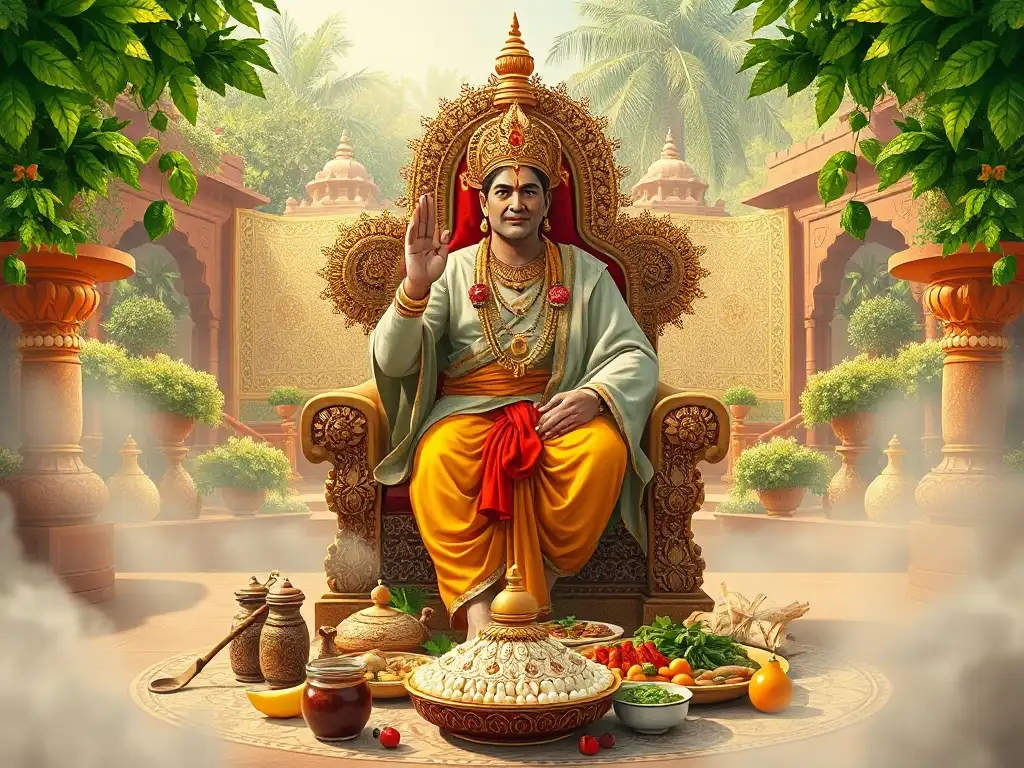
Introduction to Ashoka the Great
Ashoka the Great, one of the most influential rulers in Indian history, reigned during the 3rd century BCE and is often celebrated for his profound impact on both culture and cuisine in ancient India. His rule marked a transformative period, characterized by the spread of Buddhism and the establishment of ethical governance.
Ashoka's commitment to non-violence and social welfare not only shaped the political landscape of his time but also left an indelible mark on the culinary traditions of India. This article delves into the multifaceted influence of Ashoka on Indian cuisine, exploring how his principles and edicts redefined dietary practices and cultural norms.
Overview of Ashoka's Reign
Ashoka ascended to the throne of the Maurya Empire around 268 BCE, following a lineage that had already laid the foundations of a vast empire. His reign is notable for its unprecedented expansion of territory, which extended across much of the Indian subcontinent. However, it was after the Kalinga War, a brutal conflict that resulted in massive loss of life, that Ashoka underwent a significant transformation.
Deeply affected by the devastation, he embraced Buddhism and adopted a policy of Dhamma, which emphasized ethical living, compassion, and non-violence. This shift in ideology not only influenced his governance but also resonated throughout the society he ruled.
Significance of Ashoka in Ancient Indian History
Ashoka's significance extends beyond his military conquests and administrative reforms; he is revered as a pioneer of moral governance. His edicts, inscribed on pillars and rocks throughout his empire, convey messages of tolerance, respect for all life, and the importance of ethical behavior. These principles laid the groundwork for a more humane society and fostered a cultural environment that valued peace over war. The legacy of Ashoka, encapsulated in his commitment to Dhamma, continues to inspire discussions on governance, ethics, and cultural identity in India to this day.
Ashoka's Influence on Indian Cuisine
Ashoka's influence on Indian cuisine is a fascinating aspect of his legacy, reflecting the broader cultural and ethical shifts that occurred during his reign. His promotion of vegetarianism and the respect for all living beings significantly altered dietary practices across the empire, integrating Buddhist principles into the everyday lives of his subjects.
The Historical Context of Indian Cuisine During Ashoka's Era
Prior to Ashoka's reign, Indian cuisine was characterized by diverse practices influenced by regional availability of ingredients and cultural traditions. The use of meat was prevalent, especially among the warrior classes. However, with Ashoka's ascension and his embrace of Buddhist values, a gradual shift began to take place. The emphasis on non-violence and compassion towards all creatures catalyzed a transformation in culinary norms, with vegetarianism becoming increasingly endorsed.
Ashoka's Edicts and Their Impact on Food Practices
Ashoka's edicts played a critical role in reshaping food practices across his empire. In his proclamations, he advocated for the humane treatment of animals and discouraged the killing of animals for food. This advocacy not only reflected his beliefs but also served as a directive for his subjects to reconsider their dietary choices. As a result, many communities began to adopt vegetarian diets, leading to a significant cultural shift that prioritized plant-based foods and ethical consumption.
Introduction of Vegetarianism in Indian Culture
The introduction of vegetarianism during Ashoka's reign had profound implications for Indian culture. It became more than just a dietary preference; it evolved into a cultural identity that resonated with the principles of Hinduism and Buddhism. This shift encouraged the development of diverse vegetarian recipes and culinary techniques that emphasized the use of grains, legumes, vegetables, and spices. The dietary changes initiated by Ashoka laid the foundations for the rich vegetarian traditions that are a hallmark of Indian cuisine today.
Influence of Buddhist Principles on Culinary Practices
Buddhism's core teachings significantly influenced culinary practices during and after Ashoka's reign. The principles of moderation, mindfulness, and compassion found their way into the kitchen, encouraging cooks to prepare meals with intention and care. The emphasis on fresh, seasonal ingredients and the avoidance of harm to living beings became guiding principles in many households. This culinary evolution not only enriched Indian gastronomy but also fostered a deeper connection between food, ethics, and spirituality, shaping the dietary landscape of ancient India and beyond.
Cultural Transformations Under Ashoka
Ashoka the Great, the third Mauryan emperor, is renowned not only for his political and military achievements but also for his profound influence on Indian culture and cuisine. His reign marked a significant transformation in the socio-cultural landscape of ancient India, particularly through the propagation of Buddhism, which introduced new ethical frameworks and culinary practices. Ashoka's commitment to non-violence and compassion permeated various aspects of life, including dietary habits, trade, and regional culinary identities. This cultural shift under Ashoka laid the groundwork for a culinary heritage that continues to resonate in modern Indian cuisine.
The Spread of Buddhism and Its Culinary Impact
Buddhism, which gained prominence during Ashoka's reign, emphasized non-violence and compassion towards all living beings. This philosophy significantly influenced dietary practices, particularly the promotion of vegetarianism. As Buddhist monasteries emerged as centers of learning and culture, they also became hubs for new culinary practices focused on plant-based diets. Monks often cultivated gardens, which not only provided sustenance but also helped disseminate knowledge about the preparation and use of various vegetables and grains.
Furthermore, the spread of Buddhism facilitated cultural exchanges across regions, leading to the incorporation of diverse culinary elements from different cultures. For instance, the introduction of new spices, grains, and cooking techniques contributed to a richer and more varied Indian cuisine, reflecting the interconnectedness of culture and food during Ashoka's time.
Ashoka's Promotion of Trade and Its Effect on Cuisine
Ashoka's reign was marked by a significant expansion of trade networks, both within the Indian subcontinent and beyond. He actively promoted commerce with neighboring regions, which not only stimulated economic growth but also encouraged the exchange of culinary traditions and ingredients. Trade routes facilitated the movement of spices, herbs, and other foodstuffs, allowing for the integration of diverse flavors and cooking methods into Indian cuisine.
The increased availability of ingredients from distant lands enriched local diets and culinary practices. For instance, the introduction of foreign fruits and spices expanded the palate of Indian cuisine, leading to the creation of new dishes that blended indigenous and foreign elements. This fusion resulted in a culinary tapestry that reflected the dynamic cultural exchanges of Ashoka's era.
Integration of Regional Flavors and Ingredients
Under Ashoka's rule, the integration of regional flavors and ingredients became a hallmark of Indian cuisine. The emperor's policies encouraged local communities to embrace their unique culinary heritages while also promoting a sense of unity among the diverse populations of the empire. This blending of local traditions with broader culinary influences fostered a rich mosaic of flavors throughout the region.
As different communities began sharing their food practices, regional specialties emerged, showcasing local ingredients and traditional cooking techniques. For example, the use of regional grains, legumes, and spices became commonplace, leading to the development of distinctive dishes that celebrated local produce. This emphasis on regionality not only enriched Indian cuisine but also reinforced cultural identities within the vast Mauryan Empire.
The Legacy of Ashoka in Modern Indian Cuisine

Ashoka's influence on Indian cuisine extends far beyond his lifetime, leaving a lasting legacy that is evident in contemporary culinary practices. His promotion of vegetarianism, trade, and regional diversity laid the foundation for a rich culinary tradition that continues to evolve while honoring its historical roots.
Continuation of Vegetarian Traditions
The vegetarian traditions that gained prominence during Ashoka's reign have persisted in Indian culture, particularly among various religious communities. The principles of non-violence and respect for all life have shaped dietary choices, leading to a significant portion of the Indian population adhering to vegetarianism.
Modern Indian cuisine continues to celebrate this legacy, with an extensive array of vegetarian dishes that highlight seasonal produce, legumes, and spices. Popular meals like dal, sabzi, and paneer-based dishes reflect the long-standing influence of Ashoka's policies, demonstrating how his ethical stance on diet has shaped contemporary eating habits.
Influence on Regional Dishes and Culinary Diversity
The culinary diversity that flourished under Ashoka's rule is still evident in the myriad of regional dishes found across India. Each region boasts its own unique flavors, techniques, and ingredients, resulting from centuries of cultural exchanges and adaptations that began during the Mauryan Empire.
For instance, the use of local spices and preparation methods has led to distinctive culinary styles, such as the rich curries of North India, the spiced rice dishes of South India, and the tangy seafood preparations of the coastal regions. This regional diversity not only reflects Ashoka's influence but also showcases the adaptability and creativity of Indian cuisine in integrating various cultural influences over time.
Ashoka as a Symbol of Ethical Eating in Contemporary India
In contemporary India, Ashoka is often viewed as a symbol of ethical eating, representing the values of compassion and sustainability. His advocacy for vegetarianism and non-violence resonates with modern movements focused on ethical food choices and environmental consciousness.
As contemporary society grapples with issues surrounding food production, sustainability, and animal welfare, Ashoka's legacy serves as a guiding principle for many. The emphasis on ethical eating practices, including the promotion of organic farming and plant-based diets, echoes the values instilled by Ashoka, making his influence on Indian cuisine not only relevant but also essential in discussions about food ethics today.
Conclusion
The legacy of Ashoka the Great extends far beyond his political achievements; his influence on Indian cuisine and culture is both profound and enduring. By promoting the principles of Dharma, Ashoka not only unified a vast empire but also fostered an environment where diverse cultural practices and culinary traditions could flourish. His commitment to non-violence and compassion had a significant impact on dietary practices, encouraging vegetarianism and the ethical treatment of animals. This shift not only resonated within his realm but also laid the groundwork for future generations to embrace a more humane approach to food.
Moreover, Ashoka's propagation of Buddhism played a crucial role in the culinary landscape of India. The establishment of monasteries as centers of learning and community fostered the sharing of ideas, ingredients, and cooking techniques. This exchange enriched the Indian palate and contributed to the development of regional cuisines, which continue to evolve today. The Ashokan era is a testament to how a ruler's vision can influence cultural practices and culinary traditions, marking a pivotal moment in the history of Indian gastronomy.
Summary of Ashoka's Impact on Cuisine and Culture
Ashoka's reign was characterized by several key contributions to Indian cuisine and culture:
- Promotion of Vegetarianism: Ashoka's embrace of non-violence led to a widespread adoption of vegetarianism across his empire. This dietary shift not only reflected ethical considerations but also influenced the local food practices, embedding vegetarian options into the culinary heritage of India.
- Cultural Syncretism: Under Ashoka's rule, various culinary traditions from different regions were encouraged to intermingle. This led to a rich tapestry of flavors and techniques, as diverse communities shared their unique culinary practices.
- Buddhist Influence on Food Practices: The spread of Buddhism during Ashoka's reign introduced new food philosophies, including the importance of mindful eating and the use of natural ingredients. Monasteries became hubs for culinary innovation, where new recipes and dietary practices were explored.
- Infrastructure Development: Ashoka's focus on building roads and trade routes facilitated the exchange of goods, including spices and ingredients. This not only enhanced local cuisines but also connected different cultural practices, leading to a more integrated culinary landscape.
These elements underscore Ashoka’s lasting impact on the culinary and cultural identity of India, shaping practices that are still evident in contemporary Indian society.
Reflection on the Importance of Historical Figures in Shaping Culinary Heritage
Historical figures like Ashoka the Great play a pivotal role in shaping not only political landscapes but also cultural and culinary heritages. Their influence often transcends time, leaving lasting imprints on society that can be observed even centuries later.
- Cultural Transmission: Leaders often facilitate the exchange of ideas and practices, which is essential for the evolution of cuisine. Ashoka’s promotion of Buddhism and its associated dietary practices is a prime example, illustrating how ideology can transform food culture.
- Legacy of Ethical Considerations: Ashoka's commitment to non-violence has had enduring effects on dietary choices in India, promoting ethical considerations that resonate with modern audiences. This highlights the role of historical figures in instilling values that can shape societal norms around food.
- Inspiration for Future Generations: The actions and decisions of influential figures can serve as a guiding framework for future generations. Ashoka’s emphasis on compassion and unity continues to inspire culinary practices that prioritize sustainability and ethical sourcing.
Understanding the impact of historical figures such as Ashoka enriches our appreciation of culinary heritage. Their legacies remind us that cuisine is not merely about food; it is a reflection of cultural identity, ethical beliefs, and historical context, all of which contribute to the diverse tapestry of flavors that define a civilization.
- Introduction to Ashoka the Great
- Ashoka's Influence on Indian Cuisine
- Cultural Transformations Under Ashoka
- The Legacy of Ashoka in Modern Indian Cuisine
- Conclusion
Frequently Asked Questions
What was the significance of Ashoka in ancient Indian history?
Ashoka, the third Mauryan emperor, is known for his transformative policies and promotion of Buddhism, which significantly influenced social and cultural aspects of Indian life.
How did Ashoka influence Indian cuisine?
Ashoka's reign saw the introduction of vegetarianism and the promotion of ahimsa (non-violence), leading to a shift in dietary practices that emphasized plant-based foods and their culinary preparation.
What role did trade play in shaping Indian cuisine during Ashoka's time?
During Ashoka's rule, trade routes flourished, enabling the exchange of spices, ingredients, and cooking techniques that enriched regional cuisines across India.
In what ways did Ashoka's policies promote cultural diversity?
Ashoka encouraged tolerance and respect for different cultures and traditions, allowing various cuisines to thrive and blend, which contributed to the rich tapestry of Indian culinary heritage.
How did Ashoka's legacy affect modern Indian cuisine?
The principles of ahimsa and the emphasis on vegetarianism have persisted, making India one of the most diverse vegetarian societies today, reflecting Ashoka's lasting influence on Indian cuisine.
Final Reflection: The Enduring Legacy of Ashoka's Influence on Indian Cuisine
Ashoka's influence on Indian cuisine is not merely a historical footnote; it is a vibrant thread woven into the fabric of contemporary Indian culture. As we explore the culinary landscape of India today, we see the echoes of Ashoka's policies and philosophies manifesting in the diverse flavors and practices that define Indian cooking. His commitment to vegetarianism and ethical governance has left an indelible mark, reminding us that food is not just sustenance but a reflection of our values and beliefs.
Culture is a living entity, constantly evolving yet rooted in its past. Ashoka's reign was a pivotal moment that shaped not only the dietary habits of his time but also the broader cultural ethos of India. The emphasis on non-violence and compassion towards all living beings resonates deeply in the vegetarian traditions that many Indians uphold today. As Mahatma Gandhi once said, The greatness of a nation and its moral progress can be judged by the way its animals are treated.
This sentiment underscores the ongoing relevance of Ashoka's influence, as it continues to inspire a more humane approach to food and lifestyle choices in modern India.
As we reflect on Ashoka's legacy, I invite you to consider how you can incorporate these values into your own life. What does it mean for you to embrace compassion and mindfulness in your dietary choices?
Whether it's exploring vegetarian recipes, supporting local farmers, or simply being more conscious of where your food comes from, each small action contributes to a larger movement towards a more ethical and sustainable future. Let us honor Ashoka's influence by nurturing a culinary culture that celebrates not only the richness of flavors but also the principles of kindness and respect for all living beings.
Embark on a Culinary Journey Through History!
Thank you for exploring the fascinating world of Ashoka and his influence on Indian cuisine and culture. We hope you've uncovered valuable insights that ignite your curiosity and passion for this rich heritage. Now, let’s transform that interest into action!
Here are a few ways you can continue exploring and engaging with this incredible topic:
- Dive deeper into regional recipes inspired by Ashoka’s culinary innovations; try cooking one this week!
- Share your thoughts with friends or on social media; initiate a conversation about how history shapes our modern tastes.
- Join a local cooking class focusing on traditional Indian cuisine to experience these influences firsthand and connect with fellow food enthusiasts.
What surprising ingredient or dish have you discovered that connects with Ashoka’s legacy in your culinary adventures? We invite you to share your experiences below!