
Ashoka the Great: The Emperor Who Renounced War

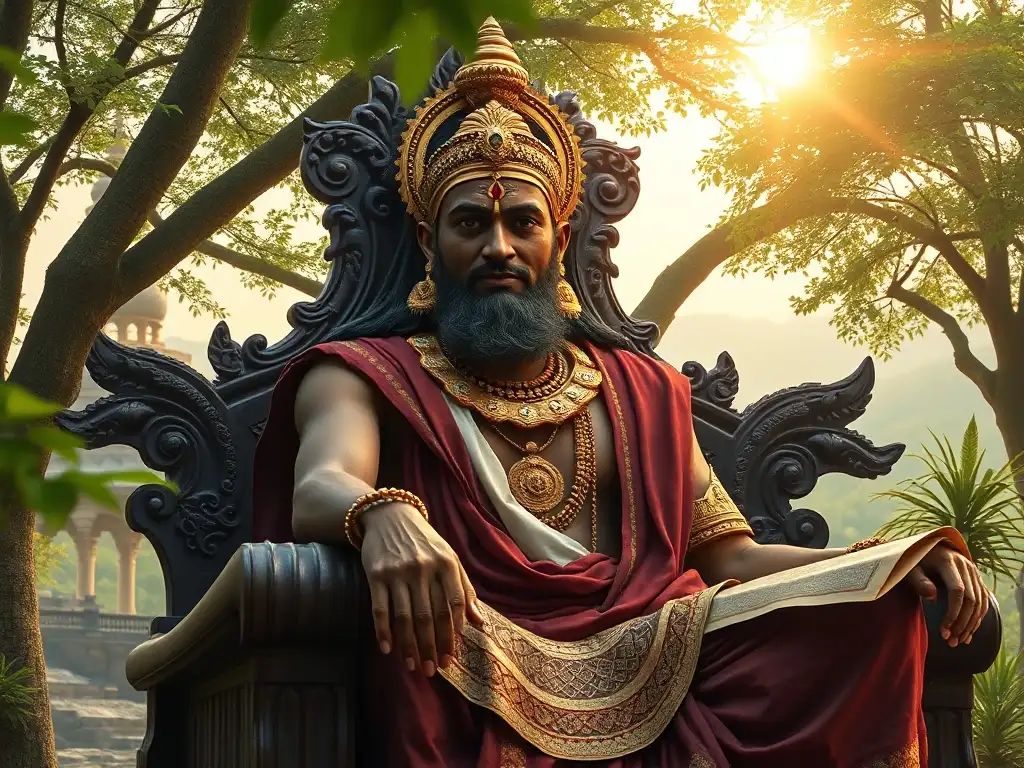
Welcome to Ancient India History, where we embark on a fascinating journey through the myriad cultures and civilizations that have shaped one of the world's oldest societies. Today, we delve into the remarkable life of Ashoka the Great, a towering figure whose legacy resonates through time as the emperor who renounced war. What motivated this transformation from a fierce conqueror to a beacon of peace?
Join us as we unravel the intricate layers of his story and discover how his reign left an indelible mark on Indian civilization and beyond. Prepare to be captivated as we explore the profound impact of Ashoka’s decisions and the enduring lessons of his history.
Introduction to Ashoka the Great History
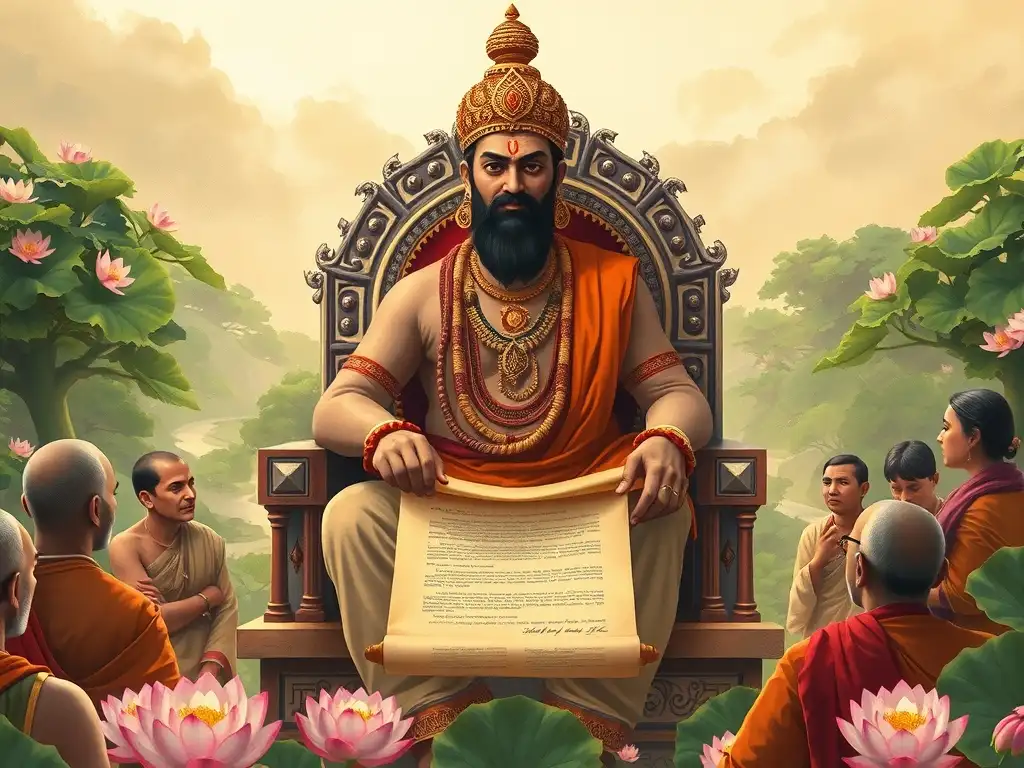
Ashoka the Great stands as one of the most influential figures in ancient Indian history, renowned for his transformative reign during the Maurya Dynasty. His journey from a warrior king to an ardent advocate of peace encapsulates a remarkable evolution that has intrigued historians and scholars alike. Born into a lineage of conquerors, Ashoka initially embraced the brutalities of war, but after witnessing the horrific consequences of his military campaigns, he chose a path of non-violence and compassion.
This momentous shift not only redefined his legacy but also left an indelible mark on the sociopolitical landscape of India and beyond. In this article, we will explore the multifaceted history of Ashoka the Great, his key contributions, and the enduring impact of his philosophy on subsequent generations.
Overview of Ashoka's Significance in Ancient India
Ashoka's significance in ancient India cannot be overstated. He was the third emperor of the Maurya Dynasty, ruling from approximately 268 to 232 BCE. His reign marked a pivotal period characterized by extensive territorial expansion and the consolidation of a vast empire that stretched across most of the Indian subcontinent. However, what truly sets Ashoka apart is his profound commitment to the principles of Dharma, or righteous living, following his conversion to Buddhism after the Kalinga War. This shift not only transformed his governance but also influenced the cultural and spiritual ethos of the region.
- Key Achievements:
- Promotion of Buddhist teachings and spread of non-violence
- Establishment of a vast network of stupas and monastic institutions
- Implementation of welfare measures for his subjects
Key Contributions and Legacy of Ashoka the Great
Ashoka the Great's legacy is multifaceted and continues to resonate through history. He is often celebrated for his efforts to promote peace, tolerance, and social welfare. Some of his key contributions include:
- Edicts of Ashoka: These inscriptions, carved on pillars and rocks throughout his empire, serve as a testament to his commitment to Dharma. They outline his policies on ethical governance, animal welfare, and religious tolerance.
- Spread of Buddhism: Ashoka played a crucial role in the dissemination of Buddhism, sending missionaries across Asia and establishing it as a major world religion.
- Foundation of Infrastructure: His reign saw the development of roads, hospitals, and rest houses, enhancing connectivity and welfare for his subjects.
Ashoka's legacy extends beyond his lifetime, influencing various philosophies and governance models across cultures. His principles of non-violence and compassion have been embraced by numerous leaders and movements throughout history.
Early Life of Ashoka the Great
Birth and Family Background
Ashoka was born around 304 BCE in Pataliputra, the capital of the Maurya Empire. He was the son of Emperor Bindusara and a descendant of Chandragupta Maurya, the founder of the Maurya Dynasty. Growing up in a royal household, Ashoka was exposed to the complexities of leadership and governance from an early age. His lineage positioned him as a potential heir to the throne, but his path was marred by the ruthless ambition and intrigues typical of royal families.
Education and Influences in Ashoka's Formative Years
Ashoka's education was comprehensive, encompassing various disciplines such as military strategy, administration, and philosophy. Influential figures during his formative years, including scholars and monks, played a critical role in shaping his worldview. The teachings of Buddhism, in particular, left a lasting impression on him, sowing the seeds for his later transformation.
Through his early experiences, Ashoka developed a nuanced understanding of power, morality, and the human condition, which would ultimately guide his decisions as a ruler. His transition from a warrior to a proponent of peace showcases the profound impact of personal experiences and education on his eventual policies and ideologies.
The Rise of Ashoka to Power
Ashoka the Great, one of the most illustrious rulers of ancient India, ascended to the throne of the Mauryan Empire during a time of great turmoil and transition. He was born around 304 BCE, the son of Emperor Bindusara, and was raised in the royal court of Pataliputra, the empire's capital. Ashoka's early years were marked by a blend of privilege and the harsh realities of political intrigue, including potential rivalries with his siblings for the throne.
Ascension to the Throne: Key Events
Ashoka's path to the throne was not straightforward. Following the death of Bindusara in 273 BCE, Ashoka faced significant challenges, including opposition from other claimants, notably his half-brother, Susima. However, Ashoka's strategic acumen and military prowess ultimately led to his ascension. His decisive actions during the power struggle, coupled with the support of influential nobles and loyal military commanders, enabled him to secure the throne. Once in power, Ashoka's reign initially continued the expansionist policies of his predecessors, but his subsequent transformation would define his legacy.
Initial Military Campaigns and Expansion of the Empire
In the early years of his reign, Ashoka engaged in several military campaigns that significantly expanded the Mauryan Empire. His conquests included territories in present-day Afghanistan, Pakistan, and northern India. Notably, his military campaigns in the Deccan region showcased his military skill and ambition, as he sought to unify the diverse regions under his rule. These initial campaigns, while successful, were characterized by a fierce and brutal approach to warfare, reflecting the common practices of the time. However, the seeds of a profound change were soon to be sown in Ashoka's philosophy.
The Kalinga War: A Turning Point in Ashoka's History
The Kalinga War, fought around 261 BCE, stands as a pivotal moment in Ashoka's reign and transformation. Kalinga, located on the eastern coast of India, was known for its wealth and strategic importance. The war arose from Ashoka's desire to expand his empire further, but it would ultimately lead to a significant shift in his worldview and governance.
Overview of the Kalinga War
The conflict with Kalinga was marked by intense and gruesome battles. Historical accounts suggest that the war had devastating consequences, resulting in the loss of approximately 100,000 lives, along with countless injuries and suffering among the civilian population. The sheer scale of the devastation shocked Ashoka, who witnessed the aftermath of the war firsthand. The brutality of the conflict and its toll on human life made a lasting impression on him, prompting deep reflections on the nature of power and violence.
Impact of the War on Ashoka's Philosophy and Governance
The Kalinga War was a turning point that catalyzed Ashoka's transformation from a fierce warrior to a proponent of peace and non-violence. The immense suffering caused by the war led him to renounce further military conquests and embrace Buddhism, which emphasized compassion and moral governance. Ashoka's subsequent policies focused on promoting Dharma (righteousness) through the establishment of edicts that advocated for non-violence, tolerance, and social welfare. His commitment to these principles not only redefined his approach to governance but also left an indelible mark on the cultural and spiritual landscape of ancient India, influencing generations to come.
Ashoka's Transformation: The Renunciation of War
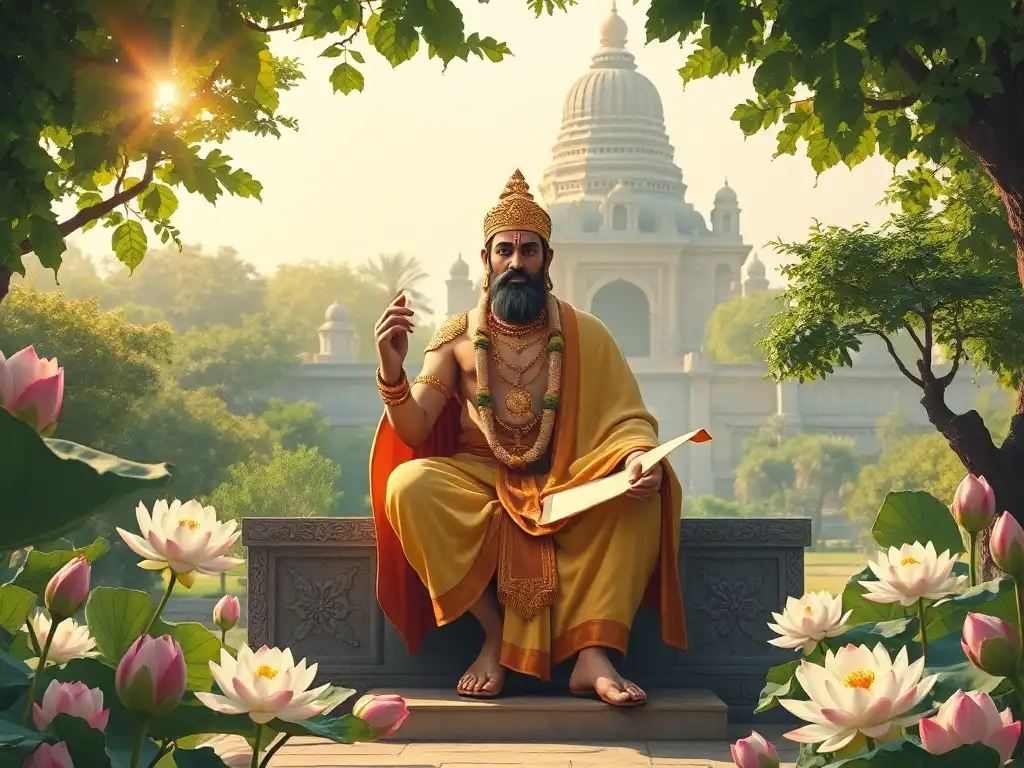
Ashoka the Great, the third emperor of the Maurya Dynasty, is perhaps most renowned for his remarkable transformation from a fierce conqueror to a proponent of peace and non-violence. This transformation was catalyzed by the devastating consequences of the Kalinga War, where Ashoka witnessed the immense suffering inflicted upon countless lives, including his own soldiers. The pain and sorrow that permeated the battlefield profoundly impacted him, prompting a radical shift in his worldview.
After the Kalinga War, Ashoka embraced Buddhism, which became the cornerstone of his new philosophy. He recognized the futility of war and sought to govern not through fear and violence but through compassion and moral authority. Ashoka’s renunciation of war marked a pivotal moment in Indian history, illustrating the profound potential for change and the pursuit of peace even amidst the legacies of conquest. His reign thus became a testament to the idea that a ruler could wield power without resorting to bloodshed.
The Shift from Conquest to Dharma
The shift from conquest to Dharma, or righteous living, was a significant turning point in Ashoka's governance. After the brutal Kalinga War, Ashoka realized that the path of conquest led only to suffering and despair. Consequently, he adopted the principles of Dharma as the guiding tenets of his rule.
Dharma, in Ashoka's context, encompassed a broad range of moral and ethical principles, including non-violence (ahimsa), truthfulness, and respect for all living beings. By prioritizing Dharma, Ashoka sought to cultivate a society based on mutual respect and understanding, which was in stark contrast to the militaristic ethos that characterized much of his early reign. This transition not only transformed his approach to governance but also endeared him to his subjects, fostering a sense of unity and purpose within the empire.
Ashoka also emphasized the importance of moral education, urging his subjects to reflect on their actions and their impact on others. This call for self-reflection and ethical living was a significant departure from the values of conquest and dominance, marking a new era of governance rooted in compassion and respect for life.
Key Principles of Ashoka's Philosophy: Non-violence and Compassion
At the heart of Ashoka's philosophy were the principles of non-violence and compassion. Non-violence, or ahimsa, became a foundational aspect of his governance, influencing both his policies and actions. Ashoka's commitment to non-violence extended beyond human life to encompass all living beings, reflecting a profound respect for nature and the interconnectedness of life.
Compassion was equally central to Ashoka's ideals. He believed that a ruler should be a source of comfort and support for his people, providing for their welfare and ensuring their happiness. This emphasis on compassion manifested in various social welfare initiatives aimed at improving the lives of his subjects. Ashoka established hospitals for humans and animals, planted trees along roads for shade, and promoted the growth of medicinal plants. These initiatives exemplified his belief that governance should prioritize the well-being of all.
Moreover, Ashoka's philosophy also advocated for religious tolerance, allowing diverse beliefs to coexist peacefully within his empire. His decree, "All religions should reside everywhere," underscored his commitment to fostering an inclusive society where compassion transcended sectarian divides.
Ashoka the Great's Contributions to Society
Ashoka's contributions to society were multifaceted, encompassing religious, cultural, and social dimensions. His reign is often viewed as a golden era in Indian history, during which he championed the principles of Buddhism and implemented significant reforms that transformed the socio-political landscape.
Promotion of Buddhism and Its Principles
One of Ashoka's most enduring contributions was his promotion of Buddhism. After his conversion, Ashoka became a fervent advocate for the teachings of the Buddha, seeking to spread its principles far and wide. He commissioned the construction of numerous stupas, monasteries, and viharas, which served as centers for Buddhist learning and practice.
Ashoka's support for Buddhism was not limited to infrastructure; he also sent missionaries to various regions, including Sri Lanka, to propagate the faith. His efforts were instrumental in establishing Buddhism as a major religion in Asia, influencing societies far beyond the Indian subcontinent.
In addition to promoting the religion itself, Ashoka emphasized the importance of Buddhist values, such as compassion, tolerance, and ethical conduct. His reign is marked by a significant increase in Buddhist scholarship, as texts and teachings flourished under his patronage, contributing to the religion's enduring legacy.
Edicts of Ashoka: A Historical Record of His Reforms
The Edicts of Ashoka serve as a crucial historical record of his reign and reforms. Inscribed on rocks and pillars throughout the empire, these edicts articulate Ashoka's policies and philosophical beliefs. They encompass a range of topics, including governance, morality, and social welfare.
The edicts emphasize key principles such as non-violence, respect for all religions, and the importance of ethical behavior. Ashoka's first edict, which proclaimed the importance of non-violence, set the tone for his governance. Other edicts highlight his commitment to animal welfare, urging his subjects to treat animals with kindness and discourage unnecessary slaughter.
These inscriptions also reflect Ashoka’s efforts to promote social harmony, advocating for the well-being of the poor and marginalized. His edicts included directives for the construction of roads, rest houses, and medical facilities, demonstrating a holistic approach to governance focused on the welfare of his subjects.
In essence, the Edicts of Ashoka provide invaluable insights into the values and policies of one of history's most remarkable leaders, illustrating how his commitment to peace and compassion reshaped ancient Indian society.
The Administrative Reforms Under Ashoka
Ashoka the Great, who ruled from 268 to 232 BCE, is renowned not only for his military conquests but also for his profound administrative reforms that transformed the Mauryan Empire into a model of governance. His reign is marked by an emphasis on ethical leadership and social justice, which significantly altered the administration of his vast empire.
Governance and Administration Strategies
Ashoka implemented a series of reforms aimed at improving governance and ensuring efficient administration throughout his empire. He established a decentralized system of government by appointing provincial governors, known as Uparikas, to oversee various regions. This approach allowed for more localized decision-making and governance, enabling quicker responses to the needs of different communities.
Furthermore, Ashoka introduced the Dhamma as a guiding principle for governance. This ethical framework emphasized morality, compassion, and non-violence, influencing the way officials conducted themselves and interacted with the populace. The emperor's edicts, inscribed on rocks and pillars, communicated his policies and values directly to the people, promoting transparency and accountability.
Another critical aspect of his administration was the establishment of a bureaucratic system that included various departments responsible for finance, agriculture, and public works. This structured approach allowed for better resource management and the implementation of public welfare programs.
Social Welfare Initiatives and Their Impact on Society
Ashoka's reign is characterized by an array of social welfare initiatives designed to enhance the well-being of his subjects. He recognized the importance of healthcare and established hospitals for both humans and animals, providing free medical care and promoting the ethical treatment of all living beings. These hospitals were equipped with herbal gardens, ensuring access to a variety of medicinal plants.
In addition to healthcare, Ashoka focused on education and the promotion of moral values. He built stupas and monasteries that served as centers for learning, where monks and scholars could study and disseminate knowledge. This emphasis on education contributed to a more informed populace, fostering a sense of community and shared ethical values.
The effects of these initiatives were profound, as they not only improved the quality of life for many but also helped to unite the diverse population of the empire under a common set of principles rooted in compassion and moral rectitude. Ashoka's reforms laid the groundwork for a more cohesive society that valued peace and welfare over conflict.
Ashoka's Influence on Future Generations
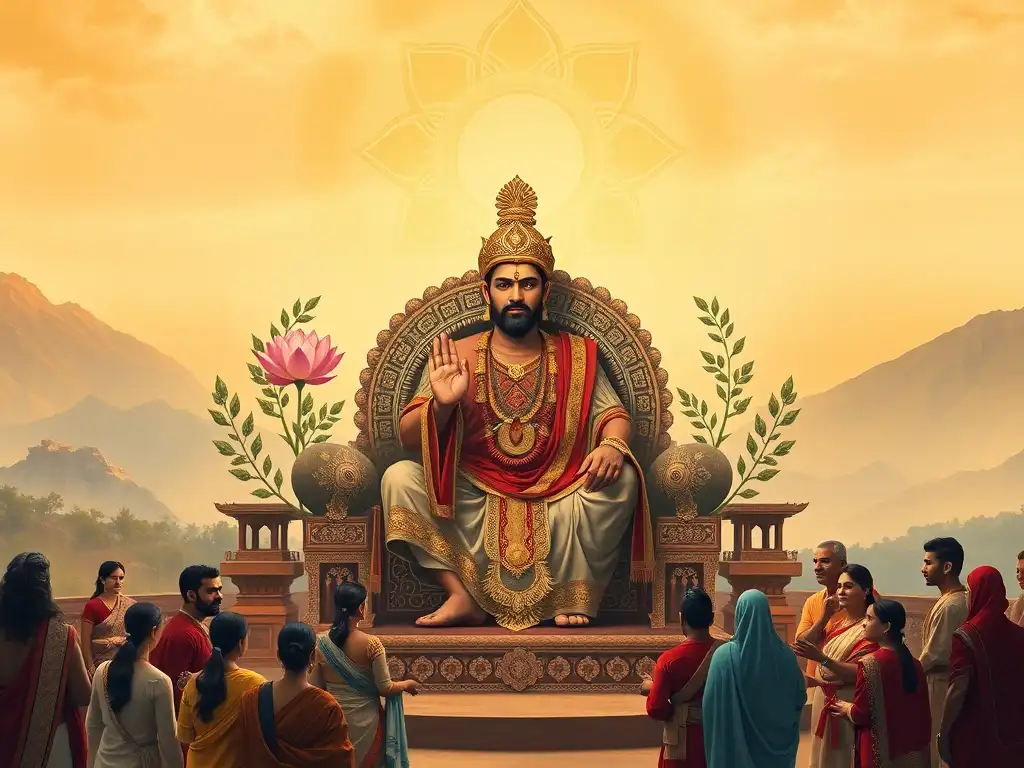
Ashoka's impact extended far beyond his reign, influencing subsequent generations and shaping the course of Indian history. His promotion of Dharma and ethical governance provided a template for future rulers and political leaders.
Cultural and Religious Impact of Ashoka's Reign
The cultural and religious landscape of India was significantly shaped by Ashoka's policies. He embraced Buddhism after witnessing the devastation of war, promoting its teachings throughout his empire. His support for Buddhism led to the construction of numerous stupas and monasteries, making it a major religion in India and beyond.
Ashoka's edicts reflect a deep commitment to religious tolerance, advocating for respect among different faiths. This approach fostered an environment where various religious traditions could coexist, influencing the development of a pluralistic society. The spread of Buddhism under Ashoka also facilitated cultural exchanges with other regions, as missionaries traveled to places like Sri Lanka and Southeast Asia, carrying the teachings of the Buddha.
Legacy of Ashoka the Great in Indian History
The legacy of Ashoka the Great is profound and enduring. His commitment to Dharma and non-violence resonated through history, influencing not only Indian philosophy but also global concepts of governance and ethics. Ashoka is often cited as an early advocate for human rights, with his edicts emphasizing compassion, justice, and social welfare.
Throughout the centuries, Ashoka's life and principles have inspired numerous movements for peace and non-violence, most notably influencing figures like Mahatma Gandhi in the 20th century. His vision of a just and humane society continues to resonate, making him one of the most revered figures in Indian history. Ashoka the Great remains a symbol of ethical leadership and the potential for transformative change through peace rather than conflict.
Conclusion: The Enduring Legacy of Ashoka the Great
Ashoka the Great remains a towering figure in the annals of history, not just for his military conquests but for his profound transformation from a warrior to a proponent of peace. His reign marked a pivotal shift in governance and philosophy, setting a standard for future leaders in India and beyond. The principles he advocated—non-violence, tolerance, and respect for all living beings—continue to resonate in contemporary discussions about ethics, governance, and social justice. Ashoka's legacy is encapsulated in his edicts, which have survived through centuries, serving as timeless reminders of the power of compassion and moral leadership.
Furthermore, Ashoka's promotion of Buddhism played a significant role in the spread of the religion, influencing cultures across Asia. His commitment to fostering a sense of community and shared ethics contributed to a unifying identity that transcended regional and cultural boundaries. Today, Ashoka's vision of a just and peaceful society remains a guiding light for many, inspiring movements advocating for peace and human rights globally.
Reflection on Ashoka's Philosophy and Its Relevance Today
Ashoka's philosophy, rooted in Dharma (righteousness), emphasizes the importance of ethical governance and social responsibility. In an era marked by conflict and division, his approach offers valuable insights into conflict resolution and reconciliation. The principles he championed, such as empathy and understanding, can be applied to modern societal challenges, including communal tensions and environmental sustainability.
Moreover, Ashoka's commitment to non-violence can be seen as a precursor to contemporary peace movements. His belief that dialogue and understanding should replace aggression is echoed in today's attempts to resolve conflicts through diplomacy rather than warfare. As societies grapple with issues of inequality and injustice, Ashoka's legacy encourages a reevaluation of our methods in addressing these problems, advocating for a shift towards more humane and compassionate approaches.
Summary of Ashoka's Impact on Ancient Indian Civilization
Ashoka's reign (circa 268-232 BCE) was transformative for ancient Indian civilization. He expanded the Mauryan Empire to its greatest territorial extent, yet it was his post-conquest policies that truly defined his legacy. His embrace of Buddhism and the dissemination of its teachings facilitated cultural and spiritual exchanges that enriched Indian society.
Ashoka's edicts, inscribed on rocks and pillars across his empire, communicated his vision of a just and ethical society. These inscriptions addressed various aspects of governance, including welfare, non-violence, and respect for all religions, thereby laying the groundwork for a more inclusive society. His efforts in promoting infrastructure, such as roads and hospitals, enhanced trade and public health, contributing to economic prosperity.
The influence of Ashoka's policies extended beyond his empire, impacting neighboring regions and shaping the cultural landscape of Asia. His legacy is evident in the enduring presence of Buddhist philosophy and the continued reverence for his principles of peace and governance throughout history.
References for Further Reading on Ashoka the Great History
Suggested Books and Articles on Ashoka the Great
-
"Ashoka: The Search for India's Lost Emperor" by Charles Allen
A comprehensive exploration of Ashoka's life, his transformation, and his impact on Indian history.
-
"The Edicts of Ashoka" translated by Richard McKeon
A critical translation and analysis of Ashoka's edicts, providing insights into his governance and philosophy.
-
"Ashoka: The Great" by Romila Thapar
This book offers a scholarly perspective on Ashoka's role in shaping ancient Indian society and his contributions to Buddhism.
-
"The Mauryan Empire" by R. S. Sharma
An overview of the Mauryan Empire, with a focus on Ashoka's reign and its historical significance.
Additional Resources on Ancient Indian History
- The Archaeological Survey of India: A resource for exploring archaeological findings related to Ashoka and the Mauryan Empire.
- The Indus Valley Civilization: A study of the ancient civilization that preceded Ashoka, providing context for the cultural developments of his time.
- Online Databases and Museums: Institutions like the V&A Museum and the British Museum offer digital collections that include artifacts from the Mauryan era, enhancing understanding of Ashoka's historical context.
- Documentaries and Lectures: Various educational platforms offer documentaries on Ashoka's life and the history of ancient India, useful for visual learners seeking to deepen their knowledge.
- Introduction to Ashoka the Great History
- Early Life of Ashoka the Great
- The Rise of Ashoka to Power
- The Kalinga War: A Turning Point in Ashoka's History
- Ashoka's Transformation: The Renunciation of War
- Ashoka the Great's Contributions to Society
- The Administrative Reforms Under Ashoka
- Ashoka's Influence on Future Generations
- Conclusion: The Enduring Legacy of Ashoka the Great
- References for Further Reading on Ashoka the Great History
- What is the significance of Ashoka the Great in Indian history?
- How did Ashoka's policies influence future Indian empires?
- What are the key achievements of Ashoka during his reign?
- How did Ashoka the Great’s reign impact the spread of Buddhism?
- What lessons can modern leaders learn from Ashoka's approach to governance?
Frequently Asked Questions
What is the significance of Ashoka the Great in Indian history?
Ashoka the Great is known for his transformational role in promoting Buddhism and non-violence after the Kalinga War, making him a pivotal figure in ancient Indian history.
How did Ashoka's policies influence future Indian empires?
His policies of Dharma and tolerance set a precedent for future rulers, emphasizing moral governance and the importance of spiritual development over military conquest.
What are the key achievements of Ashoka during his reign?
Ashoka's key achievements include the establishment of the Edicts of Ashoka, the spread of Buddhism, and the development of an extensive infrastructure that enhanced trade and communication across his empire.
How did Ashoka the Great’s reign impact the spread of Buddhism?
Ashoka played a crucial role in the expansion of Buddhism beyond India by sending missionaries to various regions, thus making it a global religion during his time.
What lessons can modern leaders learn from Ashoka's approach to governance?
Modern leaders can learn the importance of compassionate leadership, the value of dialogue over conflict, and the need for policies that promote social welfare and harmony among diverse populations.
Final Reflection: The Enduring Legacy of Ashoka the Great
Ashoka the Great's history resonates profoundly in today's world, where the echoes of his commitment to peace and non-violence serve as a guiding light for contemporary societies grappling with conflict and division. His remarkable transformation from a conqueror to a champion of dharma highlights the potential for change within us all. In an era where the consequences of war are felt more than ever, Ashoka's legacy urges us to reconsider our paths and the values we uphold.
The impact of Ashoka's principles transcends time, influencing not only the cultural and social landscapes of his own era but also inspiring modern movements for peace and reconciliation. His edicts, which advocate for compassion and understanding, continue to resonate with those striving for a more harmonious world. Peace is not merely the absence of war. It is also a state of mind.
This quote encapsulates the essence of Ashoka's teachings, reminding us that true peace requires active engagement and a commitment to fostering goodwill among all.
As we reflect on the lessons of Ashoka the Great, let us take a moment to consider how we can embody his ideals in our daily lives. Are we promoting peace in our communities? Are we choosing understanding over conflict? The journey toward a more compassionate world begins with each of us. Embrace the spirit of Ashoka, and let it inspire you to be a beacon of peace and change in your own sphere of influence.
Embrace Peace: Take Action Inspired by Ashoka Today!
Thank you for investing your time to explore the profound legacy of Ashoka the Great! You've learned how his journey from a conqueror to a beacon of peace can inspire our lives today. Now, let’s transform that inspiration into action!
Here are some steps you can take right now to embody Ashoka's values of compassion and non-violence:
- Engage in a local peace initiative: Seek out or even start a community project that promotes understanding and harmony among diverse groups.
- Spread the word: Share this article with your friends and family to inspire them to learn about Ashoka’s journey and the transformative power of peace.
- Reflect and meditate: Dedicate a few moments today to meditate on your own path toward non-violence and compassion, considering how you can incorporate these principles into your daily life.
How will you channel Ashoka's spirit of peace in your own world? Share your thoughts in the comments below; we’d love to hear your inspiring ideas!