
The Characters of the Mahabharata: Heroes and AntiHeroes in an Epic Narrative

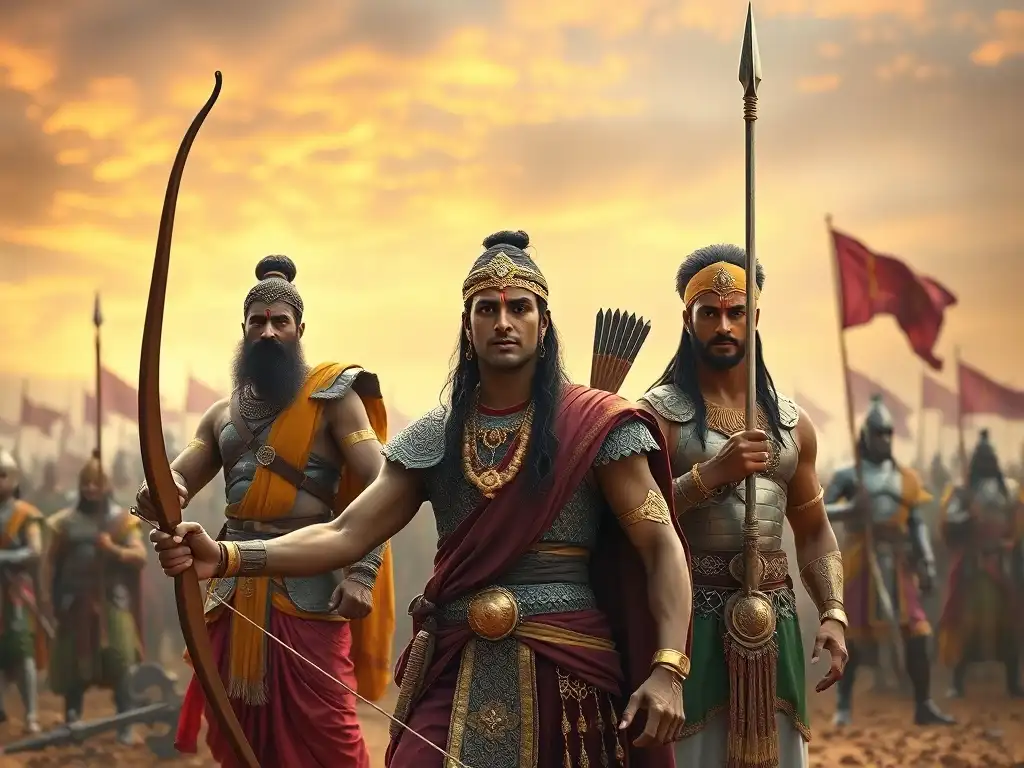
Welcome to Ancient India History, where we embark on a fascinating journey through the rich tapestry of India’s past! Dive deep into the world of the Mahabharata, one of the most revered epics that not only showcases the grandeur of ancient Indian civilization but also unravels the complex roles of its characters. From valiant heroes to cunning antiheroes, each figure in this epic narrative contributes to the timeless themes of duty, morality, and the human experience.
What makes these characters so compelling, and how do their stories resonate with our own lives today? Join us as we explore the intricate layers of the Mahabharata and discover the profound lessons hidden within its pages. Read on to uncover the tales that have shaped a culture!
Introduction to the Mahabharata
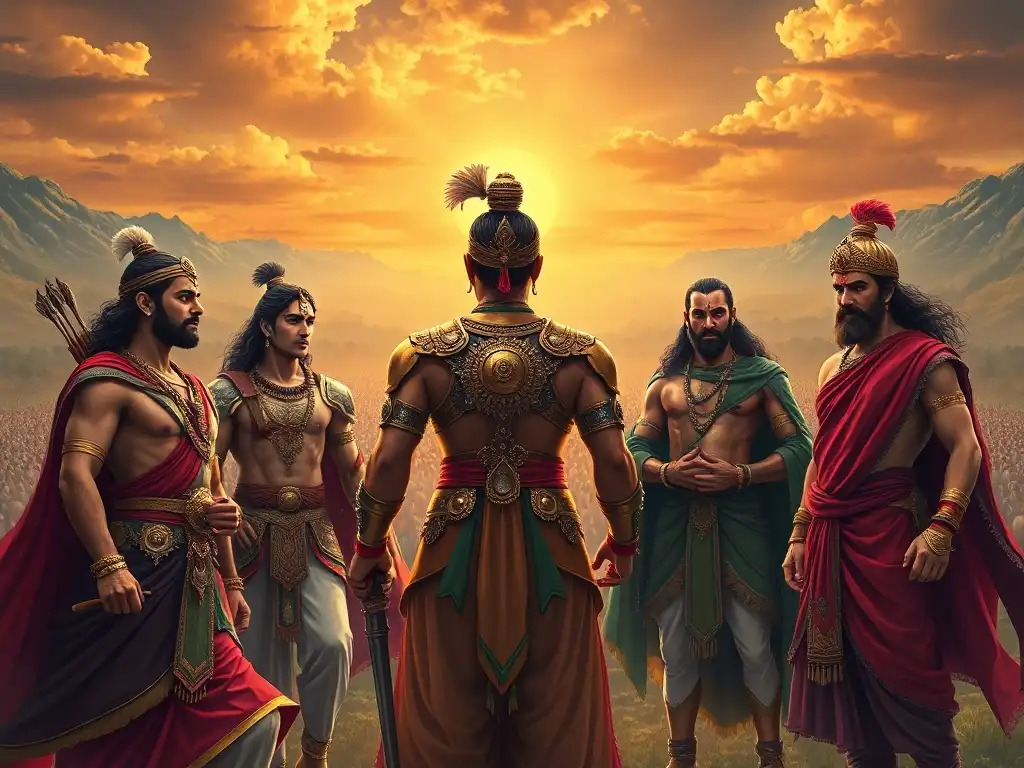
The Mahabharata stands as one of the most monumental epics in ancient Indian literature, weaving a tale of heroism, conflict, and morality that transcends time. This ancient narrative intricately details the lives of its characters, who embody diverse traits and complex motivations, shaping the very essence of the story.
From the righteous Pandavas to the cunning Kauravas, the characters of the Mahabharata not only drive the plot but also reflect the philosophical and ethical dilemmas of their time. This exploration into the Mahabharata characters and their roles reveals how these figures contribute to our understanding of ancient Indian values, virtues, and the human condition.
Overview of the Mahabharata Epic
The Mahabharata, traditionally attributed to the sage Vyasa, comprises over 100,000 shlokas (verses) and spans approximately 18 books. It narrates the epic battle of Kurukshetra, a climactic conflict between the Pandavas and Kauravas, two families vying for the throne of Hastinapura. The epic is not merely a chronicle of war; it encompasses a broad spectrum of themes including duty (dharma), righteousness, and the consequences of ambition.
The narrative is rich with sub-stories, moral teachings, and philosophical discourses, making it a foundational text not only for literature but also for understanding ancient Indian culture and ethics. The inclusion of characters such as Krishna, Arjuna, and Draupadi showcases the spectrum of human experience, from valor and devotion to betrayal and sacrifice.
Significance of Mahabharata Characters in Ancient Indian Literature
The characters of the Mahabharata serve as archetypes in ancient Indian literature, representing various human traits, moral dilemmas, and societal roles. Their actions and decisions resonate with the readers, providing profound lessons in ethics and governance.
Key characters like Yudhishthira epitomize righteousness, while figures such as Duryodhana embody ambition and moral ambiguity. This duality in character representation offers a lens through which readers can explore concepts of justice, loyalty, and the complexities of human nature. The Mahabharata thus becomes not just a narrative of historical events but a mirror reflecting the struggles, aspirations, and ethical conflicts inherent in human society.
The Role of Heroes in the Mahabharata
The Mahabharata is replete with heroic figures whose valor and virtues are central to the epic's narrative. These heroes are not mere warriors; they are embodiments of ideals and ethics that define the moral fabric of the story, each contributing uniquely to the overarching theme of dharma.
Key Heroic Figures in the Mahabharata
- Arjuna: The principal hero and skilled archer, known for his unwavering commitment to dharma. His internal conflict on the battlefield and guidance from Krishna highlight the epic's philosophical depth.
- Bhishma: The granduncle of both the Pandavas and Kauravas, renowned for his vows of celibacy and loyalty. His tragic fate raises questions about duty and personal sacrifice.
- Yudhishthira: The eldest Pandava, symbolizing truth and justice. His decisions often reflect the moral dilemmas faced by leaders, making him a pivotal character in exploring themes of righteousness.
- Draupadi: A key female figure whose honor and dignity are central to the conflict. Her narrative challenges the gender norms of the time, showcasing strength and resilience.
Characteristics of Heroes in the Mahabharata
The heroes of the Mahabharata exhibit a range of characteristics that contribute to their complexity and relatability:
- Courage: They face insurmountable odds while remaining steadfast in their beliefs.
- Moral Integrity: Many heroes grapple with ethical dilemmas, showcasing their commitment to dharma.
- Sacrifice: Their willingness to endure personal loss for the greater good underscores the epic's themes of altruism and duty.
- Flaws and Vulnerabilities: Unlike traditional heroes, Mahabharata characters often possess flaws, making their journeys more human and relatable.
The characters of the Mahabharata, both heroes and anti-heroes, serve as enduring symbols of ancient Indian values and complexities, inviting readers to reflect on their own moral choices and societal roles. Through this exploration, we gain insight into the timeless relevance of this great epic.
The AntiHeroes of the Mahabharata
The Mahabharata is not just a tale of heroes; it intricately weaves in antiheroes who embody complexity, moral ambiguity, and a range of human emotions. Characters such as Duryodhana, Shakuni, and even Karna exemplify the traits of antiheroes, challenging the conventional notions of good and evil found in epic narratives. Their motivations, desires, and actions often blur the lines between right and wrong, making them compelling figures in this timeless saga.
Understanding AntiHeroes in the Epic
In the context of the Mahabharata, antiheroes serve as pivotal figures who defy the archetype of a traditional hero. Duryodhana, for instance, is often viewed as the villain of the story, yet his actions stem from a deep-seated desire for recognition and power, as well as a profound sense of loyalty to his family.
Similarly, Shakuni, with his cunning and manipulative nature, seeks to avenge his family's dishonor, which adds layers to his character. These antiheroes are not merely antagonists; they represent the flawed nature of humanity, showcasing that motivations can be driven by love, revenge, or a quest for justice, even if their methods are questionable.
The Role of AntiHeroes in the Mahabharata Narrative
Antiheroes in the Mahabharata play essential roles that drive the narrative forward and enrich the story's moral tapestry. Duryodhana’s ambition and jealousy set the stage for the great war of Kurukshetra, while Karna’s tragic fate evokes sympathy and reflects the struggles of loyalty and identity. The internal conflicts faced by these characters highlight the complexity of dharma (duty/righteousness) in a world where moral choices are rarely black and white. Their presence challenges the protagonists and forces them to confront their own values and decisions, thereby shaping the course of the epic and illustrating the multifaceted nature of human experience.
Supporting Characters and Their Roles
While the main characters often capture the spotlight, supporting characters in the Mahabharata are critical to the narrative's depth and richness. They provide context, wisdom, and contrast to the primary figures, enhancing the overall storytelling. Characters like Vidura, Bhishma, and Draupadi serve vital functions that influence the main events and the fates of the heroes and antiheroes alike.
The Role of Female Characters in the Mahabharata
Female characters in the Mahabharata are integral, impacting the storyline in profound ways. Draupadi, the fiery princess, embodies strength and resilience, becoming a catalyst for the events that lead to the war. Her humiliation in the Kaurava court is a pivotal moment that galvanizes the Pandavas into action. Other women, such as Kunti and Gandhari, also provide crucial perspectives on loyalty, sacrifice, and the consequences of war. The portrayal of these characters reflects the societal roles of women in ancient India, revealing their influence and agency within a patriarchal framework.
The Importance of Mentor Figures
Mentor figures are essential to the narrative of the Mahabharata, guiding the main characters through their journeys. Characters like Krishna and Bhishma provide wisdom, strategy, and moral guidance, influencing the decisions of the protagonists. Krishna, in particular, serves as a divine charioteer, imparting profound philosophical teachings to Arjuna during the Bhagavad Gita discourse. This relationship underscores the theme of mentorship and the transfer of knowledge, highlighting the significance of guidance in navigating the complexities of life and duty. Through these mentor figures, the epic emphasizes the importance of wisdom and support in shaping one's destiny.
The Interplay Between Heroes and AntiHeroes
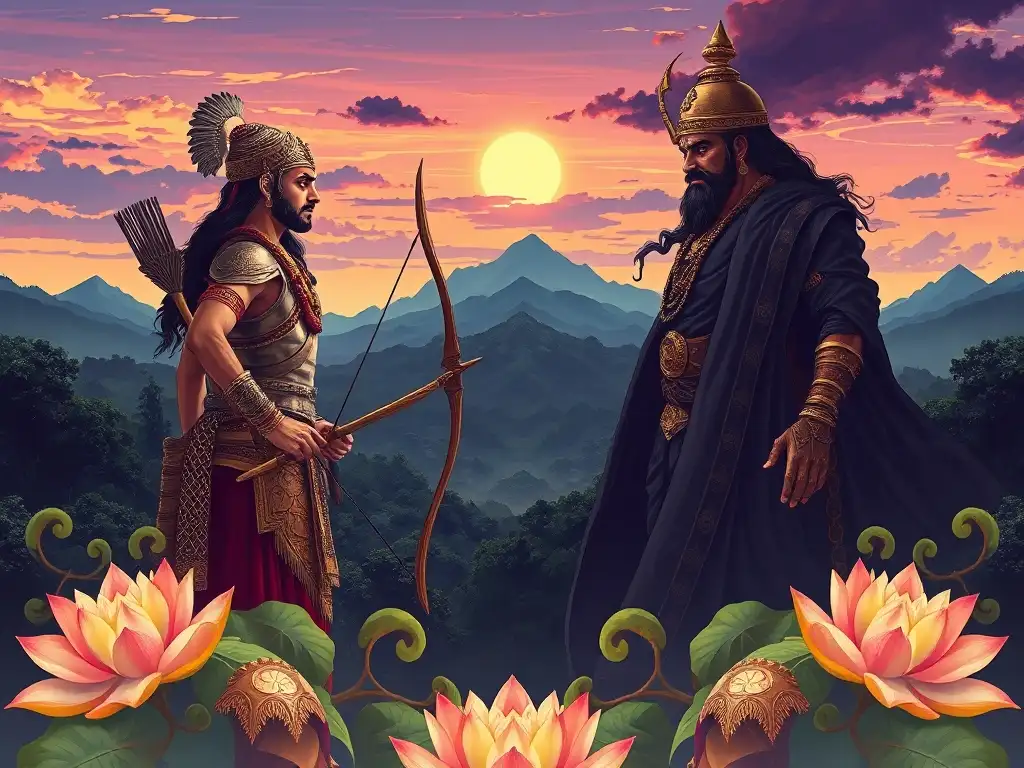
The Mahabharata is a complex narrative that intricately weaves the lives of its characters, creating a tapestry of heroes and antiheroes whose interplay drives the epic's plot. At the heart of this narrative are characters like Arjuna, the noble hero, and Duryodhana, the cunning antihero. Their contrasting motivations and ethical dilemmas highlight the moral ambiguities present in the epic.
The relationships between these characters often blur the lines between good and evil, as many heroes exhibit flaws and antiheroes possess redeeming qualities. The tensions that arise from these dynamics create dramatic conflicts, leading to pivotal moments in the story. For instance, Bhishma, a revered figure, is caught in his loyalties to both the Kauravas and the Pandavas, showcasing the complexity of allegiance and honor.
Ultimately, the interplay between heroes and antiheroes in the Mahabharata serves to illustrate the multifaceted nature of humanity, where virtues and vices coexist, reflecting the real-world struggles of individuals in their quest for righteousness.
Conflicts and Relationships Among Mahabharata Characters
The Mahabharata is rich with conflicts that arise from the intricate relationships among its characters. Central to the narrative are the Pandavas and Kauravas, two branches of the same royal family, whose rivalry leads to the catastrophic Kurukshetra War. The deep-seated animosity between them is fueled by a combination of jealousy, ambition, and moral disputes.
Key relationships, such as that between Draupadi and the Kauravas, further illustrate the personal stakes involved. Draupadi's humiliation at the hands of Duryodhana and his brothers ignites a fierce desire for revenge among the Pandavas, setting the stage for the ensuing conflict. Additionally, the mentorship of figures like Krishna plays a crucial role, as he navigates the moral complexities faced by both sides, providing guidance while remaining neutral.
Moreover, the relationships extend beyond familial ties, encompassing alliances, betrayals, and friendships. For example, the friendship between Krishna and Arjuna showcases loyalty and support amidst chaos, while the enmity between Karna and Arjuna exemplifies the tragic consequences of fate and choices. These relationships add depth to the characters, making their conflicts resonate on both personal and epic scales.
The Duality of Good and Evil in the Mahabharata
The Mahabharata masterfully explores the duality of good and evil through its characters, emphasizing that morality is rarely black and white. Heroes like Yudhishthira embody righteousness but occasionally falter in their judgment, leading to ethical dilemmas that challenge their virtue. Conversely, antiheroes such as Duryodhana, portrayed as ambitious and ruthless, evoke sympathy through their struggles against perceived injustices.
This duality is encapsulated in the character of Karna, who is both a loyal friend and a tragic figure. His loyalty to Duryodhana contrasts sharply with his noble lineage as the son of Kunti, raising questions about identity and moral choice. The epic illustrates that even the most virtuous characters can succumb to flawed decisions, while those labeled as villains may act out of loyalty or necessity.
Through these intricate portrayals, the Mahabharata invites readers to reflect on the complexity of human nature, urging them to recognize that good and evil can coexist within individuals, influencing their actions and destinies. This nuanced understanding of morality remains relevant, encouraging introspection about the choices we make in the face of adversity.
Conclusion: The Legacy of Mahabharata Characters
The characters of the Mahabharata have left an indelible mark on the cultural and philosophical landscape of India. Their stories resonate through generations, not only as mere tales of heroism and villainy but as profound lessons about the human condition. The characters embody various traits that reflect the struggles of life, making them relatable and timeless.
The epic's exploration of moral dilemmas and complex relationships serves as a mirror to society, prompting discussions about duty, honor, and justice. As such, the legacy of these characters is not confined to the pages of literature; it extends into the realms of art, theater, and spirituality, continuing to inspire and influence modern interpretations in various forms.
The Influence of Mahabharata Characters on Indian Culture
The influence of Mahabharata characters on Indian culture is immense and multifaceted. From literature to performing arts, these characters serve as archetypes that embody the values and conflicts prevalent in society. Their narratives have inspired countless adaptations in dance, drama, and folklore, enriching the cultural fabric of India.
Moreover, the characters are often invoked in discussions about ethics and morality, serving as examples in educational contexts. Figures like Arjuna and Krishna are frequently referenced in teachings about duty and righteousness, while Duryodhana's ambitions are analyzed as cautionary tales against hubris. This cultural presence underscores the relevance of the Mahabharata in contemporary society.
The characters' traits and stories have also permeated popular media, with films and television series reinterpreting their journeys for new audiences. This continued engagement with the Mahabharata ensures that its characters remain integral to the collective consciousness of Indian culture, embodying ideals and lessons that transcend time.
Lessons Learned from the Heroes and AntiHeroes of the Mahabharata
The Mahabharata offers profound lessons through its depiction of heroes and antiheroes, emphasizing the complexity of human behavior and the consequences of choices. One key lesson is the importance of dharma (duty) and the challenges individuals face in adhering to it amidst personal desires and societal expectations. Characters like Yudhishthira exemplify the struggle to uphold righteousness, even when faced with dire consequences.
Another important lesson revolves around the theme of reconciliation and forgiveness. The narrative highlights how grudges and animosities can lead to destruction, urging readers to seek understanding and compassion over conflict. The complex relationship between Karna and Arjuna serves as a poignant reminder of the tragic outcomes of unresolved enmity.
Additionally, the Mahabharata teaches the value of resilience and moral courage in the face of adversity. Characters such as Draupadi embody strength and determination, inspiring readers to stand against injustice and fight for their rights. Ultimately, the lessons gleaned from the heroes and antiheroes of the Mahabharata resonate with audiences, offering insights into navigating the complexities of life and relationships.
Further Reading and Resources on Mahabharata Characters
For those interested in delving deeper into the intricate world of Mahabharata characters and their roles, a wealth of resources is available to enhance understanding and appreciation of this epic narrative. Here’s a curated list of recommended readings and resources:
Books
- "Mahabharata: An Illustrated Retelling" by Ramesh Menon
- This retelling offers a fresh perspective on the Mahabharata, emphasizing character development and the moral dilemmas faced by the protagonists and antagonists.
- "The Mahabharata" translated by John D. Smith
- A comprehensive translation that captures the essence of the original text while providing insights into character motivations and their roles within the epic.
- "The Complete Mahabharata" by Kamala Chandrakant
- This edition presents the entire epic in a detailed yet accessible format, making it suitable for both casual readers and scholars.
Articles and Journals
- “The Complexity of Characters in the Mahabharata”
- This scholarly article explores the multifaceted nature of key characters, analyzing their actions and moral standings in the context of the epic.
- “Heroes and Anti-Heroes in the Mahabharata”
- A journal piece that discusses the duality of characters like Arjuna and Duryodhana, emphasizing their roles and the philosophical implications of their choices.
Online Resources
- The Mahabharata Digital Archive
- A comprehensive online repository that includes various translations, commentaries, and analyses of characters within the Mahabharata.
- Podcasts on Mahabharata
- Several podcasts delve into character studies, offering discussions and interpretations that engage listeners in the rich narrative of the Mahabharata.
Documentaries and Videos
- “Mahabharata: The Epic Saga” (Documentary Series)
- This series provides visual storytelling of the epic, focusing on character arcs and their significance within the larger narrative.
- YouTube Channels on Mythology
- Channels like "Epic History TV" and "Krishna The Supreme Personality" offer engaging content that explores Mahabharata characters and their roles through animated retellings and discussions.
Community and Discussion Forums
- Online Forums and Groups
- Websites such as Reddit and specialized forums allow enthusiasts to discuss interpretations of characters, share resources, and engage in debates about their roles and significance in the Mahabharata.
By exploring these resources, readers can gain a deeper insight into the myriad characters of the Mahabharata, their complexities, and the overarching themes that define this monumental epic.
- Introduction to the Mahabharata
- The Role of Heroes in the Mahabharata
- The AntiHeroes of the Mahabharata
- Supporting Characters and Their Roles
- The Interplay Between Heroes and AntiHeroes
- Conclusion: The Legacy of Mahabharata Characters
- Further Reading and Resources on Mahabharata Characters
- What is the significance of the Mahabharata in ancient Indian literature?
- Who are the main heroes of the Mahabharata?
- What roles do the anti-heroes play in the Mahabharata?
- How do the characters of the Mahabharata reflect ancient Indian values?
- Why is understanding Mahabharata characters important for studying ancient Indian culture?
Frequently Asked Questions
What is the significance of the Mahabharata in ancient Indian literature?
The Mahabharata is one of the longest epic poems in the world, embodying the cultural, moral, and philosophical values of ancient India through its complex characters and narratives.
Who are the main heroes of the Mahabharata?
Key heroes include Arjuna, a skilled archer and warrior, and Yudhishthira, known for his wisdom and adherence to truth. Their actions drive the epic's central conflicts.
What roles do the anti-heroes play in the Mahabharata?
Anti-heroes like Duryodhana and Shakuni present moral complexity; their ambitions and flaws provide a counterpoint to the heroes, adding depth to the narrative.
How do the characters of the Mahabharata reflect ancient Indian values?
The characters embody dharma (duty), karma (action), and the struggle between good and evil, serving as moral exemplars and cautionary figures within the epic's context.
Why is understanding Mahabharata characters important for studying ancient Indian culture?
Studying Mahabharata characters reveals insights into social structures, ethical dilemmas, and cultural norms, highlighting the rich tapestry of ancient Indian civilization.
Final Reflection: The Enduring Legacy of Mahabharata Characters
The characters of the Mahabharata resonate profoundly in today's world, as they embody the complexities of human nature and moral dilemmas that we face every day. The epic's heroes and anti-heroes serve as timeless archetypes, reminding us that the lines between good and evil are often blurred. In a society grappling with ethical challenges, the lessons drawn from these characters remain strikingly relevant, urging us to reflect on our own choices and motivations.
The influence of Mahabharata characters extends far beyond literature; they have shaped cultural narratives and social values across generations. The struggles of figures like Arjuna and Duryodhana continue to inspire discussions about duty, righteousness, and the consequences of our actions. As philosopher and author Joseph Campbell once said, A hero is someone who has given his or her life to something bigger than oneself.
This sentiment encapsulates the essence of the Mahabharata, where each character, whether celebrated or vilified, contributes to a greater understanding of the human experience.
As you close this exploration of the Mahabharata's characters, I invite you to reflect on their stories and the lessons they impart. Consider how the themes of duty, sacrifice, and moral ambiguity resonate in your own life. Embrace the opportunity to learn from these epic figures, allowing their journeys to guide you in navigating your own challenges. In doing so, you not only honor the legacy of the Mahabharata but also enrich your understanding of what it means to be human in an ever-evolving world.
Embrace the Epic: Dive Deeper into the Mahabharata!
Thank you for taking the time to explore the fascinating characters of the Mahabharata! You've gained valuable insights into the heroes and anti-heroes of this epic narrative, revealing the complexity of their motivations and actions. Now, it's time to take the next step on this enriching journey.
Here’s how you can connect even more deeply with the Mahabharata:
- Read further: Explore additional books or online resources that delve into the stories of your favorite characters.
- Join a discussion group: Engage with fellow enthusiasts to share perspectives and interpretations of the Mahabharata.
- Create your own hero: Challenge your creativity by writing a short story that incorporates a character inspired by the themes you've discovered.
What aspect of the Mahabharata's characters resonates most with you, and how would you embody their lessons in your daily life?