
Exploring the Philosophical Insights Found in Ancient Indian Inscriptions

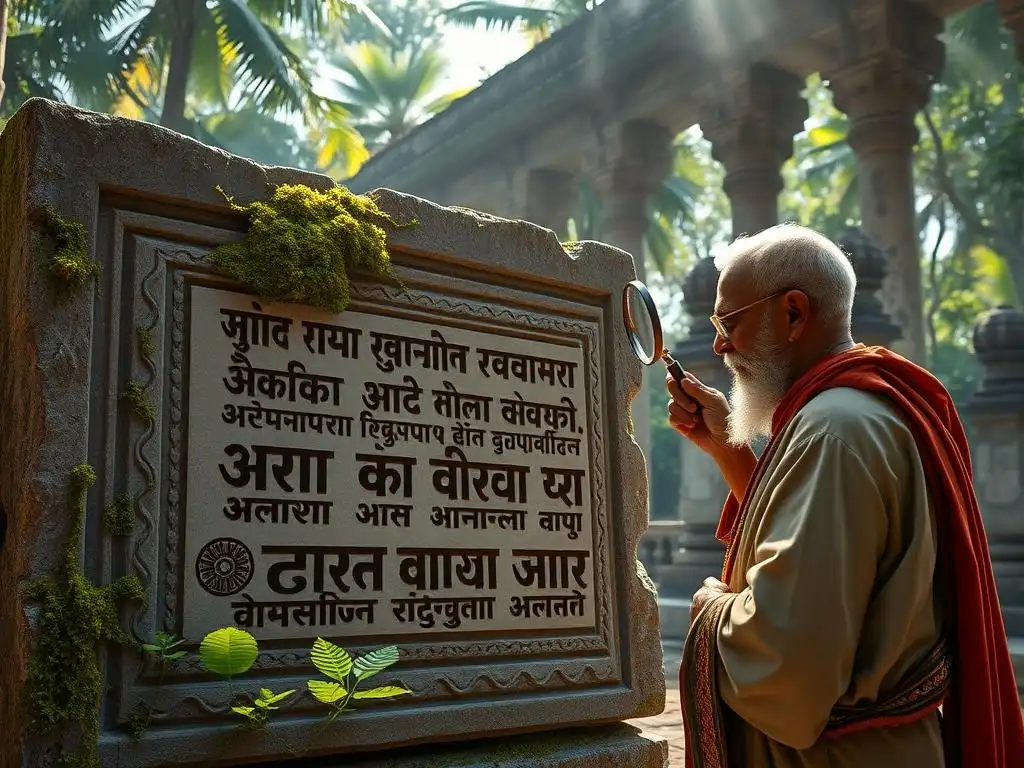
Welcome to Ancient India History, where we embark on a journey through the rich tapestry of India's past. In this exploration, we delve into the philosophical insights found in ancient Indian inscriptions, revealing the profound thoughts and beliefs that shaped civilizations from the Indus Valley to the Gupta Empire.
Prepare to be captivated by the wisdom etched in stone, as we uncover how these inscriptions reflect the intellectual and spiritual heritage of a land steeped in history. Join us as we unlock the secrets of the ancients and inspire your curiosity to learn more about this fascinating aspect of Indian culture!
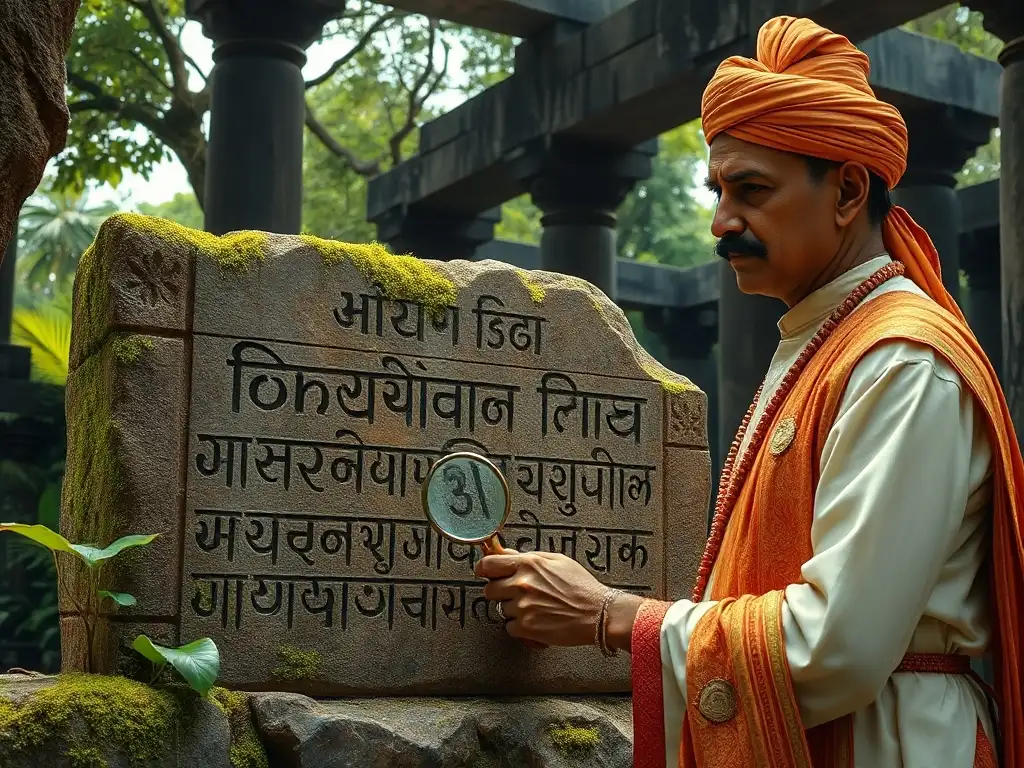
Ancient Indian inscriptions serve as a vital link to understanding the profound philosophical insights that permeated Indian civilization throughout its history. These inscriptions, etched in stone, metal, and other durable materials, reveal not only significant historical events but also the rich intellectual and spiritual traditions that have shaped Indian culture.
By delving into the philosophical dimensions found within these inscriptions, we can uncover the values, beliefs, and thought processes of ancient Indian societies, offering a window into their worldviews and ethical considerations. This exploration is essential for appreciating the depth of ancient Indian thought and its enduring influence on contemporary philosophical discourse.
Introduction to Ancient Indian Inscriptions
Ancient Indian inscriptions are invaluable records that document the thoughts, beliefs, and events of past civilizations. They span a vast timeline, from the early Indus Valley Civilization to the later Gupta Empire, and encompass various languages, scripts, and cultural contexts. These inscriptions provide insights into the philosophical frameworks that guided the lives of individuals and communities, reflecting a rich tapestry of ideas that influenced not only local practices but also broader philosophical traditions.
Importance of Inscriptions in Ancient Indian History
The significance of inscriptions in ancient Indian history cannot be overstated. They serve multiple purposes, including:
- Historical Documentation: Inscriptions chronicle important events, royal decrees, and social norms, helping historians reconstruct timelines and understand societal structures.
- Cultural Transmission: They reflect the values and beliefs of the time, offering a glimpse into the cultural identity of ancient peoples.
- Philosophical Discourse: Many inscriptions contain philosophical teachings and ethical directives, contributing to the broader discourse on morality and existence.
Through the study of these inscriptions, researchers can gain a deeper understanding of the philosophical underpinnings that guided ancient Indian civilizations.
Overview of Philosophical Insights in Ancient Texts
The philosophical insights found in ancient Indian inscriptions often echo the themes present in prominent texts such as the Vedas, Upanishads, and various Sutras. Key insights include:
- Concept of Dharma: The ethical and moral duty that individuals must follow, which is pivotal in understanding social order and personal conduct.
- Unity of Existence: Many inscriptions emphasize the interconnectedness of all beings, a philosophy that underpins various spiritual practices.
- Pursuit of Knowledge: The importance of knowledge and education is frequently highlighted, reflecting the value placed on intellectual growth and philosophical inquiry.
These themes are not merely theoretical; they were lived experiences for many ancient Indians, influencing their daily lives and societal structures.
The Historical Context of Ancient Indian Inscriptions
To fully appreciate the philosophical insights encapsulated in ancient Indian inscriptions, it is essential to consider the historical context in which they were created. This context includes the socio-political dynamics, cultural exchanges, and intellectual movements that shaped different periods of Indian history.
Timeline of Key Inscriptions and Their Origins
The study of inscriptions reveals a chronological progression of philosophical thought in ancient India. Notable inscriptions include:
- Indus Valley Seals (circa 2500-1900 BCE): Early examples that hint at trade and religious practices.
- Ashoka's Edicts (circa 268-232 BCE): A series of inscriptions that promote Buddhist values and ethical governance.
- Gupta Period Inscriptions (circa 320-550 CE): Reflecting advancements in art, science, and philosophy, showcasing the flourishing of intellectual thought.
Each of these milestones marks a significant development in the philosophical landscape of ancient India.
Major Civilizations Contributing to Philosophical Thought
Various civilizations throughout ancient Indian history contributed uniquely to its philosophical traditions. Key contributors include:
- Indus Valley Civilization: Early signs of social organization and spiritual practices.
- Maurya Empire: The reign of Ashoka brought about a significant emphasis on moral governance and non-violence.
- Gupta Empire: Known as the Golden Age of India, it was a time of unparalleled achievements in philosophy, science, and art.
These civilizations laid the groundwork for the philosophical insights that continue to resonate in modern times, demonstrating the enduring legacy of ancient Indian thought.
Philosophical Themes in Ancient Indian Inscriptions
Ancient Indian inscriptions serve as a vital window into the philosophical thoughts and cultural values of their time. They encapsulate a wide range of philosophical themes that reflect the socio-political and spiritual landscapes of ancient India. These inscriptions often delve into profound concepts such as ethics, metaphysics, and the pursuit of knowledge. By studying these themes, modern scholars gain insights into how ancient civilizations understood their world and the moral frameworks that guided their societies.
Concepts of Dharma and Ethical Conduct
One of the most significant philosophical insights found in ancient Indian inscriptions is the concept of Dharma, often translated as duty or righteousness. Dharma represents a complex interplay of moral principles that govern individual behavior and societal norms. Inscriptions, such as those from the Mauryan period, emphasize the importance of adhering to Dharma as a means to maintain social order and harmony.
The Edicts of Ashoka, for instance, articulate a vision of governance rooted in ethical conduct, urging rulers and subjects alike to act in accordance with Dharma. These inscriptions highlight the significance of compassion, non-violence, and truthfulness, suggesting that ethical behavior is essential for both personal fulfillment and the welfare of the community. Such themes underscore the integral role of ethical conduct in the philosophical discourse of ancient India.
The Nature of Reality and Metaphysics
Inscriptions from ancient Indian civilizations also engage deeply with metaphysical questions about the nature of reality. Philosophers of the time sought to understand the cosmos, the self, and the ultimate nature of existence. Texts inscribed on stone or metal often reflect these inquiries, touching upon concepts of Brahman (the ultimate reality) and Atman (the individual soul).
The Nasik Inscriptions, for instance, reflect on the relationship between the individual and the divine, exploring how personal identity relates to the broader universe. These inscriptions discuss the transient nature of life and the eternal aspect of the soul, providing a glimpse into the metaphysical contemplations of ancient Indian thinkers. The philosophical richness of these inscriptions offers valuable insights into how ancient societies grappled with existential questions.
Spirituality and the Pursuit of Knowledge
The pursuit of knowledge and spiritual enlightenment is another prevalent theme in ancient Indian inscriptions. Many inscriptions encourage individuals to seek wisdom, emphasizing the transformative power of learning and introspection. This pursuit is often coupled with a quest for Moksha, or liberation from the cycle of birth and rebirth.
Inscriptions from various periods, including the Gupta era, express a deep reverence for education and intellectual exploration as pathways to spiritual growth. They frequently celebrate the contributions of scholars and sages, highlighting the significance of philosophical inquiry in achieving a higher understanding of existence. Such themes illustrate the ancient Indian commitment to knowledge as a means of spiritual advancement.
Notable Inscriptions and Their Philosophical Significance
Several notable inscriptions throughout ancient Indian history encapsulate profound philosophical insights, revealing the intellectual currents of their respective periods. These inscriptions not only serve as historical documents but also as philosophical treatises that continue to inspire contemporary thought.
The Edicts of Ashoka: A Study in Morality and Governance
The Edicts of Ashoka are perhaps the most well-known inscriptions reflecting philosophical thought during the Mauryan Empire. Inscribed on pillars and rocks across the Indian subcontinent, these edicts advocate for a moral governance rooted in the principles of Dharma. Ashoka's emphasis on compassion, non-violence, and the welfare of all living beings highlights the ethical imperatives that guided his rule.
The inscriptions articulate a vision of a just society, where rulers are accountable for their actions and must promote the well-being of their subjects. By connecting morality with governance, Ashoka's edicts offer a compelling argument for the role of ethical conduct in leadership—an insight that remains relevant in modern political discourse.
The Nasik Inscriptions: Reflections on Devotion and Community
The Nasik Inscriptions, dating back to the first century CE, provide rich philosophical insights related to devotion and community. These inscriptions celebrate the role of religious devotion as a unifying force within society, often linking individual spiritual practices to collective well-being. They highlight the importance of communal support in the pursuit of spiritual goals, suggesting that personal devotion can foster a sense of belonging and responsibility towards others.
Furthermore, the Nasik Inscriptions emphasize the significance of Sadhus (holy men) and their contributions to spiritual life, reflecting the philosophical belief in the interconnectedness of community and spirituality. This dual focus on personal and communal aspects of devotion illustrates the complex nature of philosophical thought in ancient India.
The Gupta Era Inscriptions: Art and Philosophy Intertwined
During the Gupta Era, inscriptions not only served as records of political achievements but also as expressions of philosophical and artistic ideals. The inscriptions from this period highlight the interplay between art and philosophy, showcasing how aesthetic expressions can communicate profound philosophical concepts.
For example, many Gupta inscriptions extol the virtues of knowledge, art, and beauty as essential components of a well-rounded life. They often invoke the idea that artistic creation is a reflection of the divine and that engaging with art can lead to deeper spiritual understanding. This synthesis of art and philosophy in Gupta inscriptions provides a unique perspective on how ancient Indians viewed the relationship between the tangible and intangible aspects of existence.
Methodologies for Analyzing Philosophical Insights

Analyzing philosophical insights found in ancient Indian inscriptions requires a multifaceted approach. Scholars utilize various methodologies to decode the messages encapsulated in the inscriptions, each contributing uniquely to our understanding of ancient thought. The primary methodologies include:
- Textual Analysis: This involves a close reading of inscriptions, focusing on language, syntax, and semantics. By examining the choice of words and phrases, researchers can glean insights into the philosophical concepts being conveyed.
- Contextual Analysis: Understanding the historical, cultural, and social context in which an inscription was created is crucial. This approach often involves interdisciplinary cooperation, incorporating archaeology, anthropology, and history to provide a comprehensive backdrop against which philosophical ideas can be understood.
- Iconographic Analysis: Many inscriptions are accompanied by visual symbols and motifs. Analyzing these images in tandem with the textual content helps to reveal deeper philosophical meanings and cultural values.
By employing these methodologies, researchers can unlock the rich philosophical traditions embedded within ancient Indian inscriptions.
Epigraphic Studies as a Tool for Understanding Ancient Thought
Epigraphic studies play a pivotal role in exploring the philosophical insights of ancient Indian civilizations. These studies involve the systematic examination of inscriptions found on stone, metal, pottery, and other materials, offering a direct link to the thoughts and beliefs of the time. Key aspects of epigraphic studies include:
- Dating and Authentication: Establishing the age of inscriptions helps contextualize the philosophical ideas within specific historical periods, such as the Maurya or Gupta empires. Techniques like radiocarbon dating and paleography are essential here.
- Transcription and Translation: Translating inscriptions from ancient languages like Sanskrit, Prakrit, or Pali is crucial for making the texts accessible to modern audiences. Accurate transcription ensures that subtle nuances of thought are preserved.
- Interpretation of Philosophical Concepts: Epigraphic studies allow scholars to identify recurring philosophical themes, such as dharma (duty), karma (action), and moksha (liberation). These themes reveal the ethical and metaphysical frameworks that shaped ancient Indian society.
Through epigraphic studies, researchers can uncover the philosophical underpinnings that guided the moral and ethical decisions of ancient Indian civilizations, enriching our understanding of their intellectual heritage.
Comparative Analysis with Other Ancient Philosophies
Comparative analysis serves as a valuable tool in understanding how philosophical insights in ancient Indian inscriptions relate to broader philosophical discourses across the globe. This methodology involves juxtaposing philosophical concepts from ancient Indian texts with those from other traditions, such as:
- Greek Philosophy: By comparing inscriptions that discuss ethics and metaphysics with works from philosophers like Plato or Aristotle, scholars can identify parallels and divergences in thought. For instance, the concept of 'dharma' can be juxtaposed against Greek notions of virtue.
- Chinese Philosophy: Insights from Confucianism or Daoism can also provide a contrasting framework for understanding ancient Indian philosophical principles. The emphasis on harmony in Chinese thought may resonate with the Indian pursuit of balance between individual duty and societal obligations.
- Persian and Mesopotamian Philosophies: Examining inscriptions from these regions can reveal influences and exchanges that shaped philosophical ideas in the Indian subcontinent, highlighting the interconnectedness of ancient civilizations.
This comparative approach not only enriches the understanding of ancient Indian philosophies but also situates them within a global context, illustrating the dynamic interplay of ideas that transcended cultural boundaries.
Impact of Ancient Indian Philosophical Insights on Later Thought
The philosophical insights encapsulated in ancient Indian inscriptions have had a profound impact on subsequent intellectual traditions, both within India and beyond. These insights continue to resonate through various domains, shaping philosophical discourse for centuries.
Influence on Indian Philosophy and Culture
Ancient Indian philosophical insights laid the groundwork for later schools of thought, such as Vedanta, Buddhism, and Jainism. Key impacts include:
- Development of Ethical Frameworks: The concepts of karma and dharma continue to inform moral philosophy in contemporary Indian society, influencing behavior, spirituality, and social norms.
- Integration into Cultural Practices: Many philosophical ideas from ancient inscriptions have been absorbed into cultural practices, rituals, and art forms, creating a rich tapestry of tradition that reflects ancient wisdom.
- Foundation for Dialogues: The philosophical inquiries initiated in ancient times have sparked ongoing dialogues within Indian philosophy, fostering a culture of debate and inquiry that continues to thrive today.
Cross-Cultural Exchanges and Global Philosophical Discourse
The philosophical insights derived from ancient Indian inscriptions have also contributed significantly to global philosophical discourse. This influence can be seen in several ways:
- Spread of Ideas: Through trade routes and cultural exchanges, concepts such as non-attachment and meditation from ancient Indian thought have permeated various cultures, influencing Western philosophy and spirituality.
- Interdisciplinary Perspectives: The integration of ancient Indian philosophical insights into modern disciplines such as psychology, ethics, and environmental philosophy demonstrates their relevance and adaptability in contemporary discussions.
- Global Philosophical Movements: Movements like Transcendentalism and New Age spirituality often draw on ancient Indian philosophies, indicating a continued interest and reverence for the insights found in ancient inscriptions.
The philosophical insights found in ancient Indian inscriptions not only shaped the intellectual landscape of their time but also continue to influence contemporary thought across cultures, highlighting the timeless nature of these ideas.
Conclusion
The exploration of philosophical insights found in ancient Indian inscriptions reveals a profound understanding of the human experience, ethics, and the nature of existence as articulated by early Indian thinkers. These inscriptions serve not only as historical artifacts but also as windows into the minds of those who shaped the philosophical landscape of their time. Through the study of these texts, we gain a deeper appreciation for the complexities of thought that characterized ancient Indian society and how these ideas continue to resonate in modern philosophical discussions.
These inscriptions highlight the significance of moral values, the pursuit of knowledge, and the interconnectedness of life, emphasizing the enduring relevance of ancient wisdom. As we conclude our exploration, it is essential to recognize that the philosophical insights embedded within these inscriptions are not merely relics of the past; they are living ideas that continue to inspire and challenge us today.
Summary of Key Insights from Ancient Indian Inscriptions
- Ethical Values: Ancient inscriptions often encapsulate the moral principles upheld by societies, such as truthfulness, non-violence, and respect for all beings. Texts from the Mauryan period, particularly those influenced by the edicts of Ashoka, emphasize the importance of dharma (righteousness) and ethical governance.
- Nature of Existence: Philosophical reflections on existence, often linked to concepts of karma and rebirth, are prevalent in inscriptions. The inscriptions provide insights into how these beliefs shaped individual and collective identities.
- Knowledge and Wisdom: Ancient Indian thinkers valued knowledge as a pathway to liberation (moksha). Inscriptions frequently celebrate learning and the pursuit of wisdom, reflecting the high regard for education in ancient Indian culture.
- Interconnectedness: The idea of interconnectedness between all forms of life is a recurrent theme. Inscriptions often remind us of our responsibilities towards nature and society, advocating for harmony and balance.
The Lasting Legacy of Ancient Philosophical Thought in Modern Context
The philosophical thought articulated in ancient Indian inscriptions has left an indelible mark on contemporary discussions surrounding ethics, spirituality, and social responsibility. Modern philosophical movements often draw parallels with ancient ideas, demonstrating the timelessness of these insights.
For instance, the principles of non-violence (ahimsa) and truth (satya) are not only foundational to many Eastern philosophies but have also influenced global movements for peace and justice. Furthermore, the emphasis on holistic understanding and the interconnectedness of life resonates with current environmental and social challenges, calling for a collective approach to problem-solving.
In academic circles, scholars continue to engage with ancient texts, extracting insights relevant to modern philosophical, ethical, and spiritual inquiries. This ongoing dialogue ensures that the legacy of ancient Indian philosophy remains vibrant and impactful in today's world.
Further Reading and Resources
Recommended Books on Ancient Indian Inscriptions
- "Inscriptions of Asoka" by Romila Thapar: This book provides a comprehensive analysis of the edicts of Ashoka, exploring their philosophical implications and historical context.
- "The Heritage of Indian Art" by G. K. Gupta: This work discusses the artistic and cultural significance of inscriptions, alongside their philosophical dimensions.
- "Ancient Indian Philosophy: A New Approach" by Dr. J. N. Mohanty: Offering insights into how ancient philosophies can be understood in contemporary terms, this book is crucial for those interested in the evolution of philosophical thought in India.
Online Resources for In-depth Exploration of Ancient Philosophy
- Digital Library of India: A vast collection of ancient texts and inscriptions that can be accessed for research and study.
- Indian Epigraphy: A dedicated online platform that offers resources, translations, and discussions surrounding ancient inscriptions and their philosophical insights.
- Internet Archive: A repository of digitized books and academic papers that include studies on ancient Indian philosophy and inscriptions, making it a valuable resource for further exploration.
These resources provide an excellent foundation for anyone wishing to delve deeper into the rich philosophical heritage reflected in ancient Indian inscriptions.
- Introduction to Ancient Indian Inscriptions
- The Historical Context of Ancient Indian Inscriptions
- Philosophical Themes in Ancient Indian Inscriptions
- Notable Inscriptions and Their Philosophical Significance
- Methodologies for Analyzing Philosophical Insights
- Impact of Ancient Indian Philosophical Insights on Later Thought
- Conclusion
- Further Reading and Resources
Frequently Asked Questions
What are ancient Indian inscriptions?
Ancient Indian inscriptions are carvings or writings found on stones, metal, or other materials that record historical events, religious beliefs, and philosophical ideas from various periods of Indian history.
How do inscriptions reflect philosophical insights?
Inscriptions often contain philosophical teachings, moral principles, and spiritual concepts that reveal the intellectual and cultural values of ancient Indian civilizations, helping us understand their worldview.
Where can I find examples of these inscriptions?
Examples can be found in historical sites across India, such as temples, caves, and palaces, with significant inscriptions located in places like Ashoka's edicts and the Brahmi script.
What role did inscriptions play in ancient Indian society?
Inscriptions served as a means of communication, recording laws, decrees, and philosophical thoughts, which helped in governing, educating the populace, and preserving cultural heritage.
How can studying inscriptions enhance our understanding of ancient Indian culture?
Studying inscriptions provides insight into social structures, religious practices, and philosophical debates, allowing us to appreciate the diversity and richness of ancient Indian civilizations.
Final Reflection: Unveiling the Wisdom of Ancient Indian Inscriptions
The exploration of philosophical insights found in ancient Indian inscriptions is not just an academic endeavor; it is a journey into the very essence of human thought and existence. Today, as we navigate a world rife with challenges, the timeless wisdom encapsulated in these inscriptions offers profound guidance. The relevance of these ancient teachings is striking, reminding us that the quest for understanding and meaning is as vital now as it was centuries ago.
Cultural and social landscapes are continually shaped by the ideas we inherit from our past. The philosophical insights gleaned from ancient Indian inscriptions resonate deeply within contemporary discourse, influencing everything from ethics to spirituality. As we reflect on these teachings, we recognize their power to inspire personal growth and collective harmony. The greatest discovery of my generation is that a human being can alter his life by altering his attitude.
– William James. This quote encapsulates the transformative potential of engaging with the philosophical insights of our ancestors, urging us to adopt a mindset that fosters positive change.
As you close this chapter on ancient wisdom, I invite you to reflect on how these insights can be woven into the fabric of your daily life. Consider how the principles derived from these inscriptions can guide your decisions, shape your relationships, and inspire your aspirations. Embrace the opportunity to learn from the past and let it illuminate your path forward, fostering a deeper connection with yourself and the world around you. The journey of discovery is ongoing, and the wisdom of ancient Indian inscriptions is a treasure trove waiting to be explored.
Unveil the Wisdom of Ancient Insights!
Thank you for diving into the rich philosophical world of ancient Indian inscriptions with us! You've just unlocked a treasure trove of insights that can inspire not only your understanding of history but also your contemporary life. Now, it’s time to take these insights and put them into action.
Here are a few powerful steps you can take next:
- Join a community discussion: Share your thoughts on how ancient wisdom can be applied today. Connect with like-minded individuals on forums or social media groups dedicated to philosophical exploration.
- Start a personal reflection journal: Dedicate a few minutes each day to write down how the principles you've learned resonate with your life experiences and aspirations.
- Explore further: Look for local workshops or online courses that delve deeper into ancient Indian philosophy, helping you integrate it into your daily life.
What insight from the ancient inscriptions resonates with you the most, and how do you plan to incorporate it into your life today?