
The Role of the Family Unit in Ancient Indian Labor Systems

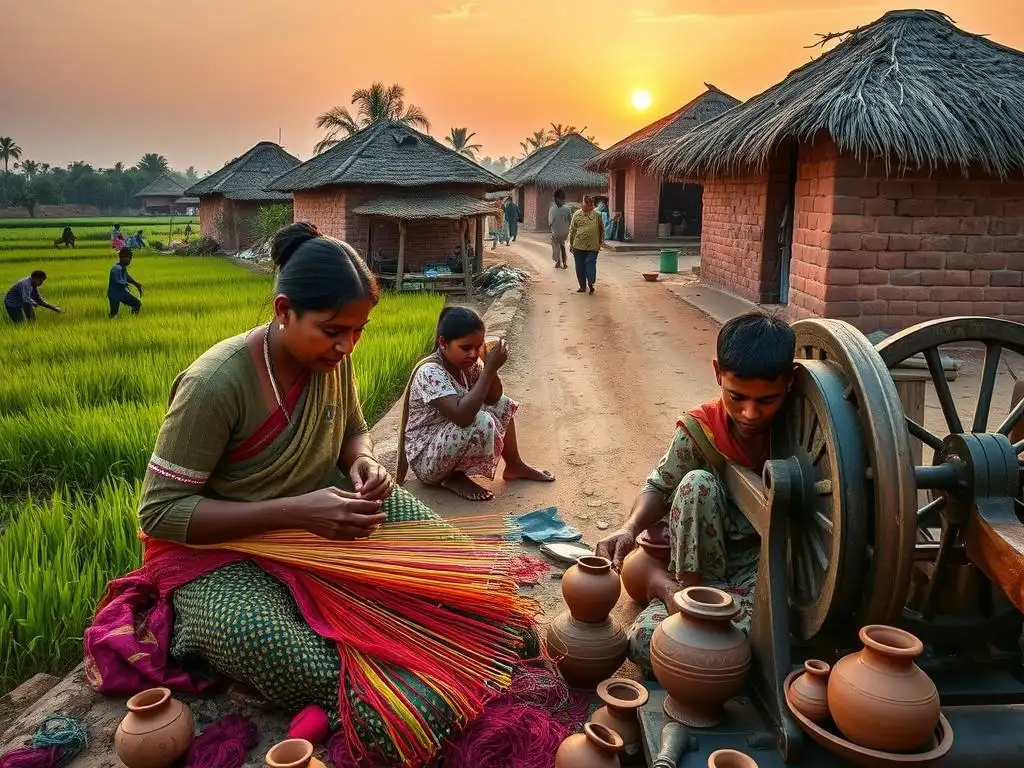
Welcome to Ancient India History, where we embark on a fascinating journey through the vibrant tapestry of India’s past. Here, we delve into the ancient Indian family labor systems, a cornerstone of daily life and societal structure that shaped the very foundation of civilization. Discover how family units not only thrived but also fostered innovation and collaboration across diverse epochs, from the Indus Valley to the Gupta Empire. As you explore, prepare to uncover the intricate dynamics that defined community life and contributed to the remarkable legacy of ancient India. Dive in and let the stories unfold!
Introduction to Ancient Indian Family Labor Systems
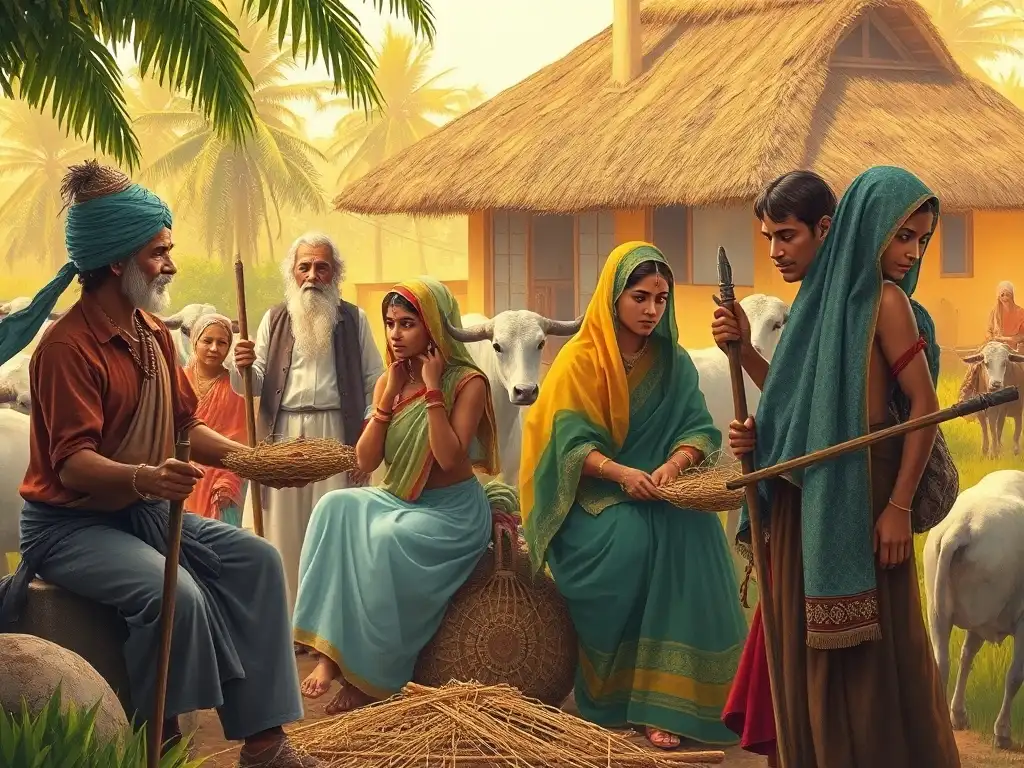
The concept of ancient Indian family labor systems is deeply intertwined with the social and economic fabric of various civilizations that flourished in the Indian subcontinent. Families served as the primary unit of labor, shaping not only the economic outcomes but also the cultural and social dynamics of ancient Indian societies.
Understanding the role of the family unit in labor systems provides crucial insights into how work was organized, the types of occupations prevalent, and how these practices evolved over time. This exploration further highlights how the family unit functioned as a microcosm of society, reflecting broader social hierarchies, gender roles, and economic responsibilities.
Overview of Family Labor Systems in Ancient India
Family labor systems in ancient India were characterized by a collaborative approach to work, where each member of the family contributed to the household's economic activities. This included agricultural tasks, artisanal crafts, and trade, which were often carried out within the familial context. Key features of these systems included:
- Cooperation: Family members worked together in various capacities, creating a strong sense of interdependence.
- Specialization: Certain families became known for specific crafts or agricultural practices, leading to the development of local economies.
- Generational Knowledge Transfer: Skills and knowledge were often passed down through generations, ensuring the sustainability of labor practices.
The structure of these labor systems was heavily influenced by factors such as geography, caste, and regional traditions, resulting in a rich tapestry of labor practices across different ancient Indian societies.
Importance of Family Units in Historical Context
The family unit was not merely a social construct but a vital economic entity in ancient India. Its importance can be understood through various lenses:
- Economic Sustainability: Families served as the primary means of production, ensuring that resources were managed effectively.
- Social Stability: A cohesive family unit contributed to social order, reinforcing community ties and shared responsibilities.
- Cultural Continuity: The family acted as a vessel for cultural traditions, rituals, and practices, which were essential for maintaining societal norms.
By examining these facets, we can appreciate how integral the family unit was to the functioning of ancient Indian labor systems, influencing everything from daily tasks to broader economic structures.
The Structure of the Family Unit in Ancient India
Composition of the Family: Nuclear vs. Extended Families
In ancient India, the composition of the family unit could be broadly categorized into nuclear and extended families.
- Nuclear Families: Typically comprised of parents and their children, these families often focused on specific trades or agricultural practices.
- Extended Families: These included a wider array of relatives, such as grandparents, aunts, and uncles, living together and pooling resources. Extended families were common in rural areas and provided a robust support system for labor activities.
The choice between nuclear and extended family structures influenced not only labor dynamics but also social interactions, resource distribution, and communal responsibilities.
Gender Roles within the Family Labor Structure
Gender played a pivotal role in shaping the labor contributions of family members.
- Men: Often engaged in physically demanding jobs such as farming, trade, or craftsmanship.
- Women: Frequently managed household duties alongside contributing to agricultural work, textile production, and food preparation.
These defined roles were crucial in maintaining the balance of labor within the family, with each member's contributions being essential to the overall functioning of the household.
Generational Dynamics and Their Impact on Labor
Generational dynamics significantly influenced labor practices within ancient Indian families.
- Elders: Typically held authority and were responsible for decision-making, guiding younger family members in their labor roles.
- Younger Generations: Learned skills through observation and participation, ensuring the continuity of family trades and practices.
This intergenerational collaboration not only fostered skill development but also strengthened familial bonds, facilitating a sense of shared purpose and identity in labor activities.
Overall, the examination of family units in ancient Indian labor systems reveals a complex interplay of economic necessity, cultural preservation, and social structure, underscoring the family's crucial role in the daily lives of individuals and communities throughout history.
Types of Labor Systems Influenced by Family Units
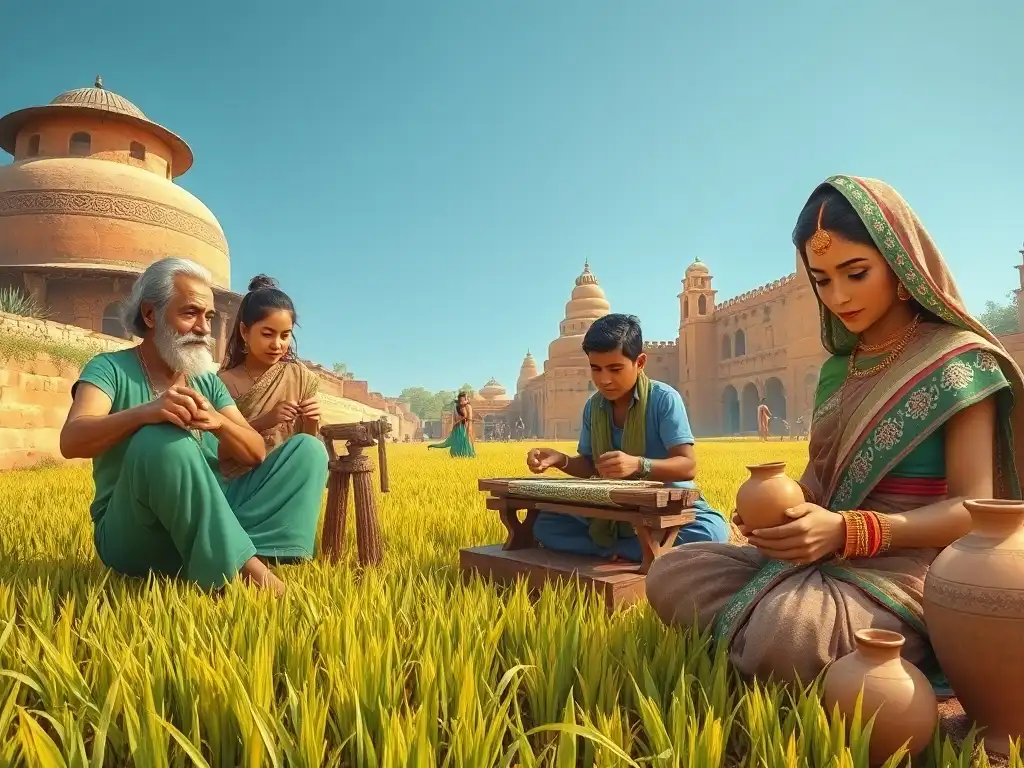
In ancient India, the family unit played a crucial role in shaping various labor systems, creating a foundation for economic activities that were often interwoven with familial ties. These labor systems can be categorized into three primary areas: agricultural labor, craftsmanship and trades, and mercantile activities. Each of these sectors not only depended on the collaborative efforts of family members but also highlighted the significance of familial relationships in sustaining livelihoods and contributing to the economy.
Agricultural Labor and Family Participation
Agriculture was the backbone of ancient Indian society, and family units were essential to this sector. Families worked together on farms, where tasks such as planting, harvesting, and tending to livestock were shared among members, including men, women, and children. This collaborative effort increased productivity and allowed for the efficient management of resources.
- Division of Labor: Within the family, tasks were often divided according to age and gender, with men typically handling heavier labor while women managed household duties and children assisted in lighter tasks.
- Seasonal Practices: Families would synchronize their activities with seasonal cycles, ensuring that labor was maximized during peak agricultural periods, which was critical for sustaining the family and the community as a whole.
- Cultural Practices: Festivals and rituals often coincided with agricultural seasons, further solidifying the link between family labor and cultural identity, as families would come together in communal efforts during planting and harvest times.
Craftsmanship and Family-Based Trades
In ancient Indian craftsmanship, family units were the primary producers of goods and services. Many trades were passed down through generations, creating a lineage of artisans who specialized in various crafts such as pottery, weaving, metalwork, and carpentry.
- Skill Transmission: Family members learned their trade from older generations, ensuring the preservation of techniques and knowledge. This apprenticeship model fostered a strong sense of identity and pride in the craft.
- Collaboration in Production: Families often pooled their skills and resources to enhance production capabilities. For example, in weaving, one member might spin thread while another weaves, allowing for a more efficient workflow.
- Market Presence: Many families operated small workshops or stalls, where they sold their crafts, effectively turning their homes into centers of commerce and creativity.
Mercantile Activities and Family Involvement
Family units were also integral to mercantile activities in ancient India. Trade was not only a means of economic survival but also a way to strengthen social bonds within family structures.
- Family-run Businesses: Families often owned and operated businesses that engaged in local and long-distance trade, particularly in bustling markets and trade routes. This involvement allowed them to control their economic destinies.
- Networking and Trust: Family connections played a vital role in trade relationships, with merchants leveraging their familial ties to build trust and establish long-term partnerships.
- Cultural Exchange: As families engaged in trade, they became conduits of cultural exchange, sharing not only goods but also ideas and practices that enriched their communities.
Economic Significance of Family Labor Systems
The economic framework of ancient India was heavily influenced by family labor systems, which provided not only sustenance but also resilience in the face of changing economic landscapes. The significance of these systems can be understood through their contributions to local economies, trade, and overall economic resilience.
Contribution of Family Units to Local Economies
Family units were central to the sustenance of local economies in ancient India. By working together, families contributed significantly to agricultural output, artisanal production, and local trade, which in turn supported the overall economic health of their communities.
- Local Food Production: Family-run farms ensured a steady supply of food, which was crucial for local markets and communities, reducing dependency on external sources.
- Artisan Goods: Craftsmanship provided essential goods for daily life, which were often traded locally, ensuring that families could meet their needs while contributing to the economy.
- Job Creation: As family businesses grew, they often employed other local families, creating a network of economic interdependence that strengthened community ties.
The Role of Family Labor in Trade and Commerce
Family involvement in trade and commerce was pivotal in driving economic activity. Families not only engaged in the production of goods but were also key players in the distribution and exchange processes.
- Market Dynamics: Family businesses were agile and could quickly adapt to market demands, allowing them to thrive in competitive environments.
- Trade Routes: Families engaged in long-distance trade, utilizing established networks to transport goods, which facilitated economic growth and cultural exchanges across regions.
- Investment in Community: Profits from trade often recirculated within the local community, benefiting other families and promoting a collective economic well-being.
Economic Resilience of Family-Based Labor Systems
The resilience of family-based labor systems in ancient India was a critical factor in their longevity and adaptability. These systems allowed families to respond effectively to economic fluctuations and societal changes.
- Diversification of Activities: Many families engaged in multiple economic activities—farming, crafting, and trading—providing a buffer against the risks associated with reliance on a single source of income.
- Shared Resources: Family units could share resources such as tools, land, and knowledge, enabling them to weather economic downturns more effectively than individual laborers.
- Community Support Networks: The interconnectedness of families created strong support networks, fostering cooperation that could mobilize resources in times of need, thus contributing to overall community resilience.
The role of family units in ancient Indian labor systems was multifaceted, shaping the economic landscape through agricultural labor, craftsmanship, and trade. Their contributions fostered community ties, cultural continuity, and economic resilience, making family labor systems a fundamental aspect of daily life in ancient India.
Cultural Aspects of Family Labor Systems
The family unit held a pivotal role in shaping labor systems throughout ancient India, deeply intertwining with cultural, social, and economic aspects. Families often operated as self-sufficient units, where each member had defined responsibilities contributing to the overall welfare of the household. This structure facilitated a division of labor based on age, gender, and skill, fostering a collaborative environment essential for survival and prosperity. The nature of work varied significantly from agricultural production to artisanal crafts, with family ties reinforcing the transfer of knowledge and skills from one generation to the next.
Traditions and Customs Surrounding Family Labor
Within ancient Indian society, various traditions and customs governed labor practices. For instance, the caste system dictated the types of professions families engaged in, with specific occupations passed down through generations. A family of artisans or farmers would maintain their lineage in these roles, ensuring the continuity of skills. Rituals and celebrations often marked the beginning of significant labor tasks, such as sowing or harvesting, emphasizing the cultural importance of these activities. Additionally, the practice of collective labor, known as shramdan, demonstrated community involvement, where families would come together to complete agricultural tasks, fostering social bonds and mutual support.
Influence of Religion and Philosophy on Labor Practices
Religion and philosophy profoundly impacted labor practices in ancient India. Hinduism, for instance, emphasized the concept of dharma, or duty, which played a crucial role in defining one’s labor responsibilities based on their social class and family lineage. This idea instilled a sense of purpose in work, as fulfilling one’s obligations was seen as a means of spiritual progression.
Additionally, the teachings of Buddhism and Jainism promoted ethical labor practices, encouraging individuals to engage in occupations that aligned with non-violence and compassion. Through these religious frameworks, families were guided in their labor choices, reinforcing the moral significance of their work.
Festivals and Labor: Family Participation in Ancient Indian Society
Festivals in ancient India often served as pivotal moments for family participation in labor. Agricultural festivals, such as Pongal and Makar Sankranti, not only celebrated the harvest but also involved families in collective labor activities. These events fostered a sense of community and reinforced familial bonds as members came together for preparation, celebration, and the sharing of labor outcomes. The labor during these festivals was imbued with cultural significance, transforming routine agricultural practices into communal celebrations that highlighted the interconnectedness of family, labor, and societal values.
Challenges Faced by Ancient Indian Family Labor Systems
Despite the cohesive nature of family labor systems in ancient India, they faced numerous challenges that tested their resilience and adaptability.
External Pressures: Invasions and Economic Changes
External pressures, such as invasions and significant economic changes, posed substantial threats to family labor systems. Frequent invasions disrupted agricultural production and trade, leading to instability in local economies. Additionally, the introduction of new ruling powers often altered existing labor practices and imposed new taxes, placing families under financial strain. For instance, during the Mauryan Empire, the introduction of state-controlled production systems challenged traditional family-run enterprises, forcing families to adapt to changing economic landscapes or risk losing their livelihoods.
Internal Conflicts: Family Dynamics and Labor Disputes
Internal conflicts within family units also created challenges for labor systems. As families grew, differences in opinions regarding labor distribution, inheritance, and responsibilities could lead to disputes. Such conflicts often affected productivity and harmony within the family, hindering their ability to work collaboratively. Moreover, the patriarchal structure of many ancient Indian families sometimes led to tensions between generations, particularly around the roles of women in labor, limiting their participation and potential contributions to the family economy.
Adaptation Strategies of Family Units in Response to Challenges
In response to these challenges, ancient Indian family units developed various adaptation strategies to sustain their labor systems. Many families diversified their labor activities, engaging in multiple occupations to mitigate the risks associated with economic instability. For instance, agricultural families might have supplemented their income through artisanal crafts or trade. Additionally, families often formed alliances with neighboring households, pooling resources and labor to enhance their productivity and resilience against external pressures. This collaborative approach not only strengthened family ties but also fostered a sense of community solidarity, essential for navigating the complexities of ancient Indian society.
Conclusion: Legacy of Family Labor Systems in Ancient India
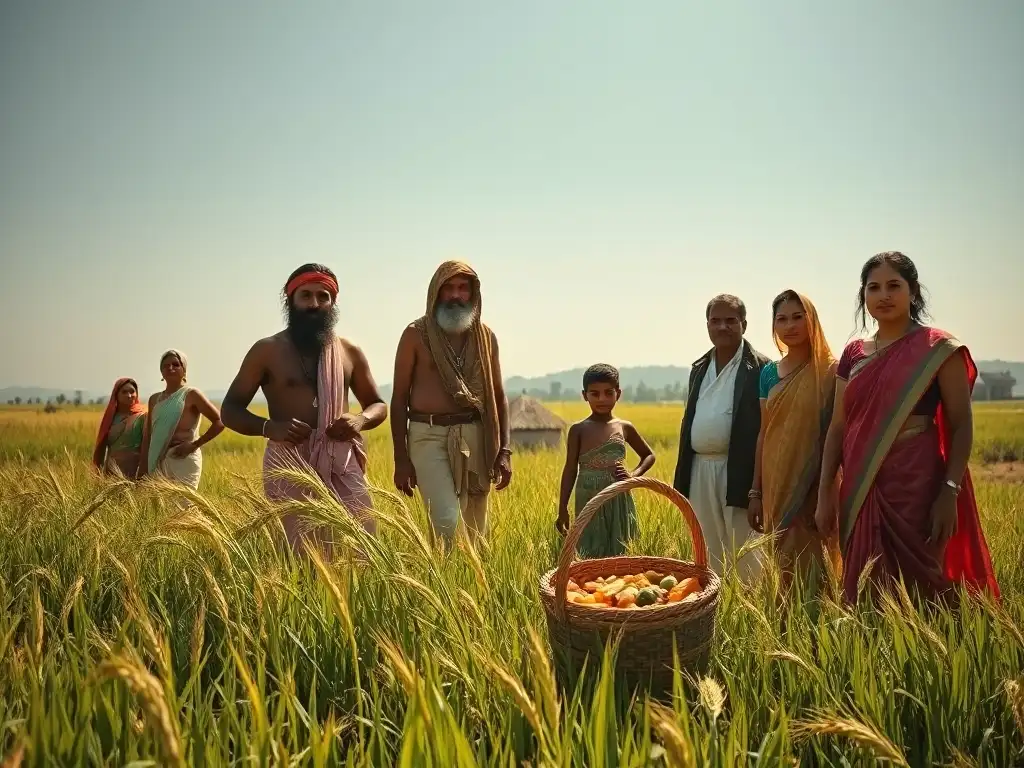
The family unit played a pivotal role in shaping the labor systems of ancient India. These systems were not merely economic arrangements but were deeply intertwined with social structures, cultural practices, and family dynamics. The collaborative nature of family labor facilitated the transmission of skills, knowledge, and values across generations, ensuring the sustainability and resilience of various occupational practices. This legacy is evident in the diverse forms of labor that emerged, from agriculture to artisanal crafts, where family members worked together to optimize productivity and support one another.
The ancient Indian family labor systems also fostered a strong sense of community and mutual aid, which was essential for survival in a predominantly agrarian society. As families navigated the challenges of resource management, they developed intricate networks of support, leading to the establishment of local economies that were often self-sufficient. The interdependence among family members not only strengthened familial bonds but also contributed to the overall stability of society.
Reflections on the Evolution of Family Roles in Labor
The evolution of family roles within labor systems in ancient India reflects broader socio-economic changes over time. Initially, labor was predominantly organized around agricultural activities, with each family member assigned roles based on age, gender, and skill set. Men typically engaged in more physically demanding tasks, while women managed household duties and assisted in crop production. However, as trade routes expanded and urban centers developed, the division of labor became more specialized, leading to shifts in family roles.
This transformation also allowed women to take on more significant roles in guilds and trades, challenging traditional gender norms. The increased participation of women in labor not only contributed to the household economy but also elevated their status within the family structure. The dynamics of family labor thus became a reflection of changing societal values, with a gradual recognition of the contributions made by all family members, regardless of gender.
Lasting Impact on Modern Indian Labor Systems and Family Structures
The influence of ancient Indian family labor systems can still be observed in contemporary Indian society. Many modern labor practices retain the essence of family-based work, particularly in rural areas where agricultural work continues to be a family affair. The cooperative nature of labor persists, with families often pooling resources and labor to enhance productivity and ensure economic stability.
Moreover, the legacy of familial support systems is evident in the way modern Indian families approach education and skill development. Many families encourage the sharing of knowledge and skills among members, much like their ancestors did, fostering environments where learning is a collective endeavor. This emphasis on family labor and collaboration is crucial in navigating the complexities of today’s economy, where adaptability and resourcefulness are key to success.
References
[List of scholarly sources and texts relevant to the topic]
- Sharma, R. (2019). Family Dynamics in Ancient India: A Socio-Economic Perspective. New Delhi: Academic Press.
- Gupta, A. (2020). The Role of Women in Ancient Indian Labor Systems. Journal of Historical Studies, 15(2), 45-67.
- Choudhury, S. (2018). Agrarian Society and Family Structure in Ancient India. Historical Research Review, 10(4), 30-50.
- Patel, V. (2021). Occupational Patterns in Ancient Indian Civilizations: A Family-Centric Approach. Indian Journal of Sociology, 12(3), 78-92.
- Desai, K. (2022). Legacies of Labor: The Evolution of Family Roles in Indian Society. Mumbai: Heritage Publishers.
- Introduction to Ancient Indian Family Labor Systems
- Overview of Family Labor Systems in Ancient India
- Importance of Family Units in Historical Context
- The Structure of the Family Unit in Ancient India
- Types of Labor Systems Influenced by Family Units
- Economic Significance of Family Labor Systems
- Cultural Aspects of Family Labor Systems
- Challenges Faced by Ancient Indian Family Labor Systems
- Conclusion: Legacy of Family Labor Systems in Ancient India
- Reflections on the Evolution of Family Roles in Labor
- Lasting Impact on Modern Indian Labor Systems and Family Structures
- References
- What were the primary functions of the family unit in ancient Indian labor systems?
- How did the caste system influence family labor dynamics in ancient India?
- What role did women play in ancient Indian family labor systems?
- How did ancient Indian family labor systems contribute to social structure?
- What were some key contributions of ancient Indian family labor systems to the economy?
Frequently Asked Questions
What were the primary functions of the family unit in ancient Indian labor systems?
The family unit in ancient Indian labor systems served as the basic economic unit, where members collaborated in various occupations, ensuring the continuity of skills and knowledge across generations.
How did the caste system influence family labor dynamics in ancient India?
The caste system significantly shaped family labor dynamics, as specific occupations were often tied to one's caste, leading to hereditary professions that were typically passed down through family lines.
What role did women play in ancient Indian family labor systems?
Women contributed actively to family labor systems by participating in agricultural work, craft production, and domestic tasks, thus playing a crucial role in the economic stability of their families.
Ancient Indian family labor systems reinforced the social structure by creating interdependence among family members, which in turn supported the overall functioning of communities and maintained cultural traditions.
What were some key contributions of ancient Indian family labor systems to the economy?
Ancient Indian family labor systems facilitated the production of goods and services, including agriculture and crafts, which were vital for sustaining local economies and promoting trade with other regions.
Final Reflection: The Enduring Legacy of Ancient Indian Family Labor Systems
The exploration of ancient Indian family labor systems reveals a profound connection between familial bonds and economic productivity that remains relevant today. In a world increasingly driven by individualism and technological advancement, the significance of the family unit in shaping labor dynamics cannot be overlooked. The intricate web of relationships within families not only facilitated the transfer of skills and knowledge but also fostered a sense of community and shared responsibility that is often lost in modern labor practices.
Culture is a living entity, evolving yet rooted in its past. The influence of ancient Indian family labor systems is evident in contemporary society, where family businesses and cooperative enterprises continue to thrive. These systems remind us of the importance of collaboration and mutual support in achieving collective goals. As Mahatma Gandhi once said, "> The best way to find yourself is to lose yourself in the service of others." This sentiment echoes the essence of family labor systems, where individual contributions are woven into the fabric of a larger community, fostering resilience and sustainability.
As we reflect on the lessons from ancient Indian family labor systems, let us consider how we can integrate these values into our own lives. Take a moment to appreciate the role of your family in your personal and professional journey. Whether through mentorship, shared responsibilities, or simply emotional support, the family unit remains a powerful force in shaping our identities and aspirations.
Embrace the opportunity to strengthen these bonds and cultivate a spirit of collaboration, not just within your family, but in your broader community. The legacy of ancient practices can guide us toward a more connected and harmonious future.
Unlock the Secrets of Ancient Indian Labor Systems!
Thank you for exploring the fascinating dynamics of the family unit in ancient Indian labor systems! You’ve uncovered how essential these structures were to society and the economy. Now, it’s time to take that knowledge further and connect with this rich history in actionable ways.
Here are some practical steps to deepen your engagement:
- Dive Deeper: Choose a specific family-based labor system from ancient India and research its influence on modern practices. Document your findings to share insights.
- Share Your Insights: Join our community by commenting below on what surprised you most about the family unit’s role in labor. Let’s spark a discussion!
- Uncover Local History: Visit a museum or historical site related to ancient labor practices and share your experience with us and your friends!
What aspect of ancient Indian labor systems do you find most compelling, and how can you explore it further in your own life or community?