
The Influence of Marriage Alliances on Caste Relationships in Ancient India

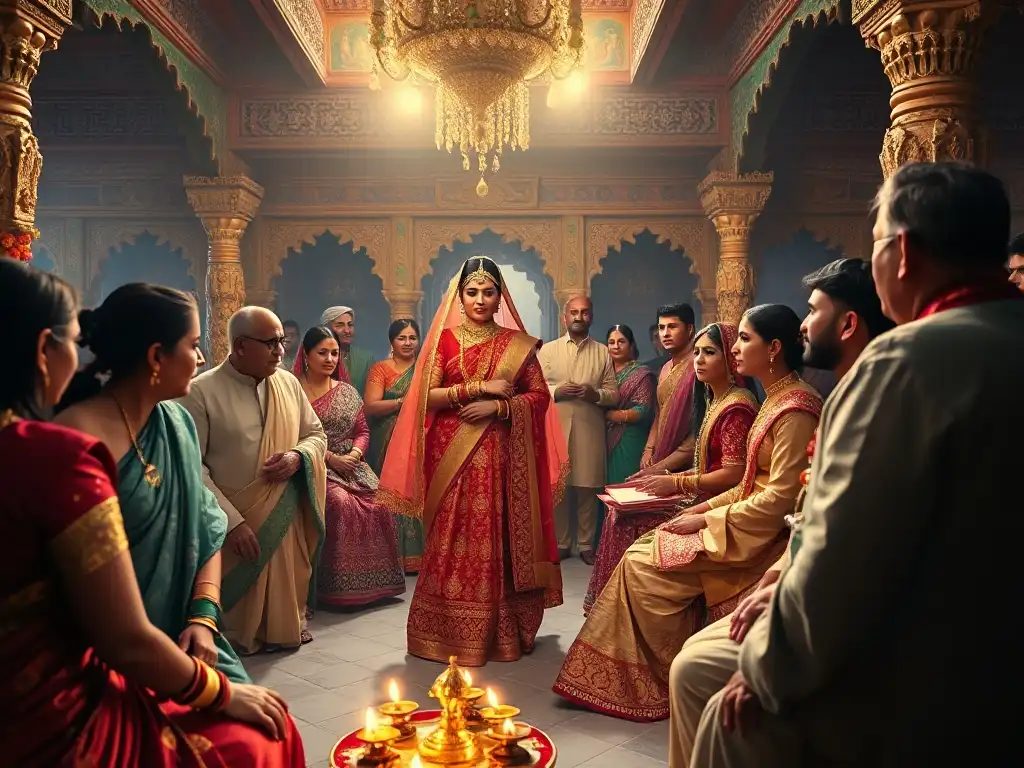
Welcome to Ancient India History, where we delve into the fascinating tapestry of civilizations that shaped one of the world's oldest cultures. In this edition, we explore the intricate web of marriage alliances in ancient India, revealing how these unions significantly influenced caste relationships and social dynamics. As you journey through the customs and traditions that defined daily life, you'll uncover the profound impacts these alliances had on society's structure.
Prepare to be intrigued as we unpack the layers of history that continue to resonate today. Read on to discover the stories that weave together love, power, and tradition in ancient India!
Introduction to Marriage Alliances in Ancient India
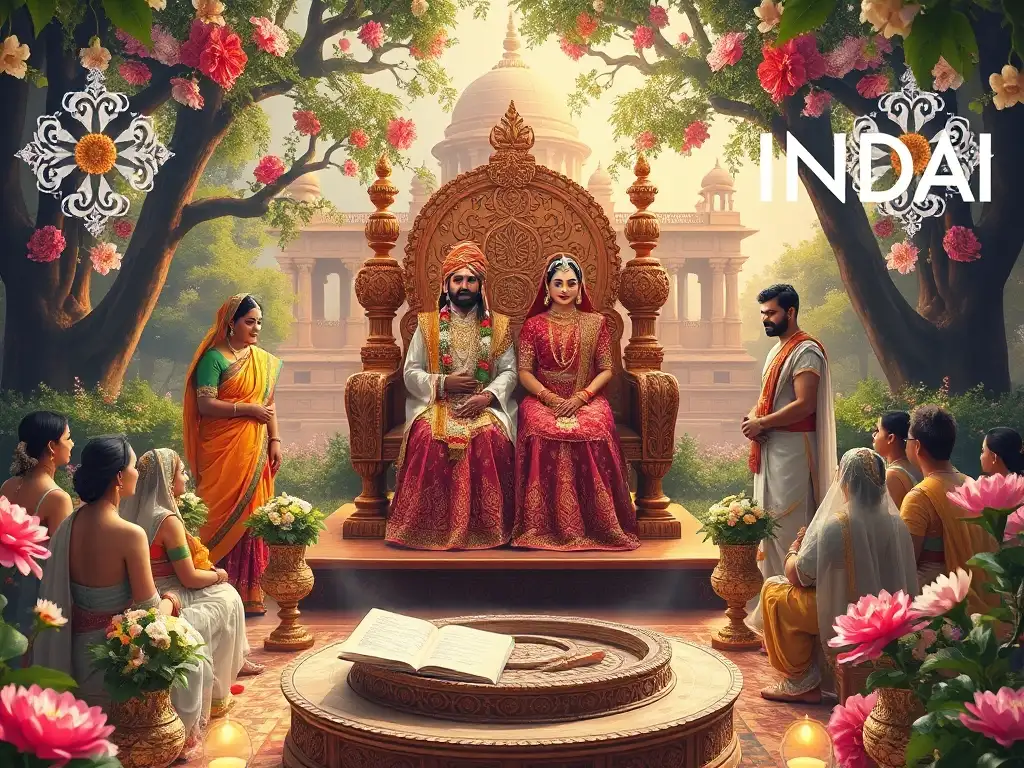
Marriage alliances in ancient India were not merely personal unions between individuals; they were pivotal in shaping the social structure and caste relationships throughout the subcontinent. These alliances served as critical mechanisms for establishing and reinforcing social ties, political power, and economic stability among different communities and castes.
By strategically marrying within or across different castes, families could enhance their social standing, create alliances, and ensure the continuity of their lineage. This article delves into the multifaceted nature of marriage alliances, exploring how they influenced caste dynamics and contributed to the complex web of relationships that characterized ancient Indian society.
Definition of Marriage Alliances
In the context of ancient India, marriage alliances refer to the strategic unions formed between families, often to strengthen ties between different social groups, tribes, or communities. These alliances were often pre-arranged and took into account various factors, including social status, caste affiliation, and economic benefits. Such marriages could consolidate power, expand territorial claims, and enhance the influence of families within their respective castes.
Importance of Marriage in Ancient Indian Society
Marriage held immense significance in ancient Indian society, extending beyond personal relationships to encompass social, economic, and political dimensions. The following points illustrate its importance:
- Caste Preservation: Marriages were often arranged within the same caste to maintain social purity and preserve cultural identity.
- Political Alliances: Marriages between powerful families or clans could forge alliances that had significant political ramifications, influencing local governance and power dynamics.
- Economic Stability: Strategic marriages could enhance wealth and property ownership, providing economic security to families involved.
- Social Cohesion: Marriage alliances fostered relationships between different groups, promoting social stability and cooperation.
Historical Context of Caste System in Ancient India
To understand the influence of marriage alliances on caste relationships, it is essential to explore the historical context of the caste system in ancient India. The caste system, a complex social hierarchy, played a crucial role in shaping interactions and relationships among various communities.
Overview of the Caste System
The caste system in ancient India was characterized by a rigid social stratification based on occupation, ritual status, and hereditary principles. It was primarily divided into four main categories, known as varnas:
- Brahmins: Priests and scholars responsible for religious rituals and teachings.
- Kshatriyas: Warriors and rulers tasked with governance and protection.
- Vaishyas: Merchants and agriculturists responsible for trade and agricultural activities.
- Shudras: Laborers and service providers who supported the other three varnas.
This hierarchical structure dictated not only occupational roles but also social interactions, marriage choices, and community affiliations.
Role of Caste in Social Organization
Caste served as the backbone of social organization in ancient India, influencing various aspects of daily life. Its implications included:
- Marriage Regulations: Caste endogamy (marrying within one’s caste) was strictly observed, ensuring that caste boundaries remained intact.
- Social Norms: Inter-caste marriages were often frowned upon, leading to social ostracism or penalties for those who defied these norms.
- Cultural Identity: Each caste developed its own customs, traditions, and rituals, contributing to the rich tapestry of Indian culture.
By examining the interplay between marriage alliances and the caste system, we can gain a deeper understanding of how these relationships shaped the social fabric of ancient India.
Types of Marriage Alliances in Ancient India
Marriage alliances in ancient India played a significant role in shaping social relationships and the caste system. These alliances could take various forms, each reflecting the cultural, social, and economic dynamics of the time. Understanding these types provides insight into the intricate web of relationships that influenced ancient Indian society.
Endogamy and Exogamy
Endogamy refers to the practice of marrying within a specific social group, caste, or community. This practice was prevalent in ancient India, particularly among the higher castes, as it helped maintain social boundaries and preserve the status quo. By marrying within their caste, families ensured the continuity of their traditions, customs, and social status.
Conversely, exogamy encourages marriage outside one's social group or caste. This practice was often seen as a way to forge alliances between different communities or clans, thereby expanding social networks and increasing opportunities for trade and cooperation. While exogamous marriages were less common among higher castes, they were more frequently observed among lower castes and nomadic tribes, allowing for greater social mobility and interaction.
The choice between endogamy and exogamy significantly impacted the social fabric of ancient India, influencing how communities interacted, formed alliances, and maintained their identities.
Arranged Marriages vs. Love Marriages
In ancient India, arranged marriages were the norm, often orchestrated by families to ensure compatibility in terms of caste, social status, and economic considerations. These marriages involved careful negotiations between families, where factors such as dowries, family reputation, and social standing were crucial. The importance of family honor and tradition often overshadowed individual preferences, leading to a structured approach to marital alliances.
On the other hand, love marriages, while less common, did exist. They typically occurred when individuals chose their partners based on personal affection rather than family arrangements. Such unions, however, could face societal disapproval, especially if they crossed caste boundaries. Love marriages often challenged the established norms of arranged unions, reflecting a gradual shift in attitudes towards personal agency and romantic love.
The differing dynamics of arranged and love marriages highlight the complex interplay between personal choice and social expectations in ancient Indian society.
Inter-caste Marriages and Their Significance
Inter-caste marriages, though often frowned upon due to the rigid caste system, held significant implications for social dynamics in ancient India. These marriages could serve as a means of challenging and transcending caste boundaries, promoting social integration and cohesion. By marrying outside of their caste, individuals could foster alliances between different communities, leading to the diffusion of cultural practices and ideas.
Historically, inter-caste marriages were sometimes a necessity for political alliances, especially among royal families. Such unions could strengthen ties between kingdoms and clans, facilitating cooperation and peace. While inter-caste marriages were largely discouraged, they represented a pathway towards greater social fluidity and the potential for caste mobility.
The Impact of Marriage Alliances on Caste Relationships
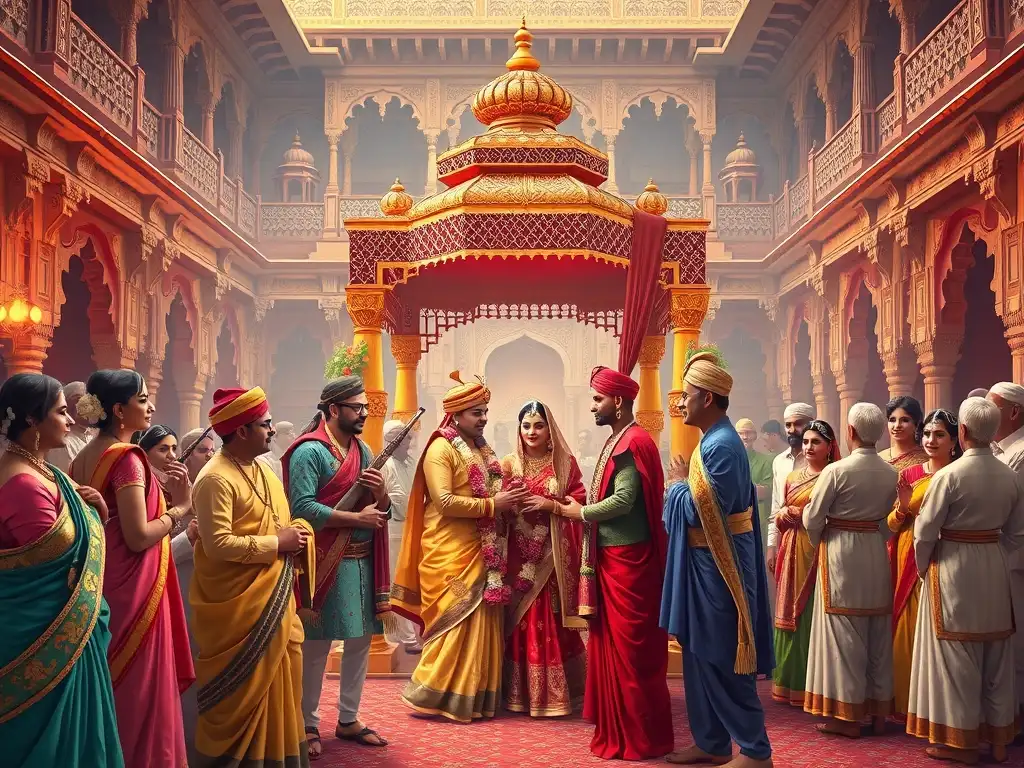
Marriage alliances profoundly influenced caste relationships in ancient India, shaping the social landscape in various ways. These alliances not only dictated personal relationships but also reinforced and challenged the existing social order.
Strengthening Social Ties through Marriage Alliances
Marriage alliances served as a crucial mechanism for strengthening social ties among different families and communities. By forming alliances through marriage, families could enhance their social capital, gain influence, and establish a network of support. These relationships were often reciprocal, with families expected to assist each other in times of need, thus fostering a sense of unity and cooperation.
Additionally, marriage alliances could facilitate economic transactions, as families would often engage in trade and mutual support, further solidifying their ties. The interconnectedness created through these alliances played a vital role in maintaining the social structure, as it helped uphold the hierarchy within the caste system while simultaneously allowing for some degree of flexibility in relationships.
The Role of Marriage in Caste Mobility
Marriage also played a pivotal role in caste mobility, albeit within certain limitations. Individuals from lower castes could sometimes elevate their social standing through strategic marriages with families from higher castes, although such cases were rare and often met with resistance. The potential for upward mobility through marriage highlighted the complexities of the caste system, where individual agency could challenge the established norms.
In some instances, marriages between different castes could lead to the formation of new social groups, thereby contributing to the evolution of the caste structure itself. As these new alliances formed, they could redefine social status and create opportunities for those previously marginalized within the caste hierarchy.
Case Studies: Prominent Marriage Alliances in Ancient India
Several prominent marriage alliances in ancient India exemplify the significance of these unions in shaping social relationships. For instance, the marriage alliances between the Maurya Empire and various regional kingdoms often facilitated political stability and military cooperation. Notable figures like Chandragupta Maurya and his successors strategically allied with powerful families, enhancing their rule and influence.
Another example can be seen in the Rajput clans, where marriage alliances were crucial for maintaining power and territorial control. These unions often involved complex negotiations and intermarriages among various Rajput families, serving to strengthen their collective power against common adversaries.
Such case studies illustrate how marriage alliances were not merely personal unions but integral components of political strategy and social organization in ancient India, impacting the broader dynamics of caste relationships.
Regional Variations in Marriage Alliances and Caste Dynamics
Marriage alliances in ancient India were not only a means of uniting families but also played a crucial role in shaping caste relationships across different regions. The diverse cultural practices and socio-political landscapes greatly influenced how these alliances were formed and maintained. Each region exhibited unique patterns and customs that reflected their respective social structures, economic conditions, and historical contexts. Understanding these regional variations helps to appreciate the complexities involved in caste dynamics and the interconnections fostered through marriage.
North India: Patterns and Practices
In North India, marriage alliances were often strategically arranged to strengthen familial ties and consolidate power among the upper castes, particularly the Kshatriyas and Brahmins. The practice of Gotra—a system of patrilineal descent—played a significant role in determining eligible partners, as marriages within the same Gotra were prohibited to maintain genetic diversity and social harmony.
Furthermore, the Kanyadaan ritual, where the father gives away his daughter, signified the importance of patriarchal authority and the transfer of responsibility from one family to another. The Swayamvara tradition, where brides chose their husbands from a pool of suitors, also existed but was more prevalent among the elite classes.
Polygamy was not uncommon among higher castes, allowing for the formation of extensive networks of alliances that reinforced status and power within the caste hierarchy. This intricate web of relationships significantly impacted social dynamics, influencing everything from economic transactions to political alliances.
South India: Unique Marriage Customs
In South India, marriage alliances often emphasized matrilineal descent, particularly among certain communities like the Nayars. Here, women retained considerable autonomy, and inheritance was passed through the female line. The practice of Nair marriages, where a woman could have multiple male partners, showcased a distinct approach to marital relationships that contrasted sharply with the more patriarchal norms seen in North India.
The ritual of Muhurtham, or auspicious timing for marriage ceremonies, held great significance in South Indian culture. Families would consult astrologers to choose an ideal date, reflecting the deep-rooted belief in cosmic influences on marital harmony. Additionally, the practice of Thalikettu, where the groom ties a sacred thread around the bride's neck, symbolizes the couple's union and the groom's commitment to the bride's family.
While caste endogamy was prevalent, many communities also practiced Anand Marriage, where marriages were celebrated across castes, fostering a sense of community and mutual respect among different groups. Such practices highlight the complexities and variations in caste dynamics in South India.
Eastern and Western India: Differences and Similarities
In Eastern India, particularly among Bengali Hindus, marriage alliances often involved elaborate rituals, such as the Bengali Baran ceremony, where the groom is symbolically welcomed into the bride's family. Caste endogamy was strictly adhered to, especially among Brahmins and Kayasthas, often leading to inter-caste tensions as families sought to maintain their social standing.
Conversely, in Western India, particularly among the Gujarati and Rajasthani communities, marriage alliances were frequently used as a means to strengthen economic ties. The practice of Kanyadaan was prevalent here as well, with an emphasis on the bride's dowry, which served as a significant social marker. The Raja Beti tradition in Rajasthan allowed for marriages among the Rajput clans, reinforcing their warrior status and influence.
Despite these differences, both regions shared a common thread in their approach to marriage alliances—utilizing them as a means to navigate and reinforce caste hierarchies while fostering social cohesion within their communities.
Challenges and Conflicts Arising from Marriage Alliances
The influence of marriage alliances on caste relationships was not without its challenges. While they served to strengthen familial ties, they also gave rise to various conflicts and tensions within the social fabric of ancient Indian society. Understanding these challenges is crucial to grasp how marriage practices shaped community dynamics and influenced the evolution of the caste system.
Caste Conflicts and Social Tensions
Marriage alliances often led to caste conflicts, particularly when families attempted to forge relationships across caste lines. Such unions frequently faced backlash from within the community, as they challenged the established norms of caste purity and hierarchy. The rigidity of the caste system meant that inter-caste marriages could incite violence and social ostracism, creating deep fissures within communities.
Prominent historical examples illustrate the consequences of such alliances. Marriages between different varnas, for example, could lead to social unrest, as traditionalists viewed them as threats to the sanctity of the caste system. This resistance fostered an environment of tension and hostility, often resulting in brutal conflicts.
Resistance to Inter-caste Marriages
Inter-caste marriages were met with significant resistance, particularly from upper caste families who feared social degradation and loss of status. Many communities adhered to strict codes of conduct that dictated permissible marriage choices, leading to a culture of blame and shame for those who dared to cross these boundaries.
The stigma attached to inter-caste unions often forced couples to elope or seek refuge in communities more accepting of such relationships. The social pressure to conform to traditional marital practices hindered individual freedom and perpetuated the cycle of caste discrimination.
Societal Changes and Evolving Attitudes
Despite the challenges posed by marriage alliances, societal attitudes towards caste and marriage began to evolve over time. The influence of reform movements in the 19th and 20th centuries, such as the Arya Samaj and the Brahmo Samaj, encouraged greater acceptance of inter-caste marriages. These movements highlighted the need for social reform and challenged the status quo, advocating for individual choice and equality in marriage.
As education and awareness spread, particularly among the emerging middle class, younger generations began to question the rigid caste norms that had long dictated their lives. The gradual acceptance of inter-caste marriages in some segments of society signaled a shift towards more progressive attitudes, paving the way for greater social integration and the eventual weakening of the caste system's hold on marriage practices.
Marriage alliances in ancient India were complex and multifaceted, reflecting the intricate tapestry of regional customs and societal challenges. The interplay between caste dynamics and marriage practices offers valuable insights into the broader social structure of ancient Indian civilization.
Conclusion: The Legacy of Marriage Alliances in Ancient Indian Caste Relationships
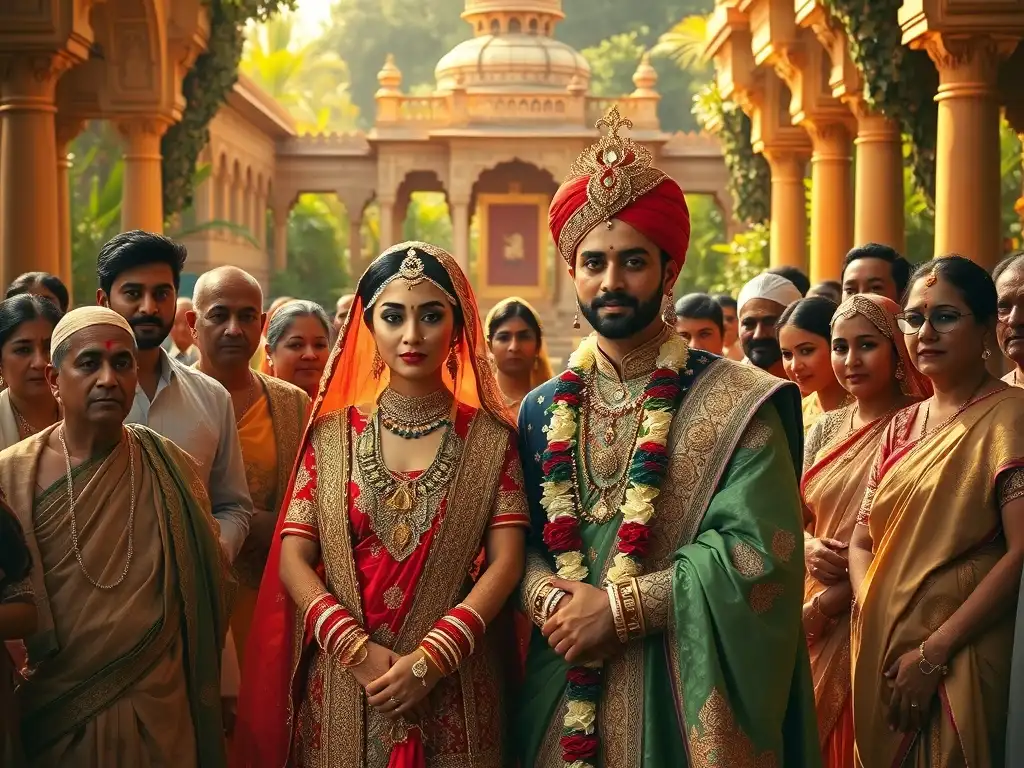
The intricate tapestry of marriage alliances in ancient India profoundly shaped the social structure and caste relationships of its time. These alliances were not merely personal unions; they served as vital instruments for political, economic, and social integration across various communities. By fostering connections among different castes, marriage alliances played a crucial role in managing social hierarchies and facilitating cooperation among diverse groups. The legacy of these practices continues to resonate throughout Indian society, influencing contemporary social dynamics and caste interactions.
As we analyze the historical context of marriage alliances, it becomes evident that they were often strategically orchestrated to bolster power, enhance social standing, or secure economic advantages. Through these unions, families aimed to create networks of loyalty and support that extended beyond individual households. The implications of such alliances were profound, as they contributed to the endurance of caste identities while simultaneously encouraging inter-caste relations.
Lasting Influence on Modern Indian Society
The influence of marriage alliances in ancient India is reflected in modern Indian society, where caste dynamics still play a significant role. Although the rigid caste system has diminished in some urban areas, marriage remains a crucial factor in maintaining caste identities and social networks. Many families continue to prefer arranged marriages within their caste or community, perpetuating the historical practices that once governed social interactions.
Moreover, the legacy of these alliances can also be observed in the modern context of intercaste marriages. While such unions are becoming more acceptable, they often face resistance rooted in historical caste norms. The negotiation of alliances between different castes today mirrors the practices of the past, showcasing both the evolution and persistence of the caste system. The historical understanding of marriage alliances can shed light on the complexities and challenges surrounding caste relationships in contemporary India.
Reflection on the Importance of Understanding Historical Context
Understanding the historical context of marriage alliances in ancient India is essential for grasping the broader implications of caste relationships. By exploring how these alliances shaped social structures, we gain insights into the mechanisms that fostered cooperation, conflict, and negotiation among various communities. This historical perspective allows us to appreciate the deep-seated traditions that influence modern social dynamics and the ongoing challenges related to caste and marriage.
Recognizing the significance of marriage alliances transcends mere academic interest; it has practical implications for social reform and policy-making. By acknowledging the historical roots of current caste issues, stakeholders can work towards more inclusive practices that respect both tradition and the need for social progress. Overall, a nuanced understanding of the past equips us to engage with the complexities of caste relationships in a way that honors history while fostering a more equitable society.
- Introduction to Marriage Alliances in Ancient India
- Historical Context of Caste System in Ancient India
- Types of Marriage Alliances in Ancient India
- The Impact of Marriage Alliances on Caste Relationships
- Regional Variations in Marriage Alliances and Caste Dynamics
- Challenges and Conflicts Arising from Marriage Alliances
- Conclusion: The Legacy of Marriage Alliances in Ancient Indian Caste Relationships
- Lasting Influence on Modern Indian Society
- Reflection on the Importance of Understanding Historical Context
Frequently Asked Questions
What were marriage alliances in ancient India?
Marriage alliances in ancient India were strategic unions between families that often strengthened political ties, enhanced social status, and facilitated economic benefits within the caste system.
How did marriage alliances affect caste relationships?
These alliances played a crucial role in shaping caste relationships by promoting inter-caste connections, influencing social mobility, and sometimes leading to the formation of new caste groups.
Were marriage alliances exclusive to the elite?
While they were predominantly practiced among royalty and the elite, marriage alliances also occurred among various social strata, impacting broader societal norms and relationships within the caste system.
What role did women play in marriage alliances?
Women were often seen as pawns in these alliances, with their marriages arranged to strengthen family ties, but they also had the potential to influence social dynamics and familial connections.
How did marriage alliances contribute to the Gupta Empire?
During the Gupta Empire, marriage alliances were instrumental in forging political unity and stability, allowing for the consolidation of power and enhancing cultural exchange among different caste groups.
Final Reflection: The Enduring Legacy of Marriage Alliances in Ancient India
The intricate web of marriage alliances in ancient India continues to resonate in contemporary society, shaping not only familial ties but also social hierarchies and cultural identities. As we explore the historical significance of these alliances, it becomes evident that they were not merely personal unions but strategic partnerships that influenced power dynamics and caste relationships. The implications of these practices are still felt today, reminding us of the profound impact that social structures have on our lives.
The influence of marriage alliances extends beyond the past, weaving itself into the fabric of modern Indian society, where caste and community affiliations still play a crucial role in marital decisions. This ongoing relevance prompts us to reflect on how these historical practices have shaped our perceptions of identity and belonging. As noted by sociologist G. S. Ghurye, “Caste is not merely a social institution; it is a way of life.” This underscores the importance of understanding the historical context of marriage alliances to grasp their lasting effects on our social landscape.
As we conclude this exploration, I invite you to reflect on the lessons of the past and consider how they inform our present and future. How can we learn from the complexities of marriage alliances in ancient India to foster more inclusive and equitable relationships today? Embracing the wisdom of history can empower us to challenge outdated norms and create a society where love and partnership transcend caste boundaries, ultimately enriching our collective human experience.
Unveil the Power of Marriage Alliances in Caste Dynamics!
Thank you for exploring the intricate world of marriage alliances and their profound impact on caste relationships in ancient India. We hope you gained valuable insights into how these connections shaped societal structures and influenced community ties. Now, it's time to put that knowledge into action!
Here’s how you can further explore this fascinating topic:
- Dive deeper into your historical understanding by reading more about the cultural implications of marriage alliances across various regions. Consider checking out related articles on our site for a broader perspective.
- Discuss and share your thoughts with friends or family about how caste relationships have evolved over the centuries. Initiating these conversations can lead to enlightening perspectives!
- Engage with our community: Join the discussion on social media or in our blog comments—share your insights and learn from others who share your interest in ancient history!
What are your thoughts on how marriage alliances influence contemporary caste relationships today? We’d love to hear your perspective!