
Ashoka the Great: The Bridge Between Ancient and Modern India

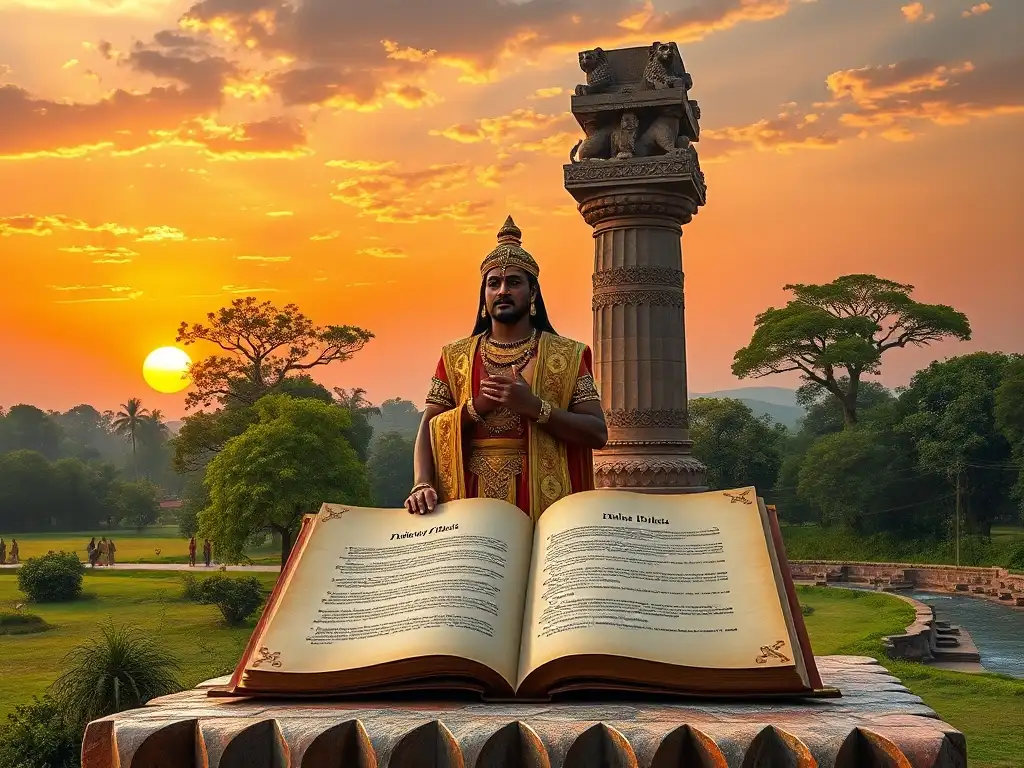
Welcome to Ancient India History, where we embark on an enthralling journey through time to uncover the rich tapestry of ancient Indian civilizations. Today, we dive deep into the life and legacy of Ashoka the Great, a pivotal figure whose contributions not only shaped the course of his era but also laid the groundwork for modern India. What drove this formidable emperor to transform from a conqueror to a proponent of peace?
Join us as we explore the remarkable changes he championed, and discover how his vision continues to resonate in today's world. Prepare to be captivated by the profound impact of one of history's most influential leaders!
- Introduction to Ashoka the Great
- Historical Context of Ashoka's Era
- Ashoka the Great Contributions
- Ashoka's Legacy in Modern India
- Lessons from Ashoka the Great's Leadership
- Conclusion: The Lasting Impact of Ashoka the Great
- Frequently Asked Questions
- Final Reflection: Ashoka's Enduring Legacy in Modern India
- Embrace the Legacy of Ashoka the Great!
Introduction to Ashoka the Great
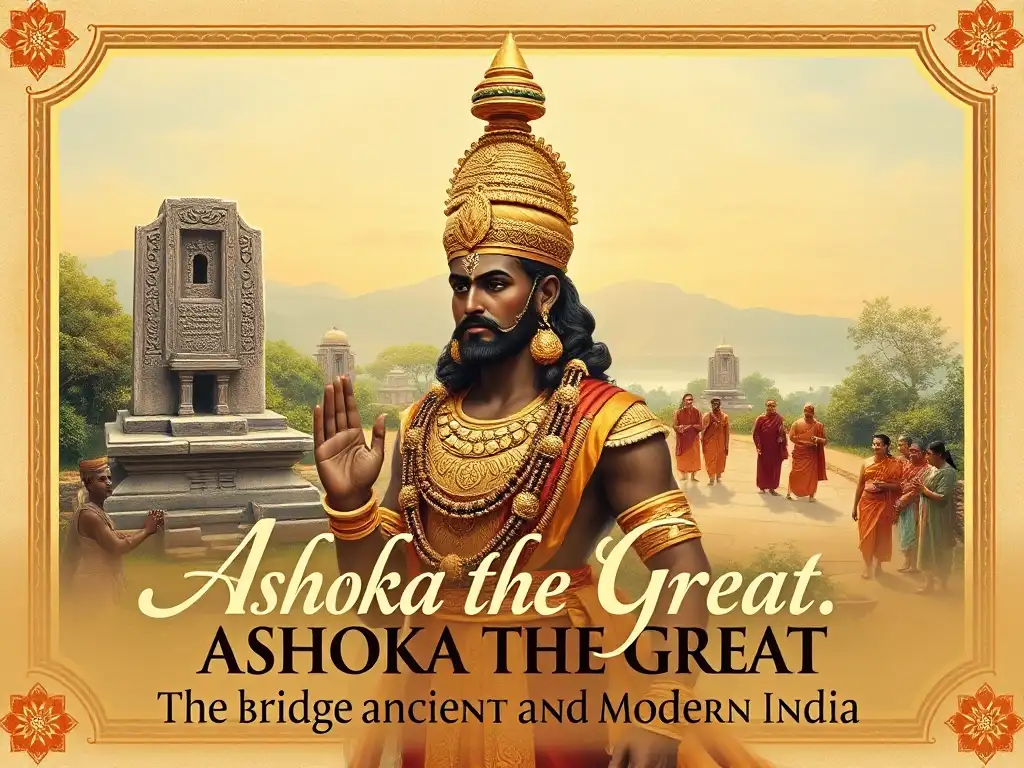
Ashoka the Great, one of the most illustrious emperors of ancient India, represents a significant chapter in the annals of Indian history. Reigning during the 3rd century BCE, Ashoka's rule marked a transformative period characterized by profound political, social, and cultural advancements. His contributions not only shaped the contours of ancient Indian civilization but also laid the groundwork for the ethical frameworks that resonate in modern India.
From his early days as a warrior prince to his metamorphosis into a proponent of peace and Dharma, Ashoka's legacy is a compelling narrative of leadership, compassion, and governance. This article delves into Ashoka's life and reign, exploring his monumental contributions and the lasting impact he has had on both ancient and contemporary society.
Overview of Ashoka's Life and Reign
Ashoka, born around 304 BCE, was the grandson of the famed Mauryan emperor Chandragupta Maurya. His ascension to the throne followed a tumultuous period marked by conflict and ambition. Initially, Ashoka was known for his military prowess and expansionist policies, famously leading successful campaigns to unify the Indian subcontinent. However, the pivotal moment in his life came after the brutal Kalinga War, which resulted in immense loss of life and suffering. This harrowing experience prompted a profound transformation in Ashoka, steering him towards Buddhism and the principles of non-violence and compassion.
During his reign, Ashoka implemented a series of significant reforms aimed at promoting welfare among his subjects. He established the concept of Dharma Rajya, emphasizing moral governance, social justice, and public welfare. His edicts, inscribed on pillars and rocks across his empire, served both as a means of communication and as a public commitment to his values. These inscriptions not only detailed ethical guidelines but also advocated for tolerance, respect for all religions, and the importance of community service.
Importance of Ashoka in Ancient Indian History
Ashoka's contributions extend far beyond his military conquests or administrative reforms; he is revered as a pivotal figure in the propagation of Buddhism. His efforts in spreading the teachings of the Buddha played a crucial role in establishing Buddhism as a major world religion, influencing millions across Asia and beyond. Ashoka's patronage of Buddhist monasteries and stupas facilitated the dissemination of Buddhist philosophy, which emphasized peace, compassion, and mindfulness.
Moreover, Ashoka's legacy is evident in his promotion of cultural syncretism, fostering a society that valued diverse beliefs and practices. His emphasis on ethical governance and social responsibility laid a foundation for future rulers, shaping the political landscape of India for centuries to come. The principles of governance that he championed—rooted in empathy and moral integrity—continue to resonate in modern democratic ideals, making Ashoka the Great not just a figure of the past, but a bridge to contemporary values and ethical governance.
Ashoka the Great's life and reign exemplify the complexities of leadership, morality, and cultural evolution. His contributions have left an indelible mark on Indian history, making him a quintessential figure worthy of exploration and admiration.
Historical Context of Ashoka's Era
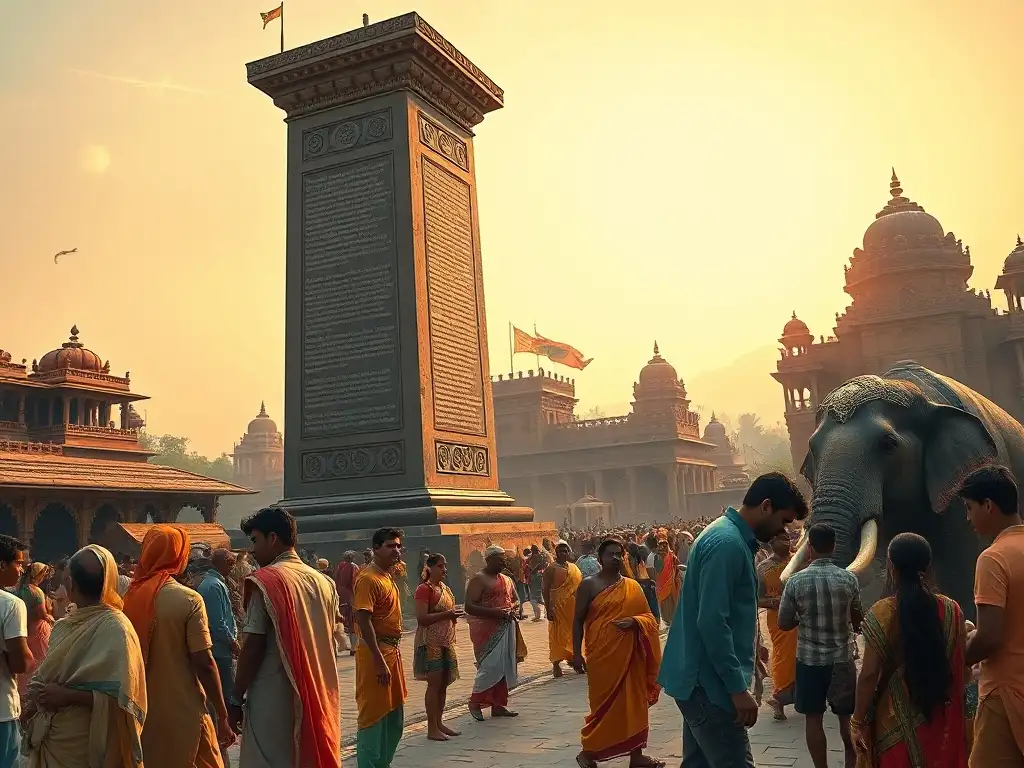
The Maurya Empire: A Brief Background
The Maurya Empire, founded in the late 4th century BCE, stands as one of the largest and most powerful empires in ancient India. Established by Chandragupta Maurya, the empire expanded significantly under his rule and that of his grandson, Ashoka the Great. By the time Ashoka ascended to the throne around 268 BCE, the Maurya Empire encompassed a vast territory stretching from present-day Afghanistan in the northwest to the Bengal region in the east, making it a formidable political entity of its time.
- Key Features of the Maurya Empire:
- Centralized Administration: The empire was characterized by a well-organized administrative system that facilitated governance over its extensive territory. The use of a bureaucracy helped maintain order and collect taxes efficiently.
- Economy: The Maurya Empire thrived on trade, agriculture, and a robust taxation system. Major trade routes connected it to other civilizations, fostering economic growth and cultural exchange.
- Religious Tolerance: The empire was notable for its religious pluralism, allowing the coexistence of various faiths, including Hinduism, Buddhism, and Jainism, which laid the groundwork for Ashoka's later policies.
Ashoka's reign marked a significant turning point in the history of the Maurya Empire. His commitment to Buddhism and non-violence transformed not only the political landscape but also the cultural and ethical framework of the empire.
Socio-Political Climate During Ashoka's Rule
The socio-political climate during Ashoka's rule was marked by profound changes, particularly following the Kalinga War, which occurred around 261 BCE. This war had a lasting impact on Ashoka's ideology and governance approach.
- Impact of the Kalinga War:
- The brutal conflict resulted in significant loss of life and suffering, leading Ashoka to embrace the principles of Dharma (moral law) and non-violence. This pivotal moment shifted his focus from conquest to the welfare of his subjects, reflecting a transformation in royal ideology.
- Promotion of Buddhism and Non-Violence:
- Ashoka's conversion to Buddhism influenced his policies, promoting compassion and ethical governance. He established a framework for social justice, advocating for the rights of all beings. His edicts, inscribed on pillars and rocks across the empire, communicated his dedication to promoting peace and Dharma.
- Public Welfare Initiatives:
- Under Ashoka's rule, significant efforts were made to improve the welfare of his subjects. This included the construction of hospitals, rest houses for travelers, and the planting of trees along roads for shade and comfort.
- Cultural Flourishing:
- The period of Ashoka also saw advancements in art, architecture, and literature. The construction of stupas, such as the Sanchi Stupa, reflected the artistic achievements of the era and served as a testament to Ashoka's commitment to Buddhism.
Ashoka the Great's reign represented a unique blend of military strength, compassionate governance, and cultural flourishing. His contributions not only shaped the Maurya Empire but also had a lasting impact on Indian civilization, bridging ancient practices with modern values.
Ashoka the Great Contributions
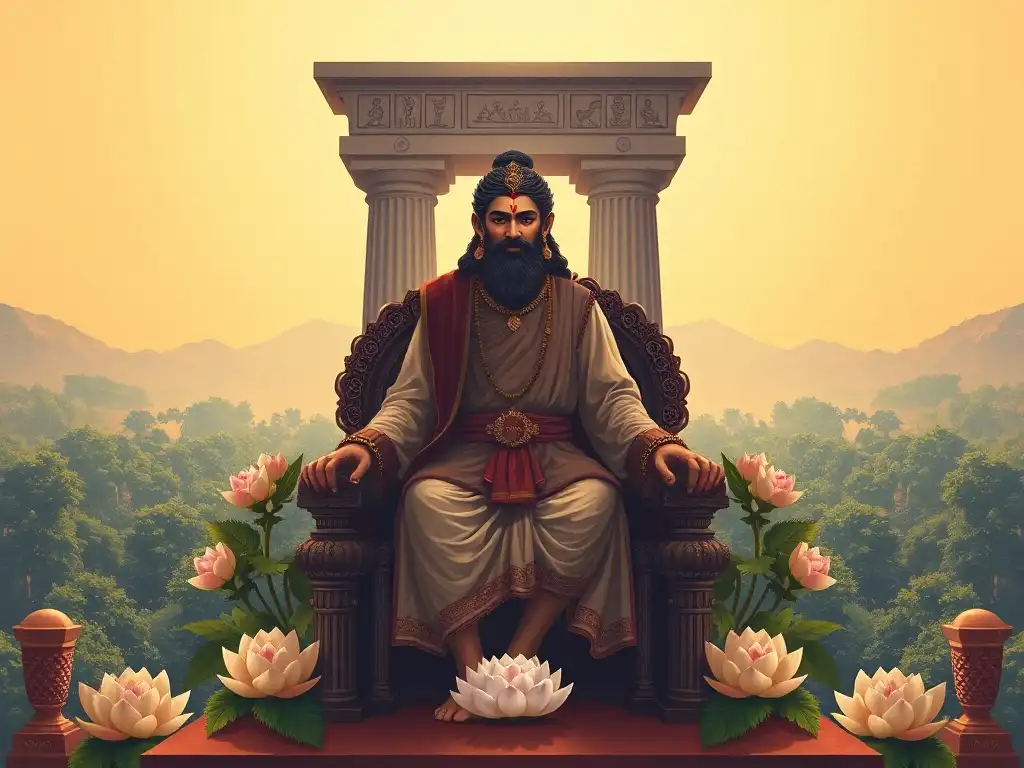
Ashoka the Great, the third emperor of the Maurya Dynasty, is renowned for his significant contributions that shaped not only his empire but also laid the groundwork for future Indian civilizations. His reign marked a pivotal transition from conquest-driven governance to a more humane and ethical approach, emphasizing moral and social welfare. Below, we explore two primary dimensions of Ashoka's contributions: political reforms and cultural advancements.
Political Reforms and Governance
Centralized Administration
Ashoka's governance style was characterized by the establishment of a centralized administration that effectively managed the vast Mauryan Empire. He understood the importance of a well-structured bureaucracy and implemented a system that facilitated efficient governance.
- Provincial Governance: Ashoka divided his empire into several provinces, each governed by appointed officials known as Uparikas. This structure ensured that local matters were addressed promptly and that the emperor's edicts were enforced uniformly.
- Communication Networks: To maintain control, Ashoka developed extensive communication networks, including roads and messengers, which facilitated the swift dissemination of orders and information throughout the empire.
- Public Welfare Initiatives: He instituted various public welfare programs, such as the establishment of hospitals for humans and animals, which showcased his commitment to the well-being of his subjects.
Legal Reforms and Justice System
Ashoka made significant strides in reforming the legal systems of his time, prioritizing justice and ethical governance.
- Edicts of Ashoka: His edicts, inscribed on rocks and pillars throughout the empire, outlined principles of justice, tolerance, and moral conduct. These edicts not only served as laws but also as a means of educating the populace about ethical behavior.
- Promotion of Dharma: Ashoka emphasized the importance of Dharma (moral law) in governance. He believed that rulers should act with compassion and fairness, leading to a more just society.
- Judicial Reforms: He established a more accessible and fair judicial system, encouraging citizens to seek justice without fear of reprisal. The focus was on rehabilitation rather than punishment, reflecting his Buddhist principles.
Cultural Contributions of Ashoka
Promotion of Buddhism and Spread of Dhamma
One of Ashoka's most significant contributions was his role in the promotion of Buddhism and the dissemination of Dhamma.
- Conversion to Buddhism: Following the Kalinga War, Ashoka embraced Buddhism, profoundly influencing his policies and actions. He became a significant patron of Buddhist monastic communities, leading to the religion's spread across Asia.
- Missionary Activities: Ashoka sent missionaries, including his son Mahinda, to various regions, including Sri Lanka, to propagate Buddhism. This contributed to the establishment of Buddhism as a major world religion.
- Moral and Ethical Teachings: His edicts emphasized compassion, non-violence, and moral conduct, resonating with the principles of Buddhism and influencing societal values.
Architectural Achievements: Stupas and Pillars
Ashoka also left a lasting legacy through his architectural contributions, particularly in the construction of stupas and pillars.
- Stupas: Ashoka is credited with the construction of numerous stupas, which served as relics of the Buddha and focal points for Buddhist worship. The most famous example is the Sanchi Stupa, a UNESCO World Heritage site that exemplifies ancient Indian architecture.
- Ashoka Pillars: The pillars erected under his orders are notable for their grandeur and craftsmanship. The Lion Capital of Ashoka, found at Sarnath, is a symbol of India and represents the essence of Ashoka's reign—strength, peace, and order.
- Public Monuments: These structures not only had religious significance but also acted as public monuments that fostered a sense of unity and identity among the diverse populations of his empire.
Ashoka the Great's contributions to political reform and cultural advancement have left an indelible mark on Indian history. His emphasis on ethical governance and promotion of Buddhism shaped the moral landscape of ancient India, influencing generations to come.
Economic Advancements Under Ashoka
Ashoka the Great, the third Mauryan emperor, is renowned not only for his role in the spread of Buddhism but also for his significant contributions to the economic landscape of ancient India. His reign marked a pivotal period that saw substantial advancements in trade, agriculture, and infrastructure, which collectively stimulated economic growth and improved the living standards of his subjects.
Trade Expansion and Economic Policies
Under Ashoka's rule, trade flourished as he recognized its importance for both economic prosperity and cultural exchange. He established a network of trade routes that connected various regions of India and facilitated trade with distant territories, including those in Central Asia and the Mediterranean. The construction of roads, such as the famous Grand Trunk Road, played a crucial role in enhancing trade efficiency.
Ashoka introduced policies that encouraged merchants by providing them with tax incentives and protection during their travels. His edicts emphasized the importance of fair trade practices and ethical dealings, ensuring that both buyers and sellers were treated justly. This approach fostered a sense of trust in commercial transactions, further stimulating economic activity.
Moreover, Ashoka's patronage of trade guilds and artisan cooperatives promoted local craftsmanship and industry. These guilds not only contributed to the economy but also allowed for the preservation and dissemination of artisanal skills, thereby enriching the cultural fabric of the empire.
Agricultural Improvements and Land Reforms
Agriculture was the backbone of Ashoka's economic strategy, and he implemented several reforms to enhance agricultural productivity. Recognizing the significance of irrigation for farming, Ashoka invested in the construction of canals and reservoirs, which improved water supply for crops. This led to an increase in agricultural output and ensured food security for the population.
In addition to infrastructure improvements, Ashoka also addressed issues related to land ownership and taxation. He introduced fair taxation policies that reduced the burden on farmers, allowing them to retain more of their earnings. This not only incentivized agricultural production but also encouraged farmers to invest in their lands, leading to better yields and sustainability.
Ashoka's focus on sustainable agricultural practices contributed to the long-term health of the soil and environment. His emphasis on the welfare of all subjects, including farmers, demonstrated his understanding of the interconnectedness between agriculture and the overall economy. These reforms laid the foundation for a prosperous agrarian economy that supported the Mauryan Empire during and beyond his reign.
Ashoka's Legacy in Modern India

Influence on Contemporary Indian Politics
Ashoka the Great, renowned for his transformation from a ruthless conqueror to a benevolent ruler, has left a profound influence on contemporary Indian politics. His commitment to Dhamma, which emphasized moral governance, non-violence, and the welfare of all living beings, resonates strongly in modern political discourse.
Key Contributions:
- Policy of Non-Violence: Ashoka's principles of non-violence have inspired various political movements in India, most notably the Indian Independence Movement led by figures such as Mahatma Gandhi. Gandhi’s philosophy of Ahimsa (non-violence) is deeply rooted in Ashoka’s teachings, reflecting a commitment to peaceful resistance against oppression.
- Welfare State: Ashoka’s administration focused on the welfare of his subjects, which can be seen as a precursor to modern welfare policies. His Edicts, inscribed on pillars and rocks across the empire, communicated messages of social justice, public health, and education, which align closely with contemporary democratic ideals of governance.
- Secularism: Ashoka promoted a policy of religious tolerance, which is a cornerstone of modern Indian democracy. His embrace of various religions and philosophies can be viewed as an early endorsement of secularism, encouraging respect and coexistence among diverse faiths.
The principles outlined in Ashoka's edicts continue to inspire political leaders and parties in India today, reaffirming his role as a vital source of ethical guidance in governance.
Ashoka's Role in Shaping Modern Indian Identity
Ashoka the Great has significantly contributed to the shaping of modern Indian identity, bridging ancient cultural values with contemporary societal norms. His legacy is reflected not only in the political realm but also in the rich tapestry of Indian culture and heritage.
Cultural Influences:
- Symbol of Unity: Ashoka is often viewed as a unifying figure in India’s diverse landscape. The Lion Capital of Ashoka, which features prominently on the national emblem, symbolizes strength, courage, and pride in India's cultural heritage. This emblem serves as a reminder of the nation's ancient roots and the enduring values that guide its citizens.
- Buddhism's Global Influence: As a patron of Buddhism, Ashoka played a crucial role in its spread both within and beyond India. His efforts to promote Buddhist teachings across Asia established India as a significant cultural and spiritual center. Today, this influence is evident in the presence of Buddhist communities and practices worldwide.
- Ethical Governance and Leadership: Ashoka's emphasis on ethical leadership continues to inspire individuals in various sectors, including politics, education, and social activism. His legacy encourages a focus on moral responsibility, compassion, and service to humanity, which are central to the modern Indian ethos.
In essence, Ashoka the Great remains a pivotal figure in the narrative of India's evolution, symbolizing a harmonious blend of ancient wisdom and modern ideals. His contributions resonate deeply in the collective consciousness of the nation, shaping its identity and guiding its future.
Lessons from Ashoka the Great's Leadership
Principles of Non-Violence and Tolerance
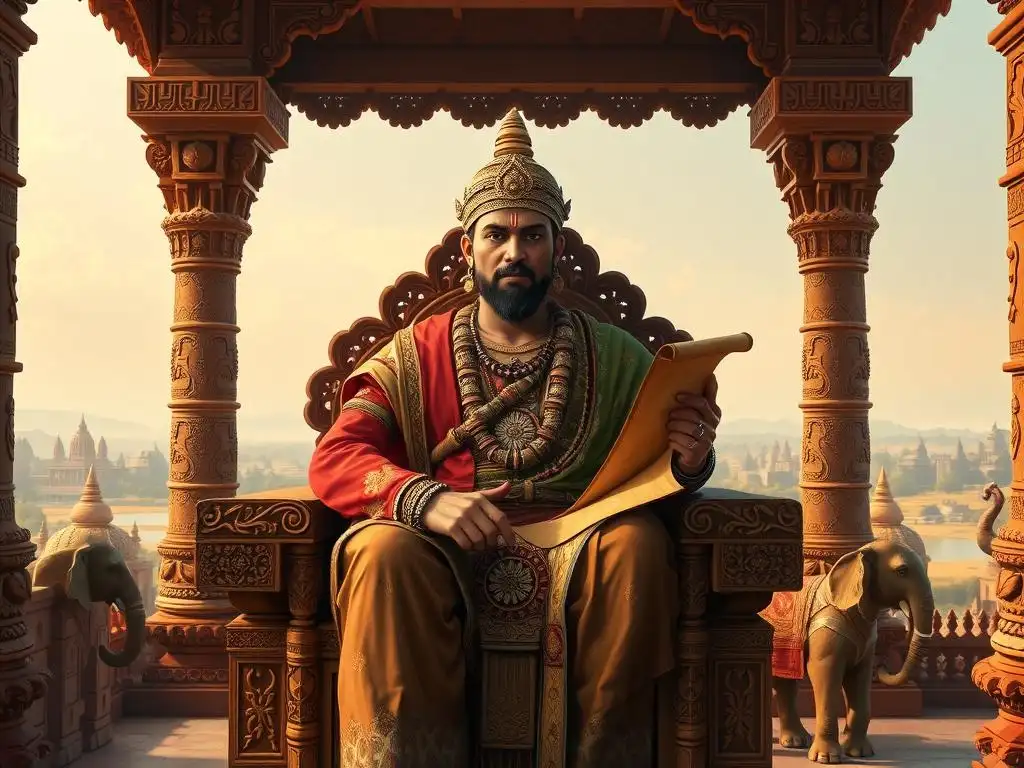
Ashoka the Great is renowned not only for his conquests but also for his revolutionary approach to governance after the Kalinga War. The war profoundly impacted him, leading to a transformation that centered around non-violence (Ahimsa) and tolerance. These principles were not merely philosophical ideals; they were practical strategies that reshaped the governance of his empire.
- Ahimsa in Policy: Ashoka propagated the idea of non-violence as a core tenet of his rule. He embraced Buddhism after the Kalinga War, which emphasized compassion towards all living beings. This shift led to the cessation of military campaigns aimed at expansion and promoted peace as a means of governance.
- Promotion of Religious Tolerance: Ashoka's Edicts, inscribed on pillars and rocks throughout his empire, highlighted the importance of accepting and respecting diverse religious beliefs. He encouraged dialogue among different faiths, which played a crucial role in fostering a harmonious society. This era saw various religions, including Buddhism, Jainism, and Brahmanism, coexisting peacefully.
- Legacy in Modern India: The principles of non-violence and tolerance laid down by Ashoka resonate even today. His approach influenced prominent figures like Mahatma Gandhi, who adopted these ideals in the struggle for India’s independence. The emphasis on peaceful resistance and tolerance remains a guiding principle in contemporary Indian society.
Importance of Ethical Governance
Ashoka's reign is often cited as a paradigm of ethical governance, where the welfare of the people was prioritized above all else. His commitment to ethical practices set a precedent that continues to influence governance models worldwide.
- Dharma as the Foundation: Ashoka introduced the concept of Dharma or righteousness as a guiding principle for his administration. His edicts emphasized moral integrity, justice, and the welfare of subjects. This ethical framework encouraged officials to act in the best interest of the people, thereby enhancing the state’s legitimacy.
- Social Welfare Initiatives: Under Ashoka's rule, various welfare measures were implemented, including the establishment of hospitals, planting of trees for shade, and the construction of wells and rest houses for travelers. Such initiatives reflected a deep concern for the well-being of citizens, promoting a sense of community and care.
- Influence on Future Governance: The ethical governance model established by Ashoka has inspired numerous leaders and thinkers throughout history. His commitment to justice, welfare, and ethical principles serves as a valuable lesson for contemporary leaders, emphasizing the importance of serving the public good above personal or political gains.
The lessons derived from Ashoka the Great's leadership—rooted in non-violence, tolerance, and ethical governance—remain relevant in today's socio-political landscape, offering a timeless framework for effective and compassionate leadership.
Conclusion: The Lasting Impact of Ashoka the Great
Summary of Contributions and Influence
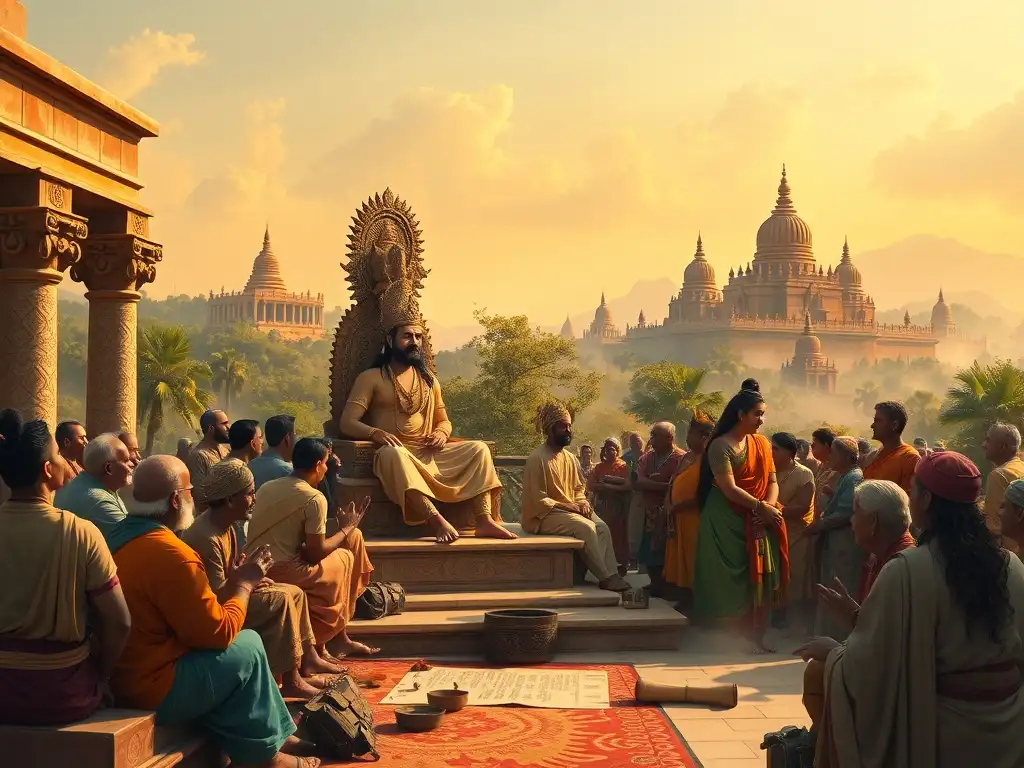
Ashoka the Great, reigning from 268 to 232 BCE, stands as a monumental figure in ancient Indian history, whose contributions have shaped not only his empire but also the broader cultural and ethical landscape of India and beyond. His approach to governance and his promotion of Dhamma (righteousness) are pivotal in understanding his legacy.
- Spread of Buddhism: Ashoka was instrumental in the proliferation of Buddhism. After the Kalinga War, which resulted in massive loss of life, he embraced non-violence and sought to spread the teachings of Buddha. He sent missionaries across Asia, reaching regions such as Sri Lanka, Central Asia, and Southeast Asia, significantly contributing to the Buddhist diaspora.
- Edicts of Ashoka: The Edicts of Ashoka, inscribed on rocks and pillars across his empire, provide insight into his governance and moral philosophy. These inscriptions advocate for ethical conduct, social welfare, and religious tolerance. They serve as some of the earliest examples of written laws promoting humane treatment of all beings.
- Promotion of Welfare Programs: Ashoka initiated numerous public welfare programs. These included the establishment of hospitals, planting of trees, and the construction of roads and rest houses. His commitment to the well-being of his subjects laid the groundwork for future governance models that prioritize public health and infrastructure.
- Cultural Syncretism: Ashoka's reign symbolized a harmonious blend of various cultures and religions, encouraging the coexistence of Hinduism, Buddhism, and Jainism. This cultural syncretism fostered a rich tapestry of art and architecture, as seen in the stupas and pillars that remain as testaments to his era.
- International Diplomacy: Ashoka's diplomatic relations extended beyond South Asia. He established trade routes and engaged in cultural exchanges with the Hellenistic world. His letters to foreign kings exemplify early forms of international diplomacy, showcasing his vision for a connected world.
These contributions not only solidified Ashoka's place in history but also influenced subsequent generations, shaping the moral and cultural fabric of India.
Reflections on Ashoka's Relevance Today
Ashoka's legacy continues to resonate in contemporary society, offering valuable lessons in leadership, ethics, and governance. His commitment to non-violence and compassion aligns closely with modern principles of human rights and social justice. In an era marked by conflict and division, Ashoka's teachings on tolerance and understanding serve as a guiding light.
- Non-Violence: Ashoka’s embrace of non-violence, particularly after the Kalinga War, can inspire current leaders to seek diplomatic solutions over military confrontations. His transformation from a conqueror to a compassionate ruler exemplifies the power of reflection and change.
- Moral Governance: The principles found in the Edicts of Ashoka advocate for governance that prioritizes the welfare of the populace. Today, these ideals can inform public policy, emphasizing the importance of ethics in leadership and the responsibility of governments to serve their citizens.
- Cultural and Religious Tolerance: In a globalized world, Ashoka’s promotion of religious tolerance is particularly relevant. His vision of a pluralistic society encourages respect and understanding among diverse communities, fostering peace and cooperation.
- Environmental Stewardship: Ashoka’s initiatives in planting trees and caring for animals highlight an early understanding of environmental stewardship. In contemporary discussions on sustainability, his practices can inspire modern efforts to protect our planet.
Ashoka the Great's contributions are not merely historical; they offer timeless wisdom that remains pertinent in addressing the challenges of today. His legacy as a leader who bridged ancient and modern values continues to inspire a more ethical and harmonious society.
Frequently Asked Questions
What were Ashoka the Great's main contributions to ancient India?
Ashoka the Great is known for his spread of Buddhism, implementation of ethical governance, and the creation of the Edicts of Ashoka, which promoted moral values and social welfare.
How did Ashoka's reign impact Buddhism?
Ashoka significantly contributed to the expansion of Buddhism by sending missionaries across Asia, facilitating its spread, and establishing Buddhist stupas and monasteries throughout his empire.
What role did the Edicts of Ashoka play in his governance?
The Edicts of Ashoka served as a moral compass, emphasizing non-violence, tolerance, and compassion. They acted as a means for Ashoka to communicate his administrative policies and values to his subjects.
How did Ashoka the Great influence modern India?
Ashoka's principles of non-violence and tolerance continue to resonate in Indian society today, influencing modern political thought and ethical governance in contemporary India.
What legacy did Ashoka the Great leave behind?
Ashoka's legacy includes his commitment to peace, the promotion of Buddhist philosophy, and the cultural integration of diverse communities, making him a pivotal figure in both ancient and modern Indian history.
Final Reflection: Ashoka's Enduring Legacy in Modern India
Ashoka the Great's contributions resonate profoundly in today's world, reminding us of the timeless values of peace, tolerance, and ethical governance. In an era where conflicts and divisions often dominate headlines, Ashoka's commitment to non-violence and his promotion of Dharma offer a powerful counter-narrative. His reign serves as a beacon of hope, illustrating how a ruler can prioritize the welfare of his people and foster unity amidst diversity.
Culturally and socially, Ashoka's influence continues to shape the Indian landscape. His edicts, which championed social justice and religious harmony, echo in contemporary discussions about inclusivity and civic responsibility. As we navigate the complexities of modern society, we can draw inspiration from Ashoka's vision. "What we think, we become," he might have said, reminding us that our thoughts and actions today will sculpt the future we desire.
As you reflect on Ashoka's legacy, consider how his principles can be woven into your own life. Embrace the call for compassion and understanding in your interactions, and strive to be a bridge between differing perspectives. By embodying the values of Ashoka, you can contribute to a more harmonious society, ensuring that his remarkable contributions continue to inspire generations to come.
Embrace the Legacy of Ashoka the Great!
Thank you for diving into the incredible journey of Ashoka the Great! By exploring his transformative reign, you've gained valuable insights into the evolution of India’s history and the enduring impact of his principles on society today.
Now, let's put that knowledge into action! Here’s how you can engage with this rich legacy:
- Dive Deeper: Explore Ashoka's edicts to discover how they can inspire modern values of peace and tolerance. For additional resources, consider visiting reputable historical websites dedicated to ancient India.
- Share the Wisdom: Discuss Ashoka’s influence with friends or family. Start a conversation about how his approach can positively shape our lives today.
- Join the Community: Connect with fellow history enthusiasts on our forums. Share your thoughts on the relevance of Ashoka’s teachings in contemporary society.
What aspect of Ashoka's legacy do you believe is most relevant for today’s world? We invite you to share your thoughts with us below!