
The Symbolism of Marriage in Ancient Indian Art and Architecture

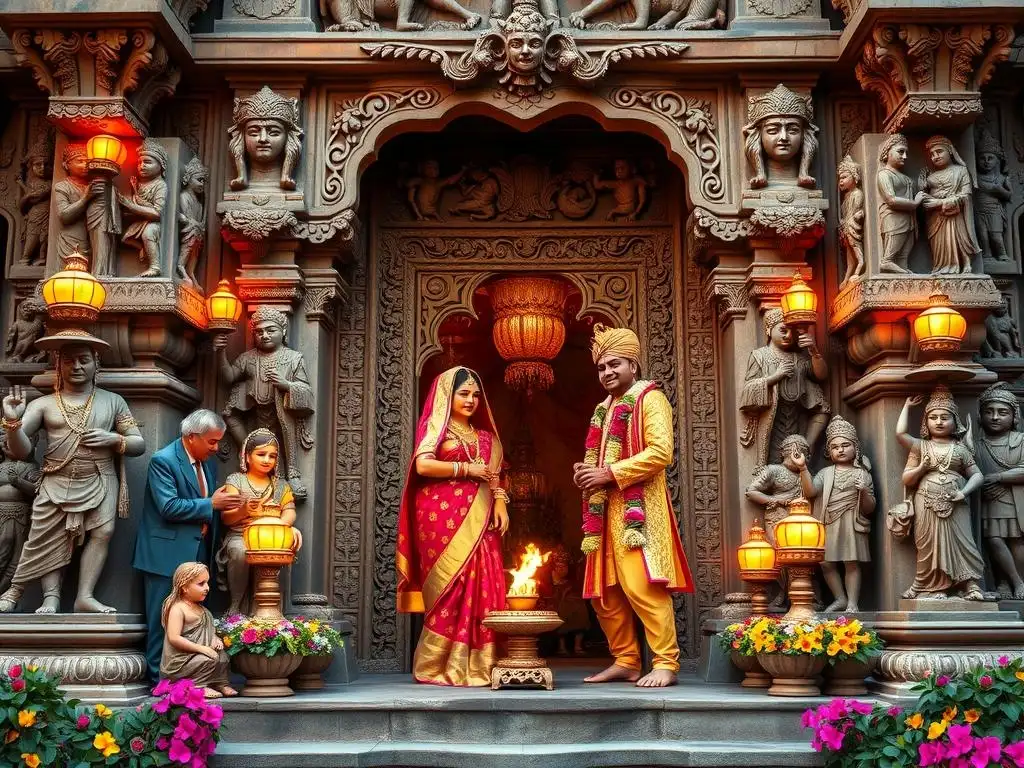
Welcome to Ancient India History, where we embark on a fascinating journey through the intricate tapestry of India's past. Here, we delve into the symbolism of marriage in ancient India, a theme that resonates deeply throughout the art and architecture of this vibrant civilization. From the sacred rituals of the Indus Valley to the ornate depictions of the Gupta Empire, each era offers a unique insight into the profound cultural significance of marriage.
Prepare to uncover the stories and meanings embedded in ancient artifacts, and let your curiosity guide you as you explore the rich legacy of daily life and society in ancient India. Your adventure into the depths of history begins now!
Introduction to the Symbolism of Marriage in Ancient India
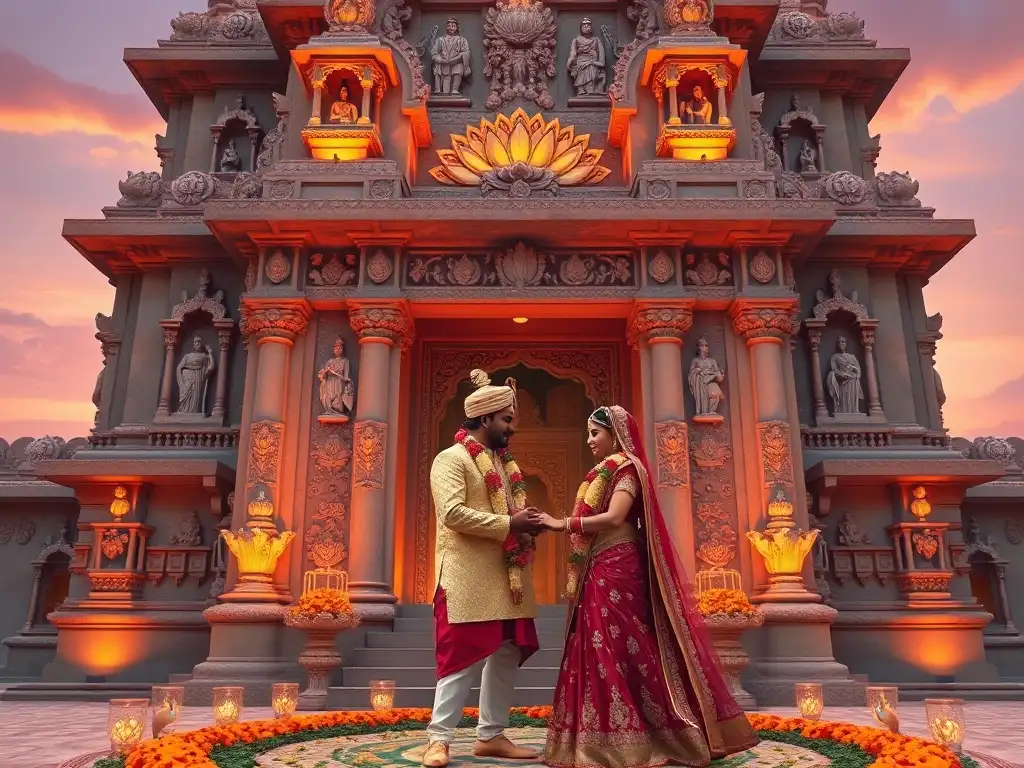
The symbolism of marriage in ancient India is a profound and multifaceted aspect of the rich tapestry of Indian civilization. Throughout history, marriage has been more than just a social contract; it has represented a vital cultural and spiritual union that shaped the lives of individuals and communities alike.
From the intricate carvings of ancient temples to the elaborate frescoes found in palaces, the artistic expressions of marriage reveal not only the rituals and traditions associated with this sacred bond but also the values, beliefs, and societal structures of the time. Understanding these artistic representations provides valuable insights into the significance of marriage and its role as a cornerstone of family and community life in ancient Indian society.
Overview of Ancient Indian Marriage Practices
Ancient Indian marriage practices were deeply rooted in cultural traditions and religious beliefs, often intertwining with various social norms. The concept of marriage encompassed diverse forms, including arranged marriages, love marriages, and even polyandry in certain regions. Key elements in these practices included:
- Rituals and Ceremonies: Marriage ceremonies were elaborate, involving various rituals such as Saptapadi (the seven steps) and Homa (sacred fire).
- Dowry System: The practice of dowry was prevalent, where the bride's family would provide gifts and property to the groom's family.
- Role of Astrology: Astrology played a crucial role in choosing suitable partners, with horoscopes often matched for compatibility.
These practices not only highlighted the importance of marriage in personal lives but also reflected broader societal values and norms.
Importance of Marriage in Ancient Indian Society
Marriage in ancient India was not merely a union between two individuals; it was a significant social institution that upheld the fabric of society. The importance of marriage can be outlined as follows:
- Family Structure: Marriages were vital for establishing family lineage and inheritance, influencing social status and community dynamics.
- Cultural Continuity: Through marriage, cultural traditions and religious practices were preserved and passed down through generations.
- Economic Alliances: Marriages often served as strategic alliances between families, bolstering economic ties and political power.
These factors underscore the central role of marriage in fostering community cohesion and continuity in ancient Indian culture.
Historical Context of Marriage in Ancient Indian Art
Art and architecture in ancient India serve as a mirror reflecting the customs and ideals of marriage. Various periods of Indian history have left their mark on artistic expressions related to marriage, providing a narrative that intertwines love, duty, and societal expectations.
Marriage in the Indus Valley Civilization
The Indus Valley Civilization, one of the earliest urban cultures in the world, showcased its appreciation for marriage through various artistic artifacts. Statues and seals often depicted couples in intimate poses, suggesting the significance of romantic love and partnership. Additionally, the presence of terracotta figurines resembling brides and grooms hints at the rituals and ceremonial aspects of marriage in this era.
Vedic Period Perspectives on Marriage
During the Vedic period, marriage was characterized by the concept of Dharma, or duty, which emphasized the responsibilities of both partners. Art from this period reflects these ideals, with visual representations of sacred texts and rituals associated with marriage. The Swayamvara, a practice where a bride chose her groom from a group of suitors, is often depicted in Vedic art, symbolizing both choice and the sanctity of marital bonds.
Marriage Symbolism during the Maurya and Gupta Empires
The Maurya and Gupta Empires marked a flourishing of artistic expression, with marriage symbolism becoming increasingly prominent in sculptures and temple architecture. Intricate carvings depicting divine couples, such as Shiva and Parvati, illustrate the ideal of marital harmony and partnership. Additionally, the use of floral motifs and auspicious symbols, like the lotus, in marriage-related art emphasizes fertility, prosperity, and the sanctity of the marital union.
Through these historical contexts, the symbolism of marriage in ancient Indian art and architecture emerges as a rich narrative that intertwines cultural values, societal norms, and artistic expression.
Key Themes in Ancient Indian Art Representing Marriage
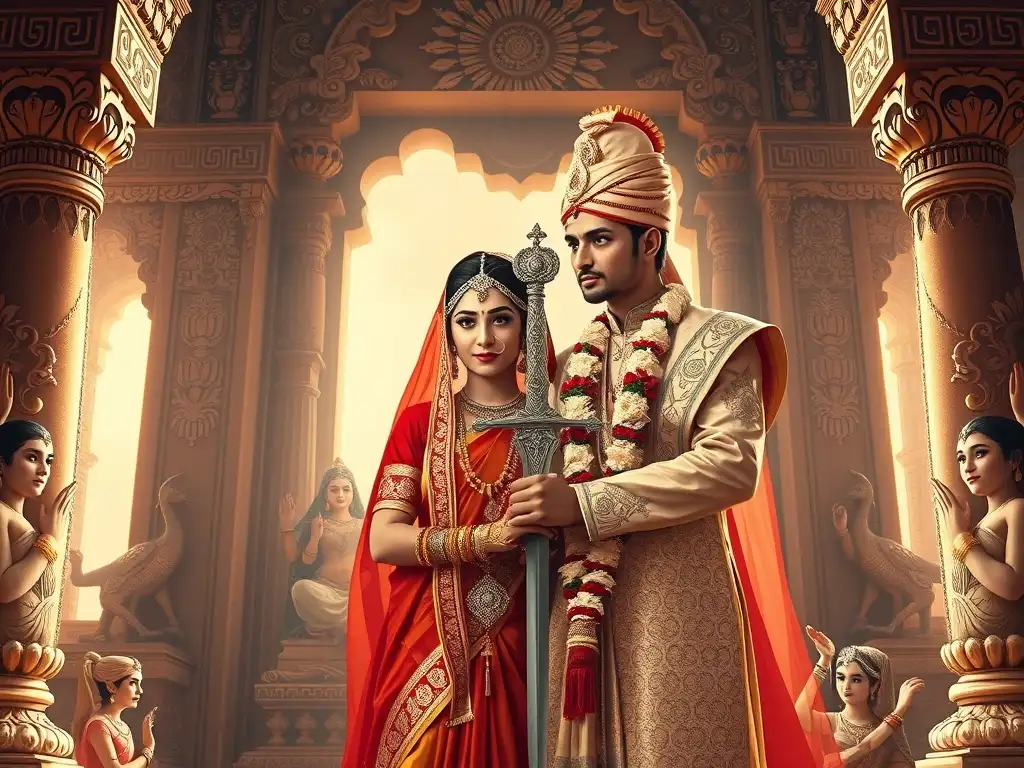
The symbolism of marriage in ancient India is intricately woven into the fabric of its art and architecture, reflecting societal values, beliefs, and practices. Several key themes emerge from this artistic representation, notably the celebration of union, fertility, and the divine sanctioning of marital bonds.
Artistic expressions often feature couples in harmonious poses, emphasizing the ideal of partnership and companionship. This theme is especially prominent in sculptures and paintings that illustrate various wedding rituals, showcasing the importance of marital unions in establishing familial ties and social networks. Additionally, motifs associated with fertility, such as lush flora and fauna, are commonly used to signify the hope for prosperity and the continuation of lineage, underscoring the significance of marriage in family dynamics.
Moreover, the presence of deities in marriage-related artwork highlights the spiritual dimensions of marriage. By depicting divine figures alongside couples, artists convey the notion that marital unions are not merely social contracts but sacred bonds blessed by the divine. These recurring themes not only enrich the aesthetic experience but also serve to educate and reinforce cultural values related to marriage in ancient Indian society.
Depictions of Wedding Rituals in Sculpture and Painting
Ancient Indian art is rich with depictions of wedding rituals, capturing the vibrancy and sanctity of these ceremonies. Sculptures found in temples and palaces, as well as paintings on cave walls and manuscripts, showcase various aspects of weddings, from the ceremonial procession to the rituals performed during the marriage ceremony itself.
In sculptures, intricate carvings often portray the bride and groom adorned in elaborate attire, surrounded by family members and attendants engaged in traditional practices. The use of expressive poses and detailed ornamentation not only brings these scenes to life but also reflects the cultural significance attributed to weddings. For instance, the portrayal of the "Kanyadaan" ritual, where the father gives away his daughter, signifies the transfer of guardianship and the importance of familial consent in marriage.
Paintings from the medieval period, such as those in the Mughal tradition, further illustrate the grandeur of wedding celebrations, often depicting lavish feasts, musical performances, and dance. These artistic representations serve as historical records, providing insight into the customs and social structures surrounding marriage in ancient India.
Symbols of Fertility and Prosperity in Marriage Art
Fertility and prosperity are central themes in the symbolism of marriage in ancient Indian art. Artists often employed specific motifs to convey these concepts, ensuring that the significance of marital unions extended beyond mere companionship to include the hope for abundance and continuity of the family line.
Common symbols include the lotus flower, which is frequently associated with purity and fertility, and the depiction of fruits and grains that signify abundance. These elements are often integrated into the decoration of marriage-related art, reinforcing the idea that a successful marriage is linked to prosperity and the nurturing of future generations.
Additionally, the portrayal of the earth goddess or fertility deities in conjunction with couples highlights the belief that divine favor is essential for a fruitful marriage. Such representations underscore the cultural understanding that marriage is not just a personal union, but a vital component of societal stability and growth.
The Role of Deities in Marriage Symbolism
In ancient Indian art, the role of deities in marriage symbolism cannot be overstated. Divine figures are frequently depicted alongside couples, symbolizing the sacred nature of the marital bond and the belief that such unions are blessed by higher powers.
For instance, the presence of deities like Ganesha, known as the remover of obstacles, is common in wedding art, signifying the hope for a smooth and prosperous marriage. Similarly, the goddess Parvati, often portrayed as the ideal wife, represents feminine virtue and strength, reinforcing the qualities valued in a spouse.
These divine representations serve not only as protective symbols but also as reminders of the spiritual dimensions of marriage. They highlight the belief that successful marriages require not just compatibility between partners but also a harmonious relationship with the divine, fostering a sense of reverence and commitment to the marital union.
Architectural Features Reflecting Marital Symbolism
Architectural elements in ancient Indian structures often reflect the symbolism of marriage, serving as physical manifestations of the ideals associated with this sacred institution. Temples, palaces, and public spaces feature designs and motifs that celebrate the union of couples and the significance of family.
Temples as Centers of Matrimonial Significance
Temples in ancient India were not merely places of worship; they also functioned as vital centers for matrimonial activities. Many temples were dedicated to deities associated with love and marriage, such as Shiva and Parvati or Vishnu and Lakshmi. The architecture often includes intricate carvings and sculptures depicting marital themes, making these spaces sacred venues for weddings and family celebrations.
In addition to hosting wedding ceremonies, temples served as community hubs where families would gather for festivals and rituals, further reinforcing the social dimensions of marriage. The presence of marriage-related iconography in temple architecture signifies the integral role of these institutions in promoting and sanctifying matrimonial bonds within society.
Marriage Altars and Their Symbolic Representations
Marriage altars, or "homa," hold significant symbolic value in ancient Indian marriage ceremonies. These altars, often constructed in temples and homes, are central to the wedding ritual, serving as the sacred space where the couple takes vows and offers prayers to deities for blessings.
The design of these altars is often rich in symbolism, featuring motifs that represent fertility, prosperity, and protection. For example, the use of specific shapes and materials in altar construction is believed to invite divine presence and favor. The ceremonial fire, or "Agni," is also a critical element, symbolizing purity and the transformative power of marriage.
Through the careful construction and ritualistic use of marriage altars, ancient Indian culture emphasizes the importance of spirituality in marital unions, reflecting the belief that marriage is a sacred journey guided by divine forces.
Iconography of Couples in Ancient Indian Architecture
The iconography of couples in ancient Indian architecture is a profound expression of marital symbolism. Many temples and monuments feature couples depicted in various poses, often engaged in activities that symbolize love, devotion, and partnership.
These representations can be found in friezes, columns, and even entrance gates, where couples are shown embracing or participating in rituals. Such imagery serves to celebrate the ideal of marital companionship and the emotional and spiritual connections that define successful relationships.
Moreover, these artistic expressions often convey cultural narratives about love and duty, reinforcing societal expectations around marriage. By embedding the iconography of couples into the architecture, ancient Indian civilizations highlighted the significance of marriage as a cornerstone of social and familial structures, ensuring that these ideals were visually communicated to the community.
Comparative Analysis of Marriage Symbolism Across Regions
The symbolism of marriage in ancient India presents a rich tapestry of cultural expressions that vary significantly across different regions. This diversity is evident in the artistic representations found in temples, sculptures, and paintings, each reflecting the unique traditions and customs of the local communities. By analyzing these regional variations, we can gain deeper insights into how marriage was perceived and celebrated in various parts of the subcontinent.
Variations in Marriage Symbolism in Northern vs. Southern India
In Northern India, marriage symbolism often emphasizes the themes of union and fertility, prominently featuring deities such as Shiva and Parvati, who represent the ideal marital relationship. The intricate carvings on temples, such as those at Khajuraho, depict various aspects of marital life, including rituals and festivities. These artworks frequently showcase the bride and groom in ceremonial poses, highlighting their roles within the family and society.
Conversely, Southern Indian art tends to focus on the sanctity of marriage through the integration of divine elements. Temples in Tamil Nadu, for example, include sculptures of deities engaged in marital rituals, symbolizing the cosmic balance that marriage entails. The representation of the Kalyana (wedding) scene in temple architecture illustrates the melding of human and divine love, reflecting the region's deep-rooted spiritual beliefs.
Influence of Local Cultures on Marital Symbolism in Art
Local cultural practices significantly influence the symbolism of marriage in art. In regions where matrilineal societies thrive, such as among certain communities in Kerala, depictions of women in art often showcase their authority and central role in family life. Artifacts from these areas may emphasize the bride's agency and importance, contrasting with regions where patriarchal norms dominate.
Furthermore, tribal cultures, such as those found in the northeastern states of India, incorporate their unique symbols and motifs into marriage representations. These artworks often feature vibrant colors and patterns that reflect the community's identity and values, showcasing marriage not just as a personal union but as a communal celebration.
Cross-Cultural Influences on Ancient Indian Marriage Representations
Ancient Indian marriage symbolism also absorbed influences from neighboring cultures through trade, conquests, and cultural exchanges. The interaction with Persian, Greek, and later Islamic cultures introduced new motifs and styles, enriching the representations of marital themes in Indian art. For instance, during the Mauryan period, Persian artistic elements began to appear in sculptures, which may have included depictions of marital themes, blending local traditions with foreign aesthetics.
The Mughal period further exemplifies this cross-cultural synthesis, where the grandeur of wedding ceremonies is captured in miniature paintings. These artworks reveal the fusion of Indian and Persian styles, showcasing opulent bridal attire and elaborate ceremonies, thus reflecting the evolving nature of marital symbolism in response to external influences.
The Evolution of Marriage Symbolism in Indian Art
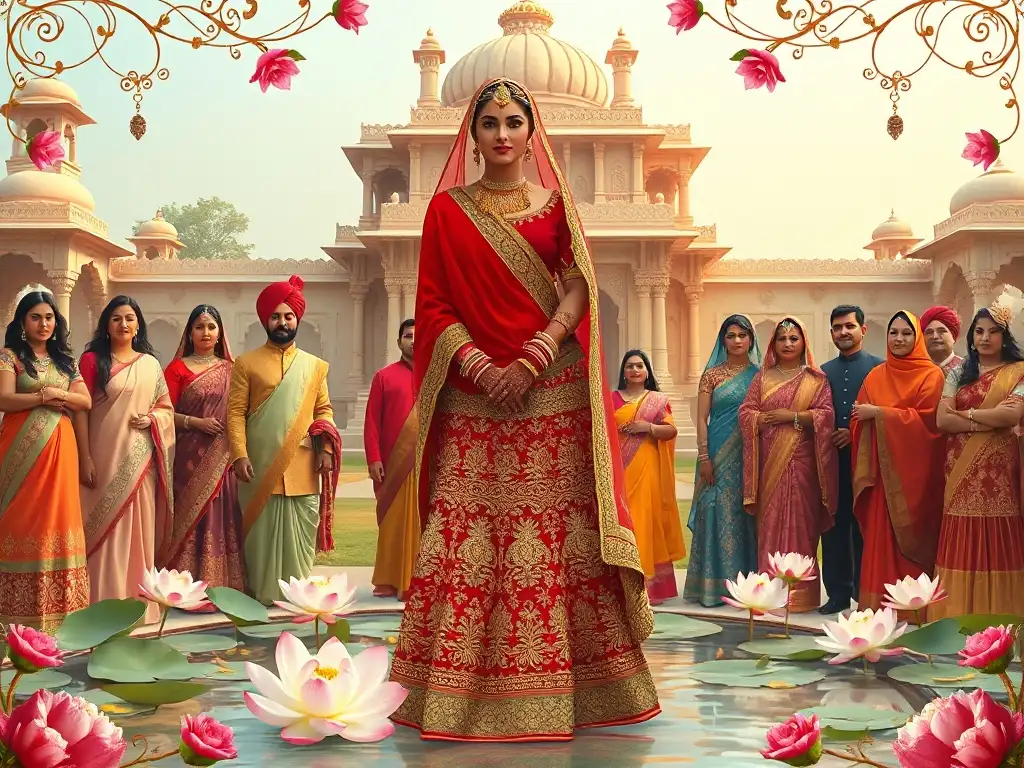
The symbolism of marriage in Indian art has undergone significant transformations over the centuries, mirroring broader societal changes and evolving artistic expressions. From ancient times to the medieval period, these shifts reveal insights into the changing perceptions of marital roles and relationships.
Changes in Symbolism from Ancient to Medieval Periods
During the ancient period, marriage symbolism was heavily intertwined with religious and cosmic themes, focusing on the divine aspects of the marital union. Artifacts from this era often depicted gods and goddesses in marital contexts, emphasizing the spiritual significance of marriage.
As India transitioned into the medieval period, the representation of marriage began to incorporate more humanistic elements. The focus shifted towards the portrayal of domestic life and the personal experiences of couples. Temples and paintings from this time often depicted everyday marital scenes, showcasing the joys and challenges of married life, thus reflecting a more relatable narrative in the symbolism of marriage.
Contemporary Reflections of Ancient Marital Symbolism in Modern Art
In contemporary Indian art, the symbolism of marriage continues to be a vital theme, often revisited and reinterpreted through modern lenses. Artists draw inspiration from ancient motifs and symbols, merging them with contemporary issues related to marriage, gender roles, and societal expectations.
Modern artworks frequently critique traditional marital norms while celebrating the rich heritage of marriage symbolism in ancient India. Exhibitions and installations may incorporate traditional patterns and forms, juxtaposed with modern techniques, to create dialogues about the evolution of marital practices and their relevance in today's society. This ongoing exploration not only honors ancient traditions but also reflects the dynamic nature of marriage in contemporary life, ensuring that the symbolism of marriage in ancient India remains a vibrant and evolving subject.
Conclusion: The Enduring Legacy of Marriage Symbolism in Ancient Indian Art
The symbolism of marriage in ancient Indian art and architecture showcases a profound understanding of social and cultural values that have transcended time. From intricate carvings on temple walls to detailed frescoes, the representations of marital union are not merely decorative; they are deeply embedded with meanings that reflect societal norms, spiritual beliefs, and the cosmic significance attributed to marriage.
This symbolism serves as a lens through which we can understand the diverse practices of family life and the critical role of marriage in ancient Indian society. It represents ideals of harmony, fertility, and the sacred bond between husband and wife, which were pivotal in maintaining social order and continuity.
Summary of Key Insights
- Cosmic Symbolism: Marriage in ancient Indian art often symbolizes the cosmic union of opposites, reflecting the interplay between masculine and feminine energies. This theme is prevalent in various artistic representations, where divine couples are depicted to signify balance and wholeness.
- Cultural Representation: The art forms, including sculpture and painting, incorporate narrative elements that tell stories of love, devotion, and the socio-religious importance of marriage. Such depictions serve to reinforce cultural values regarding family and societal responsibilities.
- Ritual and Ceremony: Many artworks illustrate the rituals associated with marriage, showcasing the elaborate ceremonies that were part of ancient Indian weddings. These artistic expressions highlight the significance of rituals in forging social ties and community bonds.
- Evolution Over Time: The symbolism of marriage has evolved throughout different dynasties, reflecting changes in societal norms and artistic styles. Yet, the core values associated with marriage have remained constant, emphasizing its enduring importance in Indian culture.
The Relevance of Ancient Symbolism in Today’s Context
The themes and symbols associated with marriage in ancient Indian art continue to resonate in contemporary society. Modern marriages often draw inspiration from traditional customs and rituals, reflecting a blend of ancient practices with modern sensibilities. The enduring nature of these symbols is evident in various cultural events, such as weddings that incorporate traditional attire, rituals, and blessings that echo ancient practices.
Moreover, understanding these symbols can provide valuable insights into the socio-cultural fabric of modern India. As society evolves, the core values of love, partnership, and commitment remain central to the institution of marriage, reinforcing the relevance of ancient symbolism in navigating contemporary relationships. By exploring these connections, individuals can gain a deeper appreciation for their heritage and the rich tapestry of meanings woven into the practice of marriage.
References for Further Reading on Marriage in Ancient India
Suggested Books and Articles
- "Indian Marriage Customs" by Lata Singh: This book delves into the historical context and evolution of marriage customs across different regions of India.
- "The Sacred Marriage: A Historical Study of the Symbolism of Marriage in Indian Art": by Ravi Kumar: An exploration of how marriage is symbolized in various forms of Indian art and its implications on social norms.
- "Rituals of Marriage in Ancient India" by Meena Sharma: This article provides an overview of the rituals associated with marriage during ancient times and their significance.
Online Resources for Exploring Ancient Indian Art and Society
- Digital India Initiative: This platform offers numerous resources, including articles and digital archives, focusing on Indian heritage and ancient practices.
- The Archaeological Survey of India (ASI): The ASI website provides access to research papers, findings, and insights about ancient Indian architecture and art.
- Indian Culture Portal: A comprehensive online resource that covers various aspects of Indian culture, including marriage practices, art forms, and historical contexts.
These resources serve as gateways for further exploration into the multifaceted symbolism of marriage within the rich tapestry of ancient Indian art and society.
- Introduction to the Symbolism of Marriage in Ancient India
- Overview of Ancient Indian Marriage Practices
- Importance of Marriage in Ancient Indian Society
- Historical Context of Marriage in Ancient Indian Art
- Key Themes in Ancient Indian Art Representing Marriage
- Architectural Features Reflecting Marital Symbolism
- Comparative Analysis of Marriage Symbolism Across Regions
- The Evolution of Marriage Symbolism in Indian Art
- Conclusion: The Enduring Legacy of Marriage Symbolism in Ancient Indian Art
- References for Further Reading on Marriage in Ancient India
- What is the significance of marriage symbolism in ancient Indian art?
- How did ancient Indian architecture depict marriage rituals?
- Which civilizations contributed to the symbolism of marriage in ancient India?
- What role did marriage play in ancient Indian society?
- How can modern interpretations relate to the symbolism of marriage in ancient India?
Frequently Asked Questions
What is the significance of marriage symbolism in ancient Indian art?
The symbolism of marriage in ancient Indian art represents cultural values, social structure, and the spiritual union between partners, reflecting the importance of marriage in society.
How did ancient Indian architecture depict marriage rituals?
Ancient Indian architecture, especially in temples, often included sculptures and reliefs illustrating marriage rituals, highlighting the sacredness and societal importance of these ceremonies.
Which civilizations contributed to the symbolism of marriage in ancient India?
The Indus Valley Civilization, Maurya Empire, and Gupta Empire are notable for their contributions, showcasing various artistic expressions that celebrate the institution of marriage through mythology and rituals.
What role did marriage play in ancient Indian society?
Marriage served as a foundation for family structure, social alliances, and the continuation of cultural traditions, reinforcing the societal norms and values of ancient Indian civilizations.
How can modern interpretations relate to the symbolism of marriage in ancient India?
Modern interpretations often draw parallels between ancient and contemporary marriage symbolism, emphasizing themes of unity, commitment, and the spiritual journey shared by partners, while still respecting traditional values.
Final Reflection: The Enduring Symbolism of Marriage in Ancient India
The symbolism of marriage in ancient India resonates profoundly in today’s cultural landscape, reflecting the timeless values and traditions that continue to shape our understanding of relationships. As we explore the intricate depictions of marriage in ancient Indian art and architecture, we uncover not only the aesthetic beauty but also the deep-rooted significance these symbols hold in contemporary society. The essence of marriage, as portrayed through these artistic expressions, serves as a powerful reminder of the enduring bonds that connect individuals and communities across generations.
The influence of this symbolism extends beyond mere historical appreciation; it actively shapes our cultural and social frameworks. The rich narratives woven into ancient Indian art remind us of the sacredness of marital unions and the roles they play in societal cohesion.
As we engage with these artistic legacies, we are reminded of the words of the renowned art historian, “Art is the most beautiful of all lies.” > This quote encapsulates the idea that while the depictions may be rooted in the past, they evoke emotions and values that are ever-relevant in our lives today, encouraging us to reflect on our own relationships and commitments.
As we conclude our exploration of the symbolism of marriage in ancient India, I invite you to reflect on the lessons embedded within these artistic expressions. Consider how the values of love, commitment, and partnership can inspire your own relationships. Let the beauty and depth of these ancient symbols guide you in nurturing connections that honor both tradition and personal growth. Embrace the opportunity to create your own narrative, one that resonates with the timeless essence of marriage while paving the way for a future filled with love and understanding.
Unveil the Rich Symbolism of Marriage Today!
Thank you for exploring the profound symbolism of marriage in ancient Indian art and architecture! Your interest in this captivating aspect of history not only enhances your understanding but also connects you to the timeless traditions of a vibrant culture. Now, let’s take the next steps together.
Here’s how you can dive deeper and engage with this rich topic:
- Visit local museums or exhibitions featuring ancient Indian art to see these symbols in person.
- Join a community or online forum to discuss your insights and learn from others who share your passion for ancient history.
- Share this article with friends or on social media to spark conversations about cultural heritage!
What new perspectives on the symbolism of marriage can you share based on your own experiences or discoveries?