
The Art of Ritual: How Ancient Indian Ceremonies Influenced Modern Practices

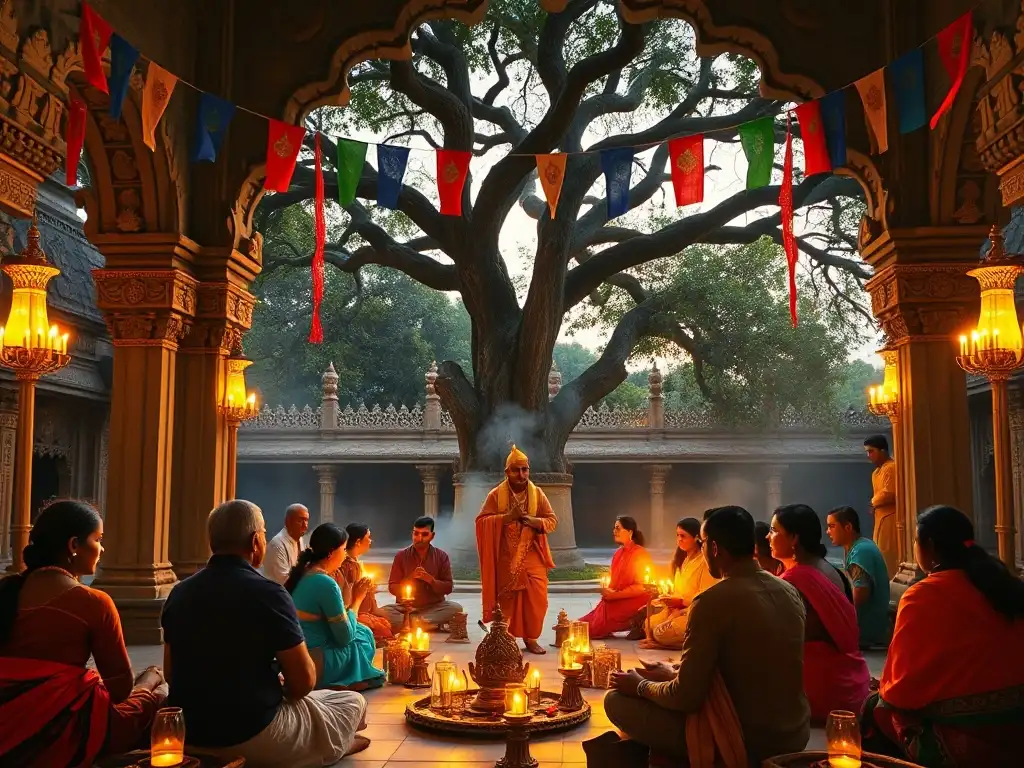
Welcome to Ancient India History, where we embark on a captivating journey through the rich tapestry of ancient Indian civilizations. Here, you'll uncover the incredible ritual significance that shaped not only the past but continues to influence modern practices today. In our featured article, "The Art of Ritual: How Ancient Indian Ceremonies Influenced Modern Practices," we delve into the fascinating world of ceremonies that have left an indelible mark on culture and traditions.
Get ready to explore the profound connections between ancient rites and contemporary celebrations, and ignite your curiosity about the enduring legacy of India's vibrant heritage. Continue reading to discover how these timeless rituals still resonate in our lives today!
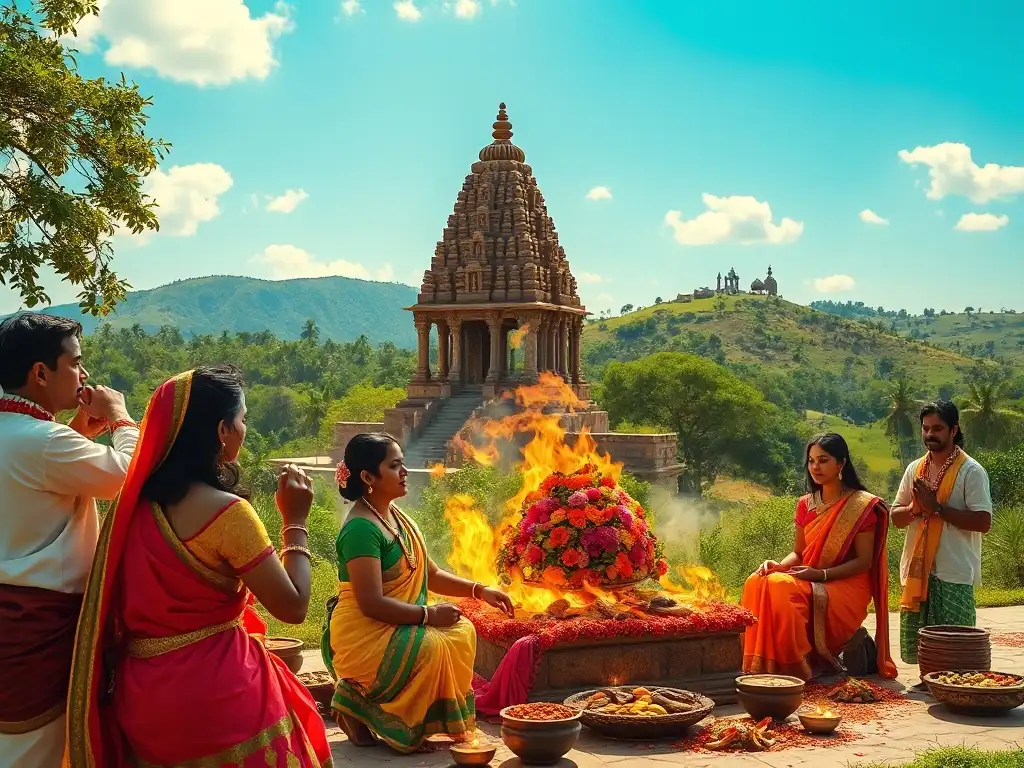
Introduction to Ancient Indian Ritual Significance
The rich tapestry of ancient Indian civilization is woven with intricate threads of rituals and ceremonies that have shaped spiritual and cultural landscapes for millennia. Ancient Indian ritual significance extends beyond mere ceremonial acts; it embodies a profound connection to the cosmos, the divine, and the community.
From the elaborate fire rituals of the Vedic age to the simple yet profound daily offerings in households today, these practices have evolved but remain deeply rooted in tradition. This article explores how these ancient ceremonies not only reflect the ethos of their time but also continue to influence modern practices across various aspects of life, spirituality, and culture.
Overview of Rituals in Ancient Indian Culture
Rituals in ancient India served multiple purposes, acting as a bridge between the mundane and the sacred. They were integral to religious observances, marking significant life events such as births, marriages, and deaths. Some key aspects include:
- Types of Rituals:
- Domestic Rituals: Conducted within households, these rituals often involved daily prayers, offerings, and festivals.
- Public Ceremonies: Larger community events that celebrated harvests, gods, and seasons.
- Symbolism: Each ritual carried deep symbolic meanings, often representing cosmic principles or moral values aimed at societal cohesion.
- Role of Priests: Priests were central figures in executing rituals, believed to act as intermediaries between humans and the divine.
Importance of Ceremonies in Daily Life and Spiritual Practices
Ceremonies in ancient India were not mere acts but vital components of daily life and spirituality. Their importance can be summarized as follows:
- Spiritual Connection: Rituals provided a means to connect with the divine, offering solace and guidance through life's uncertainties.
- Community Bonding: Shared rituals fostered a sense of belonging and community, reinforcing social ties among individuals.
- Cultural Transmission: Through ceremonies, traditions, values, and stories were passed down generations, preserving the cultural heritage of ancient India.
Historical Context of Ancient Indian Rituals
Understanding ancient Indian rituals requires a look into their historical evolution and the context in which they developed.
The Evolution of Rituals from the Indus Valley Civilization
The roots of ritual practices can be traced back to the Indus Valley Civilization, where archaeological findings suggest the presence of early forms of worship, including:
- Sacred Structures: The discovery of large public baths and altars indicates a complex ritualistic life.
- Symbolic Artifacts: Seals and figurines suggest a belief system involving deities and nature worship, laying the groundwork for future rituals.
Influence of Vedic Texts on Ritual Practices
The Vedic period marked a significant transformation in ritual practices, characterized by:
- Development of Vedic Rituals: Elaborate ceremonies, such as the Yajna (fire sacrifices), became prominent, emphasizing the importance of offerings to deities.
- Philosophical Underpinnings: The Vedas provided not just procedural elements for rituals but also philosophical insights into the nature of existence and the universe.
Key Historical Figures and Their Contributions to Rituals
Throughout history, numerous sages and scholars have shaped the landscape of ancient Indian rituals. Notable figures include:
- Vyasa: Credited with compiling the Vedas, Vyasa's contributions are foundational to understanding ancient rituals.
- Patanjali: His work on Sanskrit grammar and yoga philosophy influenced both spiritual and ritual practices.
- Various Rishis: Renowned sages who contributed to the oral tradition of rituals, passing down knowledge through generations.
These historical elements underscore the enduring legacy of ancient Indian rituals and their significance in shaping modern practices. As we delve deeper into this exploration, the intricate connections between past and present will become increasingly evident.
Types of Ancient Indian Rituals and Their Significance
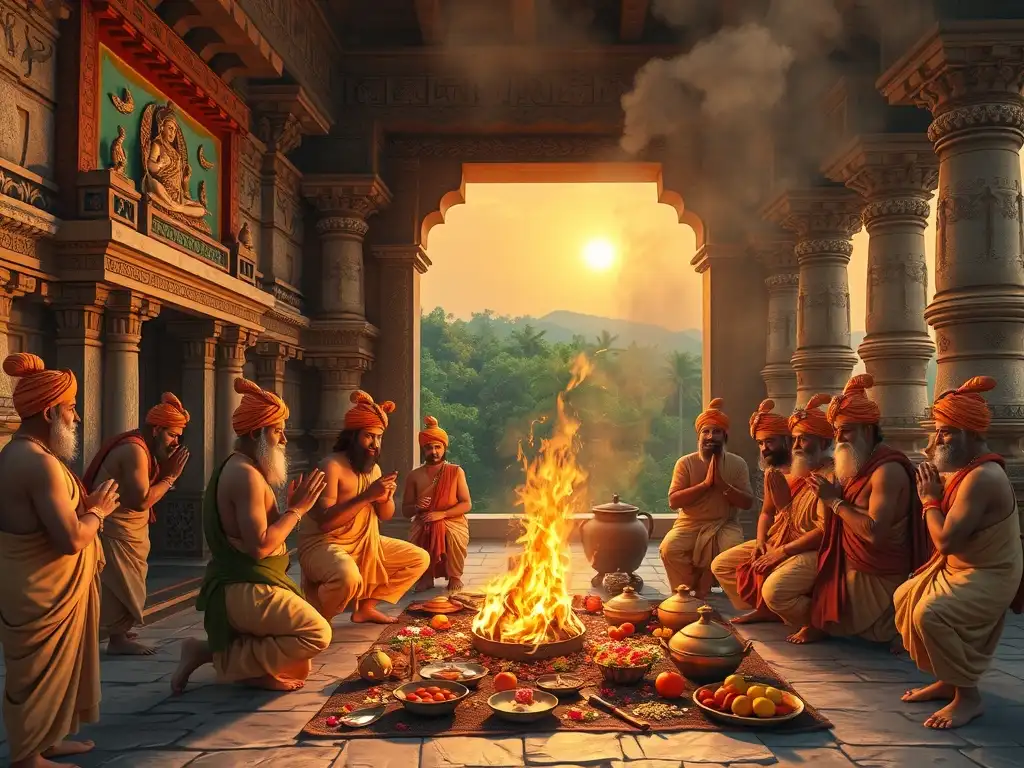
Ancient Indian rituals were diverse and multifaceted, rooted deeply in the cultural, spiritual, and social fabric of society. These rituals can be broadly categorized into daily rituals, seasonal festivals, and life cycle rituals, each contributing uniquely to the community’s identity and spiritual beliefs.
Daily Rituals: Practices in Ancient Households
Daily rituals, known as nitya karmas, were integral to ancient Indian households. These practices often began at dawn, with rituals such as puja (worship) performed to honor deities and seek blessings for the day ahead.
- Morning Prayers: Households would typically engage in prayers, meditation, and offerings to various deities, which were believed to bring peace and prosperity.
- Ritual Purity: Many families adhered to strict rules regarding cleanliness and purity, performing ablutions and rituals before meals. This practice emphasized the importance of spiritual and physical cleanliness.
- Food Offerings: The act of offering food to deities before consumption was a common practice, symbolizing gratitude and reverence. This ritual reinforced the connection between the divine and daily sustenance.
These daily rituals not only nurtured individual spirituality but also fostered a sense of community as families participated together in these sacred activities.
Seasonal Festivals: Connection to Nature and Agriculture
Seasonal festivals in ancient India were vibrant expressions of cultural identity, closely tied to agricultural cycles and natural phenomena. These festivals celebrated the changing seasons, harvests, and the relationship between humans and nature.
- Harvest Festivals: Festivals like Pongal and Makar Sankranti marked the end of harvest seasons, expressing gratitude to the earth and deities for bountiful yields. Rituals included cooking special dishes and offering them to nature.
- Monsoon Celebrations: The onset of monsoons was celebrated with rituals invoking rain gods, reflecting the dependence of agrarian communities on seasonal rains for crops.
- Cultural Traditions: Each festival was accompanied by specific rituals, dances, and songs, reinforcing community bonds and imparting cultural values to future generations.
These celebrations highlighted the intrinsic relationship between humanity and the environment, promoting a sense of stewardship towards nature.
Life Cycle Rituals: Birth, Marriage, and Death Ceremonies
Life cycle rituals, known as samskaras, marked significant transitions in an individual's life and were considered crucial for spiritual growth and social acceptance.
- Birth Ceremonies: The arrival of a child was celebrated with jatakarma, a ritual to welcome the newborn, emphasizing the importance of family and lineage.
- Marriage Rituals: Marriage, or vivaha, was a significant event involving elaborate ceremonies, symbolizing the union of two families and the continuation of social and cultural traditions.
- Death Rites: Funerary rituals, such as antyesti, were performed to honor the deceased and ensure a peaceful passage to the afterlife, reflecting beliefs about the soul and reincarnation.
These life cycle rituals not only marked personal milestones but also reinforced communal ties and cultural heritage.
The Role of Rituals in Ancient Indian Society
Rituals in ancient India played a pivotal role beyond mere ceremonial practices; they were essential for maintaining social order, fostering community bonds, and expressing philosophical beliefs.
Social Cohesion and Community Building through Ceremonies
Rituals served as a vital tool for community building, promoting unity and social cohesion among individuals.
- Shared Experiences: Participating in communal rituals fostered a sense of belonging and collective identity, as people came together to celebrate or mourn.
- Cultural Transmission: Through rituals, traditions and cultural values were passed down generations, ensuring the continuity of social norms and practices.
- Conflict Resolution: Certain rituals were also aimed at resolving disputes and restoring harmony within the community, highlighting their role in maintaining societal balance.
These aspects of rituals emphasized their importance in strengthening community ties and promoting a shared cultural identity.
Spiritual and Religious Significance of Rituals
The spiritual dimension of rituals cannot be overstated, as they provided individuals with a framework for expressing their beliefs and connecting with the divine.
- Divine Connection: Rituals were viewed as a means to communicate with deities, seek blessings, and express devotion, thereby reinforcing the spiritual landscape of ancient Indian society.
- Moral and Ethical Framework: Rituals often encapsulated moral teachings and ethical guidelines, guiding individuals in their conduct and interactions with others.
- Transcendental Experiences: Many rituals aimed to facilitate transcendental experiences, allowing participants to experience a sense of oneness with the universe and the divine.
This spiritual significance underscored the foundational role of rituals in shaping personal and communal beliefs.
The Relationship Between Rituals and Ancient Indian Philosophy
Ancient Indian rituals were deeply intertwined with philosophical concepts, reflecting the broader worldview of Indian civilization.
- Philosophical Underpinnings: Many rituals were guided by philosophical principles such as dharma (duty), karma (action), and moksha (liberation), illustrating the interconnectedness of actions, ethics, and spiritual goals.
- Symbolism and Metaphors: Rituals often employed symbols and metaphors to convey complex philosophical ideas, facilitating a deeper understanding of existence and the cosmos.
- Integration with Daily Life: The incorporation of philosophical teachings into daily rituals provided a practical framework for individuals to navigate life’s challenges and moral dilemmas.
This relationship between rituals and philosophy enriched the cultural landscape of ancient India, providing layers of meaning and significance to communal practices.
Influences of Ancient Indian Rituals on Modern Practices
The significance of ancient Indian rituals extends far beyond their historical context, permeating into contemporary society in various forms. These rituals, steeped in spiritual and cultural meanings, have shaped the practices and beliefs of modern Indian society. The continuity of these rituals provides a sense of identity and community, linking generations through shared traditions. Moreover, many of these ancient practices have been adapted to meet the changing socio-cultural landscape, often retaining their core essence while evolving to resonate with modern sensibilities.
Ancient Indian rituals encompass a wide range of activities, from daily worship to elaborate ceremonies marking life events. The enduring presence of these rituals in contemporary life serves not only as a testament to their significance but also reflects the values and beliefs that continue to influence individuals and communities today. In examining the influences of these rituals, we can gain insights into how they contribute to spiritual fulfillment, social cohesion, and cultural continuity in modern practices.
Continuities: Rituals Still Practiced Today
Many ancient Indian rituals remain integral to the daily lives of millions. Rituals such as Puja, which involves worship of deities through offerings and prayers, have been practiced for centuries and are still prevalent in households and temples across India. The ritual of Yajna, or fire sacrifice, continues to be performed during significant life events like weddings and housewarming ceremonies, underscoring its importance in invoking divine blessings.
In addition, festivals rooted in ancient traditions, such as Makar Sankranti and Holi, showcase the continuity of these rituals. These celebrations are infused with historical significance, often symbolizing agricultural cycles, seasonal changes, and mythological narratives. As people engage in these rituals, they not only honor their heritage but also reinforce communal bonds and social identity.
Adaptation of Ancient Ceremonies in Contemporary India
The adaptability of ancient Indian rituals is evident in how they have transformed to align with contemporary values and lifestyles. For example, while traditional Sankranti celebrations might have originally focused on agricultural practices, modern festivities often incorporate urban elements like social gatherings and cultural performances. This blending of old and new illustrates how ancient rituals can evolve while maintaining their foundational significance.
Moreover, many individuals have begun to personalize ancient rituals to suit their beliefs and lifestyles. For example, the concept of eco-friendly Ganesh Chaturthi has emerged, where devotees create idols from biodegradable materials to promote environmental consciousness. This adaptation not only respects ancient traditions but also addresses modern societal concerns, showcasing the dynamic nature of cultural practices.
Cross-Cultural Influences: How Ancient Indian Rituals Impacted Other Cultures
The influence of ancient Indian rituals extends beyond the subcontinent, affecting various cultures globally. Historical trade routes facilitated the exchange of ideas and practices, allowing elements of Indian rituals to permeate into neighboring regions. For instance, the concept of meditative practices found in Buddhism, which originated in India, has influenced spiritual practices in countries like Tibet, Japan, and Thailand.
Additionally, the Hindu festival of Diwali has gained recognition worldwide, inspiring celebrations in various cultures that embody themes of light overcoming darkness. As these ancient rituals have traveled across borders, they have been adapted and integrated into local customs, thereby enriching the cultural tapestry of different societies while retaining their original significance.
Case Studies of Specific Ancient Indian Rituals
The Significance of Yajnas (Fire Sacrifices)
Yajnas hold profound significance in ancient Indian rituals, regarded as offerings to the divine through the medium of fire. The practice symbolizes the connection between humans and the cosmos, with fire acting as a purifying agent that transports offerings to the gods. In contemporary society, Yajnas are still performed during important events such as marriages, housewarmings, and religious ceremonies, reinforcing their role as a means of invoking blessings and prosperity.
The ritual of Yajna is characterized by specific chants (mantras), offerings (such as ghee and grains), and communal participation, highlighting the importance of community in spiritual practices. This enduring tradition not only exemplifies the spiritual dimensions of ancient Indian rituals but also emphasizes the communal aspect of worship, fostering unity and collective consciousness.
The Role of Puja in Daily Worship
Puja is a central component of daily worship for many Hindus, reflecting the intimate relationship between devotees and the divine. This ritual, which involves the presentation of offerings such as flowers, food, and incense, serves as an expression of devotion and gratitude. The practice of Puja varies widely, from elaborate temple rituals to simple home-based ceremonies, emphasizing its accessibility and adaptability.
In contemporary settings, Puja continues to play a vital role in daily life, providing spiritual grounding amidst the chaos of modern existence. Many people incorporate personal elements into their Puja practices, customizing their rituals to reflect individual beliefs and family traditions. This personalization reinforces the significance of Puja as a dynamic expression of faith that resonates with contemporary worshippers.
Festivals like Diwali: Ancient Roots and Modern Celebrations
Diwali, known as the Festival of Lights, is perhaps one of the most celebrated festivals in India, with ancient roots that trace back to Vedic times. Originally observed to mark the harvest and the victory of light over darkness, Diwali has evolved into a grand celebration involving elaborate rituals, family gatherings, and community festivities.
In modern times, Diwali encapsulates a blend of traditional and contemporary practices. The lighting of diyas (oil lamps), decoration of homes, and the sharing of sweets remain central to the celebration. However, contemporary Diwali also embraces themes of social responsibility, such as promoting sustainability through eco-friendly decorations and celebrating inclusivity by inviting neighbors to partake in the festivities. This evolution illustrates how ancient rituals can adapt to contemporary values while preserving their essential meaning.
Conclusion: The Enduring Legacy of Ancient Indian Rituals
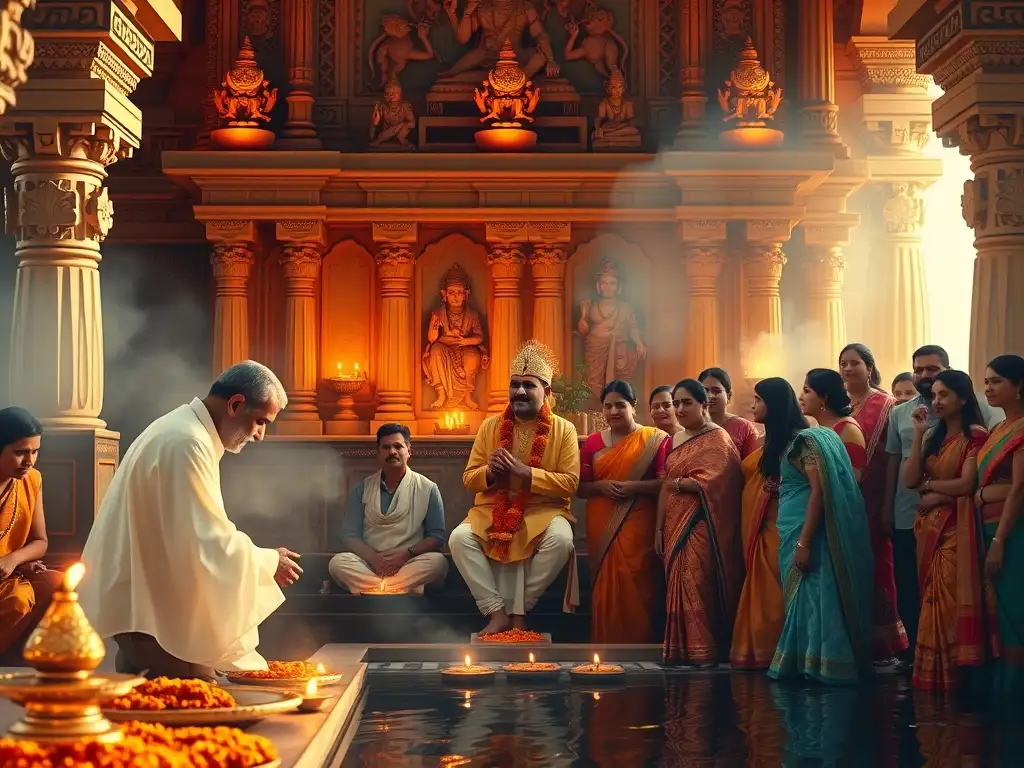
The legacy of ancient Indian rituals is deeply woven into the fabric of modern cultural practices, showcasing a continuum of beliefs, values, and traditions that have transcended time. These rituals not only served spiritual and communal purposes in ancient societies but also laid the groundwork for the ethical and moral frameworks that continue to guide contemporary life. Whether through the celebration of festivals, life-cycle events, or daily practices, the essence of these ancient rituals remains palpable in today's world.
The intricate designs of rituals, such as the Vedic sacrifices and the elaborate ceremonies in temples, reflect profound philosophical ideas that resonate with modern spiritual seekers. The focus on community, the sanctity of nature, and the connection to the divine are themes that remain relevant. As society evolves, the adaptability of these rituals allows them to be reinterpreted and integrated into the diverse cultural expressions of modern India and beyond, thus ensuring their continued significance.
Reflection on the Importance of Understanding Ancient Ritual Significance
Understanding the significance of ancient Indian rituals offers profound insights into human behavior, values, and the evolution of societies. These rituals were not merely ceremonial; they were essential in fostering a sense of identity and continuity among communities. By studying their meanings and contexts, we gain a clearer picture of how ancient peoples navigated life’s complexities, celebrated milestones, and sought to connect with the divine.
Moreover, an appreciation of these ancient practices can enrich our current rituals and celebrations. For instance, the concept of puja (worship) emphasizes a relationship with the divine that encourages mindfulness and gratitude—qualities that are increasingly essential in today's fast-paced world. Understanding ancient ritual significance can lead to a more conscious approach to modern practices, fostering deeper connections within communities and enhancing personal spiritual journeys.
The Future of Ritual Practices in a Globalized World
As the world becomes increasingly interconnected, the future of ritual practices may reflect a blend of traditional and contemporary elements. Globalization has led to the exchange of cultural practices, enabling individuals to incorporate elements from various traditions into their own rituals. This fusion can lead to enriched experiences that honor both ancient wisdom and modern sensibilities.
However, this evolution also poses challenges. The commercialization of rituals and the risk of cultural appropriation can dilute their original meanings and significance. To navigate this landscape, it is crucial for practitioners and scholars alike to engage in dialogues that respect the roots of these rituals while adapting them to contemporary contexts. By doing so, ancient Indian rituals can continue to inspire and inform future generations, fostering a deeper understanding of heritage in an increasingly diverse world.
As we move forward, the interplay between ancient traditions and modern practices will shape the rituals of tomorrow, ensuring that the ancient Indian ritual significance endures and evolves.
- Introduction to Ancient Indian Ritual Significance
- Overview of Rituals in Ancient Indian Culture
- Importance of Ceremonies in Daily Life and Spiritual Practices
- Historical Context of Ancient Indian Rituals
- Types of Ancient Indian Rituals and Their Significance
- The Role of Rituals in Ancient Indian Society
- Influences of Ancient Indian Rituals on Modern Practices
- Case Studies of Specific Ancient Indian Rituals
- Conclusion: The Enduring Legacy of Ancient Indian Rituals
- Reflection on the Importance of Understanding Ancient Ritual Significance
- The Future of Ritual Practices in a Globalized World
Frequently Asked Questions
What are ancient Indian rituals?
Ancient Indian rituals are ceremonial practices that held significant cultural and religious importance in various civilizations, including the Indus Valley and the Gupta Empire.
How did ancient Indian rituals influence modern practices?
The influence of ancient Indian rituals can be seen in many contemporary religious and cultural practices, integrating traditions that have evolved but still retain their original significance.
What role did ceremonies play in ancient Indian society?
Ceremonies were crucial for marking important life events and transitions, helping to reinforce social bonds and cultural identity within ancient Indian communities.
Can you give examples of specific ancient Indian rituals?
Examples include Homa (fire rituals), Puja (worship), and various samskaras (sacraments), which were performed to honor deities and commemorate life milestones.
Why is understanding ancient Indian ritual significance important today?
Understanding the significance of these rituals helps us appreciate the cultural heritage of India and fosters a deeper awareness of how traditions shape modern society.
Final Reflection: Embracing the Timeless Significance of Ancient Indian Rituals
The exploration of ancient Indian ritual significance reveals how these time-honored practices continue to resonate in our modern lives. In a world that often prioritizes the fast-paced and the fleeting, the enduring nature of these rituals serves as a powerful reminder of our shared humanity and the cultural threads that bind us across generations. As we navigate the complexities of contemporary existence, the wisdom embedded in these ancient ceremonies offers us a pathway to reconnect with our roots and find meaning in our daily lives.
Cultural practices rooted in ancient Indian rituals have shaped not only individual identities but also the broader social landscape. The significance of these rituals transcends mere tradition; they foster a sense of community, belonging, and continuity. As we witness the revival of interest in mindfulness and holistic practices, the echoes of these ancient ceremonies can be felt in yoga studios, meditation circles, and even family gatherings. Rituals are the threads that weave the fabric of our lives, connecting us to our past and guiding us toward our future.
This ongoing influence underscores the importance of honoring our heritage while adapting its lessons to contemporary contexts.
As you reflect on the insights shared in this article, consider how you can incorporate the essence of ancient Indian rituals into your own life. Embrace the opportunity to create your own meaningful practices, whether through meditation, celebration, or simple moments of gratitude. By doing so, you not only honor the significance of these ancient traditions but also cultivate a deeper connection to yourself and those around you. Let the art of ritual inspire you to find purpose and joy in the everyday, transforming the mundane into the sacred.
Embrace the Magic of Ritual Today!
Thank you for diving into the fascinating world of ancient Indian ceremonies and their profound impact on modern practices. You've unlocked the secrets of rituals that have shaped cultures over centuries! Now, it's time to take action and infuse some of that ancient wisdom into your daily life.
- Start your own ritual: Choose a simple daily practice, such as morning meditation or evening gratitude journaling, to cultivate mindfulness and intention.
- Share your insights: Discuss the significance of rituals with friends or family, and explore how these practices can enhance your shared experiences.
- Explore further: Research a specific ritual from ancient India that captivates you—whether it's a festive celebration or a spiritual ceremony—and consider how its essence can be woven into your life.
What unique ritual will you create to honor the past while shaping your present?