
How Ancient Texts Documented the Rituals of the Time

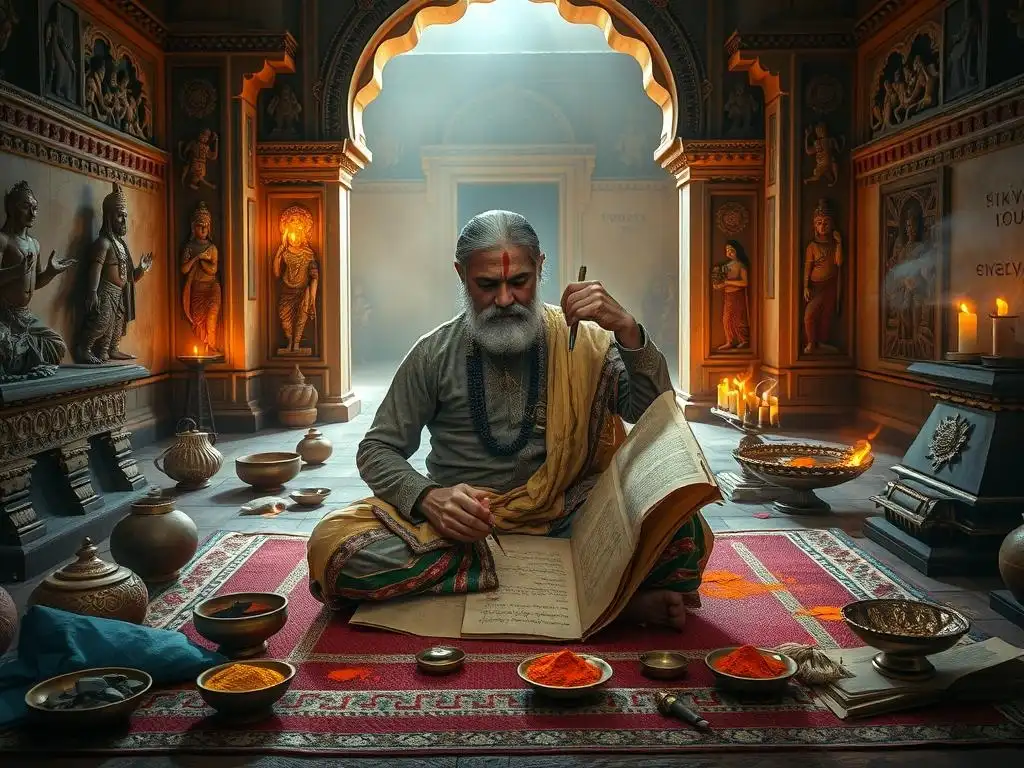
Welcome to Ancient India History, where we invite you to embark on a captivating journey through the vibrant tapestry of ancient Indian civilizations. From the enigmatic streets of the Indus Valley to the flourishing realms of the Gupta Empire, our exploration reveals the rich cultural heritage and profound contributions that have shaped India's past.
Dive into our featured article, "How Ancient Texts Documented the Rituals of the Time," as we unravel the fascinating world of ancient Indian rituals documentation. Discover the intricate traditions and festivals that defined an era, and let your curiosity guide you through the remarkable stories that await!
- Introduction to Ancient Indian Rituals Documentation
- Historical Context of Ancient Indian Rituals
- Types of Ancient Texts Documenting Rituals
- Key Rituals and Ceremonies in Ancient India
- Analysis of Ritual Documentation Techniques
- The Impact of Ancient Ritual Documentation on Modern Understanding
- Conclusion
-
Frequently Asked Questions
- What are the main ancient texts that document Indian rituals?
- How did ancient Indian civilizations record their rituals?
- Why are these rituals important to understand ancient Indian culture?
- What role did the Gupta Empire play in the documentation of rituals?
- How can modern scholars access ancient Indian ritual documentation?
- Final Reflection: The Enduring Legacy of Ancient Indian Rituals
- Unveil the Mysteries of Ancient Rituals Today!
Introduction to Ancient Indian Rituals Documentation
The exploration of ancient Indian rituals is a fascinating journey that unveils the intricate tapestry of spirituality, culture, and social practices that defined early Indian civilizations. From the elaborate ceremonies of the Indus Valley to the sophisticated rites of the Gupta Empire, ancient texts serve as invaluable resources that document these rituals, providing insight into the beliefs and values of the time.
The keyword "ancient Indian rituals documentation" encapsulates the significance of these records, which not only highlight the ceremonial practices but also reflect the philosophical and societal structures of ancient India. By examining these texts, we gain a deeper understanding of how rituals shaped the lives of individuals and communities, influencing everything from daily routines to major life events.
Overview of Ancient Indian Rituals
Ancient Indian rituals encompassed a wide array of practices, ranging from daily rites to grand ceremonies associated with significant life events and seasonal festivals. These rituals often involved elaborate preparations and the participation of various community members, reflecting the collective identity and spiritual beliefs of the society. Common rituals included:
- Homa (Fire offerings): Integral to many ceremonies, where offerings are made to deities through fire.
- Puja (Worship): A devotional practice that involves offering flowers, food, and prayers to deities.
- Samskaras (Life-cycle rituals): Ceremonies marking significant life stages, such as birth, marriage, and death.
The documentation of these rituals in ancient texts, such as the Vedas, Upanishads, and Puranas, provides a comprehensive view of their significance and execution, showcasing the rich spiritual heritage of India.
Importance of Documenting Rituals in Ancient Texts
The documentation of rituals in ancient Indian texts serves several crucial purposes:
- Cultural Preservation: These texts act as historical records, preserving the practices and beliefs of ancient societies for future generations. They provide a window into the past, allowing us to understand how rituals evolved over time.
- Religious Significance: Rituals often hold deep religious meanings, and their documentation helps to convey the underlying philosophies and teachings of various faiths, including Hinduism, Buddhism, and Jainism.
- Sociological Insights: The way rituals are documented reveals much about the social structures, gender roles, and community dynamics of ancient Indian civilizations. This information is essential for scholars studying the evolution of Indian society.
- Guidance for Practice: For practitioners of these ancient traditions today, these texts serve as guides for performing rituals correctly and meaningfully, ensuring that the spiritual essence is maintained.
Purpose of the Article
This article aims to delve into the rich tradition of ancient Indian rituals documentation, exploring the various ways these rituals have been recorded and their enduring significance in contemporary society. By examining a selection of ancient texts, we will uncover the insights they provide into the rituals of the time, highlighting their cultural, religious, and social implications. Through this exploration, readers will gain a deeper appreciation for the intricate connections between ancient practices and the modern understanding of rituals, enhancing their knowledge of ancient Indian history and heritage.
Historical Context of Ancient Indian Rituals
Overview of Ancient Indian Civilizations
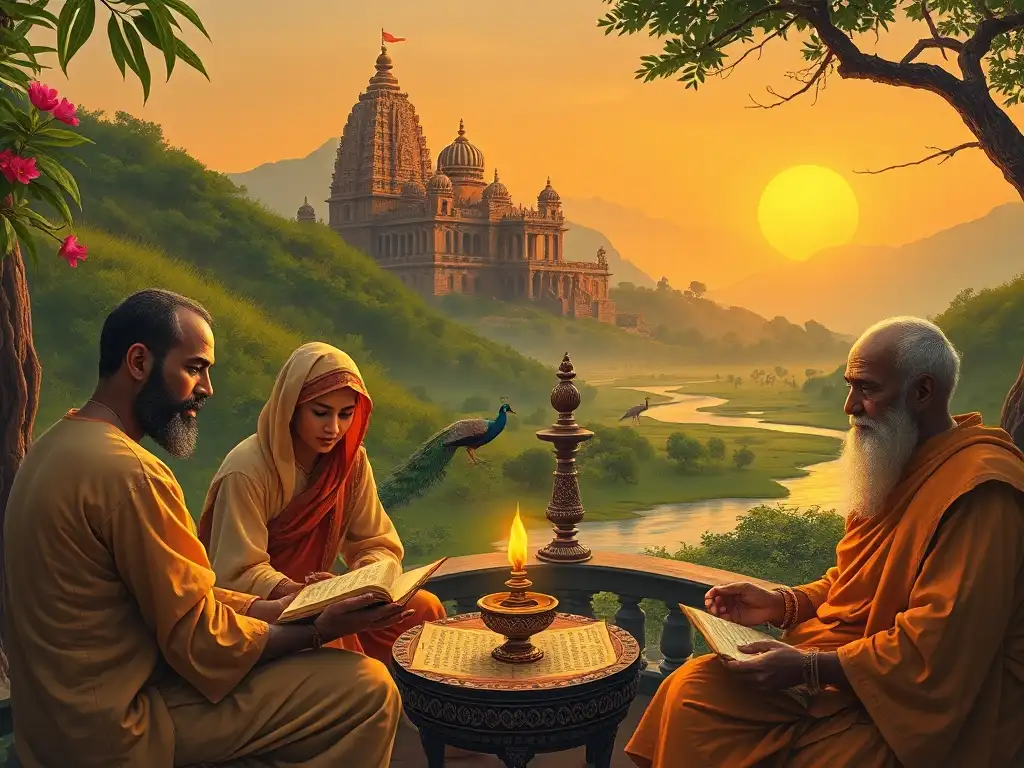
Ancient Indian civilizations, comprising diverse cultures and communities, laid the foundation for a rich tapestry of rituals and traditions that have endured through the ages. The Indus Valley Civilization (circa 3300–1300 BCE) is one of the earliest examples, characterized by its advanced urban planning and sophisticated societal norms. Archaeological findings, such as the discovery of seals and figurines, suggest that rituals may have played a pivotal role in their religious practices, though the specifics remain largely speculative due to the undeciphered script.
Subsequently, the Vedic period (circa 1500–500 BCE) marked a significant evolution in ritual practices. The Vedas, composed during this time, serve as a cornerstone of ancient Indian rituals documentation, detailing various ceremonies, sacrifices (yajnas), and hymns (mantras) directed towards deities. This era emphasized the connection between the cosmic order and human actions, as rituals were seen as essential for maintaining harmony in the universe.
The Mauryan Empire (circa 322–185 BCE) and the Gupta Empire (circa 320–550 CE) further enriched this context. Under the Mauryan rule, particularly during Emperor Ashoka's reign, there was a notable shift towards non-violent rituals and the propagation of Buddhism. The Gupta period, often referred to as the "Golden Age" of India, saw the flourishing of arts and culture, where rituals integrated more into daily life and were documented in various texts, including the Puranas and Dharmashastras.
Timeline of Ritual Practices in Ancient India
The evolution of ritual practices in ancient India can be segmented into distinct periods, each characterized by unique cultural influences and religious developments:
- Indus Valley Civilization (3300–1300 BCE)
- Evidence of ritualistic bathing, possibly for purification.
- Use of terracotta figurines, possibly representing deities or ritualistic symbols.
- Vedic Period (1500–500 BCE)
- Composition of the Vedas, detailing numerous rituals and sacrifices.
- The emergence of fire rituals (Agnihotra) and offerings to deities.
- Epic and Puranic Period (500 BCE–500 CE)
- The Ramayana and Mahabharata illustrate various rituals and their societal implications.
- Documentation of local deities and rituals in the Puranas.
- Mauryan Empire (322–185 BCE)
- Introduction of Buddhist rituals, emphasizing meditation and moral conduct.
- Ashoka’s edicts promoting non-violence and compassion as central themes.
- Gupta Empire (320–550 CE)
- Codification of rituals in texts like the Manusmriti, detailing codes of conduct and ritual obligations.
- Flourishment of temple architecture and associated rituals.
This timeline underscores how ancient Indian rituals documentation evolved alongside changing societal structures, reflecting the dynamic nature of spirituality and cultural expression in India.
Significance of Rituals in Daily Life and Spirituality
Rituals in ancient India were not merely ceremonial acts; they were integral to both daily life and the spiritual framework of society. Each ritual served specific purposes, from fostering community bonds to facilitating individual spiritual growth.
- Cultural Identity and Community Cohesion
- Rituals helped in reinforcing social structures. Festivals and communal rituals, such as those detailed in the Vedas, were occasions for collective participation, strengthening community bonds.
- Example: The Agni Shtoma ritual involved the community coming together to perform offerings, emphasizing unity and shared beliefs.
- Spiritual Connection and Cosmic Order
- Many ancient Indian rituals were believed to align individuals with the cosmic order (Rta). Participation in these rituals was seen as a means to uphold dharma (moral order) and ensure prosperity.
- Example: The Sandhya Vandanam, performed at dawn and dusk, was a daily ritual to connect with divine energies and maintain spiritual discipline.
- Lifecycle Events and Personal Milestones
- Rituals marked significant life events, such as birth (Jatakarma), marriage (Vivaha), and death (Antyesti), providing structure and meaning to life's transitions.
- These rites of passage were meticulously documented in texts, ensuring that traditions were preserved and passed down through generations.
- Healing and Purification
- Many rituals served as means of healing and purification, both physically and spiritually. The practice of Ayurveda often incorporated rituals for holistic wellness.
- Example: The use of sacred waters in rituals, believed to cleanse the body and soul, emphasizing the interconnection between health and spirituality.
The ancient Indian rituals documentation reflects a profound understanding of human experience, spirituality, and community dynamics. As we explore these rituals through historical texts, we gain insight into the values and beliefs that shaped ancient Indian civilizations, many of which continue to resonate in contemporary society.
Types of Ancient Texts Documenting Rituals
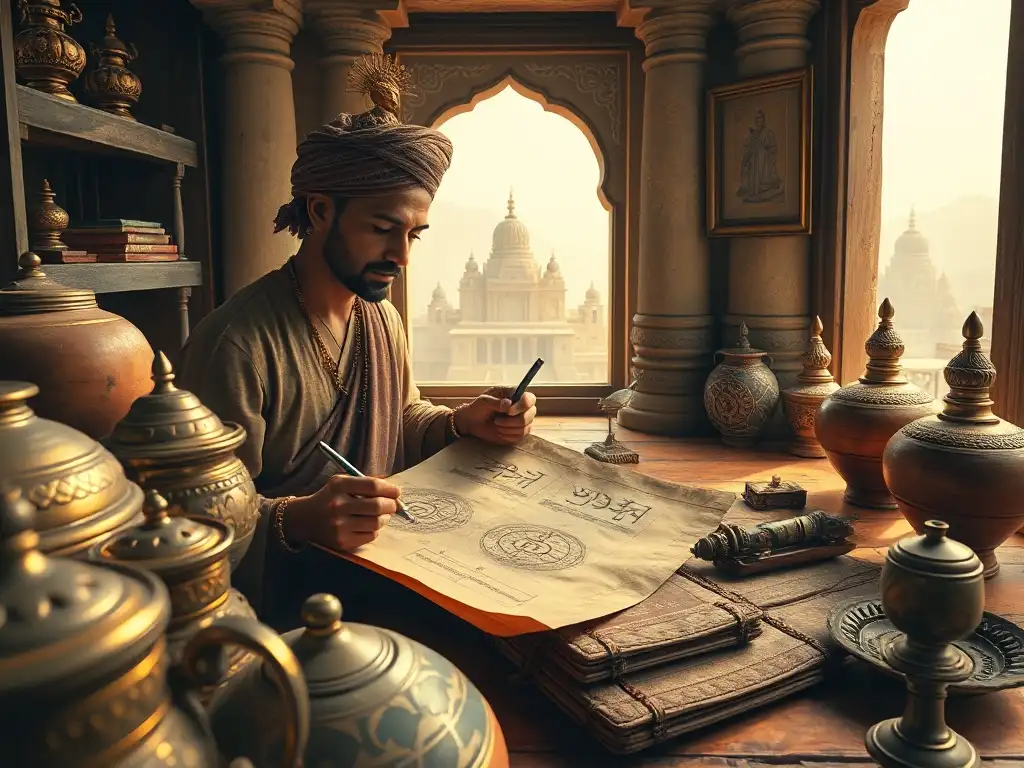
The documentation of ancient Indian rituals is primarily found in various types of texts that played a crucial role in preserving cultural practices, religious beliefs, and social norms. These texts not only provide insights into the rituals themselves but also reflect the broader societal context in which they were practiced. The following sections delve into the major types of ancient texts that document rituals in ancient India.
Vedic Texts and Their Role in Ritual Documentation
The Vedic texts, composed between 1500 and 500 BCE, are among the earliest written records that detail various rituals and ceremonies in ancient India. The Vedas, which include the Rigveda, Samaveda, Yajurveda, and Atharvaveda, are foundational texts that outline the principles of ritual practice.
Key Aspects of Vedic Texts:
- Sacrificial Rituals: The Vedas extensively document yajnas, or fire sacrifices, which were central to Vedic religion. The Shatapatha Brahmana and Aitareya Brahmana provide detailed descriptions of the procedures, mantras, and significance of these rituals.
- Chants and Hymns: Each Vedic text contains hymns that are recited during rituals. The Rigveda, for example, includes numerous hymns dedicated to various deities, reflecting the spiritual and cultural ethos of the time.
- Ritual Manuals: The Kalpasutras, a subset of the Vedic literature, serve as manuals for the performance of rituals. They codify the rules and guidelines necessary for conducting rituals accurately, ensuring the preservation of ancient practices.
The Vedic texts are instrumental in understanding the evolution of ritual practices and their significance in ancient Indian society.
Epics and Puranas: A Source of Ritual Knowledge
The Mahabharata and Ramayana, along with various Puranas, are significant literary works that compile a wealth of ritual knowledge intertwined with narratives, moral lessons, and genealogies of gods and heroes. These texts provide a broader context for the understanding of rituals, connecting them to historical and legendary events.
Notable Elements:
- Ceremonial Narratives: The epics narrate various rituals, such as the Rajasuya and Ashwamedha sacrifices. These ceremonies not only highlight the importance of rituals in legitimizing authority but also reflect the social and political landscape of the time.
- Purana Ritual Descriptions: Puranas, like the Bhagavata Purana and Vishnu Purana, elaborate on specific rituals associated with worship, festivals, and cosmological events. They serve as a bridge between mythological narratives and practical ritualistic elements.
- Cultural Significance: The intertwining of rituals with stories in these texts emphasizes their role in education and moral instruction, portraying rituals as vital components of dharma (duty) and societal order.
The epics and Puranas not only document rituals but also provide insights into the values and beliefs that shaped ancient Indian civilization.
Inscriptions and Archaeological Evidence of Rituals
In addition to literary sources, inscriptions and archaeological findings play a pivotal role in documenting ancient Indian rituals. These sources provide tangible evidence of ritual practices and their evolution over time.
Important Findings:
- Inscriptions: Inscriptions found on ancient temples and stone tablets often describe rituals performed in honor of specific deities. For example, the Edicts of Ashoka include references to rituals promoting moral conduct and religious tolerance.
- Archaeological Sites: Excavations at sites like Mohenjo-Daro and Harappa have revealed altars, figurines, and other artifacts associated with ritual practices. The Great Bath at Mohenjo-Daro is believed to have been a site for purification rituals, indicating the significance of water in ancient practices.
- Material Culture: Objects such as pottery, seals, and terracotta figures found at archaeological sites provide additional insights into the ritualistic life of ancient people. These artifacts often depict scenes from rituals, suggesting the importance of communal participation in such activities.
Collectively, inscriptions and archaeological evidence complement literary texts in constructing a comprehensive understanding of ancient Indian rituals and their societal implications.
By exploring these various types of ancient texts and their contributions to the documentation of rituals, we gain a clearer picture of the rich tapestry of ancient Indian civilization and its enduring legacy.
Key Rituals and Ceremonies in Ancient India
Major Rituals in Vedic Traditions
The Vedic period, spanning from approximately 1500 BCE to 500 BCE, was marked by a plethora of rituals fundamental to ancient Indian culture. These rituals were meticulously documented in ancient texts such as the Vedas, Brahmanas, and Upanishads. The Vedas, particularly the Rigveda, Samaveda, Yajurveda, and Atharvaveda, serve as primary sources for understanding the intricate rituals performed during this era.
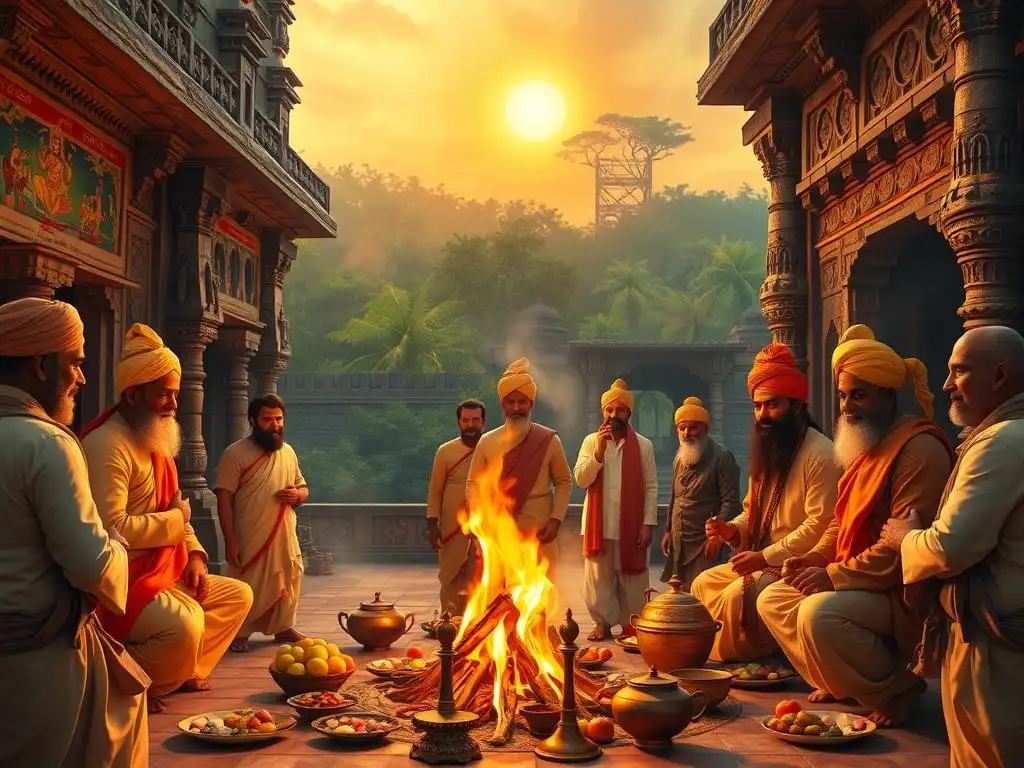
One of the most significant rituals was the Yajna (sacrificial fire ceremony), which played a crucial role in Vedic society. It involved offerings to deities through sacred fire, with the belief that such acts would ensure prosperity, health, and harmony in the universe. The rituals of Yajna were not merely acts of worship but were also seen as a means to maintain cosmic order ( Rta).
Another notable ritual is Samskara, which refers to various rites of passage throughout an individual's life, such as Namakarana (naming ceremony), Upanayana (initiation), and Vivaha (marriage). Each Samskara was accompanied by specific rites and chants, reflecting the spiritual significance attributed to these life events.
The ancient texts provide a rich tapestry of Vedic rituals, emphasizing their importance in societal and spiritual life:
- Yajna: Sacrificial rituals to appease deities.
- Samskara: Life-cycle ceremonies marking important transitions.
Festivals Documented in Ancient Texts
Festivals in ancient India were deeply rooted in religious and agricultural cycles, often associated with seasonal changes. Ancient texts like the Mahabharata and Puranas extensively document various festivals, highlighting their significance in fostering community ties and cultural identity.
One of the most prominent festivals is Makar Sankranti, which marks the transition of the sun into the zodiac sign of Capricorn. This festival is celebrated with various rituals, including bathing in holy rivers, making offerings, and flying kites, symbolizing the end of winter and the arrival of longer days.
Another noteworthy festival is Holi, the festival of colors, which is mentioned in various ancient texts. It symbolizes the victory of good over evil and the arrival of spring. Rituals associated with Holi include the burning of Holika (the evil demoness) and the playful throwing of colored powders, emphasizing unity and joy among communities.
Furthermore, the Puranas detail the worship of deities during festivals like Navaratri, dedicated to the goddess Durga. This nine-night festival involves fasting, prayers, and dances, reflecting the rich tapestry of ancient Indian spirituality and community involvement.
Key festivals documented in ancient texts include:
- Makar Sankranti: Celebration of the sun's transition.
- Holi: Festival of colors symbolizing the arrival of spring.
- Navaratri: Nine nights dedicated to worshiping goddess Durga.
Ceremonies Associated with Life Events
Ceremonies marking life events are a fundamental aspect of ancient Indian rituals, deeply intertwined with spirituality and community. The documentation of these ceremonies can be traced back to ancient texts, which provide insight into their significance and execution.
The Namakarana ceremony, or naming ceremony, is one of the first rites performed for a newborn. According to the Grihya Sutras, this ritual involves the selection of an auspicious name based on astrological considerations, ensuring the child’s prosperity and well-being.
Another pivotal ceremony is the Upanayana, a rite of initiation for young boys, particularly in Brahmin, Kshatriya, and Vaishya communities. This ceremony marks the beginning of formal education and the acquisition of sacred knowledge, symbolized by the wearing of the yajnopavita (sacred thread).
Marriage, or Vivaha, is perhaps the most elaborate of all life-event ceremonies, extensively documented in texts like the Manusmriti. The rituals associated with Vivaha include various pre-wedding and post-wedding ceremonies, such as Saptapadi (seven steps taken together), which symbolizes the couple's commitment to each other.
The ceremonies associated with life events, as detailed in ancient texts, include:
- Namakarana: Naming ceremony for newborns.
- Upanayana: Initiation ceremony marking the start of education.
- Vivaha: Marriage ceremony with elaborate rituals.
This documentation of ancient Indian rituals through texts not only preserves the cultural heritage but also offers invaluable insights into the spiritual and social fabric of ancient Indian society.
Analysis of Ritual Documentation Techniques
Oral Traditions vs. Written Records
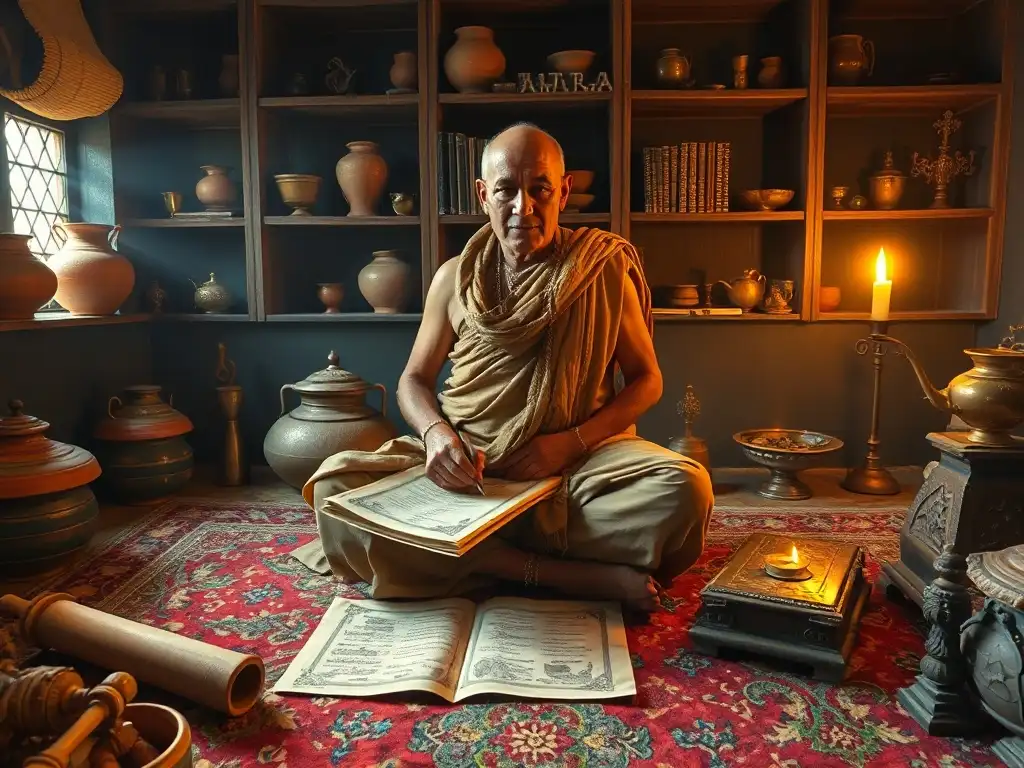
The documentation of ancient Indian rituals has primarily been captured through two distinct yet interconnected methods: oral traditions and written records. Each of these methods has played a vital role in preserving the cultural heritage of ancient Indian civilizations.
Oral Traditions
Oral traditions encompass the transmission of knowledge, beliefs, and rituals through storytelling, chants, and performances. This method was especially prevalent in ancient India where texts like the Vedas and Upanishads were initially passed down orally before being committed to writing.
- Community Involvement: Oral traditions fostered a deep connection within communities, as rituals were often performed collectively and narrated by designated storytellers known as bards or singers.
- Adaptability: These traditions allowed for flexibility and adaptability, enabling rituals to evolve over time in response to changing cultural contexts and societal needs.
"The strength of oral traditions lies in their ability to be reinterpreted and reshaped with each telling."
Written Records
With the advent of writing, the documentation of rituals began to be formalized through texts. Ancient inscriptions, scriptures, and writings provided a more permanent record of rituals.
- Standardization: Written records, such as the Samhitas of the Vedas or the Puranas, contributed to the standardization of ritual practices, ensuring consistency across generations.
- Accessibility: Unlike oral traditions, which could be localized, written texts allowed for broader accessibility and dissemination of ritual knowledge across different regions.
Symbolism and Imagery in Ritual Documentation
Symbolism and imagery play a pivotal role in the documentation of ancient Indian rituals. These elements serve to convey complex ideas and spiritual meanings that are often intertwined with the rituals themselves.
Use of Symbols
Symbols in rituals can range from objects, colors, and gestures to more abstract concepts that encapsulate the essence of the rituals being performed. For instance:
- Colors: The color red is often associated with prosperity and energy, while white symbolizes purity and spirituality. These colors are intentionally used in rituals to evoke specific sentiments.
- Objects: Rituals frequently involve the use of sacred objects such as yajna kundas (fire pits), mandalas (geometric designs), and various offerings that have symbolic meanings within the cosmological framework of Hindu philosophy.
Imagery in Texts
The descriptive imagery found within ancient texts enhances the understanding of rituals. Texts often employ vivid imagery to depict the ritual setting, participants, and actions.
- Metaphorical Language: This language not only describes rituals but also serves to elevate their importance, connecting the mundane to the divine.
- Visual Representation: Illustrations in manuscripts and sculptures depict rituals, offering a visual dimension to the textual documentation. For example, carvings on temple walls showcase various deities and ritual acts, acting as a historical record.
Preservation of Ritual Practices through Texts
The preservation of ancient Indian rituals is significantly attributed to the meticulous documentation within texts. This preservation ensures that rituals are not only maintained but also transmitted across generations, preserving their cultural significance.
Textual Preservation Methods
Ancient Indian texts employed various methods to document and preserve rituals:
- Manuscript Tradition: Texts were painstakingly copied by scribes, ensuring that the nuances of rituals were retained. The use of materials like palm leaves and handmade paper facilitated this process.
- Commentaries and Exegesis: Scholars and sages wrote commentaries on primary texts, elucidating the meanings and purposes behind specific rituals. This practice enriched the understanding of the rituals and their relevance in contemporary contexts.
Contemporary Relevance
Today, the documentation of ancient rituals serves as a foundation for understanding cultural practices and spiritual beliefs within modern Indian society. The study of these texts provides insights into the continuity and transformation of rituals over time, highlighting their enduring significance.
- Cultural Continuity: Rituals documented in ancient texts continue to be practiced in various forms, showcasing the resilience of cultural traditions.
- Scholarly Research: Ongoing research into ancient texts allows for a deeper appreciation of the complexities of ancient Indian rituals, contributing to a broader understanding of their historical context and cultural implications.
The documentation of ancient Indian rituals through oral and written traditions, enriched by symbolism and imagery, has been crucial in preserving these practices for future generations. This rich tapestry of ritual documentation not only reflects the spiritual life of ancient India but also continues to resonate in contemporary cultural practices.
The Impact of Ancient Ritual Documentation on Modern Understanding
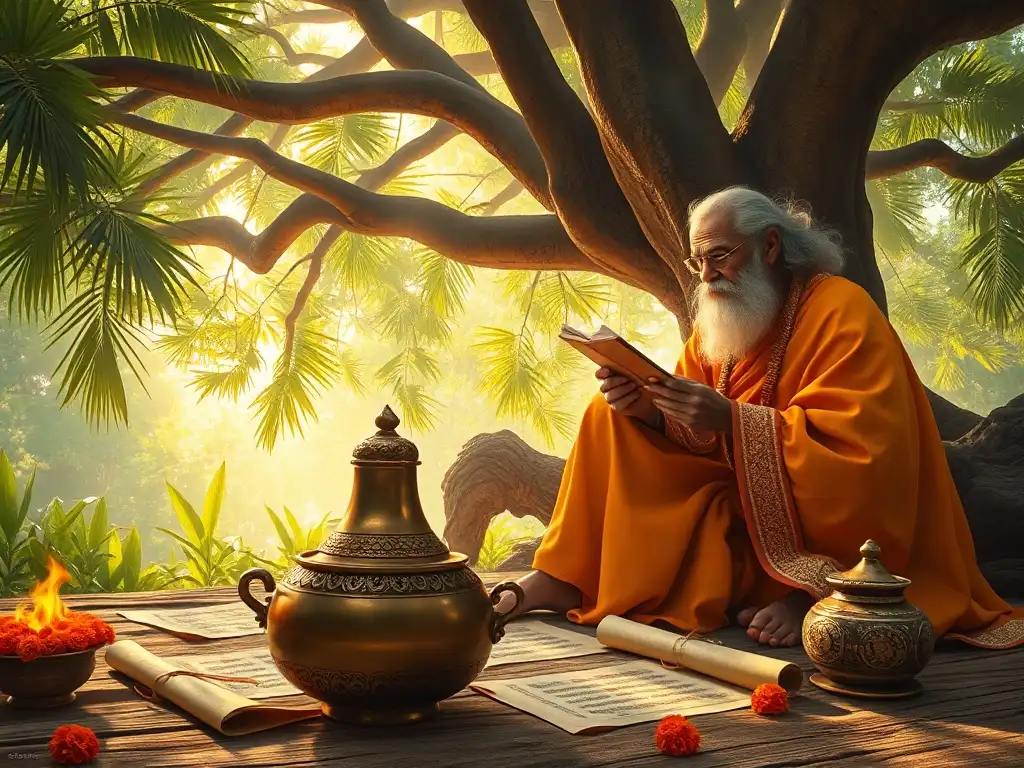
The documentation of ancient Indian rituals has significantly shaped our comprehension of both historical practices and their modern interpretations. The texts from various periods, such as the Vedas, Upanishads, and Puranas, serve as crucial sources of information regarding the rituals that were integral to ancient Indian life. These texts not only catalog the ceremonies and their meanings but also provide insights into the social, political, and spiritual contexts in which these rituals were performed.
The meticulous recording of rituals has allowed scholars to trace the evolution of practices over centuries. For instance, rituals related to agriculture, such as the Panchang and Yajnas, highlight the agrarian society's reliance on monsoons and seasonal changes, revealing how these natural phenomena influenced cultural practices. The continuity and adaptation of these rituals in modern society illustrate the resilience of tradition, despite the changing socio-economic landscape.
Furthermore, ancient texts have provided a framework for understanding the symbolism and significance of rituals. Each ritual is often imbued with philosophical meaning, tied to concepts of dharma (duty), karma (action), and moksha (liberation). By studying these texts, contemporary practitioners can gain a deeper appreciation for the underlying principles that govern these rituals, enriching their current practices.
Influence on Contemporary Indian Rituals
The influence of ancient Indian rituals documentation is palpable in contemporary Indian practices. Many modern rituals can be traced back to their ancient origins, often retaining the core elements while adapting to current societal norms and values. The enduring significance of festivals like Diwali, Holi, and Navaratri can be linked to the detailed descriptions found in ancient texts, which outline their rituals and associated mythology.
- Retention of Core Elements:
- Ritual Offerings: The practice of making offerings, such as prasad during pujas, can be traced back to the Vedic traditions where offerings were made to deities.
- Chanting of Mantras: The recitation of mantras during rituals remains a vital aspect of worship, reflecting practices detailed in the Rg Veda.
- Adaptation to Modern Contexts:
- Community Involvement: Many ancient rituals that were once performed privately have transformed into community festivals, fostering social bonds and collective identities.
- Ecological Awareness: Modern interpretations of ancient agricultural rituals often emphasize sustainability and ecological balance, echoing the agrarian roots of these practices.
The documentation of these rituals has thus not only preserved their essence but has also allowed them to evolve, ensuring their relevance in today's society.
Lessons from Ancient Documentation for Current Practices
Ancient Indian rituals documentation offers several valuable lessons for contemporary practices, particularly in terms of cultural continuity, ethical considerations, and community engagement.
- Cultural Continuity: By studying ancient texts, practitioners can maintain a sense of connection to their heritage. This continuity fosters a deeper understanding of one's identity and the values that shaped it. For example, the Bhagavad Gita emphasizes duty and righteousness, principles that remain relevant in today's ethical discussions.
- Ethical Frameworks: Ancient texts often provide guidelines on the ethical conduct associated with rituals. Concepts such as ahimsa (non-violence) and satyam (truthfulness) can guide modern practitioners in ensuring that their rituals align with broader moral principles.
- Community Engagement: Many ancient rituals were communal activities, promoting social cohesion and collective participation. This aspect can be revitalized in modern practices, encouraging collaborative celebrations that strengthen community bonds and shared cultural identity.
By integrating these lessons, contemporary rituals can foster a more profound sense of purpose and connection to the past, enriching both individual and communal experiences.
Preservation Efforts of Ancient Rituals and Texts
Preserving ancient rituals and their documentation is crucial for maintaining the cultural heritage of India. Various efforts have been made to ensure that these practices are not lost to time, including:
- Scholarly Research and Documentation: Academics and researchers are increasingly focused on translating and analyzing ancient texts to make them accessible to modern audiences. This scholarly work is essential for understanding the historical context and significance of rituals.
- Cultural Organizations: Numerous cultural organizations and NGOs work to revive and promote traditional practices. They often organize workshops, festivals, and educational programs that celebrate ancient rituals, ensuring that they remain a living part of cultural identity.
- Digital Archiving: With the advent of technology, many ancient texts and their interpretations are being digitized. Online platforms make these resources available to a global audience, fostering greater awareness and appreciation of ancient Indian rituals.
- Community Initiatives: Local communities are often at the forefront of preserving rituals. By engaging younger generations in traditional practices, these communities ensure that the knowledge of rituals is passed down through the ages.
The preservation of ancient rituals and their documentation is not merely an act of nostalgia but a vital endeavor that connects past, present, and future. By valuing these traditions, contemporary society can enrich its cultural fabric and maintain a continuum of shared heritage.
Conclusion
Summary of Key Points on Ancient Indian Rituals Documentation
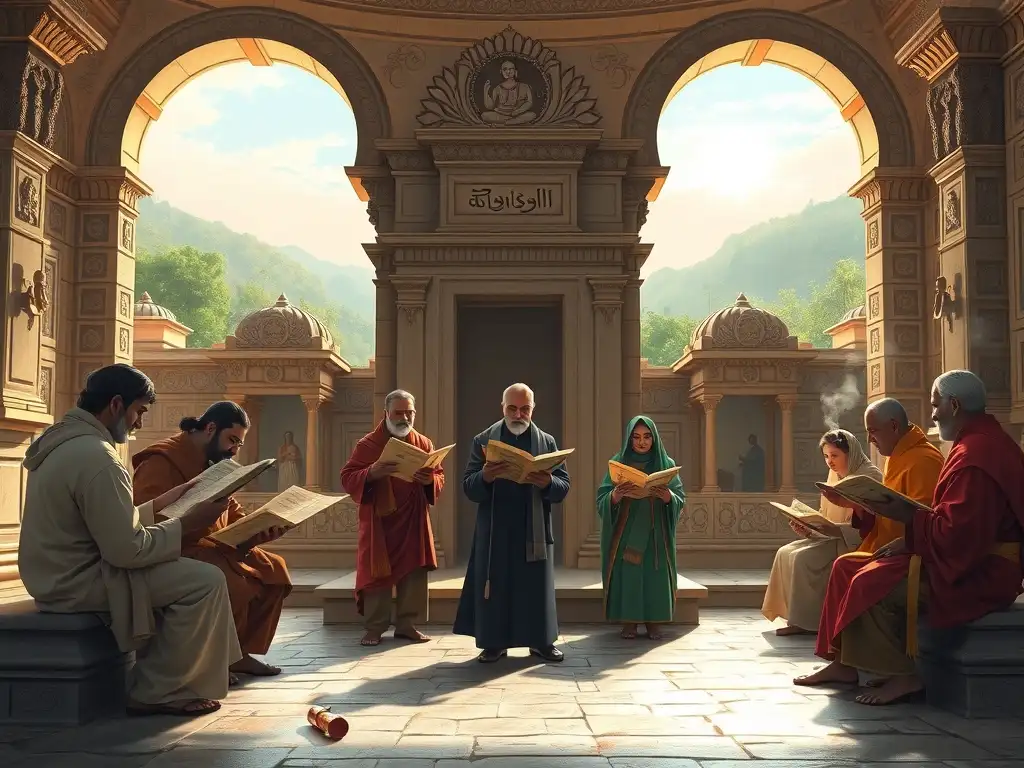
The documentation of ancient Indian rituals is a vital aspect of understanding the cultural and spiritual life of early civilizations. Key points include:
- Variety of Sources: Ancient texts such as the Vedas, Upanishads, and Puranas provide comprehensive insights into various rituals, from daily worship to grand ceremonies. These texts not only describe the rituals but often elaborate on the philosophical significance behind them.
- Rituals as Cultural Identity: The rituals documented in these texts served as a means of preserving cultural identity and traditions. Festivals, sacrifices, and rites of passage were meticulously recorded, highlighting their importance within the society.
- Evolution Over Time: The documentation illustrates how rituals evolved in response to changing social, political, and religious contexts. This evolution reflects the dynamism of ancient Indian civilization and its adaptability to new influences while retaining core traditions.
- Regional Variations: Ancient texts reveal the diversity of practices across different regions of India. From the elaborate fire sacrifices in the north to the intricate temple rituals in the south, the documentation showcases a rich tapestry of cultural practices.
The Ongoing Relevance of Ancient Texts in Understanding Rituals
Ancient texts continue to hold significance in contemporary studies of Indian rituals. Scholars and practitioners alike refer to these sources to gain insights into the origins and transformations of various practices.
- Academic Research: Researchers employ ancient texts to trace the lineage of rituals, exploring their historical context and socio-religious implications. This scholarly work often leads to a deeper understanding of how ancient practices influence modern rituals.
- Cultural Revivals: Many communities are reviving ancient rituals based on the documentation found in these texts. This revival not only fosters a sense of identity but also strengthens communal bonds, connecting individuals to their heritage.
- Interdisciplinary Studies: The study of ancient Indian rituals documentation intersects with fields such as anthropology, history, and religious studies. This multidisciplinary approach enriches the understanding of rituals as complex social phenomena.
Call to Explore Further into Ancient Ritual Practices
The exploration of ancient Indian rituals documented in historical texts offers a profound insight into the spiritual and cultural fabric of early civilizations. To deepen your understanding:
- Visit Historical Sites: Engage with ancient practices by visiting temples, archaeological sites, and museums that showcase ritual artifacts and conduct reenactments.
- Read Ancient Texts: Delve into primary sources such as the Vedas and Upanishads to experience the depth of philosophical thought and ritual practice firsthand.
- Participate in Workshops: Join workshops or seminars focused on ancient rituals to learn from scholars and practitioners who can provide expert knowledge and practical insights.
- Engage in Community Celebrations: Participate in local festivals and rituals that have roots in ancient practices, allowing you to connect with the living tradition of ancient Indian culture.
By exploring these avenues, you can gain a richer appreciation of how ancient Indian rituals have shaped cultural identities and continue to resonate in contemporary society.
Frequently Asked Questions
What are the main ancient texts that document Indian rituals?
Ancient texts such as the Vedas, Upanishads, and Puranas provide extensive documentation of rituals, beliefs, and practices in ancient Indian civilization.
How did ancient Indian civilizations record their rituals?
Rituals were recorded through sacred scriptures and oral traditions, which were later transcribed into texts, preserving the cultural heritage for future generations.
Why are these rituals important to understand ancient Indian culture?
These rituals reflect the values, beliefs, and social structures of ancient Indian societies, offering insights into their spiritual life and daily practices.
What role did the Gupta Empire play in the documentation of rituals?
During the Gupta Empire, there was a significant flourishing of arts and literature that included detailed accounts of rituals, enhancing the understanding of cultural practices during that period.
How can modern scholars access ancient Indian ritual documentation?
Modern scholars can access these ancient texts through archaeological findings, libraries, and digital archives, which preserve and provide insight into historical rituals and traditions.
Final Reflection: The Enduring Legacy of Ancient Indian Rituals
In an age where the rapid pace of life often overshadows our connection to tradition, the documentation of ancient Indian rituals remains profoundly relevant. These texts not only serve as historical records but also as living guides that illuminate the spiritual and cultural practices of our ancestors. The insights gleaned from these rituals are not merely relics of the past; they are vital threads in the fabric of our contemporary identity, reminding us of the values and beliefs that have shaped our society.
The influence of ancient Indian rituals extends far beyond their historical context, continuing to resonate within our modern cultural landscape. These rituals have woven themselves into the very essence of our festivals, ceremonies, and daily practices, fostering a sense of community and continuity. As we navigate the complexities of modern life, we can draw inspiration from these ancient texts to cultivate mindfulness and a deeper appreciation for our heritage. Tradition is not the worship of ashes, but the preservation of fire.
This quote encapsulates the essence of how these rituals can inspire us to keep the flame of our culture alive.
As we reflect on the lessons embedded in these ancient documents, I invite you to consider how you can integrate the wisdom of these rituals into your own life. Take a moment to explore your cultural heritage and the rituals that resonate with you. Whether through participation in traditional ceremonies or by simply acknowledging their significance, you have the power to honor the past while enriching your present. Let us carry forward the legacy of our ancestors, ensuring that their practices continue to inspire and guide future generations.
Unveil the Mysteries of Ancient Rituals Today!
Thank you for diving into the captivating world of ancient texts and their rich documentation of rituals! You've unlocked a treasure trove of knowledge that connects us to the past and highlights the intricacies of cultural practices. Now, it's time to take that newfound inspiration and make it truly impactful.
Here are a few ways to continue your journey:
- Explore a local museum or library to find exhibits or collections related to ancient texts and rituals, enhancing your understanding of these fascinating practices.
- Join a community group focused on historical exploration, where you can share your insights from this article and engage in meaningful discussions with others who share your interests.
- Write a brief reflection on how you believe these ancient rituals can inform and enrich modern practices, then share your thoughts on social media to spark broader conversations.
In what ways do you think the ancient rituals discussed in this article can influence our contemporary celebrations and traditions?