
Unveiling the Hidden Treasures: How to Invest in Indian Handicrafts and Artisanal Products

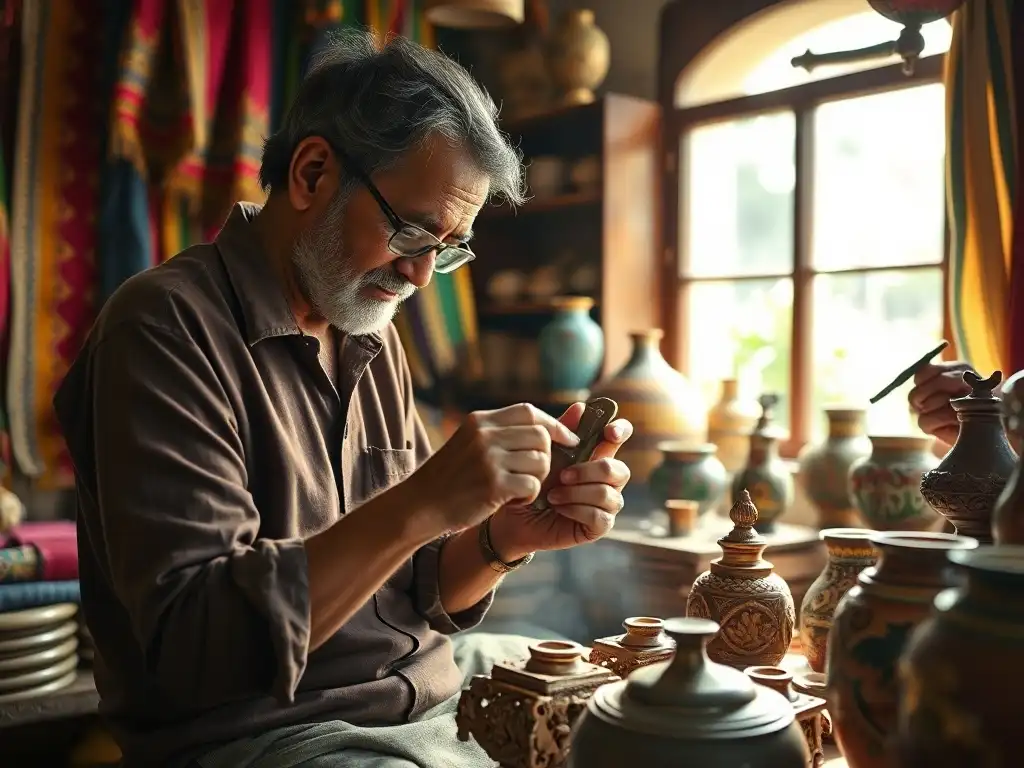
Welcome to Ancient India History, where we embark on a fascinating journey through time to uncover the rich tapestry of ancient Indian civilizations. From the majestic Indus Valley to the enlightened Gupta Empire, each era has left a profound mark on culture and craftsmanship. In our featured article, "Unveiling the Hidden Treasures: How to Invest in Indian Handicrafts and Artisanal Products," we delve into the vibrant world of Indian handicrafts—where tradition meets opportunity.
Are you ready to discover how these exquisite creations not only reflect centuries of artistry but also present a unique investment avenue? Join us as we explore this enticing intersection of history and commerce, and uncover the treasures waiting to be claimed!
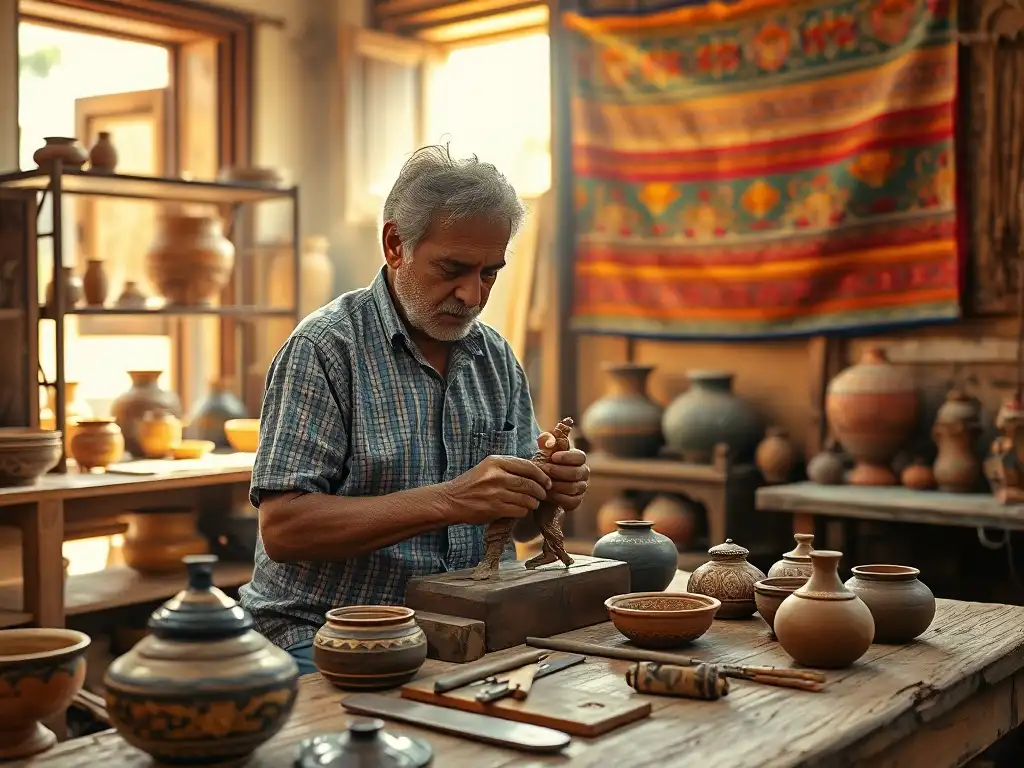
Investing in Indian handicrafts is more than just a financial venture; it's an opportunity to connect with the vibrant traditions and rich cultural heritage of India. This article will guide you through the intricacies of investing in the diverse world of Indian handicrafts and artisanal products, highlighting their historical significance and contemporary relevance.
As you delve into this realm, you'll discover not only the aesthetic and functional value of these crafts but also the profound stories and skills that underpin them. With a growing market for unique, handcrafted items, now is an opportune time to explore how you can make a meaningful investment that supports artisans while enriching your own collection.
Introduction to Investing in Indian Handicrafts
Investing in Indian handicrafts encompasses a wide array of products, from textiles and pottery to jewelry and woodwork. These items are often crafted using techniques passed down through generations, making each piece a reflection of the artisan's skill and cultural background. The unique characteristics of these handicrafts, combined with a rising global demand for sustainable and ethical products, create a fertile ground for investment.
- Market Growth: The handicraft sector in India is a significant contributor to the economy, accounting for approximately 2% of the country's GDP and providing employment to millions.
- Cultural Value: Each handcrafted item carries with it a story, a tradition, and an identity, offering buyers not just a product, but a piece of history.
- Sustainability: Investing in handicrafts promotes sustainable practices, as these products are often made using eco-friendly materials and traditional methods that have a low environmental impact.
Understanding these aspects is crucial for anyone looking to invest wisely in this vibrant sector.
Understanding Indian Handicrafts: A Cultural Investment
The term "handicraft" refers to products made by skilled artisans using traditional techniques. Indian handicrafts are renowned worldwide for their exquisite craftsmanship, vibrant colors, and intricate designs. Here are key elements that make investing in these handicrafts an enriching experience:
- Diversity of Crafts:
- Textiles: From handwoven sarees to intricate embroidery, Indian textiles are celebrated for their quality and artistry.
- Pottery: Each region has its own style, including blue pottery from Jaipur and terracotta from the North.
- Jewelry: Indian jewelry, including Kundan and Meenakari, reflects ancient traditions and modern trends.
- Woodwork: Skillfully crafted wooden items showcase the artistry of local artisans.
- Cultural Significance:
- Investing in these handicrafts not only supports the artisans but also preserves traditional skills and cultural identities.
- Many handicrafts are tied to festivals and rituals, adding layers of meaning to the products.
- Market Demand:
- With the rise of conscious consumerism, there is an increasing demand for authentic and ethically made products, making Indian handicrafts an attractive investment.
How to Start Investing in Indian Handicrafts
Beginning your investment journey in Indian handicrafts requires an understanding of the market and the best practices for sourcing these unique products. Here are some steps to consider:
- Research:
- Familiarize yourself with various types of handicrafts and the regions they originate from. This knowledge will help you make informed purchasing decisions.
- Connect with Artisans:
- Building relationships with artisans and cooperatives can provide insights into their work and the stories behind their crafts. This connection often leads to more meaningful and ethical investments.
- Attend Craft Fairs and Exhibitions:
- Participate in local craft fairs or exhibitions to discover new artisans and products. These events often showcase a variety of handicrafts and provide networking opportunities.
- Online Marketplaces:
- Explore online platforms dedicated to selling handicrafts, where you can find a wide range of artisanal products. Ensure to verify the authenticity of the sellers and the quality of the products.
By taking these steps, you can embark on a fulfilling investment journey that not only benefits your portfolio but also contributes to the preservation and promotion of India's rich cultural heritage.
Evaluating the Market Potential for Handicrafts Investment
Investing in Indian handicrafts offers a unique opportunity to tap into a vibrant market that reflects the rich cultural heritage of the country. The global demand for handmade and artisanal products is on the rise, driven by a growing consumer preference for sustainable and ethically produced goods. Recent studies indicate that the handicrafts sector in India is valued at over $100 billion, with a significant portion of this market accessible to investors.
To evaluate the market potential, consider the following factors:
- Cultural Significance: Handicrafts are deeply rooted in local traditions and cultures, enhancing their marketability. Products like pottery, textiles, and metalwork are often sought after for their authenticity and unique stories.
- Export Opportunities: India is one of the largest exporters of handicrafts, with significant markets in North America, Europe, and Australia. The government has also implemented schemes to promote exports, providing a favorable environment for investors.
- E-commerce Growth: The rise of e-commerce platforms has made it easier for artisans to reach a global audience. This shift allows investors to explore online marketplaces, increasing the visibility and sales potential of handicrafts.
- Sustainability Trends: With an increasing number of consumers prioritizing sustainability, handicrafts made from eco-friendly materials are gaining traction. Investing in such products can align with the values of modern consumers.
By thoroughly researching these aspects, potential investors can gain a comprehensive understanding of the market dynamics and identify lucrative opportunities in the handicrafts sector.
Diversifying Your Investment Portfolio with Artisanal Goods
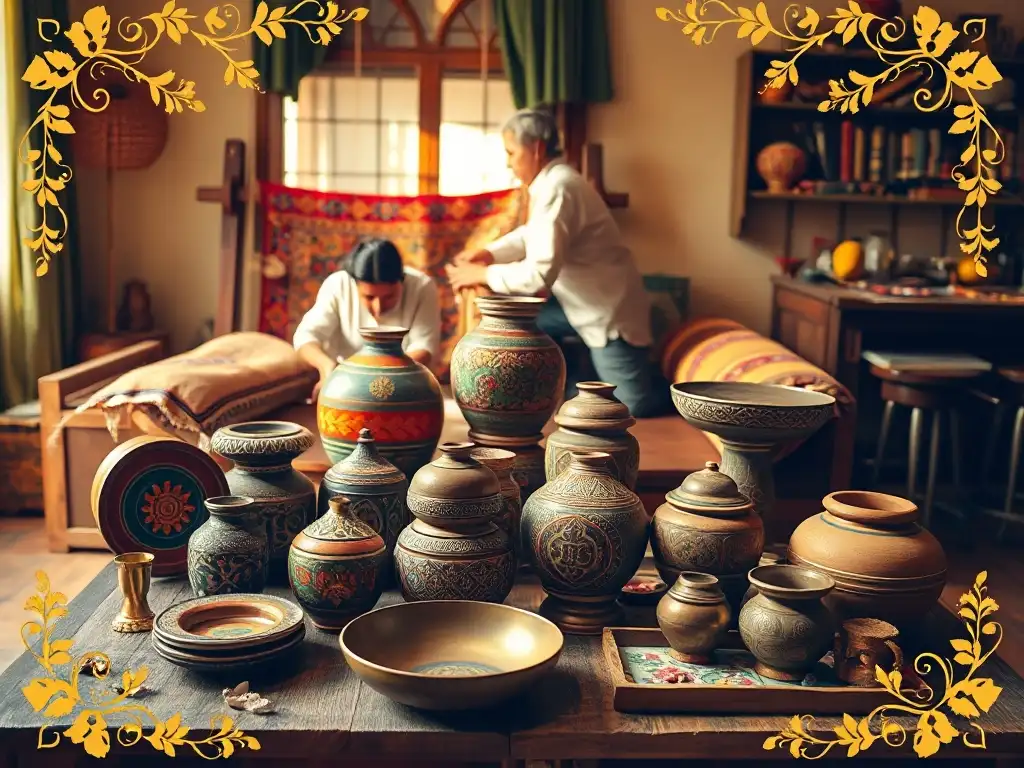
Incorporating artisanal goods into your investment portfolio can significantly enhance diversification. Unlike traditional investments such as stocks and bonds, handicrafts offer a tangible asset class that can yield unique benefits. Here are some reasons to consider this diversification:
- Cultural and Historical Value: Many artisanal products are not just items; they are pieces of history. Their cultural significance can lead to increased demand, especially among collectors and enthusiasts.
- Low Correlation with Traditional Markets: The performance of handicrafts often does not correlate with stock market fluctuations, providing a hedge against economic downturns. This characteristic can stabilize your investment portfolio.
- Potential for Capital Appreciation: Certain handicrafts, especially rare or limited-edition pieces, can appreciate significantly over time. Investing in these can yield substantial returns, making them a wise addition to any investment strategy.
- Support for Local Economies: Investing in artisanal goods contributes to local economies and sustainable practices, enhancing your investment's ethical value. This aspect can resonate well with socially conscious investors.
By integrating handicrafts into your portfolio, you not only spread risk but also engage in a market that values tradition and craftsmanship, potentially leading to both financial and personal fulfillment.
Building Relationships with Artisans
A crucial aspect of investing in Indian handicrafts is developing strong relationships with artisans. These connections can not only enhance your understanding of the products but also lead to mutually beneficial outcomes. Here are some strategies to foster these relationships:
- Direct Engagement: Attend local fairs, expos, and workshops to meet artisans face-to-face. Engaging directly allows you to appreciate their craftsmanship and understand the stories behind their work, fostering trust and collaboration.
- Supporting Craftsmanship: Invest in artisans by providing them with fair compensation for their work. This support can lead to higher quality products and encourages artisans to innovate, ultimately benefiting your investment.
- Collaborative Projects: Consider partnering with artisans for exclusive product lines or collections. Such collaborations can enhance market appeal and ensure that artisans receive recognition for their craft.
- Education and Training: Offering training and resources to artisans can help them improve their skills and expand their businesses. This investment in their growth can result in a stronger supply chain and better products for your portfolio.
By focusing on building long-term relationships with artisans, investors can not only create a sustainable business model but also contribute positively to the preservation of traditional crafts and the livelihoods of those who create them.
Marketing and Selling Your Handicraft Investments
Successfully marketing and selling your investments in Indian handicrafts requires a multifaceted approach that emphasizes authenticity, storytelling, and the unique qualities of the products. Here are some effective strategies to consider:
- Understand Your Target Market: Identifying and understanding your target audience is crucial. Are you aiming to attract local buyers, international collectors, or eco-conscious consumers? Tailoring your marketing messages to resonate with specific demographics can enhance your reach.
- Leverage Online Platforms: Utilize e-commerce websites and social media platforms to showcase your handicraft investments. Platforms like Instagram, Facebook, and Pinterest are excellent for visual storytelling, allowing you to share the craftsmanship behind each piece. Additionally, consider listing your products on specialized marketplaces that focus on artisanal goods.
- Highlight the Artistry and Tradition: Each handicraft has a story. Sharing the history and cultural significance of the artisans and their techniques can create a deeper connection with potential buyers. Use blog posts, videos, or social media stories to illuminate the craftsmanship process and the heritage behind your products.
- Participate in Art and Craft Fairs: Engaging in local and national art fairs or exhibitions can help you reach a broader audience. These events provide opportunities to showcase your products, interact with potential customers, and network with other artisans and businesses.
- Build Partnerships: Collaborating with local businesses, galleries, or tourism companies can amplify your reach. Consider forming partnerships that can help promote your products, such as co-hosting events or offering exclusive deals through their channels.
- Focus on Quality and Sustainability: Emphasizing the quality and sustainability of your handicraft products can attract environmentally conscious consumers. Highlight any eco-friendly practices used in production, such as sustainable sourcing of materials or traditional crafting techniques that support local communities.
Conclusion: The Future of Investing in Indian Handicrafts

The future of investing in Indian handicrafts is promising, driven by a growing global appreciation for unique, handcrafted products that tell a story. As consumer preferences shift towards sustainable and ethically produced goods, the demand for authentic handicrafts continues to rise.
- Cultural Renaissance: There is a resurgence of interest in traditional crafts, particularly among younger consumers who value authenticity and heritage. This cultural renaissance presents a significant opportunity for investors.
- Technological Integration: The incorporation of digital technology in marketing and sales strategies is reshaping the handicraft landscape. Online platforms are making it easier for artisans to reach global markets, allowing for greater visibility and accessibility.
- Supportive Policies: Government initiatives aimed at promoting handicrafts and supporting artisans are paving the way for more robust growth in this sector. Investment in training, infrastructure, and export promotion will likely enhance the viability of handicraft businesses.
- Social Impact: Investing in Indian handicrafts not only supports artisans but also contributes to the preservation of cultural heritage and sustainable development. This social impact resonates with many investors, making it an attractive sector for socially responsible investing.
The combination of cultural significance, technological advancements, and social responsibility positions investing in Indian handicrafts as a forward-looking venture with immense potential.
Call to Action
Are you ready to embark on an exciting journey of investing in Indian handicrafts? Discover the vibrant world of artisanal products and support the talented artisans who keep these traditions alive. Start by exploring local markets, connecting with artisans, and considering how you can integrate these unique treasures into your investment portfolio.
Join us in celebrating the rich heritage of Indian craftsmanship—invest today and become a part of this meaningful movement! 🌟
Additional Resources
Investing in Indian handicrafts offers a pathway not only to unique products but also to supporting local artisans and preserving traditional crafts. To further explore and enhance your investment journey, here are some valuable resources:
- Government Initiatives
- Ministry of Textiles: The Indian government has established various schemes to promote handicrafts, such as the Handicraft Sector Scheme. This aims to support artisans and improve the market for handicraft products.
- Crafts Council of India: This organization works towards the preservation and promotion of traditional crafts, offering insights into the best practices for investing in this sector.
- Online Marketplaces
- E-commerce Platforms: Websites like Amazon India, Etsy, and Craftsvilla provide a marketplace for artisans to sell their products directly, making it easier for investors to discover and purchase unique handicrafts.
- B2B Platforms: IndiaMART and TradeIndia are excellent resources for bulk purchasing and connecting with artisans and manufacturers directly, which is beneficial for larger investments.
- Educational Resources
- Books and Documentaries: Look for literature focused on Indian handicrafts, such as "Indian Handicrafts: A Cultural History" by R. K. Joshi. Documentaries exploring the processes and stories behind specific crafts can also offer deeper insights.
- Workshops and Seminars: Attend workshops conducted by artisans or organizations dedicated to handicrafts. These can provide hands-on experience and a better understanding of the craftsmanship involved.
- Networking Opportunities
- Handicraft Fairs and Exhibitions: Events like the India International Trade Fair and state-level fairs provide opportunities to meet artisans, view products, and network with other investors.
- Online Forums and Communities: Engaging in online communities on platforms like Facebook or LinkedIn can connect you with fellow investors and artisans, fostering collaboration and shared knowledge.
- Social Media
- Instagram and Pinterest: These platforms are great for discovering emerging artisans and trends in handicrafts. Following hashtags related to Indian handicrafts can keep you updated on new products and investment opportunities.
- YouTube Channels: Channels dedicated to Indian culture and crafts can provide visual insights into the craftsmanship and stories behind various artisanal products.
By utilizing these resources, investors can make informed decisions, enhance their knowledge of Indian handicrafts, and contribute to the sustainability of artisanal traditions. Engaging with these avenues not only opens up investment potential but also fosters a deeper appreciation of India's rich cultural heritage.
- Introduction to Investing in Indian Handicrafts
- Understanding Indian Handicrafts: A Cultural Investment
- How to Start Investing in Indian Handicrafts
- Evaluating the Market Potential for Handicrafts Investment
- Diversifying Your Investment Portfolio with Artisanal Goods
- Building Relationships with Artisans
- Marketing and Selling Your Handicraft Investments
- Conclusion: The Future of Investing in Indian Handicrafts
- Call to Action
- Additional Resources
Frequently Asked Questions
What are Indian handicrafts?
Indian handicrafts refer to artisanal products created using traditional techniques, showcasing the rich cultural heritage of India. They include textiles, pottery, woodwork, and more.
Why should I invest in Indian handicrafts?
Investing in Indian handicrafts supports local artisans and preserves traditional skills. Additionally, these products often have unique artistic value and can appreciate over time.
How can I identify authentic Indian handicrafts?
Look for certifications or labels that indicate authenticity, such as Geographical Indication (GI) tags. Also, buy from reputable sellers or cooperatives that celebrate fair trade practices.
What are the benefits of investing in artisanal products?
Investing in artisanal products helps sustain local economies, promotes cultural diversity, and often provides unique, high-quality items that are not mass-produced.
Where can I find Indian handicrafts to invest in?
You can find Indian handicrafts at local markets, online platforms, artisan fairs, and specialty shops that focus on sustainable and ethical products.
Final Reflection: Embracing the Art of Investing in Indian Handicrafts
Investing in Indian handicrafts is not just a financial decision; it is a commitment to preserving culture and supporting artisans. In a world increasingly dominated by mass production and homogenization, the unique stories and craftsmanship behind Indian handicrafts stand as a testament to our rich heritage. By choosing to invest in these treasures, we not only acquire beautiful pieces but also contribute to the sustainability of traditional art forms that are at risk of fading away.
The influence of Indian handicrafts extends far beyond mere aesthetics; it is woven into the very fabric of our society and economy. As we embrace these artisanal products, we recognize the importance of supporting local artisans and their communities. This investment fosters a sense of pride and identity, ensuring that these age-old skills are passed down through generations. Art is not what you see, but what you make others see.
– Edgar Degas. This quote encapsulates the transformative power of engaging with art, reminding us that our investments can create ripples of change in the lives of those who create these masterpieces.
As you reflect on the insights shared in this article, consider how you can incorporate the beauty of Indian handicrafts into your life. Take a moment to explore your local markets, connect with artisans, and appreciate the stories behind each piece. By investing in these handcrafted treasures, you are not only enriching your own life but also playing a vital role in preserving a legacy that deserves to thrive. Let your choices echo the values of sustainability, cultural appreciation, and community support, and watch as your investment blossoms into something truly meaningful.
Explore the Vibrant World of Indian Handicrafts!
Thank you for joining us on this journey into the rich tapestry of Indian handicrafts and artisanal products. You’ve uncovered valuable insights that can enhance your appreciation for these treasures and empower you to support the talented artisans behind them. Now, it’s time to take action!
Here’s how you can dive deeper into this vibrant world:
- Start your collection today! Visit online marketplaces or local artisan fairs to discover unique pieces that resonate with your personal style.
- Share your findings! Post on social media about your favorite handicrafts using the hashtag #SupportIndianArtisans to spread the word about the incredible talent available in the community.
- Engage with the community! Join workshops or online forums where you can learn directly from artisans and explore the fascinating stories behind their crafts.
What unique piece from Indian handicrafts would you love to add to your home, and why? Let’s spark a conversation in the comments!