
Why Collaborating with Local Artisans is Key to Your Handicraft Business Success

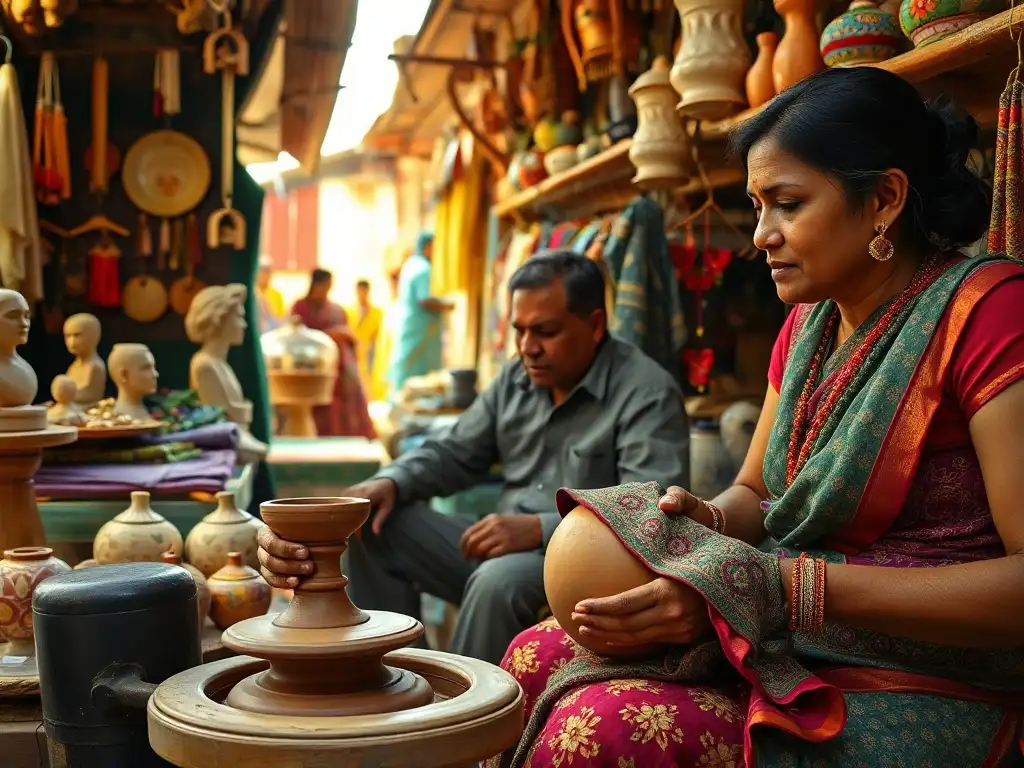
Welcome to Ancient India History, where we delve into the rich tapestry of India's past, exploring the vibrant cultures and remarkable contributions of ancient civilizations. In this journey, we invite you to uncover the significance of supporting local artisans in India—a practice that not only honors our heritage but also plays a crucial role in the success of modern handicraft businesses.
As you dive into our featured article, "Why Collaborating with Local Artisans is Key to Your Handicraft Business Success," prepare to discover how these age-old traditions can inspire and elevate your entrepreneurial ventures. Join us as we bridge the past with the present, sparking curiosity and igniting your passion for the art of craftsmanship!
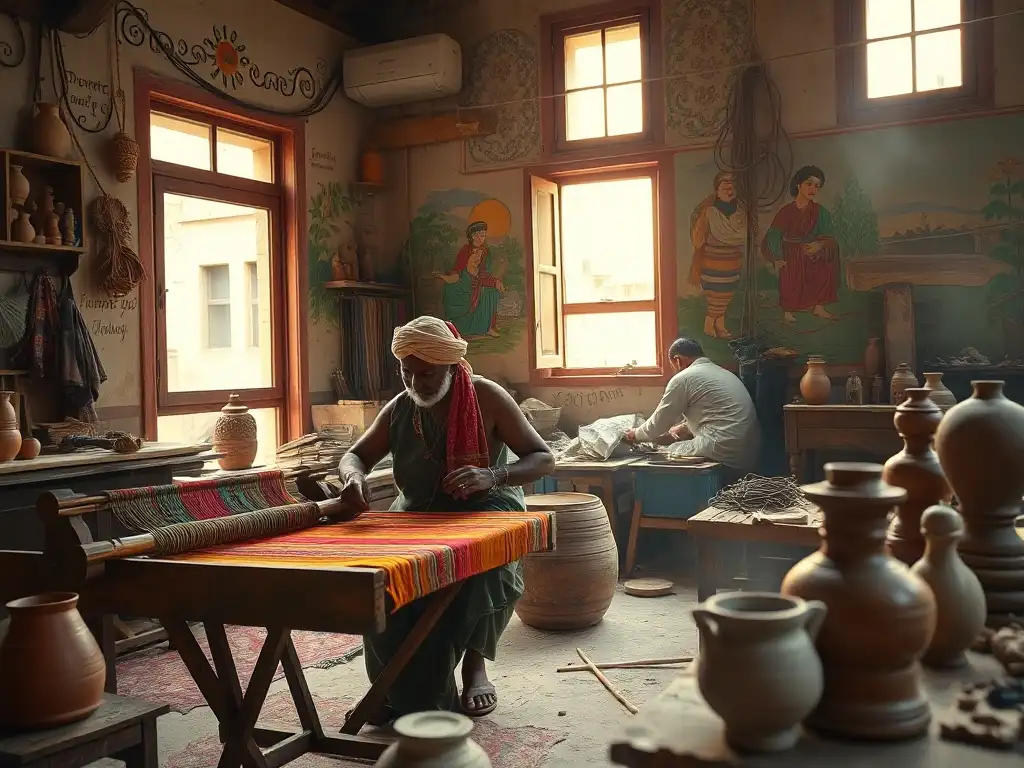
In the vibrant world of handicrafts, the significance of local artisans cannot be overstated. Collaborating with these skilled craftsmen not only enriches the quality and diversity of products but also fosters a deeper connection with the cultural heritage of India. As the global market increasingly seeks authenticity and uniqueness, supporting local artisans has become a pivotal strategy for success in the handicraft business.
This article delves into the myriad ways in which engaging with local artisans can elevate your business while simultaneously contributing to the preservation of India's rich artistic traditions. We'll explore the unique advantages this collaboration presents, the cultural significance it bears, and the sustainable practices that can emerge from such partnerships.
Understanding the Importance of Supporting Local Artisans in India
Supporting local artisans in India is crucial for several reasons, from economic empowerment to cultural preservation. By investing in these creators, businesses can play a vital role in:
- Economic Development: Local artisans often belong to marginalized communities. Supporting them can uplift entire communities by providing a steady source of income.
- Cultural Diversity: Each region in India has its own unique traditions and crafts. By collaborating with local artisans, businesses contribute to the preservation of these diverse cultural practices.
- Social Impact: Collaborating with artisans can help bridge social divides, fostering inclusivity and empowerment within communities.
The Role of Local Artisans in Indian Handicrafts
Local artisans are the backbone of India's handicraft sector. This sector is not only a significant contributor to the economy but also a reflection of India's cultural richness. Artisans possess traditional skills passed down through generations, allowing them to create unique, handcrafted products that often carry stories and cultural significance.
- Diverse Skills: Artisans specialize in various crafts, including pottery, weaving, embroidery, and metalwork, each representing a unique cultural narrative.
- Community Connection: Many artisans work within their communities, fostering collaboration and knowledge sharing, which strengthens local economies.
How Supporting Local Artisans Enhances Cultural Heritage
When businesses prioritize supporting local artisans, they actively contribute to the preservation of cultural heritage. This collaboration ensures that traditional skills are not lost to modernization, allowing future generations to experience and appreciate India’s rich artistic legacy.
- Reviving Traditional Techniques: Many artisans use age-old techniques that are at risk of fading. Supporting them helps keep these methods alive.
- Cultural Exchange: Collaborating with artisans opens avenues for cultural exchange, enriching both the artisan's and the business's understanding of heritage.
Benefits of Collaborating with Local Artisans
The benefits of collaborating with local artisans extend beyond mere business profitability; they encompass a broader societal impact. Here are some key advantages:
Quality Craftsmanship: The Artisan Advantage
One of the standout benefits of working with local artisans is the unparalleled quality of craftsmanship they offer. Unlike mass-produced items, artisan products are often handcrafted with meticulous attention to detail.
- Unique Techniques: Artisans often employ unique techniques that result in high-quality, durable products.
- Personal Touch: Each piece reflects the artisan's skill and creativity, providing a personal touch that resonates with consumers.
Unique Products: Creating a Distinctive Market Niche
In a market saturated with mass-produced items, collaborating with local artisans allows businesses to offer unique products that stand out.
- Customization: Businesses can work with artisans to create customized products tailored to specific customer needs.
- Storytelling: Each artisan product carries a story, making it more appealing to consumers who value authenticity and heritage.
Sustainable Practices: Eco-Friendly Production Methods
Collaborating with local artisans often leads to more sustainable practices in production. Many artisans utilize eco-friendly materials and traditional methods that minimize environmental impact.
- Natural Materials: Artisans frequently use locally sourced, natural materials, reducing the carbon footprint associated with transportation.
- Low Waste Production: Traditional crafting methods often result in minimal waste, promoting sustainability in the handicraft industry.
By recognizing and supporting local artisans, businesses not only enhance their offerings but also contribute positively to society and the environment. This symbiotic relationship is essential for the future of the handicraft industry in India.
Economic Impact of Supporting Local Artisans in India
Supporting local artisans in India has profound economic implications that extend well beyond individual businesses. By fostering collaborations with these skilled creators, businesses contribute to a thriving local economy, enhance community resilience, and promote sustainable practices. The artisanal sector, encompassing traditional crafts, textiles, pottery, and more, plays a vital role in the Indian economy by preserving heritage and creating unique products that resonate with consumers seeking authenticity and cultural significance.
The economic impact of supporting local artisans can be understood through various dimensions, including job creation, community development, and increased consumer awareness about the value of handmade products. By prioritizing local artisans, businesses not only tap into a rich reservoir of creativity and talent but also help sustain cultural traditions that have been passed down through generations.
Job Creation and Community Development
One of the most significant benefits of collaborating with local artisans is the potential for job creation. In many regions of India, artisans are often the backbone of their communities, providing employment not just for themselves but also for their families and neighbors. By supporting local handicraft businesses, enterprises can help generate sustainable livelihoods, which are crucial in rural and semi-urban areas where traditional employment opportunities may be limited.
Moreover, the growth of the handicraft sector has a ripple effect on community development. As artisan businesses flourish, they can invest in local infrastructure, education, and healthcare, fostering an environment of growth and stability. For instance, communities that engage in cooperative artisan groups often see improvements in social cohesion, as artisans share resources, skills, and knowledge, ultimately empowering marginalized groups, particularly women, to achieve economic independence.
Boosting Local Economies Through Handicraft Sales
Handicraft sales contribute significantly to local economies, especially in regions renowned for their unique crafts. When businesses prioritize sourcing from local artisans, they infuse capital directly into these communities, stimulating economic activity. This infusion can lead to increased demand for raw materials, further benefiting local suppliers and creating a cycle of economic growth.
Additionally, the rise of e-commerce platforms has enabled artisans to reach a global audience, enhancing their market access and allowing them to command fair prices for their products. As artisans gain visibility and recognition, they can also attract tourism, with visitors drawn to experience the rich culture and craftsmanship of the area. This combination of local sales and tourism can substantially uplift the economic conditions of artisan communities.
Building Meaningful Partnerships with Local Artisans
Establishing meaningful partnerships with local artisans is essential for a successful handicraft business. Such collaborations should be built on mutual respect, understanding, and shared goals. By working closely with artisans, businesses can ensure that the artisans' skills and traditions are honored while also meeting market demands for quality and design innovation.
Finding Local Artisans: Platforms and Resources
Finding local artisans involves utilizing various platforms and resources that connect artisans with businesses. Several initiatives focus on promoting artisans and their crafts, including:
- Online Marketplaces: Platforms like Etsy and India-specific sites such as Craftsvilla and IndiaMART allow artisans to showcase their work and connect with potential buyers.
- Artisan Cooperatives: Joining or partnering with cooperatives can provide businesses access to a network of artisans, ensuring a diverse range of products while promoting fair trade practices.
- Cultural Organizations: Engaging with NGOs and cultural organizations dedicated to preserving traditional crafts can help businesses locate skilled artisans and understand their cultural significance.
By leveraging these platforms, businesses can build a robust supply chain that highlights the uniqueness of Indian handicrafts while securing a reliable source of high-quality products.
Establishing Fair Trade Practices and Ethical Collaborations
The foundation of successful collaborations with local artisans lies in establishing fair trade practices. Ethical partnerships ensure that artisans receive fair compensation for their work, empowering them economically and socially. Businesses should prioritize transparent pricing structures, where artisans understand how their pricing reflects the value of their craftsmanship.
Furthermore, businesses must commit to ethical collaborations by respecting the artisans' creative processes and cultural heritage. This includes acknowledging the importance of traditional techniques and allowing artisans to retain ownership of their designs. By promoting a fair trade ethos, businesses not only enhance the livelihoods of artisans but also build a positive brand image that resonates with socially conscious consumers.
Collaborating with local artisans is not just a business strategy; it's a commitment to supporting India’s rich cultural heritage while driving economic growth and community development. By investing in these partnerships, companies can contribute to a sustainable future for both artisans and their communities.
Marketing Your Handicraft Business Through Artisan Collaborations
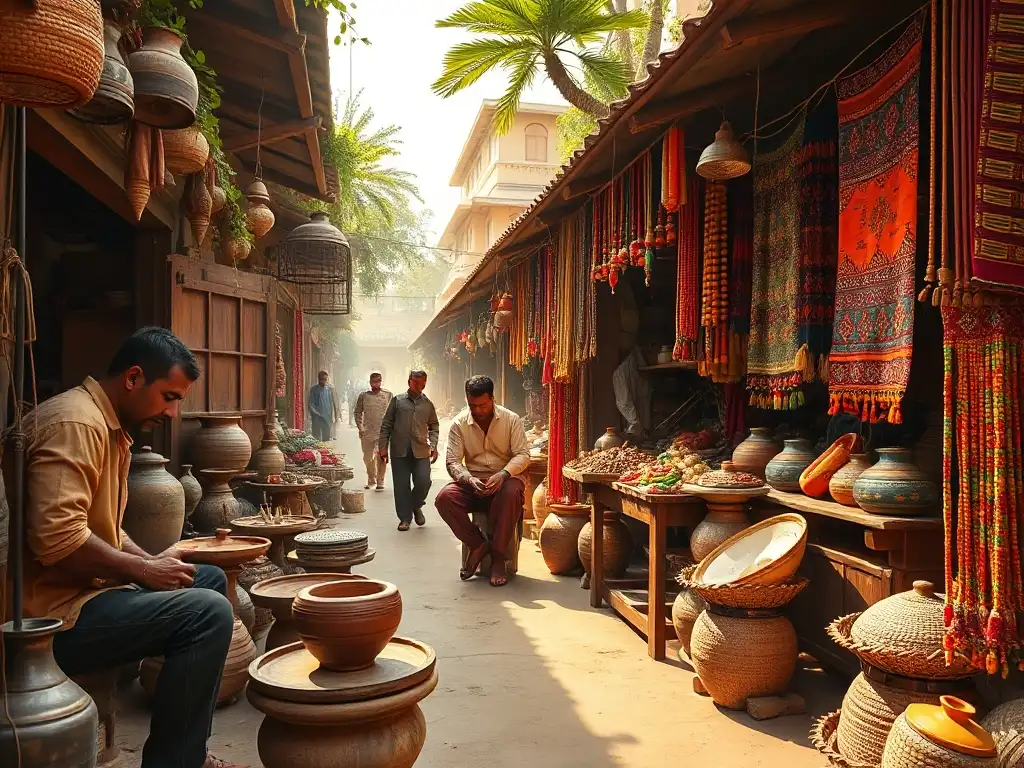
Collaborating with local artisans provides a unique opportunity to enhance the marketing strategy of your handicraft business. By emphasizing the craftsmanship and cultural significance behind each product, businesses can create a compelling narrative that resonates with consumers. This connection not only fosters a sense of community but also elevates the perceived value of the products. Potential customers are increasingly drawn to ethical and sustainable practices, making artisan collaborations a powerful marketing tool.
To effectively market your handicraft business through these partnerships, focus on the authenticity and uniqueness of each piece. Highlighting the artisans' skills and the traditional techniques used in crafting can differentiate your offerings in a crowded market. Utilize various marketing channels such as social media, blogs, and newsletters to share the stories behind your products, enabling consumers to connect emotionally with the artisans and their crafts.
Leveraging Storytelling: Highlighting Artisan Narratives
Storytelling is a potent strategy for marketing handicrafts. By sharing the personal stories of artisans, businesses can create an emotional bond between consumers and the products. Each artisan has a unique journey, often rooted in generations of tradition, which can be compelling for customers seeking meaningful purchases.
- Artisan Backgrounds: Share the history of the artisans, including their cultural heritage, training, and the significance of their craft.
- Product Origins: Detail the materials used and the techniques employed, emphasizing the labor and love that goes into each creation.
- Impact Stories: Highlight how supporting local artisans contributes to their communities, showcasing the positive effects on local economies and the preservation of traditional crafts.
By effectively leveraging storytelling, businesses can create an authentic brand image that resonates with socially conscious consumers and encourages them to support local artisans.
Digital Marketing Strategies: Showcasing Unique Artisan Products
With the rise of digital marketing, showcasing artisan products online is more accessible than ever. Implementing effective digital marketing strategies can significantly enhance visibility and drive sales for your handicraft business.
- Social Media Campaigns: Utilize platforms like Instagram and Pinterest, which are visually oriented, to showcase the beauty and uniqueness of artisan products. Regularly post high-quality images and videos, coupled with engaging captions that tell the story of the artisans and their crafts.
- Content Marketing: Create blog posts, videos, and tutorials that educate consumers about the artisans' work and the cultural context of the crafts. This content can drive organic traffic to your website while building authority in the handicraft niche.
- Email Newsletters: Develop newsletters that feature new products, artisan interviews, and behind-the-scenes insights into the crafting process. This keeps your audience engaged and informed about the latest offerings.
- Collaborative Events: Host online or offline events featuring artisans, such as live demonstrations or workshops. This fosters a personal connection between artisans and customers, enhancing brand loyalty.
By implementing these digital marketing strategies, businesses can effectively promote their artisan collaborations and reach a wider audience.
Challenges in Collaborating with Local Artisans
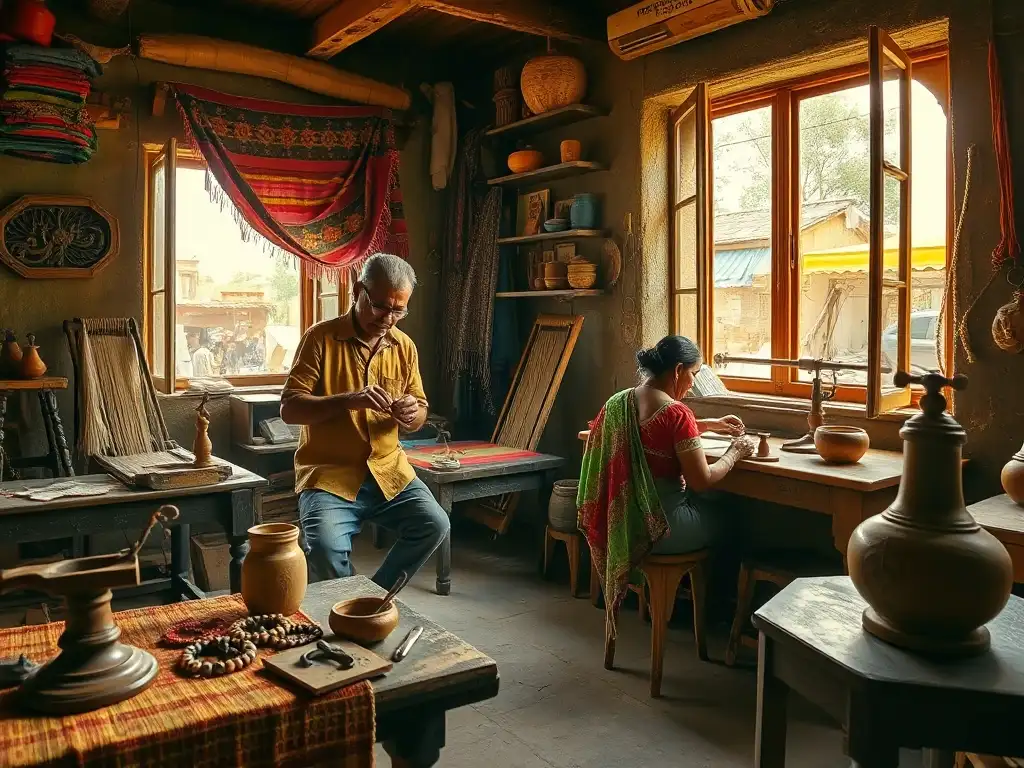
While collaborating with local artisans presents numerous benefits, it is not without its challenges. Understanding these challenges is crucial for establishing successful partnerships that yield mutual benefits.
One of the significant challenges in collaborating with local artisans is navigating communication barriers. Many artisans may speak different languages or dialects, which can lead to misunderstandings and misaligned expectations.
To overcome this challenge, businesses can:
- Use Visual Aids: Incorporate visual communication methods, such as pictures and diagrams, to convey ideas and instructions clearly.
- Hire Local Interpreters: Employing interpreters who understand both the business and artisan languages can facilitate smoother conversations.
- Build Relationships: Investing time in building personal relationships with artisans can enhance trust and open lines of communication, making it easier to discuss challenges and expectations.
By addressing communication barriers, businesses can foster stronger collaborations with artisans, leading to better outcomes for all parties involved.
Ensuring Quality and Consistency in Artisan Products
Another challenge faced in artisan collaborations is ensuring the quality and consistency of products. Unlike mass-produced items, artisan products can vary significantly in craftsmanship and quality, which may affect customer satisfaction.
To mitigate this challenge, businesses should:
- Set Clear Standards: Establish specific quality benchmarks and product specifications that artisans must adhere to. This can include guidelines on materials, techniques, and finishing processes.
- Regular Quality Checks: Implement routine quality checks and feedback mechanisms to ensure that products meet the established standards before they reach customers.
- Training and Support: Offer training sessions to artisans on quality control and best practices, empowering them to produce consistently high-quality products.
By focusing on quality and consistency, businesses can build a reputation for excellence, ultimately leading to customer loyalty and success in the handicraft market.
Case Studies: Successful Handicraft Businesses Supporting Local Artisans
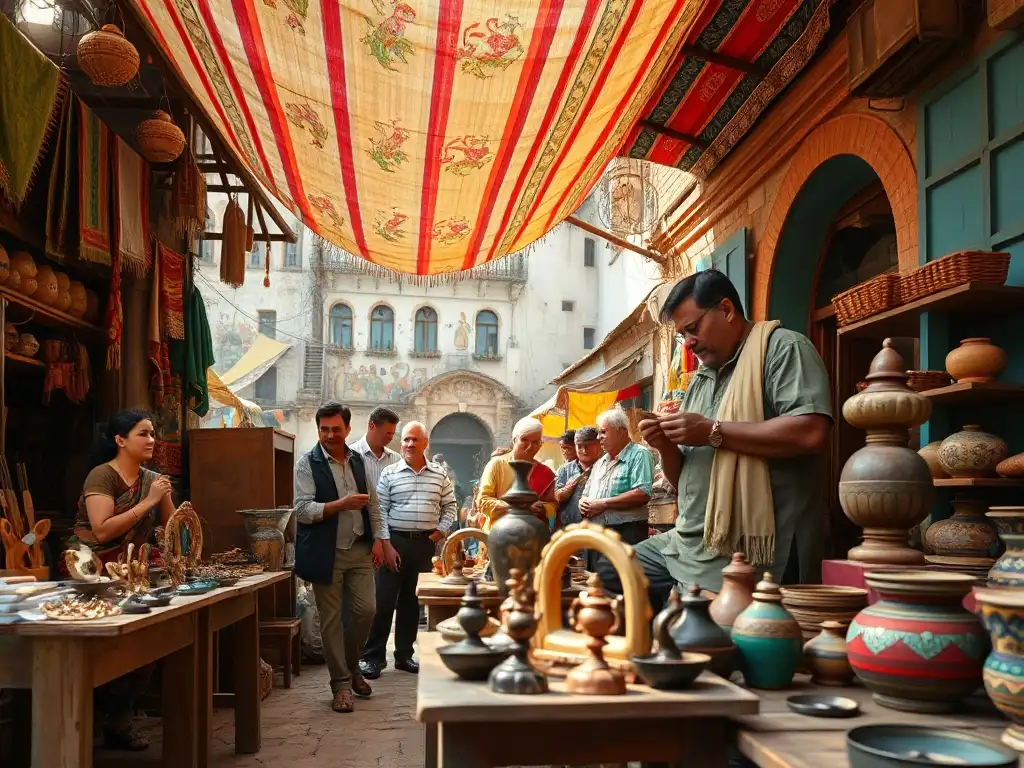
The landscape of India's handicraft industry is rich with stories of brands that have successfully collaborated with local artisans. These case studies not only highlight innovative business models but also demonstrate the profound impact of supporting local craftsmanship. By leveraging the unique skills and traditions of artisans, these brands have enhanced their offerings while contributing to sustainable development in their communities.
Example 1: A Brand Transforming Local Art into Global Success
One notable example is Dastkar, an organization that has played a pivotal role in promoting traditional crafts across India. Founded in 1981, Dastkar collaborates with various artisan groups, enabling them to access larger markets. By providing training, design support, and marketing assistance, Dastkar has transformed local art into globally recognized products. For instance, their initiative with the Kutch region's embroidery artisans not only revitalized traditional techniques but also integrated them into contemporary fashion lines. This fusion has resulted in a substantial increase in income for the artisans and has elevated the status of their craftsmanship on international platforms.
Example 2: A Brand Integrating Artisan Skills in Modern Designs
Jaipur Rugs exemplifies another innovative approach to integrating artisan skills into modern designs. This company has built a comprehensive network of over 40,000 artisans across India, focusing on hand-woven carpets. What sets Jaipur Rugs apart is its commitment to storytelling; each carpet is linked to the artisan who created it, showcasing their unique skills and cultural heritage. By merging traditional weaving techniques with contemporary designs, Jaipur Rugs has successfully catered to global markets while ensuring fair wages and sustainable practices for artisans. This model not only supports local communities but also fosters a deeper appreciation for Indian craftsmanship worldwide.
Conclusion: The Future of Handicraft Businesses in India
The future of handicraft businesses in India looks promising, especially with the increasing global demand for authentic and sustainable products. As consumers become more conscious of their purchasing decisions, the narrative surrounding local artisans gains traction. Supporting local artisans is not just beneficial for businesses; it is crucial for preserving traditional crafts and ensuring the survival of age-old techniques.
Encouraging a Movement: Why Supporting Local Artisans is Essential for Sustainability
Supporting local artisans is essential for sustainability for several reasons:
- Preservation of Culture: Artisan crafts are often tied to cultural identity and heritage. By supporting artisans, businesses help preserve these traditions for future generations.
- Economic Empowerment: Collaborating with artisans creates economic opportunities in rural areas, reducing poverty and encouraging self-sufficiency.
- Environmental Benefits: Many traditional crafts utilize sustainable materials and processes, which are less harmful to the environment compared to mass production.
By fostering a movement that prioritizes local artisans, businesses can contribute to a more sustainable future, ensuring that the rich tapestry of India's handicraft heritage continues to thrive.
Call to Action: How You Can Start Collaborating with Local Artisans Today
If you're interested in collaborating with local artisans, here are some actionable steps you can take:
- Research and Identify: Start by researching local artisan communities in your area or regions known for specific crafts. Identify the skills and products that resonate with your brand's vision.
- Build Relationships: Establish connections with artisans by visiting markets, workshops, or artisan fairs. Building genuine relationships is key to successful collaborations.
- Offer Support: Consider how you can support artisans beyond just purchases. This could include providing training, design input, or marketing assistance.
- Promote Their Stories: Use your platforms to tell the stories of the artisans you work with. Highlight their craftsmanship and the cultural significance of their work.
By taking these steps, you not only enhance your business but also play a vital role in empowering local artisans and preserving India's rich cultural heritage.
Resources for Supporting Local Artisans in India
Supporting local artisans in India is not only beneficial for the craftsmen themselves but also enriches the handicraft business landscape. By leveraging resources dedicated to this cause, businesses can create sustainable partnerships and enhance the authenticity of their products. Here are some valuable resources and references for those looking to engage with local artisans.
Recommended Books and Guides
-
"Crafting a Future: The Role of Artisans in India's Economy" by Alok Sharma
This book provides an in-depth analysis of the artisan sector in India, detailing the economic impact and cultural significance of handicrafts. It offers strategies for businesses to effectively collaborate with artisans, ensuring fair trade practices and sustainable development.
-
"The Art of Indian Handicrafts: A Guide to the Traditional Crafts of India" by Meera Gupta
This guidebook serves as an introduction to the diverse array of handicrafts across India. It discusses various techniques, materials, and the stories behind each craft, providing insights into how businesses can authentically market these products while supporting the artisans.
-
"Empowering Artisans: A Handbook for the Ethical Business" by Suman Kumar
A practical guide that focuses on ethical collaboration with artisans. It addresses topics such as fair pricing, cultural sensitivity, and the importance of storytelling in branding, giving businesses the tools they need to foster genuine relationships with local craftsmen.
Useful Websites and Organizations to Connect with Local Artisans
-
Dastkar
Dastkar is a non-profit organization dedicated to promoting traditional Indian crafts and the artisans behind them. Their website offers resources, workshops, and opportunities for businesses to connect directly with local artisans.
-
Shilpi Haat
An online platform that showcases a wide range of handicrafts from various regions of India. Businesses can explore artisan profiles, understand their crafts, and facilitate direct purchases, fostering a direct link between consumers and creators.
-
The Crafts Council of India
This organization works tirelessly to support and promote Indian handicrafts. Their website includes directories of artisans, craft fairs, and events where businesses can network with local craftsmen and learn more about their crafts.
-
IndiCraft
IndiCraft is an online marketplace that focuses on connecting artisans with consumers. They offer resources for businesses looking to partner with artisans, including information on ethical sourcing and fair trade.
By utilizing these resources, businesses can build meaningful collaborations with local artisans in India, ensuring not only the success of their handicraft ventures but also the preservation and promotion of India's rich artisanal heritage.
- Understanding the Importance of Supporting Local Artisans in India
- Benefits of Collaborating with Local Artisans
- Economic Impact of Supporting Local Artisans in India
- Building Meaningful Partnerships with Local Artisans
- Marketing Your Handicraft Business Through Artisan Collaborations
- Leveraging Storytelling: Highlighting Artisan Narratives
- Digital Marketing Strategies: Showcasing Unique Artisan Products
- Challenges in Collaborating with Local Artisans
- Navigating Communication Barriers
- Ensuring Quality and Consistency in Artisan Products
- Case Studies: Successful Handicraft Businesses Supporting Local Artisans
- Conclusion: The Future of Handicraft Businesses in India
- Resources for Supporting Local Artisans in India
- What is the significance of collaborating with local artisans in India?
- How can partnering with local artisans enhance my handicraft business?
- What are the benefits of supporting local artisans in India?
- How can I find local artisans to collaborate with for my handicraft business?
- What challenges might I face when working with local artisans?
Frequently Asked Questions
What is the significance of collaborating with local artisans in India?
Collaborating with local artisans helps preserve traditional crafts and ensures that cultural heritage is maintained. It also boosts the local economy by providing artisans with fair compensation for their work.
How can partnering with local artisans enhance my handicraft business?
By partnering with local artisans, you can offer unique products that reflect authentic craftsmanship. This can help differentiate your brand and attract customers who value sustainability and cultural significance.
What are the benefits of supporting local artisans in India?
Supporting local artisans fosters community development, encourages skill preservation, and promotes sustainable practices. It also allows consumers to connect more deeply with the cultural narratives behind their purchases.
How can I find local artisans to collaborate with for my handicraft business?
You can find local artisans through craft fairs, community workshops, and online platforms that specialize in connecting artisans with businesses. Building relationships with local craft organizations can also be beneficial.
What challenges might I face when working with local artisans?
Challenges may include differences in production timelines, pricing negotiations, and varying quality standards. However, effective communication and mutual respect can help overcome these obstacles for a successful partnership.
Final Reflection: The Power of Supporting Local Artisans in Handicraft Success
In today's globalized market, the importance of supporting local artisans cannot be overstated; it is not just a business strategy but a vital connection to cultural heritage and sustainable practices. As we navigate an increasingly homogenized world, the unique craftsmanship and stories behind local artisans offer a refreshing perspective that can set your handicraft business apart. By embracing this collaboration, we not only uplift the artisans but also enrich our own brands with authenticity and depth.
Collaborating with local artisans has a profound impact on our cultural and social landscape, fostering a sense of community and shared purpose. The stories and skills passed down through generations are invaluable treasures that deserve recognition and support. As Mahatma Gandhi once said, "> The best way to find yourself is to lose yourself in the service of others." This sentiment resonates deeply in the context of supporting local artisans, as our efforts to uplift them ultimately lead to a richer, more vibrant community for all.
As you reflect on the insights shared in this article, I invite you to consider how you can actively contribute to the success of local artisans in your own business journey. Think about the ways you can integrate their unique skills and stories into your offerings, and recognize the profound impact your support can have. Together, we can create a thriving ecosystem that celebrates craftsmanship, nurtures creativity, and honors the rich cultural tapestry of India. Let us take action today, not just for our businesses, but for the artisans whose work inspires us all.
Empower Your Handicraft Journey Today!
Thank you for taking the time to explore the incredible impact of collaborating with local artisans! You’ve learned how these partnerships can enhance your business while preserving and promoting rich cultural heritage. Now, it's time to put that knowledge into action and elevate your handicraft endeavors.
Here are a few actionable steps you can take right now:
- Connect with Local Artisans: Reach out to artisans in your community to explore potential collaborations that can introduce unique elements to your products!
- Share Your Story: Utilize social media platforms to narrate your journey of collaboration. Highlight the artisans' work and talents by tagging them—this fosters a supportive network and showcases their skills.
- Host a Workshop Together: Organize a creative workshop that merges your skills with those of local artisans. This not only strengthens relationships but also offers unique experiences for your customers.
What new ideas or inspirations are you ready to bring to life in your handicraft business?