
Exploring the Concept of Love in Ancient Indian Literature

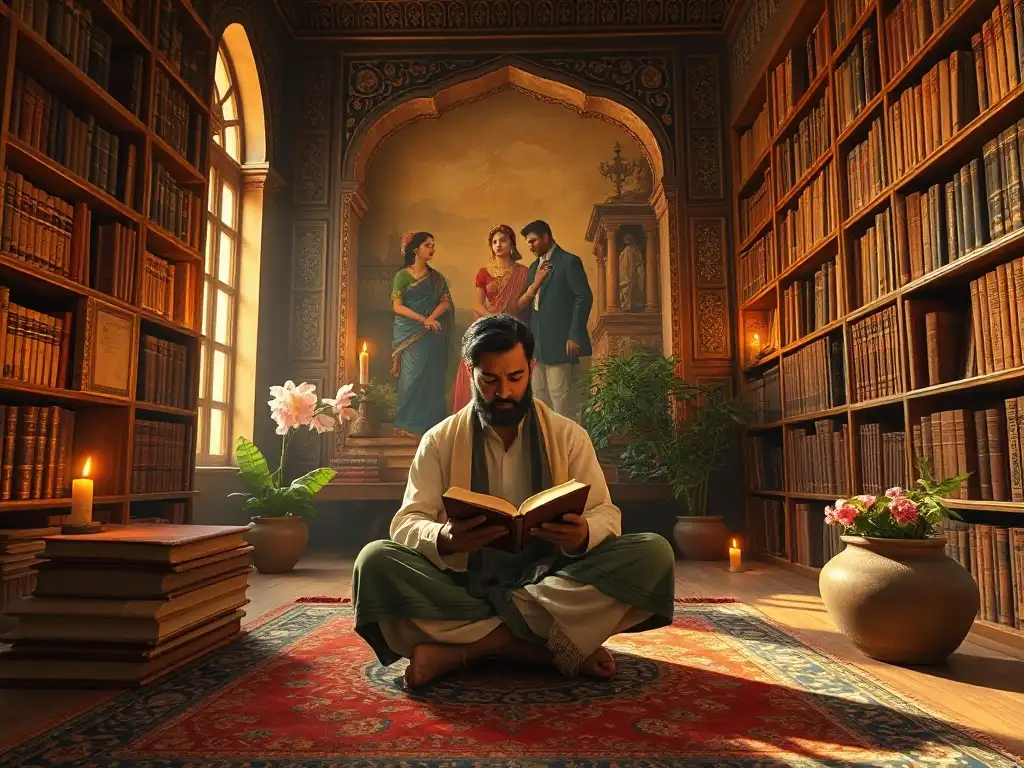
Welcome to Ancient India History, where we embark on a fascinating journey through the rich tapestry of ancient Indian civilizations. In our featured article, "Exploring the Concept of Love in Ancient Indian Literature," we delve into the profound expressions of affection and devotion that have shaped the cultural landscape of India through the ages. From the poetic verses of the Vedas to the passionate tales of the Gupta era, discover how love was not merely an emotion but a pivotal theme that influenced daily life and society.
Join us as we unravel the intricate layers of romantic ideals, societal norms, and artistic expressions that continue to resonate today. Are you ready to explore the timeless allure of love in ancient texts? Let’s dive in!
Introduction to Love in Ancient Indian Literature
The exploration of love in ancient Indian literature offers a fascinating glimpse into the values, beliefs, and intricate social fabric of ancient Indian civilizations. Love, as depicted in various texts, transcends mere romantic expressions; it embodies a profound understanding of relationships, duty, and emotional connection. This concept has been intricately woven into the fabric of narratives, poetry, and philosophical discourses, reflecting the complexity of human emotions and social norms.
In ancient Indian society, love was not only an emotional experience but also a pivotal aspect of family and marriage practices. It played a crucial role in shaping personal relationships and societal structures, influencing everything from marriage arrangements to the dynamics of familial bonds. This article aims to delve into the multifaceted representations of love found in ancient Indian literature, shedding light on its significance and impact on cultural practices.
Definition and Importance of Love
Love in ancient Indian literature is often portrayed as a harmonious blend of affection, devotion, and duty. It encompasses various forms, including romantic love (काम, kāma), familial love (स्नेह, sneha), and spiritual love (प्रेम, prema). Each form plays a distinct role in shaping relationships and contributing to the overall social structure.
The importance of love can be summarized as follows:
- Cultural Values: Love reflects the core values of ancient Indian society, emphasizing respect, loyalty, and emotional bonds.
- Literary Themes: It serves as a prominent theme in poetry, drama, and prose, enriching the narrative depth of literary works.
- Social Norms: Love influenced the societal norms surrounding marriage, family dynamics, and interpersonal relationships.
Overview of Ancient Indian Literature
Ancient Indian literature spans a wide array of genres, including epic poetry, dramas, and philosophical texts. Notable works such as the Mahabharata, Ramayana, and various Sanskrit dramas explore love's multifaceted nature, often intertwining it with themes of duty, honor, and morality.
Key literary forms include:
- Epic Poetry: The Mahabharata and Ramayana depict the trials and tribulations of love amidst larger cosmic battles and moral dilemmas.
- Sanskrit Dramas: Works by playwrights like Kalidasa highlight romantic love and its complexities, often portraying the emotional turmoil of love-struck characters.
- Philosophical Texts: Texts such as the Bhagavad Gita offer insights into spiritual love, emphasizing the connection between the individual and the divine.
Historical Context of Love in Ancient Indian Texts
To fully appreciate the concept of love in ancient Indian literature, it is essential to consider the historical context in which these texts were created. The societal norms, religious beliefs, and philosophical traditions of the time profoundly influenced literary representations of love.
The Role of Love in Ancient Indian Society
Love was not merely a private affair but a public sentiment that governed the societal structure. Marriages were often arranged, yet the underlying emotional connections were significant. Love served as a bond that united families and reinforced social ties.
- Marriage Practices: Love played a crucial role in shaping marital relationships, often seen as a vital component of a successful union.
- Family Dynamics: The emotional connections fostered through love influenced parental roles and familial responsibilities, fostering a sense of unity.
- Societal Expectations: Love was often subject to societal expectations, where duty and honor could sometimes take precedence over personal desire.
Influence of Religion and Philosophy on Love
Religion and philosophy significantly shaped the understanding of love in ancient Indian texts. The interplay between spiritual beliefs and emotional experiences provided a rich tapestry of interpretations.
- Hindu Philosophy: Concepts like dharma (duty) and karma (action) often governed the portrayal of love, emphasizing the importance of ethical conduct in relationships.
- Bhakti Movement: This spiritual movement highlighted devotion and love towards the divine, transforming the perception of love into a sacred, spiritual experience.
- Buddhist Influence: Teachings on compassion and non-attachment offered alternative perspectives on love, advocating for a more selfless and universal form of love.
Through these lenses, the concept of love in ancient Indian literature emerges as a dynamic and complex theme, reflecting the rich cultural heritage and societal norms of the time. The exploration of love invites readers to appreciate the depth of emotional connections that have shaped human relationships across centuries.
Major Works Featuring Love in Ancient Indian Literature
Ancient Indian literature is a rich tapestry woven with the threads of love, exploring its many facets through various texts. Prominent works such as the Vedas, Upanishads, and the great epics of the Ramayana and Mahabharata delve into the concept of love, illustrating its significance in both personal and divine contexts. Additionally, classical poetry showcases the aesthetics of love, portraying the emotional and spiritual dimensions of relationships. Each of these works contributes to a deeper understanding of love in ancient Indian culture.
The Vedas: Love and Spirituality
The Vedas, the oldest sacred texts of Hinduism, encompass a variety of hymns and rituals that reflect the interplay between love and spirituality. In the Vedic tradition, love is often linked to the divine and the cosmos. The concept of Rta, or cosmic order, suggests that love is a fundamental principle that sustains harmony in the universe.
The Sama Veda, in particular, celebrates love through its lyrical hymns designed for musical performance. These hymns often express devotion, longing, and reverence towards divine entities, highlighting the spiritual aspect of love. Moreover, the Atharva Veda presents love in a more personal context, including charms and incantations aimed at attracting a beloved, thus intertwining the spiritual and the earthly dimensions of love.
The Upanishads: Philosophical Perspectives on Love
The Upanishads, philosophical texts that form the concluding part of the Vedic literature, delve deep into the essence of love through metaphysical inquiry. They articulate love as an expression of the ultimate reality, Brahman, and the individual soul, Atman. The relationship between the two is often viewed through the lens of love, suggesting that true understanding and union can only be achieved through love.
In texts like the Chandogya Upanishad, love is described as the force that binds all beings together, emphasizing its role in the pursuit of knowledge and enlightenment. The concept of Maitri (friendship or loving-kindness) is also prevalent, underscoring the importance of love in fostering social harmony and spiritual growth. Thus, the Upanishads present love not just as an emotion but as a critical philosophical principle that connects humanity to the divine.
The Epics: Ramayana and Mahabharata
The Ramayana and Mahabharata, two of the most significant epics in ancient Indian literature, portray love in various forms, from romantic to familial. In the Ramayana, the ideal love story between Rama and Sita epitomizes devotion and sacrifice. Their relationship is characterized by loyalty and commitment, serving as a model for marital love in Hindu culture.
Conversely, the Mahabharata presents a more complex portrayal of love, encompassing the intricacies of relationships. The love among the Pandavas, the rivalry over Draupadi, and the bonds of friendship and loyalty are intricately woven into the narrative. The Mahabharata also examines love's darker sides, such as jealousy and betrayal, thus offering a comprehensive view of its impact on human behavior and society.
Classical Poetry: The Aesthetics of Love in Sanskrit Literature
Classical Sanskrit poetry is replete with expressions of love, exploring its aesthetic and emotional dimensions. Poets like Kalidasa, Bhartrihari, and Bhavabhuti have crafted works that celebrate romantic love through vivid imagery and profound themes. Kalidasa’s Meghaduta is a quintessential example, where the longing of a separated lover is beautifully articulated through nature's metaphors.
Moreover, the Gita Govinda by Jayadeva focuses on the divine love between Krishna and Radha, portraying love as a spiritual experience that transcends mere physical attraction. The interplay of love and nature, as well as the use of metaphors and similes, enriches the aesthetic experience of love in Sanskrit literature. This poetry not only reflects the cultural values of the time but also resonates with universal themes of love and longing.
Themes of Love in Ancient Indian Literature
Ancient Indian literature presents a multifaceted exploration of love, encompassing a variety of themes that reflect societal values and individual experiences. From romantic entanglements to familial bonds, the texts illustrate how love shapes human relationships and cultural practices.
Romantic Love (Kama)
Romantic love, or Kama, is a central theme in ancient Indian literature, often depicted as a powerful and consuming force. Texts like the Kama Sutra explicitly discuss the nature of love, desire, and relationships, providing insights into the complexities of romantic engagements. The interplay of passion, intimacy, and emotional connection characterizes this theme, revealing the cultural appreciation for love as a vital aspect of human experience.
Familial Love (Putra)
Familial love, particularly the love between parents and children, is profoundly highlighted in ancient Indian literature. The concept of Putra, meaning son, reflects the importance of familial bonds. Texts often illustrate the responsibilities and sacrifices of parents, emphasizing the emotional depth of these relationships. This theme underscores the societal norms surrounding family life, portraying love as foundational to social structure and continuity.
Divine Love (Bhakti)
Divine love, or Bhakti, is another significant theme in ancient Indian literature, emphasizing a personal relationship with the divine. The Bhakti movement, which gained momentum in medieval India, is rooted in earlier texts that express love and devotion toward deities. Poets like Mirabai and Tulsidas exemplify this theme, portraying their intense love for Krishna and Rama, respectively. This love transcends worldly ties, representing spiritual yearning and surrender to divine will.
The Concept of Sacrificial Love
Sacrificial love is a compelling theme that permeates ancient Indian literature, often exemplified through tales of selflessness and devotion. Characters in the epics, such as Sita and Draupadi, exhibit unwavering loyalty and sacrifice for their loved ones. This theme reflects the cultural ethos of duty, or Dharma, where love is intertwined with sacrifice and moral responsibilities. Thus, sacrificial love serves as a moral compass, guiding individuals in their relationships and societal obligations.
Literary Devices and Symbolism in Representations of Love
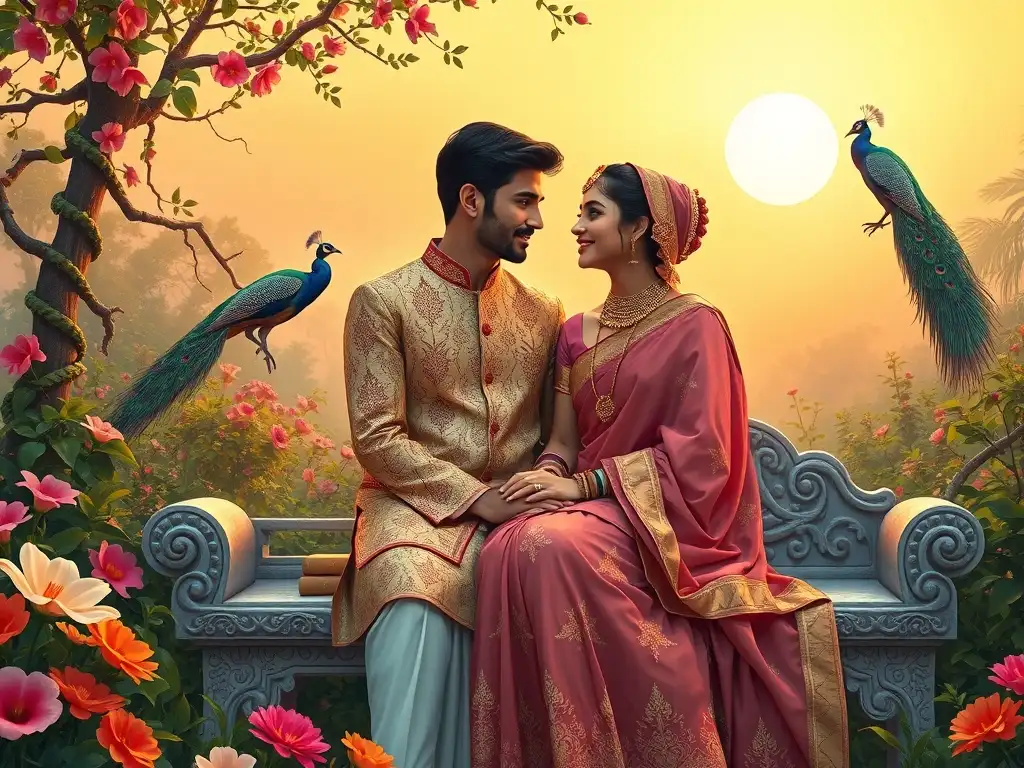
In ancient Indian literature, love is often depicted through a rich tapestry of literary devices and symbolism. These elements not only enhance the aesthetic quality of the texts but also deepen the understanding of love's multifaceted nature. Various literary devices, such as metaphors, similes, and personification, are employed to illustrate the emotional and spiritual dimensions of love.
Symbolism plays a crucial role in conveying the complexities of love, with various elements representing broader themes. For instance, nature is frequently used as a symbol of love's beauty and transience. The changing seasons, particularly spring, are often associated with romantic love, reflecting growth, renewal, and the ephemeral nature of relationships. Furthermore, the use of colors, like red for passion and white for purity, adds layers of meaning to the portrayals of love in these ancient texts.
Metaphors and Imagery in Love Poetry
Metaphors and vivid imagery are pivotal in ancient Indian love poetry, allowing poets to express deep emotions and complex ideas succinctly. One prominent metaphor involves comparing love to a journey, suggesting that love is not merely a feeling but an adventure filled with challenges and discoveries. This metaphor prompts readers to reflect on their own experiences of love and the inherent trials involved.
Imagery related to nature is also prevalent, as poets often draw parallels between the beauty of the natural world and the feelings of love. For example, the blooming of flowers is often likened to the awakening of romantic feelings, while the moon is a common symbol for beauty and longing. Such imagery not only enhances the sensory experience of the poetry but also connects the personal with the universal, making the concept of love more relatable and profound.
Symbolic Characters and Their Representations of Love
Ancient Indian literature is replete with symbolic characters that embody various aspects of love. Figures such as Radha and Krishna in the Bhagavata Purana exemplify the ideal of divine love, representing a union that transcends the physical realm. Their love story is characterized by devotion, longing, and spiritual fulfillment, symbolizing the interplay between human emotion and divine connection.
Other characters, like the heroine in Kalidasa's works, often represent the virtues of fidelity and loyalty in love. These characters not only serve as role models but also reflect the societal values surrounding love and relationships during their respective eras. Through these symbolic characters, ancient literature articulates complex emotions and societal expectations regarding love, making them timeless figures in the exploration of human relationships.
Love and Its Transformations Across Different Eras
The concept of love in ancient Indian literature has undergone significant transformations across various historical periods. From early texts that emphasize romantic love to later interpretations that incorporate philosophical and spiritual dimensions, love has been perceived through diverse lenses. Understanding these shifts provides insight into the evolving nature of relationships and societal norms in ancient India.
Early Representations vs. Later Interpretations
In the early literary works, such as the Rigveda, love is often depicted in a straightforward, romantic context, celebrating physical attraction and desire. The verses highlight the joy of companionship and the beauty of romantic encounters. As literature evolved, particularly during the classical period, interpretations of love began to encompass deeper philosophical connotations, emphasizing devotion, sacrifice, and the spiritual union between lovers.
Later texts, such as the Kama Sutra, explore love not just as a romantic pursuit but as an integral aspect of life that encompasses duty, ethics, and emotional fulfillment. This evolution reflects broader societal changes, where love began to be recognized as a vital component of not only personal happiness but also social harmony.
Influence of Historical Events on the Concept of Love
Historical events have significantly influenced the portrayal of love in ancient Indian literature. The rise and fall of empires, invasions, and socio-political changes have shaped societal values and, consequently, the literary representation of love. For instance, during periods of turmoil, literature often reflected a longing for stability and harmony, leading to an idealization of love as a refuge from chaos.
Additionally, the influence of various philosophical schools, such as Buddhism and Jainism, introduced new dimensions to the understanding of love, emphasizing compassion, detachment, and selflessness. These philosophical shifts encouraged writers to explore love not just as a personal emotion, but as a universal principle that could foster peace and understanding among individuals and communities.
Through this intricate interplay of literary devices, symbolic characters, and evolving interpretations, ancient Indian literature offers a profound exploration of love, revealing its complexities and enduring significance throughout history.
Conclusion: The Enduring Legacy of Love in Ancient Indian Literature
The concept of love in ancient Indian literature has left an indelible mark on the cultural and social fabric of India. From the poetic expressions of affection and longing found in classical texts like the "Mahabharata" and "Ramayana" to the philosophical explorations in works such as the "Kama Sutra," love transcends mere emotion, becoming a vital component of spiritual and social life.
This rich tapestry of love narratives not only embodies the ideals of romantic and familial relationships but also reflects the intricate interplay between duty (dharma) and desire (kama). The enduring legacy of these expressions continues to resonate with contemporary audiences, showcasing the timelessness of love as a fundamental aspect of human experience.
Reflection on Modern Interpretations of Ancient Concepts of Love
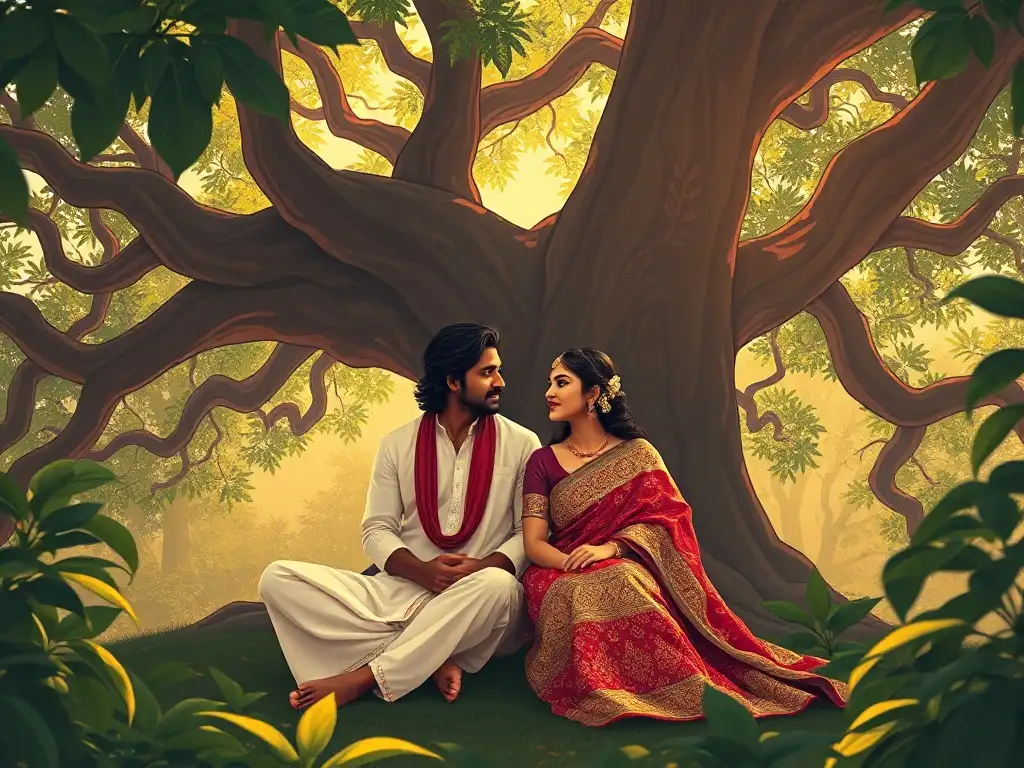
Modern interpretations of love in ancient Indian literature often reveal a complex interplay between historical context and contemporary values. Scholars and readers alike find themselves drawn to the multifaceted portrayals of love, which range from the passionate and epic to the tender and philosophical.
For instance, the romantic escapades of figures like Radha and Krishna are frequently re-examined through the lens of modern relationships, highlighting themes of devotion and longing that remain relevant today. The reinterpretation of these ancient texts not only enriches our understanding of love but also fosters dialogue about contemporary relationship dynamics, including the balance between personal desire and societal expectations.
Love as a Cultural Bridge in Ancient India
In ancient India, love served as a powerful cultural bridge, fostering connections across various communities and social classes. The narratives surrounding love often transcended geographical boundaries, uniting people through shared stories and values.
For example, the exchange of love poetry and songs among different communities helped in cultivating a sense of unity, despite differences in language and tradition. Additionally, the concept of love was instrumental in the arts, influencing dance, drama, and music, which acted as mediums for expressing romantic and familial bonds. This cultural exchange not only enriched the artistic landscape of ancient India but also promoted a collective identity rooted in shared human experiences.
Further Reading: Exploring Love in Ancient Indian Literature
Suggested Texts and Resources
- Kama Sutra by Vātsyāyana
- An ancient Indian text that explores the philosophy of love, sexuality, and relationships, providing insights into the societal norms of the period.
- The Mahabharata
- A monumental epic that delves into various aspects of life, including love, duty, and the complexities of human relationships.
- The Ramayana
- Another epic that portrays love's transformative power through the relationship between Rama and Sita, highlighting loyalty and devotion.
- The Gita Govinda by Jayadeva
- A lyrical poem dedicated to the love of Radha and Krishna, rich in metaphors and spiritual undertones.
- Love Poetry from Ancient India
- A compilation of various poems that capture the essence of love in its many forms, showcasing both romantic and platonic relationships.
Academic Perspectives on Love in Ancient Indian Literature
Academics have extensively explored the theme of love within the context of ancient Indian literature, offering diverse interpretations that reflect cultural, historical, and philosophical dimensions. Scholars often examine how ancient texts articulate the interplay between love and duty, revealing the societal structures that shaped personal relationships.
Research articles and critical essays frequently discuss love's role in shaping individual identities and social hierarchies, analyzing how narratives of love reflect broader societal norms. Furthermore, interdisciplinary studies that incorporate perspectives from psychology, sociology, and anthropology provide a more comprehensive understanding of love's significance in ancient Indian culture. Such academic inquiry not only enriches our knowledge of ancient texts but also invites readers to engage with these timeless themes in a modern context.
- Introduction to Love in Ancient Indian Literature
- Historical Context of Love in Ancient Indian Texts
- Major Works Featuring Love in Ancient Indian Literature
- Themes of Love in Ancient Indian Literature
- Literary Devices and Symbolism in Representations of Love
- Love and Its Transformations Across Different Eras
- Conclusion: The Enduring Legacy of Love in Ancient Indian Literature
- Reflection on Modern Interpretations of Ancient Concepts of Love
- Love as a Cultural Bridge in Ancient India
- Further Reading: Exploring Love in Ancient Indian Literature
- What is the significance of love in ancient Indian literature?
- Which ancient texts explore the theme of love?
- How did ancient Indian poets express love?
- Are there different types of love portrayed in ancient Indian literature?
- How has the portrayal of love in ancient Indian literature influenced modern literature?
Frequently Asked Questions
What is the significance of love in ancient Indian literature?
Love plays a pivotal role in ancient Indian literature, often depicted as a complex emotion intertwined with duty, ethics, and spirituality. It reflects the societal values and cultural norms of the time.
Which ancient texts explore the theme of love?
Key texts such as the Mahabharata, Ramayana, and Kamasutra delve into various aspects of love, highlighting its significance in relationships, morality, and human experience.
How did ancient Indian poets express love?
Ancient Indian poets used metaphors, imagery, and symbolism to convey the depth of love, often relating it to nature and the divine, thus enhancing its emotional resonance.
Are there different types of love portrayed in ancient Indian literature?
Yes, ancient Indian literature distinguishes between various forms of love, including romantic love, devotional love, and platonic love, each with its own nuances and cultural implications.
How has the portrayal of love in ancient Indian literature influenced modern literature?
The themes of love in ancient Indian literature have significantly influenced modern literature, inspiring contemporary writers to explore similar emotional complexities and cultural narratives in their works.
Final Reflection: The Timeless Essence of Love in Ancient Indian Literature
The exploration of love in ancient Indian literature reveals profound insights that resonate deeply with our contemporary experiences. In a world often overshadowed by fleeting connections and superficial relationships, the timeless narratives of love found in texts such as the Mahabharata and Ramayana remind us of the enduring power of love to transcend time and circumstance. These stories not only celebrate romantic love but also emphasize the importance of familial bonds, friendship, and selfless devotion, making them relevant to our lives today.
Cultural narratives surrounding love have shaped our understanding of relationships and emotional connections throughout history. The lessons embedded in ancient texts continue to influence our social fabric, encouraging us to reflect on the nature of our own relationships. As the poet Kalidasa eloquently stated, Love is the only reality; all else is a mere illusion.
This sentiment underscores the idea that love, in its many forms, is a fundamental truth that binds us together, fostering empathy and understanding in an increasingly divided world.
As we conclude this exploration, I invite you to reflect on the lessons of love articulated in ancient Indian literature and consider how they can enrich your own life. Embrace the wisdom of these timeless narratives and let them inspire you to cultivate deeper connections with those around you. Whether through acts of kindness, understanding, or simply being present, you have the power to embody the essence of love that has been celebrated for centuries. Let the stories of the past guide you in creating a future filled with meaningful relationships and heartfelt connections.
Unveil the Depths of Love in Ancient Texts!
Thank you for diving into the enchanting world of love as portrayed in ancient Indian literature! Through your reading, you've uncovered the timeless themes that resonate across generations. Now, it’s time to transform that knowledge into action and experience these narratives in your own life.
Here’s what you can do next:
- Explore a classic work, such as Kalidasa's Shakuntala or Bhartrihari’s Niti Shataka, and reflect on its themes of love.
- Discuss your insights with friends or join an online community to share perspectives and interpretations.
- Create a personal journal documenting how ancient insights on love influence your relationships today; you might discover profound connections between the past and present.
What aspect of love in ancient literature resonates with you the most, and how would you relate it to your life today? **We invite you to share your thoughts! **