
Unraveling the Rituals of Marriage in Ancient India

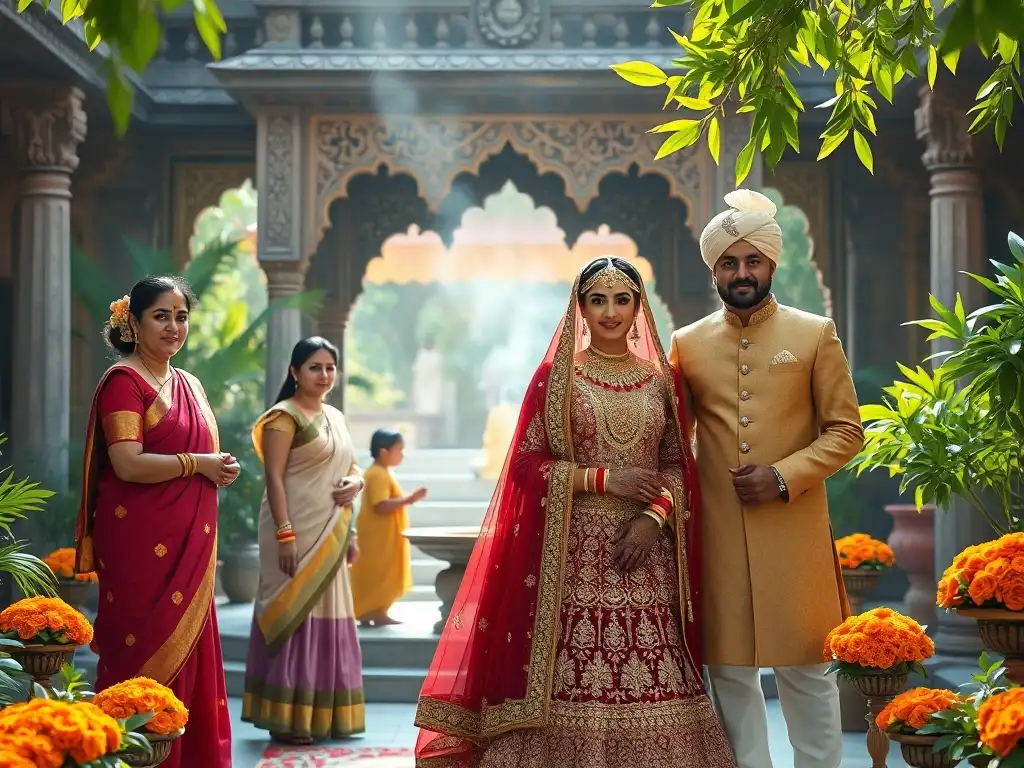
Welcome to Ancient India History, where we embark on a fascinating journey through the rich and diverse tapestry of ancient Indian civilizations. In our latest article, "Unraveling the Rituals of Marriage in Ancient India," we delve into the intricate marriage rituals that not only shaped the lives of individuals but also reflected the profound societal values of the time. Prepare to uncover the traditions and practices that have left an indelible mark on India’s cultural heritage. Join us as we explore the enchanting world of ancient customs that continue to captivate and inspire!
Marriage has always been a cornerstone of social structure in ancient Indian civilizations, intertwining individual lives with broader cultural and religious practices. The rituals surrounding marriage in ancient India are not merely ceremonial; they reflect the values, beliefs, and social norms of the time.
From the sophisticated customs of the Indus Valley Civilization to the elaborate traditions observed during the Gupta Empire, ancient Indian marriage rituals are a fascinating blend of spirituality, family ties, and community involvement. This article delves into the rich tapestry of ancient Indian marriage rituals, exploring their significance, evolution, and the cultural nuances that defined them.
Overview of Ancient Indian Marriage Practices
Ancient Indian marriage practices were deeply rooted in the socio-cultural fabric of the time. They varied significantly across different regions and communities, influenced by local customs, religious beliefs, and societal norms.
- Types of Marriages: Several forms of marriage were practiced, including:
- Brahma Marriage: A sacred union where the bride was given away with respect and honor.
- Asura Marriage: Involving the exchange of money or gifts, often viewed less favorably.
- Gandharva Marriage: A love marriage, celebrated without elaborate rituals.
- Role of the Family: Families played a pivotal role in the marriage process, often negotiating alliances and ensuring that the union adhered to social standards.
Significance of Rituals in Marriage
Rituals in ancient Indian marriages were not just formalities; they held profound significance, symbolizing the union of two souls and their families.
- Religious Importance: Many rituals were tied to religious beliefs, invoking blessings from deities for prosperity and happiness.
- Cultural Identity: The rituals helped to reinforce cultural identity and community bonds, often varying between different regions and communities.
Key Rituals in Ancient Indian Marriages
The marriage ceremony itself was a series of elaborate rituals, each with its own significance. Some of the key rituals included:
- Saptapadi (Seven Steps): The couple would take seven steps together, each step representing a vow to each other.
- Kanyadaan: The father of the bride would give her away, symbolizing a significant transfer of responsibility.
- Mangal Sutra: The groom would tie a sacred thread around the bride's neck, signifying their commitment.
Evolution of Marriage Rituals
As societies evolved, so did their marriage rituals. The influence of various dynasties, invasions, and cultural exchanges led to a rich diversity in practices.
- Influence of Religion: The arrival of different religions brought new customs and practices, impacting traditional rituals.
- Regional Variations: Different regions adapted and modified rituals according to local customs, leading to a unique blend of traditions.
The exploration of ancient Indian marriage rituals provides a window into the values and beliefs that shaped society. Understanding these practices not only enriches our knowledge of ancient India but also highlights the continuity and change in cultural traditions over the centuries.
- Overview of Ancient Indian Marriage Practices
- Significance of Rituals in Marriage
- Key Rituals in Ancient Indian Marriages
- Evolution of Marriage Rituals
- What were some common marriage rituals in ancient India?
- How did caste influence marriage in ancient Indian society?
- What is the significance of the sacred fire in marriage ceremonies?
- Were there any regional variations in marriage rituals across ancient India?
- How did ancient Indian marriage rituals reflect cultural values?
Introduction to Ancient Indian Marriage Rituals
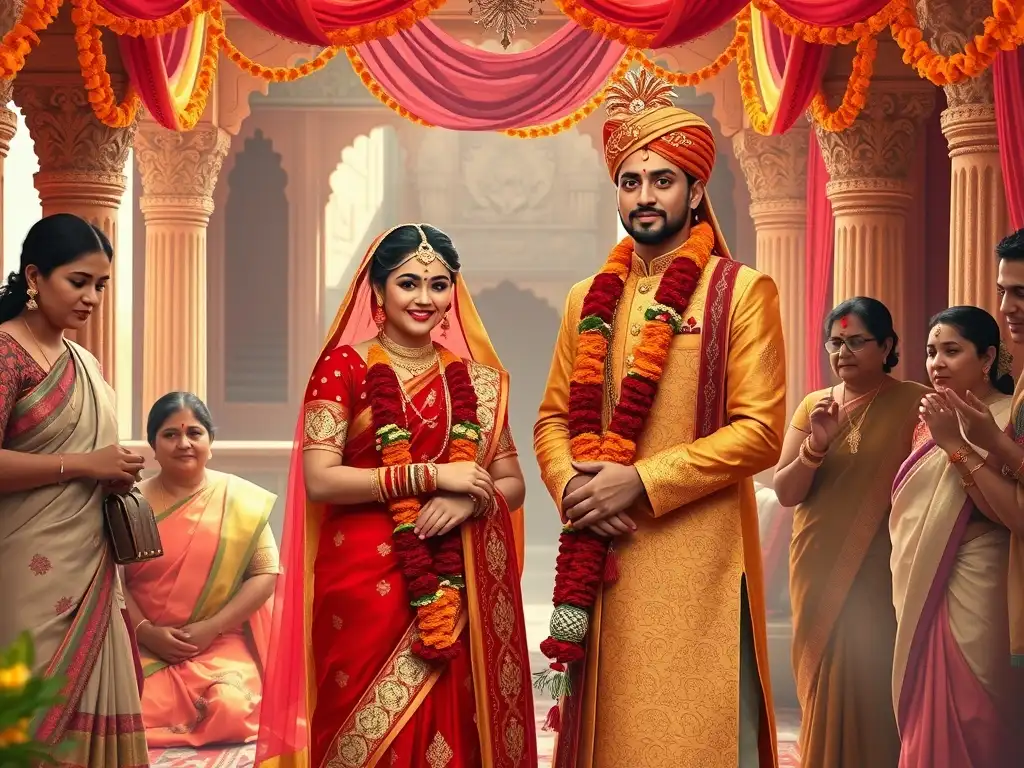
Marriage in ancient India was not merely a personal union but a significant social institution that played a crucial role in the fabric of society. The rituals surrounding ancient Indian marriage were deeply embedded in cultural, religious, and social frameworks, reflecting a rich tapestry of beliefs and traditions that varied across regions and communities. These rituals were characterized by their elaborate ceremonies, symbolic meanings, and adherence to age-old customs, each contributing to the sanctity and importance of marriage in the lives of individuals and families.
Understanding the Significance of Marriage in Ancient Indian Society
Marriage in ancient Indian society held profound significance, serving multiple purposes beyond the personal bond between two individuals. It was viewed as a sacred duty (dharma) that upheld social order and family lineage. Here are some key aspects of its importance:
- Cultural Continuity: Marriage was seen as a means to ensure the continuity of cultural and religious practices. By marrying within specific communities or castes, families preserved their traditions and values.
- Social Alliances: Marriages often facilitated alliances between families, strengthening social ties and enhancing political power. This was particularly evident among royal families, where marriages were strategically arranged to forge alliances and secure peace.
- Economic Stability: Marriages were also linked to economic considerations, as they often involved the transfer of wealth and property. The concept of dowry, prevalent in various forms, played a significant role in these arrangements.
- Reproductive Role: The primary objective of marriage was procreation. Ensuring the continuation of family lineage was crucial, and thus, the rituals often emphasized fertility and the role of women in childbearing.
- Religious Obligations: Marriage rituals were imbued with religious significance, often involving rites and prayers to deities, ensuring divine blessings for the couple's union.
The intricate nature of these rituals highlighted the respect and reverence accorded to marriage, making it a cornerstone of ancient Indian society.
Overview of Ancient Indian Marriage Practices
Ancient Indian marriage practices were diverse and varied greatly across different regions and communities, influenced by local customs, beliefs, and socio-economic conditions. Here’s an overview of some prominent practices:
- Types of Marriages:
- Brahma Marriage: Considered the highest form, this involved the groom giving gifts to the bride's family and was characterized by mutual consent.
- Asura Marriage: This involved the groom purchasing the bride, often seen as less desirable.
- Gandharva Marriage: A form of love marriage where the couple eloped, reflecting personal choice.
- Rakshasa Marriage: Involved abduction, deemed acceptable under certain circumstances.
- Rituals and Ceremonies:
- Kanyadaan: A ritual where the father of the bride gives her away, symbolizing the transfer of responsibility.
- Saptapadi: The seven steps taken by the couple, symbolizing their vows and commitment to each other.
- Mangalsutra: The sacred thread tied around the bride's neck by the groom, signifying marital status.
- Cultural Variations:
- In different regions, such as the South or North of India, marriage practices could include unique rituals, attire, and customs, reflecting local traditions.
- Festivals and auspicious timings (muhurat) played a critical role in determining the date of marriage.
- Symbolism and Beliefs:
- Many rituals were steeped in symbolism, such as the use of fire as a witness to the vows taken, representing purity and the divine.
- Role of the Community:
- Marriages were communal events, often involving extensive participation from family and community members, reflecting collective joy and support.
The exploration of ancient Indian marriage rituals reveals a complex interplay of social, cultural, and religious factors that shaped the institution of marriage in the past. Understanding these practices not only sheds light on historical customs but also enriches our appreciation of the cultural heritage of India.
Historical Context of Marriage in Ancient India
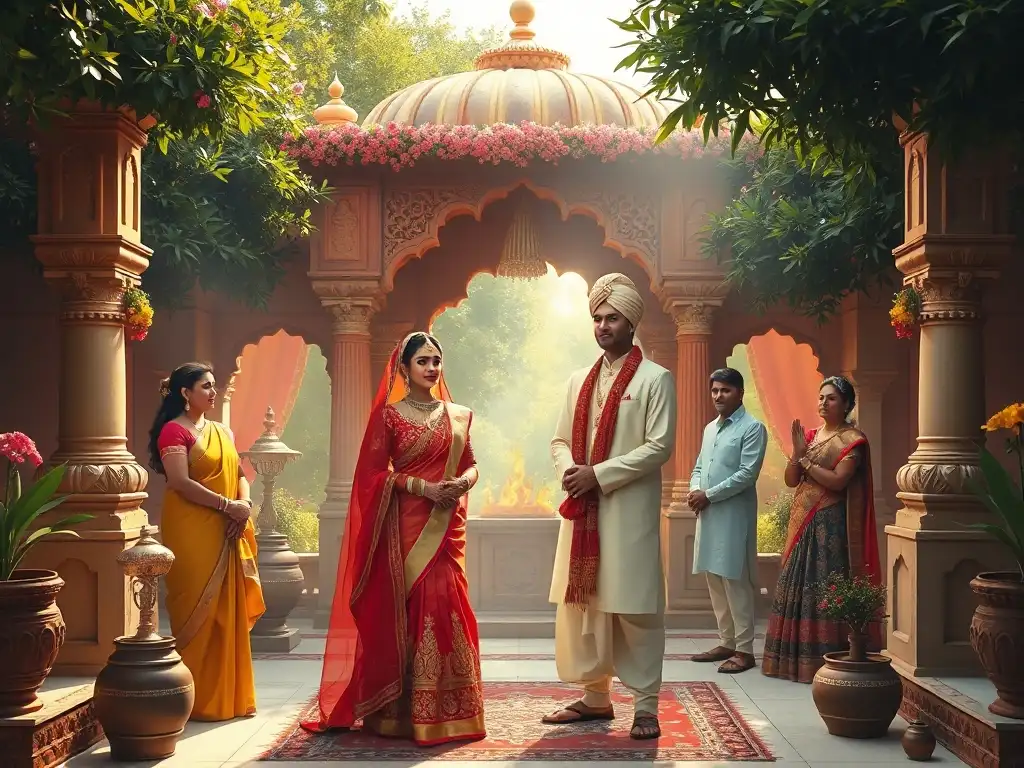
The institution of marriage in ancient India is deeply rooted in its socio-cultural fabric, evolving significantly over millennia. Marriage served not only as a personal union between individuals but also as a critical social contract that reinforced familial alliances, property rights, and community ties. The historical context of marriage reflects the changing dynamics of society, influenced by various civilizations, religious doctrines, and regional traditions.
The Evolution of Marriage Customs from the Indus Valley Civilization
The Indus Valley Civilization (c. 3300–1300 BCE) provides some of the earliest evidence of marriage practices in ancient India. Archaeological findings suggest that the people of this civilization engaged in formalized unions, as indicated by the presence of figurines and seals depicting couples. Marriage during this period likely emphasized community ties and economic stability.
- Social Structure: The matrilineal and patrilineal influences in this civilization are debated, but it is clear that marriage was pivotal in maintaining social order and lineage.
- Ceremonial Aspects: Evidence suggests that rituals might have included offerings to deities, reflecting a connection between marital unions and spiritual beliefs.
- Cultural Significance: The significance of marriage in the Indus Valley extended beyond the couple, encompassing family and community dynamics, which would continue to evolve in subsequent periods.
Marriage Practices in Vedic Period: Traditions and Transformations
The Vedic period (c. 1500–500 BCE) marks a transformative phase in ancient Indian marriage rituals, heavily influenced by the texts of the Vedas, which provided a spiritual and philosophical framework for marriage.
- Types of Marriages: The Vedic texts describe various forms of marriage, including:
- Brahma: A marriage where the bride is given away with respect, reflecting the ideal union.
- Asura: Involving the bridegroom paying a price for the bride, indicating a shift towards commodification.
- Gandharva: A love marriage based on mutual attraction, highlighting personal choice in marriage.
- Rituals and Ceremonies:
- Saptapadi (Seven Steps): The couple takes seven steps together, symbolizing their journey through life as partners.
- Agni Parikrama: Circling the sacred fire, which embodies purity and serves as a witness to the vows exchanged.
- Social Changes: The Vedic period saw the emergence of patriarchal norms, where men often held dominant roles in marriage, impacting women's status within the family structure.
Influence of Religions on Ancient Indian Marriage Rituals
The diverse religious landscape of ancient India significantly shaped marriage rituals, with Hinduism, Buddhism, and later Jainism contributing distinct practices and philosophies.
- Hindu Influences:
- Sacred Texts: The Manusmriti and other texts codified marriage rituals, emphasizing the sanctity of the union and the roles of spouses.
- Cultural Practices: Rituals such as Kanyadaan (giving away the daughter) and Mangalsutra (sacred thread) became integral to Hindu marriages, symbolizing commitment and protection.
- Buddhist Perspectives:
- Marriage as a Social Contract: Buddhism viewed marriage as a practical arrangement rather than a sacramental bond, allowing for flexibility in customs.
- Shared Responsibilities: Emphasis was placed on mutual respect and shared duties, reflecting the egalitarian ethos of Buddhism.
- Jain Contributions: Jain marriage rituals focused on non-violence and purity, influencing customs around wedding ceremonies, including the use of panchkalyanak, which signifies auspicious beginnings.
Ancient Indian marriage rituals underwent a complex evolution shaped by cultural, social, and religious influences, reflecting the rich tapestry of India's historical landscape. The exploration of these rituals offers valuable insights into the values and beliefs that governed daily life in ancient civilizations.
Key Components of Ancient Indian Marriage Rituals
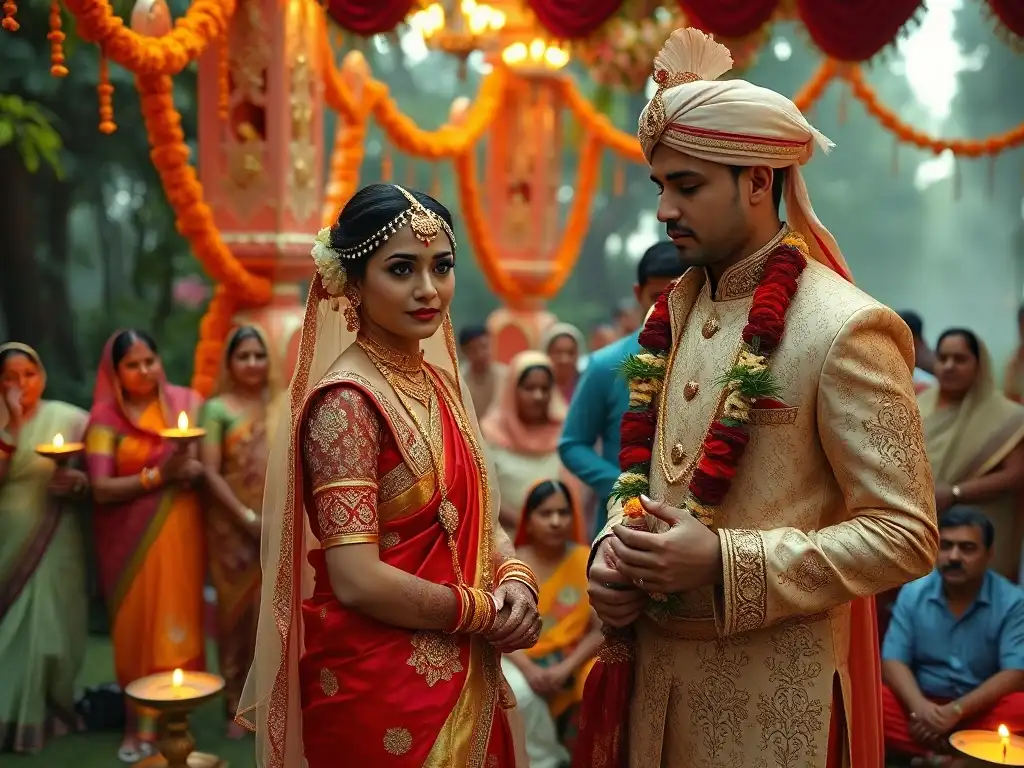
The rituals surrounding marriage in ancient India were deeply rooted in cultural significance and symbolized not just the union of two individuals but the merging of families and communities. These rituals varied across regions and communities, but certain key components remained consistent, reflecting the values and beliefs of the time. Understanding these components provides insight into the social fabric of ancient Indian society.
Pre-Wedding Rituals in Ancient Indian Marriages
Pre-wedding rituals were essential in preparing both the bride and groom for their new roles in married life. These rituals often involved families and communities, emphasizing the collective nature of marriage.
The Role of Engagement and Betrothal Ceremonies
Engagement, or Swayamvara, was a significant event where a bride chose her groom from a group of suitors, symbolizing her agency in marriage. This ceremony was not merely a formality but a cultural event celebrating the families' social standings and alliances.
- Key Elements of Engagement:
- Gifts Exchange: Families exchanged gifts, symbolizing goodwill and the establishment of a relationship.
- Ceremonial Feasts: Lavish feasts were organized, showcasing the family's wealth and hospitality.
- Cultural Significance: The engagement marked the beginning of formal preparations for the marriage, integrating families and communities.
Rituals of Purity and Preparation for the Bride and Groom
As the wedding day approached, various rituals aimed at ensuring purity and readiness of the bride and groom were conducted. These rituals were believed to purify the individuals spiritually and physically.
- Important Rituals:
- Sankalp: A vow taken by both families to ensure the marriage proceeds smoothly.
- Ubtan: A paste of turmeric, sandalwood, and other herbs was applied to the bride and groom's bodies to purify and beautify them.
- Mehendi Ceremony: The application of henna on the bride's hands and feet, which was not only decorative but also considered auspicious.
These rituals fostered a sense of community involvement, with friends and relatives participating actively in the celebrations.
Wedding Ceremony: Central Rituals and Their Meanings
The wedding ceremony itself was a culmination of various rituals that held profound meanings, representing vows, commitments, and the sanctity of marriage.
The Saptapadi: The Seven Steps of Marriage
One of the most important rituals during the wedding ceremony was the Saptapadi, or the seven steps taken by the bride and groom together. Each step represented a promise made to each other, establishing the foundation of their marital life.
- The Seven Steps:
- Dharma (Righteousness): Vow to uphold righteousness and moral values.
- Artha (Wealth): Commitment to pursuing prosperity and welfare.
- Kama (Desire): Promising to fulfill each other's desires and emotional needs.
- Moksha (Liberation): Ensuring spiritual growth and liberation together.
- Strength (Shakti): Supporting each other’s strength and resilience.
- Friendship (Maitri): Building a friendship that forms the core of their relationship.
- Generations (Santana): The promise to nurture their family and future generations.
Each step was accompanied by specific mantras, reinforcing the spiritual significance of the union.
Significance of Agni (Fire) in Marriage Rituals
Agni, or fire, played a central role in ancient Indian marriage rituals, symbolizing purity, energy, and the divine presence. The couple would circumnavigate the sacred fire, invoking its blessings for their union.
- Symbolic Aspects of Fire:
- Witness of the Union: Agni is considered a witness to the vows taken by the couple, signifying the solemnity of their promises.
- Purification: Fire is believed to purify the couple, burning away any negative energies and ensuring a prosperous beginning.
- Auspiciousness: The presence of Agni during the marriage rituals is thought to invite divine blessings and protection for the couple's journey together.
Through these rituals, ancient Indian marriages were not merely contractual agreements but profound spiritual unions, crafted with care and reverence. Each component of the marriage rituals served to strengthen bonds, celebrate love, and ensure the continuity of traditions across generations.
Post-Wedding Rituals and Their Cultural Importance
Post-wedding rituals hold significant cultural importance in ancient Indian marriages, marking the transition of the bride from her natal home to her husband's household. These rituals are not merely formalities; they symbolize the commencement of a new life chapter for the couple and encapsulate the values and beliefs of the society. They often involve a series of ceremonies that reinforce familial bonds, establish the bride's new role, and invoke blessings for the couple's prosperity and happiness.
Traditionally, these rituals are imbued with symbolic meanings. They serve as a means to integrate the bride into her new family while honoring the customs and traditions of both families. The rituals also include elements that ensure the couple is blessed with fertility, health, and harmony in their married life. The participation of family members in these rituals further strengthens social ties and communal harmony, highlighting the collective nature of marriage in ancient Indian society.
Griha Pravesh: The Bride's Entry into the Groom's Home
Griha Pravesh, often considered one of the most auspicious post-wedding rituals, marks the bride's formal entry into her husband's home. This ceremony is steeped in significance, symbolizing the acceptance of the bride by her new family and her integration into her husband's household. Typically, this ritual is conducted on an auspicious day, chosen based on astrological recommendations.
During Griha Pravesh, the bride is usually welcomed with elaborate rituals. She often enters the house by stepping on a small plate filled with rice or wheat, which represents prosperity and abundance. The initial steps taken by the bride are considered to be auspicious for the household. Families frequently adorn the entrance with decorative rangoli designs and invite family members to bless the couple.
The ceremony also includes the lighting of a sacred lamp, which signifies the removal of darkness and the beginning of a new life filled with love and light. The presence of elders and family members during Griha Pravesh emphasizes the importance of familial blessings in ensuring a harmonious and prosperous life for the couple.
The Role of Blessings and Gifts in Post-Wedding Practices
The exchange of blessings and gifts is a vital component of post-wedding rituals in ancient Indian marriages. The importance of blessings cannot be overstated; they serve as a spiritual endorsement from family members and elders, wishing the couple a life filled with happiness, prosperity, and harmony. In many traditions, the couple kneels before their elders to receive blessings, which is seen as a way to establish respect and gratitude towards the family hierarchy.
Gifts exchanged during these rituals often include symbolic items that carry cultural significance. Common gifts may comprise household essentials, jewelry, and clothing, which are intended to help the bride settle into her new home. These gifts not only provide practical support but also serve as tokens of love and acceptance from the groom’s family.
Moreover, the act of giving and receiving gifts reinforces social ties and strengthens the bond between the two families. It is common for these gifts to be accompanied by heartfelt wishes and prayers, further highlighting the community's role in the couple's marital journey. Overall, blessings and gifts in post-wedding practices encapsulate the hopes and aspirations that families hold for the newlyweds as they embark on their shared life together.
Regional Variations in Ancient Indian Marriage Rituals
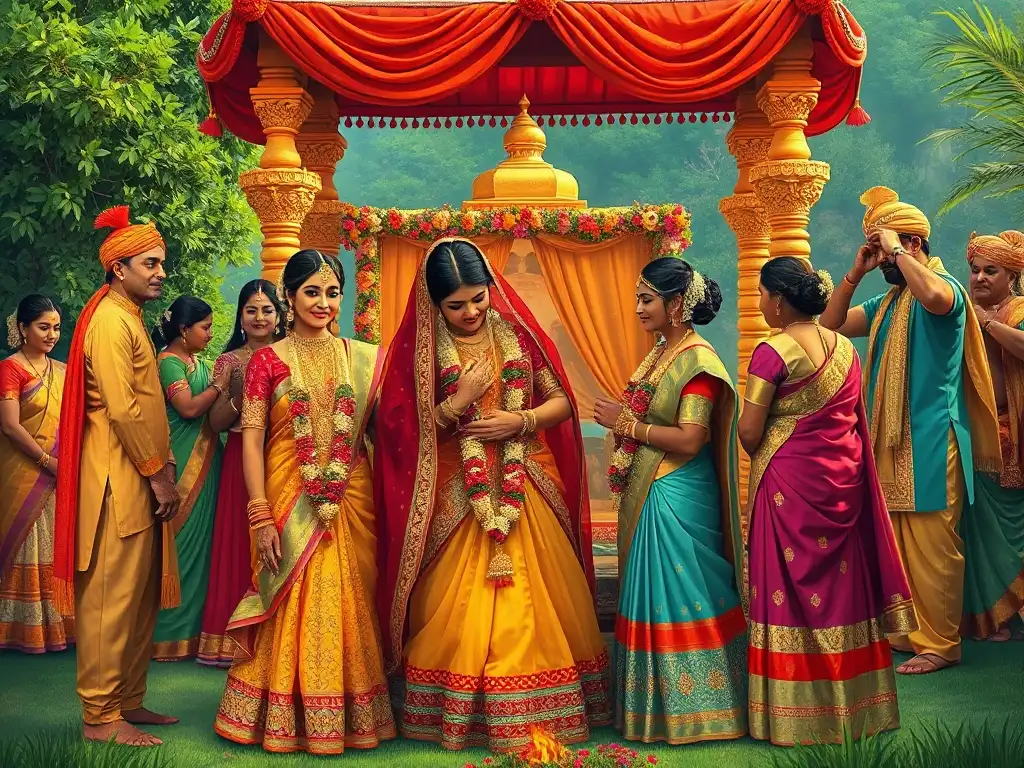
The marriage rituals in ancient India were not monolithic but varied significantly across regions, influenced by local customs, cultural practices, and societal norms. Each region developed its own unique ceremonies, traditions, and rituals, contributing to the rich tapestry of ancient Indian marriage customs. Understanding these regional variations provides a deeper insight into the diverse cultural heritage of India.
North Indian Marriage Customs: A Closer Look
North Indian marriage customs are characterized by elaborate rituals and vibrant celebrations. The ceremonies typically reflect a blend of Hindu traditions, local customs, and influences from various historical periods.
- Pre-Wedding Rituals:
- Roka and Sagai: The engagement ceremony, known as Roka, marks the formal acceptance of the relationship, followed by the Sagai, where rings are exchanged.
- Mehndi Ceremony: This is a festive event where intricate henna designs are applied to the bride's hands and feet, symbolizing joy and auspiciousness.
- Wedding Day Rituals:
- Baraat: The groom arrives at the bride's home in a grand procession, accompanied by family and friends, often riding a horse or in a decorated vehicle.
- Kanyadaan: This ritual involves the bride's father giving her away to the groom, symbolizing the transfer of responsibility and love.
- Post-Wedding Rituals:
- Vidaai: The emotional farewell of the bride from her parental home, signifying her transition to her new life with the groom.
- Grihapravesh: The bride's first entry into her new home, marked by rituals to invoke blessings for a harmonious married life.
South Indian Marriage Traditions: Unique Practices and Rituals
In South India, marriage rituals are distinctly different, often reflecting local languages, customs, and artistic traditions. The ceremonies are usually conducted in a temple or at home, emphasizing spiritual and familial bonds.
- Pre-Wedding Rituals:
- Nischayathartham: The engagement ceremony where families formally agree to the marriage, often accompanied by traditional sweets and gifts.
- Pelli Kuthuru: A ritual where the bride's hair is adorned with flowers and jewels, symbolizing her beauty and readiness for marriage.
- Wedding Day Rituals:
- Mangalya Dharanam: The groom ties the mangalsutra (sacred thread) around the bride's neck, signifying their eternal bond.
- Saptapadi: This involves the couple taking seven steps together, with each step representing a vow they make to each other.
- Post-Wedding Rituals:
- Griha Pravesh: Similar to North Indian customs, this marks the bride's entry into her new home, accompanied by prayers for prosperity.
- Reception: A grand celebration with family and friends, showcasing traditional South Indian cuisine and cultural performances.
Eastern and Western Indian Marriage Rituals: Diversity in Customs
The marriage rituals in Eastern and Western India showcase a fascinating mix of traditions, each with its unique flair and customs that reflect the sociocultural dynamics of the regions.
- Eastern Indian Customs:
- Bengali Weddings: Characterized by the "Bor Jatri," the groom's procession, and the "Shubho Drishti," where the bride and groom first see each other through a veil.
- Saptapadi: Similar to South India, this ritual involves seven vows taken by the couple, symbolizing their commitment to each other.
- Western Indian Traditions:
- Gujarat: The "Mangalya Saptapadi," where the couple takes seven steps together, is prominent, along with the "Garba" dance performed during pre-wedding festivities.
- Maharashtra: Rituals like "Kanyadaan" and "Lagna" (marriage contract) are central, often held in beautiful mandaps adorned with flowers.
- Common Threads:
- Across both regions, rituals often include elaborate feasts, blessings from elders, and celebrations that bring together families and communities, highlighting the importance of collective joy in the marriage process.
The regional variations in ancient Indian marriage rituals reflect the rich cultural diversity of the subcontinent. Each custom, from North to South, and East to West, contributes to an intricate social fabric, showcasing the deep-rooted traditions and values that have shaped ancient Indian society.
Symbolism and Meaning Behind Ancient Indian Marriage Rituals
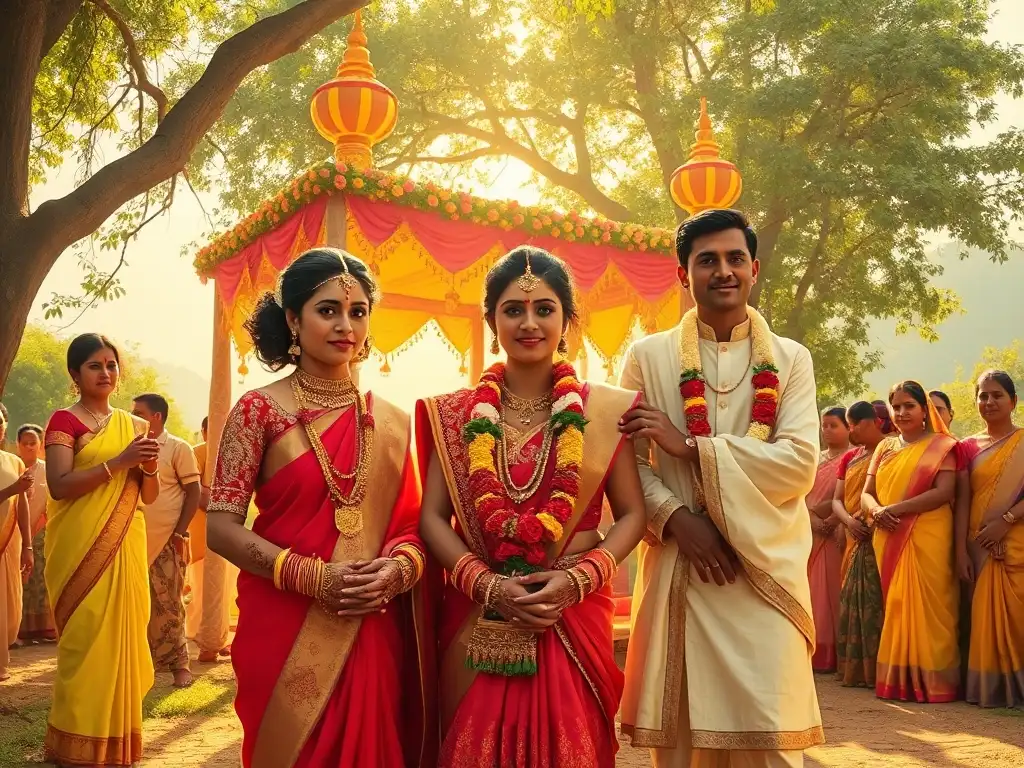
The Symbolic Use of Colors and Decorations in Marriages
In ancient Indian marriage rituals, colors and decorations played a vital role, each carrying its own symbolism and meaning. The use of vibrant hues in wedding ceremonies was not merely for aesthetic appeal; rather, it was deeply rooted in cultural beliefs and traditions.
- Red: Often considered the most auspicious color, red symbolizes prosperity, fertility, and marital bliss. Brides traditionally wore red sarees or lehengas, adorned with intricate embroidery, to signify their transition into married life.
- Yellow: This color represents purity and is associated with the sacred. During the pre-wedding ceremony known as Haldi, turmeric paste, which has a yellow hue, is applied to both the bride and groom to bless them with health and vitality.
- Green: Symbolizing fertility and new beginnings, green decorations are commonly used in wedding venues, often seen in floral arrangements and drapery.
- White: While white is often associated with mourning in Indian culture, it is also used in certain rituals to symbolize purity and the divine. It may appear in the attire of the priests conducting the ceremonies.
Decorative Elements:
- Mangal Sutra: A sacred thread worn by brides, typically black and gold, symbolizes marital status and protection.
- Rangoli: Colorful patterns made with rice flour, colored powders, or flower petals adorn the entrance of the wedding venue, welcoming guests and inviting prosperity.
This thoughtful use of colors and decorations not only enhances the visual appeal of the wedding but also infuses the event with deeper meanings that reflect the couple's aspirations for their married life.
The Role of Music and Dance in Wedding Celebrations
Music and dance hold a significant place in ancient Indian marriage rituals, encapsulating joy, celebration, and cultural heritage. They are integral to various ceremonies, enhancing the festive atmosphere and fostering community participation.
Importance of Music
- Sangeet Ceremony: This pre-wedding event is dedicated to music and dance, bringing together family and friends to celebrate the union. Traditional songs, often filled with playful teasing directed at both the bride and groom, set the tone for a joyous occasion.
- Instrumental Accompaniment: Instruments like the dholak, sitar, and shehnai create a lively ambiance. The shehnai, in particular, is considered auspicious and is often played during the wedding procession.
Dance Traditions
- Bidaai: The emotional farewell of the bride from her parental home is often accompanied by poignant songs. Dance may also play a role here, where the bride's family expresses joy and sorrow through movement.
- Group Dances: Traditional dances like Bhangra and Garba may be performed during the wedding festivities, allowing guests to participate actively. These dances foster a sense of unity and joy among attendees, bridging generational gaps and enhancing communal bonds.
In essence, music and dance not only elevate the celebratory mood of ancient Indian marriages but also serve as a medium for expressing emotions, beliefs, and cultural values. They create lasting memories that resonate through generations, showcasing the rich tapestry of Indian heritage.
The Impact of Ancient Indian Marriage Rituals on Modern Practices
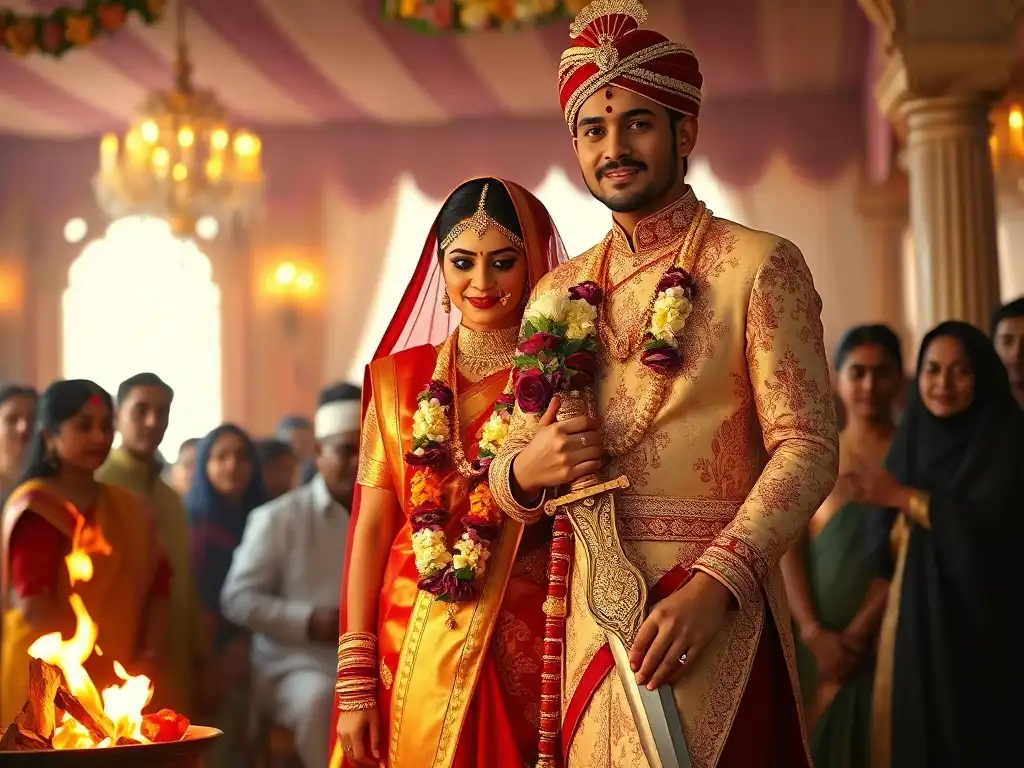
Continuity of Ancient Traditions in Contemporary Indian Weddings
Ancient Indian marriage rituals have a profound and lasting impact on modern wedding practices in India. Many of these traditions continue to be celebrated today, reflecting the rich cultural heritage that has been passed down through generations.
- Saptapadi (Seven Steps): One of the most significant rituals that has endured is the Saptapadi, where the couple takes seven steps together, each representing a vow they make to each other. This ritual symbolizes unity and commitment, and it remains a central part of Hindu weddings today.
- Mangalsutra: The practice of tying the Mangalsutra, a sacred necklace worn by brides, has its roots in ancient marriage customs. This necklace signifies the marital status of a woman and is a symbol of love and protection. The tradition of wearing a Mangalsutra has remained vital in contemporary marriages, showcasing its importance across centuries.
- Kanyadaan: The ritual of Kanyadaan, where the father gives away his daughter to the groom, is deeply rooted in ancient practices. This act symbolizes the father's acceptance and blessing of the union. Today, this practice continues to be a poignant moment in many weddings, illustrating the emotional and cultural significance of familial bonds.
These enduring traditions highlight how ancient Indian marriage rituals have shaped and influenced modern wedding practices, creating a fusion of cultural heritage and contemporary values.
Changes in Marriage Rituals: From Ancient Times to Today
While many ancient marriage rituals have persisted, others have evolved or transformed significantly to adapt to changing social norms and lifestyles. The following changes illustrate this dynamic evolution:
- Simplification of Ceremonies: In ancient times, marriage rituals were often elaborate and extended over several days. However, modern weddings have seen a trend towards simplification. Couples may choose to condense rituals into a single day or opt for fewer ceremonies, reflecting a shift towards practicality and time constraints.
- Inclusion of Personalization: Contemporary couples often personalize their wedding ceremonies, incorporating elements that reflect their individual stories and preferences. This shift towards customization contrasts with the more standardized rituals of ancient times, allowing for greater expression of identity within the framework of traditional practices.
- Interfaith and Intercaste Marriages: The rise of interfaith and intercaste marriages has prompted adaptations in marriage rituals. Couples from different backgrounds may blend traditions or create new rituals that honor both cultures, a departure from the strictly defined practices of ancient Indian marriages that often adhered to caste and community lines.
- Digital Influence: The advent of technology has also transformed wedding planning and execution. Online platforms facilitate everything from finding wedding vendors to virtual ceremonies, a significant shift from the traditional, in-person gatherings of ancient times. This digital transformation reflects broader societal changes while still retaining core elements of ancient rituals.
While the essence of ancient Indian marriage rituals continues to influence modern practices, the landscape of weddings has also changed significantly, showcasing a blend of tradition and contemporary innovation.
Conclusion: The Enduring Legacy of Ancient Indian Marriage Rituals
The marriage rituals of ancient India serve as a profound testament to the intricate tapestry of cultural, social, and spiritual beliefs that have shaped Indian society over millennia. These rituals, which vary significantly across regions and communities, reflect not only the customs and traditions of the time but also the underlying values and philosophies that governed human relationships.
One of the most striking aspects of ancient Indian marriage rituals is their emphasis on the sanctity and permanence of the marital bond. For instance, the Saptapadi or "seven steps" ritual, where the couple takes seven vows while encircling a sacred fire, symbolizes their commitment to one another, reinforcing the notion of marriage as a sacred journey undertaken together. This ritual encapsulates the spiritual dimension of marriage in ancient India, linking it with divine blessings and cosmic harmony.
Moreover, marriage was often viewed as a social contract that extended beyond the couple to encompass families and communities. The elaborate ceremonies, which included various rites such as Kanyadaan (the giving away of the bride) and Mangalsutra tying, were not merely personal unions but also communal celebrations, strengthening social ties and fostering alliances.
The rich diversity in marriage customs across different regions—whether among the Aryans, Dravidians, or tribal communities—exemplifies the pluralistic nature of ancient Indian society. Each tradition carried its unique significance and reflected local beliefs and practices, contributing to a mosaic of customs that still resonate in contemporary Indian culture.
Reflection on the Cultural Importance of Marriage in Ancient India
Marriage in ancient India was far more than a personal relationship; it was a pivotal institution that shaped societal norms and values. The rituals surrounding marriage played a crucial role in the transmission of cultural heritage, reinforcing family structures and community bonds.
- Cultural Transmission:
- Marriage rituals served as a medium for passing down traditions and beliefs from one generation to the next. Through these ceremonies, families conveyed their values, ethics, and social norms, ensuring continuity and stability within the community.
- For example, the practice of Grihapravesh, or the bride's entry into her new home, is steeped in rituals that emphasize the importance of home and family, portraying the bride as a harbinger of prosperity and auspiciousness.
- Social Cohesion:
- The collective participation in marriage ceremonies fostered social cohesion, as communities came together to celebrate significant life events. This communal aspect of marriage reinforced social ties and created a sense of belonging among individuals.
- The sharing of food, music, and dance during marriage festivities allowed for an exchange of cultural expressions, promoting unity and understanding among diverse groups.
- Economic Considerations:
- Ancient Indian marriage rituals also reflected economic considerations, such as dowries and bride prices, which highlighted the socio-economic dynamics of the time. These practices were often interwoven with the value placed on family lineage and social status.
The cultural importance of marriage in ancient India is underscored by the way it intertwined personal, social, and economic dimensions, showcasing the multifaceted nature of this institution throughout history.
Future Research Directions on Ancient Indian Marriage Practices
As we delve deeper into the study of ancient Indian marriage rituals, several avenues for future research emerge, highlighting areas that warrant further exploration:
- Regional Variations:
- Investigating the diverse marriage rituals across different regions of ancient India can provide a more nuanced understanding of how local customs influenced and shaped broader trends. This could include comparative studies between the Indus Valley Civilization and later historical periods, examining how cultural interactions and migrations affected marriage practices.
- Role of Women:
- Exploring the evolving role of women within marriage rituals could yield insights into gender dynamics in ancient Indian society. Understanding how women's agency was expressed through rituals and their participation in cultural practices will illuminate the complexities of gender relations during different historical periods.
- Influence of Religion and Philosophy:
- Examining the impact of various religious and philosophical schools of thought on marriage rituals can reveal how spirituality and ethics shaped societal norms. For instance, the integration of Hindu philosophies, such as Dharma and Karma, into marriage practices reflects the broader cosmological beliefs that influenced personal relationships.
- Contemporary Relevance:
- Investigating how ancient marriage rituals inform contemporary practices can bridge historical insights with modern societal dynamics. This research could explore the resurgence of traditional rituals in today's weddings and their significance in a rapidly changing social landscape.
By pursuing these research directions, scholars can contribute to a richer understanding of ancient Indian marriage rituals, their societal implications, and their lasting legacy in today's cultural practices. The continued exploration of this topic promises to unveil deeper insights into the values and traditions that have shaped human relationships throughout history.
Frequently Asked Questions
What were some common marriage rituals in ancient India?
In ancient India, marriage rituals varied widely but often included saat phere (seven rounds around a sacred fire), kanyadaan (giving away the bride), and various regional ceremonies that honored cultural traditions.
How did caste influence marriage in ancient Indian society?
Caste played a significant role in ancient Indian marriages, often determining eligible partners and enforcing endogamy, where individuals married within their own caste to preserve social status and traditions.
What is the significance of the sacred fire in marriage ceremonies?
The sacred fire, or agni, is considered a witness to the marriage vows and symbolizes the divine presence in ancient Indian marriage ceremonies, making it a central element in many rituals.
Were there any regional variations in marriage rituals across ancient India?
Yes, ancient India's diverse cultures meant that regional variations in marriage rituals were common, with different communities incorporating unique elements tailored to their traditions and beliefs.
How did ancient Indian marriage rituals reflect cultural values?
Ancient Indian marriage rituals often emphasized family ties, social harmony, and the importance of dharma (duty), reflecting the deep-rooted cultural values that governed personal relationships and societal structure.
Final Reflection: The Enduring Legacy of Ancient Indian Marriage Rituals
The exploration of ancient Indian marriage rituals reveals their profound relevance in today's society, as they continue to shape our understanding of love, commitment, and cultural identity. In a world where relationships often seem transient, these rituals remind us of the deep-rooted traditions that bind families and communities together. The intricate ceremonies and symbolic practices not only celebrate the union of two individuals but also honor the values and beliefs that have been passed down through generations.
The influence of these rituals extends far beyond their historical context; they resonate within the fabric of contemporary culture, reminding us of the importance of heritage and continuity. As we navigate the complexities of modern relationships, we can draw inspiration from the wisdom embedded in these ancient practices. Tradition is not the worship of ashes, but the preservation of fire.
This quote encapsulates the essence of how ancient Indian marriage rituals serve as a guiding light, illuminating the path for future generations while honoring the past.
As you reflect on the insights gained from this exploration, consider how you can incorporate the values of commitment, respect, and community into your own relationships. Embrace the lessons of ancient Indian marriage rituals by fostering deeper connections with your loved ones and honoring the traditions that shape your identity. Let these timeless practices inspire you to create meaningful moments that celebrate love and unity in your life, ensuring that the legacy of these rituals continues to thrive in an ever-evolving world.
Embrace the Wisdom of Ancient Marriages Today!
Thank you for exploring the fascinating rituals of marriage in ancient India! By delving into these rich traditions, you've uncovered valuable insights into culture, beliefs, and the significance of companionship that resonate even today. Now, let’s take these lessons further and enhance your journey.
Here are some actionable steps you can take right now:
- Join a local cultural event or workshop to experience traditional Indian marriage customs firsthand.
- Share your thoughts about ancient rituals on your social media—start a conversation with your friends and family.
- Explore further by reading books or attending lectures about ancient Indian history and lifestyles to deepen your understanding.
Which aspect of ancient Indian marriage traditions resonates with you the most, and in what ways do you believe these rituals can positively influence modern relationships?