
The Future of Indian Artifacts: Trends Driving Their Global Market Value

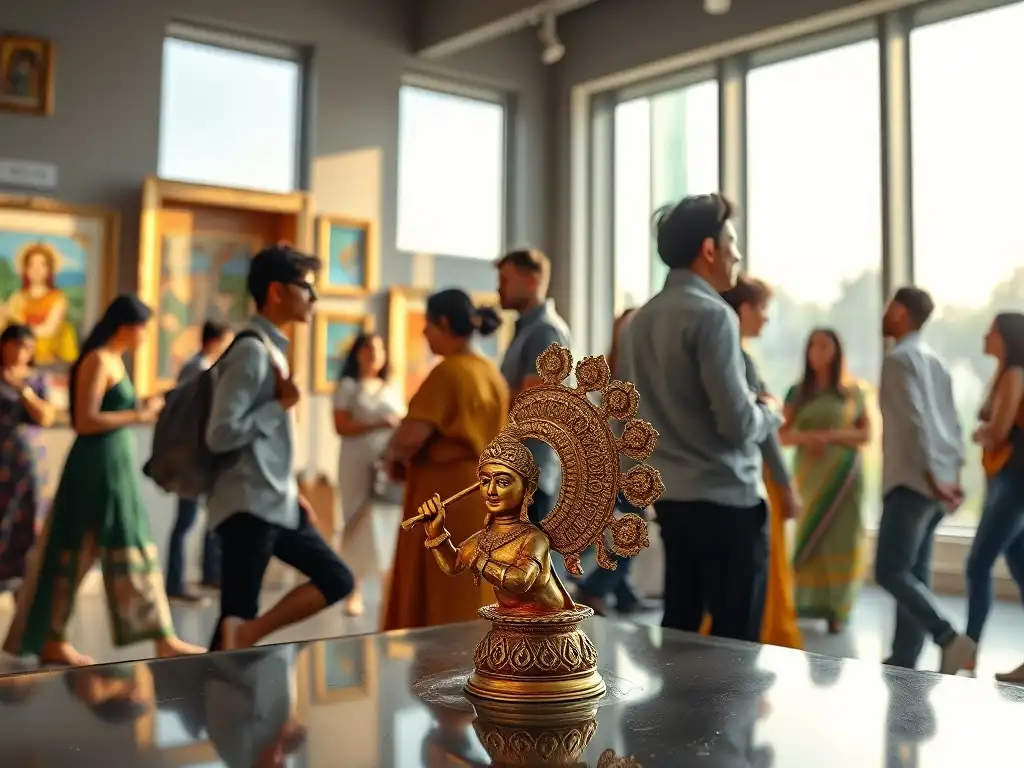
Welcome to Ancient India History, where we embark on a fascinating journey through time to uncover the rich tapestry of ancient Indian civilizations. From the ingenuity of the Indus Valley to the brilliance of the Gupta Empire, our exploration reveals not just the past but its enduring impact on the present. In our featured article, "The Future of Indian Artifacts: Trends Driving Their Global Market Value," we delve into the intriguing dynamics of Indian artifacts in the global market, uncovering the trends that are shaping their value and significance today.
Join us as we unveil the stories behind these remarkable treasures and discover how they continue to influence modern investment strategies. Your adventure into the depths of history begins now!
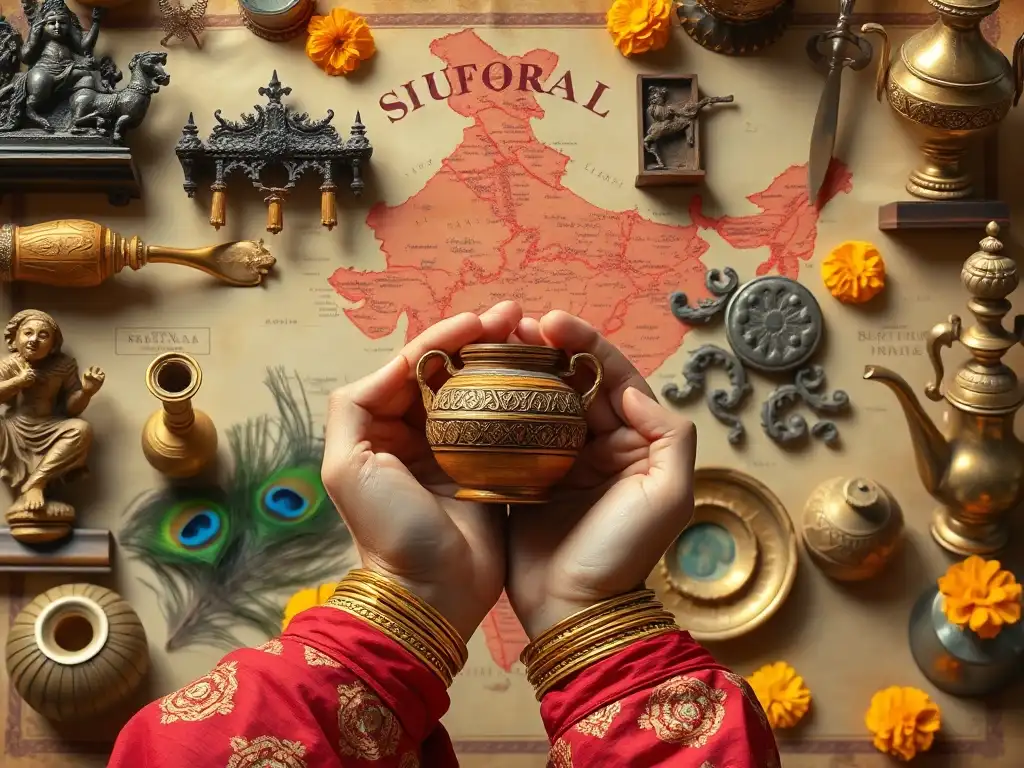
Introduction to Indian Artifacts Global Market Trends
The global market for Indian artifacts is experiencing a significant transformation, driven by a blend of cultural appreciation, investment potential, and increasing international interest. As collectors and investors seek to diversify their portfolios, Indian artifacts, which encompass a rich tapestry of historical, artistic, and cultural significance, have become a focal point in the art and antiques market. This article delves into the driving forces behind the rising value of Indian artifacts, analyzing the trends that shape their global market dynamics.
In recent years, there has been a growing recognition of the importance of preserving and investing in cultural heritage. As a result, Indian artifacts are not just seen as collectibles but as valuable assets that can yield substantial returns over time.
With advancements in technology and the rise of online platforms, access to these treasures has expanded, allowing a wider audience to engage with and appreciate the rich legacy of ancient India. From intricately carved sculptures to exquisite textiles and pottery, the demand for authentic artifacts is soaring, reflecting a broader trend of valuing cultural history in an increasingly globalized world.
Historical Context of Indian Artifacts
Indian artifacts hold a prominent place in the narrative of global art history, showcasing the diverse civilizations that flourished on the subcontinent. The journey of these artifacts begins with the Indus Valley Civilization, one of the world's earliest urban cultures, known for its advanced craftsmanship and trade networks. Artifacts from this era, such as terracotta figurines and seals, provide insight into the daily lives, beliefs, and artistic expressions of its people.
As we move through history, the impact of various dynasties, including the Maurya, Gupta, and Mughal empires, becomes apparent in the evolution of Indian art forms. Each period contributed unique styles and techniques, resulting in a rich amalgamation of artistic expressions. For instance, the intricate stone carvings of the Gupta period are renowned for their detailed representation of human figures and divine beings, while Mughal art exhibits a fusion of Persian and Indian aesthetics, characterized by vibrant colors and elaborate patterns.
The historical significance of these artifacts extends beyond mere aesthetics; they serve as tangible links to the past, telling stories of cultural exchanges, trade routes, and the evolution of societal norms. As such, understanding the historical context of Indian artifacts is crucial for appreciating their value in today's global market. The confluence of history, culture, and artistic merit continues to drive interest and investment in these remarkable pieces, shaping the future landscape of the Indian artifacts market.
Current Trends in the Indian Artifacts Global Market
The global market for Indian artifacts is experiencing significant growth, driven by a confluence of cultural appreciation, investment potential, and the rise of digital commerce. As collectors and investors seek unique items that embody historical significance, the demand for Indian artifacts continues to soar. Emerging trends highlight a shift towards online marketplaces, increased awareness of cultural heritage, and a focus on sustainability, all of which contribute to the evolving landscape of this niche market.
Growing Demand for Authentic Indian Artifacts
In recent years, there has been a noticeable surge in the demand for authentic Indian artifacts. Collectors and enthusiasts are increasingly prioritizing genuine pieces that reflect the rich tapestry of India's history. This growing preference is fueled by a desire for unique items that are steeped in cultural significance, offering not just aesthetic value but also a narrative that connects buyers to ancient civilizations.
The rise of global awareness about India's diverse heritage has also led to an increase in interest from international collectors. Authentic artifacts from ancient civilizations, such as the Indus Valley and Gupta Empire, are now seen as valuable investments. Auctions and specialized galleries are witnessing record sales, indicating that the market for genuine Indian artifacts is thriving.
The Role of Digital Platforms in Market Expansion
Digital platforms have revolutionized the way Indian artifacts are bought and sold, making the market more accessible to a global audience. Online marketplaces, social media, and e-commerce websites are playing a pivotal role in expanding the reach of Indian artifacts beyond traditional boundaries.
These platforms allow sellers to showcase their collections to a wider audience, while buyers can explore a vast array of items from the comfort of their homes. The convenience of online shopping, coupled with detailed descriptions and high-quality images, enhances buyer confidence and encourages purchases. Furthermore, digital platforms often provide authentication services, adding an extra layer of trust for potential buyers.
Influence of Cultural Heritage Tourism on Market Value
Cultural heritage tourism is another significant factor driving the market value of Indian artifacts. As more tourists visit India to explore its rich history and cultural legacy, there is a corresponding increase in interest in purchasing artifacts as mementos of their experiences. This trend not only elevates the perceived value of authentic artifacts but also fosters a deeper appreciation for India’s artistic heritage.
Moreover, local artisans and craftsmen are increasingly benefiting from this influx of tourism, as demand for handmade and traditional artifacts rises. This dynamic helps sustain traditional crafts while ensuring that visitors leave with genuine pieces that reflect the culture and history of the regions they visit.
Key Factors Influencing the Market Value of Indian Artifacts
The market value of Indian artifacts is influenced by several key factors that potential buyers and investors should consider. Understanding these factors can provide insights into the pricing dynamics of this unique market.
Rarity and Authenticity
Rarity and authenticity are paramount when it comes to determining the market value of Indian artifacts. Unique pieces that are verified to be authentic often command higher prices due to their scarcity and historical significance. Collectors are particularly drawn to items that are one-of-a-kind or from limited production runs, as these artifacts are seen as not only valuable investments but also as treasures of cultural heritage.
Authentication processes, including provenance documentation and expert appraisals, are critical in establishing the legitimacy of artifacts. As the market matures, buyers are increasingly relying on certified appraisals to ensure they are investing in genuine pieces, further elevating the importance of verification in the market.
Economic Factors Impacting the Market
Economic factors play a crucial role in influencing the market for Indian artifacts. Global economic trends, such as fluctuations in disposable income, investor confidence, and overall economic growth, can significantly affect buyers' willingness to invest in high-value items.
In times of economic prosperity, collectors may be more inclined to spend on luxury items, including artifacts. Conversely, during economic downturns, the market may experience a contraction as potential buyers prioritize essential expenditures over discretionary purchases. Additionally, currency exchange rates can impact international buyers, affecting their purchasing power and thereby influencing demand for Indian artifacts.
The future of the Indian artifacts market appears promising, with growing demand, digital innovations, and cultural tourism shaping its trajectory. By understanding the key factors that influence market value, investors and collectors can navigate this vibrant and evolving landscape effectively.
Future Projections for the Indian Artifacts Global Market
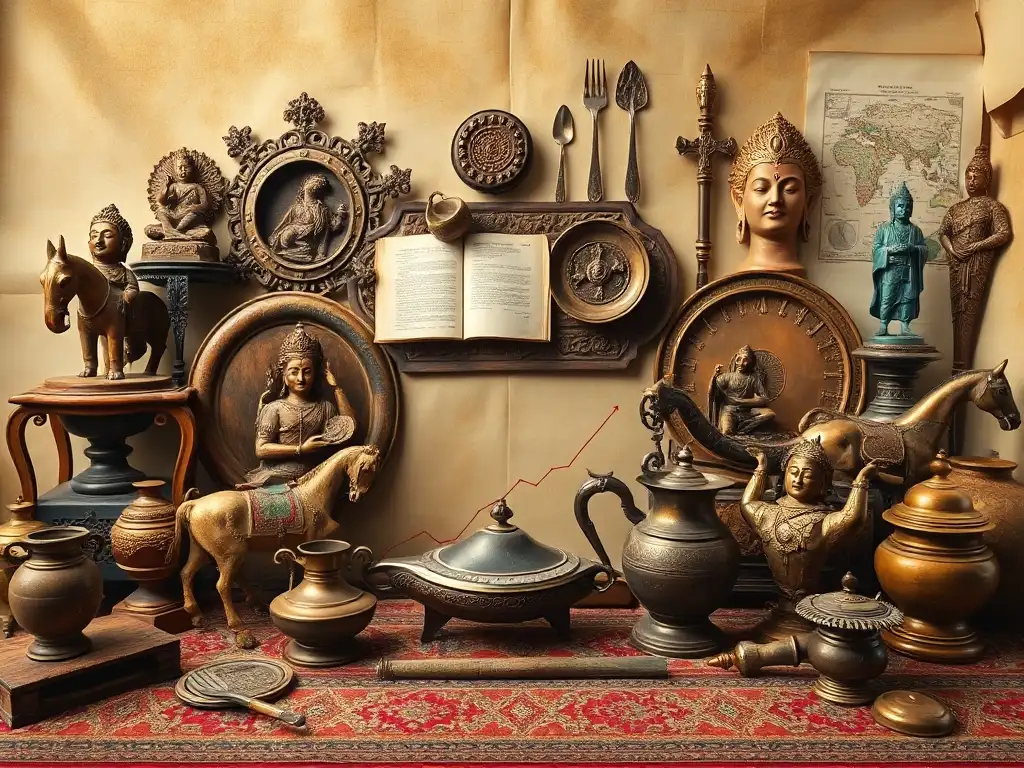
The global market for Indian artifacts is poised for significant growth in the coming years, driven by various factors such as increasing global interest in cultural heritage, advancements in technology, and the rising purchasing power of collectors and investors. Projections indicate that the market could experience a compound annual growth rate (CAGR) of approximately 8-10% over the next five years. This growth is expected to be particularly pronounced in regions such as North America, Europe, and parts of Asia, where cultural appreciation and investment in art are becoming more prominent.
Additionally, the digitization of artifacts and the rise of e-commerce platforms are facilitating greater access to Indian artifacts for international buyers. This trend is likely to enhance market liquidity and broaden the buyer base, encouraging both seasoned collectors and new investors to participate actively. As a result, the valuation of rare and significant Indian artifacts is expected to rise, leading to a more dynamic and competitive marketplace.
Emerging Markets and Their Role
Emerging markets are becoming increasingly vital in the global landscape of Indian artifacts. Countries like China, Brazil, and India itself are witnessing a surge in demand for cultural artifacts as their middle class expands and interest in heritage and art grows. In particular, Chinese collectors have shown a keen interest in Indian artifacts, viewing them as not only pieces of art but also as investments that can appreciate over time.
Moreover, the rise of online auctions and virtual galleries has made it easier for collectors in these emerging markets to access Indian artifacts. This has led to a diversification of buyers, creating opportunities for sellers and investors to tap into new demographics. The increasing globalization of the art market means that Indian artifacts are not only viewed through a local lens but also appreciated on an international scale, enhancing their market value.
Innovations in Artifact Restoration and Conservation
Innovations in restoration and conservation techniques are playing a crucial role in the future of the Indian artifacts market. New materials and methods are being developed that allow for more effective restoration of ancient pieces, ensuring their longevity and appeal to buyers. For instance, advancements in non-invasive imaging technologies enable conservators to analyze and restore artifacts without causing damage.
These innovations not only enhance the physical condition of artifacts but also their market value. Well-preserved pieces often command higher prices, especially as collectors become more discerning about the provenance and condition of artifacts. Furthermore, increased awareness around ethical restoration practices is fostering trust among buyers, thus driving demand for artifacts that have been restored using responsible methods.
Investment Opportunities in Indian Artifacts
The investment landscape for Indian artifacts is evolving rapidly, presenting numerous opportunities for collectors and investors alike. As the market for Indian artifacts expands, several factors contribute to their investment viability. First, the uniqueness and historical significance of many Indian artifacts can lead to substantial appreciation in value over time. Rare pieces, especially those with well-documented provenance, are increasingly sought after by collectors.
Additionally, the growing trend of art as an alternative investment class is making Indian artifacts an attractive option for diversifying investment portfolios. Investors looking for assets that can weather economic fluctuations may find Indian artifacts appealing due to their tangible nature and cultural significance. As the global demand for such investments rises, the market for Indian artifacts is likely to flourish.
Best Practices for Investing in Indian Artifacts
Investing in Indian artifacts requires a strategic approach to ensure potential returns and mitigate risks. Here are some best practices for prospective investors:
- Research and Knowledge: Gain a comprehensive understanding of Indian art history, specific types of artifacts, and their market trends. Knowledge about the provenance and significance of an artifact can greatly influence its value.
- Authenticity Verification: Always verify the authenticity of artifacts through reputable dealers or expert appraisers. Fakes and reproductions can significantly affect investment returns.
- Condition Assessment: Pay attention to the physical condition of artifacts. Well-preserved items are generally more valuable and desirable among collectors.
- Diversification: Consider diversifying your collection to include a range of artifacts from different periods and styles. This can help mitigate risks and enhance potential returns.
- Documentation: Maintain detailed records of your purchases, including provenance, appraisals, and restoration history, as this information can enhance the value of your collection.
Top Indian Artifacts to Consider for Investment in 2024
As the market continues to evolve, several categories of Indian artifacts are emerging as particularly promising for investment in 2024:
- Indus Valley Seals: These ancient seals are not only historically significant but also rare, making them highly sought after.
- Miniature Paintings: With their intricate detail and rich cultural heritage, miniature paintings from various Indian schools are gaining popularity among collectors.
- Bronze Statues: Traditional bronze statues, especially from South India, are appreciated for their craftsmanship and spiritual significance.
- Terracotta Figurines: These artifacts, often from the Harappan civilization, are increasingly recognized for their artistic value and historical relevance.
- Traditional Textiles: Handwoven textiles, particularly those with rich histories such as Banarasi silk or Pashmina shawls, are becoming attractive investment options.
Investors should keep an eye on these categories as they navigate the exciting landscape of Indian artifacts in the coming year.
Conclusion: Preparing for the Future of Indian Artifacts
The global market for Indian artifacts is undergoing significant transformations driven by evolving consumer preferences, technological advancements, and a growing appreciation for cultural heritage. As collectors, investors, and enthusiasts increasingly seek authentic and unique pieces, the demand for Indian artifacts is expected to surge. This trend underscores the importance of understanding market dynamics, including the provenance of items, authenticity, and the cultural narratives they embody.
Moreover, the rise of digital platforms has revolutionized how artifacts are marketed and sold. Online auctions and virtual galleries provide unprecedented access to a global audience, making it easier for buyers to discover and acquire Indian artifacts from the comfort of their homes. This digital shift not only enhances visibility but also empowers artists and artisans from India to showcase their work on international stages, thus increasing the market value of their creations.
As we look to the future, it is essential for stakeholders in the Indian artifacts market—be they collectors, investors, or cultural organizations—to stay informed about these trends. Engaging with technological innovations and adapting to changing consumer behaviors will be crucial in maximizing the value of Indian artifacts. Furthermore, fostering collaborations between local artisans and global platforms can create sustainable pathways for the preservation and appreciation of India's rich cultural heritage.
Call to Action
As the global market for Indian artifacts continues to evolve, there has never been a better time to engage with this vibrant field. Whether you are a seasoned collector, an investor looking to diversify your portfolio, or simply someone interested in learning more about India's rich cultural legacy, your involvement can help shape the future of Indian artifacts.
- Explore: Dive into the world of Indian artifacts by visiting exhibitions, attending auctions, and exploring online marketplaces.
- Connect: Build relationships with artists, collectors, and cultural organizations to gain insights and support the preservation of traditional crafts.
- Invest: Consider investing in genuine artifacts that not only hold financial value but also serve as a testament to India's historical richness and diversity.
- Educate: Share your knowledge and passion with others—whether through social media, community events, or discussions—to foster a greater appreciation for Indian art and culture.
Join us in celebrating and investing in the future of Indian artifacts! Together, we can ensure that these treasures continue to inspire and connect generations to come.
- Introduction to Indian Artifacts Global Market Trends
- Historical Context of Indian Artifacts
- Current Trends in the Indian Artifacts Global Market
- Key Factors Influencing the Market Value of Indian Artifacts
- Future Projections for the Indian Artifacts Global Market
- Investment Opportunities in Indian Artifacts
- Conclusion: Preparing for the Future of Indian Artifacts
- Call to Action
Frequently Asked Questions
What are Indian artifacts?
Indian artifacts are historical objects created by ancient Indian civilizations, showcasing their cultural heritage and artistic achievements.
How have Indian artifacts influenced global market trends?
The global market for Indian artifacts has seen a rise due to increasing interest in cultural heritage, driving demand and value across various platforms.
What factors are driving the value of Indian artifacts?
Key factors include cultural significance, historical relevance, and the aesthetic appeal of artifacts, which enhance their market value internationally.
Are there any specific examples of Indian artifacts in high demand?
Yes, items such as Indus Valley seals and Mughal miniatures are highly sought after, reflecting the rich history and artistic diversity of ancient India.
How can collectors stay informed about market trends for Indian artifacts?
Collectors can stay updated by following art market reports, attending auctions, and engaging with online communities focused on Indian artifacts.
Final Reflection: The Global Significance of Indian Artifacts
The exploration of Indian artifacts and their global market trends underscores the profound connection between culture and commerce in today's world. As we witness the rising appreciation for these artifacts, it becomes clear that they are not merely objects of aesthetic value but also vessels of history, identity, and tradition. The increasing demand for Indian artifacts in the global market reflects a broader trend of cultural exchange and appreciation, highlighting the importance of preserving and promoting these treasures for future generations.
The influence of Indian artifacts extends far beyond their monetary value; they serve as a bridge between cultures, fostering understanding and respect. As collectors and enthusiasts seek to acquire these pieces, they inadvertently become ambassadors of Indian heritage, sharing stories and traditions that resonate across borders. Art is the most beautiful of all lies.
This sentiment captures the essence of how artifacts can convey deeper truths about our shared humanity, transcending geographical and cultural divides.
As you reflect on the insights presented in this article, consider how you can contribute to the appreciation and preservation of Indian artifacts in your own life. Engage with local galleries, support artisans, and educate others about the significance of these cultural treasures.
By doing so, you not only enrich your own understanding but also play a vital role in ensuring that the legacy of Indian artifacts continues to thrive in the global marketplace. Embrace the opportunity to be part of this vibrant narrative, and let your actions inspire others to recognize the value of cultural heritage in our interconnected world.
Unlock the Future of Indian Artifacts Today!
Thank you for diving into the fascinating world of Indian artifacts! You’ve uncovered how trends are shaping their global market value, and now it’s time to take your passion to the next level. By understanding these dynamics, you can play a part in preserving and promoting this vibrant heritage.
Here’s how you can make an impact:
- Explore Local Exhibitions: Visit nearby museums or galleries that showcase Indian artifacts. Experience their beauty firsthand and engage with curators to deepen your knowledge.
- Join Online Communities: Connect with fellow enthusiasts on social media or dedicated forums focused on Indian culture and artifacts. Share your insights and expand your understanding.
- Support Artisans: Consider purchasing handmade items from local artisans or organizations that are committed to preserving traditional crafts. Your support can empower communities and help keep these invaluable arts alive.
What aspect of Indian artifacts intrigues you the most, and how do you plan to contribute to their preservation? We would love to hear your thoughts!