
The Ramayana as an Oral Tradition: Passed Down Through Generations

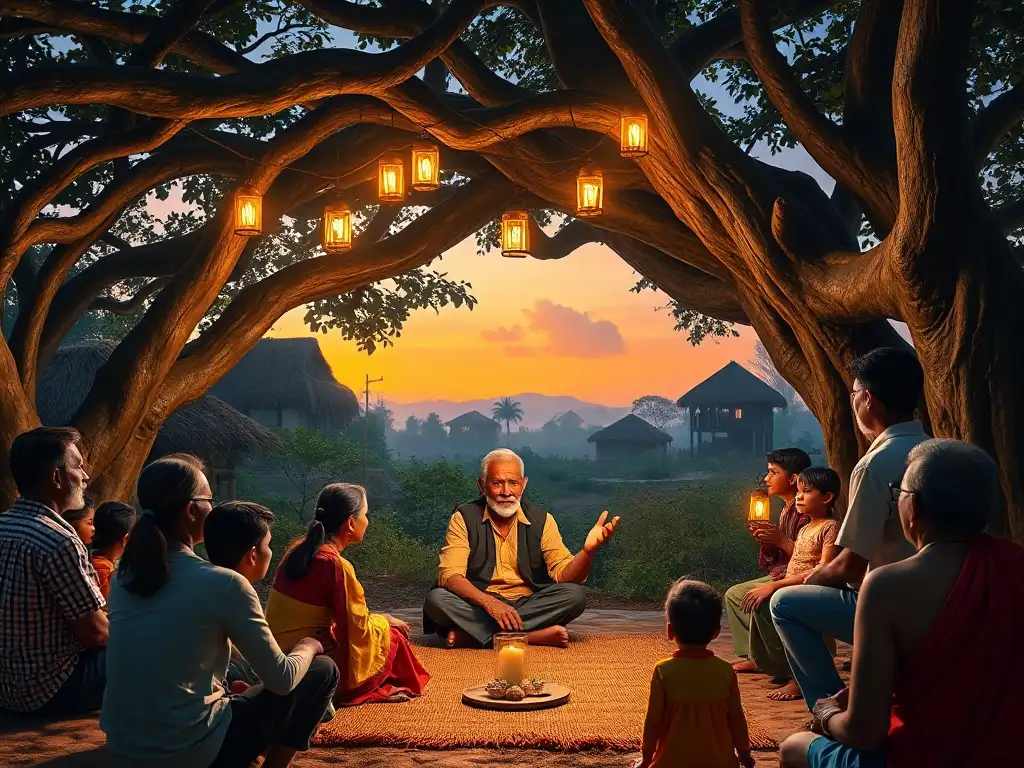
Welcome to Ancient India History, where we embark on a fascinating journey through time to uncover the rich tapestry of ancient Indian civilizations. From the enigmatic Indus Valley to the illustrious Gupta Empire, this is a realm where culture, art, and wisdom thrive. In our featured article, we delve into the intriguing history of the Ramayana as an oral tradition, exploring how this epic tale has been lovingly passed down through generations.
Prepare to be captivated as we unveil the layers of storytelling that have shaped not only a culture but also the very essence of human connection. Join us as we explore the past and discover the enduring legacy of this monumental work!
Introduction to the Ramayana Oral Tradition History
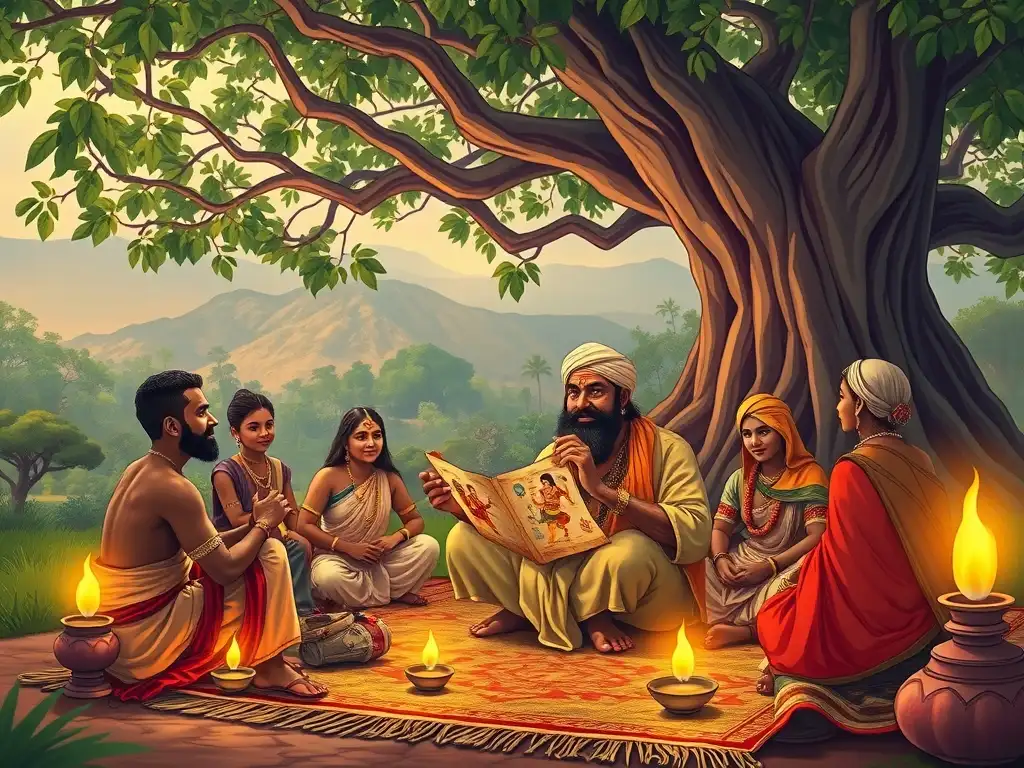
The Ramayana, one of the two great epics of ancient Indian literature, serves not only as a narrative of divine adventures but also as a testament to the rich oral traditions that have shaped its transmission through generations. Spanning millennia, the Ramayana encapsulates the values, beliefs, and cultural practices of various ancient Indian civilizations, illustrating the deep-rooted influences that continue to resonate in contemporary society.
As an oral tradition, it was initially conveyed through spoken word, allowing communities to engage with its themes of duty, righteousness, and devotion, making it an integral part of their cultural identity. This article delves into the intricate history of the Ramayana as an oral tradition, exploring its origins, historical context, and the crucial role that oral storytelling played in preserving its legacy.
The Historical Context of the Ramayana
Understanding the historical context of the Ramayana is essential to appreciate its significance as an oral tradition. The epic, attributed to the sage Valmiki, is believed to have been composed during a time when oral storytelling was the primary means of knowledge transmission. The Ramayana encompasses various elements of ancient Indian society, including its social hierarchies, religious beliefs, and moral values, reflecting the complexities of the times.
Origins of the Ramayana
The origins of the Ramayana can be traced back to the Treta Yuga, a mythological age in Hindu cosmology. As the story unfolds, it narrates the life of Lord Rama, his wife Sita, and his loyal companion Hanuman, highlighting the eternal struggle between good and evil. The epic's creation is often linked to the oral traditions of the Aryan tribes, who shared their experiences, legends, and moral lessons through storytelling. This form of cultural expression not only entertained but also served educational and spiritual purposes, ensuring that important narratives were passed down through generations.
The Role of Oral Tradition in Ancient India
Oral tradition played a pivotal role in ancient Indian society, functioning as the backbone of cultural preservation and knowledge dissemination. Storytelling was not merely a pastime; it was a communal activity that fostered social bonds and reinforced collective identities. The Ramayana, with its multifaceted characters and moral dilemmas, provided a framework for understanding ethical conduct and societal responsibilities.
- Key Functions of Oral Tradition:
- Cultural Preservation: Maintaining historical narratives and cultural practices.
- Moral Instruction: Imparting lessons on virtue, duty, and justice.
- Community Engagement: Strengthening ties among community members through shared stories.
In essence, the oral tradition of the Ramayana has been instrumental in shaping the cultural landscape of ancient India, ensuring that its teachings continue to inspire and guide future generations.
Key Elements of the Ramayana Oral Tradition
The Ramayana, one of the two major Sanskrit epics of ancient Indian literature, has been preserved and transmitted through generations primarily as an oral tradition. This method of storytelling is characterized by several key elements that contribute to its enduring legacy:
- Narrative Style: The oral tradition of the Ramayana often employs a captivating narrative style that engages listeners. Storytellers utilize rhythmic patterns, repetition, and alliteration, making the verses memorable and easier to recite. This technique helps to reinforce the central themes and moral lessons embedded within the epic.
- Performance Context: Oral recitation of the Ramayana typically occurs in communal settings, such as festivals, religious gatherings, and family celebrations. This context fosters a shared cultural experience, allowing the community to connect deeply with the stories and their meanings.
- Adaptability: The oral tradition allows for flexibility in how stories are told. Storytellers adapt the narrative according to the audience, locale, and contemporary issues, ensuring that the Ramayana remains relevant across different eras and cultures.
- Moral Instruction: Central to the oral retellings of the Ramayana are the moral and ethical lessons conveyed through the characters' actions and decisions. These teachings often reflect the values and beliefs of the society in which the tales are recounted, emphasizing principles such as dharma (duty), loyalty, and righteousness.
Storytelling Techniques in the Ramayana
The storytelling techniques used in the oral tradition of the Ramayana are diverse and sophisticated, enhancing the epic's emotional and moral resonance. Some prominent techniques include:
- Call and Response: This interactive technique involves the audience responding to the storyteller's prompts, fostering engagement and participation. It reinforces key themes and allows for community involvement in the narrative.
- Use of Music and Dance: Many oral performances incorporate music and dance, enriching the storytelling experience. These elements can convey emotions and enhance the dramatic impact of the narrative, making it more memorable.
- Symbolism and Allegory: Storytellers often utilize symbols and allegorical elements to convey deeper meanings. For example, the journey of Rama can symbolize the quest for virtue and righteousness, serving as a model for ethical living.
- Characterization: Vivid descriptions and characterization are employed to bring the characters to life. The larger-than-life qualities of figures like Rama, Sita, and Hanuman make them relatable and inspirational, allowing audiences to connect with their virtues and struggles.
Characters and Themes Passed Down Through Oral Tradition
The characters and themes of the Ramayana are integral to its oral tradition, as they embody the values and ideals of ancient Indian culture. Prominent characters include:
- Rama: The ideal hero, representing dharma and virtue. His unwavering commitment to righteousness makes him a model for ethical behavior.
- Sita: The epitome of devotion and purity, Sita's trials and tribulations highlight themes of sacrifice and resilience.
- Hanuman: As the devoted ally of Rama, Hanuman symbolizes loyalty and courage. His character serves as a reminder of the power of devotion and faith.
Key themes that have been preserved through oral tradition include:
- The Struggle Between Good and Evil: The ongoing battle between Rama and the demon king Ravana illustrates the moral imperative to combat injustice.
- Duty and Honor: The concept of dharma, or duty, is central to the characters' motivations and choices, reflecting the cultural importance of fulfilling one's responsibilities.
- Love and Sacrifice: The relationships depicted in the Ramayana, particularly between Rama and Sita, emphasize the importance of love, commitment, and personal sacrifice in the face of adversity.
Regional Variations of the Ramayana Oral Tradition
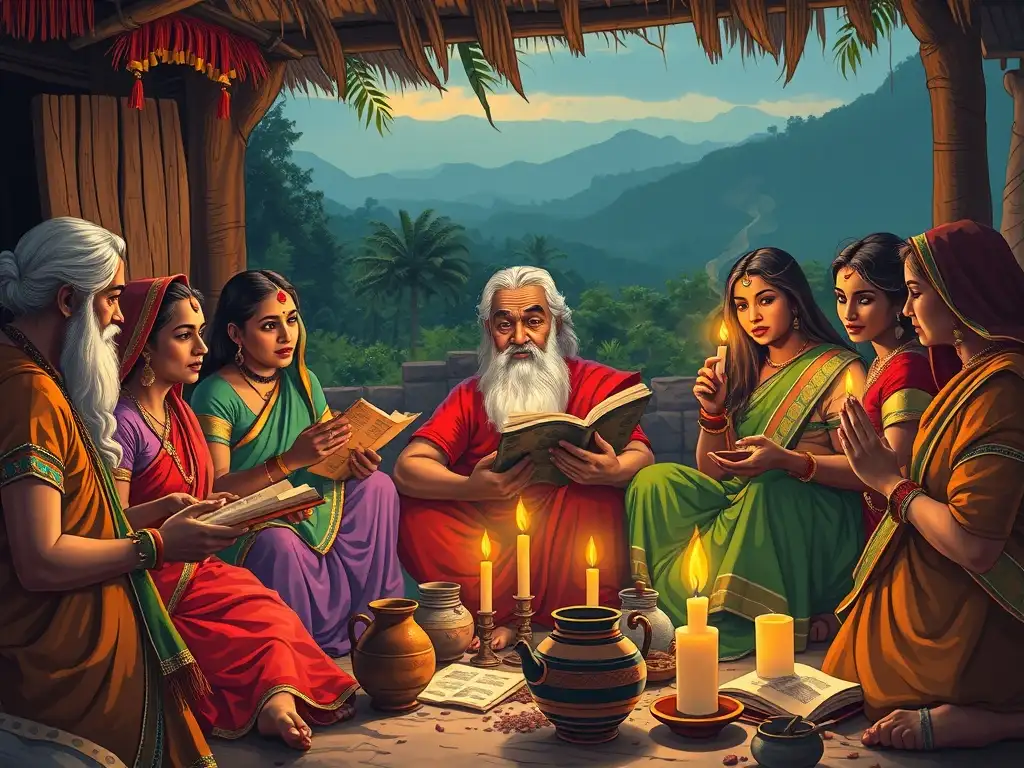
The oral tradition of the Ramayana is not monolithic; it exhibits significant regional variations throughout India and beyond. These variations reflect local cultures, languages, and traditions, enriching the epic's legacy.
Diverse Interpretations Across India
In India, different regions have their own unique interpretations of the Ramayana, often incorporating local customs and beliefs. For instance:
- Ramcharitmanas: In North India, Tulsidas's retelling of the Ramayana in Awadhi language is immensely popular. This version emphasizes the bhakti (devotion) aspect, making it accessible to a wider audience.
- Kamba Ramayana: In Tamil Nadu, Kambar's rendition of the Ramayana integrates regional folklore and Tamil cultural elements, presenting the epic through a distinctly South Indian lens.
- Ramayana in Folk Traditions: Various folk traditions across India, including puppetry, dance, and local performances, have adapted the Ramayana's narrative. These adaptations often reflect local dialects, customs, and community values.
The Global Influence of the Ramayana
The influence of the Ramayana extends beyond Indian borders, impacting cultures across Southeast Asia and beyond. Notable adaptations include:
- Southeast Asia: In countries like Indonesia, Malaysia, and Thailand, the Ramayana has been adapted into local epics and performances, such as the "Wayang Kulit" shadow puppetry in Indonesia, which reflects the region's unique storytelling traditions.
- Literary Influence: The Ramayana has inspired numerous literary works and artistic expressions worldwide, from adaptations in modern literature to cinematic interpretations that explore its themes in contemporary contexts.
- Cultural Festivals: The global celebration of the Ramayana is evident in cultural festivals, performances, and rituals that honor its characters and stories, highlighting the epic's universal themes of love, duty, and the triumph of good over evil.
The Ramayana, as an oral tradition, continues to thrive and evolve, reflecting the rich tapestry of human experience and cultural diversity across generations and geographies.
The Preservation of the Ramayana Oral Tradition in Modern Times
The preservation of the Ramayana oral tradition in modern times has been a remarkable journey, reflecting the adaptability and resilience of this ancient epic. The Ramayana, attributed primarily to the sage Valmiki, has transcended its original narrative form and has become a living testament to the cultural heritage of India. In contemporary society, various methods have emerged to ensure that this oral tradition continues to thrive, enriching the lives of new generations. Community gatherings, festivals, and social media platforms play a pivotal role in maintaining the vibrancy of storytelling.
In many rural areas, traditional storytellers, known as kathakars, still perform epic recitations during local festivals, often incorporating local dialects and cultural nuances. This practice not only preserves the essence of the Ramayana but also allows for a dynamic interpretation that resonates with modern audiences. Additionally, organizations dedicated to cultural preservation have been actively involved in recording these oral narrations, ensuring that the richness of the tradition is documented for future generations.
Contemporary Practices of Oral Storytelling
Contemporary practices of oral storytelling surrounding the Ramayana reflect a blend of tradition and innovation. In urban areas, storytelling has found new life through performances that incorporate dance, music, and multimedia. The popularity of storytelling festivals and events, such as Kahaani and Tales on the Road, showcases the Ramayana in diverse formats, attracting audiences of all ages.
Moreover, digital platforms have revolutionized the way the Ramayana is shared. Podcasts, YouTube channels, and social media have become vital tools for storytellers, allowing them to reach a global audience. For instance, the rise of animated adaptations and dramatized audio stories has made the epic accessible to younger audiences who may not have the opportunity to engage with traditional storytelling. These modern interpretations often emphasize themes relevant to contemporary society, such as morality, duty, and resilience, thereby ensuring that the Ramayana continues to inspire and resonate deeply with its audience.
Challenges to the Ramayana Oral Tradition
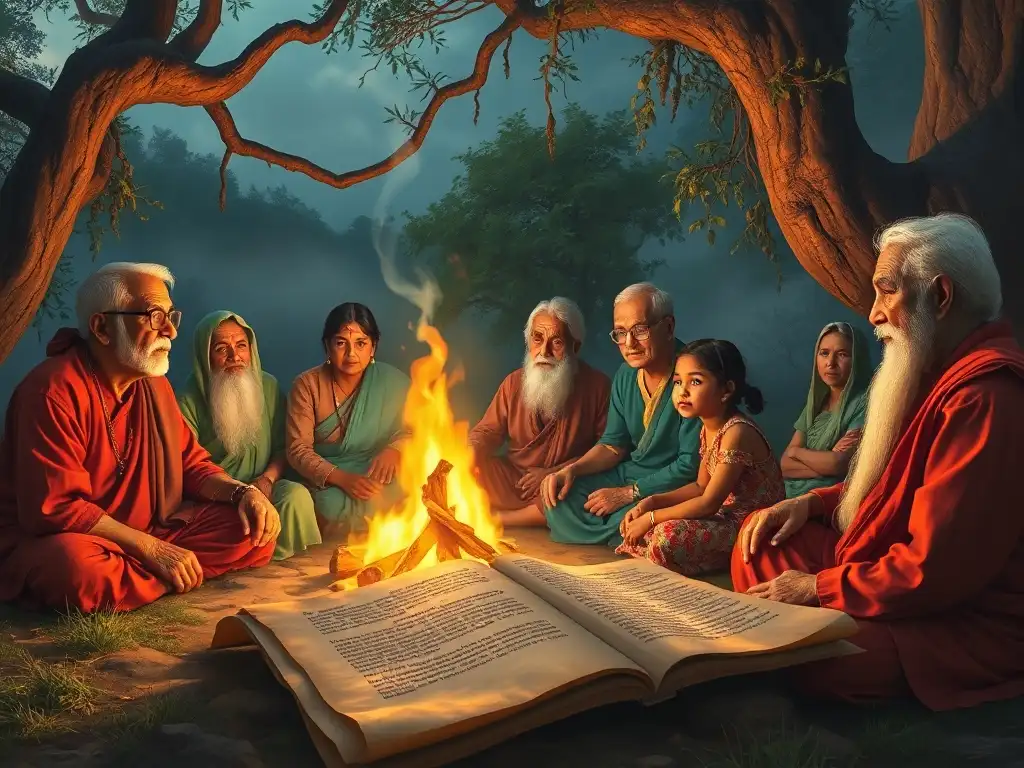
Despite the efforts to preserve the Ramayana oral tradition, several challenges threaten its continuity. One significant challenge is the decline of traditional storytelling as urbanization and modern lifestyles shift cultural practices. Younger generations, influenced by technology and media, may not prioritize oral storytelling, leading to a gradual loss of this rich tradition.
Additionally, the commercialization of the Ramayana narrative can dilute its spiritual and cultural significance. Many adaptations, while entertaining, may stray from the original teachings and values that the epic embodies. This commercialization raises concerns about the authenticity of the narratives being shared and the potential loss of the deeper meanings embedded within the oral tradition.
Furthermore, the increasing dominance of written and digital forms of communication can overshadow oral narratives, making it essential for cultural custodians to find innovative ways to integrate traditional storytelling into contemporary contexts. Addressing these challenges is crucial for ensuring that the Ramayana oral tradition remains a vital part of India’s cultural landscape.
Conclusion: The Enduring Legacy of the Ramayana Oral Tradition
The enduring legacy of the Ramayana oral tradition is a testament to its profound impact on Indian culture and society. As it has been passed down through generations, the essence of the Ramayana continues to inspire and educate. The oral tradition not only serves as a means of preserving the narrative but also fosters community bonds and cultural identity.
In a world increasingly influenced by rapid technological advancements, the resilience of the Ramayana oral tradition underscores its significance in fostering values of unity, morality, and dharma (righteousness). As contemporary practices evolve and face challenges, the commitment to preserving this rich heritage remains vital. The Ramayana, in its various forms, will undoubtedly continue to echo through the ages, reminding us of the power of storytelling and its ability to shape human experience across time and space.
Further Reading on Ramayana Oral Tradition History
To deepen your understanding of the Ramayana as an oral tradition and its historical context, consider exploring the following resources:
-
Books
-
"The Ramayana: A New Translation" by Ramesh Menon
This translation of the ancient epic captures the narrative's essence while providing insights into its oral tradition and the cultural significance it holds in Indian society.
-
"The Ramayana: A Historical and Cultural Perspective" by A. K. Ramanujan
This work discusses the various retellings of the Ramayana and how these adaptations reflect the oral tradition's evolution over centuries.
-
-
Articles and Journals
-
"Oral Tradition and the Ramayana" published in the Journal of South Asian Literature
This article examines the interplay between oral storytelling practices and the written versions of the Ramayana, highlighting the importance of oral transmission in preserving the epic.
-
"The Role of Oral Tradition in the Preservation of Epic Literature" in the South Asian Studies Review
This piece analyzes the broader implications of oral traditions, using the Ramayana as a case study to illustrate how oral narratives shape cultural identity.
-
-
Documentaries and Lectures
-
"The Ramayana: Echoes of an Epic" (Documentary)
This documentary provides visual storytelling that explores the oral tradition of the Ramayana, featuring interviews with scholars and practitioners who keep the tradition alive.
-
Online Lectures on Ancient Indian Literature
Many universities offer free access to lectures focusing on the Ramayana and its oral tradition. Websites like Coursera and edX may provide specific courses that delve into these topics.
-
-
Cultural Performances
-
Attend a Ramayana Performance
Participating in local or regional performances of the Ramayana, such as Ramlila, offers a firsthand experience of how the epic is presented and preserved through oral tradition in various communities.
-
By engaging with these resources, readers can gain a more comprehensive view of the Ramayana's oral tradition history, its impact on society, and how it continues to be an integral part of Indian culture today.
- Introduction to the Ramayana Oral Tradition History
- The Historical Context of the Ramayana
- Key Elements of the Ramayana Oral Tradition
- Storytelling Techniques in the Ramayana
- Regional Variations of the Ramayana Oral Tradition
- The Preservation of the Ramayana Oral Tradition in Modern Times
- Contemporary Practices of Oral Storytelling
- Challenges to the Ramayana Oral Tradition
- Conclusion: The Enduring Legacy of the Ramayana Oral Tradition
- Further Reading on Ramayana Oral Tradition History
- What is the significance of the Ramayana oral tradition history?
- How has the Ramayana influenced Indian culture?
- What are the main features of the Ramayana oral tradition?
- How did the oral tradition affect the preservation of the Ramayana?
- What role do performances play in the Ramayana oral tradition?
Frequently Asked Questions
What is the significance of the Ramayana oral tradition history?
The Ramayana oral tradition history is significant as it highlights the cultural heritage and values of ancient Indian civilizations, illustrating how stories were passed down and preserved through generations.
How has the Ramayana influenced Indian culture?
The Ramayana has profoundly influenced Indian culture, shaping literature, art, and performing arts, and instilling moral values and social norms in various communities across India.
What are the main features of the Ramayana oral tradition?
The main features include storytelling, performance, and local adaptations, which allow the Ramayana to be interpreted in diverse ways while preserving its core themes and messages.
How did the oral tradition affect the preservation of the Ramayana?
The oral tradition allowed for dynamic interpretation and adaptation of the Ramayana, ensuring its survival through centuries as it was retold in varying contexts and styles, making it accessible to different audiences.
What role do performances play in the Ramayana oral tradition?
Performances play a crucial role by bringing the Ramayana to life through drama, dance, and music, creating an engaging way to communicate its teachings and values to the community.
Final Reflection: The Enduring Legacy of the Ramayana Oral Tradition
The Ramayana, as an oral tradition, serves as a powerful reminder of how stories can transcend time and culture, weaving together the threads of history, morality, and identity. In today's fast-paced digital age, where information is often fleeting and superficial, the profound impact of the Ramayana's oral storytelling tradition is more relevant than ever. It invites us to pause and reflect on the narratives that shape our lives and the values we hold dear. The richness of this ancient epic continues to resonate, reminding us that stories are not just entertainment; they are vessels of wisdom and cultural heritage.
The Ramayana's influence on our cultural and social landscape is undeniable, as it continues to inspire art, literature, and moral teachings across generations. The oral tradition of the Ramayana has fostered a sense of community and belonging, allowing individuals to connect with their roots and with each other. As the scholar R. K. Narayan aptly stated, The Ramayana is not just a story; it is a way of life.
This sentiment underscores the idea that the values and lessons embedded within the Ramayana are timeless, encouraging us to navigate our own lives with integrity and compassion.
As we reflect on the teachings of the Ramayana, let us embrace the opportunity to share our own stories and learn from the narratives of others. I invite you to consider how the lessons of the Ramayana can inspire your own journey. Whether through storytelling, community engagement, or personal reflection, we can all contribute to the living tradition of sharing wisdom and fostering understanding. In doing so, we honor the legacy of the Ramayana and ensure that its profound messages continue to illuminate the path for future generations.
Uncover the Timeless Wisdom of the Ramayana!
Thank you for joining us on this fascinating journey through the oral tradition of the Ramayana, a tale that has shaped cultures and values for generations. By diving into its rich narratives, you've gained insights into how stories can transcend time and influence society. Now, it’s time to take action!
Here’s how you can delve deeper into this remarkable tradition:
- Explore a local storytelling event: Seek out community gatherings that celebrate oral traditions and consider sharing your own experiences.
- Create your own version of a classic story: Take a tale you love and reinterpret it through your unique perspective; this is a wonderful way to practice your storytelling skills!
- Share your insights on social media: Encourage others to appreciate the art of oral tradition by sharing key lessons from the Ramayana with your friends and followers.
What insights from the Ramayana resonate most with you, and how might they influence your own storytelling? We’d love to hear your thoughts!