
From Jaipur to Surat: Exploring India's Most Iconic Gemstone Markets

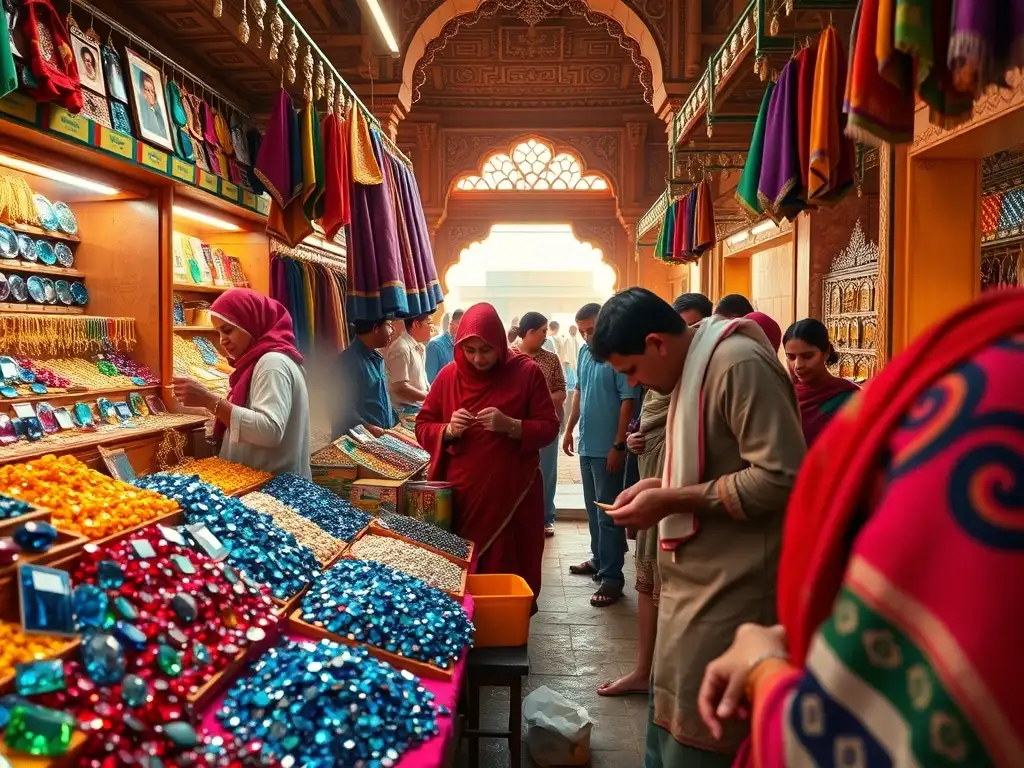
Welcome to Ancient India History, where we embark on a fascinating journey through the rich tapestry of India's past! Here, we delve into the historical significance and cultural heritage of ancient civilizations, uncovering their remarkable contributions to the world. In our featured article, "From Jaipur to Surat: Exploring India's Most Iconic Gemstone Markets," we invite you to discover the vibrant gemstone market history that has shaped not only the economy but also the artistry of India.
Prepare to be captivated as we unveil the stories behind these sparkling treasures and the civilizations that cherished them. Join us as we explore the depths of India's historical gems!
Introduction to India's Gemstone Market History
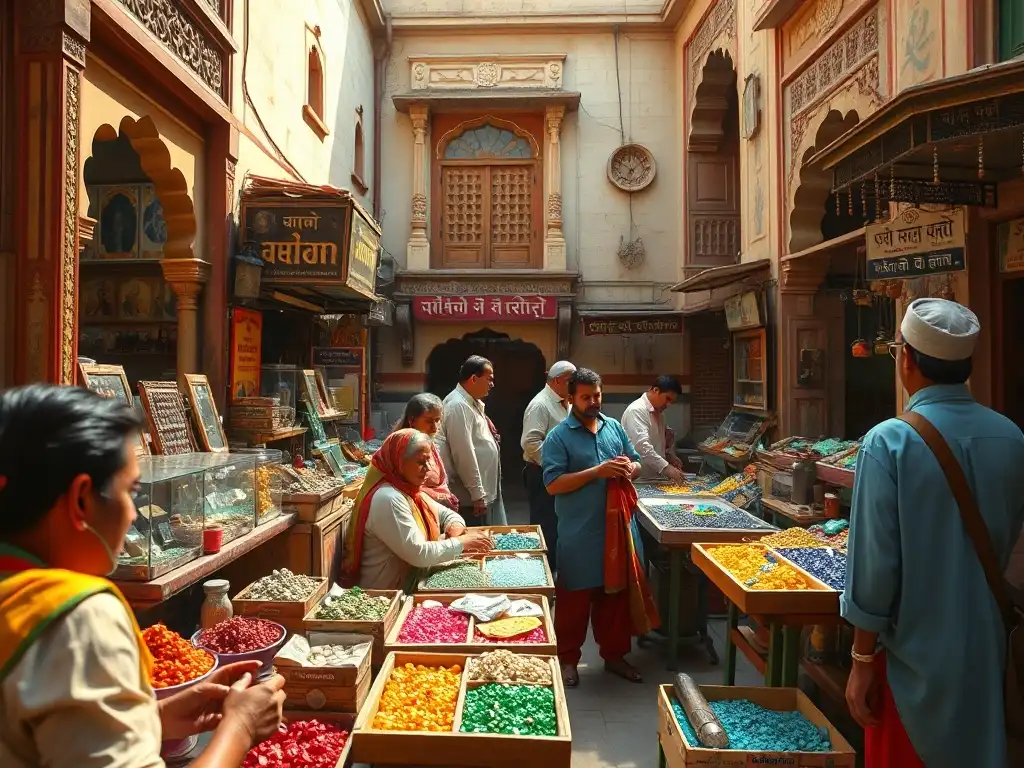
India's gemstone market is not merely a modern economic hub; it is a vibrant tapestry woven from centuries of tradition, culture, and craftsmanship. Spanning from the majestic palaces of Jaipur to the bustling streets of Surat, these markets have played a pivotal role in shaping the global perception of gemstones. The historical significance of these markets reflects a blend of artistry and commerce, where the allure of precious stones has captivated both local artisans and international traders for millennia.
The origins of India’s gemstone trade can be traced back to ancient civilizations, where gemstones were not only valued for their aesthetic appeal but also for their spiritual significance. The rich deposits of diamonds, rubies, emeralds, and sapphires found in the subcontinent have drawn traders and jewelers from around the world, creating a dynamic exchange of culture and expertise. As we delve deeper into the history of India’s gemstone markets, we uncover stories of trade routes, royal patronage, and artisanal craftsmanship that have contributed to the thriving industry we see today.
The Historical Significance of Gemstone Markets in India
India's gemstone markets are steeped in history, reflecting the vast socio-economic changes that have taken place across the subcontinent.
-
Ancient Trade Routes:
The ancient trade routes, such as the Silk Road, connected India with the Middle East, Europe, and beyond, facilitating the exchange of gemstones. These routes allowed Indian gemstones to reach distant lands, establishing India's reputation as a center for precious stones.
-
Royal Patronage:
The Mughal Empire significantly influenced the gemstone trade in India. Emperors like Akbar and Shah Jahan were known for their love of exquisite jewelry, which often included intricate designs featuring the finest gemstones. Their patronage not only elevated the status of local artisans but also set high standards for craftsmanship.
-
Cultural Significance:
Gemstones in India have long been associated with various cultural and religious beliefs. For instance, certain stones are considered auspicious and are used in traditional ceremonies. This cultural reverence adds another layer to the significance of gemstone markets, making them not just commercial hubs, but also centers of cultural heritage.
-
Modern Developments:
In contemporary times, cities like Jaipur and Surat have emerged as leading centers for gemstone cutting and trading. Jaipur, known as the "Pink City," is famous for its vibrant markets and skilled artisans, while Surat has gained recognition for its diamond cutting industry. Both cities continue to attract buyers from around the globe, ensuring that the legacy of India's gemstone market endures.
The rich history of India's gemstone markets is a testament to the country's enduring legacy in the world of jewelry and gemstones. As we journey through the iconic markets of Jaipur to Surat, we will explore the vibrant culture, artistic craftsmanship, and economic significance that these cities hold within the broader context of India's gemstone market history.
Jaipur: The Pink City and Its Vibrant Gemstone Market
Jaipur, known as the Pink City, is not only famous for its stunning architecture and rich cultural heritage but also renowned for its vibrant gemstone market. The city’s unique position in Rajasthan has historically made it a crucial hub for trade, including the trading of precious and semi-precious stones. The Gemstone Market in Jaipur, characterized by its colorful shops and bustling streets, attracts gem enthusiasts from around the world. With a legacy that intertwines with ancient craftsmanship and modern trading practices, Jaipur's gemstone market continues to thrive, showcasing an array of exquisite jewels that reflect the city’s artistic spirit.
Overview of Jaipur's Gemstone History
The history of gemstones in Jaipur dates back to the 16th century when the city was founded by Maharaja Sawai Jai Singh II. This period marked the beginning of a flourishing trade in gemstones, particularly with the establishment of the famous Jaipur Gemstone Market. The city was strategically positioned along trading routes, facilitating the exchange of gemstones between India and other parts of the world.
Jaipur became celebrated for its lapidary skills, and craftsmen honed techniques that have been passed down through generations. The city's artisans specialize in cutting, polishing, and setting gemstones, particularly colored stones like rubies, emeralds, and sapphires, which are often sourced from various locations in India and abroad. As a result, Jaipur emerged as a significant player in the global gemstone market, with a reputation for quality and craftsmanship that endures to this day.
Visiting Jaipur's Gemstone Markets
When visiting Jaipur, a trip to its gemstone markets is essential for anyone interested in jewelry and gemstones. The most notable areas include Johari Bazaar and Bapu Bazaar, where visitors can find a vast selection of gemstones, from traditional to contemporary designs. Here, you can observe artisans at work, crafting intricate pieces that highlight the beauty of the stones.
Many shops offer opportunities for customization, allowing visitors to create unique pieces tailored to personal preferences. Additionally, bargaining is a common practice in these markets, making it an engaging experience for shoppers. For those interested in learning more about the history and techniques of gemstone cutting, many local workshops and museums offer guided tours, providing insight into Jaipur's rich gemstone legacy.
Surat: The Diamond Hub of India
Surat is often referred to as the diamond capital of India, home to one of the largest diamond trading centers in the world. The city’s diamond market is a bustling hub, where the cutting, polishing, and trading of diamonds are carried out on a massive scale. Surat's significance in the diamond industry is not merely recent; it has deep historical roots that connect the city to the global diamond trade.
Surat's Historical Context in Diamond Trading
Surat’s history as a diamond trading center can be traced back to the 16th century, during the Mughal Empire. The city became a vital port for trade, attracting merchants and traders from across the globe. Diamonds were among the most sought-after commodities, and Surat quickly established itself as a key player in the diamond trade.
By the 19th century, Surat's diamond industry had evolved significantly, with the introduction of modern cutting and polishing techniques. The city's artisans became highly skilled, and Surat became synonymous with finely crafted diamonds. Today, approximately 90% of the world’s diamonds are cut and polished in Surat, showcasing its unparalleled expertise in the diamond industry.
Navigating Surat's Gemstone Scene
Navigating Surat's gemstone scene is an experience filled with discovery. The city boasts numerous markets, with the most prominent being the Surat Diamond Bourse and the Surat Diamond Market. Here, visitors can witness the entire diamond trading process, from rough stones to polished gems ready for sale.
The market is known for its transparency in dealings, and many shops offer certificates of authenticity for their diamonds, ensuring customers make informed purchases. Additionally, Surat hosts several exhibitions and trade shows throughout the year, attracting international buyers and showcasing the best of what the city has to offer.
For those keen on understanding the intricacies of diamond cutting and trading, guided tours are available, providing insights into the techniques and craftsmanship that have made Surat a pivotal player in the global diamond market. Whether you're a seasoned gem enthusiast or a curious traveler, Surat's gemstone market promises an unforgettable experience steeped in history and brilliance.
Comparative Analysis: Jaipur vs. Surat in the Gemstone Market
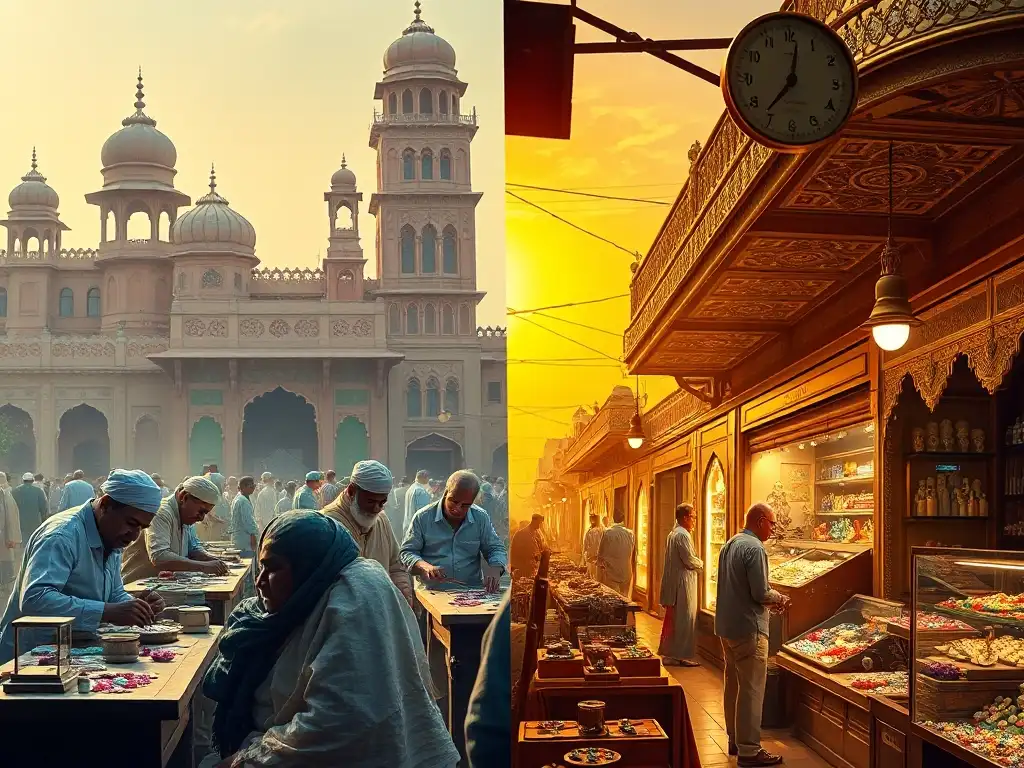
The gemstone markets of Jaipur and Surat are two of the most significant in India, each boasting unique characteristics that contribute to their prominence in the global market. While Jaipur is renowned for its vibrant colored gemstones, Surat has made a name for itself as the diamond capital of India. Both cities reflect the rich history and diverse cultural influences that have shaped India’s gemstone industry over the centuries.
Jaipur, also known as the "Pink City," has a long-standing tradition of gemstone cutting and polishing, with its market thriving due to its historical links to royal patronage. The city's artisans are celebrated for their intricate craftsmanship and expertise in working with a variety of gemstones, including rubies, emeralds, and sapphires. In contrast, Surat emerged as a major player in the diamond industry, particularly in the last few decades.
It specializes in the cutting and polishing of diamonds, catering to both domestic and international markets. The rapid industrialization of Surat has facilitated the establishment of a streamlined supply chain, making it a hub for diamond trading.
Key Features of Jaipur's Gemstone Offerings
Jaipur's gemstone market is characterized by its extensive range of natural stones and exquisite craftsmanship. The city is particularly famous for:
- Colored Gemstones: Jaipur is the go-to destination for vibrant colored gemstones, such as:
- Rubies
- Emeralds
- Sapphires
- Topaz
- Artisan Craftsmanship: The artisans of Jaipur employ traditional techniques, such as Kundan and Meenakari work, which add unique value to their products. This craftsmanship has been passed down through generations, ensuring high-quality and intricate designs.
- Gemstone Jewelry: Jaipur is known for its stunning gemstone jewelry, which often combines traditional designs with modern aesthetics, appealing to a wide range of customers.
- Market Structure: The Johari Bazaar is a prominent market in Jaipur where one can find a plethora of gemstone dealers and jewelry shops, making it a vibrant hub for both tourists and local buyers.
Distinct Characteristics of Surat’s Diamond Market
Surat's diamond market has established itself as a global leader in diamond processing and trading. Its distinct features include:
- Diamond Processing Hub: Surat is home to numerous diamond cutting and polishing units, employing advanced technology to enhance efficiency and precision in diamond processing.
- Mass Production: Unlike Jaipur, which focuses on individual craftsmanship, Surat specializes in mass-producing diamonds, allowing for competitive pricing and a steady supply of gemstones to meet global demand.
- Variety of Stones: While diamonds dominate, Surat also trades in other precious and semi-precious stones, including:
- Moissanite
- Synthetic diamonds
- Export Orientation: Surat's diamond industry is heavily export-oriented, with significant volumes being shipped to international markets, particularly in the USA, Europe, and the Middle East.
The Future of India's Gemstone Market
The future of India's gemstone market looks promising, driven by a combination of technological advancements, changing consumer preferences, and increasing global demand for jewelry. As India continues to evolve as a global player in the gemstone industry, several trends are emerging that may shape the market landscape.
Emerging Trends in Gemstone Trading in India
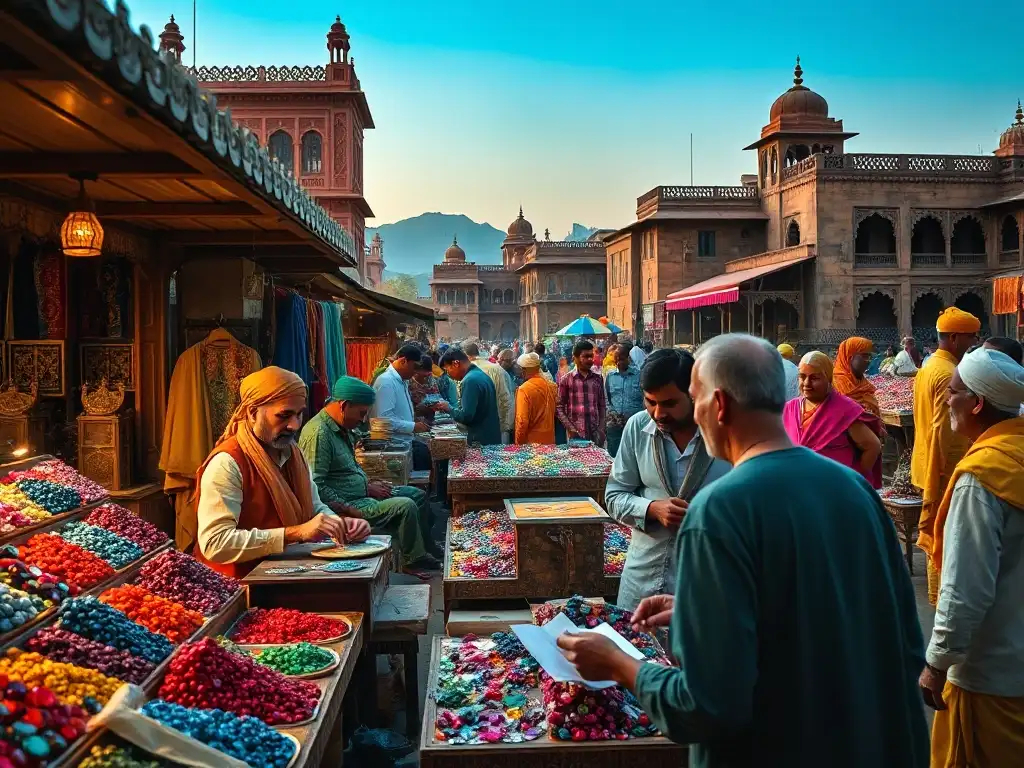
- Sustainability and Ethical Sourcing: There is a growing demand for ethically sourced and sustainable gemstones. Consumers are increasingly interested in the origins of their gemstones, prompting businesses to adopt more transparent sourcing practices.
- Technological Integration: The adoption of technology in gemstone trading, including the use of blockchain for traceability and artificial intelligence for market analysis, is gaining momentum. These innovations enhance trust and efficiency in transactions.
- Online Sales Channels: E-commerce platforms are becoming vital for gemstone trading, allowing artisans and dealers to reach a broader audience. This trend is particularly significant for reaching younger consumers who prefer online shopping.
Predictions for the Gemstone Market Evolution
- Growth in Domestic Demand: As the Indian middle class expands and disposable incomes rise, domestic demand for gemstones and fine jewelry is expected to increase substantially.
- International Competitiveness: India will continue to strengthen its position in the global gemstone market by leveraging its skilled workforce and rich resources. The focus will be on enhancing quality and design to compete with international markets.
- Cultural Revival: A renewed interest in traditional Indian jewelry styles may lead to a resurgence in demand for handcrafted pieces, ensuring that the rich heritage of gemstone craftsmanship is preserved and celebrated.
These factors suggest that the gemstone market in India is poised for significant growth, with both Jaipur and Surat playing crucial roles in this evolving landscape.
Conclusion: The Legacy of India's Gemstone Markets
India's gemstone markets have long been a vibrant tapestry woven with rich history, culture, and craftsmanship. From the bustling streets of Jaipur, which is often referred to as the "Gem City," to the coastal trade hubs like Surat, these markets not only serve as commercial centers but also as cultural melting pots. Over centuries, they have attracted artisans, traders, and connoisseurs from around the globe, creating a unique blend of influences that have enriched the Indian gemstone industry.
The legacy of India's gemstone markets is reflected in their enduring practices and the meticulous artistry that goes into each piece. The skills honed by generations of craftsmen, combined with the country's abundant natural resources, have positioned India as a global leader in the gemstone trade. The historical significance of these markets is profound, as they have played a pivotal role in shaping trade routes, influencing economic policies, and fostering international relations.
Moreover, the gemstone markets of India are not only about commerce; they embody stories of ancestral traditions, cultural significance, and the pursuit of beauty. Each gemstone is more than just a commodity; it carries with it the weight of history, the artistry of the craftsman, and the dreams of those who wore it. As we explore the legacy of these markets, it becomes evident that they are a crucial part of India’s cultural heritage, reflecting the nation's identity and its contributions to the world of jewelry and gemstones.
Call to Action
As you delve into the fascinating world of India's gemstone markets, consider visiting these iconic locations to experience their vibrancy firsthand. Whether you are a gemstone enthusiast, a jewelry designer, or simply curious about this rich facet of Indian culture, exploring these markets can provide valuable insights and a deeper appreciation for the craftsmanship involved.
Don't miss the chance to learn more about the historical significance of gemstones in India! Engage with local artisans, discover unique pieces, and understand the timeless traditions that continue to thrive. Share your experiences, insights, and favorite finds with others who share your passion for gemstones.
Join the conversation on social media, participate in forums dedicated to gemstones, and keep the legacy of India's gemstone markets alive! 🌟 Your journey into this enchanting world awaits!
- Introduction to India's Gemstone Market History
- The Historical Significance of Gemstone Markets in India
- Jaipur: The Pink City and Its Vibrant Gemstone Market
- Surat: The Diamond Hub of India
- Comparative Analysis: Jaipur vs. Surat in the Gemstone Market
- Key Features of Jaipur's Gemstone Offerings
- Distinct Characteristics of Surat’s Diamond Market
- The Future of India's Gemstone Market
- Emerging Trends in Gemstone Trading in India
- Predictions for the Gemstone Market Evolution
- Conclusion: The Legacy of India's Gemstone Markets
- Call to Action
Frequently Asked Questions
What is the significance of Jaipur in the gemstone market?
Jaipur is often called the "Gem City of India" due to its historical role as a major center for gemstone cutting and trading. The city's artisans are renowned for their craftsmanship in traditional jewelry making.
How did Surat contribute to the gemstone market?
Surat has a long-standing reputation as a hub for diamond trading and is known for its polishing and cutting industry. The city transformed into a major player in the global diamond market during the 16th century.
What gemstones are most commonly traded in India?
India's gemstone market features a variety of precious stones, including diamonds, emeralds, rubies, and sapphires. Each region has its specialties, with Jaipur focusing on colored stones and Surat on diamonds.
How has the gemstone market evolved over time in India?
The gemstone market in India has evolved from ancient trade routes and craftsmanship to modern global commerce, adapting to international trends while maintaining traditional techniques.
What role do cultural festivals play in India's gemstone market?
Cultural festivals in India often showcase gemstone jewelry, boosting local sales and promoting traditional craftsmanship. Events like the Jaipur Jewelry Show highlight the importance of gemstones in Indian culture.
Final Reflection: The Enduring Legacy of India's Gemstone Markets
The rich tapestry of India's gemstone market history is not just a reflection of its past, but a vibrant narrative that continues to shape the present. As we explore the iconic markets from Jaipur to Surat, we uncover the intricate connections between culture, craftsmanship, and commerce that have thrived for centuries. This legacy is a testament to the resilience and creativity of artisans who have transformed raw stones into exquisite pieces of art, captivating the world with their beauty and significance.
The influence of these gemstone markets extends far beyond mere transactions; they are cultural hubs that foster community and tradition. The stories embedded in each gem resonate with the values of heritage and artistry, reminding us of the importance of preserving these age-old practices. Jewelry is a story that tells the journey of the earth, the hands that shaped it, and the heart that wears it.
This quote encapsulates the essence of how gemstones are intertwined with our identities, serving as symbols of love, celebration, and remembrance.
As we reflect on the importance of India's gemstone markets, let us be inspired to appreciate the artistry and history behind each piece we encounter. Take a moment to consider how these markets have influenced not only the economy but also the cultural fabric of our society. I invite you to explore your own connections to gemstones—whether through personal stories, heirlooms, or even the simple joy of wearing a beautiful piece. Embrace the lessons of craftsmanship and heritage, and let them guide you in celebrating the artistry that enriches our lives.
Discover Your Own Gemstone Journey!
Thank you for diving into the vibrant world of India's iconic gemstone markets! We hope this exploration from Jaipur to Surat has ignited your passion for these stunning treasures. Now, let’s take your journey a step further!
Here are some exciting ways you can connect with this rich heritage:
- Plan a visit to a local gemstone market or jeweler to experience the beauty firsthand and support talented artisans.
- Join a gemstone workshop to learn about the art of cutting and crafting, embracing the skill and dedication behind these precious stones.
- Share your experience on social media or in the comments below to inspire others to explore the captivating world of gemstones.
What unique gemstone stories have you uncovered in your adventures? Let's spark a conversation!