
Textiles of the Rajputs: A Glimpse into Royal Indian Fashion

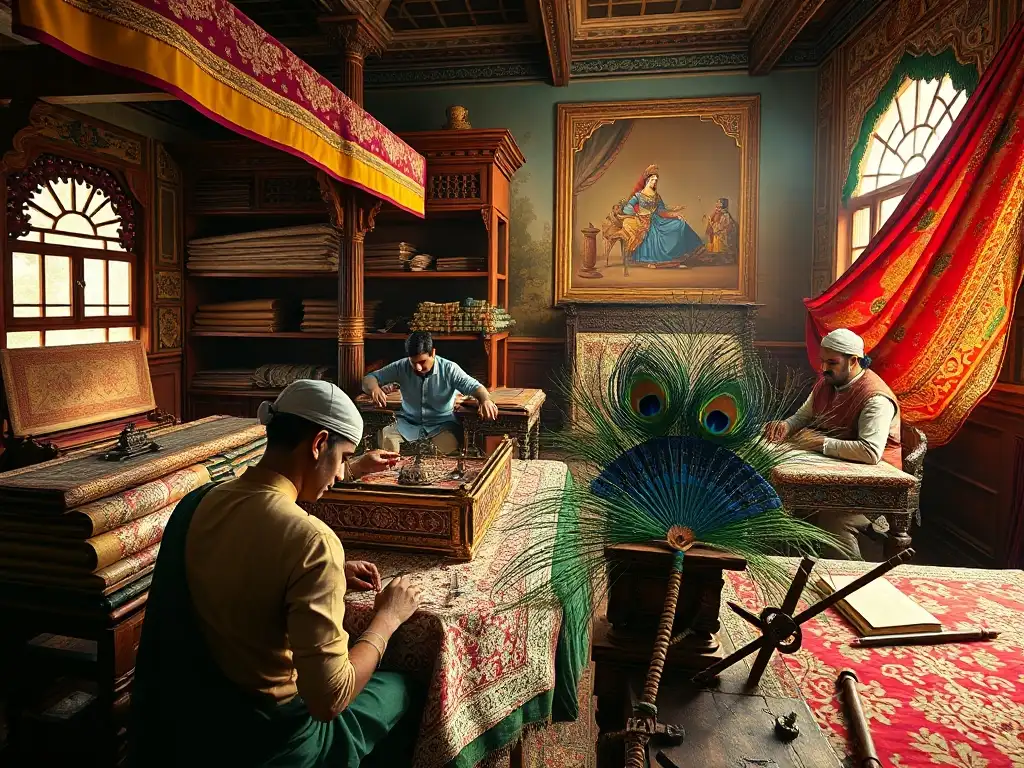
Welcome to Ancient India History, where we embark on an extraordinary journey through the vibrant tapestry of India's past! In this exploration, we delve into the fascinating world of Rajput royal textile history, revealing how these exquisite fabrics not only adorned the elite but also narrated stories of power, artistry, and cultural heritage. As you unravel the threads of royal Indian fashion, prepare to be captivated by the intricate designs and rich traditions that have shaped the fabric of ancient Indian civilization. Dive in and discover the elegance that still influences modern fashion today!
- Introduction to Rajput Royal Textile History
- Historical Context of Rajput Textiles
- Key Features of Rajput Textiles
- The Role of Textiles in Rajput Society
- Famous Rajput Textile Styles
- The Evolution of Rajput Textiles Through the Ages
- Modern Interpretations of Rajput Textiles
- Conclusion: Preserving Rajput Textile Heritage
- Suggested Readings and Resources
- Frequently Asked Questions
- Final Reflection: The Enduring Legacy of Rajput Royal Textile History
- Unveil the Royal Craftsmanship of Rajput Textiles!
Introduction to Rajput Royal Textile History
The Rajputs, a prominent warrior class in ancient India, are renowned not only for their valor and martial prowess but also for their exquisite textile traditions. The Rajput royal textile history encapsulates a rich tapestry of cultural heritage, reflecting the opulence and artistry that characterized the royal courts of Rajasthan. Textiles served not merely as garments but as symbols of status, identity, and artistry, intricately woven into the fabric of Rajput culture. This article delves into the significance of textiles within the Rajput realm, exploring their historical context, craftsmanship, and the lasting influence of traditional Indian textiles.
Understanding the Significance of Textiles in Rajput Culture
Textiles in Rajput culture are deeply intertwined with their social and political identities. They were not just functional items but also served as indicators of wealth, power, and regional affiliation. The use of textiles can be categorized into several key aspects:
- Symbolism and Status:
- The colors, patterns, and materials used in Rajput garments often indicated the wearer's status. For instance, bright colors like red and yellow were favored by royalty.
- Specific motifs, such as peacocks and floral patterns, held cultural significance and conveyed messages of prosperity and beauty.
- Cultural Ceremonies:
- Textiles played a crucial role in various ceremonies, including weddings and festivals, where elaborate garments were worn to showcase nobility.
- Different garments were designated for specific occasions, emphasizing the importance of textiles in celebrating heritage and tradition.
- Artisan Craftsmanship:
- The intricate techniques employed in creating Rajput textiles, such as bandhani (tie-dye), zardosi (embroidery with gold thread), and block printing, reflect a high level of craftsmanship and artistry.
- Each piece was often a collaboration between skilled artisans who passed down their techniques through generations, ensuring the preservation of cultural knowledge.
Overview of Traditional Indian Textiles and Their Influence
The influence of traditional Indian textiles extends beyond the borders of Rajputana, impacting global fashion trends and inspiring designers worldwide. Here are some notable aspects of traditional Indian textiles and their far-reaching implications:
- Diverse Techniques:
- India is home to a myriad of textile techniques, each with its unique history and cultural significance. Some of the most famous include:
- Ikats: A resist-dyeing technique that creates striking patterns.
- Kanchipuram Silk: Renowned for its durability and rich colors, often used in bridal attire.
- Patan Patola: Double ikat fabric, celebrated for its intricate designs.
- India is home to a myriad of textile techniques, each with its unique history and cultural significance. Some of the most famous include:
- Cultural Exchange:
- The trade of textiles facilitated cultural exchange between India and other regions, introducing elements from Persian, Mughal, and European fashions into traditional Indian attire.
- This blend of styles contributed to a dynamic fashion landscape, showcasing the adaptability and creativity of Indian artisans.
- Modern Resurgence:
- In recent years, there has been a revival of interest in traditional textiles, with designers drawing inspiration from historical garments to create contemporary fashion.
- Sustainable practices in textile production are gaining traction, echoing the eco-friendly approaches used by ancient artisans.
The legacy of Rajput royal textiles and traditional Indian textiles continues to captivate and inspire, highlighting the importance of preserving this rich cultural heritage for future generations.
Historical Context of Rajput Textiles
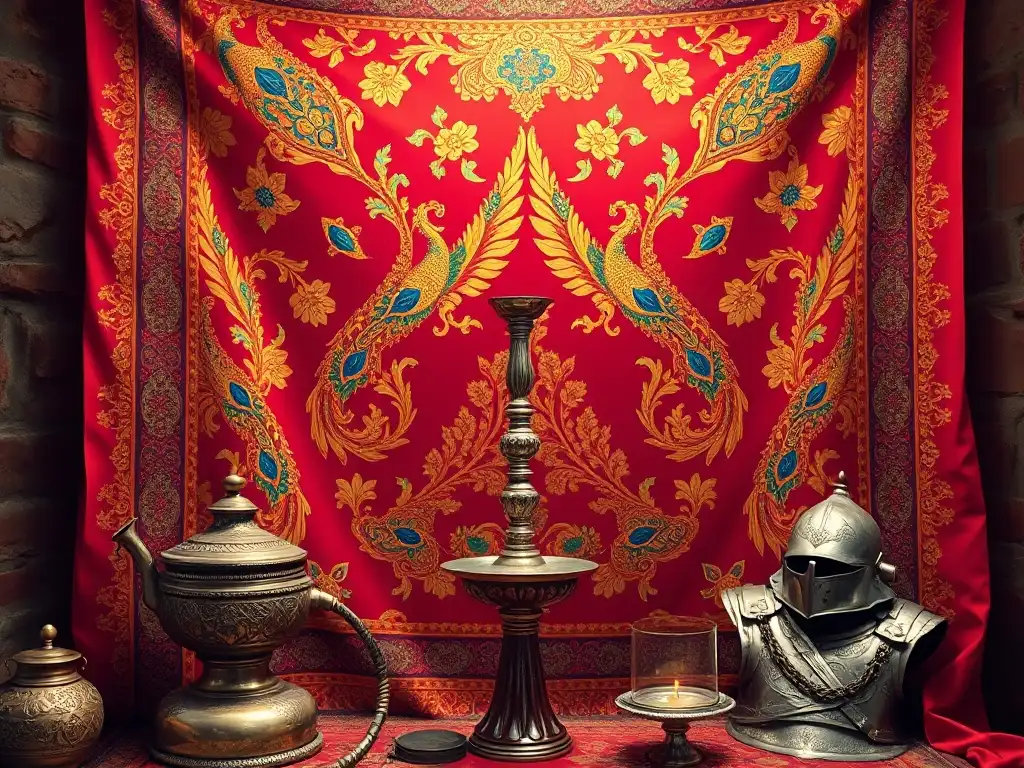
The Rajput royal textile history is a vibrant tapestry woven into the broader narrative of India's cultural evolution. Emerging during the medieval period, Rajput textiles reflect the interplay of local traditions, royal patronage, and external influences, such as trade and invasions. The Rajputs, known for their valor and chivalry, also showcased their wealth and power through intricate textiles that adorned their courts and palaces.
The textile industry flourished in regions that are now part of modern-day Rajasthan, with cities like Jaipur, Jodhpur, and Udaipur becoming centers of textile production. Here, skilled artisans utilized traditional techniques to create fabrics that were not only functional but also served as symbols of status and identity. The rich history of Rajput textiles is intertwined with the broader socio-political landscape, as textiles were often used in diplomatic gifts, ceremonial occasions, and military campaigns.
The Origins of Rajput Royal Textile History
The origins of Rajput royal textile history can be traced back to the 6th century CE, during which the rise of Rajputana saw the establishment of various clans and kingdoms. Each royal family developed its unique textile traditions, often influenced by the cultural practices and resources available in their respective regions.
- Natural Dyes and Materials: Rajput textiles were predominantly made using locally sourced materials such as cotton, silk, and wool. The use of natural dyes, derived from plants and minerals, was a hallmark of Rajput textile production. Techniques such as block printing and tie-dyeing (bandhani) were commonly employed to create intricate patterns and vivid colors.
- Royal Patronage: The patronage of Rajput rulers played a crucial role in the evolution of textile art. Wealthy patrons commissioned elaborate garments for themselves and their courts, sparking a demand for skilled artisans who could produce high-quality textiles. This royal influence led to innovations in weaving techniques and the introduction of new designs.
- Cultural Exchanges: The Rajput textile tradition also benefited from cultural exchanges with neighboring regions and communities. For example, interactions with Persian and Mughal artisans introduced new styles and motifs, enriching the local textile repertoire. The result was a fusion of styles, creating unique textiles that were distinct yet reflective of broader influences.
Influence of Geography and Climate on Textile Production
The geography and climate of Rajasthan significantly shaped the textile production landscape of the Rajputs. The region's arid climate and diverse topography influenced the types of fibers used and the methods of dyeing and weaving.
- Climate Adaptations: Rajasthan's hot and dry climate necessitated the use of lightweight fabrics that offered comfort. Cotton became the primary material for everyday wear, while silk was reserved for royal garments and special occasions. This choice of materials was crucial in creating textiles suited for the local environment.
- Geographical Features: The availability of natural resources, such as rivers and fertile plains, facilitated the growth of cotton and other textile fibers. Regions like the Thar Desert saw the emergence of specialized weaving communities that adapted their techniques to the local materials and conditions.
- Trade Routes: Rajasthan's strategic location along ancient trade routes further contributed to the richness of Rajput textiles. These routes enabled the exchange of goods, ideas, and techniques, leading to the incorporation of new designs and styles from distant lands. The textiles produced were not only used locally but also traded with other regions, enhancing their significance in the broader Indian textile narrative.
The Rajput royal textile history is a testament to the region's artistic heritage and cultural richness. The interplay of local resources, royal patronage, and geographical influences shaped a textile tradition that remains celebrated for its beauty and craftsmanship.
Key Features of Rajput Textiles
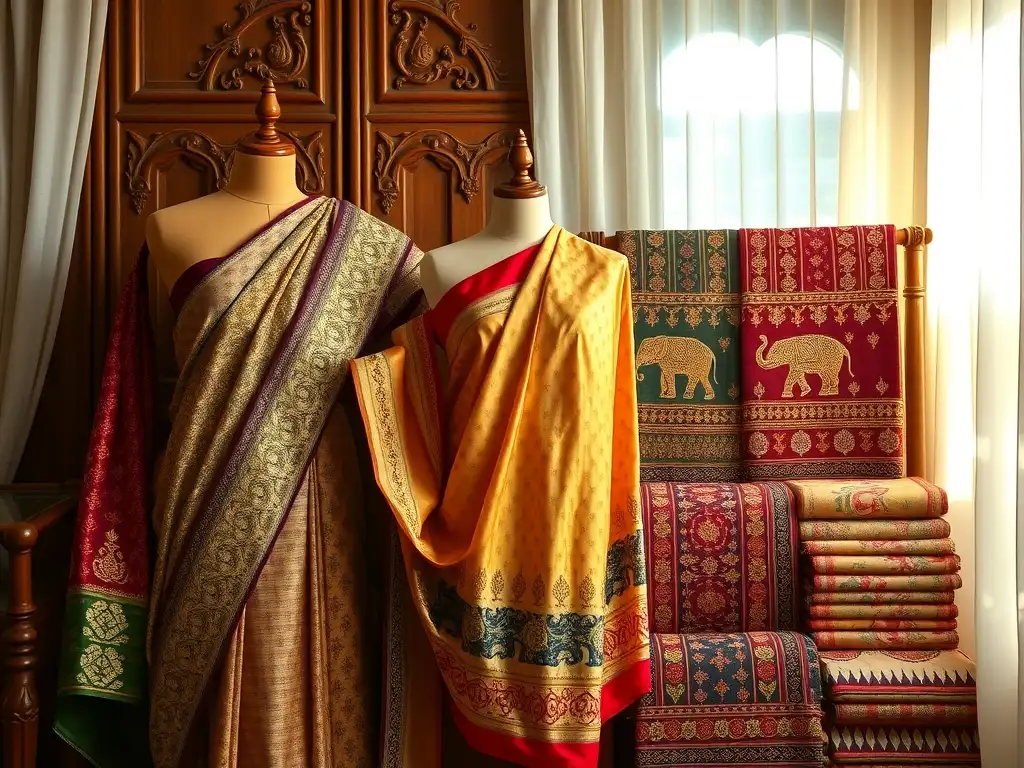
The textiles of the Rajputs stand as a testament to their rich cultural heritage and royal lineage. Characterized by vibrant colors, intricate designs, and a variety of fabrics, Rajput textiles not only represented the status of the wearer but also echoed the artistic skills of the artisans. The textiles were often used for clothing, furnishings, and ceremonial purposes, making them an integral part of the Rajput lifestyle. Below, we explore the fabrics and unique patterns that define Rajput royal textile history.
Fabrics Commonly Used in Rajput Clothing
Rajput clothing was renowned for its luxurious fabrics, which played a crucial role in expressing the identity and status of the wearer. The choice of fabric was influenced by the occasion, climate, and the wealth of the individual.
Silk: The Fabric of Royalty
Silk holds a prominent place in Rajput royal textile history. It was favored for its luster, softness, and drape, making it a symbol of opulence.
- Types of Silk:
- Tussar Silk: Known for its rich texture and natural gold hue, Tussar silk was often used to create elaborate sarees and turbans.
- Muga Silk: This golden silk from Assam was cherished for its durability and sheen, often used in royal garments.
- Usage: Rajput kings and queens adorned themselves in intricately woven silk garments during royal ceremonies, weddings, and festivals. The fabrics would often feature detailed zari work, enhancing their elegance further.
Cotton: The Everyday Textile
While silk was reserved for special occasions, cotton was the fabric of choice for everyday wear among the Rajputs.
- Comfort and Versatility: Cotton provided comfort in the hot climate of Rajasthan and was easy to dye and print upon.
- Varieties: Different types of cotton were used, including:
- Khadi: A hand-spun cotton fabric, symbolizing simplicity and sustainability.
- Sanganeri Cotton: Notable for its block prints, this variety was popular for both clothing and home furnishings.
Unique Patterns and Motifs in Rajput Textiles
Rajput textiles are distinguished by their intricate patterns and motifs, often inspired by nature, mythology, and the royal lifestyle. These designs not only embellish the fabrics but also convey stories and cultural significance.
Traditional Block Printing Techniques
Block printing is a time-honored craft in Rajput textile production, characterized by the use of wooden blocks carved with intricate designs.
- Process:
- Carving the Blocks: Artisans carve designs into blocks, often depicting floral patterns or geometric shapes.
- Dyeing: Natural dyes are used to color the fabric, ensuring vibrant and lasting hues.
- Printing: The blocks are pressed onto the fabric, creating distinct patterns.
- Regions: Sanganer and Bagru are famous for their block-printed textiles, showcasing the artistry and skill of local craftsmen.
The Art of Embroidery: Zardozi and More
Embroidery in Rajput textiles adds another layer of richness and detail, with Zardozi being one of the most celebrated forms.
- Zardozi: This technique involves the use of gold and silver threads to create intricate designs, often used on bridal wear and ceremonial outfits. The craftsmanship involved in Zardozi is highly revered, with patterns that may include peacocks, flowers, and motifs symbolizing royalty.
- Other Embroidery Styles:
- Gota Patti: Involves the application of gold or silver ribbons onto the fabric, creating a shimmering effect.
- Mirror Work: Small mirrors are sewn into the fabric to reflect light and add a unique sparkle to garments.
The combination of these embroidery techniques with the rich fabrics establishes a unique identity for Rajput textiles, making them a significant aspect of India's fashion history.
The Rajput royal textile history is a fascinating exploration of culture, artistry, and craftsmanship, encapsulating the essence of a bygone era that continues to influence contemporary Indian fashion.
The Role of Textiles in Rajput Society
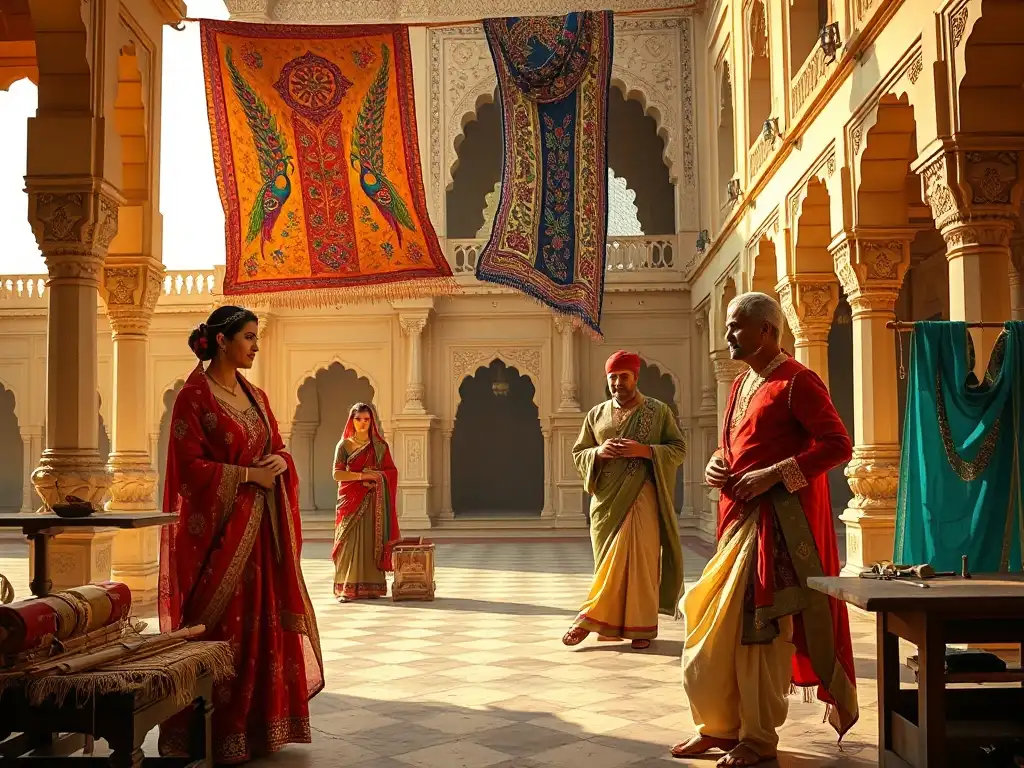
The textiles of the Rajput community hold a significant place in the cultural and social fabric of their society. These textiles not only served practical purposes but also acted as powerful symbols of status, identity, and heritage. The craftsmanship involved in creating these textiles showcases the artistic prowess of the artisans and the importance of textiles in Rajput life.
Textiles as Symbols of Status and Identity
Rajput textiles were more than mere clothing; they were intricate expressions of identity and social hierarchy. The quality, color, and type of fabric worn by a Rajput were closely linked to their lineage and status within the community.
- Luxury and Exclusivity:
- High-quality fabrics such as silk, brocade, and finely woven cotton were reserved for the royal families and nobility. These textiles often featured intricate patterns and embellishments, reflecting the wealth and power of the wearer.
- Regional Variations:
- Different regions within Rajasthan produced unique textile styles, which contributed to local identities. For instance:
- Bandhani: A tie-dye technique from the Kutch region, often seen in vibrant colors.
- Leheriya: Known for its waves and diagonal patterns, commonly used in dupattas and sarees.
- Different regions within Rajasthan produced unique textile styles, which contributed to local identities. For instance:
- Cultural Significance:
- Colors and motifs held specific meanings. For example, red was often associated with bridal attire, symbolizing fertility and prosperity, while green could signify happiness and new beginnings.
The textiles worn by the Rajputs thus became markers of identity, signaling not just personal style but also one's place in the broader social hierarchy.
The Connection Between Rajput Textiles and Ceremonial Events
Ceremonial events in Rajput society were grand affairs, deeply intertwined with the textiles used during these occasions. The fabrics played a pivotal role in ceremonies, celebrations, and rituals, often reflecting the cultural richness of the Rajput heritage.
- Weddings and Festivities:
- Rajput weddings were characterized by elaborate attire made from exquisite textiles. Brides adorned themselves in heavy silk lehengas embellished with gold thread work, while grooms often wore intricately designed kurtas. The choice of textile for these occasions was crucial, as it signified the family's honor and status.
- Religious Ceremonies:
- During festivals and religious rituals, specific textiles were worn to honor deities. For example, special garments crafted from handloom fabrics were offered to temples, symbolizing devotion and respect.
- Processions and Palanquins:
- Rajput processions, characterized by pomp and grandeur, featured palanquins draped in luxurious fabrics. These textiles were not only a means of decoration but also served to protect and honor the individuals being carried, often including members of the royal family.
Textiles played an integral role in the ceremonial life of the Rajputs, enhancing the cultural richness of their traditions and reinforcing social structures. The meticulous craftsmanship and vibrant designs of Rajput textiles continue to be celebrated today, reflecting the legacy of a community deeply connected to its history and identity.
Famous Rajput Textile Styles
Bandhani: The Tie-Dye Technique
Bandhani, a traditional tie-dye method, is a hallmark of Rajput textile artistry. Originating from the regions of Rajasthan and Gujarat, this ancient technique involves tying small portions of fabric with threads before dyeing. The result is a stunning array of patterns, often characterized by intricate dots and shapes that symbolize the cultural richness of the Rajput heritage.
The process of creating Bandhani textiles begins with selecting high-quality cotton or silk fabrics. Artisans meticulously tie the fabric in various places to create distinct designs, which are then submerged in vibrant dyes. The colors used in Bandhani typically reflect the natural landscape of Rajasthan, with hues such as deep red, royal blue, and bright yellow.
Key Features of Bandhani:
- Symbolic Patterns: Each design often holds cultural significance, with motifs representing nature, spirituality, or historical events.
- Variety of Styles: Common styles include 'Bengal' (small dots) and 'Leheriya' (waves), showcasing the versatility of this technique.
- Cultural Significance: Bandhani textiles are often worn during festive occasions, weddings, and traditional ceremonies, making them an essential aspect of Rajput fashion.
Leheriya: The Wave Pattern Fabric
Leheriya is another iconic textile style from the Rajput region, known for its striking wave-like patterns. This technique is primarily used in fabrics such as sarees and turbans, making them a popular choice among the royal families of Rajasthan.
The term "Leheriya" translates to "waves," and the designs mimic the flowing movement of water. The technique is similar to Bandhani but differs in the way the fabric is tied and dyed. The artisans create the wave patterns by folding the fabric in a specific manner before submerging it in vibrant dyes.
Characteristics of Leheriya:
- Color Palette: Leheriya fabrics are typically adorned in bright, contrasting colors, which highlight the dynamic patterns.
- Seasonal Wear: Traditionally, Leheriya is worn during monsoons, symbolizing the joy and vibrancy of the rainy season.
- Adaptability: This textile style has evolved, influencing modern fashion while still retaining its traditional roots.
Chanderi and Maheshwari: Weaves of Elegance
Chanderi and Maheshwari are two exquisite textile weaves that showcase the grace and sophistication of Rajput royal attire. Originating from the small towns of Chanderi and Maheshwar in Madhya Pradesh, these fabrics are renowned for their lightweight and sheer quality, making them a favorite among royal women.
Chanderi is characterized by its fine cotton and silk blend, often embellished with intricate motifs such as floral patterns, peacocks, and geometric shapes. The shimmering texture is achieved through the use of gold and silver threads, which add a luxurious touch to the fabric.
Maheshwari textiles, on the other hand, are distinguished by their unique borders and reversible designs. The weaves often include vibrant colors along with traditional patterns that reflect the cultural essence of the Rajputs.
Highlights of Chanderi and Maheshwari:
- Royal Usage: Both fabrics were favored by Rajput queens for their elegance and lightness, often worn during royal functions and ceremonies.
- Artisan Heritage: The production of these textiles involves skilled artisans who have passed down their techniques through generations, preserving the rich heritage of Indian weaving.
- Contemporary Appeal: Today, Chanderi and Maheshwari are celebrated in both traditional and modern fashion, appealing to a wide audience while retaining their historical significance.
The textile history of the Rajputs is a testament to their artistic prowess and cultural richness, reflecting not only their royal heritage but also the intricate craftsmanship that continues to inspire contemporary fashion.
The Evolution of Rajput Textiles Through the Ages
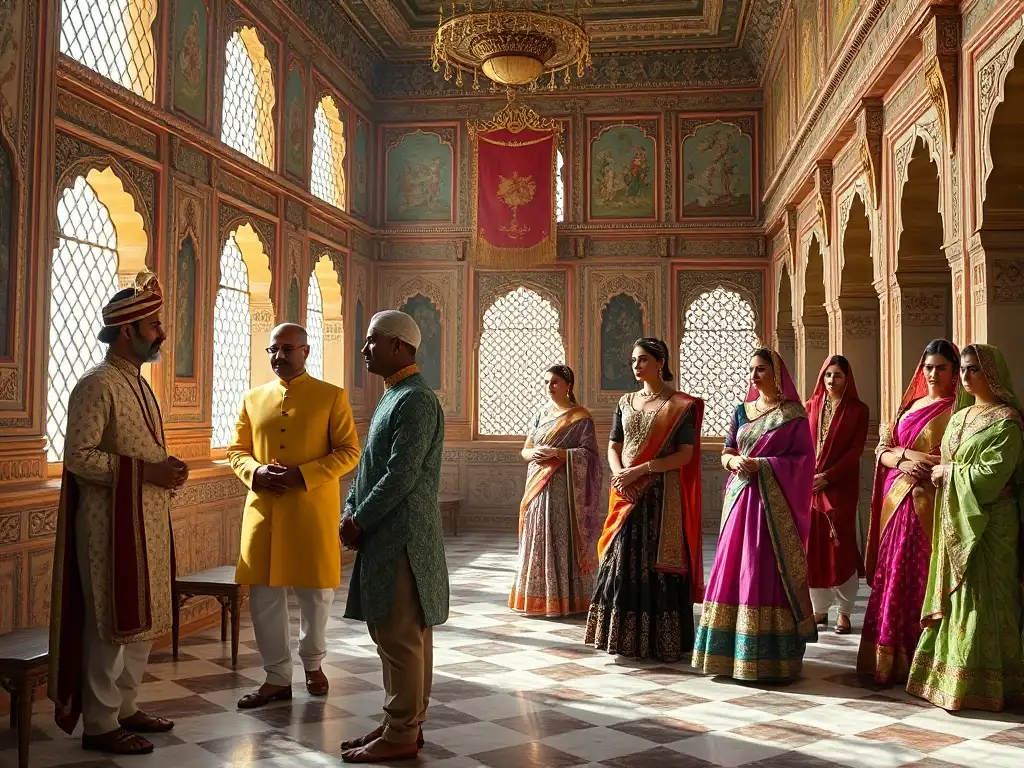
The history of Rajput textiles is a fascinating journey that reflects the socio-economic, political, and cultural transformations in India over the centuries. Originating from the warrior clans of Rajasthan, Rajput textiles are characterized by their vibrant colors, intricate designs, and rich craftsmanship, serving both functional and ceremonial purposes. The evolution of these textiles can be traced through various dynasties, each leaving a unique imprint on the textile arts.
Changes in Rajput Textile Trends Over Centuries
The textile trends among the Rajputs have undergone significant changes from the medieval period to modern times. Initially, the textiles produced in the Rajputana region were heavily influenced by the local environment and the requirements of the royal courts.
- Medieval Period: During this era, textiles were primarily made of cotton and silk, often embellished with intricate hand-embroidery, mirror work, and block printing. The use of bright, natural dyes was prevalent, creating vibrant fabrics that reflected the opulence of Rajput courts.
- Mughal Influence: The arrival of the Mughal Empire brought new techniques and styles to Rajput textiles. The fusion of Mughal aesthetics with traditional Rajput designs led to the creation of exquisite chintz and bandhani fabrics. This period also saw an increase in the use of silk, which became a symbol of status and wealth.
- Post-Mughal Era: As the Mughal Empire declined, Rajput textiles began to reflect more regional characteristics. The use of gold and silver threads became common in ceremonial garments, while traditional motifs like peacocks and floral patterns flourished, symbolizing prosperity and beauty.
- Modern Era: In contemporary times, Rajput textiles have adapted to global trends while retaining their traditional essence. The revival of handloom practices and sustainable methods has become a focal point, with artisans showcasing their skills in various exhibitions and fashion shows.
The Impact of Colonialism on Rajput Textile Practices
Colonialism had a profound effect on the textile industry in Rajasthan, including the Rajput royal textile history. The arrival of the British in India introduced new market dynamics and altered traditional practices.
- Decline of Local Craftsmanship: The British established a monopoly over textile production and trade, leading to a significant decline in local craftsmanship. Traditional techniques were increasingly overshadowed by mechanized production, which favored cheaper, machine-made textiles.
- Introduction of Western Styles: Colonial rule brought Western fashion and styles to Indian society. Rajput textiles began to incorporate elements from Western clothing, leading to a gradual change in traditional attire. The once vibrant, heavy garments were replaced with lighter fabrics suitable for the colonial climate.
- Revival and Resilience: Despite these challenges, Rajput artisans adapted by blending traditional motifs with new designs, creating a unique hybrid of styles. The 20th century saw a resurgence of interest in traditional textiles, as both local and international markets began to value the craftsmanship and heritage associated with Rajput textiles.
The Rajput royal textile history showcases a rich tapestry of cultural influences and adaptations, reflecting the resilience of artisans and the enduring legacy of this vibrant tradition. The evolution of these textiles not only tells the story of fashion but also encapsulates the broader historical changes that have shaped the region and its people.
Modern Interpretations of Rajput Textiles
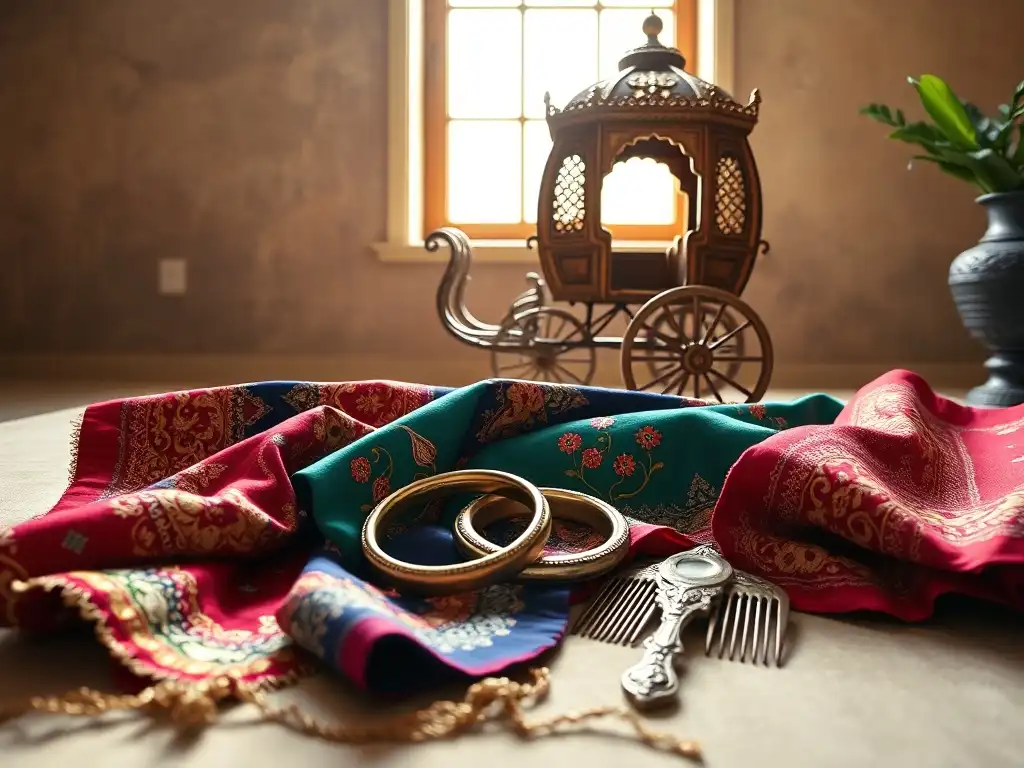
The legacy of Rajput textiles is not just a remnant of the past; it continues to thrive in modern fashion. Designers today are drawing inspiration from the rich tapestry of Rajput royal textile history, infusing contemporary styles with traditional techniques and motifs. This blend of old and new not only preserves the craft but also redefines it in a modern context.
Contemporary Designers Inspired by Rajput Royal Textile History
Numerous contemporary designers are reinterpreting Rajput textiles, showcasing their intricate designs and vibrant colors on global platforms. Some notable names include:
- Anita Dongre: Known for her commitment to sustainable fashion, Dongre incorporates traditional Rajput styles into her collections, using techniques like block printing and embroidery. Her work often features rich fabrics like silk and brocade, which echo the opulence of Rajput attire.
- Sabyasachi Mukherjee: A stalwart in Indian fashion, Sabyasachi’s collections often pay homage to Rajput aesthetics. He utilizes traditional motifs and patterns that reflect the grandeur of Rajputana, combining them with modern silhouettes that appeal to contemporary tastes.
- Ritu Kumar: One of the pioneers of Indian textiles, Ritu Kumar has been instrumental in reviving traditional crafts, including those from the Rajput era. Her designs often showcase handwoven textiles and intricate embroidery, celebrating the craftsmanship of the region.
These designers not only highlight the beauty of Rajput textiles but also bring attention to the artisans behind these crafts, ensuring that their skills are preserved for future generations.
Sustainable Practices in Reviving Traditional Textiles
The revival of Rajput textiles is closely linked to sustainable practices that honor both the environment and the cultural heritage of India. Many contemporary designers are embracing eco-friendly methods, incorporating sustainable materials and ethical production processes. Key practices include:
- Natural Dyes: Many designers are reverting to the use of natural dyes derived from plants, minerals, and insects, which are not only environmentally friendly but also resonate with the traditional techniques used in Rajput textile production.
- Handloom Weaving: Supporting local weavers and promoting handloom products ensures that traditional weaving techniques are preserved. This not only sustains the craft but also provides livelihoods to artisans.
- Upcycling and Repurposing: Some designers are focusing on upcycling old textiles and garments, giving them a new lease on life. This practice reduces waste and promotes creativity while maintaining a connection to the regal heritage of Rajput textiles.
By integrating these sustainable practices, the modern interpretation of Rajput textiles not only pays homage to their historical significance but also promotes a responsible fashion ethos that aligns with contemporary values.
Overall, the evolution of Rajput textiles in modern fashion reflects a dynamic interplay between preserving tradition and embracing innovation, allowing these exquisite fabrics to remain relevant in today's world.
Conclusion: Preserving Rajput Textile Heritage
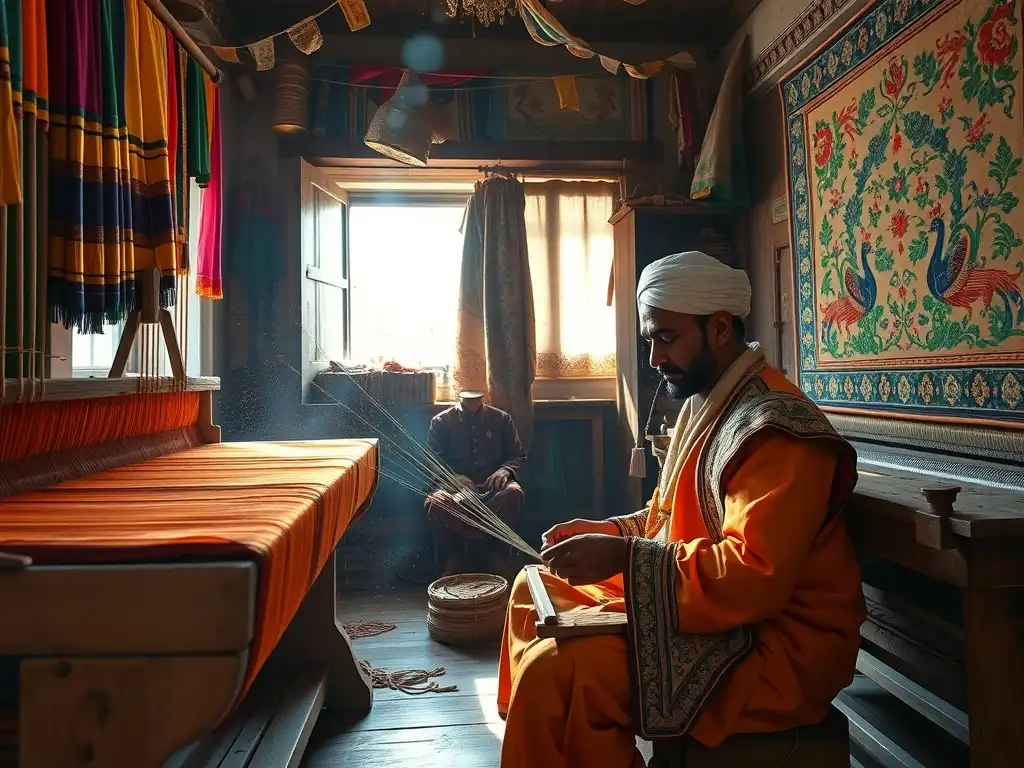
The legacy of Rajput textiles is a vibrant tapestry woven with threads of tradition, artistry, and cultural significance. As we explore the intricate designs and techniques that have characterized Rajput royal textile history, it becomes increasingly clear that preserving these traditions is essential not only for maintaining the aesthetic richness of Indian fashion but also for honoring the cultural heritage of the Rajput community.
The Importance of Keeping Rajput Textile Traditions Alive
The preservation of Rajput textile traditions serves several vital purposes:
- Cultural Identity:
- Rajput textiles reflect the unique identity of the Rajput community, showcasing their history, values, and artistic expressions.
- By keeping these traditions alive, we contribute to the continuity of cultural narratives that define the Rajput heritage.
- Artisan Support:
- Many local artisans, skilled in traditional weaving and embroidery techniques, rely on the continued demand for Rajput textiles for their livelihoods.
- Supporting these crafts not only sustains their economic well-being but also ensures the transfer of skills to future generations.
- Tourism and Awareness:
- The intricate craftsmanship of Rajput textiles attracts scholars, tourists, and fashion enthusiasts alike.
- Promoting awareness of these textiles can enhance tourism in regions where these crafts are practiced, providing economic benefits to local communities.
- Sustainability:
- Traditional textile production methods often employ natural dyes and sustainable practices, which are increasingly relevant in today’s environmentally conscious world.
- Keeping these practices alive can contribute to a more sustainable fashion industry.
- Historical Significance:
- Rajput textiles are not merely functional items; they are artifacts that tell stories of royal heritage, battles, and cultural exchanges.
- By preserving these textiles, we maintain a tangible connection to the past and the rich history of the Rajputs.
Resources for Learning More About Rajput Textiles
For those interested in delving deeper into the world of Rajput textiles, various resources are available:
- Books:
- "Textiles of the Rajputs" by [Author Name] - offers an in-depth look at the history, techniques, and significance of Rajput textiles.
- "Woven Treasures: The Art of Indian Textiles": explores various textile traditions across India, including the Rajput heritage.
- Documentaries:
- "Threads of India" - a documentary that showcases the artistry and craftsmanship behind traditional Indian textiles, with a segment dedicated to Rajput fabrics.
- Online Courses:
- Websites like Coursera and Skillshare offer courses on traditional Indian textiles, where learners can gain insights into the techniques and cultural history of Rajput textiles.
- Museums and Exhibitions:
- Institutions such as the National Museum of India often host exhibitions featuring Rajput textiles, providing an opportunity to view these exquisite works up close.
- Workshops:
- Participating in local workshops can provide practical experience in textile techniques, fostering a hands-on understanding of Rajput textile heritage.
By engaging with these resources, individuals can deepen their appreciation for Rajput royal textile history and contribute to its preservation for future generations.
Suggested Readings and Resources
Books on Rajput Textiles and Culture
The rich tapestry of Rajput royal textile history is beautifully captured in several well-researched books that delve into their intricate designs, cultural significance, and historical context. Here are some noteworthy titles:
-
"The Fabric of India" by Rosemary Crill
This comprehensive book explores the vast tradition of textiles in India, with a dedicated section on the Rajput textiles, highlighting their unique patterns and techniques.
-
"Rajput Painting: A Critical History" by John Seyller
While primarily focused on painting, this book provides important insights into the textiles featured in Rajput art, illustrating how clothing reflects the societal norms and values of the time.
-
"Textiles of India: The Sari" by Rta Kapur Chishti
Focusing on the sari, this book examines its evolution, including the diverse styles associated with the Rajput community, showcasing the interplay between textiles and identity.
-
"Royal Rajasthan on Wheels: A Journey through History and Culture" by Nitin B. Sethi
This travelogue offers a glimpse into the royal lifestyle of Rajasthan, including a discussion on the traditional textiles that adorned the palaces and courts.
These texts not only provide a glimpse into the aesthetic of Rajput textiles but also contextualize them within the broader cultural narrative of India.
Online Courses and Workshops on Traditional Indian Weaving Techniques
To gain a deeper understanding of Rajput textiles, several online courses and workshops focus on traditional Indian weaving techniques. These educational opportunities allow enthusiasts to learn about the craftsmanship behind these exquisite fabrics:
-
India Artisans: Traditional Weaving Techniques
This course offers an overview of various Indian weaving styles, with modules specifically dedicated to the techniques used in Rajput textiles, such as bandhani and leheriya.
-
Crafting Traditions: A Hands-On Workshop
Organized by local artisans, these workshops provide participants with practical experience in weaving and dyeing techniques, often including traditional Rajput methods.
-
Online Textile Studies at the National Institute of Fashion Technology (NIFT)
NIFT frequently offers short-term courses and webinars focusing on the intricacies of Indian textiles, including the historical aspects of Rajput fabrics.
These platforms not only foster a connection with the craft but also promote the preservation of these traditional techniques.
Recommended Websites for Authentic Rajput Textiles and Where to Buy Them
For those interested in acquiring authentic Rajput textiles, various online sources specialize in traditional Indian crafts. Here are some recommended websites:
-
Rajasthan Handloom
A government-supported initiative that provides a wide range of handwoven textiles, including authentic Rajput fabrics. This site offers detailed information about the artisans and their techniques.
-
Craftsvilla
An e-commerce platform dedicated to Indian handicrafts, Craftsvilla features a variety of Rajput textiles, from sarees to dupattas, all sourced directly from local artisans.
-
Jaypore
This website specializes in Indian heritage textiles and offers a curated selection of Rajput-inspired fabrics, ensuring authenticity and quality.
-
Ethnicraft India
Known for its commitment to traditional craftsmanship, Ethnicraft provides a variety of Rajput textiles that reflect the royal heritage of Rajasthan, along with detailed descriptions of their origins.
Exploring these resources not only enhances understanding of Rajput royal textile history but also supports the artisans who continue to preserve these age-old traditions.
Frequently Asked Questions
What is the significance of Rajput textiles in Indian history?
Rajput textiles are important as they showcase the rich cultural heritage and craftsmanship of the Rajput royal families, reflecting their social status and aesthetic values.
How did the Rajputs influence textile production?
The Rajputs played a key role in promoting textile craftsmanship, leading to the development of unique weaving techniques and patterns that are still celebrated in modern Indian textiles.
What materials were commonly used in Rajput textiles?
Rajput textiles were primarily made from luxurious fabrics like silk, cotton, and wool, often embellished with intricate embroidery and vibrant dyes.
How do Rajput textiles differ from other Indian textiles?
Rajput textiles are distinct due to their elaborate designs, use of rich colors, and the presence of symbolic motifs, often inspired by nature and mythology.
What modern relevance do Rajput textiles hold today?
Today, Rajput textiles are valued not only for their historical significance but also for their contemporary appeal, influencing modern fashion and home decor with their traditional aesthetics.
Final Reflection: The Enduring Legacy of Rajput Royal Textile History
The rich tapestry of Rajput royal textile history continues to weave its way into contemporary fashion and culture, reminding us of the elegance and artistry that defined an era. Today, as we explore the intricate designs and vibrant colors that once adorned the nobility, we are not merely looking at fabric; we are uncovering stories of heritage, craftsmanship, and identity that resonate with our modern sensibilities. The legacy of these textiles serves as a powerful reminder of the cultural richness that can inspire our present and future.
The influence of Rajput textiles extends far beyond the realm of fashion; it shapes our understanding of cultural identity and artistic expression. These textiles are not just remnants of a bygone era; they are living artifacts that continue to inspire designers and artists around the world. As we embrace the beauty and intricacy of these fabrics, we are reminded of the words of the renowned designer, “Fashion is the armor to survive the reality of everyday life.” > This quote encapsulates how the artistry of Rajput textiles can empower us to express our individuality and connect with our roots.
As we reflect on the significance of Rajput royal textile history, I invite you to consider how you can incorporate this rich heritage into your own life. Let the stories behind these textiles inspire you to appreciate the artistry in your surroundings, to embrace cultural diversity, and to celebrate the craftsmanship that connects us all. Whether through fashion, art, or personal expression, may you find ways to honor this legacy and carry it forward into the future, ensuring that the beauty of Rajput textiles continues to inspire generations to come.
Unveil the Royal Craftsmanship of Rajput Textiles!
Thank you for diving into the vibrant world of Rajput textiles and royal Indian fashion! Your interest in this fascinating aspect of history opens the door to a treasure trove of cultural heritage. Now, let’s take your newfound knowledge and turn it into action!
- Explore locally: Visit a local museum or cultural center to see textiles and artifacts that narrate the rich history of Indian royalty.
- Share your insights: Start a conversation with friends or online communities about your favorite textile styles or historical pieces that captivate you.
- Try your hand at creativity: Consider engaging in a DIY textile project or enrolling in a class that focuses on traditional textile arts such as block printing or weaving.
What fascinates you the most about the artistic expressions of Rajput textiles, and how will you incorporate that into your life? Let’s discuss!