
The Vedas: A Treasure Trove of Knowledge and Spiritual Insights

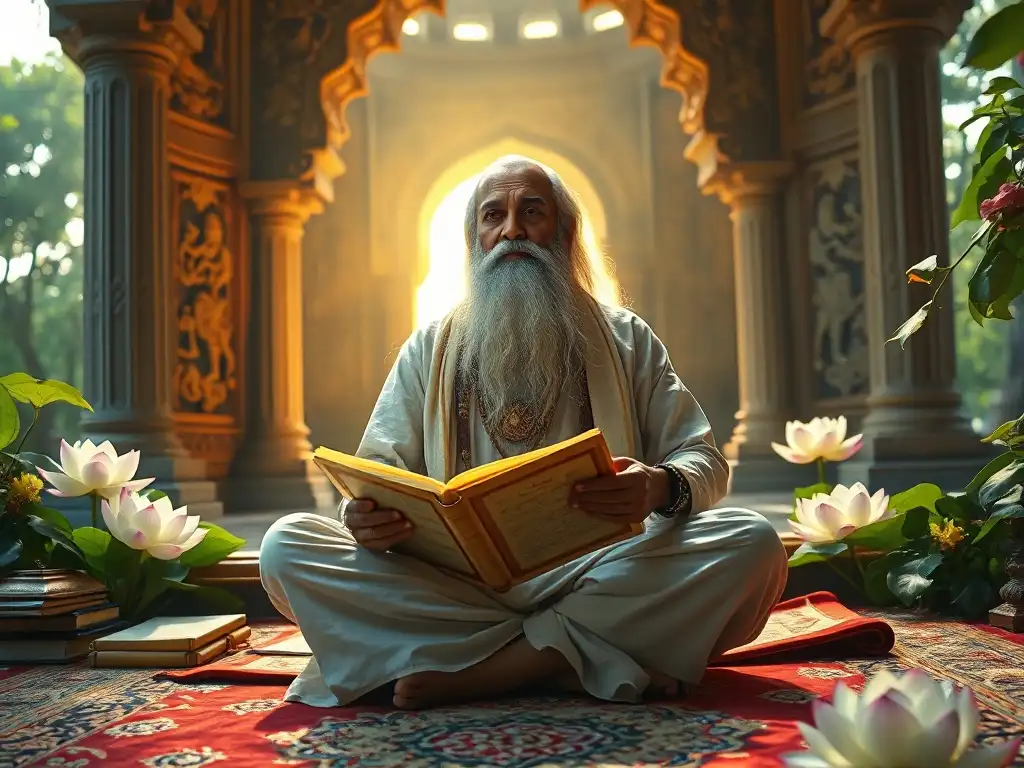
Welcome to Ancient India History, where we embark on a fascinating journey through the rich tapestry of ancient Indian civilizations. Here, you'll uncover the profound wisdom and cultural contributions that have shaped the subcontinent, from the majestic Indus Valley to the illustrious Gupta Empire. Dive into our featured article, "The Vedas: A Treasure Trove of Knowledge and Spiritual Insights," and discover the incredible legacy of ancient Indian spiritual texts. What secrets do these sacred writings hold? Join us as we explore the depths of this epic literature and ignite your curiosity about a world steeped in history and enlightenment.
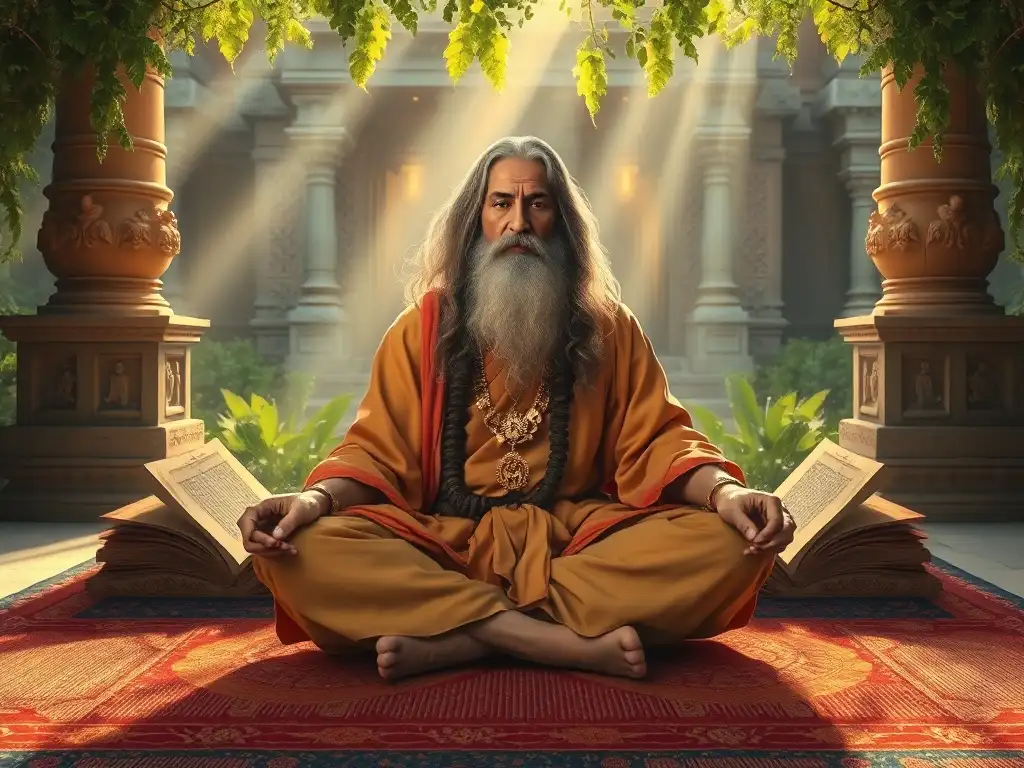
Introduction to Ancient Indian Spiritual Texts
The Vedas, often regarded as the oldest sacred texts of ancient India, serve as a profound testament to the spiritual and intellectual achievements of early Indian civilization. Composed in Sanskrit, these texts are not merely religious scriptures; they encompass a wealth of knowledge, philosophy, and cultural practices that shaped the very foundations of Indian society.
The significance of the Vedas extends beyond their religious dimensions, providing insights into the social, political, and economic life of ancient India. As we delve into the intricate layers of these ancient Indian spiritual texts, we uncover a treasure trove of wisdom that continues to influence modern thought and spirituality.
The Four Vedas: A Closer Look
The Vedas are traditionally divided into four main texts, each serving distinct purposes and containing unique forms of knowledge. Understanding these four Vedas is essential to appreciating the full spectrum of ancient Indian spirituality and its relevance today.
Overview of the Vedas and Their Significance
The Vedas consist of:
- Rigveda: The oldest and most revered text, serving as the foundation of Vedic literature.
- Samaveda: Focused on musical chanting and melodies associated with rituals.
- Yajurveda: Providing instructions on the performance of rituals and sacrificial rites.
- Atharvaveda: Emphasizing practical knowledge, wisdom, and everyday life.
Each Veda holds a unique place in ancient Indian spiritual texts, contributing to a holistic understanding of existence, the cosmos, and humanity's relationship with the divine.
The Historical Context of the Vedas in Ancient India
To fully grasp the essence of the Vedas, it is crucial to place them within their historical context. The Vedic period, which spanned from approximately 1500 BCE to 500 BCE, marked a transformative era in Indian history. This period witnessed the emergence of early Indo-Aryan culture, characterized by nomadic pastoralism, the establishment of agrarian societies, and the development of complex social structures.
During this time, the Vedas were orally transmitted, preserving the wisdom and spiritual insights of generations. They reflect the socio-political dynamics of ancient India, including the evolution of rituals, the role of the priestly class, and the philosophical inquiries that laid the groundwork for subsequent Indian philosophies and religions.
The Four Vedas: A Closer Look
As we explore each of the four Vedas, we will uncover their distinctive characteristics and contributions to the tapestry of ancient Indian spiritual texts.
Rigveda: The Foundation of Vedic Literature
The Rigveda is a collection of hymns dedicated to various deities, showcasing the poetic brilliance of early Vedic society. It consists of over 1,000 hymns and provides insights into the spiritual practices, cosmology, and worldview of ancient Indians. The Rigveda's emphasis on sacrifice and rituals underscores its significance in shaping the religious landscape of ancient India.
Samaveda: The Melody of Sacred Chants
The Samaveda is often referred to as the "Veda of Melodies," as it comprises hymns that are meant to be sung during rituals. It serves as an essential guide for priests, detailing the correct intonations and melodies for various ceremonies. The Samaveda highlights the importance of music and chanting in the spiritual practices of ancient India, linking sound with the divine.
Yajurveda: The Ritual Knowledge
The Yajurveda serves as a manual for performing rituals and sacrifices, providing detailed instructions on the rites and ceremonies essential for worship. It is divided into two parts: the Shukla Yajurveda (White Yajurveda) and the Krishna Yajurveda (Black Yajurveda), each with its unique style and content. The Yajurveda emphasizes the practical aspects of spirituality, bridging the gap between the theoretical knowledge found in the Rigveda and the ritualistic practices of the time.
Atharvaveda: The Wisdom of Everyday Life
The Atharvaveda stands apart from the other three Vedas by addressing the needs and concerns of everyday life. It encompasses a variety of topics, including healing, sorcery, and social issues, reflecting the pragmatic aspects of ancient Indian spirituality. The Atharvaveda's focus on practical wisdom and its relevance to daily existence highlight the comprehensive nature of ancient Indian spiritual texts.
Through this exploration of the Vedas, we gain a deeper appreciation of their profound impact on ancient Indian civilization and their enduring legacy in contemporary spiritual practices. The Vedas remain an invaluable resource for understanding the complexities of spirituality, philosophy, and culture in ancient India.
Themes and Philosophies in the Vedas
The Vedas, revered as the foundational texts of ancient Indian spiritual philosophy, delve into various themes that have significantly shaped the cultural and spiritual landscape of India. These texts explore profound concepts such as rta (the cosmic order), yajna (sacrifice), and the pursuit of moksha (liberation). Each of these themes is woven into the fabric of Vedic knowledge, illustrating the interconnectivity of the universe and the individual's role within it.
The exploration of knowledge and ignorance is another critical theme present in the Vedas. The texts advocate for the pursuit of jnana (knowledge) as a means to transcend the limitations of the physical world and attain spiritual enlightenment. This quest for understanding is intrinsic to the Vedic worldview, promoting a balanced life that harmonizes material pursuits with spiritual growth.
Additionally, the Vedas introduce various philosophical inquiries concerning the nature of existence, the self (Atman), and the ultimate reality (Brahman). Through hymns and rituals, the Vedas guide followers on a path of introspection, encouraging them to explore the depths of their consciousness and their connection to the cosmos.
Spiritual Concepts in Ancient Indian Thought
The spiritual concepts articulated in the Vedas serve as the bedrock of ancient Indian thought. Central to these ideas is the notion of Brahman, which represents the ultimate reality underlying all existence. The Vedas describe Brahman as formless, infinite, and the source of all creation, emphasizing that understanding this concept is pivotal for spiritual liberation.
Another essential spiritual concept is Atman, the individual soul or self. The Vedic texts elucidate the relationship between Atman and Brahman, positing that realizing the unity of these two is the key to liberation from the cycle of birth and rebirth (samsara). This idea has profoundly influenced various schools of thought within Indian philosophy, fostering a deep inquiry into self-awareness and existence.
The Vedas also articulate the significance of rituals and sacrifices (yajnas) as tools for maintaining cosmic order and pleasing the deities. These rituals are not merely ceremonial; they embody a profound understanding of the relationship between the material and spiritual realms, reflecting the interconnectedness of all life.
The Role of Dharma in Vedic Texts
Dharma, often translated as righteousness or moral duty, is a fundamental principle in Vedic literature. The Vedas emphasize the importance of adhering to one's dharma as a means to uphold cosmic order and ensure societal harmony. Each individual’s dharma is seen as unique, influenced by factors such as age, caste, and gender, thereby creating a complex web of responsibilities that contribute to the overall balance of society.
The concept of dharma extends beyond mere social obligations; it encompasses ethical conduct, righteousness in thought and action, and the pursuit of truth. The Vedas advocate for a life lived in accordance with dharma, asserting that this alignment leads to personal fulfillment and spiritual progress.
Moreover, the Vedic texts highlight the dynamic nature of dharma, acknowledging that it can evolve over time. This adaptability allows individuals to navigate moral dilemmas and societal changes while remaining true to the underlying principles of righteousness.
Vedic Cosmology and Its Influence on Later Philosophies
The Vedic cosmology presents a rich and intricate understanding of the universe, characterized by its cyclical nature and the interplay of cosmic forces. Central to this cosmology is the concept of samsara, the cycle of birth, death, and rebirth, which emphasizes the transient nature of existence. The Vedas articulate a universe governed by natural laws and deities, reflecting a profound respect for the cosmos and its mysteries.
Influenced by Vedic cosmology, later philosophical traditions, including Vedanta and Samkhya, expanded on these ideas, exploring the nature of reality and consciousness. The notion of cosmic cycles, such as kalpas (aeons), is echoed in these philosophies, reinforcing the idea that existence is not linear but rather an eternal flow of creation and dissolution.
The Vedic understanding of cosmology also laid the groundwork for the development of astronomy and mathematics in ancient India. The meticulous observations of celestial bodies, as recorded in Vedic texts, paved the way for advancements in timekeeping and navigation, demonstrating the practical applications of Vedic cosmological principles.
The Vedas and Their Influence on Indian Culture
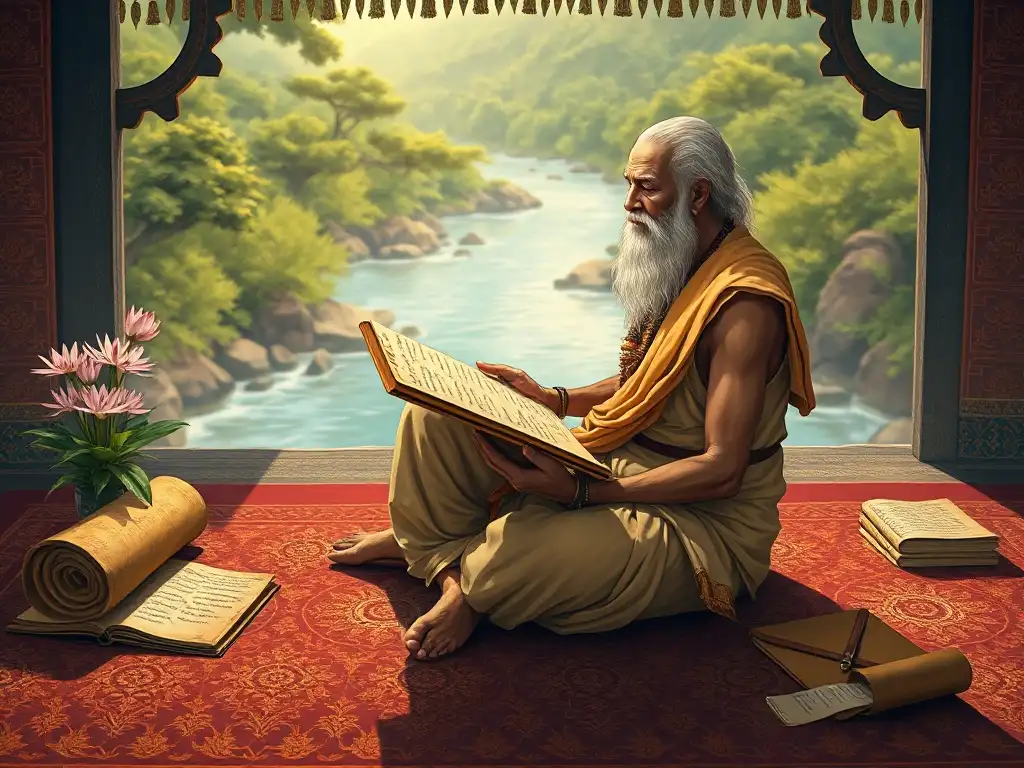
The influence of the Vedas on Indian culture is profound and multifaceted, permeating various aspects of life, from rituals and festivals to ethical frameworks and artistic expressions. The Vedas serve not only as spiritual guides but also as cultural pillars that have shaped the identity of Indian civilization for millennia.
Impact on Ancient Indian Society and Rituals
In ancient Indian society, the Vedas dictated the structure of religious practices and societal norms. Rituals, as prescribed in the Vedic texts, played a crucial role in community life, marking significant events such as births, marriages, and deaths. These rituals were performed to invoke divine blessings, ensure prosperity, and maintain harmony within the community.
The Vedas also laid the foundation for the varna system, categorizing society into distinct groups based on occupational roles. This classification influenced social dynamics, governance, and the distribution of power, shaping the socio-political landscape of ancient India.
Moreover, the Vedic texts fostered a rich tradition of oral transmission of knowledge, leading to the establishment of schools and centers of learning. This emphasis on education and scholarship contributed to the flourishing of arts and sciences, creating a legacy that reverberates through Indian culture to this day.
The Vedas in Modern Indian Spiritual Practices
In contemporary India, the Vedas continue to hold a revered place in spiritual practices. Many modern spiritual leaders draw inspiration from Vedic teachings, integrating them into various forms of yoga, meditation, and rituals. The practice of chanting Vedic hymns (mantras) is prevalent in spiritual gatherings, emphasizing the timeless relevance of these ancient texts.
The Vedic concepts of karma and dharma remain integral to the moral and ethical considerations in modern Indian society. They guide individuals in making choices that align with their spiritual values, fostering a sense of responsibility toward oneself and others.
Additionally, the resurgence of interest in Vedanta and other Vedic philosophies has contributed to the global spread of Indian spirituality, with many seeking to explore the wisdom contained within these ancient texts.
Contributions of Vedic Texts to Indian Philosophy
The Vedas have made substantial contributions to the development of Indian philosophy, laying the groundwork for various philosophical schools such as Nyaya, Vaisheshika, and Advaita Vedanta. These schools emerged from the core teachings of the Vedas, each interpreting and expanding upon Vedic concepts in unique ways.
The Vedic inquiry into the nature of reality, self, and the universe has prompted profound philosophical debates that continue to resonate today. Central themes such as the nature of consciousness, the existence of the soul, and the pursuit of ultimate truth remain focal points of philosophical discourse in India and beyond.
Moreover, the emphasis on logical reasoning and dialectical methods in Vedic texts has influenced the development of Indian logic and epistemology, establishing a distinctive philosophical tradition that values rational inquiry alongside spiritual exploration.
The Vedas represent a treasure trove of knowledge and spiritual insights, shaping the cultural and philosophical landscape of ancient and modern India. Their teachings continue to inspire generations, affirming their status as pivotal texts in the history of ancient Indian spiritual texts.
Preservation and Transmission of Vedic Knowledge
The preservation and transmission of Vedic knowledge is a remarkable aspect of ancient Indian history, reflecting the deep reverence for these texts within the culture. The Vedas, being some of the oldest spiritual texts in existence, have undergone a meticulous process of preservation that spans millennia. This process involved both oral and written traditions, ensuring that the teachings contained within the Vedas were passed down through generations, despite the challenges of time and societal changes.
The importance of preserving Vedic knowledge cannot be overstated. The Vedas not only encompass spiritual insights but also provide insights into the social, cultural, and philosophical frameworks of ancient India. As such, their preservation is critical for understanding the foundational elements of Indian civilization.
Oral Tradition: The Transmission of Ancient Wisdom
The oral tradition played a pivotal role in the transmission of Vedic knowledge. For centuries, the Vedas were passed down verbally from teacher to student, ensuring that every syllable was accurately conveyed. This method of transmission was not merely a practical necessity; it was also a deeply spiritual practice.
The process of oral recitation, known as śruti, involved rigorous training and memorization techniques. Students, often residing in gurukulas (traditional schools), would undergo extensive education in phonetics, accentuation, and intonation. This meticulous approach ensured that the texts were preserved in their original form, with a focus on the sacred sounds and vibrations believed to hold spiritual power.
The emphasis on oral tradition also fostered a communal aspect to learning, where knowledge was shared and celebrated in rituals and gatherings. This vibrant oral culture was crucial in maintaining the integrity of the Vedas, allowing them to endure through cultural shifts and historical events.
Manuscripts and Archaeological Discoveries of Vedic Texts
With the advent of writing, Vedic knowledge began to be inscribed on various materials, including palm leaves, birch bark, and later, paper. Manuscripts of the Vedas emerged, marking a significant transition in how this ancient knowledge was preserved.
Archaeological discoveries have unearthed numerous Vedic manuscripts, which offer invaluable insights into the textual history of the Vedas. Sites such as the ancient city of Taxila and the libraries of Nalanda have yielded manuscripts that date back to centuries after the original oral compositions. These texts not only serve as a testament to the enduring legacy of the Vedas but also highlight the sophistication of ancient Indian scholarship.
In addition to manuscripts, the use of inscriptions on stone and metal artifacts has provided further context to the Vedic texts. These archaeological finds help scholars piece together the historical and cultural backdrop against which the Vedas were composed and transmitted, thus enriching our understanding of ancient Indian spiritual texts.
Critiques and Interpretations of the Vedas
The Vedas, while revered, have also been subject to critiques and various interpretations throughout history. Scholars and thinkers have approached these texts from multiple angles, leading to a rich tapestry of understanding that continues to evolve.
Scholarly Perspectives on Vedic Literature
Scholars have engaged with Vedic literature from diverse disciplines, including linguistics, anthropology, philosophy, and religious studies. This multidisciplinary approach has resulted in varied interpretations of the Vedas, considering factors such as historical context, linguistic evolution, and cultural significance.
Some scholars argue that the Vedas reflect a patriarchal society, while others emphasize their inclusivity and the role of women in Vedic rituals. The interpretation of Vedic hymns, in particular, has led to debates about their philosophical underpinnings and spiritual implications.
Additionally, certain modern critiques question the applicability of Vedic texts in contemporary society, suggesting that some aspects may not align with current ethical standards. However, many scholars maintain that the essence of the Vedas – their focus on spiritual insight and the quest for knowledge – remains relevant and can be adapted to address modern dilemmas.
Contemporary Interpretations of Ancient Indian Spiritual Texts
In recent years, there has been a resurgence of interest in the Vedas, particularly as contemporary thinkers seek to reinterpret ancient Indian spiritual texts for modern audiences. This movement emphasizes the universal themes present in the Vedas, such as the pursuit of truth, the nature of existence, and the importance of ethical living.
Contemporary interpretations often focus on the philosophical aspects of the Vedas, advocating for a holistic understanding that transcends rigid dogmas. This approach allows for the extraction of relevant insights that can address current global challenges, such as environmental concerns, social justice, and personal well-being.
Moreover, the intersection of technology and spirituality has led to new ways of engaging with Vedic texts. Digital platforms and online courses have made these ancient teachings more accessible, fostering a global conversation around their significance. As such, the Vedas continue to resonate, inspiring individuals to explore their spiritual journeys through the lens of ancient wisdom.
Conclusion: The Legacy of the Vedas in Modern Times
The Vedas, composed over three millennia ago, continue to resonate through the corridors of time, profoundly influencing various aspects of spirituality, philosophy, and culture. Their teachings and insights have transcended the ages, providing guidance to countless generations. As foundational texts of ancient Indian spiritual heritage, the Vedas offer a comprehensive understanding of the cosmos, the self, and the pursuit of truth.
In today's fast-paced world, where materialism often overshadows spiritual growth, the Vedas serve as a reminder of the importance of inner exploration and self-realization. Their verses encourage individuals to look beyond the superficial and engage in deeper contemplation about life, existence, and the universe. This timeless wisdom fosters a sense of peace and harmony, essential for navigating the complexities of modern life.
The Vedas as a Source of Inspiration for Spiritual Seekers
For spiritual seekers, the Vedas provide rich resources filled with profound insights and practical guidance. They encompass a wide range of topics, including meditation, rituals, ethics, and the nature of the divine, making them a comprehensive manual for spiritual growth.
- Meditation and Contemplation: The Vedas emphasize the importance of meditation as a means to attain higher consciousness. Texts like the Upanishads, which are part of the Vedic literature, delve into the techniques of meditation, encouraging practitioners to explore the depths of their minds and connect with the ultimate reality.
- Ethical Living: The Vedas advocate for Dharma (righteousness) as the foundation for a fulfilling and meaningful life. They provide guidance on ethical conduct, emphasizing values such as truthfulness, compassion, and self-discipline, which inspire spiritual seekers to lead a morally upright life.
- Connection with the Divine: The devotional aspect of the Vedas, particularly in the form of hymns and prayers, offers seekers a pathway to connect with the divine. This connection fosters a sense of belonging and purpose, encouraging individuals to seek spiritual truths beyond the material realm.
The Enduring Relevance of Ancient Indian Spiritual Texts in Today's World
The enduring relevance of the Vedas in contemporary society cannot be overstated. In an era characterized by rapid technological advancements and shifting societal values, the timeless wisdom contained within these ancient texts provides valuable insights into how to live harmoniously with oneself and others.
- Mindfulness and Well-being: The principles of mindfulness and self-awareness, rooted in Vedic teachings, have gained immense popularity in modern wellness practices. Techniques derived from the Vedas, such as yoga and meditation, are now integral to holistic health, promoting mental clarity, emotional stability, and physical well-being.
- Interfaith Dialogue: The Vedas also encourage dialogue and understanding among different spiritual traditions. Their universal themes of love, compassion, and the quest for truth resonate with diverse belief systems, fostering a sense of unity and interconnection among humanity.
- Philosophical Inquiry: The philosophical dimensions of the Vedas invite individuals to engage in critical thinking and existential inquiry. This relevance is especially pertinent in today's world, where individuals seek deeper meaning and purpose amid chaos and uncertainty.
The Vedas remain a profound source of knowledge and spiritual insight, inspiring individuals across cultures and generations. Their legacy continues to shape modern spiritual practices, offering timeless wisdom that guides humanity toward a more fulfilling and harmonious existence.
- Introduction to Ancient Indian Spiritual Texts
- The Four Vedas: A Closer Look
- The Four Vedas: A Closer Look
- Themes and Philosophies in the Vedas
- The Vedas and Their Influence on Indian Culture
- Preservation and Transmission of Vedic Knowledge
- Critiques and Interpretations of the Vedas
- Conclusion: The Legacy of the Vedas in Modern Times
Frequently Asked Questions
What are the Vedas?
The Vedas are the oldest ancient Indian spiritual texts, comprising four main collections: Rigveda, Samaveda, Yajurveda, and Atharvaveda, which contain hymns, rituals, and philosophical insights.
How do the Vedas influence modern spirituality?
The Vedic teachings have profoundly shaped spiritual practices and philosophies in contemporary Hinduism, emphasizing concepts such as karma, dharma, and moksha.
What themes are explored in the Vedas?
The Vedas cover diverse themes such as cosmology, rituals, philosophy, and moral principles, providing a comprehensive framework for understanding life and spirituality.
Are the Vedas relevant today?
Yes, the Vedas remain relevant, as they continue to inspire spiritual seekers and scholars, contributing to discussions on ethics, meditation, and the nature of the universe.
How can one access the teachings of the Vedas?
The teachings of the Vedas can be accessed through various translations, commentaries, and academic studies, making them available to a broader audience interested in ancient Indian spiritual texts.
Final Reflection: The Enduring Wisdom of Ancient Indian Spiritual Texts
The Vedas stand as a testament to the profound depth of human thought and spirituality, reminding us of their timeless relevance in our modern lives. In an age where rapid technological advancements often overshadow our spiritual needs, the teachings of these ancient texts offer a sanctuary of wisdom that can guide us through the complexities of contemporary existence. The Vedas not only encapsulate the essence of ancient Indian philosophy but also resonate with universal truths that continue to inspire seekers of knowledge and spiritual fulfillment today.
The influence of the Vedas extends far beyond their historical context; they have woven themselves into the very fabric of cultural and spiritual practices across the globe. Their teachings encourage introspection, ethical living, and a deep connection to the cosmos, shaping the values and beliefs of countless individuals. The Vedas are not just texts; they are a way of life, a journey into the depths of consciousness.
This ongoing relevance underscores the need for us to engage with these texts, allowing their insights to illuminate our paths and enrich our understanding of ourselves and the world around us.
As we reflect on the lessons imparted by the Vedas, let us embrace the opportunity to integrate their wisdom into our daily lives. I invite you to explore these ancient Indian spiritual texts, not merely as relics of the past, but as living guides that can inspire personal growth and collective harmony. By doing so, we can cultivate a deeper awareness of our spiritual journey and contribute to a more enlightened and compassionate society.
Unveil the Wisdom of the Vedas Today!
Thank you for diving into our exploration of the Vedas! We hope you’ve discovered the rich tapestry of knowledge and spiritual insights that these ancient texts offer. Now, it's time to take that inspiration a step further—embrace the wisdom of the Vedas in your daily life!
Here are some engaging actions you can take:
- Start a daily reading habit: Set aside time each day to read a verse from the Vedas and reflect on its meaning.
- Join a community of fellow seekers: Find local or online groups discussing Vedic philosophy to deepen your understanding and share insights.
- Experiment with traditional recipes: Incorporate Ayurvedic principles into your cooking for nourishment that resonates with Vedic teachings.
What wisdom from the Vedas will you incorporate into your life today? Share your thoughts or experiences in the comments below!