
Music in Ancient India: How It Influenced Political and Social Structures

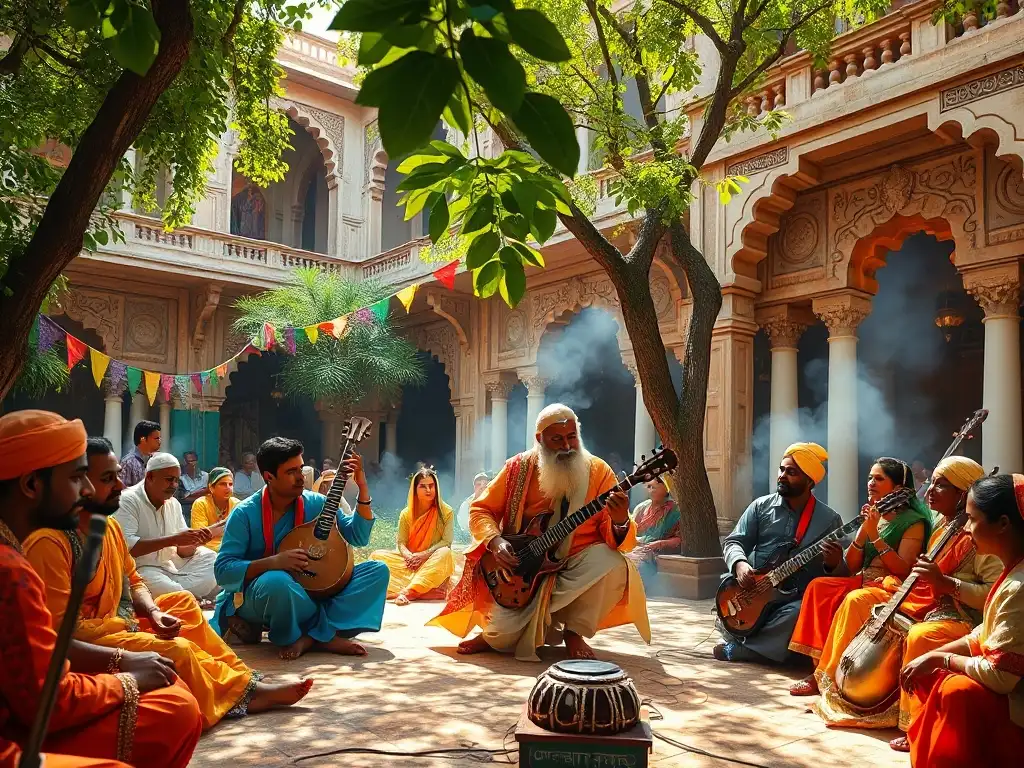
Welcome to Ancient India History, where we embark on a captivating journey through the rich tapestry of India’s past. Dive into our latest exploration, "Music in Ancient India: How It Influenced Political and Social Structures," as we unravel the profound ways in which ancient Indian music influence shaped not only artistic expression but also the very foundations of society and governance. Get ready to uncover the melodies that resonated through time, sparking curiosity about the intricate connections between sound and structure in one of the world's most fascinating civilizations. Your adventure into the depths of ancient culture starts here!
- Introduction to Ancient Indian Music Influence
- Historical Context of Ancient Indian Music
- Ancient Indian Music Influence on Political Structures
- Ancient Indian Music Influence on Social Structures
- Key Musical Forms and Their Societal Impact
- Theoretical Frameworks of Ancient Indian Music
- Conclusion: Lasting Legacy of Ancient Indian Music Influence
- Additional Resources
-
Frequently Asked Questions
- What role did ancient Indian music play in society?
- How did music influence political structures in ancient India?
- What is the significance of classical music in ancient Indian culture?
- How did the Indus Valley Civilization contribute to the evolution of music?
- Can we see the influence of ancient Indian music in modern practices?
- Final Reflection: The Enduring Influence of Ancient Indian Music
- Unveil the Harmony of Music’s Influence on Society!
Introduction to Ancient Indian Music Influence
The influence of music in ancient India extends far beyond mere entertainment; it has played a pivotal role in shaping the political and social landscapes of various civilizations throughout history. From the melodious strains of the Indus Valley civilization to the sophisticated compositions of the Gupta Empire, ancient Indian music reflects the diverse cultural tapestry of the subcontinent.
This article delves into the rich heritage of ancient Indian music, exploring how it influenced not only the artistic expressions of the time but also the societal norms and political structures that governed these civilizations. By examining this intricate relationship, we can gain a deeper appreciation for the impact of music in ancient Indian society and its enduring legacy.
Overview of Music in Ancient India
Ancient Indian music is characterized by its rich traditions and diversity, encompassing various forms, styles, and instruments that evolved over centuries. The foundational texts of Indian music can be traced back to the Vedas, particularly the Samaveda, which contains hymns sung during rituals. These hymns laid the groundwork for the development of classical music in India, giving rise to two major traditions: Hindustani (North Indian) and Karnatic (South Indian) music.
- Key Characteristics:
- Ragas and Talas: Central to Indian classical music are ragas (melodic frameworks) and talas (rhythmic cycles), which provide a structure for improvisation and composition.
- Instruments: A variety of instruments, such as the veena, tabla, and sitar, played significant roles in performances, each contributing to the unique sound and texture of the music.
- Vocal Music: Vocal performances were highly esteemed, with styles ranging from devotional songs to court music, showcasing the versatility of human expression.
The influence of ancient Indian music extended beyond the realm of arts, permeating various aspects of life, including religion, education, and even governance.
The Role of Music in Ancient Indian Society
In ancient India, music served as a vital component of social and political life. It was not merely a form of artistic expression but also a means of communication and a tool for social cohesion. Here are some key roles music played in ancient Indian society:
- Religious Significance: Music was integral to religious ceremonies and rituals. Devotional songs, or bhajans, were chanted in temples, helping to foster a sense of community and shared spirituality.
- Political Influence: Rulers often patronized musicians and composers, utilizing music to convey power and authority. Royal courts became centers of musical innovation, reflecting the state's cultural sophistication.
- Cultural Identity: Music unified diverse groups within society, allowing for the expression of regional identities and traditions. Festivals and communal gatherings were often marked by musical performances, reinforcing social bonds.
The interplay of music with political and social structures in ancient India illustrates its profound influence—one that resonates through the ages and continues to shape contemporary Indian culture.
Historical Context of Ancient Indian Music
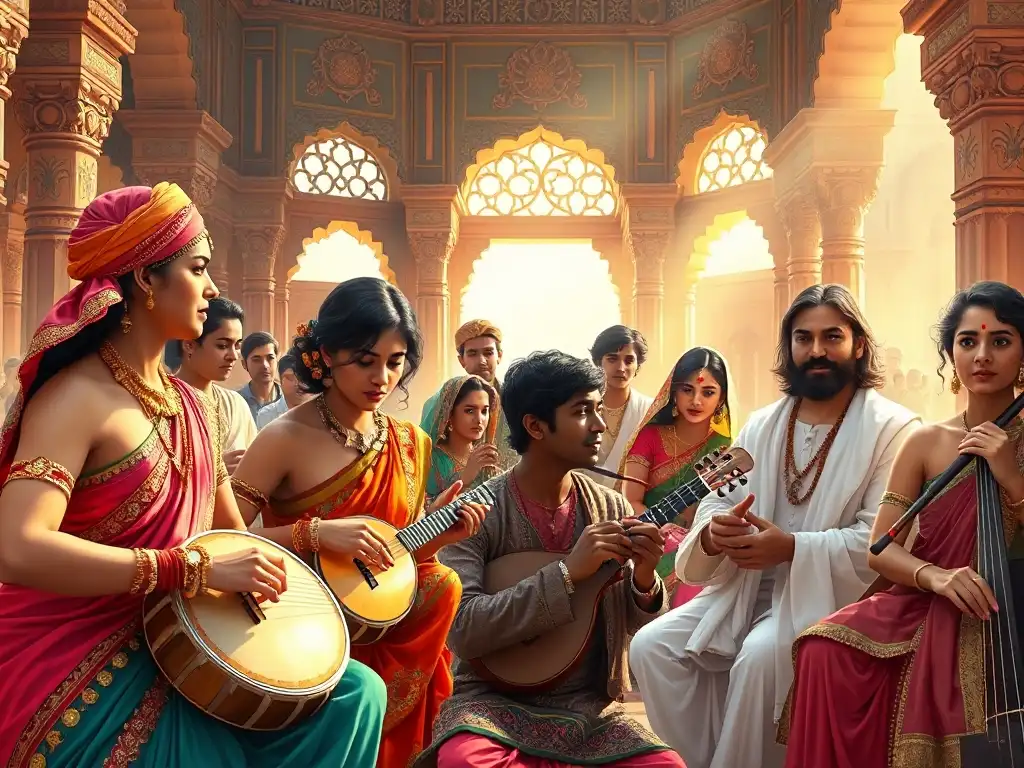
Understanding the historical context of ancient Indian music is essential to appreciate its profound influence on the political and social structures of early Indian civilizations. Music in ancient India was not merely an art form; it was an integral part of religious rituals, social gatherings, and even political events. The foundation of ancient Indian music can be traced back to various scriptures and texts, which provide insight into its origins and significance.
Origins of Music in Ancient India
The origins of music in ancient India are deeply embedded in the Vedic texts, specifically the Samaveda, which is considered one of the four Vedas composed around 1500 BCE. This text is essentially a collection of melodies and chants used in rituals, highlighting music's crucial role in religious practices. The early Vedic hymns were sung to create a conducive atmosphere for rituals, linking music to spirituality and divine connection.
Key aspects of the origins include:
- Sacred Rituals: Music was employed in Yajnas (sacrificial rites), where specific melodies were believed to invoke deities and ensure prosperity.
- Cultural Transmission: Music was passed down orally, allowing for a rich tradition of improvisation and adaptation across generations.
- Philosophical Underpinnings: The ancient Indian treatise, Natya Shastra by Bharata Muni, written around the 2nd century BCE, elaborates on the connection between music, dance, and drama, asserting that they are vital for emotional expression.
The significance of music in ancient Indian society extended beyond the religious domain; it was also a tool for storytelling and preserving history. Folk songs and regional variations emerged, reflecting the diverse cultural tapestry of the subcontinent.
Evolution of Musical Styles and Instruments
The evolution of musical styles and instruments in ancient India marks a fascinating journey influenced by various historical, social, and cultural factors. Over the centuries, several genres of music developed, each with its unique characteristics and instruments.
Major Musical Styles
- Classical Music: Ancient Indian classical music, divided into two main traditions—Hindustani (North Indian) and Carnatic (South Indian)—emerged from the Vedic chants and evolved through various dynasties. Each tradition has distinct scales, ragas, and talas.
- Hindustani Music: Characterized by improvisation and a greater influence from Persian music, it focuses heavily on the emotional expression of ragas.
- Carnatic Music: Known for its structured compositions and intricate rhythms, it emphasizes fixed compositions and devotional themes.
- Folk Music: Regional folk traditions flourished across diverse communities, often tied to agricultural cycles, festivals, and local narratives. These forms of music served not only entertainment purposes but also acted as a social unifier in various communities.
- Devotional Music: Bhakti movements contributed to the rise of devotional music, with songs aimed at devotion to various deities. This genre played a vital role in communal identity and religious expression.
Instruments
The evolution of musical instruments in ancient India was equally significant, contributing to the richness of musical expression. Some notable instruments include:
- Veena: A string instrument associated with classical music, symbolizing the goddess of learning, Saraswati.
- Mridangam: A percussion instrument central to Carnatic music, known for its intricate rhythmic patterns.
- Bansuri: The bamboo flute, often used in folk and classical music, is associated with pastoral themes and divine love, especially in the context of Lord Krishna.
The historical context of ancient Indian music reveals its foundational role in shaping the cultural, political, and social landscapes of the time. The evolution of musical styles and instruments not only reflects aesthetic developments but also highlights music's influence as a powerful medium for communication and expression in ancient Indian society. The ancient Indian music influence on various aspects of life underscores its enduring legacy in the region’s cultural heritage.
Ancient Indian Music Influence on Political Structures
Connection Between Music and Rulers
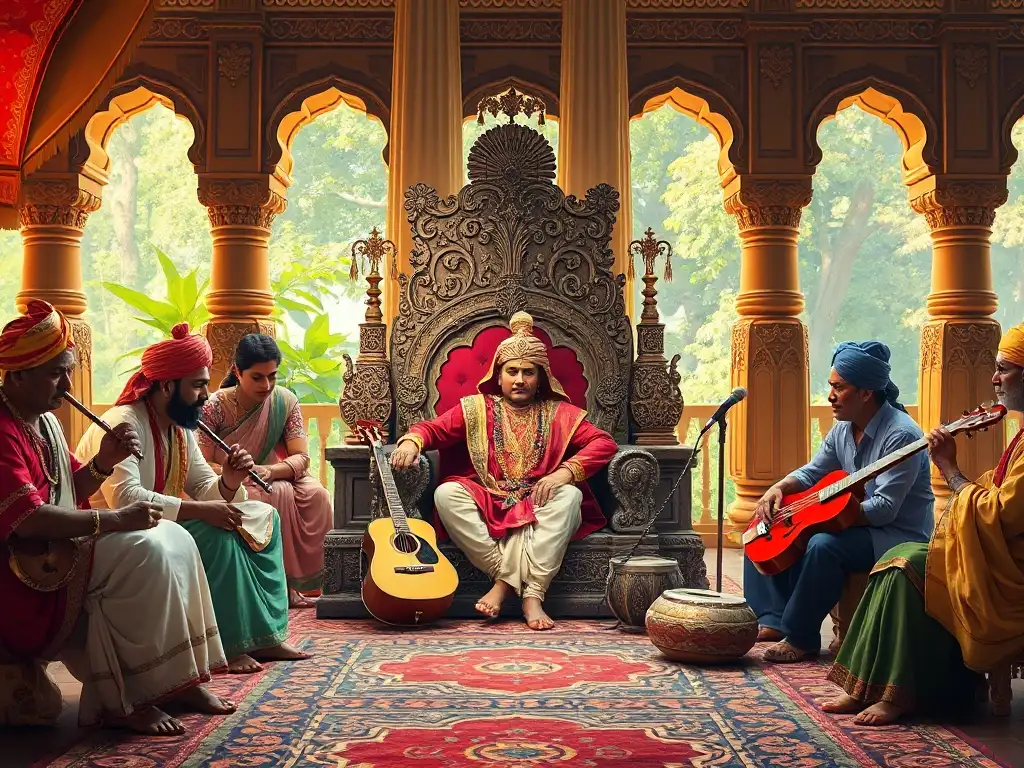
In ancient India, music was more than an art form; it served as a profound tool in the hands of rulers, enabling them to establish authority, convey power, and unify their subjects. The connection between music and rulers can be traced back to Vedic times, where hymns and chants played a crucial role in rituals and governance. Rulers often employed musicians to compose songs that glorified their reign and victories, thus embedding their legacy into the cultural fabric of society.
The concept of “Rajadharma” (the duty of a king) mandated that rulers uphold justice and righteousness. Music, with its ability to evoke emotions, was used to communicate these ideals to the populace. For instance, during royal processions, musicians would perform compositions that celebrated the king's virtues, reinforcing his image as a benevolent leader.
Additionally, music served as a means of political communication; it was common for rulers to send messages through musical compositions, signaling alliances or victories over adversaries. The use of specific ragas, which evoke distinct feelings and moods, further enhanced this connection. For example, Raga Malhar was believed to invoke rain and was often played during droughts to appeal to the gods for mercy.
Role of Music in Political Ceremonies and Events
Music played an integral role in various political ceremonies and events in ancient India, marking significant moments in the life of a kingdom. From coronation ceremonies to military victories, music served as a backdrop that amplified the importance of these events.
During coronations, the presence of music symbolized divine approval. Traditional instruments such as the shehnai and dhol would be played to invoke blessings and ensure prosperity for the new ruler. The ceremonial use of music not only enhanced the grandeur of the occasion but also fostered a sense of unity among the subjects, as they participated in the collective celebration.
Moreover, at military events, music was employed to boost morale among troops. Marching songs and battle anthems created a sense of camaraderie and determination, often leading to heightened performance in battles. The famous “Dhrupad” style, known for its solemnity and depth, was sometimes used to instill fear in the enemy or to inspire courage in soldiers.
Case Studies: Music Patronage by Notable Kings
Historically, several kings in ancient India recognized the significance of music and actively patronized it, leading to flourishing music traditions that influenced their political landscapes.
-
King Harsha (606-647 CE):
Harsha, known for his patronage of arts and culture, invited musicians and poets to his court. His encouragement led to the composition of numerous musical works, which celebrated his reign and promoted cultural exchange. The famous poet Banabhatta, who served under him, emphasized in his writings the role of music in establishing Harsha’s legacy.
-
Emperor Ashoka (268-232 BCE):
Ashoka's reign is noted for the spread of Buddhism, which influenced the music of that era. He used music to propagate Buddhist teachings, employing monks who sang hymns and chants that conveyed ethical messages. This integration of music into religious practices helped solidify his rule and convert many to Buddhism.
-
Mughal Emperor Akbar (1542-1605 CE):
Akbar was a notable patron of the arts, particularly music. He established the “Mansabdari” system, which included musicians in the court hierarchy. His love for music led to the development of Gharanas (musical schools), which merged various traditions and created a unique cultural identity. Akbar’s court became a melting pot of musical styles, enhancing his political stature and creating a legacy that continues to influence Indian classical music today.
The influence of ancient Indian music on political structures was profound, intertwining governance, culture, and social cohesion. Through ceremonies, patronage, and the strategic use of music, rulers effectively utilized this art form to reinforce their authority and connect with their subjects, leaving a lasting legacy on the Indian subcontinent.
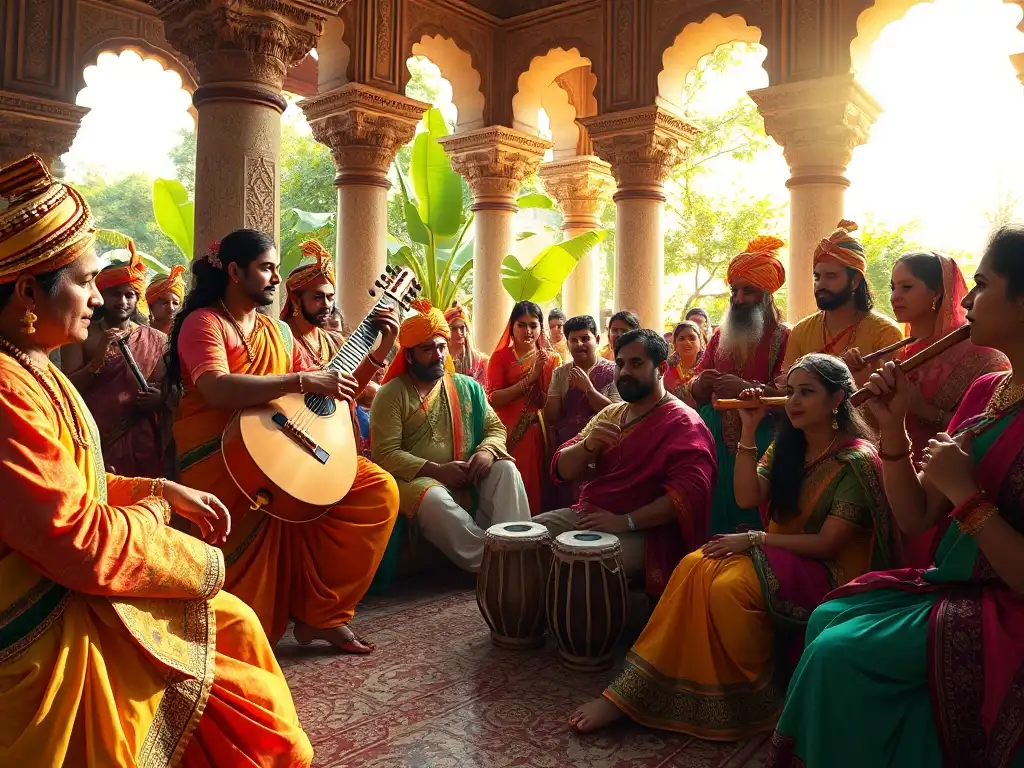
Music has historically served as a powerful medium for fostering social cohesion within ancient Indian societies. Its influence can be observed across various strata of social life, where it acted as a unifying force that transcended individual differences. In ancient India, music was not merely an art form; it was intricately woven into the fabric of communal life, facilitating social interactions and reinforcing bonds among individuals.
- Community Participation: Traditional music often involved collective participation, encouraging engagement among community members. For instance, folk songs and dances were integral during agricultural festivals, where farmers would sing in harmony while working in the fields, thereby strengthening community ties.
- Cultural Identity: Music also played a crucial role in shaping cultural identity. Different regions developed distinct musical styles, which contributed to a sense of belonging among the people. This regional diversity in music helped preserve local customs and traditions, while also promoting pride in one’s heritage.
- Social Functions: Music was employed in various social functions such as weddings, rites of passage, and communal gatherings. Specific songs and melodies were associated with particular events, thus marking significant moments in the life of the community. This practice reinforced the social fabric by creating shared experiences.
Interaction Between Music and Religious Practices
The intersection of music and religion in ancient India significantly contributed to societal structures and norms. Music was not only a form of entertainment but also a vital component of spiritual practice and worship.
- Sacred Music: Ancient Indian texts like the Vedas emphasize the importance of music in religious rituals. The chanting of mantras and hymns was believed to invoke divine presence and facilitate communication with the gods. This sacred aspect of music elevated its status within society, making it a respected and revered art form.
- Rituals and Ceremonies: Music played a significant role in various religious ceremonies, such as yajnas (sacrificial rituals) and pujas (worship). The use of specific ragas and talas was thought to enhance the spiritual experience, creating an atmosphere conducive to devotion and reverence.
- Influence on Philosophy and Ethics: The philosophical underpinnings of ancient Indian music often intersected with ethical teachings. The concept of 'Nāṭya' (drama) incorporated music, dance, and storytelling, thereby serving as a medium to impart moral lessons. This integration of music into religious and philosophical discourse reinforced its influence on social values and ethical conduct.
Influence of Music on Festivals and Community Gatherings
Festivals in ancient India were vibrant expressions of culture and tradition, and music was a central element of these celebrations. The influence of music on festivals and community gatherings cannot be overstated, as it played a pivotal role in shaping communal identity and cultural continuity.
- Celebratory Atmosphere: Music contributed to the joyous atmosphere of festivals, enhancing the overall experience. Instruments like the dhol, nagara, and flute were commonly used to create lively rhythms that encouraged dance and participation. This collective celebration fostered a sense of unity among community members.
- Cultural Transmission: Festivals provided an opportunity for the transmission of cultural knowledge and traditions. Through music, stories of deities, historical events, and moral tales were shared, ensuring that cultural heritage was preserved and passed down through generations.
- Inclusivity and Diversity: Music during festivals was often inclusive, bringing together people from various social backgrounds. This inclusivity allowed for the blending of different musical styles and traditions, promoting cultural exchange and understanding among diverse communities.
The influence of ancient Indian music on social structures is profound and multi-faceted. It not only served as a source of entertainment but also played a crucial role in fostering social cohesion, enhancing religious practices, and enriching community gatherings. The legacy of these musical traditions continues to resonate in modern Indian society, reflecting the enduring power of music as a vital aspect of cultural identity.
Key Musical Forms and Their Societal Impact
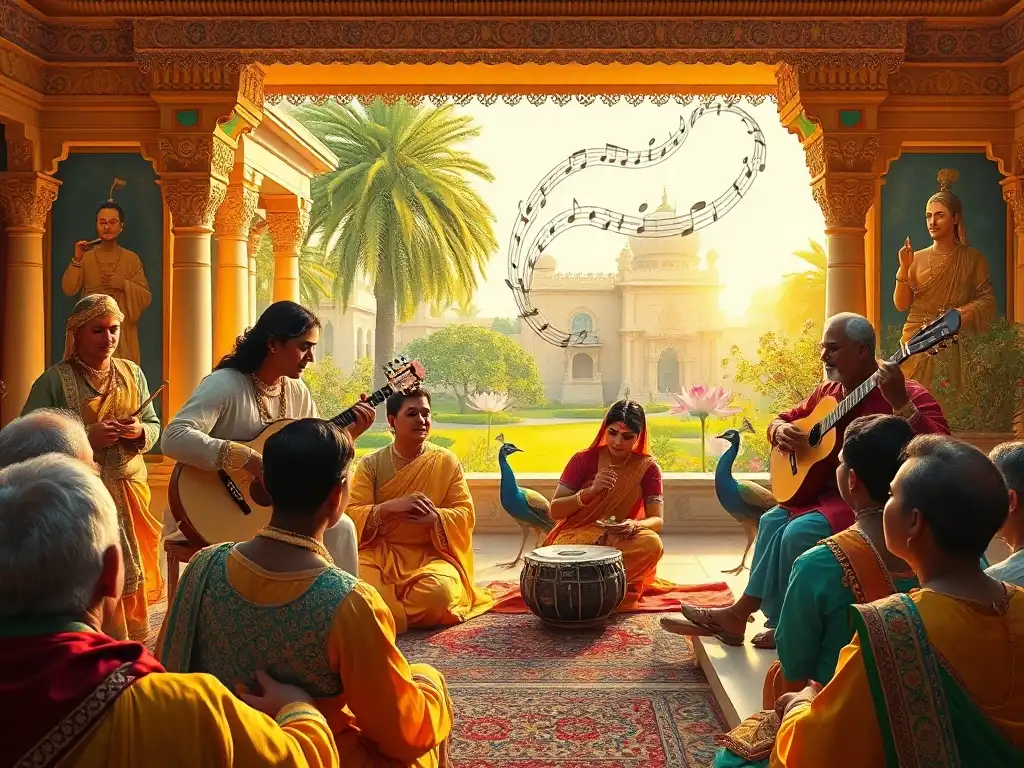
Ancient Indian music, characterized by its rich diversity and profound influence, played a pivotal role in shaping both the political and social landscapes of its time. The various musical forms, from classical traditions to folk expressions, contributed significantly to the cultural fabric of ancient Indian societies. This section delves into the key musical forms and their societal impact, highlighting how music served as a medium for expression, communication, and unity.
Classical Music Traditions: Hindustani and Carnatic
The classical music traditions of Hindustani and Carnatic represent two distinct yet interconnected streams of ancient Indian music.
- Hindustani Music: Originating from the North of India, Hindustani music is characterized by its improvisational nature and a rich repertoire of ragas (melodic frameworks). The historical patronage by Mughal emperors and regional kings significantly influenced its development. For instance, the introduction of instruments like the sitar and tabla under royal patronage enhanced its complexity and appeal. Hindustani music often served as a medium for expressing devotion and philosophical ideas, intertwining with the socio-political narratives of the time.
- Carnatic Music: Predominantly found in South India, Carnatic music is known for its structured compositions and intricate rhythms. The influence of temple traditions is evident in its themes, which often revolve around devotion and spirituality. The Bhakti movement, emphasizing personal devotion to deities, propelled the popularity of Carnatic music. Composers like Tyagaraja and Muthuswami Dikshitar created works that not only enriched the musical landscape but also reinforced the social and political ideologies of their time, fostering a sense of community among practitioners and audiences.
The impact of these classical traditions extends beyond mere entertainment; they were integral to court ceremonies, religious rituals, and social gatherings, thereby influencing political structures and societal norms.
Folk Music and Its Role in Daily Life
Folk music in ancient India served as a reflection of the daily lives, struggles, and celebrations of various communities. It was characterized by its regional diversity and adaptability, often incorporating local languages and dialects.
- Cultural Identity: Folk songs were fundamental in expressing cultural identity and values. Communities used music during festivals, weddings, and harvest celebrations, fostering a sense of unity and belonging. For example, the Bhangra from Punjab and Lavani from Maharashtra encapsulate the local traditions and social gatherings, often narrating stories of love, valor, and communal harmony.
- Social Commentary: Additionally, folk music provided a platform for social commentary. Songs often addressed social issues, such as caste discrimination and gender roles, acting as a voice for the marginalized. This form of music not only entertained but also educated listeners about societal norms and challenges, influencing public opinion and cultural practices.
In essence, folk music was a vital part of the socio-cultural fabric, shaping communal ties and enabling a collective expression of identity and values.
The instrumentation in ancient Indian music reflects the intricate relationship between music and society. Instruments were not merely tools for creating sound; they were imbued with cultural significance and symbolism.
- Percussion Instruments: Instruments like the tabla and mridangam were central to both classical and folk music. Their rhythmic patterns often dictated the tempo of social gatherings, rituals, and performances, playing a crucial role in establishing the mood and energy of events. The use of rhythm in religious ceremonies also underscored the connection between music and spirituality.
- Melodic Instruments: String instruments such as the sitar and veena were associated with higher artistic expression and were often played in royal courts and temples. Their use in classical music made them symbols of cultural prestige and sophistication, influencing social hierarchies. The patronage of these instruments by royals and elites further emphasized their importance in societal status and cultural identity.
- Cultural Transmission: The craftsmanship involved in creating these instruments also highlights the social structures surrounding music. Artisans and musicians often belonged to specific communities, passing down their skills through generations. This transmission of knowledge not only preserved musical traditions but also reinforced social roles within communities.
The instrumentation in ancient Indian music served both functional and symbolic purposes, influencing social interactions and cultural practices across various strata of society. Through these diverse musical forms and practices, ancient Indian music left an indelible mark on the political and social structures of its time, enduring as a vital aspect of India's cultural heritage.
Theoretical Frameworks of Ancient Indian Music
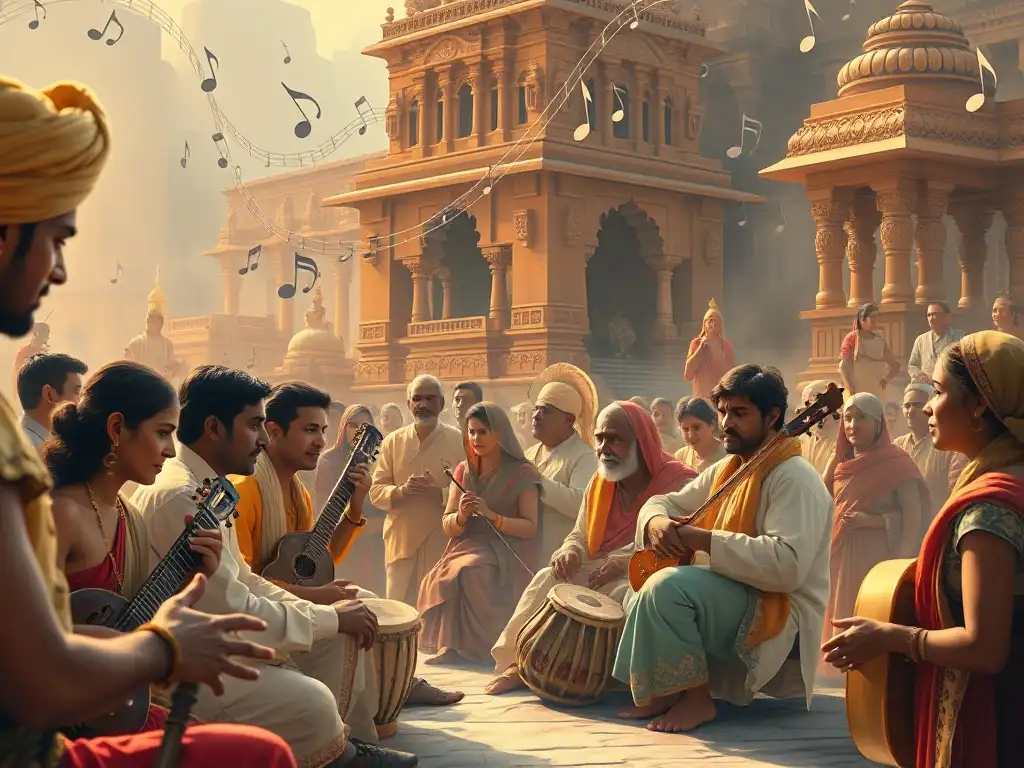
Ancient Indian music is deeply rooted in a rich theoretical framework that encompasses various aspects of sound, structure, and cultural significance. The two pivotal concepts that underscore the influence of ancient Indian music on political and social structures are Raga and Nada. These frameworks not only highlight the artistic expressions of music but also illustrate how music served as a tool for social cohesion and political communication.
Raga and Its Socio-Political Connotations
Raga, a fundamental element of Indian classical music, refers to a melodic framework that conveys specific emotions and moods. Each raga is characterized by its unique set of notes (swaras), which can evoke different feelings and atmospheres.
The Socio-Political Influence of Raga:
- Cultural Identity: Ragas often reflect regional identities. For instance, the raga Bageshree is associated with the night and is traditionally linked to love and longing, showcasing how music can embody the emotions of a community.
- Royal Patronage: Historically, rulers and emperors have used music to assert their authority and cultural sophistication. The Mughal Empire is known for its patronage of music, where specific ragas were performed during courtly gatherings to symbolize power and prestige.
- Ceremonial Uses: Ragas were also employed in religious and state ceremonies, reinforcing the connection between music and governance. For example, the raga Darbari Kanada was often played in royal courts, conveying a sense of gravitas and solemnity befitting the occasion.
By utilizing ragas, ancient Indian musicians were able to influence the social and political landscape, fostering a shared cultural identity while simultaneously serving the interests of the ruling elite.
The Concept of Nada (Sound) in Ancient Philosophy
The philosophical underpinnings of ancient Indian music are significantly shaped by the concept of Nada, which refers to sound or vibration. Nada is not merely an auditory phenomenon; it is considered a fundamental aspect of the cosmos, linking the material and spiritual realms.
Philosophical Implications of Nada:
- Cosmic Connection: In ancient Indian philosophy, Nada is viewed as the essence of creation. Texts like the Natya Shastra elaborate on how sound vibrations are integral to the universe, influencing everything from nature to human emotions.
- Therapeutic Uses: The healing properties of sound were recognized in ancient practices, where specific frequencies were believed to restore balance and harmony within individuals. This therapeutic aspect of music underscores its role in community well-being and social cohesion.
- Spiritual Enlightenment: Nada is also associated with the pursuit of spiritual enlightenment. The practice of Nada Yoga emphasizes meditation on sound, fostering a deeper connection with the divine and enhancing one’s understanding of self and society.
The philosophical exploration of Nada illustrates how ancient Indian music transcended mere entertainment, becoming a vital component of spiritual and social life, thus exerting significant influence over the cultural fabric of ancient Indian civilization.
The theoretical frameworks of ancient Indian music—primarily through the constructs of Raga and Nada—demonstrate a profound interconnection between music, society, and governance. This intricate relationship influenced social structures and political dynamics, showcasing the importance of music in shaping ancient Indian civilization.
Conclusion: Lasting Legacy of Ancient Indian Music Influence
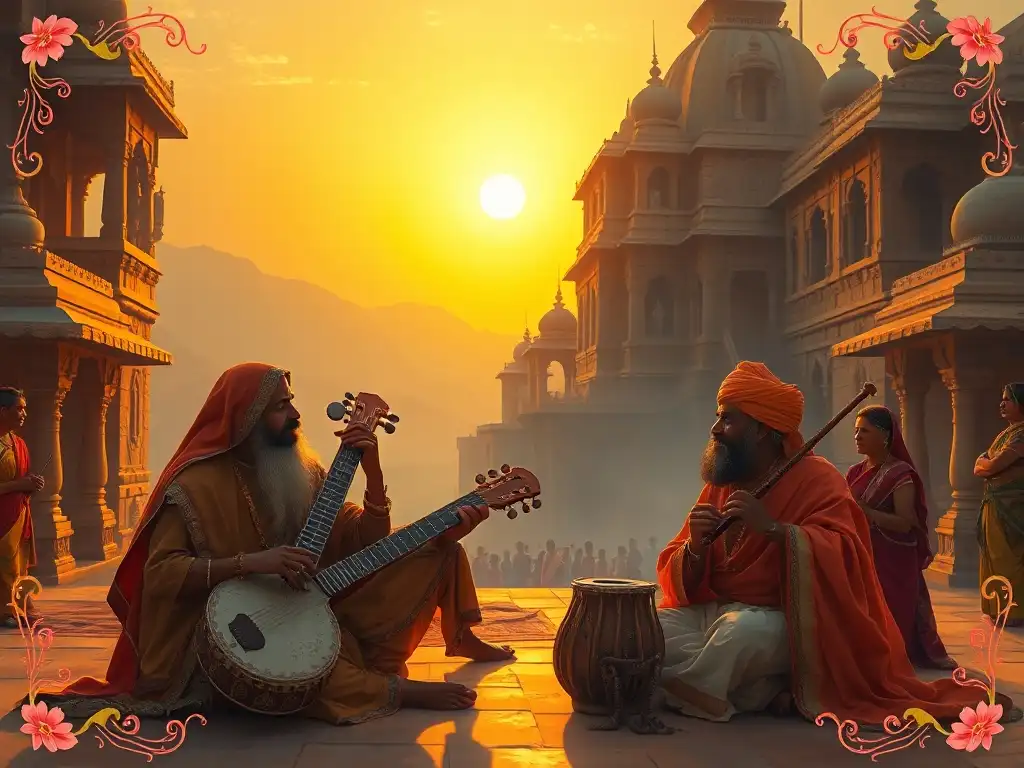
Reflection on Music's Role in Shaping Ancient Indian Civilization
Ancient Indian music was not merely an art form; it served as a vital component of the social and political fabric of its time. The intricate relationships between music and various aspects of ancient Indian life can be observed through several lenses:
- Cultural Identity: Music was a powerful medium for expressing cultural identity. It fostered a sense of belonging among diverse groups and played a role in rituals, festivals, and community gatherings. For instance, the Vedic chants and hymns not only conveyed spiritual messages but also reinforced social cohesion.
- Political Power: Rulers and dynasties often used music to legitimize their authority and promote their agendas. The employment of musicians in royal courts highlighted the connection between music and power. Notable figures, such as the Mauryan emperor Ashoka, utilized music in public ceremonies to inspire loyalty and unity among his subjects.
- Spiritual Connection: Music in ancient India was deeply intertwined with spirituality. The practice of Nada Yoga, or the yoga of sound, illustrates how musical tones were believed to facilitate a connection with the divine. This spiritual aspect influenced the philosophical and religious ideologies of the time, shaping how communities understood their place in the universe.
- Social Stratification: The patronage of music also reflected social hierarchies. While certain genres were accessible to the masses, others were reserved for the elite. This stratification highlighted the role of music in reinforcing social structures and the cultural capital associated with different musical forms.
Ancient Indian music played a crucial role in shaping the civilization's socio-political landscape, serving as a vehicle for expression, power, spirituality, and social order.
Modern Implications of Ancient Indian Music Influence
The influence of ancient Indian music continues to resonate in contemporary society, illustrating its enduring legacy. Here are several ways in which this influence manifests in modern times:
- Cultural Revival: There has been a resurgence of interest in traditional Indian music forms, such as Hindustani and Carnatic music. Educational institutions and cultural organizations are dedicated to preserving these musical traditions, ensuring they remain vibrant aspects of India's cultural heritage.
- Fusion and Innovation: Modern musicians frequently draw inspiration from ancient Indian musical elements, blending them with contemporary genres. This fusion not only revitalizes traditional sounds but also introduces them to new audiences, creating a dynamic musical landscape that bridges past and present.
- Therapeutic Uses: The therapeutic properties of music, as understood in ancient practices, are gaining recognition in modern wellness contexts. Music therapy, which often incorporates traditional Indian music, is being utilized to promote mental health and emotional well-being, reinforcing the idea that music is a powerful tool for healing.
- Global Influence: The global music scene is increasingly incorporating elements of ancient Indian music, demonstrating its universal appeal. Artists from various backgrounds are exploring traditional Indian instruments, scales, and rhythms, contributing to a rich cross-cultural dialogue.
The influence of ancient Indian music is not confined to the past; it continues to shape cultural identities, artistic expressions, and social practices today. Its legacy serves as a reminder of the profound role that music plays in human civilization, transcending time and borders.
Additional Resources
Recommended Readings on Ancient Indian Music
To deepen your understanding of the ancient Indian music influence on political and social structures, consider exploring the following recommended readings:
- "The Music of India" by R. S. Khare
- This comprehensive book provides an overview of the historical development of music in India, focusing on its cultural significance and evolution through different eras.
- "Indian Classical Music: A Practical Guide" by N. S. Ghanekar
- Ghanekar's work offers insights into classical music forms, detailing the influences of ancient traditions on contemporary practices.
- "The Ragas of North Indian Classical Music" by Deepak Kumar
- This text delves into the theory of ragas, exploring their emotional and spiritual influences, and how these elements were intertwined with societal norms.
- "Singing the Nation: The Influence of Music on Indian Politics" by Arvind Sharma
- An examination of how music has shaped political movements and identity in India, this book connects ancient musical traditions to modern political expressions.
- "Ancient Indian Music and Its Influence on Culture" by Meera Gupta
- Gupta discusses the impact of ancient music on various aspects of society, including religion, festivals, and social gatherings, highlighting its historical importance.
Suggested Listening: Ancient Indian Music Samples
To truly appreciate the ancient Indian music influence, listening to a variety of musical samples can be enlightening. Here are some suggested recordings that capture the essence of ancient Indian music:
- Vedic Chanting
- Experience the rhythmic and melodic patterns of traditional Vedic chants, which form the bedrock of ancient Indian music.
- Dhrupad
- Sample the Dhrupad style, characterized by its solemnity and depth, often used in royal courts during the medieval period.
- Bhajan and Kirtan
- These devotional songs reflect the spiritual and communal aspects of ancient Indian music, fostering a sense of unity and devotion.
- Ragas
- Listen to various ragas, such as Yaman, Bhimpalasi, and Darbari Kanada, to understand how musical moods and emotions were crafted in ancient times.
- Folk Music Traditions
- Explore regional folk music that has roots in ancient practices, showcasing the diversity of musical expressions across different communities.
By engaging with these readings and listening to the samples, you will gain a richer perspective on how ancient Indian music not only influenced cultural practices but also played a vital role in shaping the political and social landscape of its time.
Frequently Asked Questions
What role did ancient Indian music play in society?
Ancient Indian music was integral to cultural rituals, ceremonies, and social gatherings, influencing both political and social structures.
How did music influence political structures in ancient India?
Music was used in royal courts to convey power and authority, often performed during state functions to enhance the prestige of rulers.
What is the significance of classical music in ancient Indian culture?
Classical music served not only as entertainment but also as a medium for spiritual expression and a reflection of social hierarchies in ancient India.
How did the Indus Valley Civilization contribute to the evolution of music?
The Indus Valley Civilization showcased early forms of musical instruments, indicating that music was an important part of their daily life and cultural expression.
Can we see the influence of ancient Indian music in modern practices?
Yes, many aspects of ancient Indian music, such as ragas and melodic structures, continue to influence contemporary Indian music, preserving a connection to the past.
Final Reflection: The Enduring Influence of Ancient Indian Music
The intricate relationship between ancient Indian music and the political and social structures of its time is a testament to the profound impact of art on society. Today, as we navigate a world increasingly defined by cultural exchanges and global influences, the echoes of ancient Indian music remind us of the power that sound and rhythm hold in shaping our identities and communities. The melodies that once resonated in royal courts and temples continue to inspire contemporary artists and thinkers, illustrating that the essence of ancient traditions remains alive and relevant.
The legacy of ancient Indian music extends far beyond mere entertainment; it has been a catalyst for social change and political discourse. The rhythms and ragas that once accompanied rituals and celebrations still find their place in modern movements, reflecting the ongoing dialogue between culture and society. As noted by the renowned musicologist, “Music is the shorthand of emotion,” reminding us that the emotional resonance of music can transcend time and space, influencing generations to come. > “Where words fail, music speaks.” – Hans Christian Andersen.
As we reflect on the lessons of ancient Indian music, let us consider how we can harness its influence in our own lives. I invite you to explore the rich tapestry of sounds that surround you and recognize the role they play in shaping your experiences and connections. Whether through listening, creating, or engaging with music, we can all contribute to a vibrant cultural landscape that honors the past while inspiring future generations. Embrace the power of music as a tool for understanding, unity, and transformation in your own journey.
Unveil the Harmony of Music’s Influence on Society!
Thank you for diving into the world of ancient Indian music with us! We’ve explored how this beautiful art form shaped political ties and social dynamics throughout history. Now, let’s turn that insight into action as we keep the spirit of exploration alive!
Here’s how you can continue your journey:
- Discover More: Dive deeper into the cultural significance of various musical instruments in ancient India by exploring our in-depth articles.
- Join the Conversation: Share your thoughts on the influence of music in our lives today! Contribute to our vibrant community in the comments section.
- Explore Music Styles: Listen to traditional Indian music online and immerse yourself in the rhythms that have shaped both rulers and common folk throughout history.
What are your thoughts on how music continues to impact our social structures in the modern world?