
The Influence of Persian Theater on Ancient Indian Dramatic Traditions

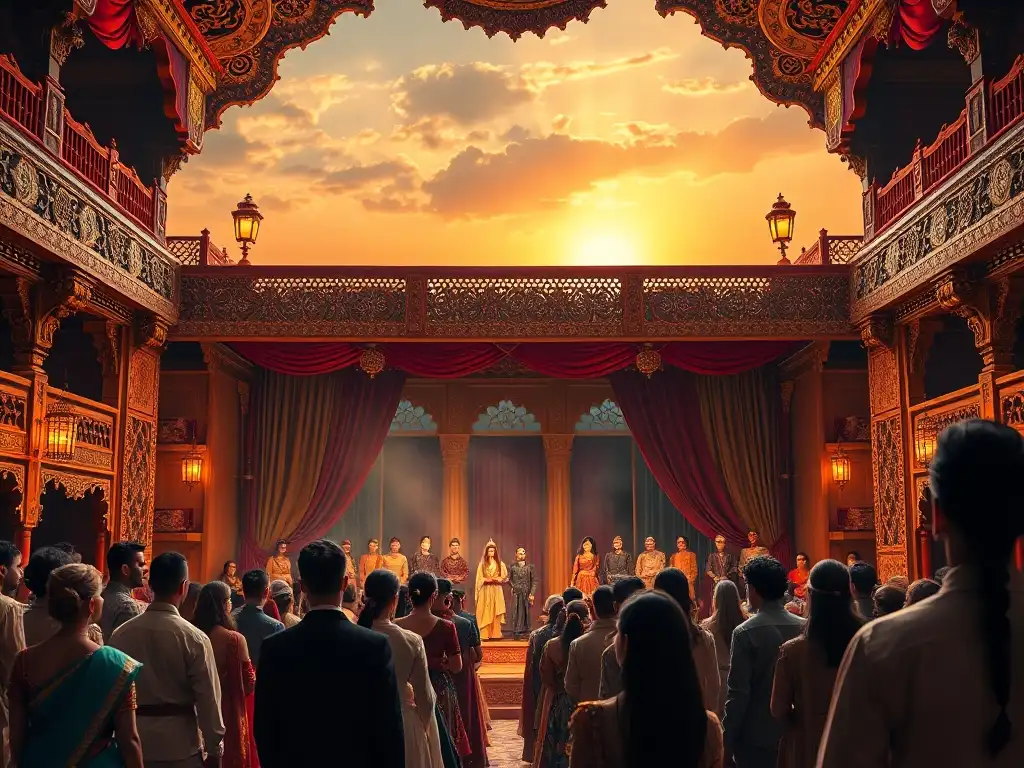
Welcome to Ancient India History, where we embark on a fascinating journey through the tapestry of time, exploring the rich and diverse contributions of ancient Indian civilizations. In this article, we delve into the intriguing influence of Persian theater on Indian dramatic traditions, uncovering how cross-cultural exchanges shaped the vibrant art forms we celebrate today.
Prepare to be captivated as we reveal the layers of history that intertwine these two great cultures, igniting your curiosity to learn more about the theatrical legacies that have endured through the ages. Dive in and discover the remarkable connections that continue to inspire artists and audiences alike!
Introduction to Persian Influence on Indian Theater
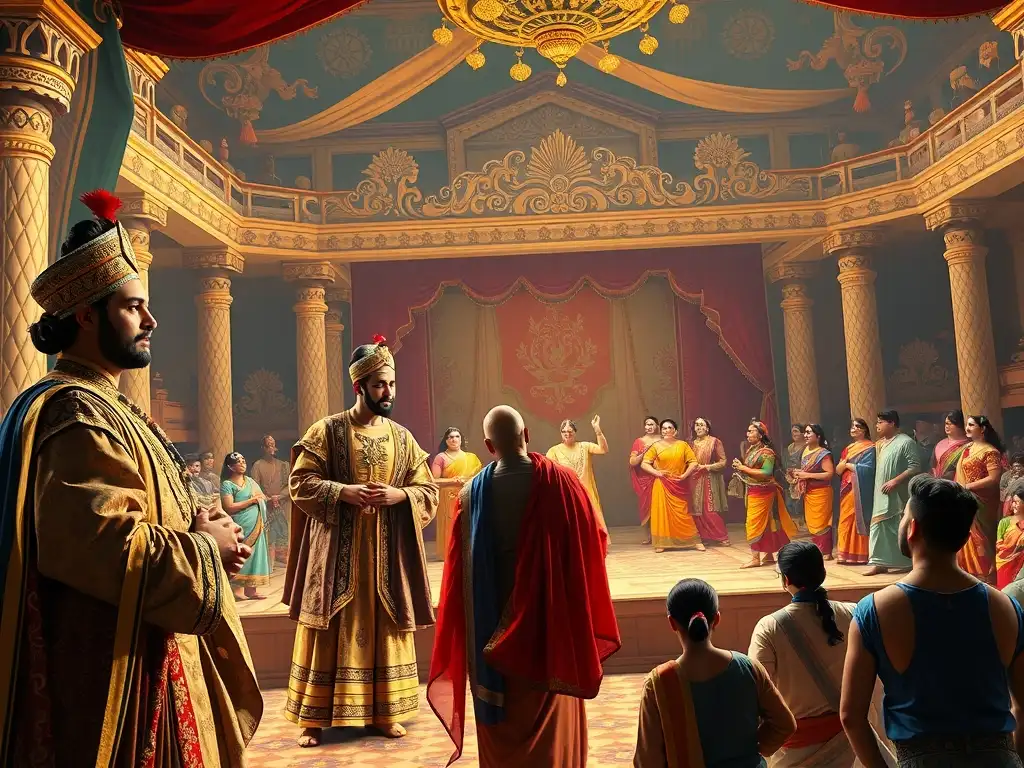
The interplay between Persian theater and ancient Indian dramatic traditions represents a fascinating chapter in the history of cultural exchange. As two vibrant civilizations flourished in close geographical proximity, their artistic expressions became intertwined, leading to a rich tapestry of influences that shaped the performing arts in India. This article delves into the Persian influence on Indian theater, exploring how Persian theatrical practices contributed to the evolution of India's dramatic traditions and enriched its cultural landscape.
Overview of Persian Theater
Persian theater, with its roots in ancient Persian culture, is characterized by a distinctive blend of storytelling, music, and dance. It encompasses various forms, including Rooznameh (narrative dramas) and Ta'ziyah (passion plays), which not only entertained but also conveyed moral and philosophical messages. The theatrical performances were often held during festive occasions, showcasing elaborate costumes, vivid performances, and poetic dialogues. These elements laid the groundwork for the development of dramatic arts in neighboring regions, including India.
Historical Context of Persian Theater in Ancient Times
The historical interactions between Persia and India can be traced back to the Achaemenid Empire around the 6th century BCE. As trade routes opened and empires expanded, cultural exchanges flourished. The Silk Route, in particular, facilitated not only the movement of goods but also ideas and artistic expressions. By the time of the Sassanian Empire (224-651 CE), Persian theater had reached new heights, and its influence began permeating into Indian culture, especially during the time of the Maurya and Gupta Empires.
Significance of Persian Influence in Cultural Exchange
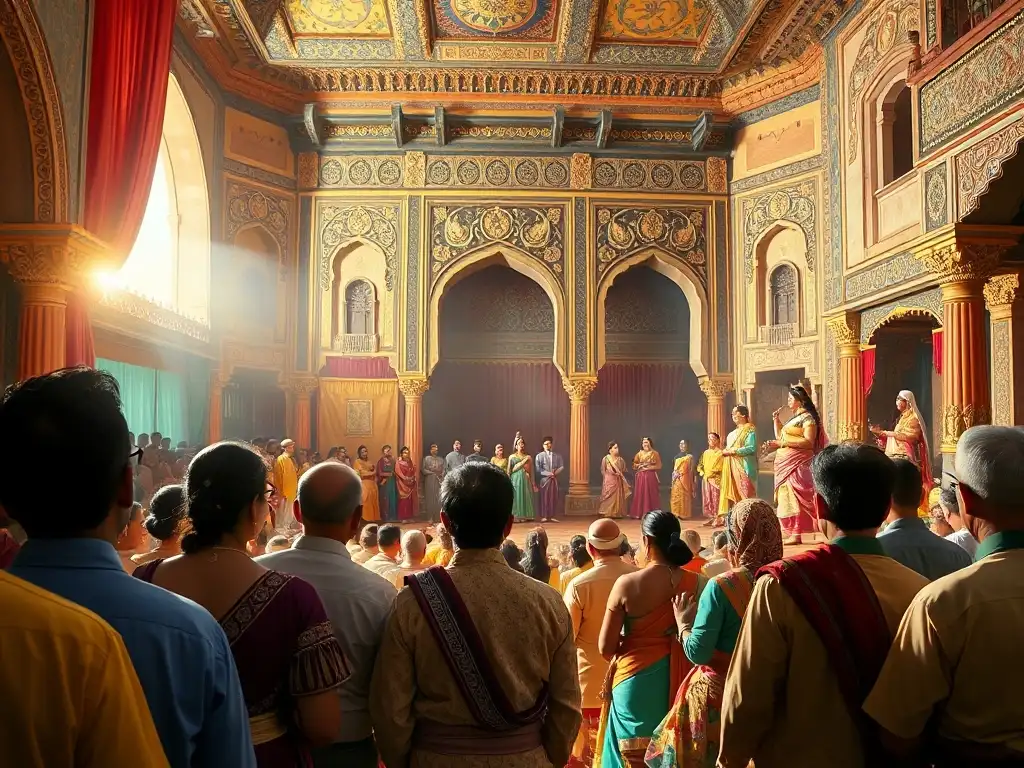
The Persian influence on Indian theater is a key example of how art forms evolve through cross-cultural interactions. This exchange was not merely one-way; Indian performers adopted Persian theatrical elements while infusing their unique styles and traditions into the performances. The result was a rich confluence of ideas that enhanced storytelling techniques, character development, and stagecraft in Indian theater. This cultural dialogue not only enriched the performing arts but also fostered broader social and political connections between the two civilizations.
The Evolution of Indian Theater
Early Forms of Indian Dramatic Traditions
India's theatrical landscape has its roots in ancient texts and traditions, such as the Natya Shastra, attributed to the sage Bharata Muni. This comprehensive treatise outlines the principles of drama, music, and dance, serving as a foundational text for Indian theater. Early forms included Sanskrit plays, which were performed in royal courts and public gatherings, often drawing inspiration from religious epics like the Mahabharata and Ramayana.
Key Characteristics of Ancient Indian Theater
Ancient Indian theater is marked by its use of gesture (mudras), facial expressions (abhinaya), and a rich musical accompaniment. The performances often featured elaborate costumes and intricate stage designs, creating a visually captivating experience. The emphasis on bhava (emotion) and rasa (aesthetic flavor) in performances highlights the psychological depth and cultural nuances inherent in Indian dramatic traditions.
The Role of Religion and Mythology in Indian Performance Arts
Religion and mythology have significantly influenced Indian theater, serving as primary sources of inspiration for narratives. The performances often depicted divine tales and moral lessons derived from ancient scriptures, enabling audiences to connect with their cultural and spiritual heritage. The interplay between the sacred and the secular in Indian theater reflects the complex societal values and beliefs that have persisted through the ages.
The rich tapestry of Persian influence on Indian theater showcases the dynamic interplay of cultures and artistic expressions. As we explore the depth of this influence, it becomes evident that the evolution of Indian dramatic traditions is a testament to the enduring power of cultural exchange.
The Interconnection Between Persian and Indian Theater
The interconnection between Persian and Indian theater is a fascinating study of cultural exchange that has significantly shaped the dramatic arts in both regions. The historical ties between Persia (modern-day Iran) and India date back thousands of years, characterized by trade, conquests, and the movement of peoples. These interactions laid the groundwork for a rich tapestry of shared artistic traditions, particularly in theater. The fusion of Persian themes, motifs, and performance styles into Indian theater has enriched its narrative depth and aesthetic appeal, showcasing a blend of cultural influences that still resonate in contemporary performances.
Historical Contact Between Persian and Indian Cultures
The historical contact between Persian and Indian cultures can be traced back to the Achaemenid Empire (c. 550–330 BCE) when parts of northwestern India were incorporated into the Persian Empire. This early interaction was marked by the exchange of ideas, art forms, and traditions. The arrival of the Mughals in the 16th century further intensified these cultural exchanges.
The Mughals, who were of Central Asian origin but heavily influenced by Persian culture, brought with them Persian art, literature, and theatrical traditions, which began to permeate Indian society. This era witnessed the flourishing of Persian literature in India, with notable figures like Amir Khusrow, who played a crucial role in merging Persian and Indian poetic forms.
Shared Themes and Motifs in Persian and Indian Drama
Both Persian and Indian dramas often explore universal themes such as love, betrayal, heroism, and the supernatural. One prevalent motif is the tragic love story, seen in works like the Persian "Khosrow and Shirin" and Indian epics like the "Mahabharata." Additionally, both traditions utilize allegory and symbolism to convey complex philosophical ideas. The use of nature as a backdrop and the portrayal of courtly life are also common elements, providing a rich context for character development and plot progression. This thematic similarity reflects a shared cultural ethos and highlights the interconnectedness of the two dramatic traditions.
Influence of Persian Narrative Techniques on Indian Storytelling
Persian narrative techniques have significantly influenced Indian storytelling methods, particularly in terms of structure and character development. The Persian influence introduced a more sophisticated approach to narrative arcs, often characterized by a blend of poetic and prose forms. Indian playwrights began to incorporate these techniques, leading to the emergence of complex characters and intricate plots. The use of flashbacks, parallel narratives, and vivid imagery can be traced back to Persian storytelling conventions, which have enriched the narrative depth of Indian theater, allowing for a more nuanced exploration of human emotions and relationships.
Persian Influence on Indian Theater Styles
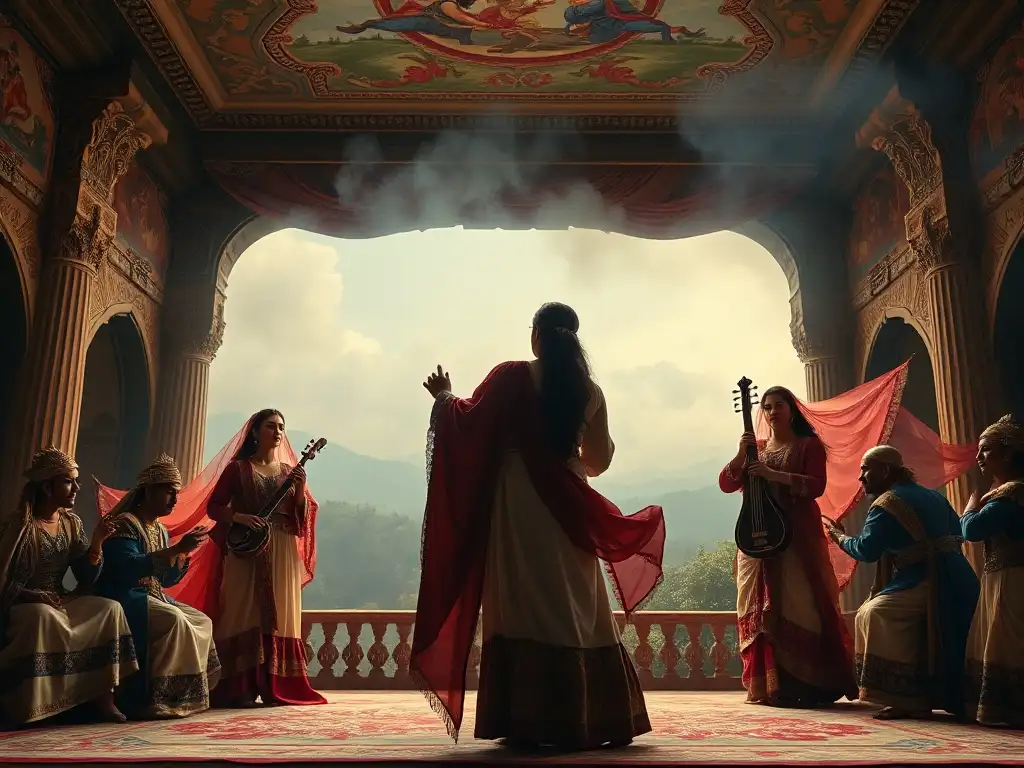
The influence of Persian theater on Indian theatrical styles is evident in various aspects of performance, including staging, choreography, and the use of music and dance. The integration of these elements has transformed Indian theater into a more dynamic and visually engaging form of art, reflecting Persian aesthetics in its execution.
Adoption of Persian Performance Techniques in India
The adoption of Persian performance techniques in Indian theater can be seen in the incorporation of elaborate costumes, intricate staging, and the importance of visual spectacle. Persian theater emphasized the use of elaborate sets and costumes to enhance the storytelling experience, a practice that Indian theater embraced and adapted. The introduction of musical interludes and the blending of dance with drama also reflect Persian influences, resulting in a more holistic and immersive theatrical experience for audiences.
The Impact of Persian Theatre Forms on Indian Classical Theater
Persian theater forms have left a lasting impact on Indian classical theater traditions, particularly in genres like Kathakali and Kuchipudi. These forms incorporate storytelling through expressive gestures, facial expressions, and intricate movements, reminiscent of Persian theatrical traditions. The emphasis on performance as a communal experience has also been a significant contribution from Persian theater, fostering a sense of shared cultural identity and continuity in Indian performing arts.
Case Studies: Specific Plays or Works Reflecting Persian Influence
Several specific plays and works exemplify the Persian influence on Indian theater. Notable among these is "Anar Kali," a popular play that draws on the tragic romance of Anar Kali and Emperor Akbar, reflecting Persian storytelling traditions. Another example is the performance style seen in "Parsi theater," which emerged in the 19th century and combined elements of both Persian and Indian theatrical traditions. These case studies not only highlight the enduring legacy of Persian influence but also illustrate how these cultural exchanges have enriched the narrative and aesthetic dimensions of Indian theater.
The Reception of Persian Theater in Ancient India
The reception of Persian theater in ancient India marked a significant cultural exchange that enriched Indian dramatic traditions. During the medieval period, particularly under the rule of the Mughals, Persian culture became a dominant influence in various realms, including literature, music, and theater. Persian plays, characterized by their unique narrative styles, poetic dialogues, and elaborate costumes, captivated Indian audiences and inspired local adaptations. This cultural infusion led to a synthesis of artistic expressions that shaped the evolution of Indian theater, paving the way for new genres and performance techniques.
Audience Reception of Persian Plays in Indian Context
The audience reception of Persian plays in India was largely positive, with many appreciating the aesthetic quality and emotional depth of these productions. Persian theater introduced themes of romance, tragedy, and morality, resonating with Indian audiences familiar with similar narratives in their own epics and folklore. The grandeur of Persian court performances, often held in lavish settings, added to the allure.
Additionally, the use of music and dance within these plays significantly appealed to Indian sensibilities, enhancing their popularity. Over time, plays like "Shahnameh" and "Khosrow and Shirin" were translated and adapted, reflecting the Indian audience's growing familiarity with Persian storytelling techniques.
Influence on Performance Practices and Stagecraft in India
The influence of Persian theater on performance practices and stagecraft in India is evident in various aspects of theatrical presentation. The use of elaborate sets, intricate costumes, and symbolic props became more pronounced as Indian theater absorbed Persian elements. The integration of music and rhythm, particularly the introduction of new musical instruments and styles, enriched the auditory experience of Indian plays.
Furthermore, Persian theatrical forms emphasized the role of the narrator, which found parallels in Indian storytelling traditions. This blending of practices led to innovative forms of performance, such as the development of Nautanki and Tamasha, which showcased a fusion of Persian and Indian theatrical styles.
Notable Artists and Playwrights Bridging Persian and Indian Traditions
Several notable artists and playwrights played a crucial role in bridging Persian and Indian theatrical traditions. Figures such as Amir Khusro, a 13th-century poet and musician, were instrumental in blending Persian poetic forms with Indian music and drama. His works often featured themes and motifs from both cultures, creating a unique artistic dialogue.
Additionally, playwrights like Mirza Rafi Sauda and Ghulam Hamdani Mushafi emerged during the Mughal era, crafting plays that synthesized Persian influences with Indian narratives. Their contributions not only enriched the theatrical landscape but also laid the groundwork for future generations of artists to explore the interplay between these two rich traditions.
Conclusion: Legacy of Persian Influence on Indian Dramatic Traditions
The legacy of Persian influence on Indian dramatic traditions is profound and far-reaching. This cultural exchange not only transformed the landscape of Indian theater but also fostered a sense of shared artistic heritage between the two civilizations. The themes, styles, and performance techniques that emerged from this interaction continue to resonate in contemporary Indian theater, demonstrating the enduring impact of Persian aesthetics.
Lasting Impact on Modern Indian Theater
The lasting impact of Persian influence on modern Indian theater is evident in various contemporary forms. Elements of Persian storytelling, such as poetic dialogues and dramatic conflicts, have been absorbed into modern plays, enhancing their emotional resonance. The revival of interest in traditional forms has also led to the exploration of Persian narratives, with playwrights and directors drawing inspiration from historical Persian texts. Festivals celebrating Persian and Indian arts often showcase performances that highlight this rich intermingling, ensuring that the legacy continues to thrive.
Reflections on Cultural Exchange Between Persia and India
The cultural exchange between Persia and India reflects a rich tapestry of interactions that shaped artistic expressions across regions. This exchange fostered mutual appreciation and understanding, allowing both cultures to learn from one another. The dialogues between Persian and Indian artists not only enriched theatrical traditions but also contributed to broader cultural developments, influencing literature, music, and visual arts. Such exchanges remind us of the importance of collaboration and shared heritage in the evolution of art forms.
Future Directions for Research on Persian and Indian Theater Dynamics
Future research on Persian and Indian theater dynamics holds immense potential for uncovering new insights into the complexities of cultural interactions. Scholars can explore under-researched areas, such as the impact of regional variations in theater styles and the role of women in shaping these traditions. Additionally, examining the effects of colonial and post-colonial contexts on the reception of Persian theater in India can provide valuable perspectives. As contemporary artists continue to innovate within these traditions, ongoing research will illuminate the evolving relationship between Persian and Indian theater, ensuring that this rich heritage is preserved and celebrated.
- Introduction to Persian Influence on Indian Theater
- Overview of Persian Theater
- Historical Context of Persian Theater in Ancient Times
- Significance of Persian Influence in Cultural Exchange
- The Evolution of Indian Theater
- The Interconnection Between Persian and Indian Theater
- Persian Influence on Indian Theater Styles
- The Reception of Persian Theater in Ancient India
- Conclusion: Legacy of Persian Influence on Indian Dramatic Traditions
- What was the Persian influence on Indian theater?
- How did the Indo-Persian cultural exchange occur?
- What are some key features of Persian-inspired theater in India?
- During which era was the Persian influence most prominent in Indian theater?
- What are some notable Indian playwrights influenced by Persian theater?
Frequently Asked Questions
What was the Persian influence on Indian theater?
The Persian influence brought new themes, storytelling techniques, and performance styles to ancient Indian theater, enriching its dramatic traditions and aesthetics.
How did the Indo-Persian cultural exchange occur?
The Indo-Persian cultural exchange happened through trade, conquest, and diplomatic relations, allowing for a fusion of artistic expressions, particularly in theater and literature.
What are some key features of Persian-inspired theater in India?
Persian-inspired theater in India often included elaborate stage designs, intricate costumes, and the use of poetry, which enhanced the overall dramatic experience.
During which era was the Persian influence most prominent in Indian theater?
The Persian influence was most prominent during the Mughal era, particularly under rulers such as Akbar, who appreciated and promoted a blend of Persian and Indian cultures.
What are some notable Indian playwrights influenced by Persian theater?
Notable Indian playwrights like Kalidasa and Bhasa incorporated Persian elements into their works, leading to a rich tapestry of performances that reflected cross-cultural influences.
Final Reflection: The Enduring Legacy of Persian Influence on Indian Theater
The intricate tapestry of Persian influence on Indian theater remains profoundly relevant today, as it underscores the interconnectedness of cultures and the evolution of artistic expression. In an era where globalization shapes our interactions, understanding how Persian theatrical traditions enriched Indian drama offers invaluable insights into the shared human experience. This historical exchange not only highlights the beauty of cultural fusion but also serves as a reminder that art transcends borders, creating a dialogue that resonates through time.
Cultural exchanges like the one between Persian and Indian theater have left an indelible mark on our social landscape, shaping narratives and performance styles that continue to thrive. The fusion of these traditions has given rise to a rich theatrical heritage that celebrates diversity and creativity. As playwright and actor Peter Brook once said, The theater is a place where we can meet and understand each other.
This sentiment encapsulates the essence of how Persian influences have fostered a deeper appreciation for storytelling and performance in India, enriching the cultural fabric of both societies.
As we reflect on the lessons drawn from the historical interplay of Persian and Indian theater, I invite you to consider how you can embrace the spirit of cultural exchange in your own life. Explore the arts around you, engage with diverse narratives, and recognize the beauty in collaboration. By doing so, you not only honor the legacy of these ancient traditions but also contribute to a vibrant future where creativity knows no boundaries. Let us celebrate the power of theater to unite us, inspire us, and remind us of our shared humanity.
Unveil the Rich Tapestry of Cultural Exchange!
Thank you for exploring the fascinating influence of Persian theater on ancient Indian dramatic traditions! Your curiosity has unlocked a wealth of knowledge about the intricate connections between these two vibrant cultures. Now, let’s take that knowledge and turn it into action!
- Dive deeper: Discover more about specific Persian plays and their adaptations in Indian theater.
- Share your thoughts: Engage with fellow history enthusiasts by sharing this article on your social media platforms and sparking a conversation!
- Explore further: Attend a local performance or lecture on ancient theater to experience this rich tradition firsthand!
What aspects of Persian theater do you believe had the most profound impact on Indian drama, and why?