
The Role of Fate and Free Will in the Mahabharata: A Philosophical Inquiry

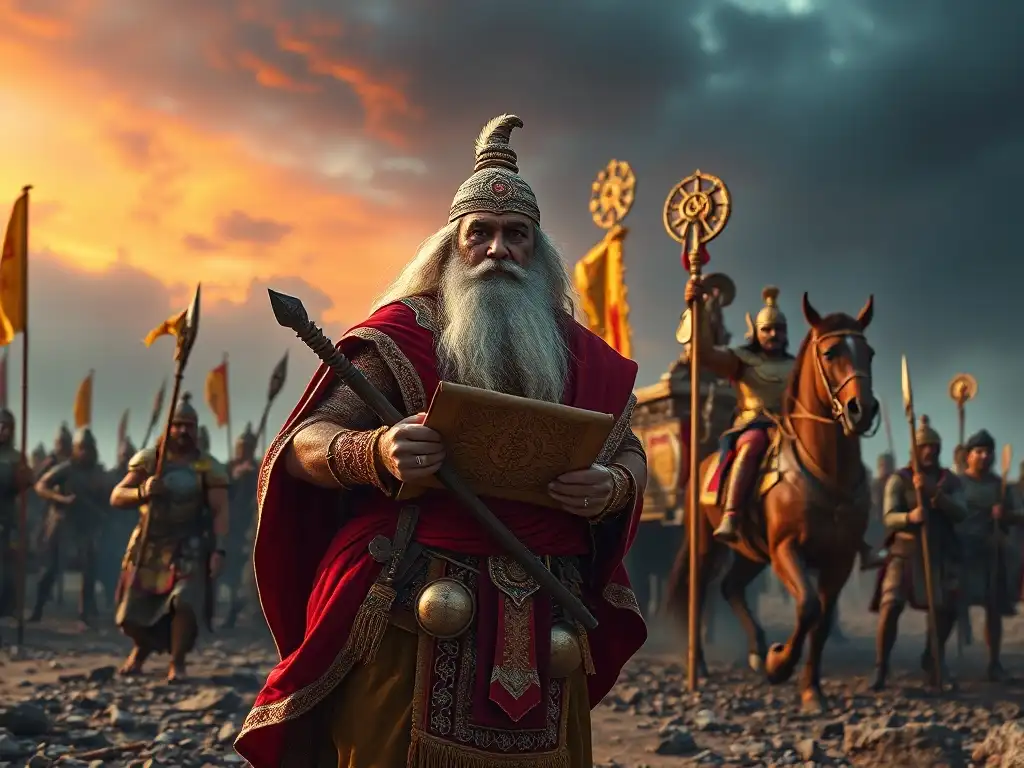
Welcome to Ancient India History, where we invite you to embark on a journey through the rich tapestry of ancient Indian civilizations. In this exploration, we delve into the profound philosophical themes that shape our understanding of human experience. Today, we shine a spotlight on the fascinating interplay of fate and free will in the Mahabharata—an epic that not only narrates a timeless tale but also offers deep insights into the moral dilemmas faced by its characters.
What choices define our destiny, and how do they intertwine with the forces of fate? Prepare to unravel these questions as you delve deeper into our featured article, "The Role of Fate and Free Will in the Mahabharata: A Philosophical Inquiry." Your adventure into the wisdom of the ages begins now!
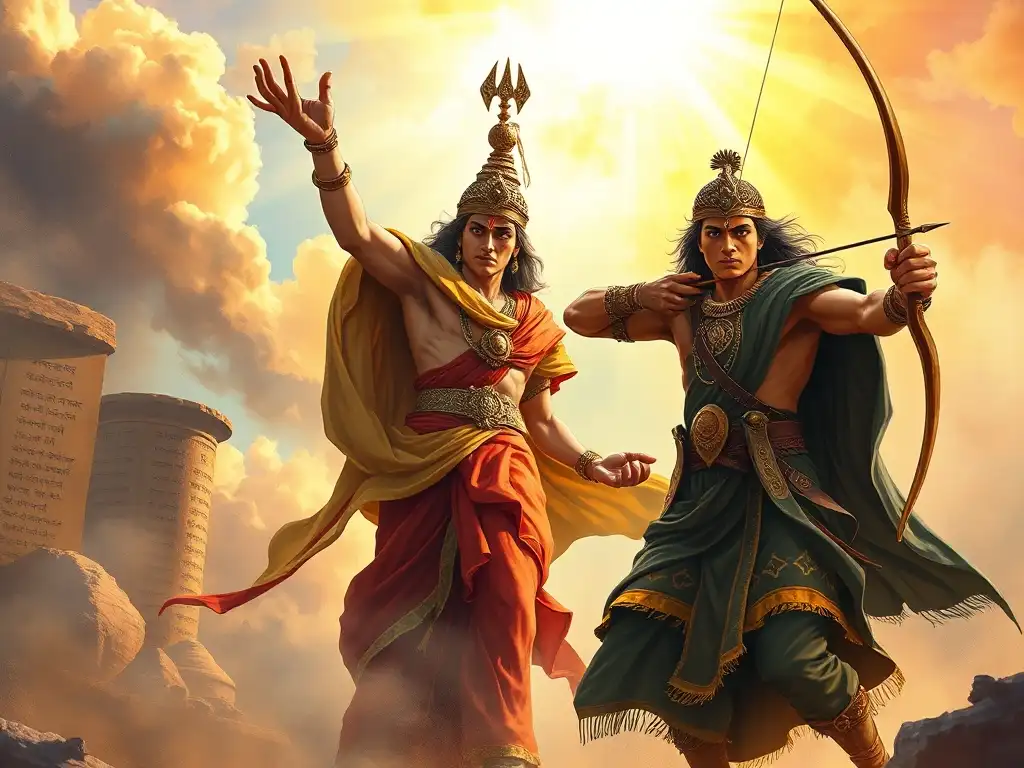
The epic of the Mahabharata stands as one of the most significant narratives in ancient Indian literature, not only for its intricate storytelling but also for the profound philosophical questions it raises. At the heart of this epic lies the complex interplay between fate and free will, themes that resonate deeply within the fabric of Indian philosophy.
This article will explore how the concepts of fate and free will are portrayed in the Mahabharata, examining their implications for the characters and the overarching narrative. By delving into these themes, we can gain valuable insights into the moral and ethical dilemmas faced by the protagonists, ultimately reflecting the broader existential inquiries that have captivated thinkers throughout history.
Introduction to Fate and Free Will in Mahabharata
The Mahabharata presents a rich tapestry of human experiences, where the concepts of fate and free will intertwine. The epic illustrates how characters navigate their destinies, often grappling with the consequences of their choices while simultaneously confronting the forces of fate that shape their lives. The philosophical inquiry into these themes invites readers to ponder the extent to which individuals control their destinies versus being subject to a predetermined cosmic order.
Understanding the Concepts of Fate and Free Will
In the context of the Mahabharata, fate (often referred to as daiva) is perceived as a divine order or destiny that individuals cannot escape. In contrast, free will (or purushartha) allows for personal agency and the ability to make choices. This duality raises critical questions:
- Are the characters in the Mahabharata merely puppets of fate?
- Do their choices truly matter, or are they trapped in a preordained path?
The tension between these concepts is vividly illustrated through key events and character arcs, prompting readers to reflect on their own beliefs regarding destiny and autonomy.
Importance of the Mahabharata in Indian Philosophy
The Mahabharata is not just a story; it is a philosophical text that offers profound insights into morality, ethics, and the human condition. Its exploration of fate and free will contributes significantly to the discourse in Indian philosophy, influencing schools of thought such as Vedanta and Samkhya. The epic serves as a lens through which we can examine the complexities of dharma (righteousness) and the moral choices individuals must navigate in their lives.
Historical Context of the Mahabharata
Understanding the historical context of the Mahabharata enriches our comprehension of its themes. Composed around the 4th century BCE and attributed to the sage Vyasa, this epic reflects the socio-political landscape of ancient India, where notions of duty, honor, and fate played pivotal roles in shaping human interactions.
Overview of the Mahabharata Epic
The Mahabharata is an extensive narrative that encompasses over 100,000 verses, making it one of the longest epics in the world. It chronicles the dynastic struggle between the Pandavas and the Kauravas, culminating in the great war of Kurukshetra. The epic is not only a tale of conflict but also a profound exploration of philosophical ideas, ethics, and the nature of existence.
Key Characters and Their Roles in the Narrative
The Mahabharata features a plethora of characters, each embodying different aspects of fate and free will. Notable figures include:
- Yudhishthira: The righteous king representing moral integrity and the burden of choice.
- Duryodhana: The ambitious prince whose decisions lead to his downfall, exemplifying the consequences of free will.
- Krishna: The divine guide who navigates the complexities of fate and free will, emphasizing the importance of dharma.
Through these characters, the epic vividly illustrates the struggle between destiny and choice, inviting readers to reflect on their own lives and the forces that shape their paths.
The Philosophical Underpinnings of Fate and Free Will
The Mahabharata presents a complex interplay between fate and free will, weaving together philosophical themes that have fascinated scholars and readers alike for centuries. Central to this epic is the concept of dharma, or duty, which serves as a guiding principle for characters as they navigate their destinies. The narrative suggests a duality: while fate appears to shape circumstances, the exercise of free will ultimately influences outcomes. This philosophical inquiry posits that individuals possess the agency to make choices within the framework of their predetermined fates, prompting reflections on moral responsibility and the nature of existence.
In the Mahabharata, fate is often portrayed as an inescapable force orchestrating the events of life, with divine intervention playing a significant role. However, the text simultaneously emphasizes the importance of individual choices, suggesting that free will is integral in fulfilling one’s dharma. This duality invites readers to contemplate the extent of human agency against the backdrop of cosmic order, leading to rich discussions about predestination, moral accountability, and the essence of human experience.
The Concept of Dharma in the Mahabharata
Dharma, as depicted in the Mahabharata, encapsulates the moral and ethical duties that govern an individual's life. It serves as the framework within which characters navigate their fates, defining what is right and just in a given context. The epic illustrates that dharma is not a static concept; rather, it is dynamic and context-sensitive, requiring individuals to make difficult choices that can alter their destinies.
The characters in the Mahabharata often grapple with their dharma, facing dilemmas that challenge their moral compass. For instance, Arjuna's initial reluctance to fight in the Kurukshetra war stems from a conflict between his duty as a warrior and his love for his family. This tension illustrates the complexity of dharma and its role in shaping the characters' decisions, underscoring the philosophical inquiry into how personal ethics align with divine will and fate.
Interpretations of Fate (Prarabdha) in the Epic
Fate, or prarabdha, in the Mahabharata is portrayed as a predetermined aspect of human existence that unfolds through time. It represents the consequences of past actions, shaping the present life's circumstances and experiences. The epic illustrates that while fate may set the stage for events, it does not necessarily dictate the choices characters make within those circumstances.
The portrayal of fate in the Mahabharata is nuanced, suggesting that while individuals are bound by their past actions, they still possess the capacity to respond to their situations. This interaction between fate and personal agency is visible in the lives of various characters, including Karna and Yudhishthira, who navigate the burdens of their fates while exercising their free will in significant decisions that impact their lives and the broader conflict of the epic.
The Role of Free Will (Ichha) in Character Decisions
Free will, or ichha, plays a crucial role in shaping the narrative of the Mahabharata, allowing characters to make choices that reflect their values, beliefs, and understanding of dharma. The epic asserts that while fate influences the context of decisions, it is the exercise of free will that ultimately determines the path individuals take.
Throughout the Mahabharata, characters are faced with pivotal moments where their choices reflect their inner moral struggles. For example, Yudhishthira's steadfast commitment to truth amidst overwhelming pressure demonstrates the exercise of free will in alignment with his understanding of dharma, even when faced with dire consequences. This interplay invites readers to reflect on the philosophical implications of choice, emphasizing that free will is integral to the moral fabric of the epic and the lives of its characters.
Exploring Key Episodes Reflecting Fate and Free Will
The Dilemma of Arjuna: A Case Study
Arjuna's internal conflict in the Bhagavad Gita serves as a profound case study of the tension between fate and free will. Faced with the moral dilemma of fighting against his kin in the Kurukshetra war, Arjuna experiences a crisis of conscience that encapsulates the struggle between his duty as a warrior and his emotional attachments. His initial refusal to engage in battle is a manifestation of his struggle with fate, as he grapples with the implications of his actions.
Krishna's counsel to Arjuna highlights the importance of recognizing one's dharma and acting in accordance with it, despite personal misgivings. This pivotal moment illuminates how free will enables Arjuna to transcend his fears and embrace his role in fulfilling the inevitable course of events dictated by fate, ultimately leading him to accept his responsibilities as a warrior.
Yudhishthira's Choices: Balancing Fate and Free Will
Yudhishthira, known for his adherence to truth and righteousness, epitomizes the complex balance between fate and free will in the Mahabharata. His choices throughout the epic frequently reflect his commitment to dharma, even when the consequences are dire. For instance, his decision to gamble away his kingdom and brothers is fraught with implications that reveal the tension between his sense of duty and the capriciousness of fate.
In the face of adversity, Yudhishthira’s ability to choose honesty over expediency serves as a poignant reminder of the moral weight of free will. His character arc invites readers to consider the broader philosophical questions surrounding fate and agency, illustrating that even within the constraints of destiny, individuals can exercise their free will to uphold their values.
The Consequences of Karna’s Decisions
Karna’s journey throughout the Mahabharata serves as a powerful example of how personal decisions intersect with fate. Born to a noble lineage yet raised in humble circumstances, Karna's choices are deeply influenced by his quest for identity and acceptance. His decision to align with Duryodhana, despite knowing the moral repercussions of his allegiance, underscores the complexities of free will in the face of fate.
Karna's unwavering loyalty to Duryodhana ultimately leads him to a tragic end, illustrating the consequences of his choices. His character embodies the philosophical inquiry into the nature of fate and free will, prompting reflections on how personal decisions can alter the trajectory of one’s life, even when intertwined with the inexorable forces of destiny.
The Influence of Cosmic Order (Rita) on Fate and Free Will
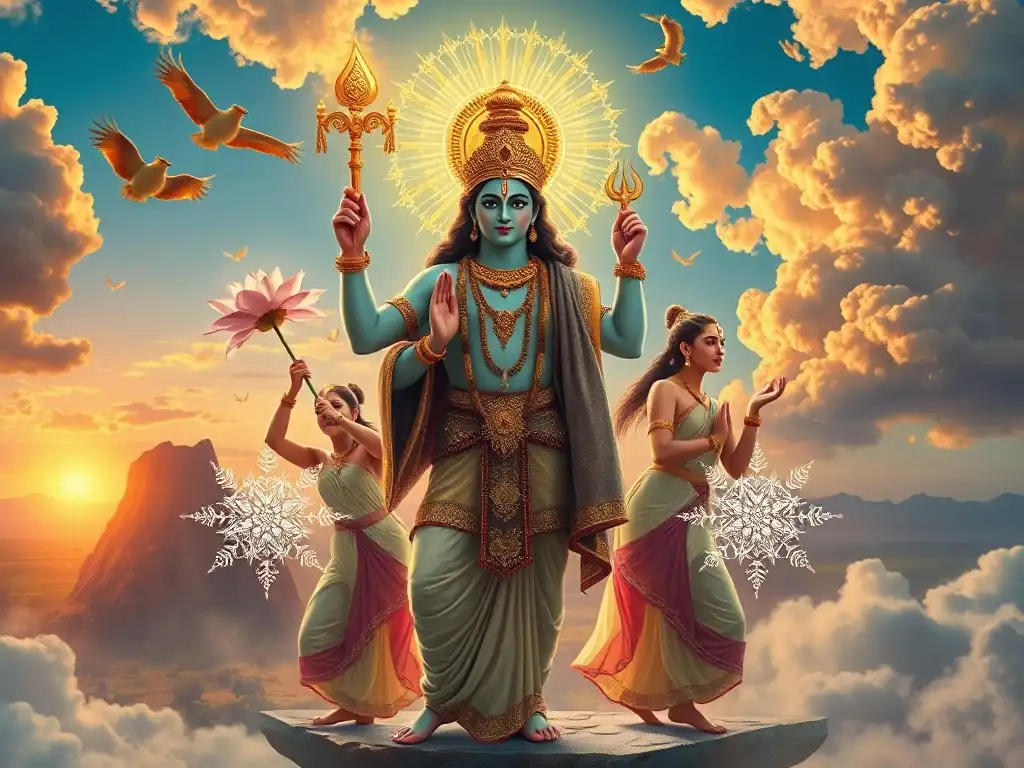
In the context of the Mahabharata, Rita represents the cosmic order that governs the universe, ensuring balance and harmony. This concept plays a pivotal role in shaping the narrative of fate and free will. Rita embodies the moral and ethical dimensions of the universe, suggesting that all actions have consequences and must align with the greater cosmic framework. The characters in the Mahabharata navigate their destinies within this framework, often finding themselves in situations where their choices are influenced by the cosmic order.
The interplay between Rita and individual agency raises profound questions about the extent to which humans can exercise free will in a world governed by fate. While the characters strive to assert their will, they are often reminded of the larger forces at play that shape their paths. This duality creates a rich tapestry of conflict and resolution, highlighting the struggle between personal desires and the overarching principles of the universe.
The Connection between Cosmic Order and Human Agency
The relationship between cosmic order and human agency in the Mahabharata is complex and multifaceted. Characters such as Yudhishthira, Arjuna, and Duryodhana are frequently faced with ethical dilemmas that reflect their capacity for choice against the backdrop of Rita. For instance, Yudhishthira's adherence to dharma (righteousness) often places him at odds with the demands of the situation, showcasing the tension between moral duty and personal ambition.
Moreover, the actions of the gods and celestial beings within the epic also illustrate how human agency is intertwined with cosmic forces. The divine interventions, such as Krishna's guidance to Arjuna during the Kurukshetra War, emphasize the notion that while individuals can make choices, their fates are still influenced by higher powers. The characters' decisions are not made in isolation; they resonate within the larger cosmic narrative, suggesting that the exercise of free will is both a personal and universal endeavor.
Examples from the Mahabharata Illustrating this Relationship
Several key episodes in the Mahabharata exemplify the interplay between cosmic order and human agency. One prominent example is the game of dice, where Yudhishthira gambles away his kingdom and family. This moment illustrates the tension between personal choice and the inevitable consequences dictated by cosmic order. Yudhishthira's decision to engage in the game reflects his agency, yet it also leads to a series of events that are predetermined by the moral fabric of Rita.
Another significant example is Arjuna's moral crisis on the battlefield of Kurukshetra. Faced with the prospect of fighting against his own kin, Arjuna experiences a profound internal conflict. Krishna's counsel serves as a reminder of the dharma that governs his role as a kshatriya (warrior). Here, the influence of cosmic order is evident, as Arjuna must reconcile his personal feelings with his obligations within the greater cosmic scheme.
Philosophical Debates: Fate vs. Free Will
The Mahabharata serves as a fertile ground for philosophical debates surrounding fate and free will. The narrative invites readers to ponder the extent to which individuals can shape their destinies in a world where cosmic order plays a significant role. The tension between these two concepts is not merely an abstract philosophical inquiry but manifests in the lives and decisions of the epic's characters.
Perspectives from Ancient Indian Philosophers
Ancient Indian philosophers offered various perspectives on the relationship between fate and free will, particularly in the context of karma and dharma. The Bhagavad Gita, a dialogue within the Mahabharata, emphasizes the importance of performing one's duty without attachment to the results, suggesting that while individuals possess free will, their actions are ultimately guided by the laws of karma. This aligns with the idea that every action carries a consequence, which can be seen as a form of fate.
Philosophers such as Adi Shankaracharya and Ramanuja also contributed to this discourse, presenting differing views on the interplay between divine grace and human effort. Shankaracharya's doctrine of non-dualism posits that while individuals may experience a sense of free will, it is ultimately an illusion, as everything is part of the singular reality of Brahman. In contrast, Ramanuja's theistic approach acknowledges both divine sovereignty and human agency, allowing for a coexistence of fate and free will.
Comparative Analysis with Other Philosophical Traditions
When comparing the themes of fate and free will in the Mahabharata with other philosophical traditions, intriguing parallels and contrasts emerge. Western philosophies, particularly those rooted in Stoicism, also grapple with the concepts of fate and human agency. Stoics believed in the importance of accepting one's fate while exercising virtue and moral integrity, akin to the teachings found in the Bhagavad Gita.
Moreover, existentialist thought, with its emphasis on individual choice and the creation of meaning, offers a counterpoint to the deterministic elements present in the Mahabharata. While existentialists champion the notion of free will, the Mahabharata suggests that individual choices are intricately woven into the fabric of a predestined cosmic order, presenting a more nuanced understanding of the human condition.
The exploration of fate and free will in the Mahabharata is enriched by its engagement with cosmic order and the philosophical inquiries it inspires. The epic not only reflects ancient Indian thought but also resonates with broader existential questions, making its themes timeless and relevant across cultures and eras.
Conclusion: The Interplay of Fate and Free Will in the Mahabharata
The Mahabharata intricately weaves the concepts of fate and free will throughout its narrative, presenting a profound philosophical inquiry into human existence. The epic illustrates that while fate may set the stage for the events that unfold, the characters possess the agency to make choices that significantly impact their destinies. This duality is most evident in the lives of pivotal characters such as Arjuna, Krishna, and Duryodhana, each of whom confronts the consequences of their decisions against the backdrop of predetermined events.
Ultimately, the Mahabharata suggests that fate and free will coexist in a delicate balance, shaping the course of human life. The characters' struggles and moral dilemmas reflect the complexities of ethical choices, underscoring the importance of personal responsibility. As readers engage with these themes, they are prompted to reflect on their own experiences of choice, accountability, and the forces that influence their lives.
Summary of Key Insights
- Fate as a Determining Factor: The Mahabharata presents fate as an overarching force that influences the characters' lives, often guiding them toward their ultimate destinies.
- Agency and Choice: Despite the presence of fate, the characters exercise free will, making choices that lead to varying outcomes. This duality highlights the tension between predestination and personal responsibility.
- Moral Complexity: The epic delves into moral dilemmas faced by its characters, emphasizing that choices are rarely black and white. Each character's decisions are shaped by their values, motivations, and circumstances.
Implications for Understanding Human Behavior in the Epic
The interplay of fate and free will in the Mahabharata offers valuable insights into human behavior. It suggests that individuals are not merely passive recipients of fate but active participants in their journeys. This perspective encourages readers to consider the impact of their choices on their paths and the broader implications of ethical decision-making.
Moreover, the epic illustrates that while external circumstances may influence one's life, the essence of humanity lies in the ability to choose. Characters like Arjuna, who grapples with his duty and moral obligations, exemplify the struggle of balancing personal desires with societal expectations. These themes resonate with contemporary issues of autonomy, accountability, and the search for meaning in life's challenges.
Further Reading and Resources on Fate and Free Will in Mahabharata
Recommended Texts and Commentaries
- "The Mahabharata" by C. Rajagopalachari: A popular retelling that captures the essence of the epic, including the themes of fate and free will.
- "Mahabharata: An Inquiry in the Human Condition" by D. D. Kosambi: This work offers a critical analysis of the epic's philosophical underpinnings.
- "The Mahabharata: A Modern Rendering" by Ramesh Menon: A contemporary interpretation that brings to light the complexities of the characters' choices and fates.
- Commentary by Swami Tejomayananda: Provides insights into the philosophical themes of the Mahabharata, including discussions on fate and free will.
Online Resources for Deeper Exploration
- The Digital Library of India: A repository that offers access to various texts and translations of the Mahabharata, allowing readers to explore different interpretations.
- Stanford Encyclopedia of Philosophy: Contains articles on Indian philosophy, including discussions on fate and free will in the context of the Mahabharata.
- YouTube Lectures on Mahabharata: Various scholars and philosophers provide lectures that delve into the epic's themes, offering new perspectives on the interplay between fate and free will.
- Podcasts on Indian Epics: Look for podcasts that discuss the Mahabharata, focusing on its philosophical themes and moral dilemmas, providing a modern context to ancient narratives.
Through these resources, readers can deepen their understanding of the complex themes of fate and free will in the Mahabharata, enriching their appreciation of this timeless epic.
- Introduction to Fate and Free Will in Mahabharata
- Historical Context of the Mahabharata
- The Philosophical Underpinnings of Fate and Free Will
- Exploring Key Episodes Reflecting Fate and Free Will
- The Influence of Cosmic Order (Rita) on Fate and Free Will
- Philosophical Debates: Fate vs. Free Will
- Conclusion: The Interplay of Fate and Free Will in the Mahabharata
- Further Reading and Resources on Fate and Free Will in Mahabharata
- What is the significance of Fate and Free Will in the Mahabharata?
- How do characters in the Mahabharata exemplify free will?
- What philosophical questions does the Mahabharata raise about fate?
- How does the concept of Dharma relate to fate and free will?
- Can the themes of fate and free will in the Mahabharata be applied to modern life?
Frequently Asked Questions
What is the significance of Fate and Free Will in the Mahabharata?
The Mahabharata explores the tension between fate and free will, illustrating how characters navigate their destinies while making personal choices that impact their lives and the world around them.
How do characters in the Mahabharata exemplify free will?
Many characters, such as Arjuna and Karna, face moral dilemmas that showcase their free will, allowing them to make decisions that deviate from their fated paths, ultimately shaping their destinies.
What philosophical questions does the Mahabharata raise about fate?
The epic raises profound questions about whether individuals are masters of their own fate or if they are merely puppets of destiny, prompting readers to reflect on the nature of human agency.
How does the concept of Dharma relate to fate and free will?
Dharma, or righteous duty, is a guiding principle in the Mahabharata that intersects with fate and free will, as characters must choose between following their dharma and the implications of their choices on their destinies.
Can the themes of fate and free will in the Mahabharata be applied to modern life?
Yes, the themes remain relevant today, encouraging individuals to consider how their choices influence their lives and how much control they truly have over their futures amidst the uncertainties of life.
The intricate dance between fate and free will in the Mahabharata remains profoundly relevant today, as we grapple with the forces that shape our lives. The epic serves as a timeless reminder that while destiny may set the stage, it is our choices that ultimately define our paths. In a world where uncertainty reigns, the question of how much control we truly have over our lives resonates deeply, urging us to reflect on the balance between surrendering to fate and exercising our agency.
Culture and society continue to be influenced by the philosophical dilemmas presented in the Mahabharata, prompting us to examine our own beliefs about destiny and autonomy. The characters in this epic embody the struggle between predetermined outcomes and personal choices, illustrating that our actions, however small, can ripple through the fabric of existence. As Mahatma Gandhi once said, “The future depends on what you do today,” emphasizing the significance of our choices in shaping not only our futures but also the world around us.
As you reflect on the lessons of the Mahabharata, consider how the interplay of fate and free will manifests in your own life. Are you embracing the opportunities to shape your destiny, or are you allowing circumstances to dictate your journey? Take a moment to ponder the power of your choices and the potential they hold for transformation. Let the wisdom of this ancient epic inspire you to navigate your own path with intention, courage, and a profound understanding of the delicate balance between fate and free will.
Unveil Your Destiny: Embrace the Teachings of the Mahabharata
Thank you for diving deep into the intricate themes of fate and free will in the Mahabharata! You've explored how these concepts shape human experiences, allowing for reflection on your own life choices. Now, it’s time to take what you've learned and act on it.
- Reflect on Your Choices: Take a moment to journal about a recent decision you made. Consider how fate and free will influenced your choice.
- Discuss with Others: Share your insights with friends or join a discussion group to engage in meaningful conversations about the nuances of the Mahabharata's teachings.
- Explore Further: Read additional philosophical texts or attend a local lecture to deepen your understanding of these timeless themes.
How can balancing fate and free will influence your journey toward self-discovery and personal growth?