
Notable Women in Ancient Indian Warfare: Defenders and Leaders

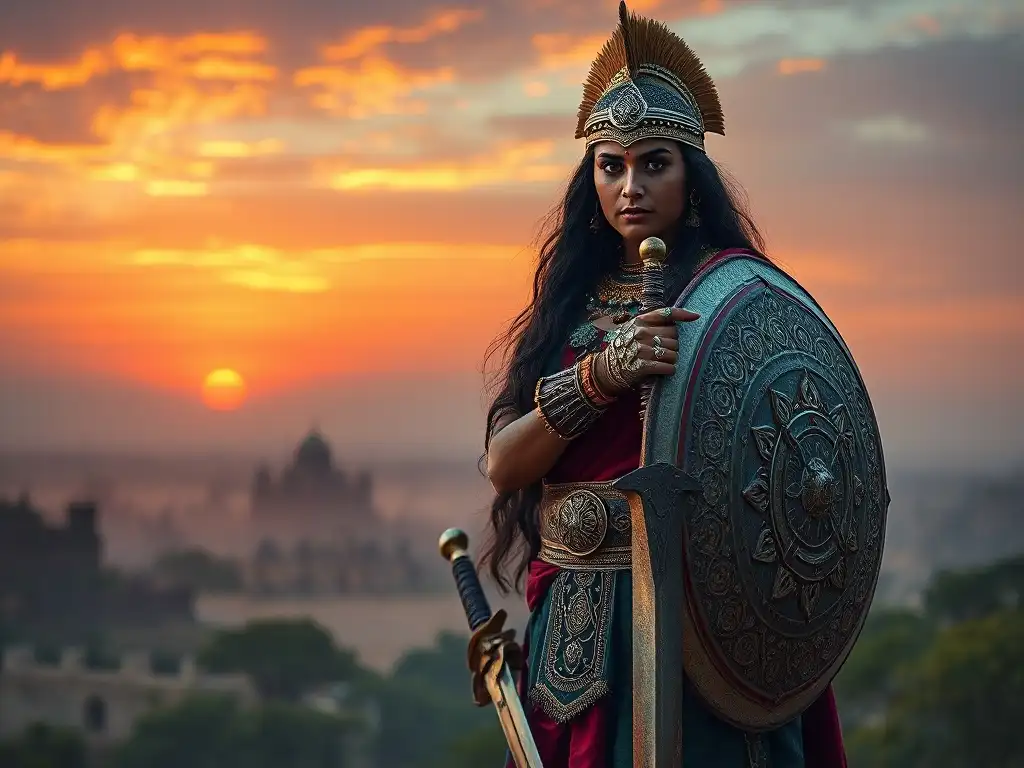
Welcome to Ancient India History, where we embark on a captivating journey through the rich and diverse tapestry of ancient Indian civilizations. In today's exploration, we shine a light on the remarkable role of Women in Ancient Indian Warfare. Discover how these extraordinary defenders and leaders not only shaped military strategies but also left an indelible mark on the cultural heritage of their time.
As we delve into their stories, prepare to be inspired by the courage and resilience that defined an era. Join us as we uncover the hidden narratives of these formidable women and their significant contributions to military history.
- Introduction to Women in Ancient Indian Warfare
- Historical Context of Warfare in Ancient India
- Notable Women in Ancient Indian Warfare
- Women in Ancient Indian Mythology and Warfare
- The Evolution of Women’s Roles in Military History
- Conclusion: The Enduring Legacy of Women in Ancient Indian Warfare
-
Frequently Asked Questions
- What role did women play in ancient Indian warfare?
- Were there any famous female warriors in ancient India?
- How did societal views on women influence their participation in warfare?
- What historical sources document women's involvement in warfare?
- How does the legacy of women in ancient Indian warfare impact modern views?
- Final Reflection: Celebrating the Legacy of Women in Ancient Indian Warfare
- Unleash Your Inner Warrior: Engage with the Legacy of Ancient Shakti
Introduction to Women in Ancient Indian Warfare
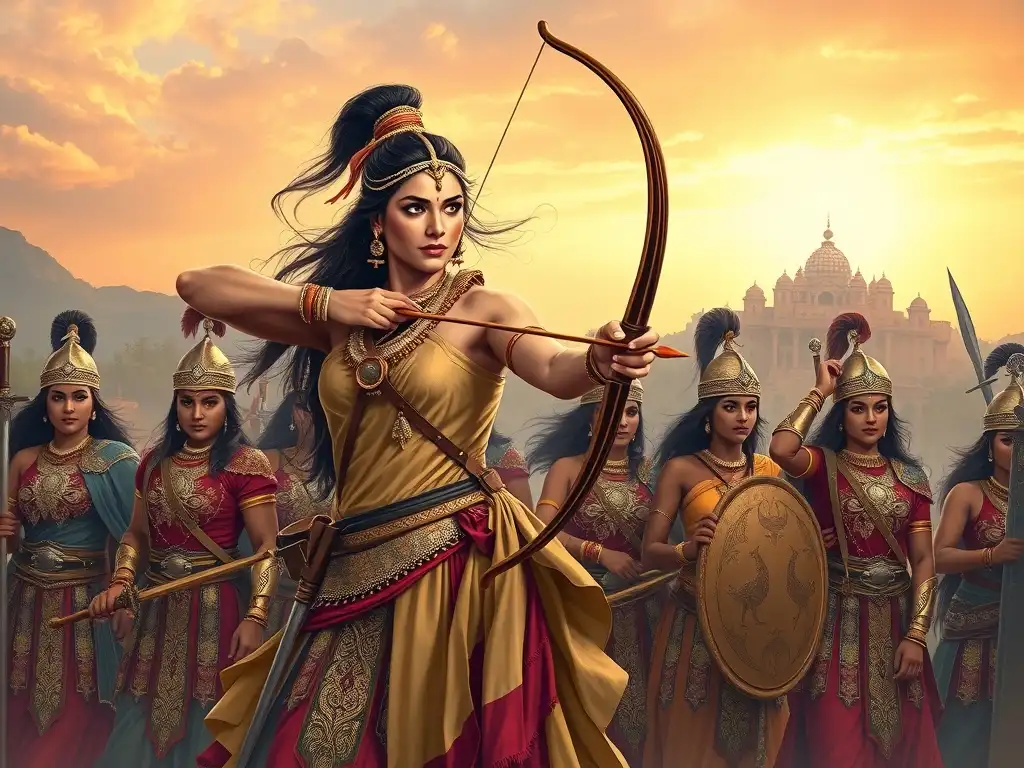
Throughout history, the contributions of women in various domains have often been overshadowed by their male counterparts. However, in ancient India, women played a crucial role in warfare, serving not only as defenders of their lands but also as skilled leaders in military campaigns. From the valiant queens of the Indus Valley Civilization to the fierce warriors of the Gupta Empire, the narratives of these remarkable women are woven into the rich tapestry of ancient Indian military history.
Exploring the roles of women in ancient Indian warfare reveals not only their courage and resilience but also highlights their significant contributions to battles and campaigns that shaped the course of history. This article delves into the lives of notable women warriors, shedding light on their pivotal roles and the impact they had on the ancient Indian battlefield.
Overview of Women’s Roles in Warfare
In ancient India, women's participation in warfare was not merely an exception but a vital aspect of military culture. Women were often trained in martial arts and strategy, preparing them to defend their homes and communities during conflicts. Some of the key roles that women undertook in warfare included:
- Warriors: Many women took up arms, fighting alongside men during battles. They were skilled in various forms of combat, showcasing their physical prowess and strategic acumen.
- Leaders: Women often emerged as leaders, commanding armies and inspiring troops. Their leadership was characterized by intelligence, bravery, and a deep sense of loyalty to their people.
- Strategists: Some women played crucial roles as strategists, helping to devise plans and tactics that could turn the tide of battle in favor of their side.
One notable example is Rani Lakshmibai, the queen of Jhansi, who became a symbol of resistance against British colonialism during the 1857 uprising. Her leadership and valor on the battlefield inspire generations and illustrate the significant role women played in shaping military tactics and outcomes.
Significance of Female Defenders and Leaders
The presence of women in ancient Indian warfare highlights their contributions beyond traditional gender roles. Their involvement in battles served several significant purposes:
- Empowerment: The participation of women in warfare empowered them, breaking social norms and allowing them to assert their agency in a male-dominated society.
- Cultural Legacy: The stories of female warriors and leaders contribute to India's cultural heritage, emphasizing the importance of honor, bravery, and sacrifice.
- Military Strategy: Women often brought unique perspectives to military strategy, leveraging their understanding of social dynamics and community needs to inform their decisions.
The legacy of these female defenders and leaders reflects a broader narrative of resilience and strength, reminding us that the contributions of women in warfare are integral to understanding the complexities of ancient Indian history. As we explore the stories of these remarkable women, we uncover a rich history that challenges conventional narratives and celebrates the diverse roles women played in shaping the military landscape of ancient India.
Historical Context of Warfare in Ancient India
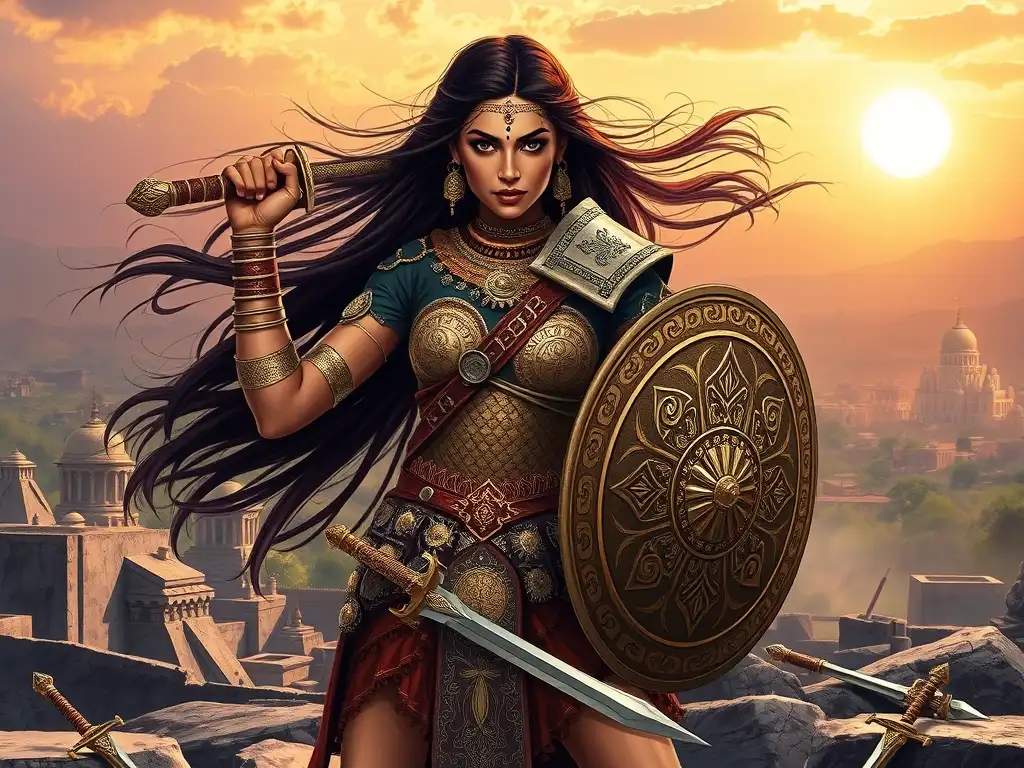
Warfare in ancient India was not only a means of territorial expansion but also a significant aspect of the socio-political dynamics of the time. Ancient Indian civilizations, from the Indus Valley to the Gupta Empire, engaged in various forms of combat that reflected the complexities of their societies. Conflicts often arose due to territorial disputes, trade route control, and the assertion of power by emerging kingdoms.
Major Battles and Campaigns in Ancient Indian History
Several notable battles highlight the role of women in ancient Indian warfare, showcasing their contributions as strategists, warriors, and leaders.
- Battle of the Ten Kings (Dasarajna): This battle, chronicled in the Rigveda, involved a coalition of ten kings against King Sudas of the Bharata tribe. While the primary focus is on male warriors, women played crucial roles, often as advisors or in supporting capacities.
- Siege of Chittorgarh: The legendary figure of Rani Padmini emerged during this time, showcasing the fierce resistance of women in defense of their kingdoms. Her story is emblematic of the valor displayed by women, who not only defended their homes but also participated actively in strategic planning.
- Warrior Queens of the Rajputana: The Rajput clans produced numerous warrior queens like Rani Durgavati, who led her troops against the Mughal invasions. Her remarkable bravery and tactical acumen during the battle against the Mughals demonstrate the significant roles women held in warfare.
- Gupta Empire Campaigns: During the Gupta period, women like Prabhavati Gupta were known to have been politically and militarily active. They often managed state affairs and even commanded troops, thereby illustrating the integration of women into the military framework.
The participation of women in warfare during ancient India was influenced by various social and cultural norms. While patriarchal structures predominated, certain contexts allowed women to rise as warriors and leaders.
- Cultural Recognition: Texts like the Mahabharata and Ramayana illustrate the valor of women in battle, portraying them as protectors and strategists. Women such as Draupadi and Sita are depicted with strength and agency, often influencing the course of events through their actions.
- Rituals and Symbolism: The role of women in warfare was often tied to rituals. For instance, women would perform specific rites to bless warriors before battles, signifying their integral role in the success of military endeavors.
- Women in Leadership: In some kingdoms, women could ascend to thrones and lead armies. The existence of female rulers reflects the acceptance of women's authority in military matters, challenging the conventional norms of their time.
- Military Training: Historical accounts suggest that women were trained in martial arts and archery, particularly in royal families. This training empowered them to take up arms when necessary, showcasing a blend of traditional gender roles with military responsibilities.
The dynamic interplay of these factors illustrates that women were not merely passive figures in ancient Indian warfare; instead, they actively contributed to military strategies and defended their realms. Their stories, though often overshadowed by male counterparts, remain vital to understanding the full scope of warfare in ancient India.
Notable Women in Ancient Indian Warfare
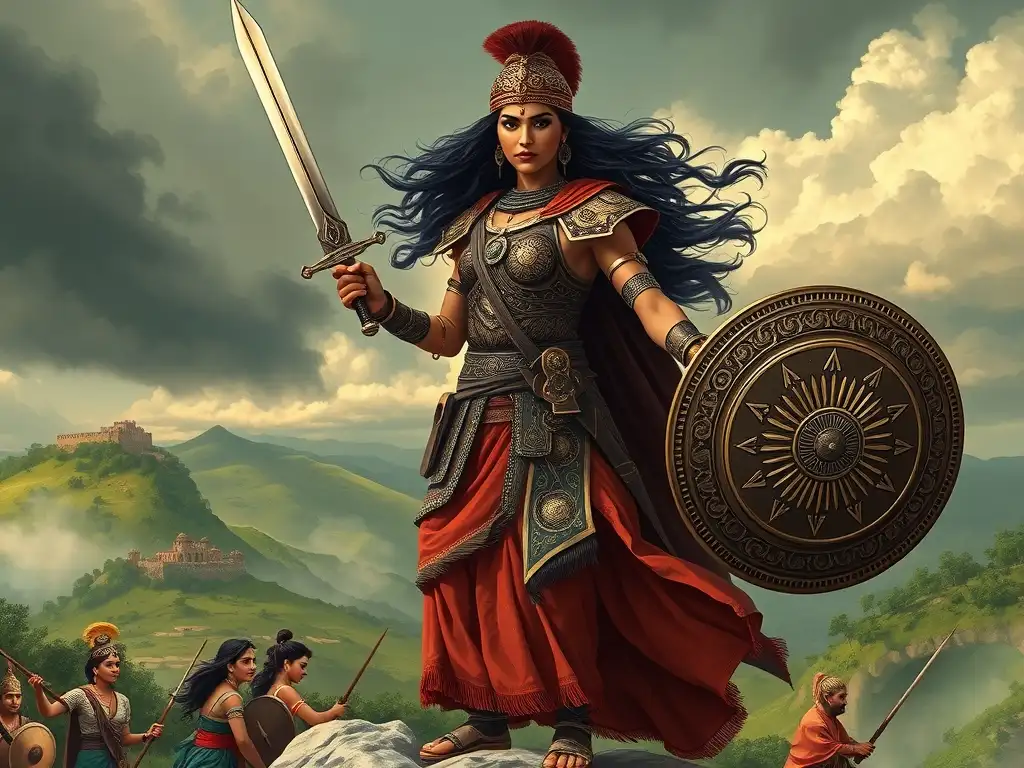
Rani Durgavati: The Warrior Queen
Early Life and Background
Rani Durgavati was born into the royal family of the Gond dynasty in the 16th century. Her lineage, which traced back to the illustrious Gond kings, played a crucial role in shaping her identity as a ruler and warrior. Educated in the arts of warfare and governance from a young age, Durgavati was trained in archery, horse riding, and strategy, skills that would later define her military leadership. Her marriage to King Dalpat Shah further solidified her position in the region, and upon his untimely death, she ascended to the throne, becoming a beacon of strength for her people.
Key Battles and Leadership Skills
Rani Durgavati is best remembered for her valiant defense against the Mughal Empire led by Akbar in 1564. The most notable battle occurred at the fort of Narrai, where Durgavati showcased her exceptional leadership skills and tactical acumen. Facing overwhelming odds, she employed guerrilla tactics, utilizing the terrain to her advantage. Her forces initially succeeded in repelling the Mughal troops, demonstrating her capability as a military strategist. Despite the eventual fall of her kingdom, her courage and tenacity in battle left an indelible mark on Indian history.
Legacy and Impact on Warfare
Rani Durgavati's legacy transcends her military endeavors; she is celebrated as a symbol of female empowerment in a predominantly patriarchal society. Her defiance against the Mughal invasion inspired generations of women to take up arms and assert their rights. Statues and memorials dedicated to her are found throughout India, serving as a testament to her impact on warfare and leadership. Her story continues to inspire modern narratives around women in ancient Indian warfare, emphasizing their contributions and resilience.
Razia Sultana: The Last Female Sultan
Rise to Power and Reign
Razia Sultana, the daughter of Sultan Iltutmish, rose to prominence in the 13th century as the first and only female ruler of the Delhi Sultanate. After her father's death, she defied the traditional norms that favored male succession, seizing the throne in 1236. Her reign marked a significant turning point in the history of the Sultanate, as she implemented progressive policies aimed at improving governance, including measures to enhance trade and justice. Razia's ability to navigate the political landscape of her time demonstrated her exceptional leadership qualities.
Military Strategies and Campaigns
Razia Sultana was not only a capable administrator but also a skilled military leader. She engaged in several campaigns to consolidate her power and defend her kingdom. One of her notable military strategies involved forming alliances with local chieftains and utilizing cavalry effectively in battle. Razia's campaign against the rebellious nobles and her efforts to expand the Sultanate's territory showcased her strategic foresight. Her ability to lead troops personally into battle was unprecedented for women in her time.
Contributions to Gender Roles in Leadership
Razia Sultana's reign challenged the prevailing gender norms of the 13th century, setting a precedent for female leadership in Indian history. Her successful rule served to reshape perceptions of women in positions of power, proving that they could govern effectively and lead armies. Razia's legacy is a powerful reminder of the capabilities of women in ancient Indian warfare, encouraging future generations to question gender biases in leadership roles. Her life and rule are often cited in discussions about women in ancient Indian warfare, highlighting their significant contributions to military history.
Jijabai: Mother of Chhatrapati Shivaji Maharaj
Jijabai, the mother of Chhatrapati Shivaji Maharaj, is a pivotal figure in the history of ancient Indian warfare. Born in 1598, she belonged to the Bhonsle clan and was the daughter of a prominent Maratha noble. Jijabai played a crucial role in shaping her son’s character and military ideology.
Her influence extended beyond the confines of motherhood; she instilled in Shivaji a deep sense of duty, valor, and the importance of protecting their homeland from foreign invasions. As a strong and resilient woman, she faced numerous challenges, yet her unwavering spirit and determination made her a significant figure in the context of Maratha resistance against Mughal dominance.
Influence on Shivaji’s Military Ideology
Jijabai’s influence on Shivaji’s military ideology cannot be overstated. She emphasized the principles of bravery, strategy, and the moral obligation to fight against oppression. Through stories of valor and tales of legendary warriors, she inspired Shivaji to embrace a warrior spirit and to view warfare as a noble pursuit in defense of dharma (righteousness).
Her teachings shaped his approach to guerrilla warfare, which became a hallmark of his military campaigns. Jijabai also encouraged Shivaji to prioritize the welfare of his subjects, teaching him that a true leader must earn the loyalty of the people he protects. This philosophy not only guided Shivaji in his battles but also established a legacy of just governance that would influence future rulers.
Role in Mobilizing Support and Resources
Jijabai was instrumental in mobilizing support and resources for Shivaji's military endeavors. Recognizing the importance of alliances, she leveraged her connections with local chieftains and influential families. Her diplomatic skills and political acumen helped Shivaji gain crucial support from other Maratha clans, enhancing his military strength.
Additionally, she played a significant role in organizing supplies, arms, and finances necessary for sustaining his campaigns. By rallying the local population and encouraging them to join the fight against the Mughals, Jijabai not only fortified Shivaji’s ranks but also instilled a sense of collective resistance among the Marathas. Her efforts laid the groundwork for the establishment of the Maratha Empire, demonstrating her capability as a leader in her own right.
Impact on Future Generations
The impact of Jijabai on future generations extends beyond her son. Her legacy as a formidable matriarch and military strategist inspired countless women in the Maratha region and beyond. As a symbol of strength and resilience, she became a role model for women in subsequent eras, showcasing that they could play crucial roles in leadership and warfare.
Her teachings were passed down through generations, influencing not only military leaders but also the cultural narratives surrounding women’s contributions to society. Jijabai’s life and actions contributed to a broader recognition of women's roles in the historical narrative of ancient Indian warfare, inspiring ongoing discussions about gender and power in Indian history.
Other Notable Female Figures in Warfare
Ancient India is replete with remarkable women who played significant roles in warfare, showcasing their immense courage and strategic prowess. These women not only participated in battles but also influenced military tactics and leadership. Their contributions are vital to understanding the multifaceted nature of warfare in ancient Indian history.
Chand Bibi: Contributions and Achievements
Chand Bibi, the widow of Sultan Hussain Nizam Shah of Ahmednagar, is celebrated for her valiant defense of her kingdom against the Mughal Empire. Following her husband’s death, she took charge of Ahmednagar and displayed exceptional leadership skills during the siege laid by Emperor Akbar in 1595. Chand Bibi personally led her troops into battle, employing strategic maneuvers that delayed the Mughal forces.
Her diplomatic efforts were also notable; she attempted to negotiate peace and sought alliances with other regional powers. Despite being ultimately overpowered, her bravery and commitment to her kingdom have made her a legendary figure in Indian history, symbolizing resistance and resilience.
Rani Padmavati: Contributions and Achievements
Rani Padmavati, a legendary queen of Chittor, is renowned for her exceptional courage and honor during the siege of Chittorgarh by Alauddin Khilji. According to folklore, she was known for her beauty and intelligence, and her refusal to be captured led to a fierce battle.
When faced with the threat of invasion, Padmavati chose to commit jauhar (self-immolation) along with other women to protect their honor rather than surrender to the enemy. Her story, immortalized in literature and folklore, highlights the valor of women in ancient India and their pivotal roles in warfare, often emphasizing the themes of honor, sacrifice, and resistance against oppression.
Kittur Rani Chennamma: Contributions and Achievements
Kittur Rani Chennamma was the queen of the princely state of Kittur in Karnataka and is remembered for her fierce opposition to British colonial rule. Ascending to the throne in the early 19th century, she took up arms to defend her kingdom against the imposition of the Doctrine of Lapse, which sought to annex her territory following the death of her husband. Rani Chennamma led her troops in battle, demonstrating strategic acumen and unwavering resolve.
Her efforts culminated in the Kittur Rebellion of 1824, making her one of the first women to challenge British authority. Though ultimately defeated, her legacy as a warrior queen continues to inspire and represents the spirit of resistance against colonial oppression.
Women in Ancient Indian Mythology and Warfare
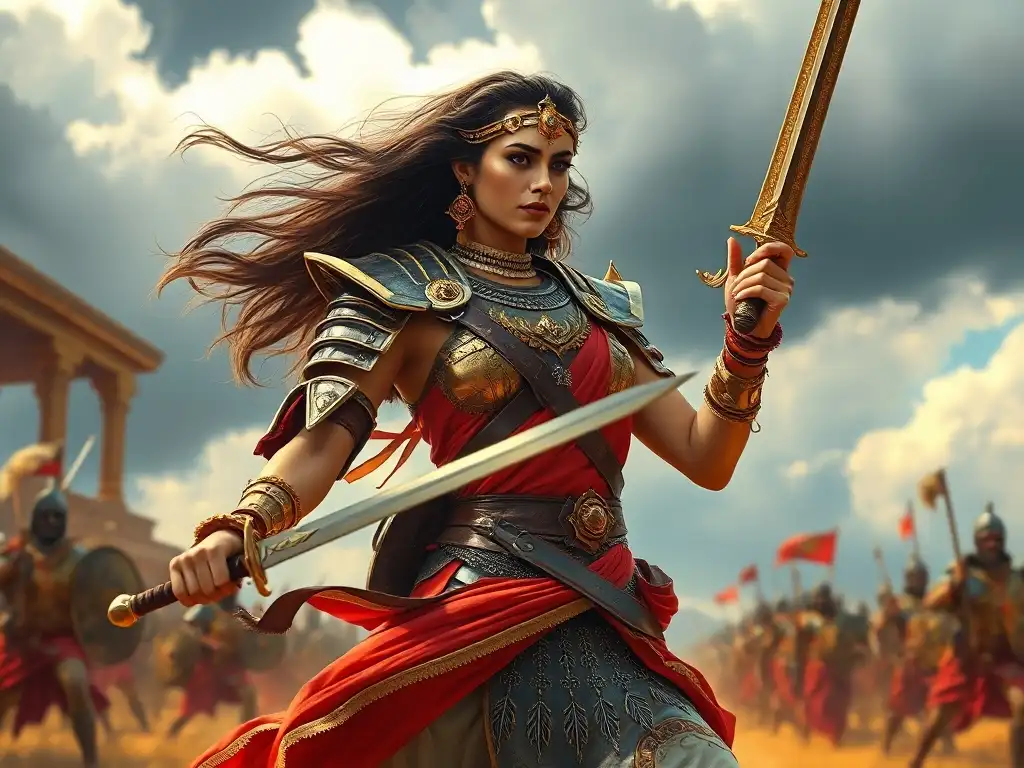
The portrayal of women in ancient Indian mythology provides a fascinating lens through which to explore their roles in warfare. From goddesses who embody strength and valor to legendary figures who have shaped historical narratives, women in ancient Indian mythology are often depicted as fierce warriors and protectors. Their stories not only inspire but also reflect the values and beliefs of the societies that revered them. This section examines the role of mythological figures in warfare and how these narratives influenced real-world practices and perceptions of women warriors in ancient India.
Goddesses as Warriors: Durga and Kali
Two of the most prominent female figures in ancient Indian mythology are the goddesses Durga and Kali, both of whom symbolize the fierce and protective aspects of femininity in warfare.
Durga, often depicted riding a lion or tiger, wields an array of weapons gifted by various gods. Her most famous narrative is the battle against the buffalo demon Mahishasura, which symbolizes the triumph of good over evil. This mythological battle not only highlights Durga's martial prowess but also serves as a metaphor for the struggle against oppressive forces. Her victory is celebrated during the festival of Durga Puja, where she is revered as a protector and a warrior goddess.
Kali, on the other hand, embodies a more ferocious aspect of combat. Known for her terrifying appearance—dark skin, wild hair, and a necklace of skulls—Kali is often invoked in times of crisis. Her legendary battle against the demon Raktabija, who could multiply with each drop of blood shed, showcases her relentless nature. Kali's ability to consume her enemies and protect her devotees emphasizes the theme of destruction as a necessary component of creation and protection.
Both goddesses not only represent the power of women in warfare but also challenge traditional gender roles, portraying femininity as inherently strong and capable of leading in battle.
The Influence of Mythological Narratives on Real Warfare
The narratives surrounding warrior goddesses like Durga and Kali had a profound impact on the perception of women in warfare throughout ancient India. These stories served both as inspiration and justification for women to take on roles traditionally reserved for men.
- Cultural Validation: The valor and strength depicted in these mythological tales validated the participation of women in military endeavors. Women were inspired to emulate these goddesses, leading to instances where they took up arms during conflicts.
- Historical Figures: Several historical women have drawn parallels to these mythological figures. For instance, Rani Durgavati, the Gond queen, fought valiantly against the Mughal Empire in the 16th century, often evoking the spirit of Durga in her leadership. Similarly, Lakshmibai, the Rani of Jhansi, became a symbol of resistance during the 1857 rebellion, embodying the fierce independence associated with Kali.
- Military Strategy: The narratives also influenced military strategies, as leaders would invoke the blessings of these goddesses before battles, believing that their divine favor could turn the tide of war. Rituals and prayers to Durga and Kali were common among warriors seeking strength and protection.
- Social Impact: The mythological representation of women as warriors contributed to a broader societal acceptance of female leadership in military contexts. The stories helped dismantle restrictive gender norms, allowing women to emerge as defenders of their kingdoms and communities.
The interplay between mythology and warfare in ancient India reveals a rich tapestry of gender dynamics where women, through the embodiment of divine figures, played critical roles as warriors and leaders. The enduring legacy of these narratives continues to inspire generations, highlighting the significant contributions of women in ancient Indian warfare.
The Evolution of Women’s Roles in Military History
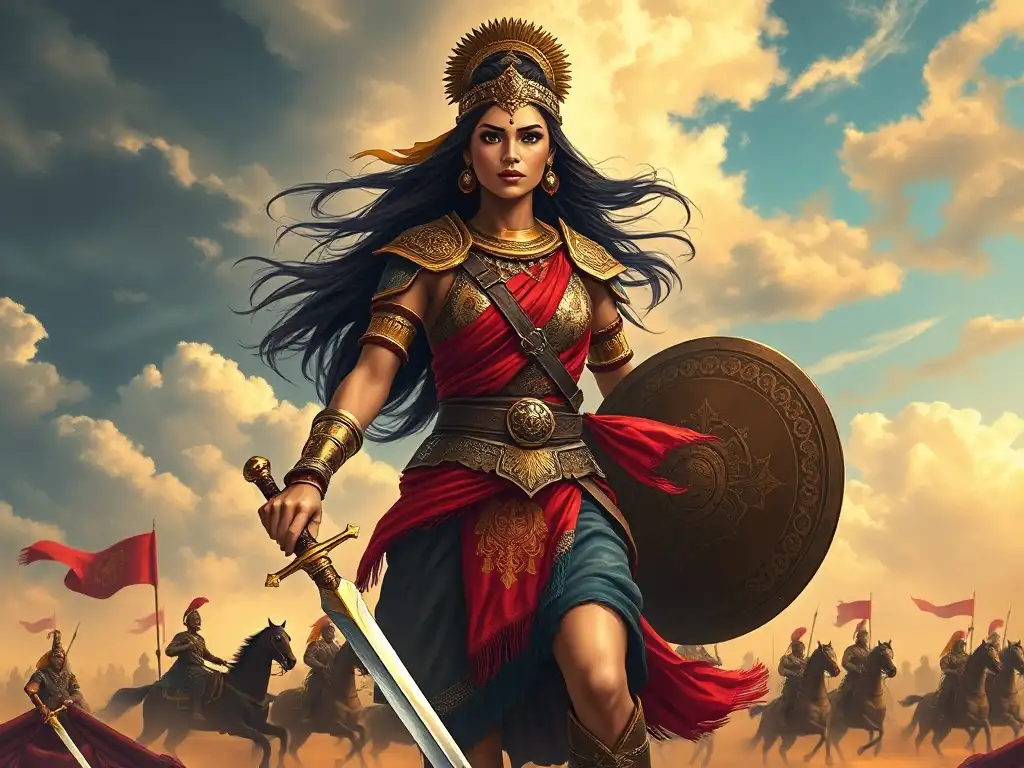
The role of women in ancient Indian warfare has undergone significant transformations, reflecting broader societal changes. Women were not merely passive observers; many played active roles as warriors, strategists, and leaders in various military campaigns. This evolution can be traced from the early civilizations of the Indus Valley to the more structured military societies of later periods, such as the Gupta Empire.
Changes Over Time: From Ancient to Medieval Warfare
In ancient India, particularly during the Indus Valley Civilization (circa 3300–1300 BCE), evidence suggests that women may have participated in warfare, albeit indirectly. Archaeological findings indicate that women were involved in various aspects of life, including trade and agriculture, which could have had implications for their roles in conflict. However, it is during the Vedic period (circa 1500–500 BCE) that we see more explicit references to women in military contexts.
- Early References:
- Texts such as the Mahabharata and Ramayana highlight women like Draupadi and Sita, who, while not warriors in the traditional sense, played critical roles in the moral and strategic dimensions of warfare.
- The Rigveda mentions women participating in rituals that were integral to warfare preparations, indicating their importance in the socio-religious fabric surrounding military endeavors.
- Medieval Transformations:
- By the medieval period, particularly during the rise of regional kingdoms, women’s roles began to shift. Figures like Rani Durgavati of Gondwana (16th century) and Rani Lakshmibai of Jhansi (19th century) emerged as formidable leaders.
- These women not only led their armies into battle but also inspired their troops, showcasing the blend of leadership and warrior spirit.
- Military Training:
- Some noble women were trained in combat skills, archery, and strategy. Historical accounts show that royal women, especially in Rajputana, were often trained in martial arts to defend their kingdoms.
The evolution of women's roles in warfare reflects a complex interplay between societal norms, the necessity of defense, and the political landscape of ancient and medieval India.
The Role of Women in Subsequent Indian Warfare
As we move into the later periods of Indian history, the role of women in warfare continues to evolve, marked by their increasing visibility and participation in military conflicts.
- The Mughal Era:
- During the Mughal Empire (1526–1857), women like Noor Jahan, the wife of Emperor Jahangir, wielded significant influence over military decisions. She not only participated in court politics but also led military campaigns, showcasing how royal women could directly impact warfare.
- The Rebellion of 1857:
- The First War of Indian Independence in 1857 saw women like Rani Lakshmibai take center stage. Her leadership in the defense of Jhansi against the British is a prominent example of women's active participation in warfare.
- Rani Lakshmibai's valor and tactical acumen inspired many, and her legacy continues to be celebrated in Indian history.
- Cultural Representations and Legacy:
- Over time, the narratives surrounding women in warfare have been romanticized and mythologized, yet they serve as powerful reminders of women's contributions to military history. The tales of warrior queens and female commanders in folklore and literature continue to inspire modern interpretations of women's roles in conflict.
- Contemporary scholarship is increasingly recognizing these historical figures, emphasizing their contributions and leadership in shaping the military landscape of ancient and medieval India.
The roles of women in ancient Indian warfare were dynamic and varied, influenced by societal norms and historical contexts. Their contributions as defenders and leaders, from the early periods to the medieval era, highlight the significant impact women had on the military history of India. The legacy of "Women in Ancient Indian Warfare" continues to resonate, reminding us of the strength and resilience of these remarkable figures.
Conclusion: The Enduring Legacy of Women in Ancient Indian Warfare
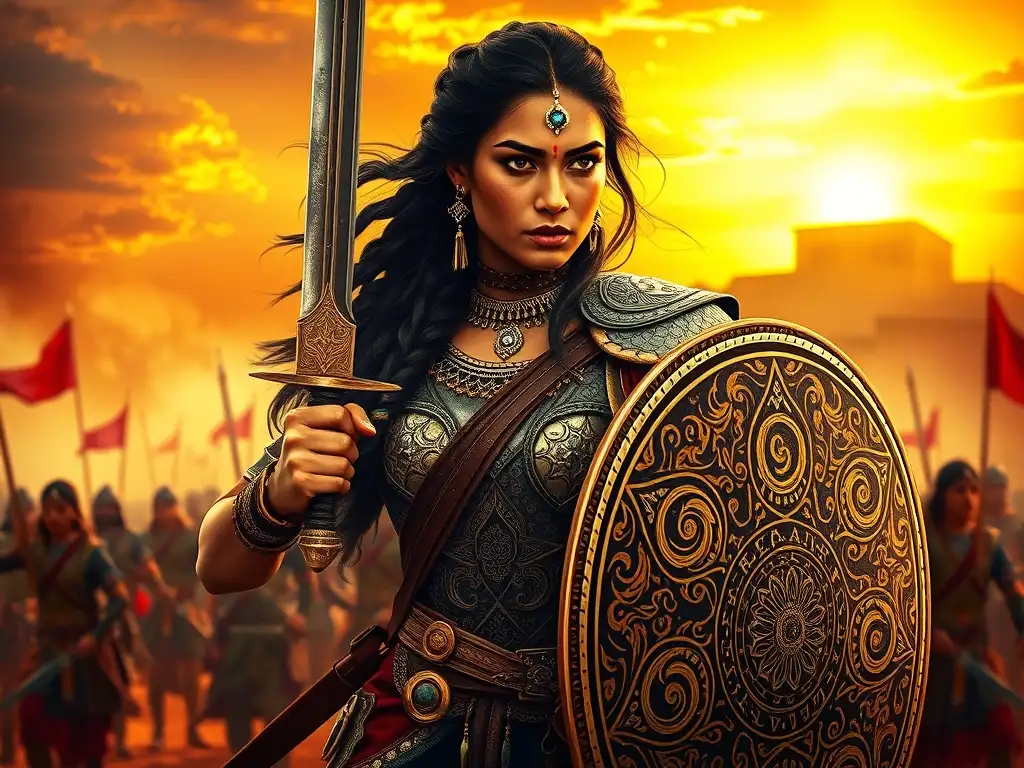
Summary of Contributions and Achievements
Throughout the annals of ancient Indian history, women played pivotal roles in warfare, exhibiting strength, valor, and strategic acumen that shaped the outcomes of numerous battles. Notable figures such as Rani Lakshmibai of Jhansi, who became a symbol of resistance during the First War of Independence in 1857, showcased exceptional leadership qualities. Her relentless courage and tactical brilliance not only inspired her troops but also marked her as a formidable opponent against British forces.
Moreover, women like Chand Bibi of Ahmednagar and Rani Durgavati of Gondwana demonstrate the multifaceted involvement of women in military campaigns. Chand Bibi not only defended her kingdom against the Mughal forces but also employed innovative strategies to outmaneuver her adversaries. Similarly, Rani Durgavati's fierce resistance against the Mughal invasion highlights the significant contributions women made to protect their realms and assert their sovereignty.
| Notable Woman | Kingdom | Key Contribution | Historical Context |
|---|---|---|---|
| Rani Lakshmibai | Jhansi | Led troops in battle during the 1857 uprising | Symbol of resistance against British rule |
| Chand Bibi | Ahmednagar | Defended her kingdom from Mughal invasion | A significant figure during the Deccan Wars |
| Rani Durgavati | Gondwana | Fought against Mughal forces to protect her territory | Renowned for her bravery and tactical wisdom |
These women not only participated in the battlefield but also influenced military strategies and decisions, thus altering the course of history. Their contributions reflect the broader societal role that women held, challenging the traditional narratives that often overlook their impact.
Reflection on the Importance of Recognizing Women in History
Recognizing the roles of women in ancient Indian warfare is crucial for a comprehensive understanding of military history. By highlighting their contributions, we can dismantle the often male-centric narratives that dominate historical discourse. Women in Ancient Indian Warfare were not just passive figures; they were active participants and leaders who shaped the socio-political landscape of their times.
The acknowledgment of these women’s achievements encourages a more inclusive historical narrative that values diverse perspectives. It also serves to empower future generations by illustrating that leadership and bravery are not confined to any one gender. As we continue to explore the rich tapestry of ancient Indian history, it is imperative to remember and celebrate the formidable women who fought valiantly, not only for their kingdoms but also for their legacies.
The legacy of women in ancient Indian warfare serves as a testament to their resilience and capability. As we delve deeper into the annals of history, let us ensure that the stories of these remarkable women are preserved and honored, shining a light on their indispensable contributions to the rich heritage of India.
Frequently Asked Questions
What role did women play in ancient Indian warfare?
Women in ancient India were often defenders and leaders, participating in battles alongside men and even commanding troops during critical conflicts.
Were there any famous female warriors in ancient India?
Yes, notable figures like Rani Lakshmibai of Jhansi and Chennamma of Kittur are celebrated for their leadership and valor in warfare, inspiring future generations.
How did societal views on women influence their participation in warfare?
Despite predominantly patriarchal norms, women who demonstrated bravery and leadership were often respected and allowed to take part in military activities, especially during times of crisis.
What historical sources document women's involvement in warfare?
Ancient texts such as the Mahabharata and Ramayana, along with various inscriptions and folklore, highlight the significant roles that women played in battles throughout history.
How does the legacy of women in ancient Indian warfare impact modern views?
The stories of women warriors have contributed to a growing recognition of gender equality in military contexts, fostering a dialogue about the role of women in defense and leadership today.
Final Reflection: Celebrating the Legacy of Women in Ancient Indian Warfare
The stories of women in ancient Indian warfare remind us that strength and leadership know no gender. As we explore the remarkable contributions of these women, we uncover a rich tapestry of courage, strategy, and resilience that continues to resonate in today's discussions about gender equality and empowerment. Their legacies challenge us to rethink historical narratives and recognize the vital roles women have played throughout history, not just as supporters but as formidable leaders and defenders.
The influence of these remarkable women extends beyond the pages of history; they serve as powerful symbols in our contemporary cultural landscape. Their stories inspire modern movements advocating for women's rights and representation in all fields, including leadership and defense. As we reflect on their impact, we are reminded of the words of the renowned historian, "History is not just about the past; it shapes our present and guides our future." > This quote encapsulates the essence of how the legacies of these women continue to inspire generations, urging us to acknowledge and celebrate their contributions.
As we conclude this exploration of notable women in ancient Indian warfare, I invite you to reflect on the lessons they impart. Consider how their courage and determination can inspire you in your own life. Whether in leadership roles, community activism, or personal challenges, let their stories motivate you to break barriers and redefine what is possible. Embrace the spirit of these warriors and leaders, and carry their legacy forward by championing equality and empowerment in your own journey.
Unleash Your Inner Warrior: Engage with the Legacy of Ancient Shakti
Thank you for diving into the fascinating world of notable women in ancient Indian warfare! We've explored incredible tales of bravery, leadership, and resilience that remind us of the powerful roles women played in shaping history. Now, it's time to channel that inspiration into action!
- Explore further: Discover the remarkable stories of these women by visiting our curated resources and reading more articles about ancient Indian female warriors.
- Join the conversation: Share your favorite story or insight about women in warfare on your social media, and inspire others to learn about these unsung heroines!
- Engage with the community: Participate in our interactive forum focused on ancient Indian history, and connect with fellow enthusiasts who share your passion.
As you reflect on the courageous women of the past, consider this: What role do you believe women should play in shaping the future of our societies? We invite you to share your thoughts in the comments below!