
The Use of Poison and Psychological Warfare in Ancient Indian Battles


Welcome to Ancient India History, where we embark on a fascinating journey through the vibrant tapestry of ancient Indian civilizations. This week, we delve into the intriguing realm of Ancient Indian warfare strategies, exploring the cunning use of poison and the art of psychological warfare in battles that shaped the course of history. As you navigate through this article, prepare to uncover the secrets behind tactical brilliance and the profound impact these strategies had on the dynamics of power and conflict. Join us in unraveling the layers of intrigue that defined ancient Indian warfare—your adventure awaits!
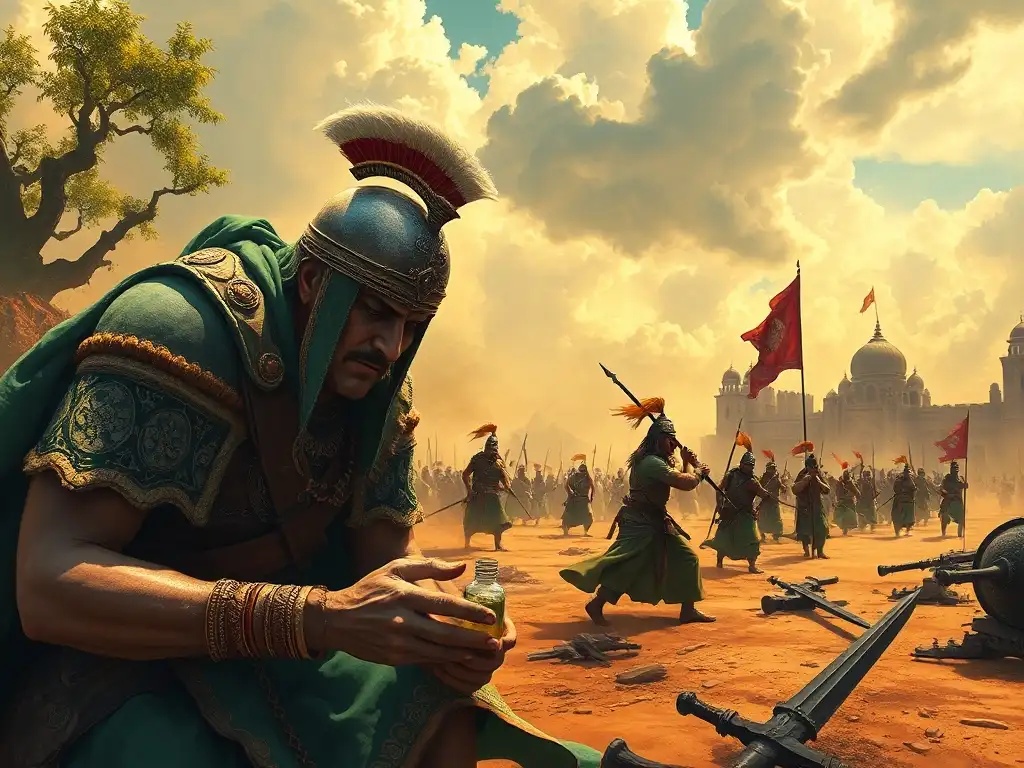
Introduction to Ancient Indian Warfare Strategies
Ancient Indian warfare strategies were characterized by a complex interplay of tactics, technology, and psychological maneuvers that shaped the outcomes of battles throughout history. From the early conflicts of the Indus Valley civilization to the sophisticated military campaigns of the Gupta Empire, the use of various strategies, including the deployment of poison and psychological warfare, played a crucial role in determining the fate of empires. This article delves into the intricate details of how these strategies were employed, highlighting their significance in the broader context of military history in ancient India.
Overview of Ancient Indian Warfare
The evolution of warfare in ancient India can be traced through various periods, each with its unique methods and philosophies. The ancient texts, such as the Arthashastra by Kautilya, provide valuable insights into military strategies, including formations, troop movements, and the use of unconventional tactics.
- Key Features:
- Diverse Armies: Ancient Indian armies consisted of infantry, cavalry, and chariots, often employing a mix of these forces in battle.
- Geographical Influences: The diverse landscapes of India, from mountains to plains, influenced battle tactics and strategies.
- Cultural Factors: Warfare was often intertwined with cultural and religious beliefs, impacting how battles were fought and perceived.
Importance of Tactics in Ancient Indian Battles
Understanding the significance of tactics in ancient Indian battles is essential to grasp the full scope of military strategy. Tactics not only dictated the immediate actions taken during conflicts but also influenced long-term outcomes in terms of territorial control and empire stability.
- Key Tactical Elements:
- Psychological Warfare: The use of deception and fear to demoralize opponents was a common practice, often leading to victory without a direct confrontation.
- Poison and Deception: The strategic use of poison in warfare was not merely a method of attack but also served as a psychological tool to instill fear and uncertainty among enemy ranks.
- Adaptability: Ancient Indian commanders were adept at adapting their tactics based on the strengths and weaknesses of their opponents, showcasing a flexible approach to warfare.
Poison as a Weapon in Ancient Indian Warfare
The use of poison in ancient Indian warfare reveals a sophisticated understanding of chemical agents and their psychological impact on both the battlefield and the broader war effort. This section explores the historical context, types of poisons, notable battles, and their overall impact on military outcomes.
Historical Context of Poison in Battles
The historical use of poison can be traced back to various ancient civilizations, including India. Texts from the Vedic period and later literature indicate that poison was regarded not only as a lethal weapon but also as a tool of subterfuge.
- Cultural Significance: Poisons were often associated with covert operations, reflecting the cunning and strategic mindset of ancient Indian military leaders.
- Ethical Considerations: The use of poison was sometimes debated in the context of dharma (righteousness), as it could be considered an unfair advantage in battle.
Types of Poisons Used in Ancient Indian Warfare
Ancient Indian texts document various types of poisons employed in warfare, each with distinct properties and effects. The choice of poison often depended on the desired outcome, whether to incapacitate or kill.
- Common Poisons:
- Soma Plants: Certain plants were believed to possess toxic properties when ingested or applied.
- Animal Venoms: Venom from snakes and other creatures was utilized for its potency.
- Chemical Agents: Knowledge of natural toxins was applied in creating concoctions designed for specific purposes.
Notable Battles Involving Poison
Historically, several battles illustrate the strategic use of poison in ancient Indian warfare. These instances showcase the effectiveness and implications of utilizing such tactics.
- The Battle of the Kalinga: This battle not only marked a significant turning point for Emperor Ashoka but also highlighted the role of poison in undermining enemy morale.
- The Conflicts with Alexander the Great: Historical accounts suggest the use of poison against his forces, demonstrating the lengths to which Indian commanders would go to secure victory.
Impact of Poison on Battle Outcomes
The strategic implementation of poison had profound impacts on the outcomes of battles. Its effectiveness often extended beyond immediate physical harm, influencing psychological and strategic dimensions as well.
- Immediate Effects: The incapacitation of enemy troops could lead to a swift victory without prolonged engagement.
- Long-term Consequences: The fear of poison could deter future conflicts, as armies might avoid engagement due to the potential for covert tactics.
- Psychological Warfare: The dread associated with poison could lead to demoralization, affecting the performance and resolve of opposing forces.
The exploration of poison and psychological warfare in ancient Indian battles not only uncovers specific military strategies but also enriches our understanding of the complexities involved in ancient Indian warfare. By examining these elements, we gain insight into the innovative tactics that shaped the course of history in this remarkable civilization.
Psychological Warfare in Ancient Indian Conflicts
Psychological warfare played a significant role in ancient Indian conflicts, serving as a strategic tool to demoralize enemies and manipulate perceptions. By understanding the psychology of their opponents, ancient Indian military leaders employed various tactics to influence the outcomes of battles without necessarily engaging in direct combat. This approach not only conserved resources but also contributed to the overall strategic advantage on the battlefield.
Definition and Importance of Psychological Warfare
Psychological warfare refers to the use of psychological tactics to influence the attitudes and behaviors of opponents. In the context of ancient Indian warfare, it involved a range of strategies designed to induce fear, confusion, and uncertainty among enemy forces. The importance of psychological warfare lay in its ability to gain a tactical edge without the need for large-scale confrontations. It could lead to surrender, defections, or the weakening of the enemy's resolve, thus shaping the battlefield dynamics in favor of the strategist.
Historical Examples of Psychological Tactics
Several historical accounts illustrate the application of psychological tactics in ancient Indian warfare. One notable example is the Mauryan Empire under Ashoka, who utilized edicts carved on rocks and pillars to communicate his message of peace and moral governance, which could dissuade potential aggressors from attacking. Another instance is found in the battles between the Kauravas and Pandavas from the Mahabharata, where the use of misinformation, feigned retreats, and the display of supernatural prowess were employed to instill fear in the opposing forces.
Strategies Employed for Psychological Manipulation
Ancient Indian military leaders employed a variety of strategies to manipulate the psychological state of their adversaries. These included:
- Deceptive Displays: Creating illusions of strength or numbers to intimidate opponents.
- Misinformation: Spreading false information to confuse and mislead enemy forces about troop movements or strategies.
- Symbolism and Rituals: Utilizing religious symbols and rituals to invoke fear or inspire morale among troops.
- Utilization of Terrain: Leveraging the geographical advantages to create a sense of entrapment or vulnerability for the enemy.
These strategies were carefully planned and executed to maximize their psychological impact, often leading to significant advantages in the outcome of battles.
Outcomes and Effects of Psychological Warfare
The outcomes of psychological warfare in ancient Indian conflicts were profound. Successful psychological manipulation could lead to:
- Surrender without Combat: Enemies might capitulate due to fear or uncertainty, avoiding unnecessary bloodshed.
- Disruption of Enemy Morale: The psychological impact on troops could lead to lower morale, infighting, and ultimately, a breakdown in command.
- Increased Loyalty among Allies: Demonstrating strength through psychological tactics could strengthen alliances and consolidate support from local rulers or populations.
The effects of these tactics often extended beyond the battlefield, influencing political dynamics and the stability of regions.
Comparative Analysis: Poison vs. Psychological Warfare
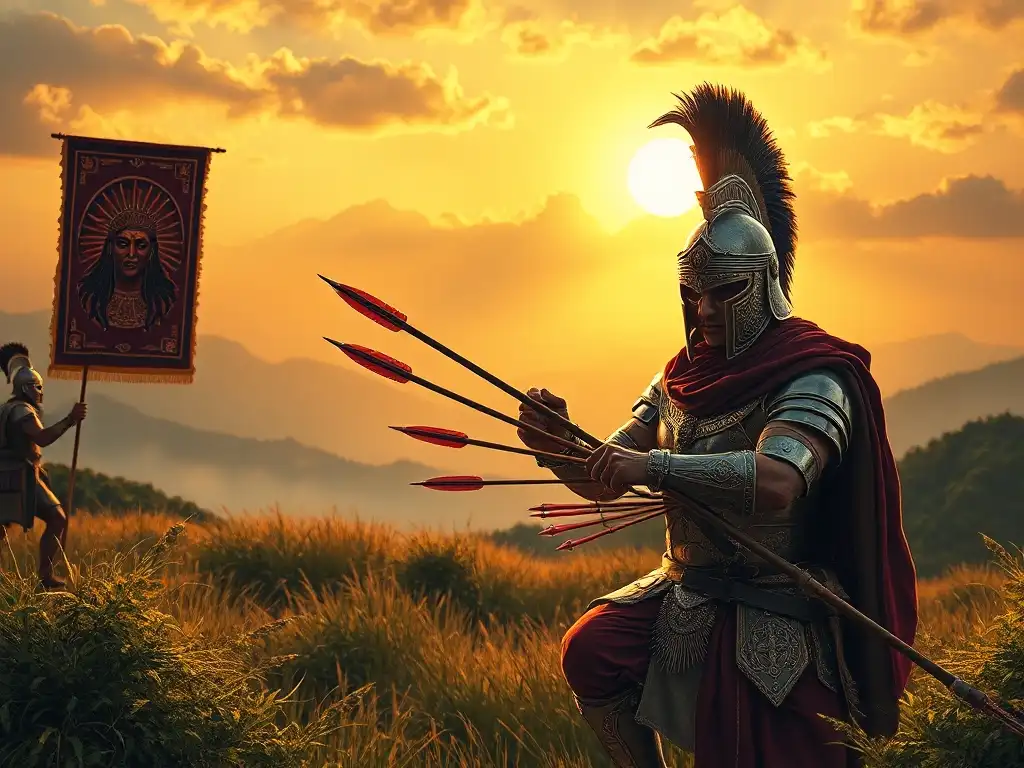
The use of poison and psychological warfare were both significant strategies in ancient Indian warfare, each with its own advantages and limitations. Understanding the comparative effectiveness of these approaches provides valuable insight into the complexity of military strategies during this period.
Effectiveness of Poison in Ancient Battles
Poison was often viewed as a covert and insidious method of warfare. Its effectiveness stemmed from:
- Stealth: The ability to incapacitate or kill enemies without direct confrontation.
- Fear Induction: The mere knowledge of potential poisoning could create fear among enemy ranks, leading to hesitation and distrust.
- Long-Lasting Effects: Poison could have lingering effects, making areas unsafe and reducing the enemy’s ability to regroup or retaliate.
However, the use of poison also carried risks, including the potential for collateral damage and the possibility of unintended consequences for the user.
Psychological Warfare Tactics Compared to Poison Use
When comparing psychological warfare tactics to the use of poison, several distinctions arise:
- Direct vs. Indirect Impact: Poison had a direct physical impact on the enemy, while psychological tactics primarily influenced morale and decision-making.
- Immediate vs. Long-Term Effects: The effects of poison could be immediate, leading to quick victories, whereas psychological warfare often required time to unfold and could yield gradual results.
- Risk Factors: Poisoning could backfire, affecting the user or allies, while psychological tactics tended to involve less immediate risk of self-harm.
Both strategies were effective in their contexts, but their deployment depended on the specific circumstances of the conflict.
Case Studies Highlighting Both Strategies
Several ancient battles exemplify the use of both poison and psychological warfare:
- The Battle of the Kalinga: Ashoka's forces employed psychological tactics to intimidate Kalinga warriors, while also using poison to eliminate key leaders discreetly.
- The Gupta Empire's Campaigns: Gupta rulers often used psychological warfare to spread rumors of invincibility, while also employing tactics involving poison to weaken enemy supplies or leadership.
These case studies demonstrate the interplay between these two strategies and their effectiveness in achieving military objectives in ancient India.
The Legacy of Ancient Indian Warfare Strategies
The legacy of ancient Indian warfare strategies is a multifaceted tapestry that reflects the ingenuity and adaptability of its military leaders. From the early days of the Indus Valley Civilization through to the sophisticated tactics of the Gupta Empire, ancient Indian warfare was marked by a unique combination of strategy, psychological manipulation, and the effective use of various weapons, including poison.
The strategic employment of poison in battles serves as a testament to the resourcefulness of ancient Indian generals. Texts such as the Arthashastra by Kautilya detail various methods of using poison not only as a weapon but as a tool of subterfuge. This approach emphasized the importance of psychological warfare, where instilling fear and uncertainty in the enemy could be as impactful as direct combat.
Moreover, the incorporation of diverse tactics such as guerilla warfare, ambushes, and the strategic use of terrain showcases the flexibility of ancient Indian military strategies. These practices have left an indelible mark on military doctrines across the globe, influencing how warfare is conceptualized today.
Influence on Modern Warfare Tactics
The influence of ancient Indian warfare tactics on modern military strategies is profound. Many principles derived from ancient texts and practices continue to resonate in contemporary military theory. For instance, the concept of psychological warfare, which emphasizes the importance of morale and the psychological state of the enemy, can be traced back to strategies employed by ancient Indian commanders.
Furthermore, the use of deception, a key element in ancient tactics, remains a critical component of modern warfare. Techniques such as misinformation and feigned retreats are strategies that echo the cunning approaches of ancient battles. The integration of these historical strategies into modern military training and operations highlights a continuity of thought regarding the nature of conflict.
In addition, the understanding of terrain and environmental factors in ancient Indian warfare has influenced modern military strategy. The ability to adapt to and utilize geographical advantages remains a cornerstone of effective military planning today.
Lessons Learned from Ancient Indian Military Strategies
The study of ancient Indian military strategies provides several important lessons that are still relevant in today's context.
- Adaptability and Innovation: The ability to adapt tactics based on the situation and the enemy's behavior is crucial in warfare. Ancient Indian generals demonstrated a remarkable capacity for innovation in the face of changing circumstances.
- Psychological Preparedness: Understanding the psychological aspects of warfare, such as morale and the impact of fear, can significantly influence the outcome of battles. Ancient practices of psychological manipulation underline the importance of mental resilience for both sides.
- Strategic Use of Resources: The effective use of available resources, including poisons and environmental factors, teaches modern military leaders about the importance of resource management in strategic planning.
By analyzing these lessons, contemporary military strategists can draw valuable insights that enhance their operational effectiveness.
Conclusion
Summary of Key Points on Poison and Psychological Warfare
In examining the use of poison and psychological warfare in ancient Indian battles, several key points emerge:
- Poison as a Tactical Weapon: Ancient Indian military leaders effectively utilized poison in various forms, from poisoned weapons to toxic substances, to gain an advantage over their adversaries.
- Psychological Manipulation: The strategic instilling of fear and uncertainty in the enemy was a prevalent tactic, demonstrating a sophisticated understanding of human psychology in warfare.
- Diverse Strategies: The combination of different tactics, including guerilla warfare and deception, showcases the adaptability and ingenuity of ancient Indian warfare strategies.
These elements together illustrate a rich legacy that continues to inform and inspire military thinking.
Final Thoughts on the Evolution of Ancient Indian Warfare Strategies
The evolution of ancient Indian warfare strategies reflects a profound understanding of both the physical and psychological aspects of conflict. As we look back on these strategies, it becomes clear that the use of poison and psychological warfare were not merely tactics but integral components of a broader strategic vision that aimed to outsmart and outmaneuver opponents.
The lessons gleaned from these ancient practices are timeless, offering insights that remain pertinent in the realm of modern warfare. As military strategies continue to evolve, the foundational concepts established by ancient Indian leaders serve as a guiding light, emphasizing the importance of adaptability, psychological acumen, and innovative thinking in the art of war.
- Introduction to Ancient Indian Warfare Strategies
- Poison as a Weapon in Ancient Indian Warfare
- Psychological Warfare in Ancient Indian Conflicts
- Comparative Analysis: Poison vs. Psychological Warfare
- The Legacy of Ancient Indian Warfare Strategies
- Conclusion
- What are the primary warfare strategies used in Ancient India?
- How did poison play a role in Ancient Indian warfare?
- What was the significance of psychological warfare in battles?
- Can you name some notable ancient Indian battles that employed these strategies?
- How did these strategies influence Indian civilization overall?
Frequently Asked Questions
What are the primary warfare strategies used in Ancient India?
Ancient Indian battles involved a combination of psychological tactics, use of poison, and guerrilla warfare. These strategies were designed to outsmart the enemy and disrupt their morale.
How did poison play a role in Ancient Indian warfare?
Poison was utilized in various forms, such as poisoned weapons and food, to incapacitate enemy forces. This tactic was often aimed at creating chaos and fear among opponents.
What was the significance of psychological warfare in battles?
Psychological warfare aimed to weaken the enemy's resolve and instill fear. Tactics included deceptive maneuvers, misinformation, and intimidation to gain an upper hand without direct confrontation.
Can you name some notable ancient Indian battles that employed these strategies?
Battles like the Mahabharata and various conflicts during the Gupta Empire showcased the use of poison and psychological tactics. These accounts highlight the sophistication of ancient Indian military strategies.
How did these strategies influence Indian civilization overall?
The use of poison and psychological warfare not only shaped military outcomes but also contributed to the cultural narratives and historical accounts of ancient India, emphasizing the importance of strategic thinking in governance and warfare.
Final Reflection: The Enduring Legacy of Ancient Indian Warfare Strategies
The intricate use of poison and psychological warfare in ancient Indian battles reveals a profound understanding of human nature and strategy that remains relevant today. As we navigate a world filled with complex conflicts and psychological tactics, the lessons from these ancient strategies remind us that warfare is not solely about physical might but also about the mental and emotional dimensions of conflict. The ingenuity displayed by ancient Indian warriors in employing these methods serves as a testament to their strategic prowess and continues to resonate in contemporary discussions about conflict resolution and military strategy.
The impact of these ancient strategies extends beyond the battlefield, influencing cultural narratives and societal perceptions of conflict. The stories of cunning tactics and psychological manipulation have permeated literature, art, and even modern military doctrines, shaping how we understand power dynamics. As noted by historian K. M. Panikkar, The art of war is not merely about the clash of arms but the mastery of the mind.
This observation underscores the ongoing relevance of psychological warfare, reminding us that the battles we face today often require as much mental fortitude as they do physical strength.
As we reflect on the themes presented in this article, I invite you to consider how the principles of ancient Indian warfare can be applied in your own life. Whether in personal conflicts, professional challenges, or broader societal issues, think about the power of strategy and the importance of understanding your opponent's mindset.
Embrace the lessons of history as a guide to navigate your own battles, fostering a deeper awareness of the psychological elements at play in every conflict. Let us honor the wisdom of our ancestors by applying these insights to create a more thoughtful and strategic approach to the challenges we face today.
Unveil the Tactics of Ancient Warfare!
Thank you for exploring the fascinating world of poison and psychological warfare in ancient Indian battles! Your curiosity not only enhances your understanding but also enriches your appreciation for the strategic complexities of history. Now, it’s time to transform your newfound insights into action!
- Join the Conversation: Share your thoughts and insights about ancient warfare strategies in the comment section below. Your perspective could spark engaging discussions!
- Explore Further: Delve into additional articles on the history of Ancient India to uncover more about the innovative tactics employed by historical figures.
- Spread the Knowledge: Share this article with friends or on social media to enlighten others about these captivating strategies!
What aspect of psychological warfare do you find most surprising, and how do you believe it influenced the outcomes of battles?