
Marriage and Migration: How Movement Affected Family Structures

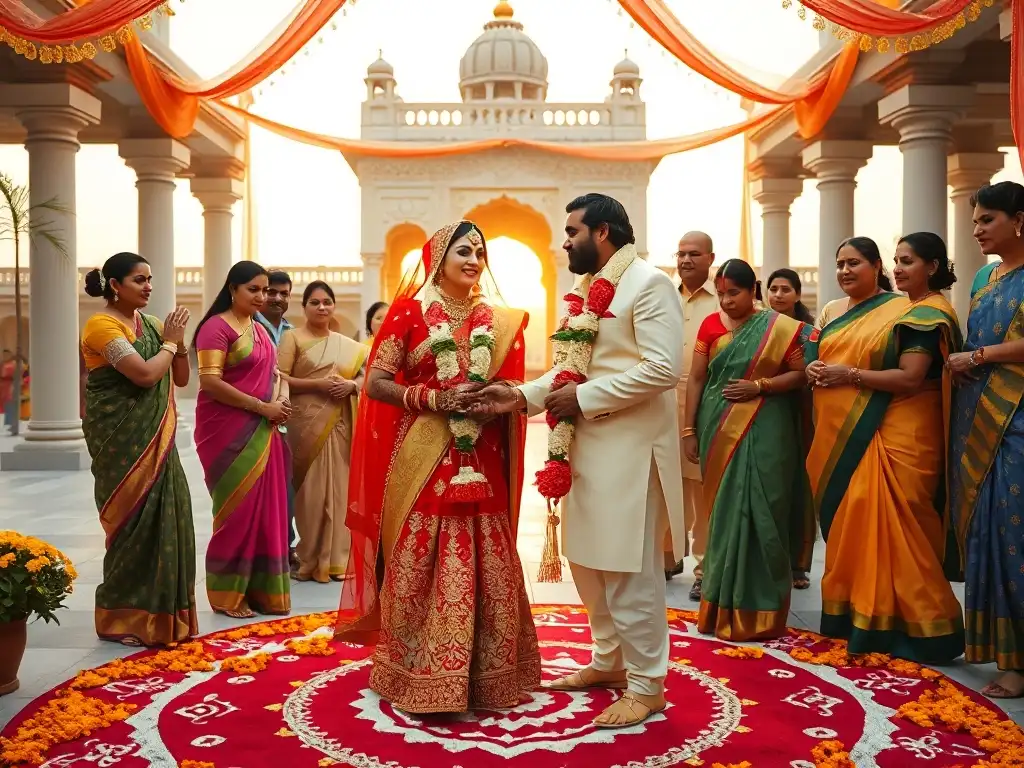
Welcome to Ancient India History, where we delve into the rich tapestry of civilizations that shaped the Indian subcontinent. In our exploration today, we invite you to uncover the fascinating world of Ancient Indian marriage customs, a topic that illuminates the intricate connections between marriage, migration, and societal structures. How did the movement of people influence family dynamics in ancient times?
Join us as we unravel these compelling threads of history, offering insights that will not only inform but also spark your curiosity about the diverse customs that have shaped Indian society. Read on to discover the profound impact of these traditions and their lasting legacy!
- Introduction to Ancient Indian Marriage Customs
- The Influence of Migration on Marriage Customs
- Marriage Customs in Ancient Indian Civilizations
- Impact of Migration on Family Structures
- Comparative Analysis of Ancient Indian Marriage Customs and Migration
- Conclusion: The Legacy of Marriage and Migration in Ancient India
- Further Reading on Ancient Indian Marriage Customs
-
Frequently Asked Questions
- What were some common ancient Indian marriage customs?
- How did migration influence marriage customs in ancient India?
- What role did family structures play in ancient Indian marriages?
- Can you explain the significance of dowry in ancient Indian marriages?
- How did the Gupta Empire influence marriage customs?
- Final Reflection: The Enduring Legacy of Marriage and Migration
- Unveil the Impact of Movement on Family Dynamics!
Introduction to Ancient Indian Marriage Customs
The history of marriage in ancient India is a fascinating tapestry woven with diverse customs, rituals, and social norms that reflect the profound cultural and spiritual beliefs of the time. From the sophisticated urban centers of the Indus Valley to the flourishing dynasties during the Gupta Empire, marriage served not only as a personal union but also as a vital institution that influenced social organization and family structures.
Understanding ancient Indian marriage customs allows us to explore how migration and movement shaped these practices, leading to a rich amalgamation of traditions that varied across regions and communities. This article delves into the intricate dynamics of marriage and migration, revealing how these elements interplayed to define family structures throughout ancient Indian history.
Overview of Marriage in Ancient India
Marriage in ancient India was not merely a social contract; it was deeply rooted in religious, cultural, and economic considerations. Various texts, such as the Vedas and the Manusmriti, provide insights into the customs and practices that governed marital unions. Key aspects include:
- Types of Marriages:
- Brahma Marriage: A sacred union where the bride is given away with respect and honor.
- Gandharva Marriage: A love-based union formed through mutual consent.
- Asura Marriage: A transactional marriage involving a bride price.
- Rakshasa Marriage: A forceful marriage, often associated with abduction.
- Rituals and Ceremonies: Marriages were often elaborate events involving numerous rituals, such as the Saptapadi (seven steps) and Kanyadaan (giving away the bride), which symbolized the couple's commitment and the family's blessings.
- Social Implications: Marriages were crucial for maintaining social order, reinforcing kinship ties, and ensuring the continuity of lineage. They often determined social status and economic alliances, impacting not just the individuals involved but their entire families and communities.
Importance of Family Structures in Ancient Indian Society
Family structures in ancient India were intricately tied to marriage customs, serving as the backbone of societal organization. The significance of family can be understood through the following lenses:
- Patriarchal Norms: Most ancient Indian societies were patriarchal, with male members typically holding authority. Marriages were often arranged to strengthen familial alliances and ensure the transfer of property and status.
- Joint Families: The concept of joint families was prevalent, where extended family members lived together, sharing responsibilities and resources. This arrangement provided social support and stability, highlighting the communal aspect of family life.
- Role of Women: Women's roles in these structures varied. While often seen as caretakers and homemakers, they also played crucial roles in maintaining traditions and cultural practices through marriage and family life.
- Migration's Impact: Migration influenced family structures by introducing new customs and practices. As communities moved or interacted with others, intermarriages occurred, leading to the blending of traditions and the evolution of family dynamics.
The intricate relationship between marriage and migration in ancient India not only shaped individual lives but also contributed to the broader societal framework. Understanding these customs sheds light on the complexities of family structures that have persisted and evolved over centuries.
The Influence of Migration on Marriage Customs
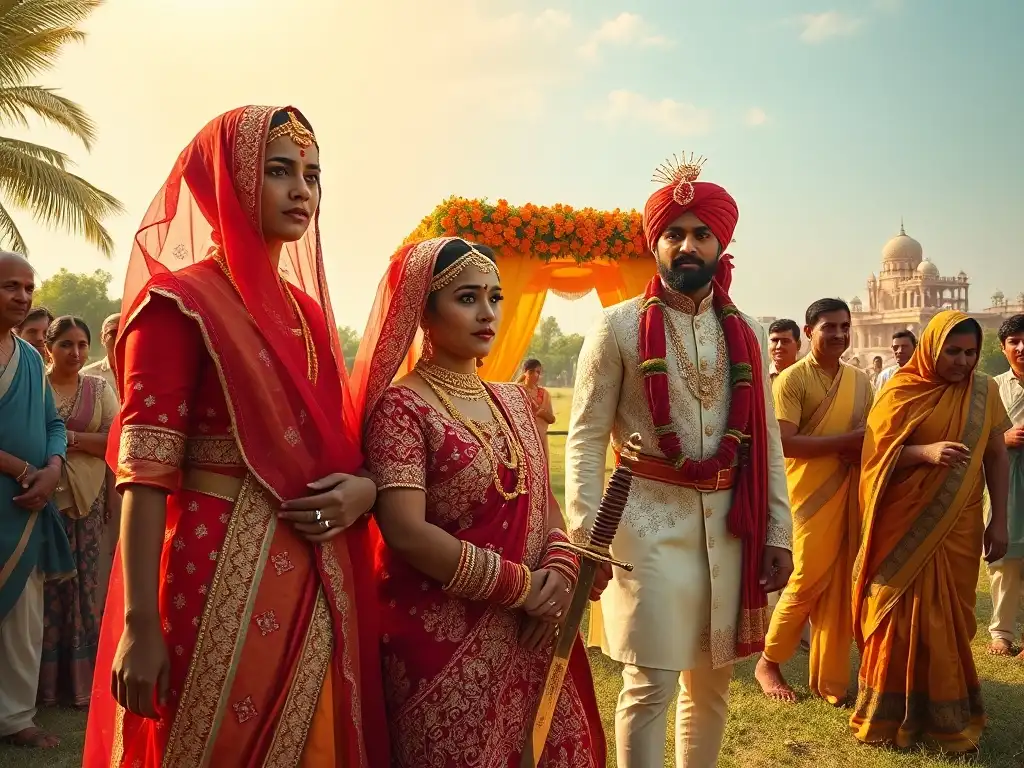
Migration has played a pivotal role in shaping the social, cultural, and familial frameworks of ancient Indian societies. As communities moved—whether for trade, conquest, or other reasons—their marriage customs evolved, reflecting new influences and adapting to diverse cultural landscapes. The dynamic interplay between migration and marriage customs is a testament to the resilience and adaptability of ancient Indian civilizations.
Historical Context of Migration in Ancient India
Migration in ancient India can be traced back to various epochs, each marked by unique patterns and motivations. The earliest evidence of migration is linked to the Indus Valley Civilization, where trade routes facilitated movement both within the subcontinent and across regions. As civilizations flourished, migrations became influenced by factors such as:
- Economic Opportunities: The search for better agricultural land or trade prospects often led families to relocate. This was particularly evident during the rise of urban centers like Taxila and Pataliputra.
- Invasions and Conquests: The arrival of invaders, such as the Aryans and later groups like the Mauryas, altered local demographics and introduced new customs, including marriage practices.
- Religious Movements: The spread of Buddhism and Jainism, along with the influence of Hinduism, prompted migrations that intertwined with marriage customs, as new communities formed and intermarried.
These migrations not only changed the geographic distribution of populations but also allowed for the exchange of cultural practices, which fundamentally impacted ancient Indian marriage customs.
Types of Migration: Internal vs. External Migration
Migration in ancient India can be categorized into two main types: internal and external. Each type had distinct implications for marriage customs.
Internal Migration
Internal migration refers to the movement of people within the subcontinent. This type of migration often involved:
- Seasonal Movements: Communities, especially agrarian ones, would move according to crop cycles. This led to the need for marriages that could accommodate diverse agricultural practices and seasonal affiliations.
- Urbanization: As cities developed, individuals moved from rural areas, resulting in a blending of marriage customs. For instance, urban marriages often began incorporating practices from various regional traditions, leading to more cosmopolitan customs.
External Migration
External migration involves the movement of people into the Indian subcontinent from other regions. This could include:
- Trade and Cultural Exchange: Merchants and travelers from regions such as the Middle East and Southeast Asia brought their cultural practices, influencing local marriage customs. The incorporation of customs related to dowries and nuptial ceremonies can be traced back to these interactions.
- Conquests and Settlements: The influx of groups such as the Greeks and later the Mughals introduced new rituals and practices, which were often assimilated into existing marriage customs, creating a hybridization of traditions.
The differences between internal and external migration illustrate how varied influences shaped ancient Indian marriage customs, contributing to a rich tapestry of practices that reflect the complexity of societal interactions.
Case Studies of Migration Patterns in Ancient India
Several case studies highlight the diverse migration patterns in ancient India and their influence on marriage customs. Understanding these examples can provide deeper insights into the interplay between migration and family structures.
1. The Aryan Migration
The migration of the Aryans into the Indian subcontinent around 1500 BCE is one of the most significant events in ancient history. This migration not only introduced new languages (Sanskrit) but also transformative marriage customs, such as the Brahma marriage, which emphasized the sacredness of the marital union.
2. The Mauryan Empire
The Mauryan Empire (322–185 BCE) saw extensive trade and cultural exchanges, particularly under Emperor Ashoka. The movement of traders and missionaries facilitated the introduction of various marriage customs from distant lands. For instance, the practice of inter-caste marriages began to emerge, reflecting the amalgamation of different cultural practices.
3. The Mughal Influence
The Mughal Empire (1526–1857 CE) marked a period of significant external migration, leading to profound changes in marriage customs. The fusion of Persian and indigenous practices resulted in elaborate wedding ceremonies, such as the Nikaah, which integrated Islamic traditions with local customs. This period also saw the rise of dowry systems, which were influenced by both cultural and economic factors.
These case studies demonstrate how migration not only altered the demographic landscape of ancient India but also reshaped the institution of marriage, leading to a diverse array of customs and practices that continue to influence modern Indian society.
Migration significantly impacted ancient Indian marriage customs, fostering a rich cultural exchange that shaped societal norms and family structures. Understanding these historical contexts, types of migration, and specific case studies provides valuable insights into the evolution of marriage practices throughout ancient Indian history.
Marriage Customs in Ancient Indian Civilizations
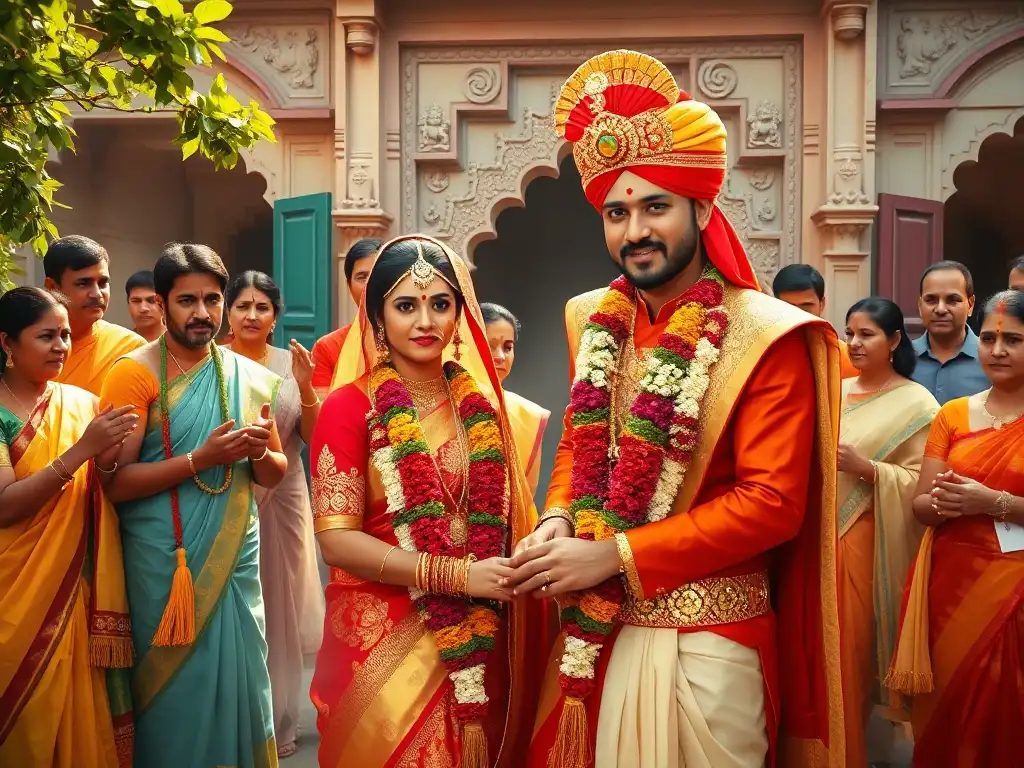
Marriage customs in ancient Indian civilizations were deeply intertwined with the cultural, social, and economic fabric of society. These customs evolved over time, reflecting changes in family structures, societal norms, and migration patterns. The significance of marriage extended beyond personal unions, often serving as a means of forming alliances, enhancing social status, and ensuring economic stability.
Marriage Practices in the Indus Valley Civilization
The Indus Valley Civilization (c. 3300–1300 BCE) is one of the earliest known urban cultures, and its marriage practices were complex and multifaceted. Although direct evidence of marriage customs is limited due to the lack of written records, archaeological findings provide valuable insights.
- Family Structure: The family unit was likely patriarchal, with lineage traced through the male line. Marriages served to consolidate power and resources within families.
- Ceremonial Significance: Artifacts such as terracotta figurines suggest that marriage had ceremonial importance. Rituals may have included offerings and the participation of community members, reflecting the collective nature of society.
- Dowry Practices: Evidence of jewelry and other valuable items in burial sites indicates the possibility of dowry practices, where the bride's family provided gifts to the groom's family, enhancing the bride's status within her new household.
"The Indus Valley Civilization laid the groundwork for subsequent societal norms, influencing marriage customs for centuries."
Vedic Marriage Customs and Their Evolution
The Vedic period (c. 1500–500 BCE) marked a significant transformation in marriage customs, influenced by the arrival of Indo-Aryans and the development of religious texts known as the Vedas.
- Sacred Union: Marriage during this period was considered a sacrament (samskara), representing a spiritual bond between husband and wife. The ritual of Saptapadi, or the seven steps taken together, symbolized their commitment to each other.
- Types of Marriages: The Vedic texts outline various types of marriages, including:
- Brahma: A marriage where the bride is given away with respect and dignity.
- Daiva: A marriage involving a religious ceremony, often with priests.
- Arsha: A marriage where the groom gives cattle to the bride's family.
- Gandharva: A love marriage based on mutual consent.
- Influence of Migration: As Indo-Aryans migrated and settled in different regions, local customs were integrated into marriage practices, resulting in a rich tapestry of traditions.
"The evolution of Vedic marriage customs reflects the dynamic interplay between migration and cultural adaptation."
Gupta Period Marriage Traditions
The Gupta Empire (c. 240–550 CE) is often referred to as a golden age of cultural and scientific advancement in India, and its marriage customs reflected the socio-economic prosperity of the time.
- Increased Formalization: Marriage became more formalized, with greater emphasis on rituals and ceremonies. Texts from this period, such as the Manusmriti, codified marriage practices and outlined the roles of husbands and wives.
- Role of Women: The Gupta period saw a shift in women's roles within marriage. While they were still expected to manage household duties, there is evidence of women participating in social and cultural activities, indicating a more nuanced position within the family structure.
- Regional Variations: As trade and migration flourished, regional marriage customs began to blend, leading to diverse practices across the empire. For example:
- North India: Emphasis on arranged marriages and the importance of caste.
- South India: Greater acceptance of love marriages and matrilineal practices in certain communities.
"The Gupta period exemplifies how marriage customs adapted to evolving societal norms, reflecting broader cultural shifts."
Ancient Indian marriage customs were not static; they evolved through time, influenced by migration, economic conditions, and cultural exchanges. These customs offer a window into the complex social structures that defined ancient Indian civilizations.
Impact of Migration on Family Structures
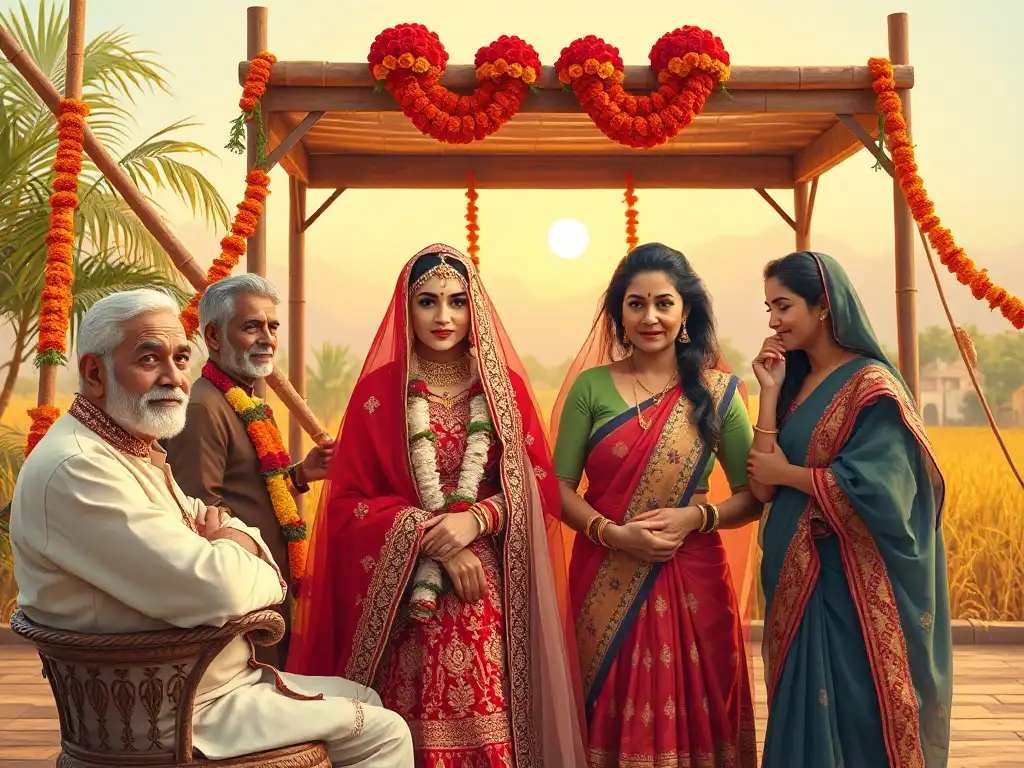
Changes in Family Dynamics Due to Migration
Migration has always been a significant factor shaping the social structures within ancient Indian civilizations. As people moved from one region to another, whether for trade, conquest, or environmental reasons, they brought along their customs, traditions, and family practices. This movement resulted in a dynamic interplay between existing family structures and the new influences introduced by migrants.
One of the most notable changes due to migration was the shift from extended family systems to nuclear families in certain regions. For instance, as urban centers began to grow, families started to adapt to smaller household units for better resource management and economic viability. This transition often led to a reconfiguration of traditional roles within the family, changing the expectations placed on each member.
Moreover, migration also facilitated the exchange of marriage customs across different cultures. Families would often seek alliances with those from different regions, leading to the incorporation of diverse marriage practices. This blending not only enriched the cultural tapestry of the society but also introduced complexities in kinship systems, as families navigated varying customs and expectations from both sides.
The impact of migration on family dynamics was also evident in the roles of women and children. In some cases, women gained more autonomy and decision-making power as they adapted to new environments, while in others, traditional patriarchal structures were reinforced. This duality highlights the nuanced effects of migration on family structures, revealing that the outcomes were often context-dependent.
Intercultural Marriages: Blending Traditions
Intercultural marriages flourished in ancient India due to migration, serving as a vital mechanism for cultural exchange and integration. As different communities interacted, marriages between individuals from diverse backgrounds became increasingly common, leading to the development of hybrid customs that reflected elements from both cultures.
These unions often resulted in the merging of wedding rituals, attire, and even the languages spoken within the family. For example, a marriage between a bride from a coastal region and a groom from an inland area might combine coastal traditions, such as specific rituals related to water, with land-based customs, showcasing the richness of both heritages.
Furthermore, intercultural marriages contributed to the establishment of new social networks that transcended geographical boundaries. Families that engaged in such alliances not only broadened their kinship ties but also enhanced their economic opportunities through expanded trade connections and collaborative ventures. This network-building was crucial for the survival and prosperity of communities in an era when resources were often scarce.
However, these marriages were not without challenges. Conflicts could arise due to differing cultural expectations, particularly regarding familial duties and responsibilities. The negotiation of these differences required adaptability and open communication, often leading to the development of unique family practices that honored both traditions.
The Role of Gender in Migratory Marriage Practices
Gender played a pivotal role in shaping migratory marriage practices in ancient India, and its influence was felt in various dimensions of family life. Migration often altered traditional gender roles, prompting shifts in expectations and responsibilities within the family unit.
In many cases, men were typically seen as the primary decision-makers and breadwinners, especially during migrations that involved the pursuit of better livelihoods. However, migration also empowered women in certain contexts. For instance, as families moved to urban areas, women often took on new roles in the workforce, which challenged the conventional domestic responsibilities historically assigned to them. This shift could lead to greater equality in some family structures, as women began to contribute financially and participate in household decision-making.
Conversely, the pressure to maintain traditional customs could still weigh heavily on women, particularly in intercultural marriages. Women often found themselves as cultural ambassadors, tasked with upholding the customs of their natal families while also integrating the practices of their husbands' families. This dual role could create tension and stress, as women navigated the complexities of their identities within the family.
Additionally, the prevalence of gendered expectations influenced the practice of arranged marriages, a common custom in ancient India. Families often prioritized alliances that would enhance social status or economic stability, which sometimes meant that the desires of individuals—especially women—were sidelined. The impact of migration on these practices varied widely, with some families embracing more egalitarian approaches, while others clung to traditional norms.
The interplay of migration and gender in ancient Indian marriage customs reflects a multifaceted narrative. While migration offered opportunities for change and adaptation, it also reinforced certain traditional values, creating a complex landscape of family structures that were continually evolving.
Comparative Analysis of Ancient Indian Marriage Customs and Migration
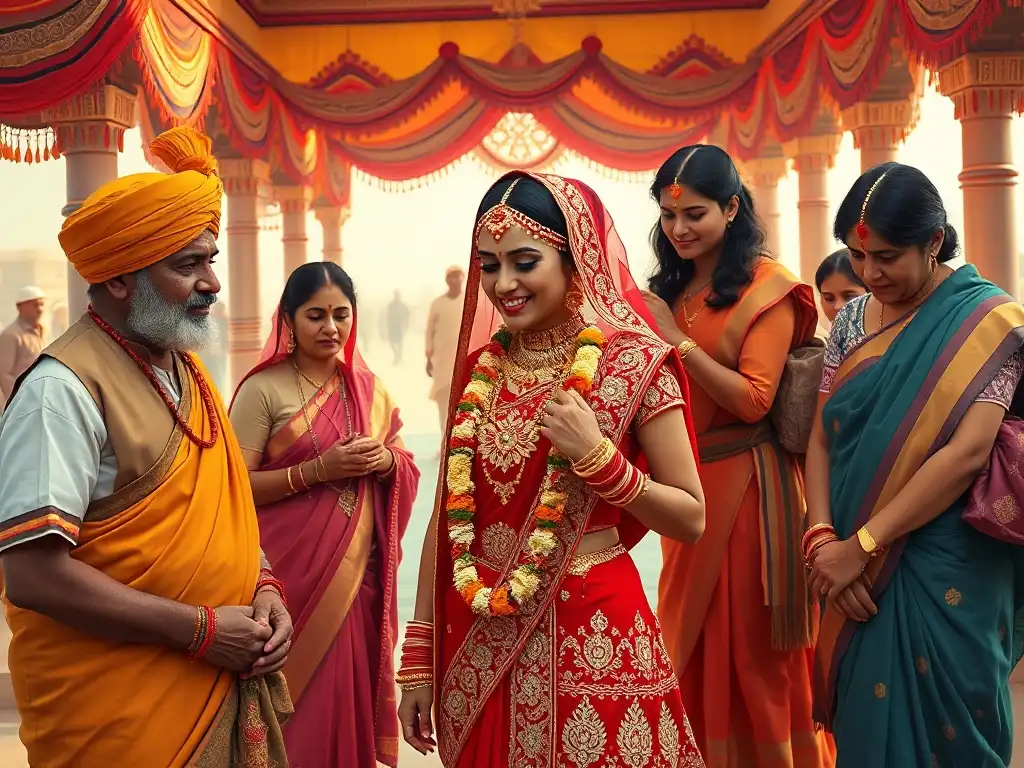
The interplay between marriage customs and migration in ancient India showcases a rich tapestry of cultural practices that evolved over time and space. The movement of peoples, whether through trade, conquest, or social change, profoundly influenced family structures and marital practices. By analyzing these changes, we can gain valuable insights into how ancient Indian marriage customs were shaped by various migratory patterns.
Similarities in Marriage Customs Across Different Regions
Despite the diverse geographical and cultural landscapes of ancient India, several core similarities can be observed in marriage customs across different regions. These commonalities often reflect underlying values and social norms shared among various communities.
- Arranged Marriages: A predominant feature across many regions was the practice of arranged marriages. Families typically played a significant role in selecting suitable partners, emphasizing social status, caste, and family reputation.
- Dowry System: The dowry, a transfer of parental property, wealth, or gifts to the groom's family, was a widespread practice. Although the specifics varied, the concept of dowry persisted as a unifying element in marriage customs.
- Ceremonial Rituals: Marriage rituals, including the Saptapadi (seven steps around the sacred fire) and the exchange of garlands, were common across regions. These rituals symbolized the sacred bond between the couple and were often accompanied by elaborate celebrations that included music, dance, and feasting.
- Role of Religion: Religious rites played a crucial role in marriage ceremonies, with practices often reflecting the predominant faith of the region, be it Hinduism, Buddhism, or Jainism. This religious influence shaped the sanctity and societal acceptance of marriages.
Variations in Family Structures Among Migrant Communities
Migration not only facilitated cultural exchange but also led to distinct variations in family structures, especially among migrant communities. These shifts often resulted from the blending of different customs and the adaptation to new environments.
- Nuclear vs. Joint Families: Migrant communities frequently adopted nuclear family structures, particularly in urban areas where economic opportunities were more accessible. This shift allowed for greater mobility and independence, contrasting with the traditional joint family system prevalent in rural regions.
- Patriarchal vs. Matriarchal Systems: While most ancient Indian societies were patriarchal, certain migratory groups, such as the Nairs in Kerala, displayed matriarchal tendencies. In these communities, lineage was traced through the female line, and women often held significant power in familial decisions.
- Caste Dynamics: Migration sometimes disrupted traditional caste hierarchies, leading to new social alliances and the emergence of hybrid cultural practices. This intermingling of communities often resulted in unique marriage customs that reflected the blending of diverse cultural elements.
Influence of Regional Cultures on Marriage Practices
Regional cultures in ancient India significantly influenced marriage practices, creating a rich mosaic of customs that varied from one locale to another. The geographical, social, and historical contexts of each region contributed to the distinctiveness of its marriage customs.
- Cultural Syncretism: The integration of different cultural practices often resulted from interactions between indigenous populations and incoming groups, such as the Aryans. This cultural syncretism facilitated the development of unique marriage customs, as seen in the blending of Vedic and local traditions.
- Role of Local Deities: Many regions had their own local deities associated with marriage, which influenced the rituals and ceremonies surrounding weddings. For instance, in some areas, couples would invoke the blessings of a specific goddess before their marriage, reflecting local religious beliefs and practices.
- Economic Factors: Economic conditions also impacted marriage customs. In agrarian societies, marriages were often arranged to strengthen land ties, while in trade-centric communities, marriages might focus on commercial alliances. This economic underpinning shaped the motivations behind marriage and the customs associated with them.
The comparative analysis of ancient Indian marriage customs reveals a dynamic interplay between migration and family structures. By understanding these customs within their historical context, we can appreciate the rich diversity and complexity of ancient Indian societies.
Conclusion: The Legacy of Marriage and Migration in Ancient India
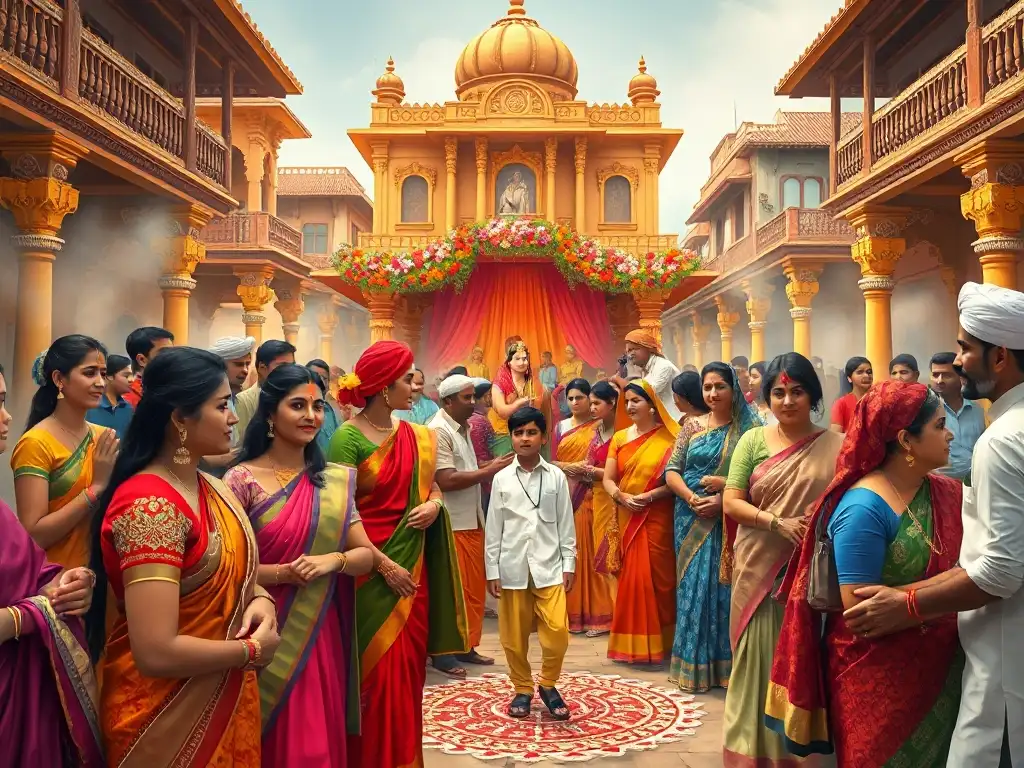
The intricate relationship between marriage and migration in ancient India has left an indelible mark on the structures and practices of families throughout history. As communities migrated—whether for trade, conquest, or environmental reasons—various marriage customs evolved, reflecting the diverse cultural influences that shaped the subcontinent. This evolution is evident in the way familial alliances were formed, adapting to the socio-economic conditions of the time.
Reflection on the Evolution of Family Structures
The evolution of family structures in ancient India can be traced back to the early Vedic period, when patriarchal norms began to dominate. Marriage customs, such as 'Swayamvara', where a bride chose her groom, showcased not only the agency of women but also the importance of strategic alliances. As populations shifted and new groups settled in various regions, these customs began to blend.
- Changing Dynamics:
- Joint Families: The joint family system became prevalent as a means to pool resources, especially in agrarian societies.
- Nuclear Families: Over time, as urbanization increased, the nuclear family model gained traction, particularly among merchant classes.
- Regional Variations:
- Different regions adopted unique marriage customs influenced by local cultures and practices. For instance, the practice of dowry emerged as a significant element in certain communities, while others emphasized bride price.
- Migration also introduced inter-caste and inter-regional marriages, which played a critical role in the diversification of family structures.
- Religious Influences:
- The arrival of various religions, such as Buddhism and Jainism, introduced new perspectives on marriage and family, promoting ideals of monogamy and mutual respect.
- These religious tenets often influenced marriage customs, leading to the establishment of new rituals and practices.
The interplay of migration and marriage thus catalyzed a dynamic transformation of family structures, making them more adaptable to changing circumstances.
The Lasting Impact of Ancient Indian Marriage Customs on Modern Society
The marriage customs of ancient India continue to resonate in contemporary society, shaping not only personal relationships but also social dynamics. The traditions established thousands of years ago have evolved yet remain foundational to Indian culture.
- Cultural Continuity: Many ancient customs, such as arranged marriages and elaborate wedding ceremonies, persist today, albeit in modified forms. This continuity signifies a deep-rooted respect for tradition and familial ties.
- Legal and Social Frameworks: The impacts of ancient practices are reflected in modern legal frameworks governing marriage, including laws related to dowry and inter-caste marriages. This highlights how historical customs have influenced contemporary societal norms and legal systems.
- Global Influence: As Indians migrate globally, the blend of ancient customs with contemporary practices creates a unique cross-cultural experience, influencing perceptions of marriage in diaspora communities.
The legacy of ancient Indian marriage customs is profound, illustrating a historical narrative that intertwines with the evolution of family structures. The effects of migration and marriage practices continue to shape modern societal values, ensuring that the rich heritage of ancient India remains relevant and influential in today's world.
Further Reading on Ancient Indian Marriage Customs
Recommended Resources and Literature
To gain a deeper understanding of Ancient Indian marriage customs, various resources delve into the intricacies of marriage practices, cultural significance, and their evolution over time. Here are some recommended readings:
-
"The Hindu Marriage Act: A Historical Perspective"
This book offers a comprehensive analysis of marriage laws in ancient India, exploring how historical contexts influenced marital practices.
-
"Marriage and Kinship in Ancient India" by Dr. Ramesh Kumar
This insightful text examines the roles of marriage and kinship in shaping social structures in ancient India, shedding light on family dynamics.
-
"Caste and Marriage in Ancient India"
This scholarly work investigates the interplay between marriage customs and the caste system, focusing on how social stratification affected familial relationships.
-
"Women in Ancient India: Society and Status"
This book discusses the status of women in ancient Indian society, including their roles in marriages, family structures, and societal expectations.
-
"Rituals and Rites: A Study of Ancient Indian Marriage"
This resource provides an in-depth look at the various rituals associated with marriage in ancient India, highlighting regional differences and common practices.
-
"The Role of Religion in Ancient Indian Marriages"
An exploration of how different religious beliefs shaped marriage customs, including the significance of rituals and ceremonies in sacred contexts.
Suggested Topics for Further Exploration
Diving deeper into Ancient Indian marriage customs, several topics warrant further exploration:
-
The Evolution of Marriage Practices
Examine how marriage customs have transformed over centuries, influenced by socio-political changes and cultural exchanges.
-
Regional Variations in Marriage Customs
Investigate the diverse marriage practices across different regions of ancient India, including North, South, East, and West, highlighting unique traditions.
-
Role of Dowry in Ancient Marriages
Analyze the historical context and implications of dowry practices in ancient Indian society and their impact on family structures.
-
Marriage as a Social Contract
Explore the concept of marriage as a contract within ancient Indian society, including the legal and social obligations it entailed.
-
Impact of Migration on Marriage Customs
Study how migration patterns influenced marriage practices, including the blending of customs and the introduction of new rituals.
-
Inter-caste Marriages in Ancient India
Investigate the dynamics and challenges surrounding inter-caste marriages, and their significance within the ancient social framework.
These topics not only enhance the understanding of ancient marriage customs but also provide insight into the broader social fabric of ancient Indian civilization.
Frequently Asked Questions
What were some common ancient Indian marriage customs?
Ancient Indian marriage customs included arranged marriages, dowries, and rituals like saat phere (seven circles). These customs reflected the importance of family and social status in society.
How did migration influence marriage customs in ancient India?
Migration led to a mixing of cultures, which influenced marriage customs by integrating various traditions and practices. This resulted in a more diverse set of marriage rituals across different regions.
What role did family structures play in ancient Indian marriages?
Family structures were pivotal in ancient Indian marriages, often determining partner selection and maintaining lineage. The emphasis on patriarchal systems meant that families played a significant role in matrimonial alliances.
Can you explain the significance of dowry in ancient Indian marriages?
Dowry was a significant aspect of ancient Indian marriages, often seen as a way to ensure financial stability for the bride. It also symbolized the social status of the families involved in the marriage.
How did the Gupta Empire influence marriage customs?
During the Gupta Empire, there was a notable evolution in marriage customs, with an increased focus on romantic love and education for brides. This period marked a shift towards more individual choices in marriage, alongside traditional practices.
Final Reflection: The Enduring Legacy of Marriage and Migration
The interplay between marriage and migration has shaped family structures throughout history, and its relevance is more pronounced today than ever. As societies continue to evolve and globalize, understanding how ancient Indian marriage customs were influenced by migration patterns provides invaluable insights into contemporary family dynamics. The way we view relationships, cultural identity, and familial responsibilities is deeply rooted in these historical movements, reminding us that our past is intricately woven into our present.
Cultural exchange and adaptation have always been at the heart of marriage customs, reflecting the diverse influences that shape our identities. The migration of people has led to the blending of traditions, creating a rich tapestry of practices that define family life today. As we navigate our interconnected world, it is essential to recognize how these ancient customs continue to inform our understanding of love, partnership, and community. Tradition is not the worship of ashes, but the preservation of fire.
This quote encapsulates the essence of how we can honor our heritage while embracing change.
As you reflect on the themes presented in this article, consider how the lessons of the past can guide your own relationships and family structures. Embrace the diversity of experiences that migration brings, and allow it to enrich your understanding of love and commitment. Whether through honoring ancient customs or creating new traditions, let the journey of marriage and migration inspire you to build connections that transcend borders and generations.
Unveil the Impact of Movement on Family Dynamics!
Thank you for taking the time to explore the fascinating intersection of marriage and migration in shaping family structures. You've gained valuable insights into how these historical movements have influenced interpersonal relationships and cultural identities. Now, let's take that knowledge further and put it into action!
- Dive deeper into your family's migration history. Research how your ancestors navigated changes in their social structures and share what you learn with loved ones.
- Connect with others who share your interests! Join online forums or local groups focused on family history to exchange stories and strategies for uncovering the past.
- Consider writing an article or blog post about your findings and reflections to contribute to the broader conversation on migration and family dynamics.
As you reflect on these actions, what surprising connections or patterns have you discovered in your family's migration story? **We invite you to share your thoughts and insights below! **