
The Craft of Jewelry Making: Ancient India’s Glittering Artisans

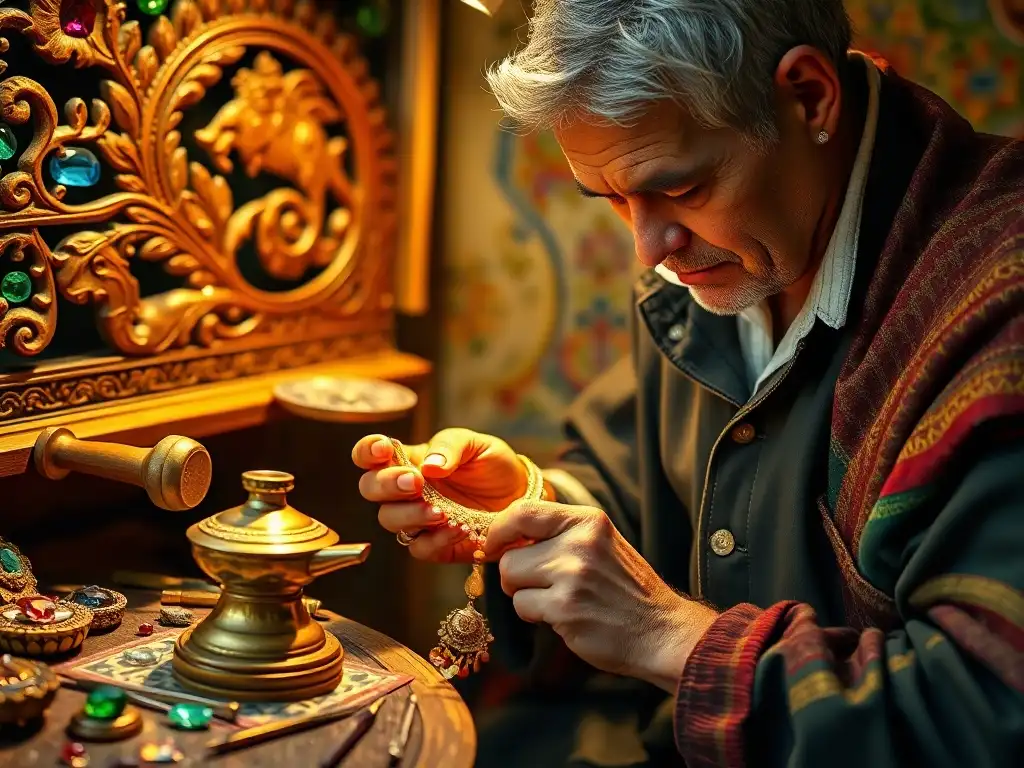
Welcome to Ancient India History, where we delve into the captivating tapestry of ancient civilizations that shaped the subcontinent. In this exploration, we invite you to uncover the intricate world of ancient Indian jewelry making, a craft that not only dazzled with its beauty but also held deep cultural significance. How did skilled artisans transform simple materials into breathtaking adornments? Join us as we unravel the stories behind the glittering art of jewelry making and its vital role in daily life and society during this remarkable era. Your journey into history starts here—read on to discover more!
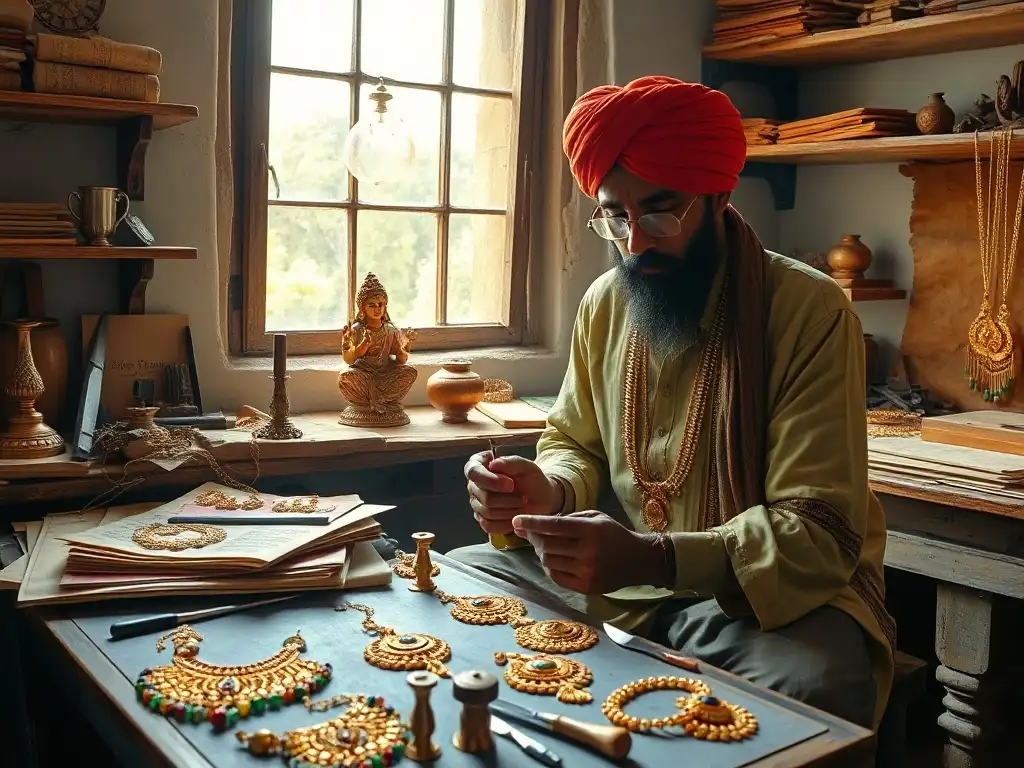
Introduction to Ancient Indian Jewelry Making
Jewelry making in ancient India is not merely about adornment; it epitomizes a profound cultural heritage that reflects the artistry, beliefs, and social structures of the time. From the intricate designs of the Indus Valley Civilization to the opulent creations of the Gupta Empire, ancient Indian jewelry serves as a testament to the exceptional craftsmanship and rich traditions of its artisans. This article embarks on a journey to explore the multifaceted world of ancient Indian jewelry making, revealing its significance within the broader context of daily life, society, and the artistic expressions of a civilization that flourished for millennia.
Overview of Ancient Indian Jewelry
Ancient Indian jewelry is characterized by a diverse range of materials and techniques, showcasing the ingenuity of craftsmen who created both functional and decorative pieces. The materials used included gold, silver, copper, gemstones, and beads, each chosen not only for their aesthetic value but also for their symbolic meanings. Jewelry types varied widely, from necklaces and earrings to bangles and anklets, reflecting the wearer's status, identity, and regional influences.
- Materials Used:
- Gold and Silver
- Precious and Semi-precious Stones
- Beads (from natural materials)
- Shells and Ivory
- Types of Jewelry:
- Necklaces (Haar)
- Earrings (Kaan)
- Bracelets (Bajuband)
- Nose Rings (Nath)
Importance of Jewelry in Ancient Indian Culture
Jewelry held a significant place in ancient Indian society, transcending mere ornamentation to embody social status, religious beliefs, and cultural identity. It played a crucial role in ceremonies, rituals, and everyday life, often symbolizing prosperity and auspiciousness. Additionally, jewelry was frequently gifted during weddings and festivals, making it an integral part of social customs and traditions.
“Jewelry is a reflection of the soul's beauty, intricately woven into the tapestry of life and culture.”
In many communities, the act of wearing jewelry was also believed to have protective qualities, warding off negative energies and bringing good fortune to the wearer.
Historical Context of Jewelry Making in Ancient India
Understanding the evolution of jewelry making in ancient India requires a look at its historical context, which reveals the craftsmanship's roots and development over time. The art of jewelry making was not static; it evolved alongside the various civilizations that thrived on the Indian subcontinent, each contributing unique styles and techniques.
The Origins of Jewelry Craftsmanship in India
Jewelry making in India dates back to the Indus Valley Civilization (circa 3300-1300 BCE), where evidence of sophisticated craftsmanship has been unearthed in archaeological sites. The artisans of this early civilization used advanced techniques such as granulation and filigree, creating intricate designs that demonstrated their remarkable skill. The use of jewelry during this period was not only for personal adornment but also for trade, as these artisans crafted items that were highly sought after in local and international markets.
Key Periods in Ancient Indian Jewelry History
The journey of ancient Indian jewelry craftsmanship can be divided into several key periods, each marked by distinctive styles and technological advancements:
- Indus Valley Civilization (3300-1300 BCE):
- Sophisticated techniques and designs
- Use of semi-precious stones
- Trade networks established for jewelry exchange
- Vedic Period (1500-500 BCE):
- Emergence of symbolic jewelry linked to rituals
- Increase in the use of gold and other precious metals
- Mauryan Empire (322-185 BCE):
- Introduction of more elaborate designs
- Influence of foreign cultures due to trade and conquests
- Gupta Empire (c. 240-550 CE):
- Flourishing of arts, including jewelry making
- Development of intricate motifs and craftsmanship techniques
As we delve deeper into the craft of jewelry making, we will uncover the stories behind the artisans, the techniques they employed, and the cultural significance of their creations in ancient Indian society.
Techniques and Materials Used in Ancient Indian Jewelry Making
The art of jewelry making in ancient India is a fascinating blend of innovative techniques and a diverse array of materials. This craft has evolved over millennia, reflecting the socio-economic conditions, cultural influences, and technological advancements of the time. Ancient artisans employed a variety of methods, which not only showcased their skill but also imbued the jewelry with unique characteristics.
Traditional Techniques in Ancient Indian Jewelry Craft
Ancient Indian jewelry artisans utilized several traditional techniques to create exquisite pieces. Some notable methods include:
- Lost Wax Casting: This technique involved creating a wax model of the jewelry piece, which was then encased in clay. When heated, the wax melted away, leaving a mold into which molten metal was poured. This method allowed for intricate designs and was widely used during the Indus Valley Civilization.
- Filigree Work: This delicate technique involved twisting thin wires of metal into intricate patterns. Filigree work was especially prominent in regions like Odisha and Andhra Pradesh, where artisans created stunning lace-like designs that adorned various jewelry forms.
- Granulation: This technique involved the application of tiny metal beads onto a surface. These beads were fused to the base metal without soldering, creating intricate textures. Granulation was commonly used in ornamentation, particularly in pieces from the Gupta period.
- Enameling: Known as ‘meenakari,’ this colorful technique involved fusing colored glass onto metal surfaces. Enameling added vibrant hues to jewelry and was particularly popular in the Mughal era, where artisans combined it with intricate designs to enhance aesthetics.
Common Materials in Ancient Indian Jewelry
The materials used in ancient Indian jewelry making were as varied as the techniques employed. Some of the most common materials included:
- Gold: Highly valued for its malleability and luster, gold was the primary metal used in jewelry making. Ancient texts mention goldsmiths who specialized in crafting elaborate designs for both decorative and ceremonial purposes.
- Silver: Silver was another popular metal, often used in conjunction with gold. It was favored for its affordability and was commonly used to create everyday jewelry pieces, particularly in rural areas.
- Precious and Semi-Precious Stones: Gemstones such as diamonds, emeralds, rubies, and pearls were frequently incorporated into jewelry. Their use was often symbolic, with specific stones believed to possess protective or auspicious qualities.
- Beads and Shells: Beads made from materials such as terracotta, glass, and shells were widely used in ancient jewelry. They were often strung together to create necklaces and bracelets, showcasing a variety of colors and shapes.
Symbolism and Significance of Jewelry in Ancient India
Jewelry in ancient India was not merely a decorative accessory but held deep cultural significance. It served various purposes, ranging from personal adornment to ritualistic offerings, and was often imbued with symbolic meanings.
Cultural Symbols Represented in Jewelry
Jewelry pieces were rich in symbolism, often representing various aspects of life and spirituality. Some cultural symbols included:
- Lotus: This flower, often depicted in jewelry, symbolized purity and spiritual awakening. It was commonly associated with divine femininity and was featured in many forms, including pendants and earrings.
- Peacock: The peacock motif, representing beauty and grace, was frequently used in jewelry design. It was believed to bring good fortune and was particularly popular in royal adornments.
- Om and Swastika: These sacred symbols were incorporated into jewelry designs, representing auspiciousness and the divine. They were often worn during religious ceremonies to invoke blessings.
Jewelry as a Reflection of Social Status and Identity
In ancient Indian society, jewelry was a significant indicator of social status and identity. The type and amount of jewelry worn often reflected an individual's wealth, class, and cultural background.
- Wealth and Affluence: The elite classes adorned themselves with elaborate pieces made from precious metals and stones, showcasing their wealth. Jewelry became a form of currency and an investment, with families passing down heirlooms through generations.
- Ritual and Custom: Jewelry played a vital role in social customs and rituals, particularly during weddings and other significant life events. Specific pieces were often associated with particular occasions, marking transitions in life and reinforcing cultural identity.
- Regional Variations: Different regions in India developed their unique styles and techniques, with local materials and motifs influencing jewelry design. This diversity not only highlighted regional identities but also contributed to the rich tapestry of Indian culture as a whole.
Prominent Regions for Jewelry Making in Ancient India
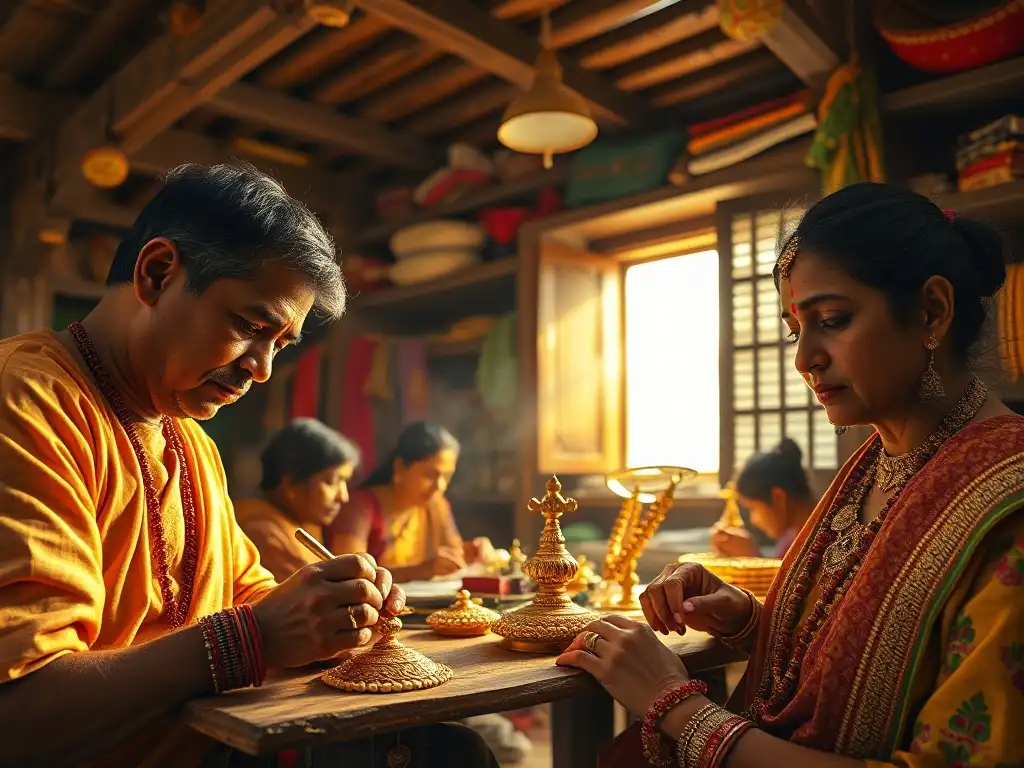
Ancient India was home to several prominent regions known for their exquisite jewelry craftsmanship. Each region specialized in unique styles and techniques, contributing significantly to the diverse tapestry of ancient Indian jewelry.
- Kalinga (Odisha): Renowned for its intricate gold and silver jewelry, Kalinga artisans excelled in filigree work. The use of delicate, lace-like patterns was a hallmark of Kalinga jewelry.
- Gujarat: This region was famous for its beadwork and the production of traditional silver jewelry, including items like anklets (payal) and nose rings (nath). The vibrant colors of enamel work, known as "meenakari," were also prevalent here.
- Rajasthan: Known for its elaborate designs, Rajasthani jewelry often featured gemstones and ornate motifs. Kundan and Meena art, which involved the use of precious stones set in gold, originated in this region.
- Tamil Nadu: The southern state was acknowledged for its temple jewelry, often made from gold and adorned with precious stones. The designs frequently depicted deities and religious themes.
- Bihar: This region is recognized for its unique terracotta jewelry, which was handcrafted and often used in traditional attire.
These regions not only showcased the skills of their artisans but also reflected the cultural identities and traditions of their respective societies.
The Role of Different Regions in Jewelry Craftsmanship
The craftsmanship of jewelry in ancient India was deeply influenced by the socio-economic conditions, cultural practices, and available resources in different regions. Each area specialized in certain materials and techniques, making it a center of unique jewelry styles.
- Material Availability: Regions rich in specific minerals or stones naturally gravitated towards utilizing these resources. For instance, Gujarat's access to a variety of semi-precious stones allowed artisans to create intricate beadwork.
- Cultural Significance: The significance of jewelry often varied based on the cultural practices of each region. In Tamil Nadu, for instance, jewelry was not just an adornment but held religious importance, particularly temple jewelry.
- Trade and Exchange: Trade routes facilitated the exchange of ideas and techniques. For example, the influence of Persian jewelry styles could be observed in certain regions of India, leading to a fusion of designs that enriched local craftsmanship.
This interplay of factors led to a flourishing of jewelry making across ancient India, establishing a rich heritage that continues to inspire artisans today.
Influence of Ancient Indian Jewelry on Contemporary Practices
The legacy of ancient Indian jewelry making has left a profound impact on contemporary jewelry design, influencing both styles and techniques utilized by modern artisans.
The intricate craftsmanship and design principles of ancient Indian jewelry can be seen in various aspects of today's jewelry industry. Many contemporary jewelers draw inspiration from the detailed motifs, vibrant colors, and traditional techniques that characterized ancient pieces. For instance, the use of gold and precious stones remains prevalent, reflecting the opulence that ancient jewelry embodied.
Legacy of Ancient Techniques in Modern Jewelry Making
Many of the techniques developed by ancient Indian artisans continue to be employed in modern jewelry making. Techniques such as:
- Kundan Setting: This age-old method involves setting gemstones in gold foil, ensuring a secure fit while enhancing the overall brilliance of the piece.
- Meenakari: The art of enameling, particularly in vibrant colors, is still utilized in contemporary designs, adding a splash of color and intricate detail to jewelry items.
- Filigree Work: The delicate lace-like designs popular in ancient times have been revived in modern pieces, demonstrating the skill and artistry of the craftspeople.
These techniques not only preserve the heritage of ancient craftsmanship but also adapt to contemporary tastes, ensuring that the artistry continues to thrive.
Revival of Traditional Jewelry Styles in Contemporary India
In recent years, there has been a significant revival of traditional jewelry styles in contemporary India. This resurgence is largely driven by a renewed interest in heritage and cultural identity among the modern populace.
- Cultural Festivals: Traditional jewelry is often adorned during festivals and weddings, with many opting for heirloom pieces that reflect their cultural heritage.
- Fashion Trends: Designers are increasingly incorporating traditional elements into modern fashion, blending ancient aesthetics with contemporary styles. This fusion appeals to a younger audience seeking to connect with their roots.
- Artisan Support: Initiatives to support local artisans have led to a resurgence in traditional craftsmanship. Organizations and cooperatives are promoting the skills of artisans, ensuring that ancient techniques are not only preserved but also celebrated.
This revival not only enriches the jewelry market but also reinforces the importance of cultural heritage in contemporary society, showcasing how ancient Indian jewelry continues to captivate and inspire.
Conclusion
The craft of jewelry making in ancient India represents an intricate blend of artistry, skill, and cultural significance. It was not merely a means of adornment but a profound expression of identity, spirituality, and social status. The techniques and styles developed during ancient times laid the foundation for the rich tradition of jewelry that continues to thrive in contemporary India.
Jewelry made by ancient artisans was often imbued with symbolism and was used in various rituals, ceremonies, and daily life, reflecting the diverse beliefs and practices of the society. As we explore the legacy left by these craftsmen, we gain insight into the socio-economic structures, trade relationships, and the artistic movements that shaped ancient Indian civilization.
Summary of Ancient Indian Jewelry Making's Impact on Culture
The impact of ancient Indian jewelry making on culture is multifaceted and profound. Artisans played a pivotal role in creating pieces that served not only as personal adornments but also as cultural artifacts. Jewelry was often associated with significant life events such as weddings, births, and religious ceremonies, highlighting its importance in the cultural fabric of society.
- Symbolism: Many jewelry pieces were symbolic, representing various deities, seasons, or virtues. For instance, the use of gold often symbolized purity and divine connection.
- Social Stratification: Jewelry differentiated social classes; the intricacies of a piece could indicate wealth and status, influencing social dynamics within communities.
- Cultural Exchange: The trade of jewelry across regions facilitated cultural exchange, allowing different styles and techniques to influence one another, enriching the overall landscape of Indian craftsmanship.
Ancient Indian jewelry making was deeply intertwined with cultural identity and social structures, leaving an indelible mark on the traditions and values that continue to resonate in modern India.
The Enduring Legacy of Ancient Artisans in India's Craftsmanship
The legacy of ancient artisans in India's jewelry craftsmanship is not only preserved through the artifacts that remain but also through the techniques and traditions that have been passed down through generations. Their innovative methods laid the groundwork for various styles that are still practiced today.
- Traditional Techniques: Many ancient techniques, such as granulation, filigree, and stone setting, continue to be essential skills in contemporary jewelry making, showcasing the ingenuity of ancient craftsmen.
- Cultural Festivals: Jewelry plays a vital role in cultural festivals and rituals, with many designs inspired by ancient motifs and styles, illustrating the enduring influence of these artisans.
- Revival of Ancient Styles: Modern artisans often draw inspiration from ancient designs, leading to a revival of traditional jewelry forms that celebrate India's rich heritage.
The enduring legacy of these artisans serves as a testament to their craftsmanship and an invitation to explore the intricate world of ancient Indian jewelry making. Their contributions have shaped not only the aesthetic dimensions of jewelry but also the cultural narratives that continue to define Indian society today.
- Introduction to Ancient Indian Jewelry Making
- Historical Context of Jewelry Making in Ancient India
- Techniques and Materials Used in Ancient Indian Jewelry Making
- Symbolism and Significance of Jewelry in Ancient India
- Prominent Regions for Jewelry Making in Ancient India
- Influence of Ancient Indian Jewelry on Contemporary Practices
- Conclusion
- What is the significance of ancient Indian jewelry making?
- What materials were commonly used in ancient Indian jewelry?
- How did ancient Indian jewelry making influence modern designs?
- What are some famous ancient Indian jewelry styles?
- How did ancient Indian artisans learn the craft of jewelry making?
Frequently Asked Questions
What is the significance of ancient Indian jewelry making?
Ancient Indian jewelry making reflects the rich cultural heritage and artistic skills of the time, showcasing the craftsmanship and materials used in ancient India.
What materials were commonly used in ancient Indian jewelry?
Jewelry from ancient India often incorporated precious metals like gold and silver, along with gemstones such as diamonds, pearls, and semi-precious stones, highlighting the luxurious aspects of the craftsmanship.
How did ancient Indian jewelry making influence modern designs?
The techniques and styles of ancient Indian jewelry making have inspired modern designers, blending traditional motifs with contemporary aesthetics, thereby preserving the cultural legacy.
What are some famous ancient Indian jewelry styles?
Distinct styles include Kundan, Meenakari, and Jadau, each showcasing unique crafting techniques and artistic expressions that have been cherished through generations.
How did ancient Indian artisans learn the craft of jewelry making?
Jewelry making was often a family tradition, passed down through generations, with artisans honing their skills through apprenticeships and community practices, ensuring the preservation of techniques over time.
Final Reflection: The Timeless Elegance of Ancient Indian Jewelry Making
The art of ancient Indian jewelry making is not just a relic of the past; it is a vibrant testament to the creativity and craftsmanship that continues to influence contemporary artisans. Today, as we navigate a world increasingly driven by fast fashion and mass production, the intricate techniques and cultural significance embedded in ancient Indian jewelry remind us of the value of heritage and the stories that adorn our bodies. This enduring legacy serves as a striking reminder that true beauty often lies in the details and the traditions that shape them.
Cultural narratives woven into the fabric of ancient Indian jewelry making have left an indelible mark on our social landscape. From the opulent designs of royal courts to the delicate pieces worn during festivals, each ornament tells a story that transcends time and geography. The craftsmanship of these artisans not only reflects their skill but also their connection to their community and history. As the renowned jewelry designer, Manish Arora, once said, Jewelry is a way of keeping memories alive.
This sentiment resonates deeply, as it emphasizes how these pieces carry the weight of cultural identity and personal history, influencing modern aesthetics and practices in the world of jewelry.
As we reflect on the rich heritage of ancient Indian jewelry making, let us take a moment to appreciate the artistry that surrounds us and consider how we can incorporate these timeless values into our own lives. I invite you to explore the stories behind the jewelry you wear and to seek out pieces that resonate with your personal journey. By honoring the craftsmanship of the past and supporting artisans today, we can ensure that the glittering legacy of ancient Indian jewelry continues to shine brightly for generations to come.
Unveil Your Own Jewels of Creativity!
Thank you for exploring the art of jewelry making in ancient India! By delving into this rich treasure trove of history, you've gained a deeper appreciation for the craftsmanship and cultural significance behind each piece. Now, it’s your turn to spark your own creativity and connect with this fascinating tradition!
Here are a few simple yet effective actions to get started:
- Create Your Own Jewelry: Gather materials such as beads, threads, or metal, and design a piece inspired by ancient techniques. You might be surprised by what you can create!
- Join a Local Workshop: Look for jewelry-making classes in your area to learn hands-on from experienced artisans. Sharing this journey with others can greatly enrich your experience.
- Share Your Story: Showcase your creations on social media or document your jewelry-making journey. Use the hashtag #AncientJewels to connect with fellow enthusiasts and inspire others!
What unique design will you create that embodies the essence of ancient Indian artistry? Share your thoughts in the comments below!