
How the Ramayana Continues to Inspire Generations Today

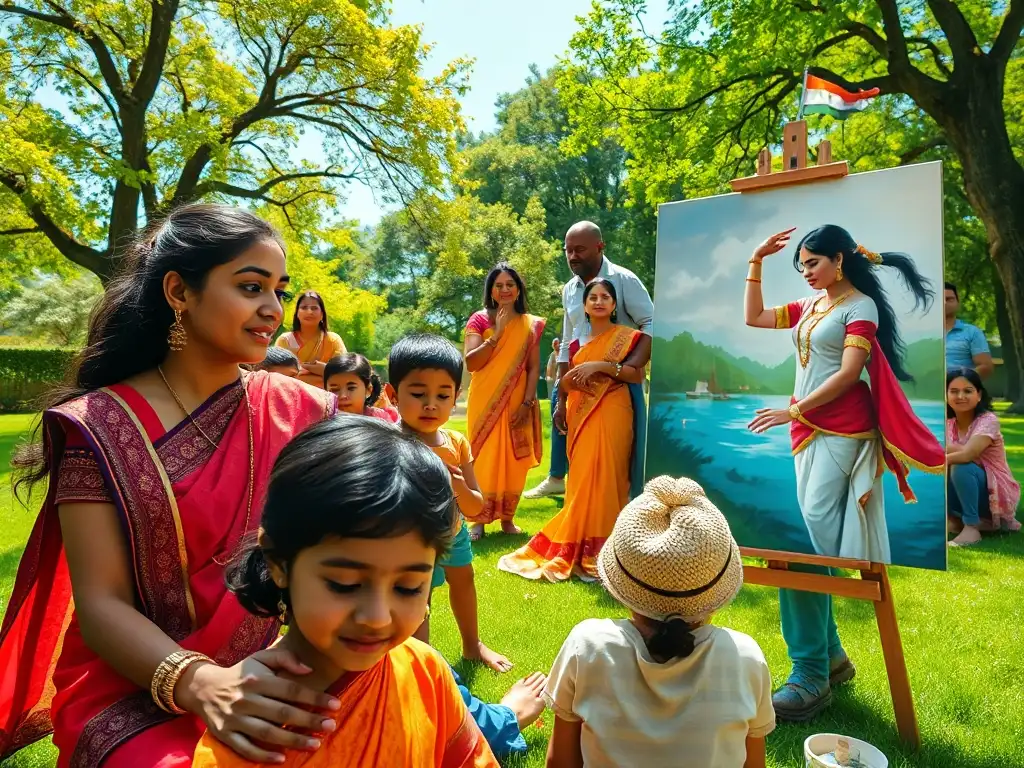
Welcome to Ancient India History, where we embark on a journey through the captivating tapestry of ancient Indian civilizations. Here, we delve into the rich cultural heritage and profound contributions that have shaped our world, from the enigmatic Indus Valley to the illustrious Gupta Empire. In our featured article, "How the Ramayana Continues to Inspire Generations Today," we explore the enduring cultural impact of this epic masterpiece.
Discover how the timeless tales of valor, dharma, and devotion resonate in contemporary society, inviting you to reflect on their relevance in our lives today. Join us as we unravel the threads of history that connect us to the past and inspire our future!
- Introduction to the Ramayana and Its Cultural Significance
- The Ramayana's Cultural Impact Today
- The Ramayana and Modern Media
- Educational Relevance of the Ramayana
- Ramayana's Influence on Festivals and Traditions
- Global Reach of the Ramayana
- Conclusion: The Enduring Legacy of the Ramayana
-
Frequently Asked Questions
- What is the significance of the Ramayana in Indian culture?
- How has the Ramayana influenced modern storytelling?
- In what ways does the Ramayana contribute to contemporary social values?
- Can the Ramayana be seen in global contexts?
- How do festivals related to the Ramayana reflect its ongoing relevance?
- Final Reflection: The Enduring Legacy of the Ramayana
- Ignite Your Journey with the Ramayana Today!
Introduction to the Ramayana and Its Cultural Significance
The Ramayana, one of the two major Sanskrit epics of ancient Indian literature, holds a profound place in the cultural and spiritual tapestry of India. This epic narrates the life and adventures of Lord Rama, his wife Sita, and his loyal companion Hanuman. It is not merely a story of heroism and virtue; rather, it encapsulates the moral values, philosophical insights, and social norms of its time.
The Ramayana has transcended its narrative origins, becoming a source of inspiration and moral guidance across generations. Its themes of righteousness, duty, and devotion resonate deeply in contemporary society, influencing art, literature, and popular culture. As we explore the Ramayana's cultural impact today, we uncover how this ancient text continues to shape identities and values, fostering a sense of unity and purpose among diverse communities.
Overview of the Ramayana Epic
The Ramayana is attributed to the sage Valmiki and is composed of approximately 24,000 verses, divided into seven books, known as Kandas. It tells the story of Lord Rama, the seventh avatar of the Hindu god Vishnu, who embarks on an epic quest to rescue his wife Sita from the demon king Ravana. The narrative unfolds in a richly woven tapestry of human emotions, divine interventions, and complex characters, each embodying various virtues and vices.
Key elements of the Ramayana include:
- Core Themes:
- Dharma (duty/righteousness)
- Devotion
- Love and Sacrifice
- Justice
- Major Characters:
- Rama: The ideal man and hero.
- Sita: The epitome of virtue and devotion.
- Hanuman: The devoted monkey god and symbol of loyalty.
- Ravana: The complex antagonist representing ego and desire.
The epic's structure and storytelling techniques have inspired countless adaptations, translations, and artistic expressions, making it a cornerstone of Indian cultural heritage.
The Ramayana's Historical Context in Ancient Indian Literature
The Ramayana was composed during a time when oral traditions were prevalent, and storytelling served as a means of preserving cultural values and historical narratives. It is believed to have been written around the 5th century BCE, situated within a larger context of ancient Indian epics, including the Mahabharata.
This period in Indian history was marked by significant developments in philosophy, religion, and governance. The Ramayana reflects and contributes to these developments by:
- Influencing Religious Thought: The epic has played a crucial role in shaping Hindu beliefs and practices, particularly in the understanding of dharma and morality.
- Cultural Integration: The Ramayana has been a vital cultural artifact, integrating various regional traditions and practices across India and beyond, fostering a sense of shared cultural identity.
- Literary Contributions: As one of the earliest examples of epic poetry, it laid the foundation for future literary works in India, influencing various genres and styles.
The Ramayana is not just a story; it is a living tradition that continues to inspire and inform the cultural landscape of India. Its historical context enriches our understanding of its enduring significance and relevance in modern times.
The Ramayana's Cultural Impact Today
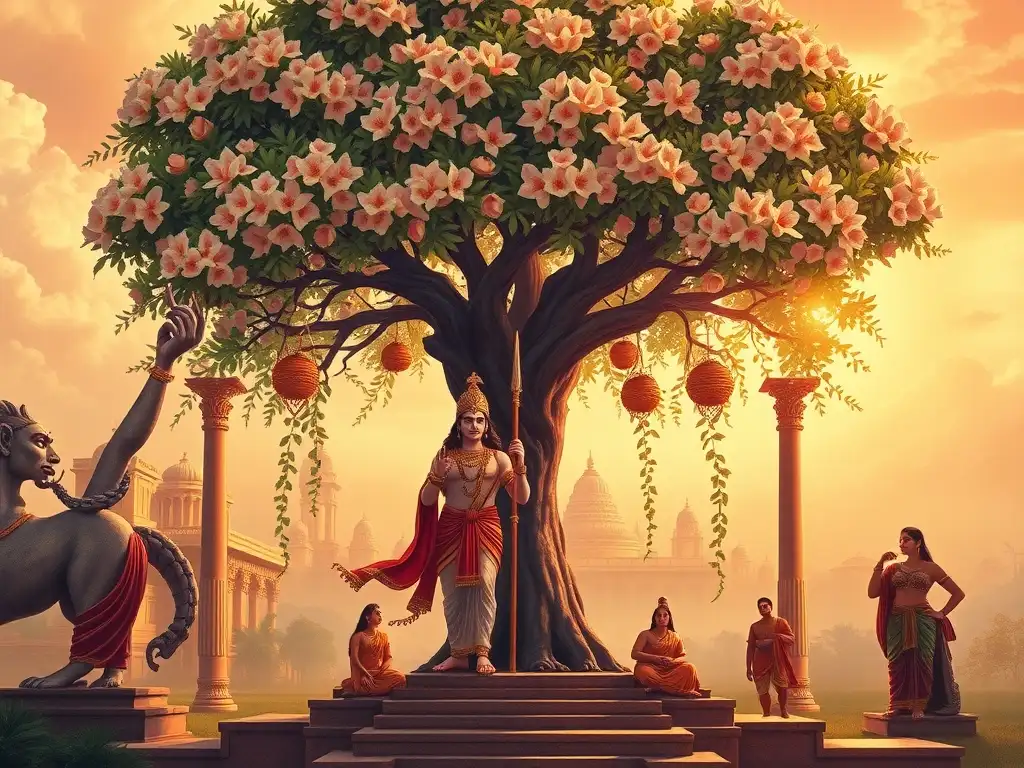
Understanding the Ramayana's Influence on Modern Society
The Ramayana is not just an ancient epic; it remains a living text that continues to influence various aspects of modern society. Its stories and characters inspire countless interpretations and adaptations that resonate with contemporary audiences. The narrative of Rama's quest for righteousness and Sita's unwavering virtue offers timeless lessons that can be applied to today's challenges, including issues of justice, loyalty, and the struggle between good and evil.
In India, the Ramayana is often referenced in discussions about governance, ethics, and personal conduct. Politicians and leaders draw parallels between their actions and those of Rama, emphasizing the importance of dharma (duty) in leadership. This cultural impact extends beyond India, as the Ramayana has influenced various Southeast Asian cultures, leading to adaptations in Indonesia, Thailand, and Cambodia. These adaptations highlight the epic's universal themes, making it relevant to diverse audiences across the globe.
Ramayana's Role in Shaping Moral Values and Ethics
The Ramayana serves as a moral compass, guiding individuals in their personal and social lives. Its characters embody virtues that are celebrated and aspired to, such as:
- Rama's righteousness: Represents the ideal man, emphasizing duty and responsibility.
- Sita's fidelity: Symbolizes devotion and virtue, showcasing the strength of character.
- Hanuman's loyalty: Exemplifies selfless service and devotion, encouraging individuals to act for the greater good.
Through these characters, the Ramayana instills core ethical values, which can be seen in modern educational curricula, where the epic is often used to teach virtues such as honesty, bravery, and compassion. Furthermore, the stories encourage discussions about contemporary ethical dilemmas, helping individuals navigate complex moral landscapes.
The Ramayana also promotes the idea of social responsibility, illustrating the importance of community and the interconnectedness of society. This concept is increasingly relevant in today's globalized world, where collective action is often required to address pressing issues like climate change and social justice.
The Ramayana in Contemporary Arts and Literature
The Ramayana's influence permeates modern arts and literature, inspiring a variety of creative expressions. From theater to dance, visual arts, and literature, the epic continues to be a source of inspiration for artists and writers alike.
- Theater and Dance: Traditional forms such as Kathakali and Bharatanatyam often depict scenes from the Ramayana, bringing its characters and stories to life through dramatic performances. Contemporary theater groups also produce innovative adaptations that reinterpret the epic for modern audiences, addressing contemporary themes while preserving its essence.
- Literature: Authors around the world draw on the Ramayana's themes and characters to craft new narratives. Notable works include The Palace of Illusions by Chitra Banerjee Divakaruni, which reimagines the story from Sita's perspective, highlighting women's voices in the epic. Such adaptations not only keep the narrative alive but also invite readers to engage with the text in new and meaningful ways.
- Visual Arts: Artists create paintings, sculptures, and installations that depict scenes from the Ramayana, often infusing them with contemporary themes. This fusion of traditional and modern art helps to keep the epic relevant, allowing it to evolve while remaining rooted in its historical context.
The Ramayana's cultural impact today is profound and multifaceted. It continues to inspire moral values, artistic endeavors, and societal discussions, ensuring that its legacy endures for generations to come. Its teachings remain crucial in addressing contemporary issues, making it an invaluable part of our cultural heritage.
The Ramayana and Modern Media
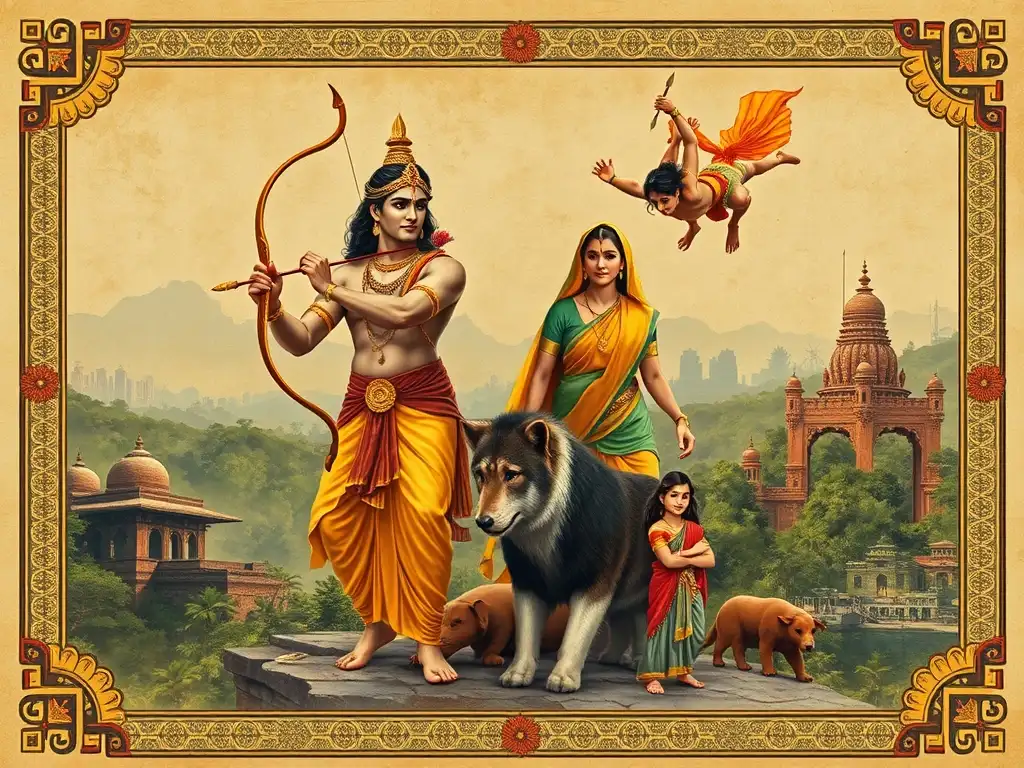
Film and Television Adaptations of the Ramayana
The Ramayana has transcended generations not only as a sacred text but also as a significant cultural artifact that has been adapted into various film and television formats. These adaptations have played a crucial role in making the epic accessible to contemporary audiences, allowing it to resonate with values and themes that are relevant today.
Notable Adaptations
- Ramayana (1987-1988): This television series, directed by Ramanand Sagar, is one of the most acclaimed adaptations. Its presentation of the story, combined with memorable music and visual effects, captivated millions across India and abroad. The series set the stage for future adaptations by demonstrating the epic's potential for visual storytelling.
- Raavan (2010): A modern cinematic interpretation of the Ramayana, this film explores the character of Raavan, portraying him not merely as a villain but as a complex figure. This perspective encourages viewers to reflect on the multifaceted nature of good and evil, echoing the timeless themes of the original text.
- Animated Films: Various animated adaptations have emerged, catering to younger audiences. By utilizing vibrant visuals and engaging narratives, these films introduce the Ramayana in a format that is more approachable for children, ensuring that the epic's lessons are imparted from an early age.
Cultural Significance
These adaptations serve as a bridge between ancient narratives and modern sensibilities, fostering discussions around moral dilemmas and social values. They encourage viewers to explore their cultural heritage and reflect on the relevance of the Ramayana's teachings in contemporary society.
The Ramayana in Theatre and Dance Performances
The rich narrative of the Ramayana has also found a prominent place in the performing arts, particularly in theatre and classical dance forms across India. These performances not only entertain but also serve to educate audiences about the moral and ethical lessons embedded in the epic.
Classical Dance Forms
- Kathakali: Originating from Kerala, Kathakali is a dance-drama that portrays the story of the Ramayana through elaborate costumes, facial expressions, and intricate choreography. The performances often focus on key moments from the epic, bringing to life the characters of Rama, Sita, and Hanuman.
- Bharatanatyam: This classical dance form from Tamil Nadu often incorporates themes from the Ramayana. Dancers express the emotions of the characters through mudras (hand gestures) and expressive facial movements, making the epic accessible to audiences who may not be familiar with its textual form.
Theatre Productions
Numerous theatrical productions have adapted the Ramayana for the stage, ranging from traditional to contemporary interpretations. These performances often invite audiences to engage with the narrative in a communal setting, fostering a shared cultural experience.
In recent years, avant-garde theatre groups have reimagined the Ramayana, addressing current social issues and drawing parallels to modern life. This innovative approach ensures that the epic remains dynamic and relevant, inspiring new generations to explore its depths.
Digital Media: The Ramayana in Video Games and Online Platforms
In the digital age, the Ramayana has made significant strides into the realm of video games and online platforms, reaching a diverse audience of gamers and internet users. This evolution reflects the adaptability of the epic as it embraces new technologies and media formats.
Video Games
Several video games have been developed that draw inspiration from the Ramayana, allowing players to immerse themselves in its world. These games often incorporate elements of action, strategy, and role-playing, enabling players to experience the epic's narrative firsthand.
- Rama: The Legend of Prince: This mobile game allows players to step into the shoes of Rama as he embarks on his journey to rescue Sita. The game combines traditional storytelling with interactive gameplay, making the epic engaging for a younger audience.
- Epic Battle: Ramayana: This strategic game offers players the opportunity to engage in battles inspired by the Ramayana's war sequences, encouraging strategic thinking and teamwork while familiarizing them with the epic's characters and events.
Online Platforms
The rise of streaming services has also facilitated the dissemination of Ramayana-related content. Many platforms now feature documentaries, animated series, and discussions that explore the themes, characters, and cultural significance of the Ramayana. This accessibility allows individuals from various backgrounds to connect with the epic, expanding its reach beyond traditional boundaries.
The Ramayana's cultural impact today is evident in its adaptations across various media, from film and theatre to digital platforms, ensuring that its teachings continue to inspire and resonate with audiences around the globe.
Educational Relevance of the Ramayana
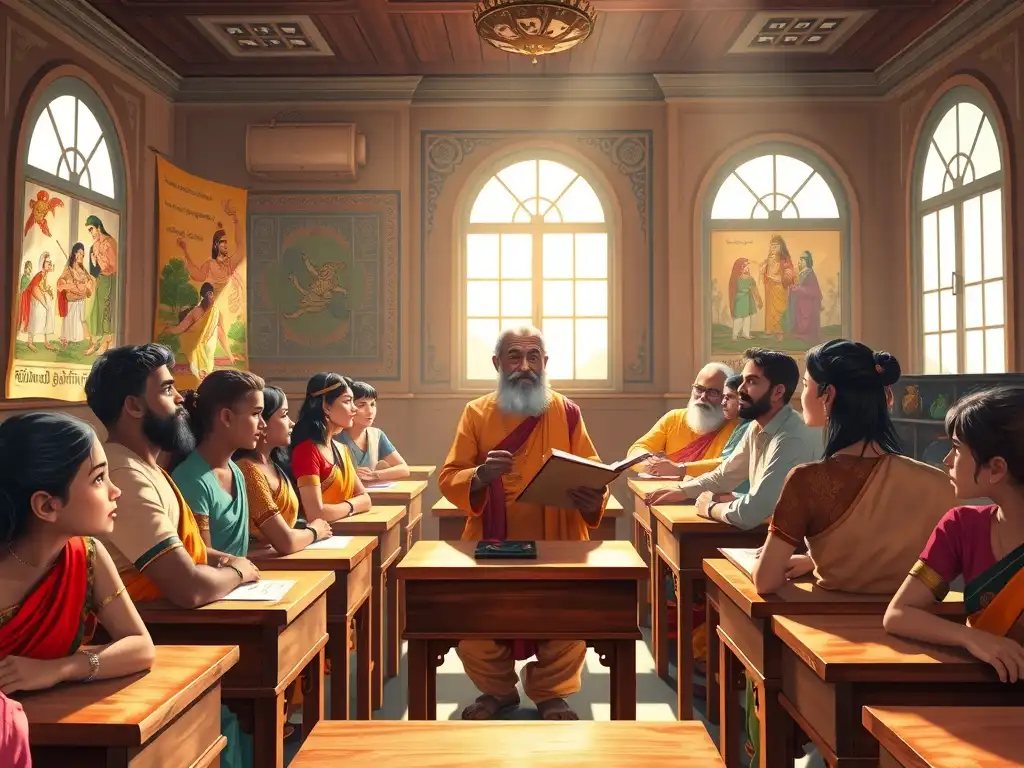
The Ramayana as a Subject in Academic Curricula
The Ramayana, an ancient Indian epic attributed to the sage Valmiki, holds a significant place in educational curricula across various educational institutions, both in India and abroad. Its thematic richness and cultural relevance make it an ideal subject for study in disciplines like literature, history, religious studies, and cultural anthropology.
- Literary Analysis:
- The Ramayana serves as a cornerstone of epic literature, providing a profound understanding of narrative structures, character development, and poetic forms.
- Students engage with its literary devices and explore its influence on subsequent literary works.
- Cultural Studies:
- The epic offers insights into ancient Indian social norms, values, and ethics.
- Courses often include discussions on the roles of dharma (duty), karma (action), and moksha (liberation) as portrayed in the text.
- Religious Significance:
- The Ramayana is integral to Hindu teachings, making it a valuable resource in religious studies programs.
- It is studied not only for its narrative but also for its moral and philosophical teachings, including the concept of ideal leadership embodied by Lord Rama.
- Cross-Cultural Comparisons:
- Comparative literature classes frequently analyze the Ramayana alongside other epics, such as the Iliad or Odyssey, highlighting universal themes of heroism, sacrifice, and morality.
Through these educational frameworks, the Ramayana continues to foster critical thinking and cultural appreciation among students, reinforcing its status as an essential component of academic discourse.
Workshops and Seminars on Ramayana Teachings
In recent years, workshops and seminars dedicated to the teachings of the Ramayana have become increasingly popular, catering to diverse audiences ranging from students to professionals. These events serve to deepen understanding and appreciation of the epic's teachings in contemporary contexts.
-
Interdisciplinary Approaches:
Workshops often involve experts from various fields, such as philosophy, psychology, and sociology, exploring the Ramayana's relevance in modern life.
-
Practical Applications:
Many sessions focus on how the moral dilemmas faced by characters like Rama and Sita can be applied to personal and professional challenges today, offering participants practical tools for ethical decision-making.
-
Cultural Exchange:
Seminars hosted in multicultural settings promote dialogue between different cultures, examining how the Ramayana influences not only Indian society but also global perspectives on morality and leadership.
-
Creative Interpretations:
Workshops often encourage participants to engage with the Ramayana creatively, through art, drama, and storytelling, fostering a deeper emotional connection to the text.
These initiatives not only keep the teachings of the Ramayana alive but also contribute to its cultural impact today, making it accessible and relevant to new generations.
The Role of the Ramayana in Promoting Indian Culture Abroad
The Ramayana has transcended geographical boundaries, playing a vital role in promoting Indian culture on a global scale. Its narratives and teachings resonate with audiences around the world, contributing to a broader appreciation of Indian heritage.
- Cultural Festivals:
- Numerous festivals, such as Diwali and Ram Navami, celebrate the themes of the Ramayana, drawing international participants and promoting cultural tourism.
- Adaptations in Global Media:
- The epic has inspired various adaptations in film, television, and theater, reaching diverse audiences. Notable adaptations include the Ramayana TV series of the 1980s, which gained immense popularity in several countries, showcasing Indian culture through a modern lens.
- Academic Conferences:
- International conferences focused on the Ramayana address its impact across cultures, examining its influence on literature, art, and philosophy in various societies.
- Cultural Diplomacy:
- Indian embassies and cultural organizations often use the Ramayana as a tool of soft power, facilitating cultural exchanges that highlight shared values and foster goodwill.
Through these channels, the Ramayana not only serves as a literary and cultural artifact but also as a medium for dialogue and understanding, solidifying its cultural impact today.
Ramayana's Influence on Festivals and Traditions
Celebrations Inspired by the Ramayana
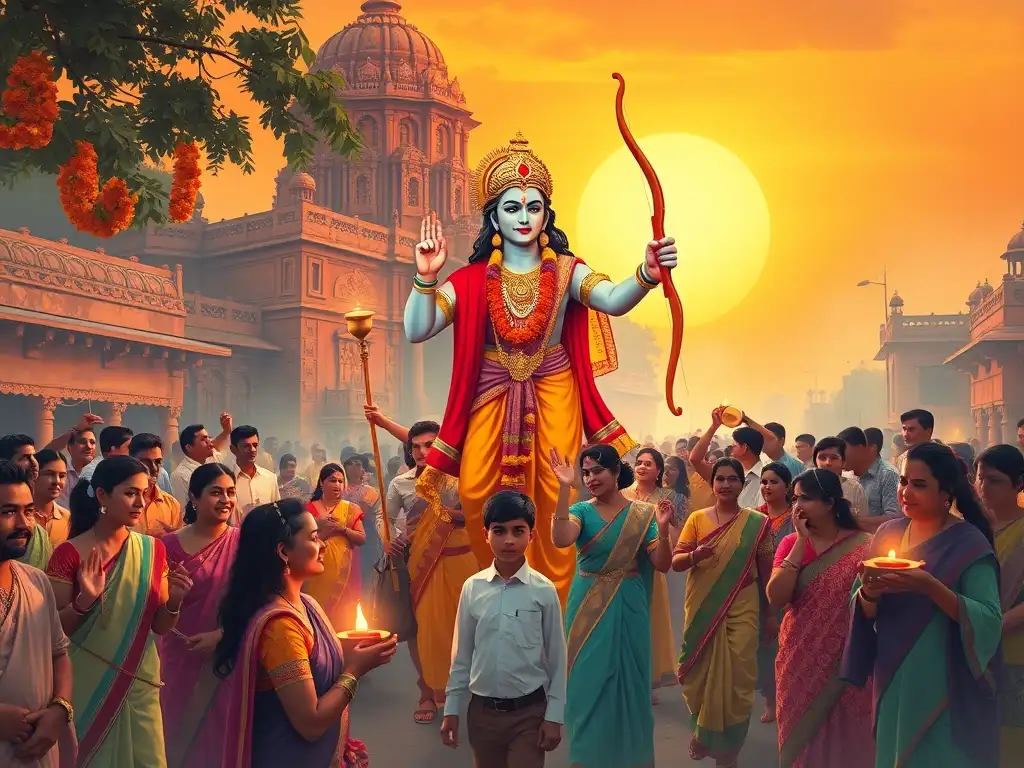
The Ramayana, one of the two great epics of Indian literature, has profoundly influenced various festivals and celebrations across India and beyond. Its themes of duty, virtue, and the triumph of good over evil resonate deeply within cultural practices, leading to the establishment of numerous festivities that commemorate the characters and events depicted in the text.
One of the most significant celebrations inspired by the Ramayana is Diwali, the Festival of Lights. This festival marks the return of Lord Rama to Ayodhya after defeating the demon king Ravana. The people of Ayodhya celebrated his homecoming by lighting oil lamps (diyas) and bursting firecrackers, symbolizing the victory of light over darkness. Over time, this tradition has expanded beyond just Ayodhya, becoming a national celebration in India, with each region adding its unique flavors and rituals.
Another important festival is Ram Navami, which celebrates the birth of Lord Rama. Observed on the ninth day of Chaitra month in the Hindu calendar, this festival involves vibrant processions, recitations of the Ramayana, and the singing of devotional songs. Temples dedicated to Lord Rama see a surge of devotees who engage in prayers and rituals, highlighting the epic's continuing relevance in daily spiritual practices.
| Festival | Significance | Key Practices |
|---|---|---|
| Diwali | Victory of Rama over Ravana | Lighting diyas, fireworks, family gatherings |
| Ram Navami | Birth of Lord Rama | Processions, recitations, temple visits |
| Dussehra (Vijaya Dashami) | Celebration of Rama's victory over Ravana | Ramlila performances, burning effigies of Ravana, community feasts |
The Ramayana's Impact on Cultural Rituals and Practices
Beyond festivals, the Ramayana has shaped numerous cultural rituals and practices that continue to be integral to Indian society. The epic's moral lessons and narratives are often woven into daily life, influencing everything from art to social customs.
One prominent example is the Ramlila, a theatrical representation of the Ramayana. These performances are staged during the festival of Dussehra, engaging communities in retelling the epic's story through drama, music, and dance. Ramlila serves not only as entertainment but also as a medium to impart moral values and teachings embedded in the Ramayana to audiences of all ages. The elaborate costumes and performances encourage a sense of community and collective participation, keeping the essence of the epic alive.
In addition, the Ramayana influences rituals in weddings and other ceremonies. For instance, the concept of Dharma (duty) as portrayed in the epic is often invoked in marriage vows, highlighting the importance of commitment and mutual respect. The values exemplified by Rama and Sita guide couples in their marital journey, emphasizing fidelity, love, and righteousness.
Furthermore, the recitation of the Ramayana serves as a spiritual practice aimed at fostering peace and devotion. Many households maintain a practice of reading or listening to the Ramayana regularly, believing it brings blessings and harmony. This practice reinforces the epic's role as a spiritual guide, connecting generations through shared stories and teachings.
The Ramayana's cultural impact today is evident not only in festivals and celebrations but also in daily rituals and practices. Its narratives continue to inspire and shape the moral and ethical fabric of society, demonstrating the timeless relevance of this ancient epic.
Global Reach of the Ramayana
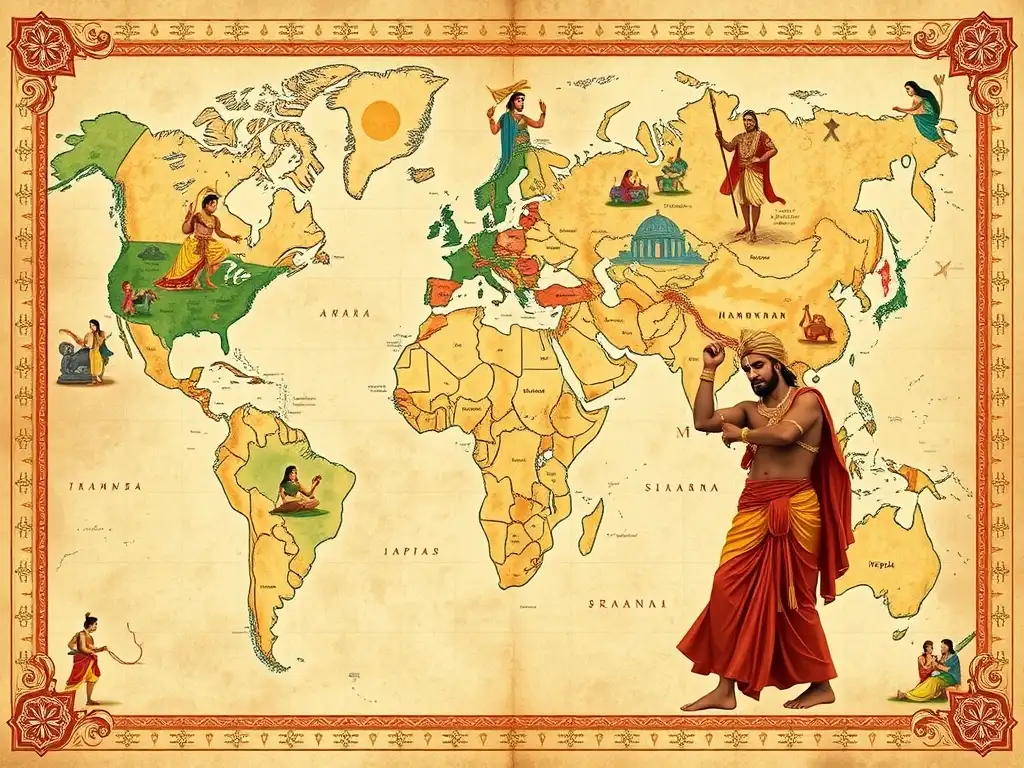
The Ramayana, one of the two major Sanskrit epics of ancient Indian literature, has transcended geographical boundaries to influence cultures and societies across the globe. Its themes of duty, righteousness, and devotion resonate universally, allowing the Ramayana to be embraced in various forms by diverse communities. This global reach illustrates the epic's ability to evolve while retaining its core messages, making it relevant even in contemporary contexts.
The Ramayana in Southeast Asian Cultures
The Ramayana’s influence is profoundly evident in Southeast Asia, where it has been adapted and integrated into local cultures, traditions, and art forms.
- Indonesia: In Bali, the Ramayana is celebrated through traditional dance and shadow puppetry known as Wayang Kulit. The Balinese version, Ramayana, highlights local customs while preserving the essence of the original text. The performance often involves vibrant costumes, intricate storytelling, and a strong moral underpinning, reinforcing themes of virtue and justice.
- Thailand: The Thai rendition, known as Ramakien, features significant adaptations. The characters are often given new names, and the narrative is tailored to reflect Thai values and Buddhist influences. The Ramakien is not only performed in dance but also illustrated in murals in temples, showcasing the epic's importance in Thai heritage.
- Cambodia: The Reamker, Cambodia's version of the Ramayana, is a vital part of its cultural identity. The story has been depicted in traditional dances, theatre, and temple carvings. The epic's integration into Cambodian culture illustrates its role in shaping national identity and moral values, similar to its influence in India.
- Malaysia: In Malaysia, the Ramayana has been adapted into local folklore and literature. The Hikayat Seri Rama is a Malay adaptation that reflects the cultural nuances of the region while still adhering to the epic's fundamental narrative. The influence extends to festivals and performances, showcasing the Ramayana's enduring legacy.
The presence of the Ramayana in these Southeast Asian cultures is a testament to its universal themes and the adaptability of its narrative across different contexts.
Adaptations of the Ramayana in Different Cultures Worldwide
Beyond Southeast Asia, the Ramayana has found its way into various other cultures, each interpreting the epic through its unique lens.
- Western Literature: The Ramayana has inspired Western authors and poets, leading to numerous translations and adaptations. For example, the renowned poet Ralph Waldo Emerson expressed admiration for the epic, noting its philosophical depth. Modern adaptations often highlight the epic’s moral dilemmas, making it relevant to contemporary audiences.
- Theatrical Productions: The Ramayana has inspired numerous theatrical interpretations worldwide. In the United States, for instance, adaptations of the Ramayana have been performed in various formats, from traditional stage plays to modern interpretations that focus on the epic's relevance to current societal issues.
- Film and Television: The story of the Ramayana has been adapted into numerous films and television series across different cultures. Notable adaptations include the Ramayana series produced in India, which gained immense popularity and introduced the epic to a broader audience. International filmmakers continue to draw inspiration from the epic, exploring its themes in new cinematic expressions.
- Literary Works: Authors across the globe have drawn on the Ramayana's themes to create original works. For instance, contemporary writers may reference the epic's characters or moral lessons in their storytelling, showcasing its influence on modern literature.
The Ramayana's cultural impact today is a reflection of its ability to adapt and resonate across various cultures and mediums. Its themes of integrity, duty, and the struggle between good and evil continue to inspire generations, making it a timeless narrative that transcends borders and cultures.
Conclusion: The Enduring Legacy of the Ramayana
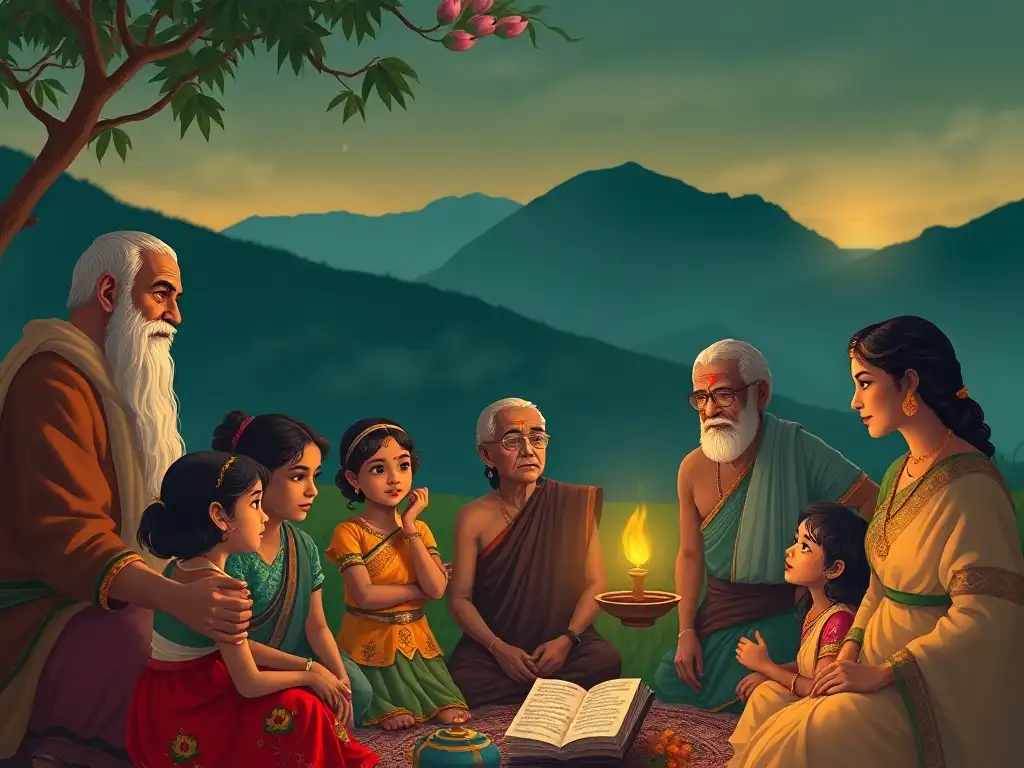
The Ramayana is not just an ancient epic; it is a living tradition that continues to resonate with people across the globe. Its narratives weave together themes of duty, honor, and morality, which remain relevant in contemporary society. This epic's ability to adapt to changing cultural contexts has allowed it to maintain its significance over the centuries. As we examine its enduring legacy, we can see how the Ramayana shapes values, beliefs, and artistic expressions in modern times.
Reflection on the Ramayana's Timeless Messages
The Ramayana offers a rich tapestry of moral lessons that transcend time and geography. The character of Rama exemplifies the ideal human being, embodying virtues such as righteousness ( dharma), self-control, and loyalty. His journey not only reflects personal growth but also serves as a guide for ethical living. Here are some key messages that continue to inspire:
- Dharma and Ethical Conduct: Rama's adherence to dharma highlights the importance of duty over personal desires. This lesson is particularly poignant in today's world, where moral dilemmas are prevalent.
- The Power of Devotion: The unwavering devotion of characters like Hanuman demonstrates the strength of faith and loyalty. This message resonates in contemporary spirituality, encouraging individuals to commit to their beliefs and values.
- Unity in Diversity: The Ramayana's portrayal of various characters from different backgrounds emphasizes inclusivity and acceptance. This aspect speaks to the modern ethos of diversity and the importance of understanding different perspectives.
The Ramayana inspires countless adaptations in literature, theater, and film, revealing its deep-rooted influence on cultural narratives. Each retelling brings forth new interpretations, ensuring that the epic remains relevant and engaging for future generations.
Future Prospects of the Ramayana's Cultural Impact
As we look ahead, the Ramayana's cultural impact shows no signs of waning. Its themes and teachings continue to find new expressions in various media, including:
- Digital Adaptations: The rise of digital platforms has led to innovative retellings of the Ramayana, reaching global audiences. Animated series, web series, and podcasts are engaging younger generations with this ancient text.
- Educational Curricula: Educational institutions are increasingly incorporating the Ramayana into their curricula, recognizing its literary and ethical significance. By studying this epic, students gain insights into ancient Indian culture and values.
- Global Festivals and Cultural Events: The Ramayana is celebrated in festivals across the world, like Ram Navami and Dussehra, which promote community engagement and cultural pride. These events foster a deeper appreciation for the epic and its teachings.
- Interdisciplinary Studies: Scholars from various fields, including literature, anthropology, and theology, continue to explore the Ramayana's impact on society. This interdisciplinary approach ensures a comprehensive understanding of its relevance in contemporary discourse.
The Ramayana's cultural impact today remains robust and dynamic. As it continues to inspire creativity, ethical reflection, and unity across diverse contexts, it solidifies its position as a cornerstone of ancient Indian heritage that will undoubtedly influence generations to come.
Frequently Asked Questions
What is the significance of the Ramayana in Indian culture?
The Ramayana is a cornerstone of Indian literature and culture, embodying moral values and ethical lessons that continue to resonate with people today.
How has the Ramayana influenced modern storytelling?
The Ramayana has inspired countless adaptations in various forms, including films, television shows, and theater, showcasing its enduring cultural impact.
The teachings of the Ramayana, particularly themes of dharma (duty) and devotion, continue to shape social values and ethical standards in modern society.
Can the Ramayana be seen in global contexts?
Yes, the Ramayana's themes of love, sacrifice, and righteousness resonate globally, influencing literature and art outside of India, showcasing its universal appeal.
Festivals like Diwali and Dussehra, which celebrate events from the Ramayana, highlight its cultural significance, fostering community bonds and cultural identity.
Final Reflection: The Enduring Legacy of the Ramayana
The Ramayana's cultural impact today is not just a relic of the past; it is a vibrant force that shapes our modern lives. As we navigate a world filled with challenges and uncertainties, the timeless lessons of duty, righteousness, and devotion found within this epic continue to resonate deeply. The Ramayana serves as a beacon of hope and guidance, reminding us of the values that bind us together as a society.
The influence of the Ramayana can be seen in various facets of contemporary culture, from literature and art to festivals and social values. Its narratives inspire countless adaptations and interpretations, fostering a sense of community and shared identity among diverse groups. As noted by scholar Arvind Sharma, The Ramayana is not merely a story; it is a living tradition that continues to evolve and inspire.
This ongoing relevance highlights the power of storytelling in shaping our cultural landscape and personal beliefs.
As we reflect on the teachings of the Ramayana, let us embrace the opportunity to incorporate its wisdom into our daily lives. Consider how the themes of loyalty, courage, and compassion can guide your actions and decisions. In a world that often feels divided, let the Ramayana inspire you to foster understanding and unity in your community. Take a moment to reflect on your own journey and how you can carry forward the legacy of this timeless epic, ensuring its lessons continue to inspire generations to come.
Ignite Your Journey with the Ramayana Today!
Thank you for exploring how the Ramayana has shaped cultures and individuals across generations! Your interest in this timeless epic highlights its enduring impact on our values and beliefs. Now, it's time to take that inspiration and turn it into action. Here’s how you can dive deeper into the teachings of the Ramayana and share its wisdom with others:
- Immerse Yourself: Read or listen to a contemporary adaptation of the Ramayana that resonates with today’s world. Discover its lessons in love, duty, and morality.
- Share Its Wisdom: Organize a discussion group with friends or family to explore the themes of the Ramayana and how they apply to our lives today.
- Create Art: Channel your insights through writing, drawing, or performing a piece inspired by your favorite characters or lessons from the epic.
What aspect of the Ramayana's teachings resonates with you the most, and how do you plan to incorporate it into your life?