
The Role of Festivals and Celebrations in Ancient Indian Warfare

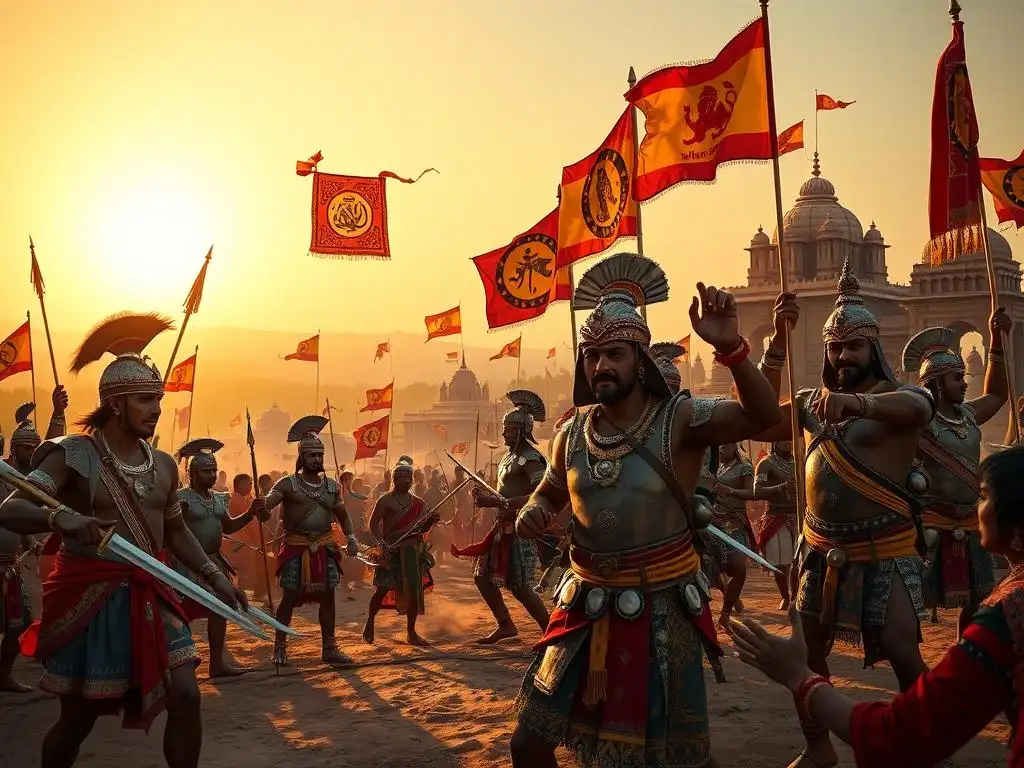
Welcome to Ancient India History, where we embark on a fascinating journey through time to uncover the rich tapestry of ancient Indian civilizations. Here, you'll delve into the interplay between festivals and warfare, exploring how vibrant celebrations shaped the strategies and morale of ancient warriors. As you navigate through our content, prepare to discover the profound significance of these cultural events in the context of military history and their lasting impact on society.
Join us as we unravel the intriguing connections between joyous festivities and the art of war in ancient India. Your adventure into a world of captivating tales and insights begins now!
Introduction to Ancient Indian Festivals and Warfare
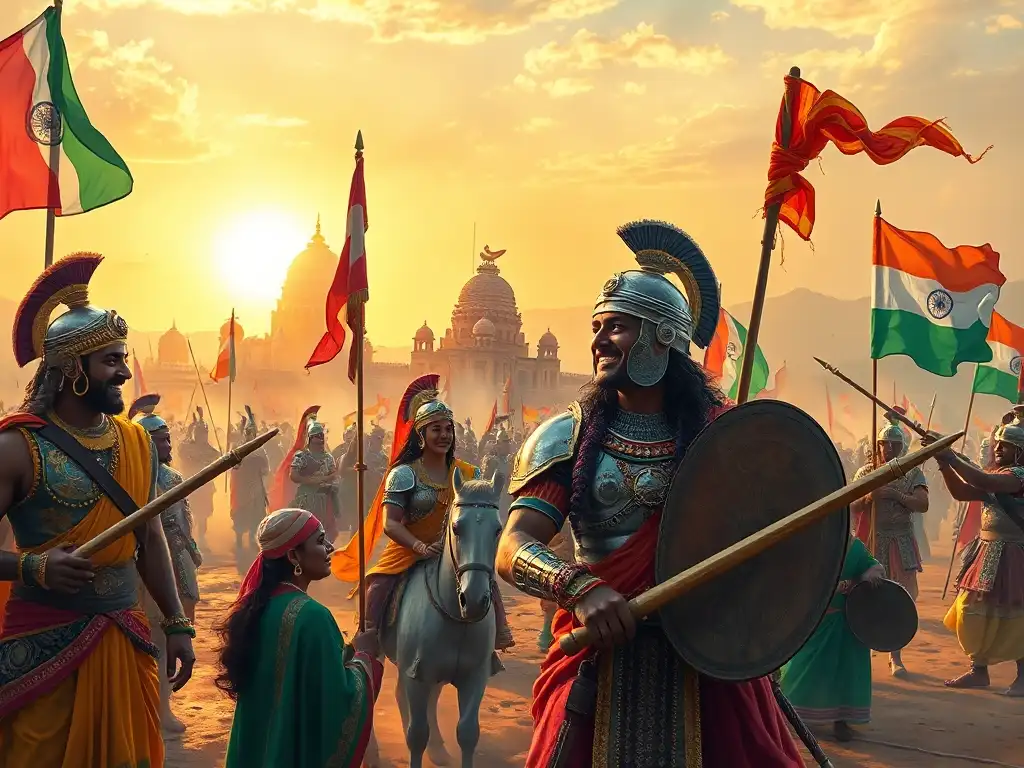
Ancient Indian civilization is renowned for its rich tapestry of festivals and celebrations, which played a significant role beyond mere cultural expression. Interestingly, these vibrant festivities were intricately linked to the realm of warfare, reflecting the complex interplay between cultural practices and military endeavors. From the auspicious timing of battles to the rallying of troops during significant celebrations, festivals served as both a morale booster and a strategic element in ancient Indian warfare. Understanding this connection provides valuable insights into how ancient societies balanced their cultural heritage with the necessities of conflict and defense.
Overview of Ancient Indian Festivals
Ancient Indian festivals were deeply rooted in religious and agricultural cycles, often celebrating seasonal changes, harvests, and deities. Key festivals included:
- Diwali: Known as the festival of lights, it marked the victory of light over darkness and good over evil.
- Holi: A spring festival celebrating love and the arrival of spring, symbolizing renewal and joy.
- Navaratri: A nine-night festival dedicated to the worship of the goddess Durga, showcasing her triumph over the buffalo demon Mahishasura.
These festivals were not only times of celebration but also served as pivotal moments for communities to come together, reinforcing social bonds and collective identity.
Importance of Celebrations in Ancient Indian Culture
Celebrations in ancient India held a significant place in society, functioning as a means of reinforcing cultural values and community cohesion. They provided:
- Spiritual Renewal: Festivals were often associated with religious rituals that aimed to appease deities and seek blessings for prosperity and protection.
- Cultural Preservation: Through storytelling, music, dance, and shared customs, festivals acted as a medium for passing down traditions and historical narratives.
- Social Unity: They brought together diverse groups, fostering a sense of belonging and shared purpose, which was crucial in times of conflict.
Moreover, these celebrations often coincided with military events, serving as occasions for troops to gather, strategize, and rejuvenate their spirits before engaging in warfare.
Connection Between Festivals and Warfare
The link between festivals and warfare in ancient India is multifaceted. Festivals often provided:
- Timing for Battles: Many military campaigns were planned around major festivals, as the fervor and communal spirit could galvanize troops and boost morale.
- Rituals for Protection: Warriors would participate in specific rites and rituals during festivals to seek divine protection and favor in battle.
- Recruitment Drives: Celebrations offered an opportunity for leaders to rally support and recruit soldiers, utilizing the festive environment to inspire enlistment.
This connection highlights how cultural practices were not merely peripheral but essential to the military fabric of ancient societies.
Historical Context of Warfare in Ancient India
To fully understand the role of festivals and celebrations in warfare, it is crucial to delve into the broader historical context of military conflicts in ancient India.
Major Wars and Battles in Ancient Indian History
Throughout ancient Indian history, several significant wars and battles shaped the socio-political landscape. Notable conflicts include:
- The Mahabharata War: A legendary conflict that exemplifies the moral complexities of dharma (duty) and warfare.
- The Kalinga War: Fought by Emperor Ashoka, this battle was pivotal in his transformation towards Buddhism after witnessing the devastation of war.
These events not only influenced political power dynamics but also had lasting impacts on culture, philosophy, and military strategies.
Role of Military Strategy in Ancient Indian Warfare
Ancient Indian warfare was characterized by a blend of strategic planning and adaptability. Key aspects included:
- Geographical Understanding: Commanders utilized their knowledge of terrain to gain advantages in battle.
- Use of Chariots and Elephants: These were integral to military tactics, providing both mobility and psychological impact on the battlefield.
- Alliance Building: Forming alliances during festivals often strengthened military endeavors, as shared celebrations fostered unity among different factions.
The strategic significance of warfare was often reflected in the rituals and celebrations surrounding it, emphasizing the necessity of preparedness and unity.
Influence of Festivals on Military Campaigns
Festivals played a crucial role in shaping the outcomes of military campaigns. Their influence can be seen in:
- Morale-Boosting Gatherings: Celebrations provided an avenue for soldiers to recharge emotionally and spiritually before battles.
- Symbolic Acts of Valor: Many festivals included rituals that honored warriors, reinforcing the valorization of martial prowess within the cultural narrative.
- Public Support for Warfare: Festivals facilitated the mobilization of public sentiment, encouraging communities to support military endeavors through resources and manpower.
The intertwining of festivals and warfare in ancient India reflects a unique cultural phenomenon where celebrations not only enriched the social fabric but also influenced the very dynamics of conflict and military strategy. Understanding this relationship sheds light on the complexities of ancient Indian societies and their approach to warfare.
The Significance of Festivals in Ancient Indian Warfare
Festivals in ancient India served not only as occasions for celebration but also played a critical role in the context of warfare. They were deeply intertwined with the socio-political landscape and the cultural ethos of the time. Festivals provided a platform for communities to come together, reinforcing solidarity among various clans and regions. This unity was crucial during times of conflict, as it fostered a sense of collective identity, which was particularly vital in mobilizing forces for warfare.
Additionally, festivals were often steeped in religious significance, invoking blessings from deities for victory and protection in battle. The rituals and practices associated with these festivals helped to instill courage and morale among warriors, making them more prepared to face the adversities of war. Beyond spiritual encouragement, the festivities often included displays of strength and valor, showcasing the prowess of the warriors and serving as a reminder of their duty towards their community and land.
Festivals as a Catalyst for Military Mobilization
Festivals acted as catalysts for military mobilization in ancient India by creating an environment conducive to gathering troops. These celebrations often coincided with critical agricultural cycles or significant historical events, thereby encouraging large assemblies of people. Leaders would capitalize on these occasions to rally their forces, often using the festive atmosphere to inspire warriors and instill a sense of urgency or purpose regarding impending military campaigns.
For instance, during the Dussehra festival, which marks the victory of Lord Rama over the demon king Ravana, local rulers would call upon their subjects to join in the festivities while simultaneously preparing for battles against rival kingdoms or invaders. The communal spirit engendered by such festivals facilitated the rapid mobilization of troops, as the shared celebration transformed into a collective commitment to defend their territory.
Celebrations that Honored Warriors and Deities
Many festivals in ancient India were specifically designed to honor both warriors and deities, reinforcing the connection between divine approval and military success. Rituals and offerings made during these festivals were intended to appease the gods, seeking their blessings for triumph in warfare. For example, during the Navratri festival, devotees would worship the goddess Durga, who symbolizes power and victory. This worship not only served a religious purpose but also inspired warriors, imbuing them with confidence and strength.
Moreover, community celebrations often included reenactments of legendary battles, honoring great warriors from history or mythology. Such commemorations helped to preserve cultural narratives surrounding heroism and valor, motivating contemporary soldiers to emulate these ideals in their own martial endeavors. The dual focus on divine grace and the valor of warriors created a potent mix that enhanced the importance of festivals in the context of warfare.
Dussehra: Symbolism of Victory Over Evil
Dussehra, also known as Vijayadashami, is one of the most significant festivals in India, symbolizing the victory of good over evil. This festival commemorates the triumph of Lord Rama over Ravana, and it plays a crucial role in military symbolism. Dussehra served as a reminder of the importance of righteousness in warfare, encouraging warriors to fight for justice and uphold dharma (moral law).
The festival included elaborate processions, theatrical performances depicting the Ramayana, and the burning of effigies of Ravana. Such displays not only reinforced the moral imperatives of warfare but also inspired the warriors to channel their inner strength and courage for upcoming battles.
Holi: Celebrations and Military Alliances
Holi, the festival of colors, is not only a celebration of spring but also an occasion that historically facilitated the formation of military alliances. During this festival, rival factions would often lay down their arms to partake in the joyous festivities, fostering camaraderie and reconciliation. The tradition of throwing colored powders symbolized the breaking down of barriers, allowing for the negotiation of peace or the forging of alliances. Moreover, Holi was a time when leaders would extend invitations to allies, strengthening their bonds while laying the groundwork for future military collaborations.
Makar Sankranti: Harvest Celebrations and Warfare
Makar Sankranti marks the transition of the sun into the zodiac sign of Capricorn and is primarily a harvest festival. While it celebrates agricultural abundance, it also held military significance. The timing of the festival often aligned with the preparation for spring campaigns when armies would be mobilized for conquests.
Celebrations included feasting and communal gatherings, where local chieftains would rally their followers, preparing them for the challenges that lay ahead. The festival's emphasis on gratitude for the harvest also served to bolster the morale of the troops, reminding them of their duty to protect and provide for their communities during warfare.
The Cultural Impact of Festivals on Soldiers and Warfare
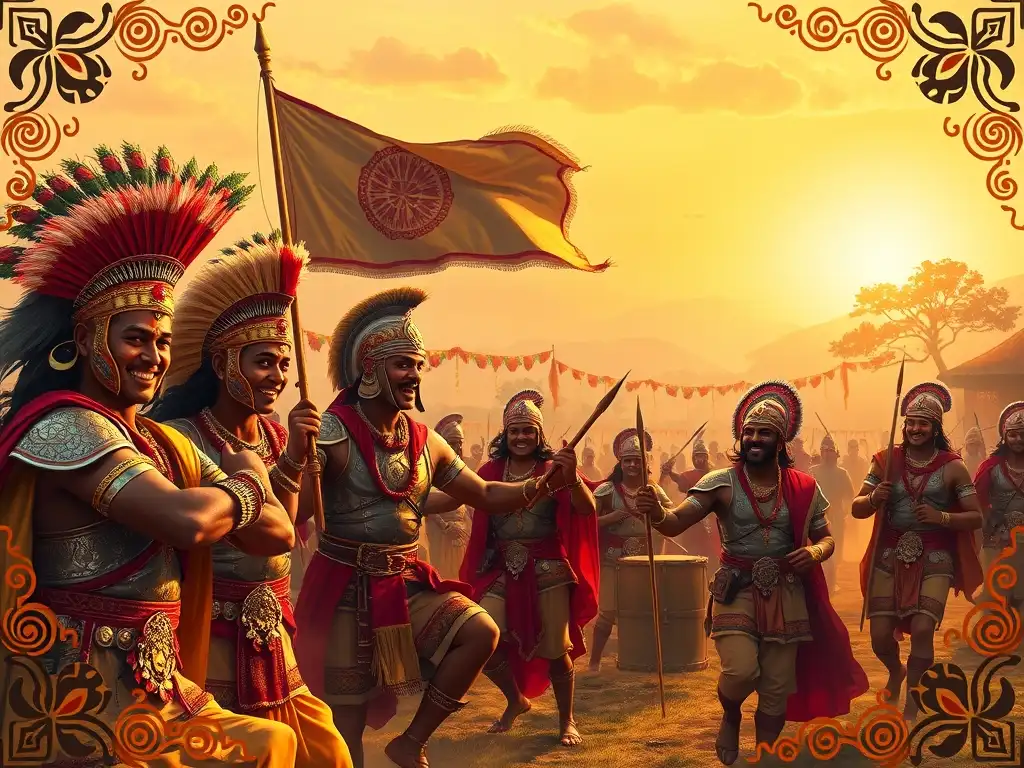
Festivals in ancient India served not only as moments of joy and celebration but also played a crucial role in shaping the cultural landscape of warfare. These events fostered a sense of identity and camaraderie among soldiers, which was essential for maintaining morale and unity during times of conflict. The rituals, customs, and communal activities associated with festivals reinforced the idea of collective strength, making warriors feel part of a larger cause.
Moreover, festivals often included rituals that invoked the blessings of deities, believed to grant protection and success in battle. This spiritual dimension added a layer of cultural significance, intertwining the notions of faith and duty. The vibrant atmosphere of festivals, filled with colors, music, and dance, provided a temporary reprieve from the harsh realities of war, allowing soldiers to recharge both mentally and emotionally.
Psychological Effects of Festivals on Ancient Warriors
Festivals had profound psychological effects on ancient warriors, serving as crucial moments for mental rejuvenation. Participating in celebrations allowed soldiers to release the stress and anxiety associated with warfare. The communal aspect of festivals fostered connections among warriors, creating bonds that were vital during battles.
Additionally, the rituals performed during festivals often included prayers and sacrifices to deities, which instilled a sense of divine support. This belief in divine favor could enhance a warrior's confidence, reducing fear and anxiety before engaging in combat. The sense of belonging cultivated during these festivities provided soldiers with the emotional resilience needed to face the adversities of warfare.
The Role of Music and Dance in Motivating Troops
Music and dance were integral components of ancient Indian festivals and served as powerful motivators for troops. Drumming and melodies often accompanied rituals, creating an atmosphere that inspired bravery and strength. The rhythmic beats of drums, for instance, could evoke feelings of aggression and readiness among soldiers, signaling the approach of battle.
Dance, too, played a significant role in energizing troops. Traditional performances often recounted tales of valor and heroism, reminding warriors of their cultural heritage and the legacies they were upholding. This connection to their past, reinforced through dance and music, helped to galvanize soldiers, instilling a fierce determination to protect their land and honor.
Festivals as Opportunities for Alliance Building
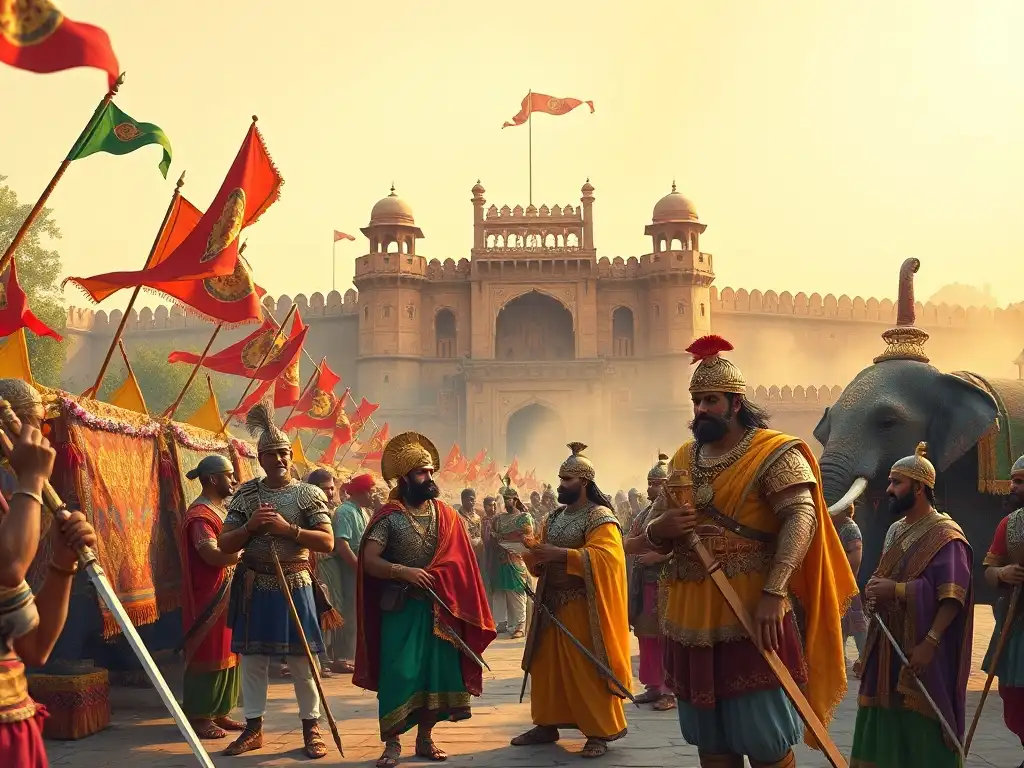
Ancient Indian festivals also served as strategic opportunities for alliance building between kingdoms. These grand celebrations attracted leaders, nobles, and warriors from various regions, providing a platform for diplomacy and negotiation. During festivals, rulers could forge alliances through marriages, treaties, and mutual agreements, strengthening their positions against common foes.
The festive atmosphere encouraged a spirit of camaraderie, making it easier for leaders to cultivate relationships that might otherwise be strained by political tensions. The sharing of resources, such as food and gifts, further solidified these alliances. Ultimately, festivals acted as a crucial tool for enhancing political ties, which could prove advantageous in the context of warfare.
Case Studies of Festivals Influencing Warfare
Dussehra and Its Impact on the Battle of Ramayana
The festival of Dussehra, celebrated in honor of Lord Rama's victory over the demon king Ravana, embodies the intersection of mythology and warfare. The narratives surrounding Dussehra served as morale boosters for soldiers, providing them with a powerful symbol of good triumphing over evil. The reenactment of the Ramayana during this festival not only reinforced cultural values but also inspired warriors to emulate the bravery and tactics of Rama in their own battles.
This cultural significance of Dussehra transcended mere celebration; it became a rallying point for troops, fostering unity and determination. The teachings and stories shared during this time influenced military strategies, reminding warriors of the importance of righteousness in warfare.
Holi and Its Role in the Strategy of the Maurya Empire
Holi, the festival of colors, held immense significance during the Maurya Empire. This festival was not only a celebration of spring but also an opportunity for the Mauryan rulers to display their strength and wealth. During Holi, the lavish celebrations highlighted the empire's power, serving as a psychological tactic to deter potential enemies.
Moreover, Holi provided a unique setting for diplomacy. Rulers would invite allies and neighboring kings to partake in the festivities, allowing for informal negotiations and alliance strengthening. The shared experience of celebration helped to diffuse tensions and build trust among various factions, ultimately contributing to the stability and strategic positioning of the Maurya Empire in the region.
Lessons Learned from Ancient Festivals in Warfare
The lessons learned from ancient festivals in relation to warfare are manifold. They highlight the importance of cultural practices in sustaining morale and unity among soldiers. Festivals remind us that the psychological and emotional well-being of troops is just as vital as their physical preparedness for battle.
Moreover, the strategic use of festivals for alliance building underscores the significance of diplomacy in warfare. Ancient civilizations recognized that fostering relationships through shared celebrations could lead to stronger coalitions and ultimately more effective military strategies.
The interplay between ancient Indian festivals and warfare illustrates how deeply intertwined culture and conflict are. These festivals not only shaped the identity of ancient warriors but also influenced the outcomes of battles and the dynamics of power in ancient India.
Conclusion
The intricate interplay between festivals and warfare in ancient India reveals a multifaceted relationship that transcended mere celebration. Festivals served not only as occasions for joy and communal bonding but also as strategic frameworks that influenced military readiness and societal morale. The integration of religious and cultural practices into the military fabric underscored the significance of these celebrations in reinforcing the warrior ethos and fostering unity among diverse populations. Understanding this connection provides a deeper insight into how ancient Indian civilizations navigated the complexities of warfare, using festivals as both a psychological tool and a means of mobilizing resources.
Summary of the Relationship Between Festivals and Warfare
The relationship between festivals and warfare in ancient India can be understood through several key dimensions:
- Ritualistic Preparations: Many festivals involved rituals aimed at invoking divine blessings for victory in battles. The worship of deities like Durga and Kali during specific festivals was believed to provide protection and strength to warriors.
- Community Mobilization: Festivals often served as rallying points for communities, encouraging participation and solidarity among citizens. This unity was crucial during times of conflict, as communal events fostered a sense of belonging and shared purpose.
- Strategic Timing: Historical accounts suggest that certain festivals were strategically chosen to align with military campaigns. Leaders would often initiate battles post-festivity when their armies were in high spirits, thus capitalizing on the collective enthusiasm and morale boost.
- Morale Enhancement: The celebratory nature of festivals acted as a counterbalance to the stress and trauma of warfare. Engaging in festive activities helped maintain high morale among soldiers, ensuring they remained resilient and focused on their objectives.
The Lasting Legacy of Ancient Indian Festivals on Military History
The legacy of ancient Indian festivals continues to resonate through modern military practices and cultural events. The historical significance of these celebrations has influenced contemporary military ceremonies, which often incorporate traditional rituals and cultural observances. For instance:
- Ceremonial Practices: Modern Indian armed forces still engage in rituals that invoke blessings from deities, reminiscent of ancient practices. These ceremonies not only honor tradition but also instill a sense of duty and purpose among soldiers.
- Cultural Awareness: The understanding of how festivals shaped warfare has led to a greater appreciation of cultural heritage within military contexts. This awareness fosters a cohesive identity among troops, linking them to their historical roots.
- Inspiration for Future Generations: The tales of valor associated with these festivals serve as inspirational narratives for future generations, reinforcing the importance of honor, bravery, and community in the face of adversity.
Future Research Directions in Ancient Indian Festivals and Warfare
Future research into the nexus of ancient Indian festivals and warfare holds significant potential for uncovering deeper insights into the sociopolitical dynamics of the time. Some promising directions include:
- Archaeological Investigations: Excavations at ancient sites related to festivals could yield artifacts that provide evidence of their role in military contexts, such as weapons, ceremonial items, or inscriptions.
- Comparative Studies: Analyzing the interplay of festivals and warfare in other ancient civilizations can yield comparative insights, helping to contextualize the unique aspects of ancient Indian practices.
- Interdisciplinary Approaches: Collaborating with anthropologists, sociologists, and historians can provide a holistic understanding of how festivals influenced societal structures and military strategies.
- Digital Humanities: Employing digital tools to map historical events and festival timelines could reveal patterns and correlations that were previously overlooked, enhancing our understanding of their impact on warfare.
By pursuing these directions, scholars can further illuminate the profound connections between ancient Indian festivals and warfare, enriching the narrative of military history in this culturally rich civilization.
- Introduction to Ancient Indian Festivals and Warfare
- Historical Context of Warfare in Ancient India
- The Significance of Festivals in Ancient Indian Warfare
- Notable Festivals Related to Warfare in Ancient India
- The Cultural Impact of Festivals on Soldiers and Warfare
- Psychological Effects of Festivals on Ancient Warriors
- The Role of Music and Dance in Motivating Troops
- Festivals as Opportunities for Alliance Building
- Case Studies of Festivals Influencing Warfare
- Conclusion
- What were the primary festivals celebrated in ancient India?
- How did festivals influence warfare in ancient India?
- Were there any specific rituals associated with warfare during festivals?
- Did the timing of festivals affect military campaigns?
- How do modern festivals in India reflect their historical significance related to warfare?
Frequently Asked Questions
What were the primary festivals celebrated in ancient India?
Ancient Indian civilizations celebrated various festivals, such as Navaratri, Diwali, and Holi, which often had connections to agricultural cycles and religious traditions.
How did festivals influence warfare in ancient India?
Festivals served as moments of unity and celebration, often boosting morale among warriors and fostering a sense of community that strengthened military alliances.
Were there any specific rituals associated with warfare during festivals?
Yes, many festivals included rituals that invoked blessings from deities for victory in battle, such as yajnas (sacrificial ceremonies) performed before major conflicts.
Did the timing of festivals affect military campaigns?
Yes, many rulers chose to launch campaigns or engage in warfare around specific festivals to utilize the heightened spirit and enthusiasm of their followers.
Many modern festivals still commemorate historical events, battles, and victories, keeping alive the cultural legacy of ancient Indian warfare and celebrations.
Final Reflection: The Intertwining of Ancient Indian Festivals and Warfare
The exploration of ancient Indian festivals and their connection to warfare reveals a profound understanding of how cultural practices shape societal values. In today's world, where the lines between celebration and conflict often blur, recognizing the historical significance of these festivals can provide us with valuable insights into the human experience. The vibrant tapestry of ancient Indian culture teaches us that celebrations were not merely for enjoyment; they served as a means of uniting communities, instilling courage, and preparing warriors for the challenges ahead.
The influence of these festivals continues to resonate in our cultural landscape, reminding us of the enduring power of tradition. As we navigate the complexities of modern life, the lessons from ancient practices can inspire us to foster unity and resilience in our communities. Festivals are the heartbeat of culture, reminding us of our shared history and collective strength.
This sentiment underscores the importance of understanding our past, as it shapes our present and guides our future.
As you reflect on the themes presented in this article, consider how the spirit of celebration can be harnessed in your own life. Embrace the lessons of ancient Indian festivals as a call to action; let them inspire you to cultivate a sense of community, honor your heritage, and face challenges with courage. By integrating these values into your daily life, you can contribute to a more harmonious society that honors both its past and its potential for growth.
Unleash the Spirit of Celebration in Warfare!
Thank you for diving into the intriguing world of ancient Indian festivals and their unique roles in the context of warfare! We hope you gained valuable insights into how these vibrant celebrations shaped strategies and fostered unity. Now, let’s keep the momentum going and explore how you can embody this spirit in your own life!
Here are a few engaging actions you can take:
- Embrace Local Festivals: Attend an upcoming local festival and immerse yourself in its cultural significance. This experience not only enriches your understanding but also strengthens community bonds.
- Share Your Insights: Discuss what you learned from this article with friends and family. Start a conversation about how celebrations can influence teamwork and morale, just as they did in ancient times!
- Join a Community Group: Look for local community groups or online forums focused on historical reenactments or cultural celebrations. Engaging with like-minded individuals can provide fresh perspectives and deeper connections.
As you reflect on the interplay between culture and warfare, consider this: How can modern celebrations cultivate teamwork and resilience in our daily lives today?