
The Art of War: Ancient Indian Texts on Military Strategy and Philosophy

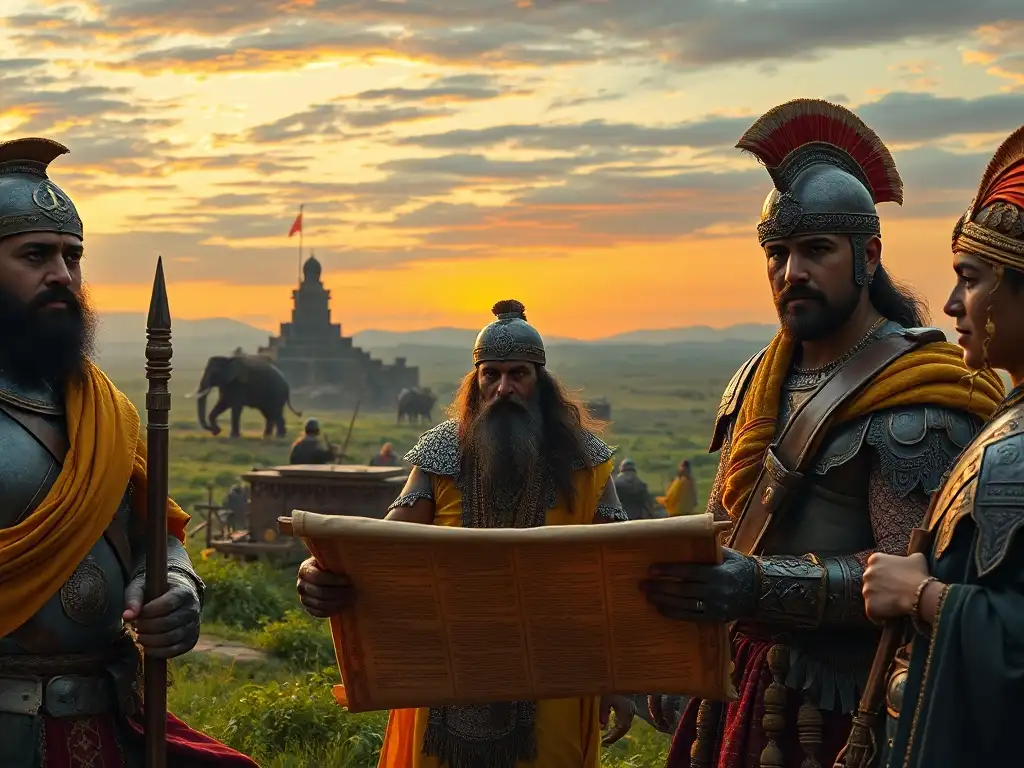
Welcome to Ancient India History, where we embark on a fascinating journey through the rich tapestry of ancient Indian civilizations. Here, we delve deep into the intricacies of military strategy, exploring profound texts that shaped the art of war from the Indus Valley to the Gupta Empire. Our featured article, "The Art of War: Ancient Indian Texts on Military Strategy and Philosophy," invites you to uncover the wisdom and tactics that defined the military prowess of ancient India.
Prepare to be captivated by insights that not only shaped battles but also influenced cultures across time. Join us as we unravel the stories behind these timeless strategies and their enduring legacy.
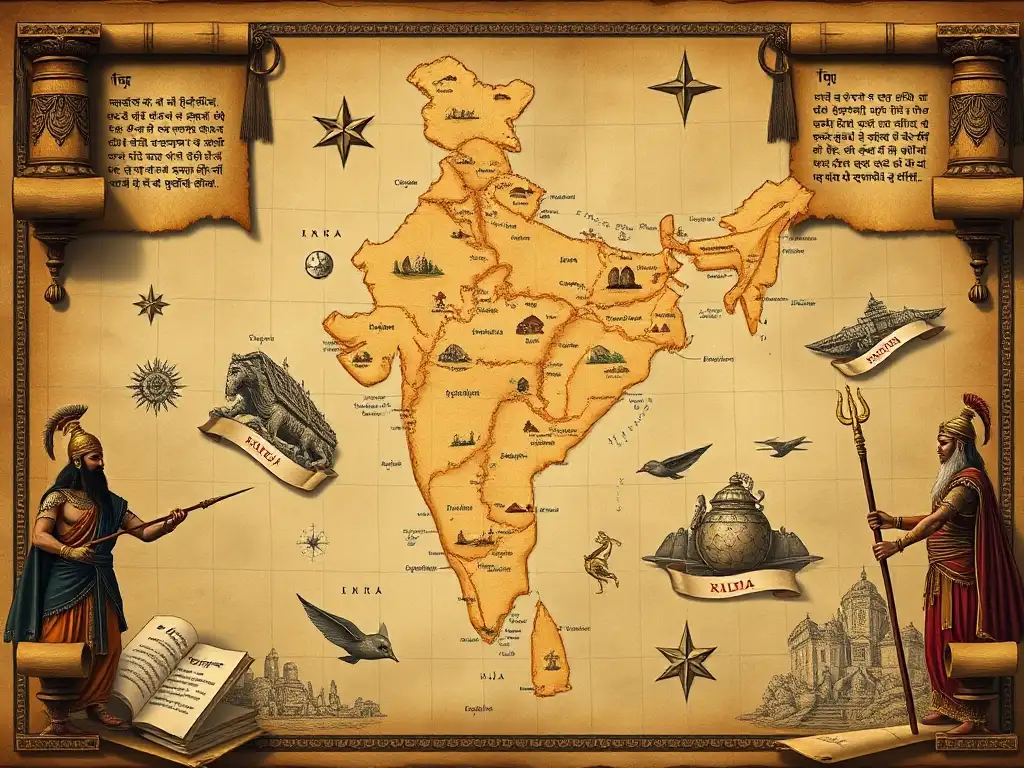
Introduction to Ancient Indian Military Strategy Texts
The history of ancient India is characterized by its profound contributions to various fields, including military strategy and philosophy. Among the many civilizations that flourished, ancient Indian military texts stand out for their depth and insight. These texts not only reflect the art of warfare but also encapsulate the philosophical underpinnings that guided military leaders and strategists in their pursuits. Understanding these ancient Indian military strategy texts is essential for anyone interested in the complexities of warfare, ethics, and statecraft in a historical context.
Overview of Military Strategy in Ancient India
Ancient India was a land where warfare was not merely a means to an end but an intricate part of its cultural ethos. The military strategies employed were often influenced by the geographical diversity and sociopolitical dynamics of the time. Key elements included:
- Tactical Innovation: Strategies involved a blend of direct confrontation and guerrilla tactics, adapted to the terrain and opponent.
- Diplomacy: Military leaders often employed alliances and negotiations as key components of their strategy, reflecting a sophisticated understanding of state relations.
- Philosophical Foundations: Military actions were deeply intertwined with philosophical beliefs, emphasizing dharma (duty) and ethics in warfare.
These aspects underscore the sophistication of ancient Indian military thought, which remains relevant in contemporary discussions on strategy and leadership.
Importance of Military Philosophy in Indian Culture
The concept of military philosophy in ancient India transcended the battlefield, manifesting in various cultural and ethical dimensions. This philosophy was rooted in the idea that war must be conducted within the framework of righteousness and justice. Key points include:
- Dharma in Warfare: The principle of dharma dictated that warriors must adhere to moral codes, even in the heat of battle. This ethical dimension was crucial in shaping the conduct of military leaders.
- Cultural Reflections: Literature and epics often explored themes of honor, bravery, and sacrifice, reinforcing the values associated with military endeavors.
- Historical Influence: The philosophical insights derived from military texts influenced subsequent generations, shaping the approach to both warfare and governance in Indian society.
By examining these philosophical dimensions, we can appreciate how ancient Indian military strategy was not only about winning battles but also about upholding moral integrity.
Prominent Ancient Indian Military Strategy Texts
The ancient Indian landscape is rich with texts that delve into military strategy and philosophy, each offering unique insights and teachings.
Arthashastra: The Comprehensive Guide
Authored by Kautilya, also known as Chanakya, the Arthashastra is one of the most significant texts on statecraft and military strategy in ancient India. Key features include:
- Strategic Warfare: It provides detailed instructions on various forms of warfare, including espionage and psychological tactics.
- Political Philosophy: The text intertwines military strategy with political governance, emphasizing the importance of a ruler’s wisdom in matters of war.
- Economic Considerations: Kautilya elaborates on the economic aspects of warfare, highlighting the need for resource management and logistics.
The Arthashastra remains a cornerstone for understanding ancient Indian military strategy, offering timeless lessons on statecraft and warfare.
Mahabharata: The Epic of War and Strategy
The Mahabharata is not merely a narrative of the great Kurukshetra war; it is a treasure trove of strategic wisdom. Its teachings encompass:
- Diverse Strategies: The epic presents various military strategies employed by the Pandavas and Kauravas, illustrating the complexities of leadership and decision-making.
- Moral Dilemmas: It explores the ethical challenges faced by warriors, emphasizing the importance of making righteous decisions in times of conflict.
- Philosophical Dialogues: The dialogues within the epic, particularly the Bhagavad Gita, delve into the philosophical motivations behind warfare and duty.
The Mahabharata serves as a profound source of insight into the interplay between war and morality.
Ramayana: Strategies in Conflict
The Ramayana, another foundational epic, offers valuable perspectives on military strategy through its depiction of the conflict between Rama and Ravana. Notable aspects include:
- Leadership Qualities: The text highlights the qualities of effective leaders and the importance of loyalty and honor among warriors.
- Use of Alliances: Rama's alliances with various characters, including Hanuman and the Vanaras, underscore the significance of strategic partnerships in warfare.
- Moral Lessons: The narrative emphasizes the ethical dimensions of war, showcasing the characteristics of an ideal warrior.
The Ramayana enriches our understanding of military strategy by interweaving it with themes of virtue and loyalty.
Ancient Indian military strategy texts offer a comprehensive framework for understanding the complexities of warfare in historical contexts. Their insights into strategy, ethics, and leadership continue to resonate, proving the timeless relevance of these ancient teachings.
Philosophical Underpinnings of Ancient Indian Military Strategy
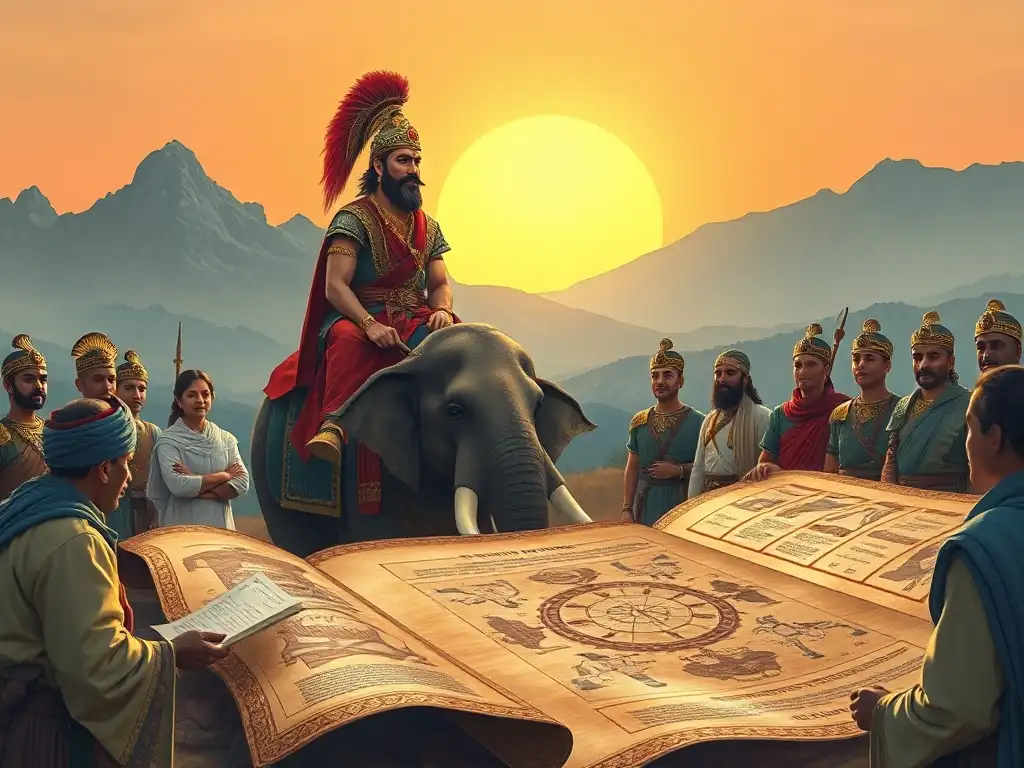
Ancient Indian military strategy was deeply intertwined with philosophical concepts that shaped the mindset of warriors and rulers alike. Central to this was the idea that warfare was not just a physical contest but also a moral and ethical endeavor. This perspective emphasized that the motivations behind engaging in battle had to align with broader principles of righteousness, duty, and justice. Texts such as the Bhagavad Gita and the Arthashastra elaborated on these themes, providing insights into the relationship between duty (dharma), the state, and the conduct of war.
The ancient Indian texts often depicted warfare as an extension of political power, where the ultimate goal was not merely to conquer but to establish order and harmony in the realm. The philosophical foundations also shaped the notion of honor in battle, which was paramount for maintaining one's reputation and that of the entire community. Thus, ancient Indian military strategy can be seen as a complex interplay of ethics, philosophy, and practical tactics.
The Concept of Dharmayuddha (Righteous War)
The term Dharmayuddha, which translates to "righteous war," is a crucial concept in understanding ancient Indian military ethics. This principle posited that war should be waged only for just causes, such as the protection of dharma (moral order) and the welfare of the people. It emphasized that warriors should engage in combat only when necessary, and even then, they must adhere to strict ethical guidelines.
In texts like the Mahabharata, the ramifications of Dharmayuddha are explored through the dialogue between Lord Krishna and Arjuna, where Krishna advises Arjuna that fighting against injustice is his duty as a warrior. This illustrates the belief that a just cause legitimizes the act of warfare, and the conduct of the warriors must reflect high moral standards. Furthermore, the concept also addressed issues such as the treatment of prisoners, the protection of non-combatants, and the avoidance of unnecessary destruction.
The Role of Leadership in Ancient Indian Warfare
Leadership played a pivotal role in ancient Indian military strategy, where the qualities of a commander were as significant as the strategies employed. Effective leaders were expected to possess not only tactical acumen but also wisdom, courage, and a deep understanding of dharma. The ancient texts often highlighted the importance of charismatic leadership in rallying troops and maintaining morale during warfare.
Great leaders like Chandragupta Maurya and Ashoka the Great exemplified these ideals, demonstrating how strong leadership could unite diverse factions and inspire loyalty among soldiers. The Arthashastra by Kautilya serves as a comprehensive guide, outlining the qualities of an ideal ruler and military leader, emphasizing strategic thinking and adaptability in the face of changing circumstances.
Moreover, the interplay between leadership and strategy was evident in the principles of deception and surprise, which required a leader to be both cunning and insightful. Thus, leadership in ancient Indian warfare was not merely about commanding forces but also about embodying the ethical and philosophical values that governed the conduct of war.
Spirituality and Warfare: A Unique Perspective
In ancient Indian culture, spirituality and warfare were often seen as interconnected realms. The belief that divine favor could influence the outcome of battles permeated military strategies. Rituals, prayers, and sacrifices were commonly performed before embarking on a campaign, reflecting the notion that the gods played an active role in the affairs of men.
The Bhagavad Gita emphasizes this connection by portraying the battlefield as a sacred space where philosophical and spiritual dilemmas unfold. Arjuna’s internal struggle about fighting against his own kin illustrates the profound moral questions that warriors faced. This unique perspective encouraged warriors to view their roles in combat as part of a larger cosmic order, where fulfilling one's duty was a path toward spiritual growth and enlightenment.
Moreover, the spiritual dimension of warfare promoted the idea that true victory lay not merely in conquering enemies but in attaining self-realization and upholding dharma. Consequently, ancient Indian military strategy was enriched by a profound philosophical framework that integrated ethical considerations with the act of warfare.
Comparative Analysis: Ancient Indian Military Strategy vs. Other Cultures
The military strategies of ancient India reveal both unique characteristics and shared themes with other cultures. A comparative analysis highlights how ancient Indian texts approached warfare through distinct philosophical lenses while also finding common ground with the military doctrines of other civilizations.
Similarities with Sun Tzu's Art of War
Ancient Indian military strategy shares notable similarities with the teachings found in Sun Tzu's Art of War. Both emphasize the importance of strategy, deception, and the psychological aspects of warfare. For instance, the notion of understanding one’s enemy and adapting tactics accordingly is prevalent in both traditions.
Both texts advocate for the use of intelligence and careful planning over mere brute force. In ancient Indian warfare, the significance of gathering accurate information about adversaries and leveraging terrain to one’s advantage mirrors Sun Tzu's teachings on the importance of situational awareness and strategic positioning. Additionally, both traditions underscore the value of flexibility and the ability to pivot strategies in response to changing circumstances on the battlefield.
Distinctions from Greek Military Philosophy
While there are similarities with Sun Tzu, ancient Indian military strategy distinguishes itself from Greek military philosophy, particularly in its ethical considerations. Greek military thought, as exemplified by figures like Thucydides, often focused on the pragmatic aspects of power, strategy, and the inevitable chaos of war, often viewing conflict through a lens of realism and power dynamics.
In contrast, ancient Indian texts like the Mahabharata and the Arthashastra incorporate ethical dimensions, emphasizing the moral implications of warfare and the responsibilities of leaders to uphold dharma. The concept of Dharmayuddha profoundly sets ancient Indian thought apart, as it frames warfare within a moral context, suggesting that success in battle must align with ethical conduct.
Influence of Ancient Indian Military Strategies on Neighboring Civilizations
The influence of ancient Indian military strategies extended beyond its borders, impacting neighboring civilizations throughout history. The strategic principles outlined in texts such as the Arthashastra were studied and adapted by leaders in regions such as Southeast Asia, where Indianized kingdoms emerged.
For instance, the Khmer Empire and the Srivijaya maritime kingdom drew upon Indian military strategies and philosophies, integrating them into their own systems of governance and warfare. Furthermore, the spread of Buddhism and Hinduism throughout Asia facilitated the exchange of ideas related to warfare, leadership, and ethics, enriching the military doctrines of other cultures.
In addition, the principles of Dharmayuddha and the emphasis on righteous conduct in warfare resonated with neighboring cultures, influencing their perceptions of justice and ethics in conflict. This cross-cultural exchange underscores the lasting legacy of ancient Indian military strategy, illustrating its profound impact on the broader historical landscape.
The Impact of Ancient Indian Military Strategy Texts on Modern Warfare
The ancient Indian military strategy texts, particularly the Arthashastra by Kautilya and the Bhagavad Gita, have significantly influenced not only the historical context of warfare but also modern military strategies. These texts explore various aspects of warfare, statecraft, and ethics, providing timeless principles that resonate with contemporary military leaders and strategists. The strategies outlined within these texts emphasize understanding the intricacies of conflict, the importance of intelligence, and the ethical considerations of warfare, forming a foundational basis for modern military doctrines.
One notable aspect of these ancient texts is their focus on psychological warfare and deception. Kautilya’s principles advocate for the strategic use of misinformation to destabilize opponents, a tactic that remains relevant in modern military operations. Additionally, the emphasis on adaptability and responsiveness to changing battlefield conditions mirrors contemporary military tactics, where agility and quick decision-making are crucial for success.
Lessons Applicable in Contemporary Military Strategy
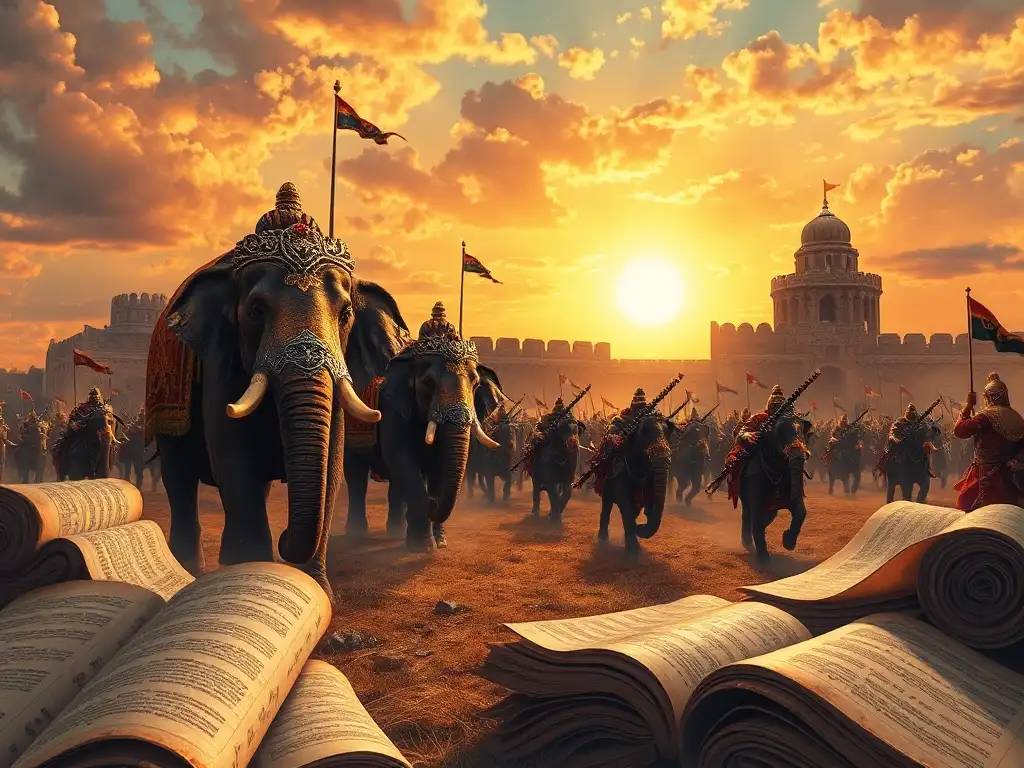
Ancient Indian military strategy texts offer several lessons that can be directly applied to contemporary military practices:
- Strategic Planning: The Arthashastra emphasizes thorough planning and foresight, aspects that are critical in today's military operations. Modern military leaders can draw parallels with the importance of preparing for various contingencies and understanding the geopolitical landscape.
- Intelligence Gathering: The emphasis on espionage and intelligence in ancient texts underscores the value of information in warfare. In contemporary scenarios, intelligence operations remain vital to national security and military success, showcasing how ancient principles continue to inform modern practices.
- Moral and Ethical Considerations: Texts like the Bhagavad Gita offer profound insights into the moral complexities of warfare, stressing the importance of duty and righteousness. Today’s military leaders grapple with similar ethical dilemmas, making these ancient teachings relevant in discussions around just war theory and the morality of military actions.
- Use of Technology: Ancient strategists understood the importance of leveraging available resources and technology. This principle is mirrored in modern military strategies, where advancements in technology can turn the tide of battle.
The Relevance of Ancient Texts in Modern Military Education
Ancient Indian military texts are increasingly recognized within modern military education programs for their strategic insights and philosophical depth. Military academies and institutions incorporate these texts into their curricula to provide students with a broader understanding of historical military strategy and its implications for contemporary warfare.
- Case Studies: By analyzing historical battles and strategies from these texts, students can learn valuable lessons about leadership, decision-making, and the importance of adaptability in changing circumstances. These case studies serve as practical examples that bridge ancient wisdom with modern military practices.
- Philosophical Discussions: The ethical considerations presented in the Bhagavad Gita foster discussions around the moral responsibilities of military personnel. This engagement helps cultivate leaders who are not only tactically proficient but also ethically grounded.
- Interdisciplinary Approaches: The inclusion of ancient Indian military philosophy encourages interdisciplinary studies, combining history, philosophy, and military science. This holistic approach enriches the educational experience and prepares future leaders for the complexities of modern warfare.
Conclusion: The Enduring Legacy of Ancient Indian Military Strategy Texts
The enduring legacy of ancient Indian military strategy texts is evident in their profound impact on both historical and contemporary military practices. Their teachings on strategy, ethics, and statecraft continue to guide military leaders and scholars in navigating the complexities of warfare.
Reflection on Their Influence in Military History
Throughout history, the principles derived from ancient Indian military texts have influenced various cultures and civilizations. The strategic insights of Kautilya and the ethical frameworks provided by the Bhagavad Gita have transcended their geographical origins, resonating with military thinkers worldwide. Their teachings on diplomacy, warfare, and governance have shaped military doctrines and strategies across continents, reflecting the universal relevance of their insights.
Future Research Directions in Ancient Military Philosophy
Future research directions in ancient military philosophy can explore several avenues:
- Comparative Studies: Analyzing ancient Indian military texts in relation to other historical military doctrines can offer a richer understanding of global military strategies and philosophies.
- Application in Modern Conflicts: Investigating how the principles of ancient Indian military texts can be applied to contemporary conflicts, particularly in asymmetrical warfare scenarios, can yield valuable insights for modern military strategists.
- Interdisciplinary Research: Engaging with scholars from various fields, such as philosophy, political science, and ethics, can enhance our understanding of the implications of these ancient texts on modern military thought and practice.
By delving deeper into these areas, researchers can further illuminate the relevance and significance of ancient Indian military strategy texts in both historical and contemporary contexts, ensuring their teachings continue to inspire future generations.
- Introduction to Ancient Indian Military Strategy Texts
- Overview of Military Strategy in Ancient India
- Importance of Military Philosophy in Indian Culture
- Prominent Ancient Indian Military Strategy Texts
- Philosophical Underpinnings of Ancient Indian Military Strategy
- Comparative Analysis: Ancient Indian Military Strategy vs. Other Cultures
- The Impact of Ancient Indian Military Strategy Texts on Modern Warfare
- Lessons Applicable in Contemporary Military Strategy
- The Relevance of Ancient Texts in Modern Military Education
- Conclusion: The Enduring Legacy of Ancient Indian Military Strategy Texts
Frequently Asked Questions
What are the main ancient Indian military strategy texts?
The primary texts include the Arthashastra by Kautilya and Sūtra texts, which detail strategic warfare, governance, and economic principles vital for military success.
How did ancient Indian military strategy influence warfare?
Ancient Indian military strategy emphasized tactics, psychological warfare, and the importance of intelligence, significantly impacting both ancient and modern military doctrines.
What is the significance of the Arthashastra?
The Arthashastra is a comprehensive guide on statecraft and military strategy, outlining political and military tactics that remain relevant in contemporary studies of strategy.
Were there any notable military leaders in ancient India?
Yes, figures like Chandragupta Maurya and Samudragupta are recognized for their effective military strategies and conquests, which expanded their empires significantly.
How does ancient Indian military philosophy differ from others?
Ancient Indian military philosophy often integrates moral and ethical considerations, contrasting with purely tactical approaches found in other cultures, emphasizing the importance of dharma (righteousness) in warfare.
Final Reflection: The Enduring Legacy of Ancient Indian Military Strategy
The exploration of ancient Indian military strategy texts reveals a profound understanding of warfare that remains strikingly relevant today. In a world where conflict persists and the dynamics of power continue to shift, the insights gleaned from these ancient texts offer timeless wisdom on strategy, leadership, and the philosophy of conflict. The lessons embedded in these writings remind us that the art of war is not merely about combat but encompasses a broader understanding of human nature and societal dynamics.
The influence of these ancient texts extends far beyond the battlefield, shaping cultural narratives and strategic thought across generations. Their teachings resonate in contemporary discussions on leadership, ethics in warfare, and conflict resolution. As Sun Tzu famously stated, The greatest victory is that which requires no battle.
This perspective encourages us to seek understanding and resolution through dialogue and strategy rather than through violence, highlighting the relevance of these ancient philosophies in our modern context.
As we reflect on the lessons of ancient Indian military strategy, let us consider how we can apply these principles in our daily lives. I invite you to think critically about the conflicts you encounter, whether personal or professional, and to approach them with the wisdom of these ancient texts. By embracing the art of strategy and understanding the deeper motivations behind our actions, we can foster a more harmonious and thoughtful approach to conflict, ultimately leading to more meaningful resolutions in our lives and communities.
Unleash Your Inner Strategist Today!
Thank you for diving into the fascinating world of ancient Indian military strategy and philosophy with us! We hope you’ve gained valuable insights into how these timeless teachings can influence not just warfare, but also your daily life and decision-making. Now it’s time to embrace that wisdom and put it into action!
Here’s how you can take the next step in your journey:
- Explore a Text: Dive deeper into one of the ancient Indian military texts, such as the "Arthashastra" or the "Mahabharata," to uncover strategies that resonate with you.
- Engage with Others: Share your thoughts on military philosophy in our community forum or start a discussion group with friends to explore real-life applications.
- Reflect and Apply: Identify a current challenge in your life or work, and utilize the principles from these texts to strategize your approach.
As you embark on this journey, consider what modern challenges you believe ancient military strategies can help you overcome. Share your thoughts, and let’s discuss!