
The Role of Religion in Ancient Indian Warfare: A Sacred Justification

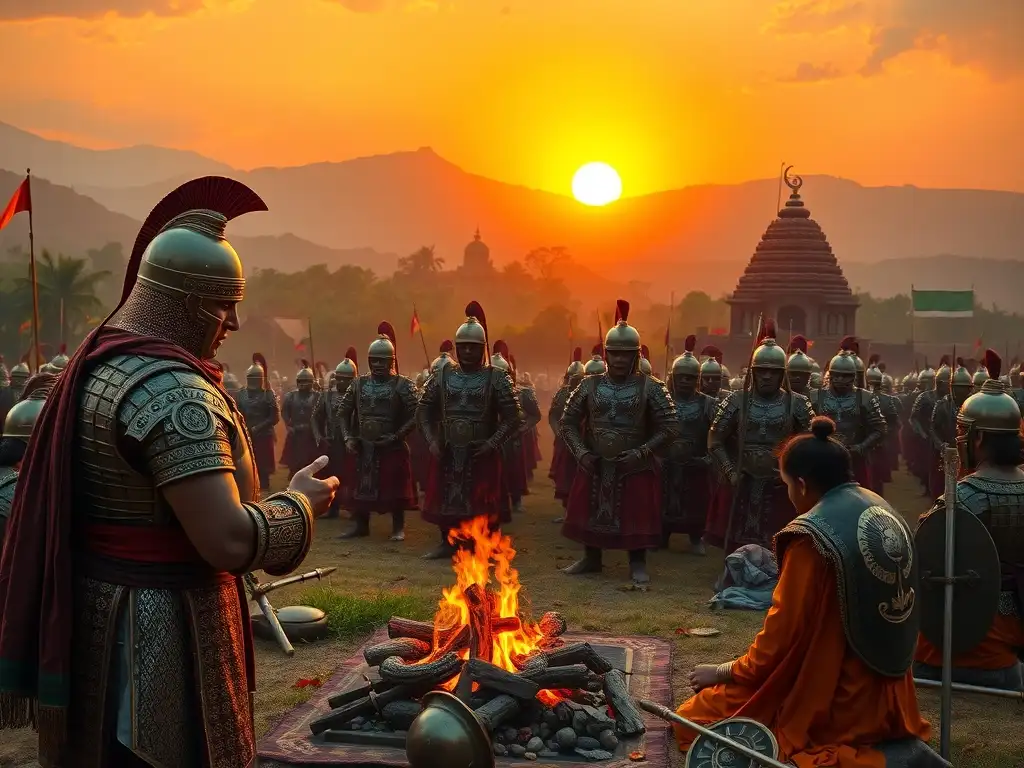
Welcome to Ancient India History, where we embark on an enlightening journey through the rich tapestry of ancient Indian civilizations. Here, we delve deep into the fascinating intersection of religion and warfare, exploring how spiritual beliefs shaped military strategies and justified conflicts throughout the ages. Have you ever wondered how the doctrines of ancient Indian religions influenced the battlefield?
In our featured article, "The Role of Religion in Ancient Indian Warfare: A Sacred Justification," we unravel the sacred narratives that fueled the might of empires from the Indus Valley to the Gupta Empire. Join us as we uncover the profound connections between faith and valor, and ignite your curiosity about a pivotal aspect of military history that is often overlooked.
- Introduction to Ancient Indian Warfare and Religion
- Historical Context of Warfare in Ancient India
- The Role of Religion in Justifying Warfare
- Key Religious Figures and Their Influence on Warfare
- Case Studies of Religion in Ancient Indian Battles
- The Impact of Religion on Soldier Morale and Ethics
- Modern Perspectives on Ancient Indian Warfare and Religion
- Conclusion: The Interconnection of Religion and Warfare in Ancient India
-
Frequently Asked Questions
- What was the significance of religion in ancient Indian warfare?
- How did religious beliefs affect the tactics used in battles?
- Were there specific deities associated with warfare in ancient India?
- How did the concept of dharma influence warfare?
- What role did sacrifices play in ancient Indian warfare?
- Final Reflection: The Sacred Justification of Ancient Indian Warfare
- Unveil the Sacred Strategies of Ancient Warfare!
Introduction to Ancient Indian Warfare and Religion
The interplay between religion and warfare in ancient India presents a fascinating glimpse into the complex socio-political fabric of early civilizations. As we delve into the topic of Ancient Indian warfare religion, we uncover how spiritual beliefs and practices not only influenced the conduct of war but also provided a sacred justification for conflict.
From the strategic maneuvers of the Indus Valley civilization to the valorous tales of the Mahabharata and the expansionist campaigns of the Gupta Empire, religion served as a powerful motivator and legitimizing force. This article aims to explore the intricate relationship between warfare and religion, illustrating how spiritual ideologies shaped military tactics, leadership, and societal values throughout ancient Indian history.
Overview of Ancient Indian Warfare
Ancient Indian warfare was characterized by its unique strategies and diverse military traditions that evolved through various epochs. The earliest records of warfare can be traced back to the Indus Valley civilization (circa 3300 – 1300 BCE), where evidence of fortified cities and advanced weaponry suggests a structured approach to defense and conflict. As time progressed, the Vedic period (circa 1500 – 500 BCE) introduced new dimensions to warfare, notably through the concept of Dharma Yuddha, or righteous warfare, which was deeply intertwined with the prevailing religious beliefs.
The Mahabharata, one of the two great epics of ancient India, provides a narrative that intricately weaves together themes of duty, morality, and martial prowess. The Kurukshetra War, depicted in this epic, serves as a prime example of how religious tenets justified conflicts and the roles of warriors. Military tactics evolved significantly over time, with the Maurya and Gupta empires showcasing sophisticated strategies, organized armies, and the use of elephants and chariots in battle.
Importance of Religion in Ancient Indian Society
Religion in ancient Indian society was not merely a personal belief system but a communal fabric that bound people together through shared rituals, values, and norms. The concept of Dharma—a moral law governing individual conduct—played a pivotal role in shaping societal structures, influencing everything from politics to warfare.
In the context of warfare, religious rituals were often performed to seek blessings for victory, ensure the protection of soldiers, and invoke divine intervention. Kings and warriors frequently consulted priests and sages, who offered guidance on the moral justifications for war and the appropriate conduct during battles.
Moreover, significant religious texts such as the Vedas and the Upanishads provided philosophical foundations that shaped warriors' identities and their understanding of duty in combat. The act of fighting in a righteous cause was seen as a means to uphold Dharma, reinforcing the idea that warfare could be sacred.
Exploring the role of religion in ancient Indian warfare allows us to appreciate how spiritual beliefs not only justified conflicts but also influenced the very nature of military engagements throughout the rich tapestry of ancient Indian history.
Historical Context of Warfare in Ancient India
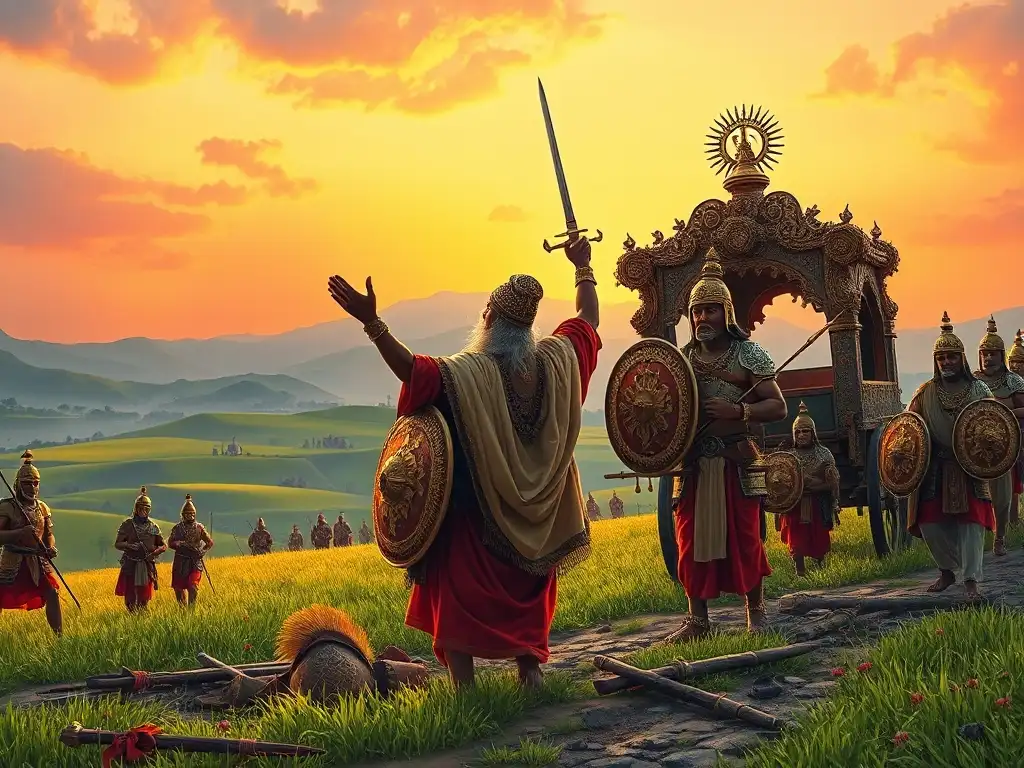
The history of warfare in ancient India is deeply intertwined with its religious and cultural contexts. The evolution of military practices and strategies cannot be understood without recognizing the influence of the prevailing religious ideologies and beliefs. From the Indus Valley civilization through the Vedic period and into the era of powerful empires like the Maurya and Gupta, religion played a pivotal role in justifying and motivating warfare.
Major Conflicts and Battles in Ancient India
Ancient India witnessed numerous significant conflicts that shaped its history. Some of the most notable ones include:
- The Mahabharata War: This epic conflict, often considered a mythological representation, symbolizes the moral dilemmas of warfare. It illustrates how dharma (righteousness) and kshatra (warrior code) dictated the actions of kings and warriors. The Bhagavad Gita, which is part of this epic, provides profound philosophical insights into the justification of war.
- The Battle of Kalinga: Fought in 261 BCE, this battle marked a transformative moment in Indian history. Ashoka, the Mauryan emperor, waged war against the Kalingas, resulting in significant loss of life. The aftermath led Ashoka to embrace Buddhism, profoundly impacting his approach to governance and warfare.
- The Invasions of Alexander the Great: In 326 BCE, Alexander's incursion into India brought about confrontations with local kings, notably King Porus at the Battle of the Hydaspes. This conflict illustrated the melding of Greek and Indian military strategies and the influence of local religions on leadership.
- The Gupta Empire's Expansion: During the Gupta period (approximately 320-550 CE), military campaigns were often justified through religious narratives, promoting the idea of dharma yuddha (righteous war) in their conquests and expansions.
These conflicts not only shaped the political landscape of ancient India but also reflected the religious ideologies that justified the acts of war.
Influence of Religion on Military Strategies
Religion played a crucial role in shaping the military strategies and practices of ancient Indian warfare. Various aspects of religious beliefs influenced how wars were conducted, including:
- Divine Justification: Warriors often sought blessings from gods before battles, viewing their conquests as divinely sanctioned. Rituals, such as sacrifices, were performed to ensure victory and favor from deities. For instance, the worship of Durga before battles symbolized the divine support for a righteous cause.
- Strategic Alliances: Religious affiliations often dictated alliances in warfare. Kings would form coalitions with other rulers sharing similar beliefs, enhancing their military strength. The concept of dharma guided these alliances, emphasizing loyalty and righteousness in their military endeavors.
- Moral Framework: The Hindu concept of dharma provided a moral framework for warfare. It dictated that wars should be fought for just causes, such as protecting one’s kingdom and upholding righteousness. This understanding influenced military leaders' decisions, often leading to the establishment of rules of engagement that aligned with religious teachings.
- Cultural Practices and Tactics: The influence of religion extended to tactical decisions in warfare. For example, the use of elephants in battles was not only a military strategy but also held religious significance, symbolizing power and divine favor.
The relationship between religion and warfare in ancient India is profound and complex. The sacred justifications provided by religious beliefs shaped military strategies, influenced key conflicts, and ultimately defined the nature of ancient Indian warfare. Understanding this relationship is crucial for comprehending the broader historical context of ancient Indian civilizations.
The Role of Religion in Justifying Warfare
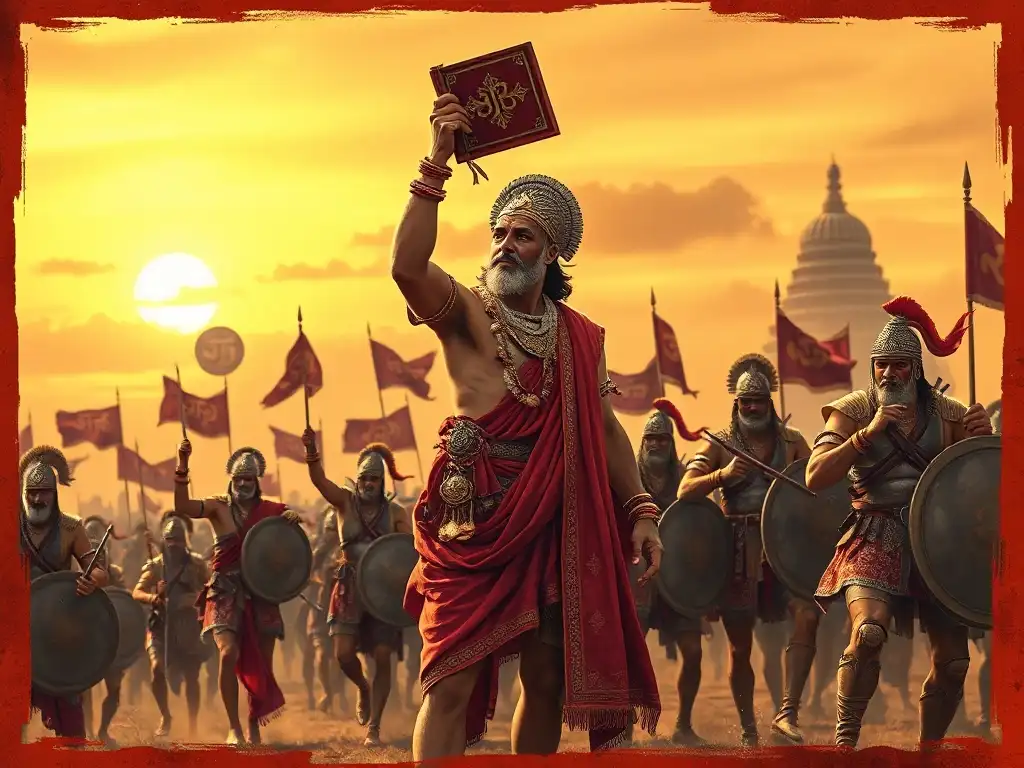
Religion played a pivotal role in ancient Indian warfare, serving as both a moral compass and a source of divine sanction for military actions. Ancient Indian warfare religion intertwined with the cultural and spiritual dimensions of society, providing a framework through which rulers and warriors understood their actions. This divine endorsement was not merely a psychological comfort but also a foundational justification for engaging in combat, influencing the decisions of kings and chieftains throughout various epochs.
Sacred Texts and Their Interpretations
Sacred texts in ancient India are rich sources that elucidate the interplay between religion and warfare. They provide insights into how religious principles were employed to justify conflicts, framing them within a moral narrative that resonated with both warriors and the populace.
The Vedas and Warfare
The Vedas, the oldest sacred texts of Hinduism, contain numerous hymns and rituals that reflect upon the nature of warfare. Notably, the Rgveda includes verses that invoke the favor of deities such as Indra, the god of thunder and warfare, seeking victory in battles. This invocation demonstrates how military leaders turned to divine powers to legitimize their actions and ensure success in warfare.
- Key Themes from the Vedas:
- Invocation of Deities: Rituals aimed at securing divine support in battles.
- Moral Justification: Warfare seen as a duty (dharma) to protect and uphold social order.
- Sacred Warfare: Battles viewed as a means to fulfill religious obligations.
The interpretations of these texts emphasized that engaging in warfare was part of a larger cosmic order, where success in battle was often viewed as a manifestation of divine will and favor.
The Mahabharata and the Concept of Dharma
The Mahabharata, one of the longest epics in the world, offers profound insights into the ethics of warfare through the lens of dharma (righteousness). The narrative of the great Kurukshetra War illustrates the complexities of duty and moral dilemmas faced by warriors.
- Central Themes:
- Arjuna's Dilemma: The protagonist's moral struggle before the battle emphasizes the conflict between personal ethics and societal responsibilities.
- Bhagavad Gita: This section delivers philosophical discourse on duty, righteousness, and the justification for war, highlighting that fighting for one's duty can be a sacred act, even if it involves killing.
- Divine Counsel: Krishna's guidance to Arjuna reinforces the belief that warfare can be divinely sanctioned if it aligns with one's dharma.
The Mahabharata thus frames warfare not just as a physical conflict but as a profound moral undertaking, where the motives and justifications are deeply intertwined with religious beliefs.
Rituals and Prayers Before Battles
Before engaging in warfare, ancient Indian kings and warriors often participated in elaborate rituals and prayers designed to invoke divine protection and favor. These practices were integral to the military culture, reinforcing the belief that success in battle was contingent upon spiritual readiness and divine endorsement.
- Pre-Battle Rituals:
- Yajnas (Sacrificial Rituals): Conducting sacrifices to appease deities and seek blessings for victory.
- Prayers and Mantras: Recitation of specific prayers to invoke protection and strength, often performed by priests on behalf of the warriors.
- Symbolic Offerings: Offering weapons and other items to deities as a means of seeking their approval and support.
These rituals served not only to invoke divine favor but also to unify the troops under a shared religious framework, instilling a sense of purpose and spiritual commitment to their cause.
The intertwining of religion and warfare in ancient India illustrates a complex relationship where sacred beliefs provided the justification for military actions, shaping the conduct and ethics of warfare throughout the ages. Understanding this dynamic is crucial for comprehending the broader context of ancient Indian warfare religion and its enduring impact on military history.
Key Religious Figures and Their Influence on Warfare
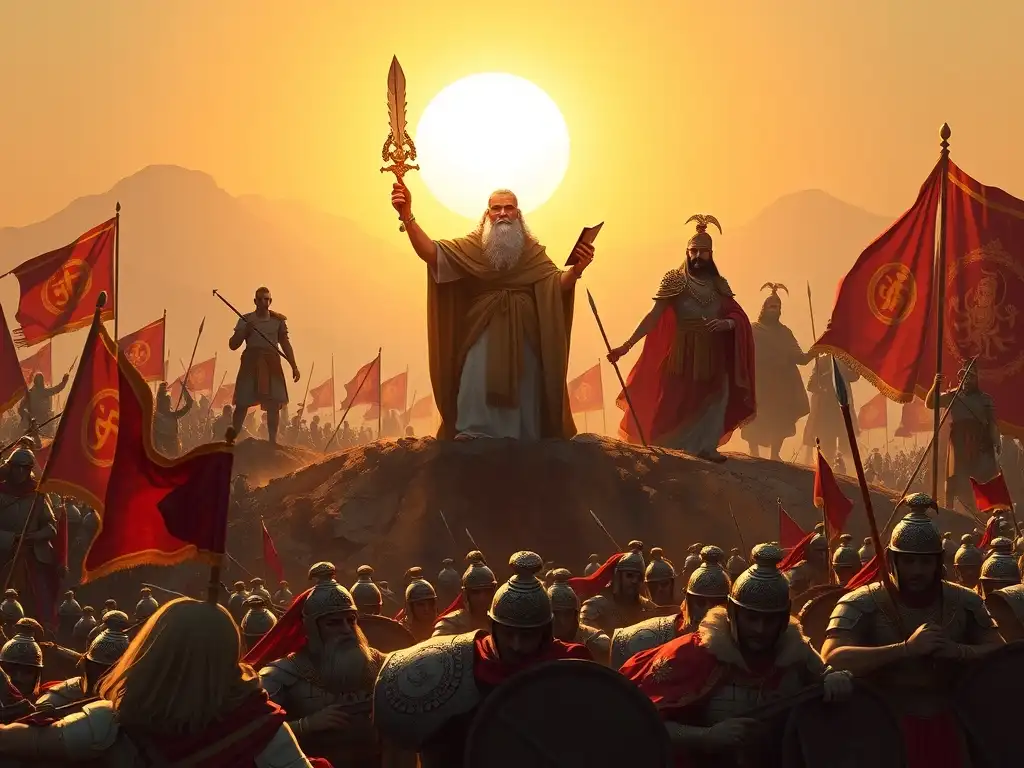
Throughout ancient Indian history, religion played a pivotal role in shaping the motivations, strategies, and justifications for warfare. Key religious figures and their teachings not only influenced the morale of warriors but also provided a framework within which conflicts were understood and justified. This section delves into the significant religious figures and their impact on ancient Indian warfare, focusing on two primary categories: kings and warrior classes, as well as saints and spiritual leaders.
The Role of Kings and Warrior Classes
In ancient India, kings were often seen as divine representatives on earth, their authority legitimized by religious beliefs. The concept of Dharma (righteous duty) was central to this legitimacy, guiding rulers in their decisions regarding warfare. The following elements illustrate the intertwined nature of kingship, religion, and warfare:
- Divine Right of Kings: Ancient Indian kings often claimed descent from gods or were believed to be incarnations of deities. This divine sanction not only justified their rule but also their engagement in warfare. The Mahabharata, one of India's great epics, illustrates this concept through characters like Arjuna, who grappled with moral dilemmas on the battlefield, guided by divine counsel.
- Kshatriya Caste: The warrior class, known as Kshatriyas, held a unique position within the social hierarchy. Their duty was to protect the realm and uphold Dharma. This duty was often framed in religious terms, where engaging in warfare was seen as a sacred obligation. The Manusmriti, an ancient legal text, outlines the responsibilities of Kshatriyas, emphasizing valor in battle as a means to achieve spiritual merit.
- Rituals and Prayers: Before embarking on campaigns, kings would perform specific rituals to invoke blessings from deities. These rituals often included offerings, prayers, and sacrifices aimed at ensuring victory and minimizing casualties. For instance, the Ashwamedha (horse sacrifice) was a significant ritual that not only asserted a king's power but also sought divine favor in warfare.
The intertwining of kingship and religion in ancient Indian warfare created a framework where warfare was not merely a political struggle but a divine mission, reinforcing the idea that battles were fought under the auspices of sacred authority.
Saints and Spiritual Leaders as Military Advisors
In addition to kings, saints and spiritual leaders played a crucial role in shaping the religious context of warfare in ancient India. Their teachings often provided moral guidance and strategic counsel to rulers and warriors alike. Here are some key aspects of their influence:
- Moral Justification: Saints such as Buddha and Mahavira preached principles of non-violence and compassion, yet their teachings were often interpreted in ways that justified conflict when necessary. For example, the concept of righteous war ( Dharma Yudhha) derived from Bhagavad Gita emphasizes the necessity of fighting for justice and the protection of the innocent.
- Spiritual Mentorship: Spiritual leaders often served as advisors to kings, offering counsel on not only ethical warfare but also the spiritual implications of conflict. The presence of a revered saint could inspire troops, instill fear in adversaries, and provide a sense of divine purpose to military campaigns.
- Rituals and Blessings: Spiritual leaders frequently conducted rituals to bless armies before battles, offering prayers for victory and safety. These rituals served to unify the troops under a common spiritual cause, reinforcing their resolve and commitment to the battle ahead. The chanting of mantras or the performance of specific rites were believed to invoke divine protection.
The interplay between spirituality and military strategy in ancient India highlights how religious figures contributed to the broader narrative of warfare. By framing conflict within a sacred context, they not only influenced the decisions of rulers but also shaped the ethos of the warrior classes.
The role of religious figures in ancient Indian warfare was multifaceted, intertwining the realms of politics, ethics, and spirituality. Their influence is a testament to how deeply ingrained religious beliefs were in the fabric of military endeavors, making warfare not just a matter of territorial conquest but a spiritual quest guided by divine principles.
Case Studies of Religion in Ancient Indian Battles
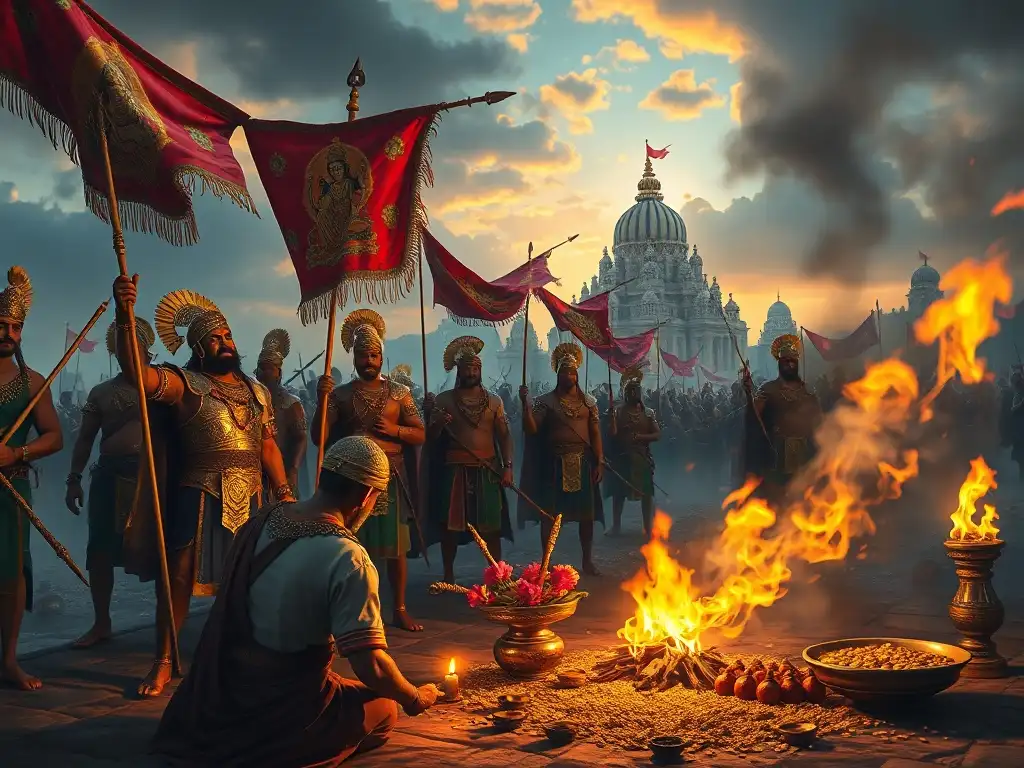
Examining the role of religion in ancient Indian warfare reveals profound connections between spiritual beliefs and military endeavors. Through various case studies, we can observe how religion influenced strategies, justifications, and outcomes of significant battles in Indian history.
The Kurukshetra War: A Religious War
The Kurukshetra War, as depicted in the Mahabharata, stands as a monumental example of how religious ideology shaped warfare in ancient India. This epic conflict, fought between the Pandavas and the Kauravas, is not merely a tale of family feud but a profound moral and spiritual struggle.
- Divine Mandate: The war is framed within the context of Dharma Yuddha (righteous warfare). The Pandavas, guided by the principles of dharma, believed that their cause was divinely sanctioned. This belief is emphasized in the Bhagavad Gita, where Lord Krishna imparts spiritual wisdom to Arjuna, reinforcing the idea that fighting for justice is a sacred duty.
- Moral Dilemmas: The conflict raises significant moral questions, such as the duty of a warrior versus familial loyalty. Arjuna's initial reluctance to fight against relatives speaks to the deep ethical considerations intertwined with religious beliefs. This scenario illustrates how religion served as both a motivator and a source of internal conflict during warfare.
- Rituals and Preparations: Before the battle commenced, elaborate rituals were performed to invoke blessings from the deities. These rites were not only for divine favor but also served to unify the troops under a common spiritual cause. The presence of holy figures and rituals highlighted the sanctity of the conflict, reinforcing the soldiers' resolve.
- Consequences of War: The aftermath of the Kurukshetra War, which led to massive destruction and loss of life, serves as a cautionary tale about the perils of war driven by religious fervor. The spiritual lessons learned from this epic continue to resonate in contemporary discussions about the relationship between warfare and religion.
Other Notable Battles Influenced by Religion
Apart from the Kurukshetra War, several other significant battles in ancient India were shaped by religious considerations, illustrating the pervasive influence of belief systems on military actions.
- The Battle of Kalinga: Fought between the Mauryan Emperor Ashoka and the state of Kalinga, this battle is pivotal in understanding the transformation of a ruler through the lens of religion. The immense loss of life prompted Ashoka to embrace Buddhism, leading to a shift from conquest to compassion. This illustrates how warfare can catalyze profound spiritual changes in leaders.
- The Conquest of Magadha: The conflicts between the early Buddhist kingdoms and the Brahmanical states also demonstrate the intertwining of religion and warfare. The battles for supremacy often had religious undertones, with each side seeking to assert their beliefs and practices over the other.
- The Rise of the Gupta Empire: During the Gupta period, military campaigns were frequently justified through religious narratives. Rulers often presented their conquests as efforts to restore dharma and protect the faith, reflecting the notion that military success was divinely ordained.
- Cultural and Religious Festivals: Many battles coincided with religious festivals, which served to rally troops and reinforce their resolve. The blending of military and religious observance created a unique atmosphere where fighting was seen as a sacred duty.
The interplay between religion and warfare in ancient India is evident in numerous battles, with the Kurukshetra War serving as a quintessential example. Understanding these case studies provides valuable insights into how ancient Indian warfare was often justified and influenced by religious beliefs, shaping the historical narrative of the region.
The Impact of Religion on Soldier Morale and Ethics
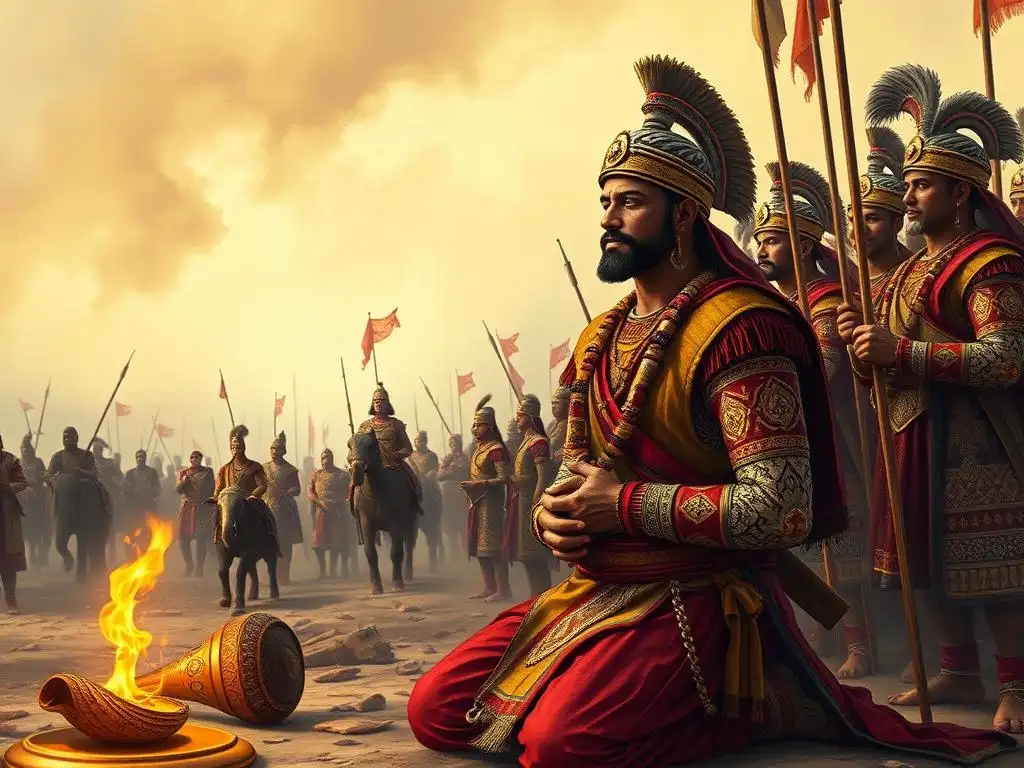
Religion played a pivotal role in shaping the morale and ethical framework of soldiers in ancient Indian warfare. The intertwining of spiritual beliefs and militaristic duties fostered a unique environment where religious convictions significantly influenced the conduct and mindset of warriors. This section delves into how these religious elements served both as a source of motivation and as a guide through the ethical dilemmas faced during conflicts.
Spiritual Beliefs and Soldier Motivation
In ancient India, soldiers were often motivated not only by duty and honor but also by their spiritual beliefs. The concept of Dharma, or duty, was crucial in this context. Warriors were taught that participating in battle was not merely a physical endeavor but also a sacred duty to uphold righteousness. This belief was deeply rooted in various texts, such as the Bhagavad Gita, which emphasized the importance of fighting for justice and dharma.
- Divine Favor: Many soldiers believed that their success in warfare was a reflection of divine favor. They often sought blessings from deities before embarking on military campaigns, engaging in rituals that aimed to invoke protection and strength.
- Sacred Justification: The notion that they were fighting for a just cause—be it the protection of their kin, land, or religious beliefs—provided soldiers with a profound sense of purpose. This motivation often translated into unwavering commitment and bravery on the battlefield.
- Community Support: Religious festivals and communal rituals would bolster the morale of warriors, fostering a sense of unity and shared purpose. The community's involvement in these religious practices created a supportive environment, reinforcing the soldiers' resolve.
The combination of these factors not only motivated individual soldiers but also cultivated a collective spirit that was essential for the success of military campaigns.
Ethical Dilemmas Faced in Warfare
While religion provided motivation, it also presented soldiers with complex ethical dilemmas during warfare. The juxtaposition of dharma and the harsh realities of battle often forced warriors to grapple with conflicting duties and moral questions.
- Just War vs. Moral Conduct: Soldiers faced the challenge of determining what constituted a 'just war.' The desire to protect their homeland and adhere to dharma sometimes clashed with the moral implications of warfare, such as the treatment of prisoners and non-combatants.
- Killing and Consequences: The act of killing in warfare was often seen as a necessary evil, yet it raised profound ethical questions. For many, the fear of incurring sin or the wrath of the gods loomed large. This conflict was notably depicted in the Mahabharata, where the warrior Arjuna hesitated to fight against his own kin, questioning the righteousness of his actions.
- Divine Retribution: Ancient Indian soldiers believed in divine retribution, where transgressions in warfare could lead to severe consequences in this life or the next. This belief in cosmic justice added another layer of ethical consideration, as soldiers weighed the potential repercussions of their actions against their immediate objectives.
These ethical dilemmas highlight the intricate relationship between ancient Indian warfare and religion, where the sacred justifications for battle often intertwined with profound moral questions, shaping the actions and decisions of warriors throughout ancient Indian history.
Modern Perspectives on Ancient Indian Warfare and Religion
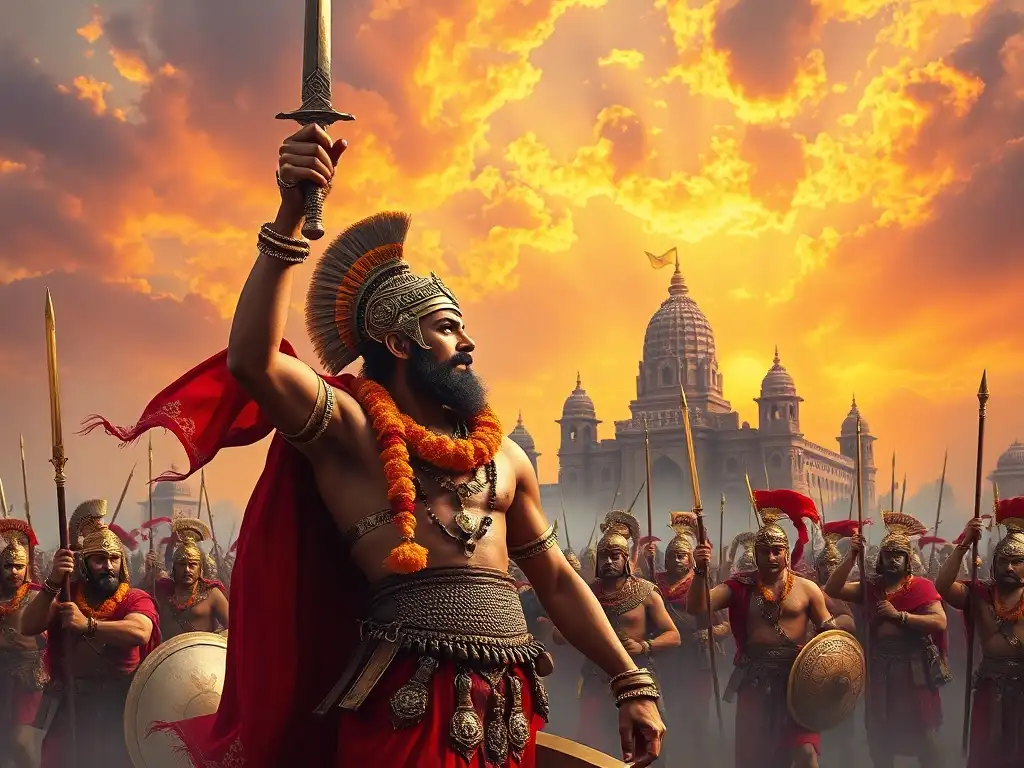
Relevance of Ancient Warfare Religion in Contemporary Discussions
The intersection of religion and warfare in ancient India continues to spark interest in modern discussions, particularly regarding how these historical perspectives inform contemporary military ethics and strategies. Scholars and military historians emphasize that the sacred justifications for warfare in ancient India, primarily derived from texts like the Mahabharata and the Bhagavad Gita, offer a unique lens through which to understand the moral frameworks that governed conflict.
- Divine Mandate: Ancient Indian warfare often invoked divine authority as a means of justifying conflict. Commanders believed they were acting under the guidance of the gods, which legitimized their military actions in the eyes of their followers and society.
- Ethical Frameworks: The principles outlined in religious texts provided ethical considerations for warriors. For instance, the concept of Dharma illustrated the moral obligations a warrior had, often emphasizing the righteousness of fighting for justice rather than conquest.
In contemporary military thought, these ancient principles are examined for their relevance in today’s conflicts. Discussions around just war theory and the moral implications of decisions made in warfare frequently reference these ancient doctrines, encouraging military leaders to reflect on the ethical dimensions of their actions.
The Legacy of Ancient Indian Warfare in Modern Military Thought
The legacy of ancient Indian warfare, intertwined with religious beliefs, has profoundly influenced modern military strategies and philosophies. Key elements of this legacy include:
- Strategic Warfare: The ancient Indian texts provide insights into strategic warfare that resonate with modern military tactics. The focus on psychological warfare, intelligence gathering, and the importance of alliances are themes that can be traced back to ancient practices.
- Cultural Significance: The portrayal of heroes and battles in ancient scriptures has shaped the cultural narratives around warfare. These stories instill a sense of identity and purpose within modern military forces, often drawing parallels between ancient heroes and contemporary soldiers.
- Religious Justifications in Conflict: Even in modern contexts, the use of religious justifications for warfare can be observed. Whether in the rhetoric of leaders or the motivations of soldiers, the echoes of ancient principles persist, highlighting that the intertwining of religion and warfare is a longstanding tradition.
| Aspect | Ancient Indian Warfare | Modern Military Thought |
|---|---|---|
| Justification for War | Divine mandate, Dharma | National interest, ethical considerations |
| Strategic Principles | Psychological tactics, intelligence | Asymmetric warfare, strategic alliances |
| Cultural Narratives | Epic tales of valor and honor | Heroism in military service |
Through these lenses, the relevance of ancient Indian warfare religion remains significant, offering valuable lessons for contemporary military practices and ethical considerations. The ongoing study of these themes not only enriches our understanding of ancient civilizations but also fosters dialogue on the moral implications of warfare in today’s world.
Conclusion: The Interconnection of Religion and Warfare in Ancient India
Summary of Key Points
The exploration of ancient Indian warfare reveals a profound interconnection between religion and military affairs. Throughout various periods, from the Indus Valley Civilization to the Gupta Empire, the following key points emerge:
- Divine Mandate: Many ancient Indian rulers claimed divine sanction for their military campaigns. Kings often portrayed themselves as chosen by the gods to uphold dharma (righteousness) through warfare, making conflicts not merely political but sacred obligations.
- Rituals and Sacrifices: Before engaging in battle, soldiers and commanders would perform specific rituals and sacrifices to invoke blessings from deities. For instance, the Ashvamedha Yajna (horse sacrifice) was believed to enhance the king's power and legitimacy, thus influencing the war's outcome.
- Mythological Justifications: Epic narratives, such as the Mahabharata and Ramayana, provided frameworks for understanding warfare. Characters like Arjuna and Rama embodied the ethical dilemmas of battle, intertwining warfare with spiritual teachings and moral lessons.
- Symbolism and Iconography: Ancient Indian art and literature often depicted deities associated with war, such as Durga and Kali, symbolizing the destructive and protective aspects of warfare. These representations reinforced the belief that divine forces were at play in human conflicts.
Final Thoughts on the Role of Religion in Ancient Indian Warfare
The role of religion in ancient Indian warfare underscores a complex tapestry where faith and conflict coalesce. Rather than viewing warfare solely through a pragmatic lens, it is crucial to acknowledge how religious beliefs shaped the motivations, justifications, and outcomes of military engagements.
As ancient Indian societies navigated the tumultuous landscapes of warfare, religion provided not only a moral compass but also a powerful narrative that justified the sacrifices made by warriors. The intertwining of religion and warfare reveals that ancient Indian warfare was not just a series of battles but a profound expression of the spiritual and cultural ethos of the time.
In essence, the study of ancient Indian warfare religion illuminates the ways in which spirituality and conflict were interwoven, offering insights into the broader historical and cultural dynamics that defined one of the world's oldest civilizations. As we reflect on these connections, we gain a deeper appreciation for the legacies that continue to influence contemporary understandings of conflict and spirituality in India today.
Frequently Asked Questions
What was the significance of religion in ancient Indian warfare?
Religion played a crucial role in ancient Indian warfare, providing moral justification for conflicts and influencing the conduct of war through rituals and beliefs.
How did religious beliefs affect the tactics used in battles?
Ancient Indian warfare tactics were often intertwined with religious significance, where deities were invoked for victory, and rituals were performed to ensure success on the battlefield.
Were there specific deities associated with warfare in ancient India?
Yes, certain deities such as Durga and Kali were worshipped as goddesses of war, providing spiritual support and encouragement to warriors before and during battles.
How did the concept of dharma influence warfare?
The concept of dharma, or duty, dictated the moral and ethical obligations of warriors, often justifying their participation in battles as a means to uphold righteousness and order in society.
What role did sacrifices play in ancient Indian warfare?
Sacrifices were commonly performed to appease gods and seek their favor in warfare, as they were believed to provide divine intervention and ensure victory for the warriors.
Final Reflection: The Sacred Justification of Ancient Indian Warfare
The exploration of religion's role in ancient Indian warfare reveals a profound connection between spirituality and conflict that remains relevant today. In a world where the motivations behind wars often intertwine with ideological beliefs, understanding how ancient civilizations justified their battles through religious frameworks offers critical insights into contemporary conflicts. The sacred justifications of the past echo in modern narratives, reminding us that the interplay of faith and warfare is not merely historical but a persistent aspect of human society.
Culture and society are deeply influenced by the narratives we construct around warfare, and the ancient Indian context serves as a poignant example of this dynamic. The intertwining of religion and warfare not only shaped the strategies and outcomes of battles but also influenced the moral and ethical frameworks within which societies operated. As we reflect on this, we can recall the words of Mahatma Gandhi: An eye for an eye only ends up making the whole world blind.
This sentiment underscores the ongoing relevance of examining how religious justifications can lead to both valor and devastation, urging us to seek peace rather than conflict.
As we move forward, let us take a moment to reflect on the lessons from ancient Indian warfare and its sacred justifications. Consider how the narratives we embrace today can shape our actions and beliefs. In a time when divisions often arise from differing ideologies, we have the opportunity to foster understanding and compassion.
Let us strive to learn from the past, ensuring that our motivations for conflict are rooted in the pursuit of justice and peace, rather than blind adherence to dogma. The legacy of ancient Indian warfare calls us to engage thoughtfully with our beliefs and their implications for our world today.
Unveil the Sacred Strategies of Ancient Warfare!
Thank you for diving into the fascinating intersection of religion and warfare in ancient India! Your eagerness to explore these profound themes not only enriches your knowledge but also connects you to the powerful narratives that shaped history. Now, let’s take meaningful action and further your exploration into this captivating topic.
Here’s how you can continue your journey:
- Delve deeper: Explore scholarly articles and books that focus on how religious beliefs influenced ancient military strategies. Engaging with diverse perspectives will significantly enhance your understanding!
- Share your insights: Discuss this article with friends or fellow history enthusiasts on social media to spark conversations about the complex dynamics of faith and strategy in warfare.
- Join our community: Sign up for our newsletter to receive weekly insights and updates on ancient history — and feel free to share your thoughts or questions directly with us!
What aspect of the relationship between religion and warfare intrigues you the most — the ethical implications, the rituals, or perhaps the influential leaders who embodied these ideals?