
The Dance of the Deities: Exploring Traditional Ceremonies in Ancient India

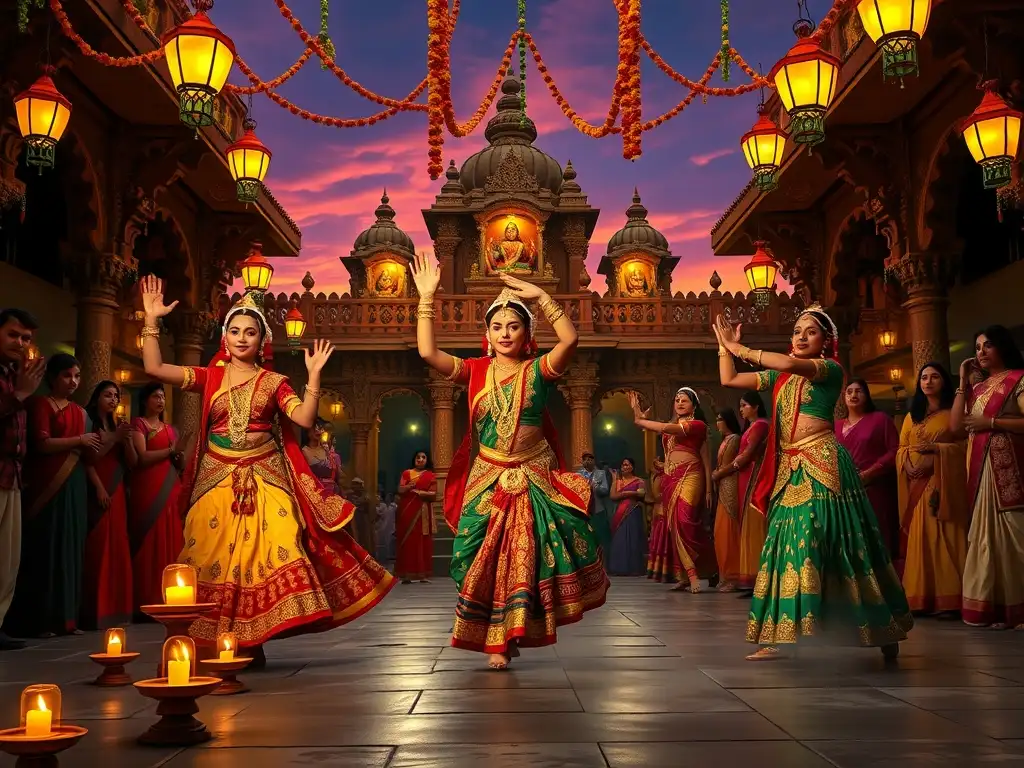
Welcome to Ancient India History, where we invite you to journey through the mesmerizing tapestry of India's past. Here, you will uncover the rich traditions that have shaped the cultural landscape of this vibrant civilization. In our featured article, "The Dance of the Deities: Exploring Traditional Ceremonies in Ancient India," we delve into the enchanting world of traditional Indian dance ceremonies—a captivating expression of devotion and artistry that connects the earthly to the divine.
Prepare to be intrigued as we unravel the stories behind these timeless performances, inviting you to explore the deeper meanings and historical significance that continue to resonate today. Join us as we celebrate the festivals and traditions that have stood the test of time!
The rich tapestry of ancient Indian history is woven with vibrant traditions, rituals, and ceremonies that have shaped the cultural landscape of the subcontinent. Among these, traditional Indian dance ceremonies stand out as a profound expression of spirituality, devotion, and artistry. These dances, steeped in history and often performed in the context of religious rituals, reflect the deep connection between the divine and human experience. From the intricate movements of classical dance forms to the exuberant folk dances celebrated during festivals, each performance tells a story, invoking the presence of deities and celebrating the essence of life itself.
In this article, we will delve into the various traditional Indian dance ceremonies that have transcended time, exploring their historical significance, cultural contexts, and the role they play in contemporary society. Join us as we embark on a journey through the ages, uncovering the sacred rituals and artistic expressions that define the dance of the deities in ancient India.
Historical Context of Dance in Ancient India
The roots of dance in ancient India can be traced back to the Vedic period, where it was integral to religious ceremonies and cultural expressions. The Natya Shastra, an ancient treatise on performing arts attributed to Bharata Muni, lays the foundation for classical Indian dance, outlining various forms, techniques, and the importance of gesture and expression.
- Key Highlights:
- Vedic Rituals: Dance was used as a form of worship, often performed in temple ceremonies to invoke blessings from the gods.
- Natya Shastra: This text not only describes dance techniques but also emphasizes the spiritual and emotional connection between the dancer and the divine.
- Regional Variations: Different regions developed unique styles, influenced by local customs, deities, and narratives.
The Role of Dance in Rituals and Festivals
Traditional Indian dance ceremonies often play a pivotal role during festivals and religious observances, serving as a medium to connect the earthly realm with the divine.
- Major Festivals and Their Dances:
- Navaratri: Celebrated with Garba and Dandiya Raas, these dances honor the goddess Durga.
- Diwali: Traditional dances depict the victory of light over darkness, celebrating the return of Lord Rama.
- Pongal: Folk dances such as Kummi and Kolattam celebrate the harvest and express gratitude to nature.
These performances not only entertain but also educate participants and spectators about cultural heritage and spiritual beliefs.
Contemporary Significance of Traditional Dance Ceremonies
While rooted in ancient practices, traditional Indian dance ceremonies continue to thrive in modern society. They serve as a bridge between generations, preserving cultural identity while adapting to contemporary contexts.
- Revival and Innovation:
- Many traditional forms are being revived through festivals and cultural programs, ensuring their relevance in today’s world.
- Fusion dances, which blend classical and modern styles, are attracting younger audiences and promoting cross-cultural dialogue.
Conclusion
The dance of the deities in ancient India is not merely an artistic performance; it is a profound ritual that embodies the sacred relationship between humans and the divine. As we explore the traditional Indian dance ceremonies, we uncover the rich history, cultural significance, and the vibrant spirit that continues to inspire generations. Through these dances, ancient wisdom and contemporary creativity coexist, ensuring that the legacy of traditional Indian dance ceremonies endures for years to come.
- Historical Context of Dance in Ancient India
- The Role of Dance in Rituals and Festivals
- Contemporary Significance of Traditional Dance Ceremonies
- Conclusion
Introduction to Traditional Indian Dance Ceremonies
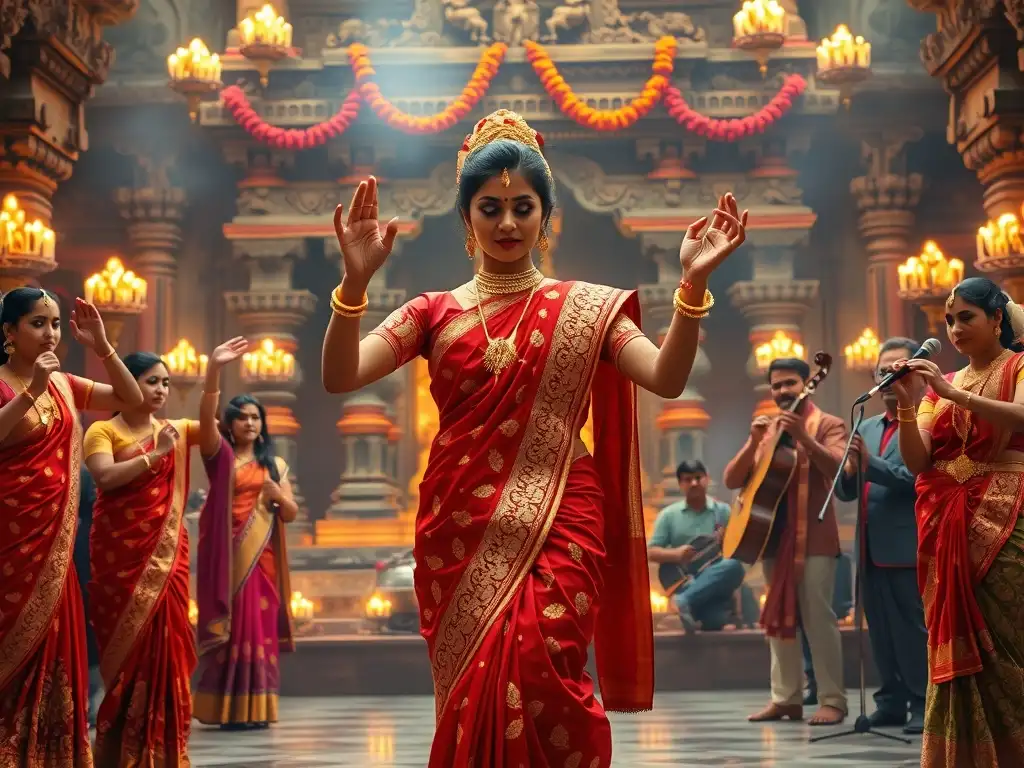
Traditional Indian dance ceremonies represent a vibrant tapestry of cultural expression, spirituality, and artistic prowess. These ceremonies have evolved through centuries, intertwining with the socio-religious fabric of ancient Indian society. They served not only as forms of entertainment but also as significant rituals that played a crucial role in various religious and cultural events.
The roots of traditional Indian dance ceremonies can be traced back to sacred texts, sculptures, and historical accounts, highlighting their importance in ancient Indian civilizations. These performances often depicted stories from epics like the Mahabharata and Ramayana, illustrating the divine and human experience through rhythm, movement, and expression.
Significance of Dance in Ancient Indian Culture
Dance in ancient India was far more than mere performance; it was a medium of communication between humans and the divine. The significance of traditional dance ceremonies can be understood through several key aspects:
- Spiritual Connection:
- Dance was often seen as a form of worship, where performers would dedicate their art to deities. This connection not only honored the divine but also enriched the spiritual lives of the community.
- The Natya Shastra, an ancient treatise on performing arts attributed to Bharata Muni, emphasizes the spiritual and ritualistic elements of dance, classifying it as a form of "Natyadharma," or the duty of aesthetics.
- Cultural Identity:
- Each dance form represented distinct regional and cultural identities, showcasing the diversity of ancient Indian society. For example, Bharatanatyam from Tamil Nadu, Kathak from North India, and Odissi from Odisha each tell unique stories rooted in their respective traditions.
- These performances fostered community bonding and provided a sense of belonging among individuals, reinforcing cultural heritage.
- Ritualistic Role:
- Dance ceremonies were integral to various life-cycle rituals (samskaras), seasonal festivals, and religious observances. They were crucial during auspicious occasions such as weddings, harvest celebrations, and temple festivals.
- The rhythmic movements and accompanying music were believed to invoke blessings from the deities, thus serving as a medium for auspiciousness and prosperity.
Overview of Traditional Indian Dance Ceremonies
Traditional Indian dance ceremonies encompass a wide variety of styles, each with its unique characteristics, themes, and purposes. Below are some of the most prominent forms:
- Bharatanatyam:
- Originating from Tamil Nadu, Bharatanatyam is one of the oldest classical dance forms in India, characterized by intricate footwork, expressive hand gestures (mudras), and facial expressions (abhinaya). It often narrates stories from Hindu mythology.
- Kathak:
- This dance form is known for its graceful movements and storytelling through dance. Originating from Northern India, it combines footwork, spins, and expressive gestures, often depicting themes of love and devotion.
- Odissi:
- Hailing from Odisha, Odissi is distinguished by its fluid movements and lyrical expressions. It often reflects temple sculptures, with dancers performing in a manner that evokes the divine.
- Kuchipudi:
- This dance form from Andhra Pradesh is known for its dramatic narratives and vibrant expressions. It integrates dialogue, acting, and music, making it a unique and captivating performance.
- Manipuri:
- Originating from the northeastern state of Manipur, this dance form is characterized by graceful movements, hand gestures, and elaborate costumes. It often depicts themes of nature and devotion.
| Dance Form | Region | Key Features |
|---|---|---|
| Bharatanatyam | Tamil Nadu | Intricate footwork, expressive gestures, narrative |
| Kathak | North India | Spins, storytelling, themes of love |
| Odissi | Odisha | Fluid movements, lyrical expressions |
| Kuchipudi | Andhra Pradesh | Dramatic narratives, integration of acting |
| Manipuri | Manipur | Graceful movements, nature and devotion themes |
Traditional Indian dance ceremonies are not just performances but are deeply rooted in the spiritual, cultural, and social frameworks of ancient India. They serve as a bridge connecting the past with the present, preserving the rich traditions and artistic expressions that continue to thrive in modern India.
Historical Context of Dance Ceremonies in Ancient India
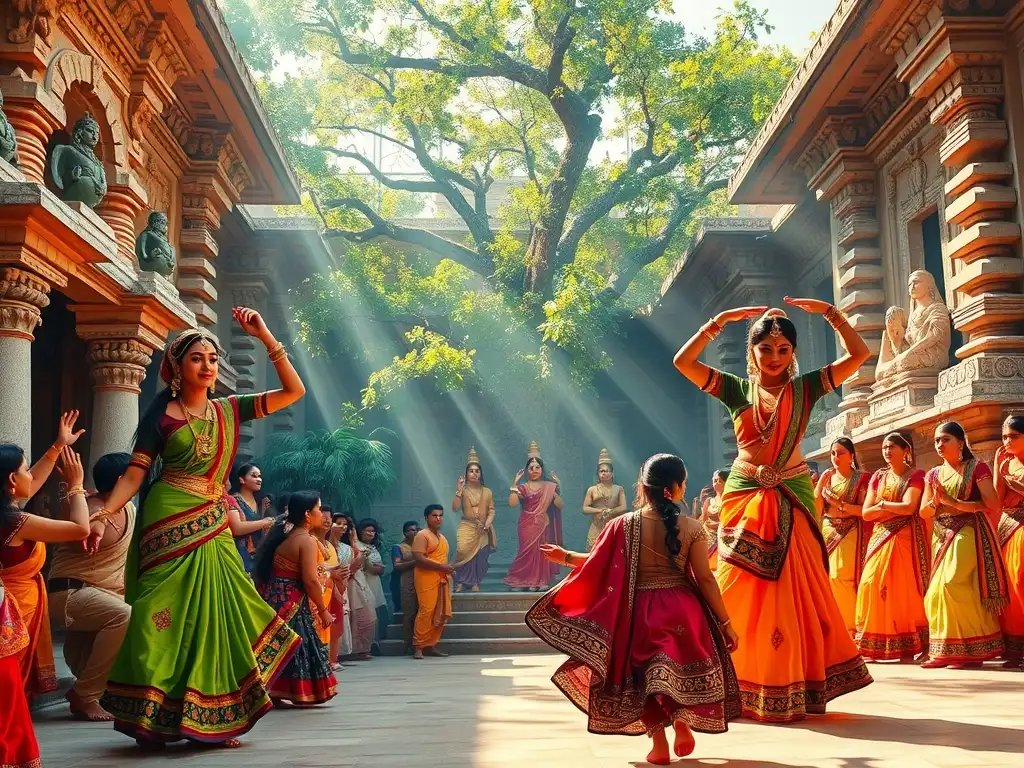
Dance has been an integral part of Indian culture for millennia, serving as both a form of artistic expression and a medium for spiritual connection. The roots of traditional Indian dance ceremonies can be traced back to the early civilizations of the Indus Valley, where archaeological findings suggest that dance was a significant component of cultural and religious life.
The ancient texts, including the Vedas and the Natya Shastra, highlight the importance of dance in rituals and ceremonies. The Natya Shastra, attributed to Bharata Muni, is a foundational treatise on the performing arts, detailing not only the techniques of dance but also its theoretical aspects. This seminal work emphasized the significance of dance in conveying stories and emotions, establishing its role as a revered art form in ancient India.
The historical context of dance ceremonies is also marked by the patronage of various dynasties, including the Mauryas and the Guptas, who promoted artistic endeavors, including dance and drama, within their courts. These royal endorsements helped in the formalization and standardization of dance styles, contributing to the rich tapestry of traditional Indian dance.
Evolution of Dance Forms in Ancient India
The evolution of dance forms in ancient India is a fascinating journey marked by regional variations and the influence of various cultural interactions. Initially, dance was predominantly a folk art, deeply rooted in local traditions. Over time, these folk dances began to evolve, integrating elements from different regions and communities.
- Classical Dance Forms: By the time of the Gupta Empire (approximately 320-550 CE), several classical dance forms began to emerge. The major classical styles—such as Bharatanatyam, Kathak, Odissi, and Manipuri—were formalized during this period. Each of these styles reflects the ethos of the region it hails from, showcasing unique movements, costumes, and themes. For instance:
- Bharatanatyam originated in Tamil Nadu and is characterized by intricate footwork and expressive hand gestures.
- Kathak, which traces its origins to the northern parts of India, is known for its storytelling through fast-paced footwork and spins.
- Folk Dance Influences: Folk dances continued to thrive alongside classical forms, often performed during festivals, weddings, and harvest celebrations. These dances, such as Bhangra from Punjab and Garba from Gujarat, served as communal gatherings that fostered social bonds.
- Integration of Dance and Music: With the evolution of dance forms, the integration of music became pivotal. Ancient texts indicate that music and dance were considered inseparable, and together they served as vehicles for spiritual expression and storytelling.
As dance forms evolved, they became an essential component of various ceremonies, ranging from religious festivities to royal courts, reflecting the cultural richness of ancient India.
Influence of Religion and Mythology on Dance
Religion and mythology have significantly influenced traditional Indian dance ceremonies, imbuing them with deeper meanings and narratives.
- Spiritual Significance: Dance in ancient India was often seen as a means to communicate with the divine. Many traditional dances were performed as offerings to deities during religious ceremonies. For example, Bharatanatyam was originally performed in temples as a form of worship, depicting stories from Hindu mythology.
- Mythological Narratives: The themes of many dance performances are drawn from ancient texts such as the Ramayana and Mahabharata. Dancers often portray mythological characters, enacting epic tales that convey moral lessons and cultural values. These performances not only entertain but also serve to educate the audience about their heritage.
- Ritualistic Elements: Dance ceremonies were often ritualistic, combining elaborate costumes, makeup, and music to create a holistic experience. The use of traditional instruments like the tabla and mridangam further enhances the ceremonial aspect, creating a sensory experience that connects performers and spectators alike to the spiritual realm.
- Symbolism in Movements: The movements in traditional Indian dance are laden with symbolism, where each gesture (mudra) conveys specific meanings. This codified language of gestures is integral to the storytelling aspect of the dance, allowing performers to express emotions and narratives without the need for words.
The influence of religion and mythology on traditional Indian dance ceremonies is profound, shaping their evolution and significance throughout history. By intertwining spirituality with artistic expression, these ceremonies continue to be celebrated as vital components of India's cultural heritage.
Major Traditional Indian Dance Ceremonies
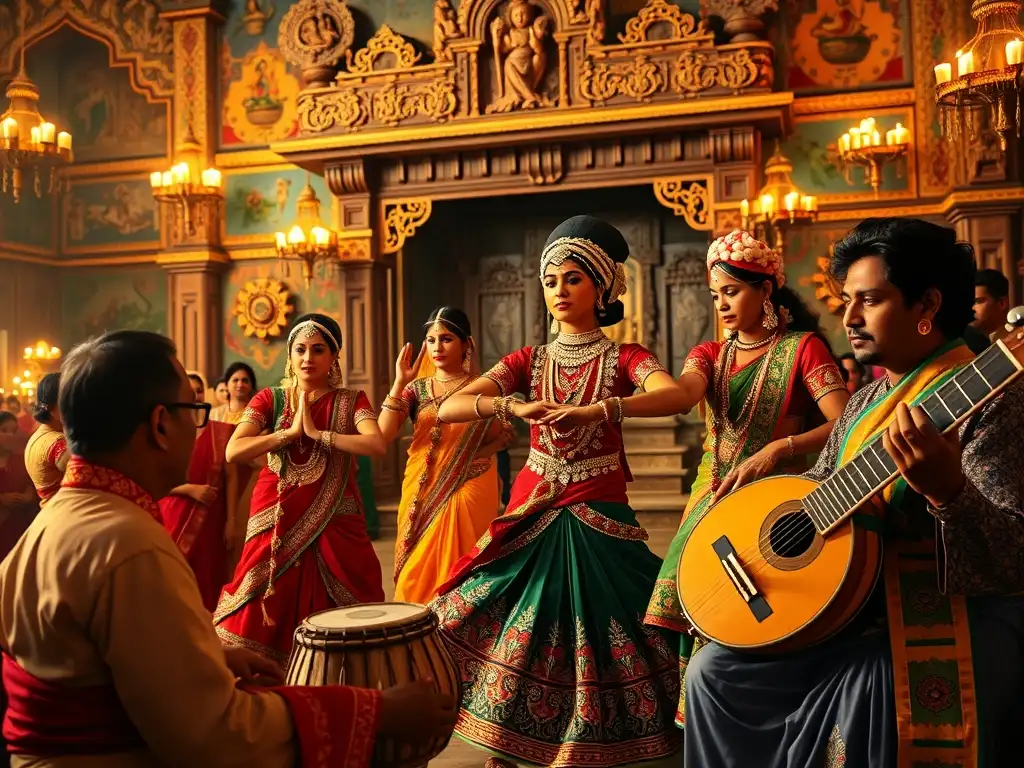
Traditional Indian dance ceremonies are an integral part of India's cultural heritage, serving as a medium for storytelling, spiritual expression, and social interaction. These dance forms not only reflect the rich diversity of Indian culture but also embody the philosophies and beliefs of ancient civilizations. Among the plethora of dance traditions, Bharatanatyam and Kathak stand out as significant representations of the ceremonial arts in India.
Bharatanatyam: The Sacred Dance of Tamil Nadu
Bharatanatyam is one of the oldest classical dance forms of India, originating in the temples of Tamil Nadu. It is characterized by its graceful movements, expressive facial gestures, and intricate footwork, representing a blend of spirituality and artistic expression.
Historical Roots and Cultural Significance
Bharatanatyam has deep historical roots, tracing back to ancient texts such as the Natya Shastra, a comprehensive treatise on the performing arts written by Bharata Muni around 200 BCE to 200 CE. Initially performed by Devadasis (temple dancers), this dance was an offering to deities during religious ceremonies.
The dance form has evolved through various phases, reflecting societal changes and the patronage of royal courts. Today, Bharatanatyam is not only a performance art but also a medium for cultural preservation, conveying stories of Hindu mythology and spirituality. The dance serves as a reminder of the rich cultural tapestry of ancient India and its enduring legacy in contemporary society.
Key Elements and Techniques of Bharatanatyam
Bharatanatyam involves a combination of three main elements:
- Nrita (pure dance): This focuses on rhythmic footwork and body movements that do not convey any specific meaning.
- Nritya (expressive dance): Involves facial expressions and hand gestures (mudras) that communicate emotions and narratives.
- Natya (dramatic dance): Incorporates storytelling, often depicting divine and mythological events.
The performance is structured around a series of items, including:
- Alarippu: A rhythmic invocation.
- Jatiswaram: A pure dance piece that combines rhythm and melody.
- Varnam: A centerpiece that showcases both technical prowess and emotive storytelling.
- Tillana: A lively dance piece that concludes the performance, often accompanied by traditional musical instruments.
The intricate footwork, vibrant costumes, and elaborate stage settings contribute to the visual appeal of Bharatanatyam, making it a captivating experience for audiences.
Kathak: The Storytelling Dance of North India
Kathak, another prominent form of traditional Indian dance, is known for its storytelling elements and expressive movements. Originating in North India, it has been influenced by various cultural interactions, particularly during the Mughal era.
Origins and Development of Kathak
Kathak's origins can be traced to the Kathakars, or storytellers, who traveled across the country narrating tales from Hindu epics like the Mahabharata and Ramayana. Over time, the dance form absorbed elements from Persian and Mughal traditions, leading to a unique fusion of styles.
During the Mughal period, Kathak gained prominence in the royal courts, where it was performed for the nobility. This era saw the incorporation of intricate footwork, spins (chakkars), and expressive gestures, transforming Kathak into a sophisticated art form. Today, Kathak is celebrated for its versatility, captivating audiences with its narrative depth and technical brilliance.
The Role of Music and Rhythm in Kathak Performances
Music and rhythm play a crucial role in Kathak performances. The dance is typically accompanied by classical Hindustani music, featuring instruments like the tabla, harmonium, and sitar. The rhythmic patterns (tala) create a dynamic interplay between the dancer and the accompanying musicians.
Kathak performances often consist of several components:
- Thumri: A lyrical piece, rich in emotion and often focused on themes of love and devotion.
- Tarana: A rhythmic composition that combines syllables and melodies, showcasing the dancer’s skill.
- Shloka: Verses from scriptures that enhance the spiritual aspect of the performance.
The dancer's ability to synchronize movements with intricate rhythmic patterns creates a mesmerizing experience, allowing the audience to connect with the narrative on a deeper level. Through its expressive storytelling and rhythmic complexity, Kathak exemplifies the richness of traditional Indian dance ceremonies.
Odissi: The Dance of the Temples
Odissi, one of the oldest classical dance forms of India, originates from the eastern state of Odisha. This dance form is not merely a performance; it is a spiritual offering that embodies the sacred traditions of the temples where it flourished. With its roots deeply intertwined with the worship of deities, Odissi is characterized by intricate footwork, expressive hand gestures (mudras), and graceful body movements. The dance often narrates tales from Hindu mythology, particularly those associated with Lord Krishna and his divine exploits.
Historical Background and Devotional Aspects
The history of Odissi can be traced back over 2,000 years, with references found in ancient texts and sculptures, particularly in the temples of Odisha. The dance was initially performed by Devadasis, women dedicated to temple service, who used dance as a form of worship. These performances were integral to rituals and ceremonies, offering devotion to the gods.
During the medieval period, the patronage of kings led to the further development and refinement of Odissi. The dance underwent a revival in the 20th century, largely attributed to the efforts of artists like Guru Kelucharan Mohapatra and Padma Bibhushan Sankha Ghosh, who redefined and popularized this art form. Today, Odissi is celebrated globally and is recognized for its deep spiritual essence and aesthetic beauty.
Unique Features and Styles of Odissi
Odissi is distinct for its unique stylistic elements, which include the Mukhya Abhinaya (facial expressions), Hasta Mudras (hand gestures), and the Tribhangi posture, where the body is bent at three points—head, torso, and knee.
The dance is typically performed in two main styles:
- Mahari: This style emphasizes the Devadasi tradition, showcasing graceful movements and lyrical expressions, often set to devotional themes.
- Gotipua: Traditionally performed by young boys dressed as girls, this style is energetic and features acrobatic movements, displaying both grace and vigor.
Odissi performances often incorporate live music, instrumental accompaniment, and traditional songs, enhancing the overall spiritual experience.
Kathakali: The Dramatic Dance of Kerala
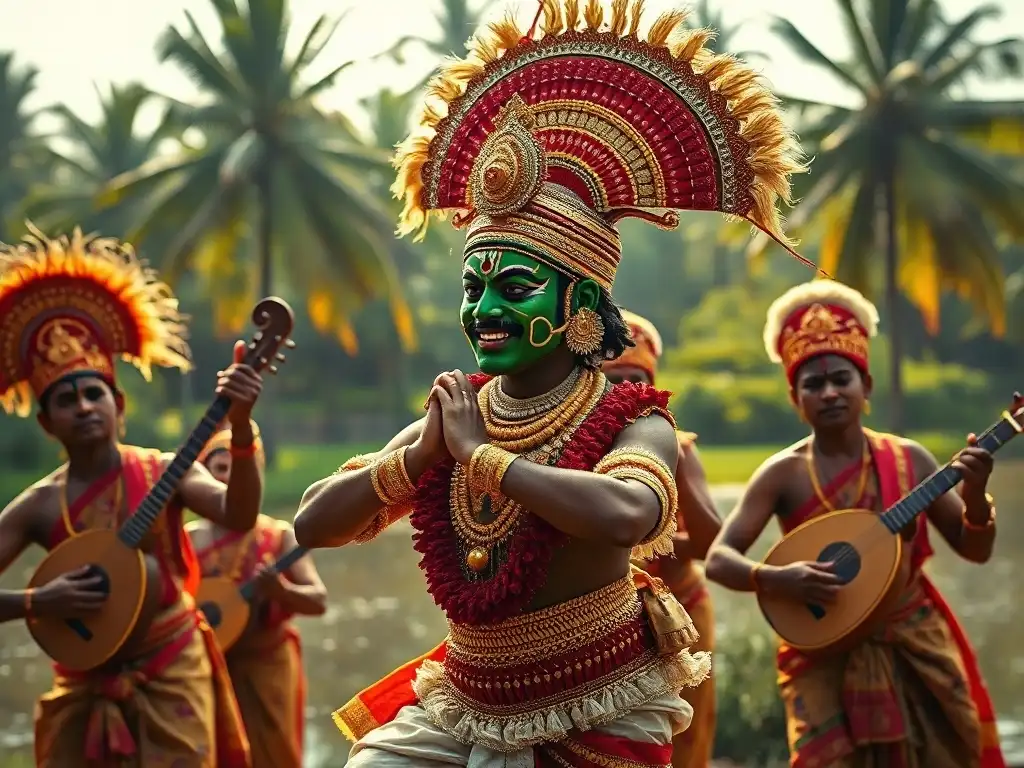
Kathakali is a vibrant and dramatic dance form from the southwestern state of Kerala, known for its elaborate storytelling through dance and music. Originating in the 17th century, Kathakali blends dance, drama, and visual arts, making it one of the most visually stunning and culturally rich performing arts in India. The performances are deeply rooted in Hindu mythology, with a focus on the epic tales of the Mahabharata and Ramayana.
Mythological Themes and Characters in Kathakali
The themes of Kathakali are predominantly drawn from ancient Indian epics and Puranas, depicting various characters, including gods, demons, and heroes. Each performance features a specific narrative, often showcasing the battle between good and evil. The characters are categorized into different types based on their moral standing, including:
- Daasiyans (Noble characters, typically portrayed in green makeup),
- Kathi (Characters with a sharp, villainous edge, often depicted with a sword),
- Minukku (Gentle characters, portrayed with subtle facial expressions and softer colors).
The stories are conveyed through a combination of expressive facial gestures ( abhinaya), intricate footwork, and dramatic movements that captivate the audience, drawing them into the narrative.
Costumes and Make-Up: A Visual Extravaganza
One of the most striking aspects of Kathakali is its elaborate costumes and makeup, which play a crucial role in character portrayal. The makeup is meticulously applied, using a variety of natural materials to create vibrant colors and distinct character profiles.
Key elements include:
- Face Paint: Different shades signify different character types; for instance, green represents noble characters while red and black denote evil ones.
- Costumes: The costumes are lavish and grand, often adorned with rich fabrics and intricate jewelry, adding to the overall visual appeal.
- Headgear: Elaborate headpieces and ornaments are utilized to enhance the dramatic effect, often representing the character's status within the narrative.
This combination of expressive storytelling, stunning visuals, and rhythmic music makes Kathakali a unique and compelling art form that continues to enchant audiences worldwide.
Manipuri: The Graceful Dance from Manipur
Manipuri dance, originating from the northeastern state of Manipur, is a classical dance form that is steeped in tradition and spirituality. Characterized by its graceful movements and intricate footwork, Manipuri dance is not just an art form but a medium to express devotion and narrate stories from Hindu mythology. This dance form is particularly known for its portrayal of the themes of love and devotion, especially those associated with Lord Krishna and Radha. The dance often takes place in the context of ritualistic ceremonies, festivals, and social celebrations, reflecting the vibrant culture of the Manipuri people.
Religious Significance and Cultural Heritage
The religious significance of Manipuri dance is deeply rooted in the rituals of Vaishnavism, a sect of Hinduism that worships Lord Vishnu and his avatars. Many performances are dedicated to the life and exploits of Lord Krishna, showcasing his playful interactions with the gopis (cowherd girls) and his divine love for Radha. The dance is often performed in temples and during religious festivals, serving as a form of worship and storytelling.
Culturally, Manipuri dance is a vital part of the heritage of Manipur. It not only reflects the shared beliefs and values of the community but also acts as a means of preserving the history and traditions of the Manipuri people. The dance incorporates elements of local folklore, music, and costumes, which are rich in symbolism and meaning. Traditional attire, such as the 'chadar' and 'innaphi', is worn during performances, adding to the visual splendor and cultural authenticity of the dance.
The Fluid Movements and Styles in Manipuri Dance
Manipuri dance is renowned for its fluid and graceful movements, which are often described as being gentle and meditative. Unlike some other Indian dance forms that emphasize vigorous footwork and sharp gestures, Manipuri focuses on soft, flowing motions that create a sense of harmony and tranquility. The dance incorporates a variety of styles, each with its unique characteristics:
- Ras Leela: This is perhaps the most famous style of Manipuri dance, depicting the divine love between Krishna and Radha. It involves group performances that symbolize the playful interactions of Krishna with the gopis.
- Pung Cholam: A vibrant and energetic style that features drummers performing while executing acrobatic movements. This style showcases the rhythmic aspect of Manipuri dance and is often performed during celebrations.
- Nata Sankirtana: A devotional form that combines singing and dancing, typically performed in a temple setting as part of worship. It emphasizes the spiritual connection between the performer and the divine.
The fluidity of movement in Manipuri dance is enhanced by specific techniques, such as the use of 'mudras' (hand gestures) and 'abhinaya' (expressive facial and bodily movements), which collectively convey deep emotions and narratives. The dances are usually accompanied by traditional Manipuri music, featuring instruments like the 'pung' (drum) and 'penna' (flute), further enriching the overall experience.
Manipuri dance is a celebration of spirituality, culture, and community, making it a significant aspect of the traditional Indian dance ceremonies that continue to thrive in contemporary society.
The Role of Dance in Rituals and Ceremonies
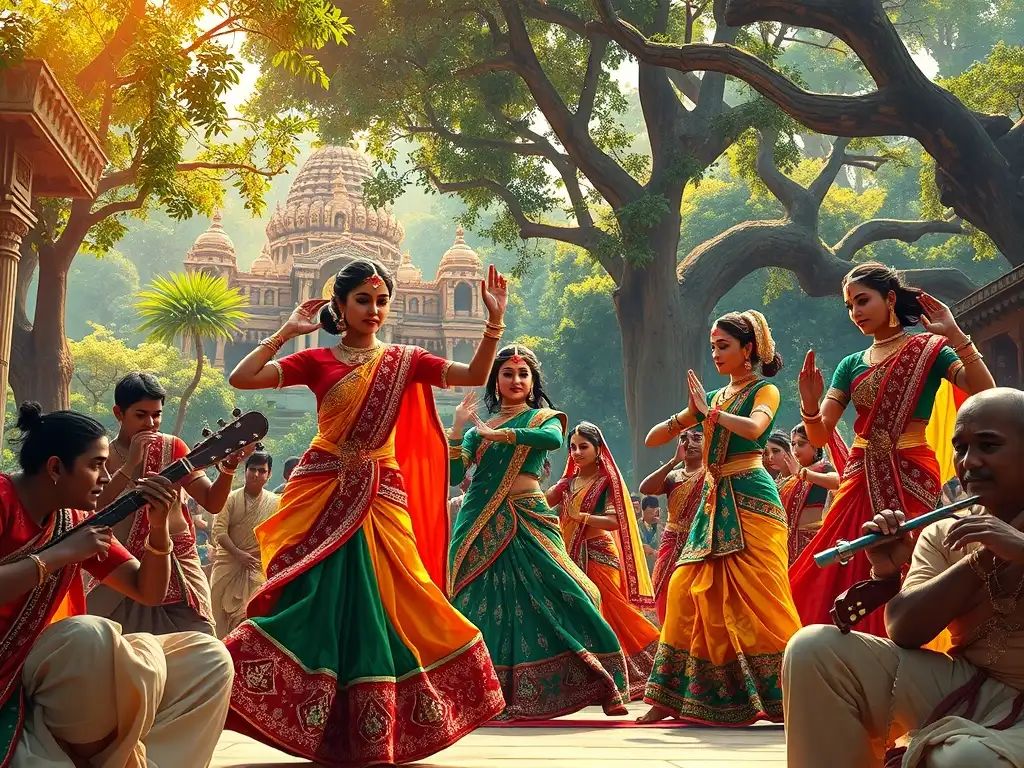
The role of dance in ancient Indian rituals and ceremonies is profound and multifaceted. Traditional Indian dance ceremonies serve not only as a means of artistic expression but also as a significant spiritual practice that connects the physical world with the divine. These ceremonies often involve intricate choreography, elaborate costumes, and rich symbolism, reflecting the cultural heritage and religious beliefs of the time.
In ancient India, dance was regarded as a sacred offering to the deities. It was believed that through dance, practitioners could seek blessings, express devotion, and convey stories from sacred texts. The movements, gestures, and rhythms used in these dances were meticulously designed to evoke emotions and transcend the physical realm, creating a bridge between the material world and the spiritual.
Dance as a Form of Worship in Traditional Indian Ceremonies
In many traditional Indian dance ceremonies, the act of dancing itself is considered a form of worship. Various classical dance forms, such as Bharatanatyam, Kathak, Odissi, and Manipuri, have deep roots in religious traditions and are often performed in temples and during festivals dedicated to deities.
- Bharatanatyam is known for its expressive hand gestures (mudras) and facial expressions (abhinaya), which narrate stories from Hindu mythology. Dancers typically perform in front of an altar, offering their movements as a prayer to the gods.
- Kathak, originating from North India, incorporates storytelling through dance. It often portrays tales of Krishna and Radha, emphasizing the emotional connection between the divine and the devotees.
- Odissi, one of the oldest dance forms, is characterized by its fluid movements and poses that depict various deities. The performance is often a ritualistic offering, with dancers invoking blessings through their art.
The intricate choreography in these ceremonies is not merely for entertainment; it is a spiritual experience intended to invoke the presence of the divine. The dancers, seen as mediums, channel the energy of the deities they represent, creating a sacred atmosphere that enhances the devotional experience for the audience.
Integration of Dance in Festivals and Celebrations
Traditional Indian dance ceremonies are integral to various festivals and celebrations across ancient Indian society. Each festival has its unique set of dances that are performed to honor the deities and celebrate cultural heritage.
- Navratri: This nine-night festival dedicated to the goddess Durga features vibrant Garba and Dandiya Raas dances. These communal dances symbolize the triumph of good over evil and foster a sense of unity among participants.
- Diwali: During the Festival of Lights, traditional dance performances often accompany the rituals, enhancing the celebratory atmosphere. Classical dances may be performed to narrate the story of Lord Rama’s return to Ayodhya, symbolizing the victory of light over darkness.
- Pongal: In Tamil Nadu, this harvest festival includes traditional folk dances like the Kummi and Kolattam, which celebrate agricultural abundance and express gratitude to nature.
- Holi: The festival of colors is marked by joyous dance and music, where participants engage in spontaneous dance, celebrating love and the arrival of spring.
The integration of dance in these festivals not only preserves ancient traditions but also allows communities to come together in celebration, reinforcing cultural identities and shared values. The rhythmic beats of drums and the vibrant movements of dancers create an atmosphere of joy and reverence, making traditional Indian dance ceremonies a vital aspect of ancient and contemporary cultural practices.
Traditional Indian dance ceremonies hold a significant place in the rituals and celebrations of ancient India, serving as a powerful medium of worship and a celebration of cultural identity. Through their intricate movements and spiritual significance, these dances continue to resonate with audiences, bridging the past and the present.
Influences of Traditional Indian Dance on Contemporary Culture
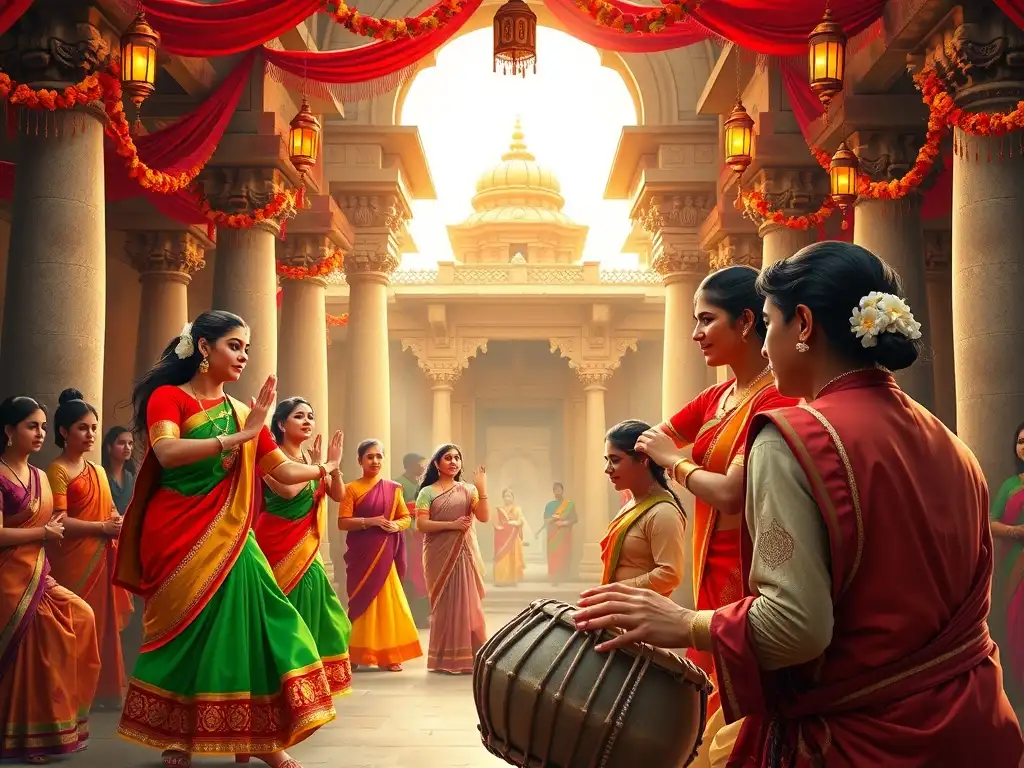
Preservation of Ancient Dance Forms in Modern Times
The preservation of traditional Indian dance forms is a vital aspect of maintaining cultural identity and heritage. Various classical dance styles, such as Bharatanatyam, Kathak, Odissi, Kathakali, and Manipuri, have roots that trace back to ancient rituals and ceremonies. These dance forms are not merely art; they are a repository of history, mythology, and spirituality, often conveying stories and teachings from ancient texts.
Key Factors in Preservation:
- Guru-Shishya Parampara: This age-old tradition of teacher-student transmission ensures that intricate techniques and philosophies are passed down through generations. Many dance schools and cultural organizations uphold this practice, enabling students to learn authentic styles.
- Institutional Support: Organizations like the Sangeet Natak Akademi and various cultural trusts are instrumental in promoting traditional dance. They host festivals, workshops, and competitions that encourage performances of classical dance, thereby keeping the forms alive.
- Documentation and Research: Scholars and practitioners are actively involved in researching and documenting traditional dance forms. This includes recording performances, writing treatises, and creating visual media that help in understanding the nuances of these dances.
- Cultural Festivals: Events such as the Khajuraho Dance Festival and the Natya Mela serve as platforms for showcasing traditional dance. These festivals attract audiences from around the world, fostering appreciation and understanding of ancient dance forms.
Fusion of Traditional and Contemporary Dance Styles
The fusion of traditional Indian dance with contemporary styles has led to innovative expressions that resonate with the modern audience. This blend not only highlights the versatility of traditional dance but also reflects the dynamic nature of cultural evolution.
Elements of Fusion:
- Incorporation of Modern Themes: Contemporary interpretations often incorporate themes relevant to today's society, addressing issues like gender equality, environmentalism, and social justice. This relevance enhances the connection between the audience and the performance.
- Collaboration Across Genres: Many artists collaborate with practitioners from other dance forms, including ballet, hip-hop, and folk dances. This creates a rich tapestry of movement that draws from various traditions while maintaining the essence of Indian dance.
- Use of Technology: The integration of technology, such as digital media and innovative stage designs, elevates traditional performances. This modern approach attracts younger audiences who may find traditional presentations less engaging.
- Experimental Choreography: Choreographers are increasingly experimenting with traditional dance, blending classical techniques with modern dance forms to create new narratives. This experimentation allows for a fresh interpretation while respecting the roots of the dance.
The influences of traditional Indian dance on contemporary culture are profound. The preservation efforts ensure that ancient dance forms remain relevant, while the fusion with contemporary styles promotes innovation, making traditional Indian dance ceremonies a vibrant aspect of both heritage and modern performance art.
Conclusion: The Enduring Legacy of Traditional Indian Dance Ceremonies
Traditional Indian dance ceremonies are not merely forms of artistic expression; they are vital threads in the tapestry of India's rich cultural heritage. From the sacred rituals of the temples to the vibrant festivities that mark seasonal celebrations, these dances embody the beliefs, stories, and practices of ancient Indian civilizations. Each performance serves as a conduit through which history, philosophy, and spirituality are conveyed, preserving the essence of India's past for future generations.
The legacy of these ceremonies is evident in their continued evolution and adaptation, showcasing the resilience of cultural traditions in the face of modern influences. As we reflect on this enduring legacy, it becomes clear that traditional Indian dance ceremonies are central to understanding the broader narrative of Indian history, serving as a bridge between the past and the present.
Reflection on the Importance of Dance in Indian Heritage
Dance in ancient India transcends mere entertainment; it is a profound spiritual practice and a means of storytelling. Traditionally, dance ceremonies were intricately linked to religious observances, often performed in temples as offerings to deities. Each dance form—such as Bharatanatyam, Kathak, Odissi, and Manipuri—carries its unique significance, conveying spiritual narratives, mythological tales, and cultural values.
These performances often served as a vehicle for community bonding, as they were typically showcased during festivals, weddings, and other significant events, fostering social cohesion. Furthermore, traditional Indian dance ceremonies promote the transmission of knowledge through generations. Young practitioners learn not only the technical aspects of the dance but also the historical and cultural contexts that inform their movements.
In addition, dance ceremonies reflect the diversity of India's regional cultures, showcasing various costumes, music, and styles. This diversity enriches the overall cultural landscape of the nation, allowing for a mosaic of traditions that celebrates India's pluralistic society.
Future of Traditional Indian Dance Ceremonies in Global Culture
As the world becomes increasingly interconnected, traditional Indian dance ceremonies are gaining recognition on global platforms. The fusion of these ancient art forms with contemporary styles is paving the way for innovative performances that resonate with wider audiences. This blending of tradition and modernity can attract new practitioners and enthusiasts, ensuring that these cultural treasures remain vibrant.
Educational initiatives and cultural exchanges are crucial for the preservation and promotion of traditional Indian dance. Workshops, festivals, and performances are being organized globally, allowing people from diverse backgrounds to experience these ceremonies firsthand. Such interactions not only enhance the appreciation of Indian culture but also encourage a dialogue between different artistic traditions.
Moreover, the rise of digital media has enabled performers to reach international audiences effortlessly. Online platforms allow for virtual performances and tutorials, making it easier for anyone interested in traditional Indian dance to engage with this rich heritage. This newfound accessibility is crucial for sustaining interest and participation in traditional dance ceremonies.
The future of traditional Indian dance ceremonies looks promising. As they continue to evolve and adapt within a global context, these dances will remain an essential aspect of India's cultural identity, inspiring future generations to honor and celebrate their heritage. Ultimately, the dance of the deities will continue to enchant and educate, preserving the spirit of ancient Indian civilization in a rapidly changing world.
Frequently Asked Questions
What are traditional Indian dance ceremonies?
Traditional Indian dance ceremonies are cultural performances that express religious themes, celebrate festivals, and honor deities through dance, music, and storytelling.
How did the Indus Valley Civilization influence dance?
The Indus Valley Civilization showcased early forms of dance through archaeological findings, indicating that dance was an integral part of their rituals and daily life, influencing future traditions.
What role did the Gupta Empire play in dance evolution?
The Gupta Empire is often referred to as a golden age for arts, including dance, as it saw the development of various classical dance forms, enriching the cultural landscape of ancient India.
Are there specific gods or deities associated with these dances?
Yes, many traditional dances are performed in honor of specific gods or deities, such as Shiva, Krishna, and Durga, and often depict mythological stories or spiritual themes.
How can one learn about traditional Indian dance ceremonies today?
One can explore traditional Indian dance ceremonies through workshops, cultural festivals, and online resources that offer insights into the historical context and techniques of these dances.
Final Reflection: The Enduring Legacy of Traditional Indian Dance Ceremonies
The exploration of traditional Indian dance ceremonies reveals their profound significance in connecting us to our cultural roots and spiritual heritage. Today, as globalization continues to reshape our world, these ancient practices remind us of the importance of preserving our unique identities. The vibrant rhythms and movements of these ceremonies not only celebrate our history but also serve as a powerful medium for storytelling and community bonding.
Traditional Indian dance ceremonies have woven themselves into the very fabric of our society, influencing contemporary art forms and cultural expressions. These ceremonies are not merely relics of the past; they are living traditions that inspire new generations of artists and performers. As noted by renowned dancer and choreographer Shobana Jeyasingh, Dance is the hidden language of the soul,
emphasizing how these ceremonies transcend mere performance to convey deep emotional and spiritual truths. The ongoing revival and adaptation of these dances showcase their resilience and relevance in today's world, fostering a sense of belonging and continuity.
As we reflect on the beauty and significance of traditional Indian dance ceremonies, let us embrace the lessons they impart about community, identity, and expression. I invite you to explore these rich traditions in your own life—whether through participation, observation, or study—and to recognize the power of dance as a universal language that connects us all. By engaging with these ceremonies, we not only honor our ancestors but also contribute to the vibrant tapestry of cultural heritage that shapes our present and future.
Unveil the Mystique of Ancient Ceremonies!
Thank you for diving into the enchanting world of traditional ceremonies in ancient India! We hope you’ve gained a deeper appreciation for these vibrant expressions of culture and spirituality. Now, it’s time to take the next step in your exploration of this fascinating topic.
Here’s how you can connect more with the legacy of ancient ceremonies:
- Visit local archives or museums to discover artifacts and descriptions related to ancient rituals in your area.
- Participate in a cultural workshop or seminar focused on traditional dance and celebrations to experience these practices firsthand.
- Share your insights with friends or on social media, sparking conversations about the importance of preserving these rich traditions.
Which tradition or ceremony resonates most with you, and how would you envision its celebration in today’s world?