
The Changing Face of Family Practices from the Vedic Age to the Gupta Empire

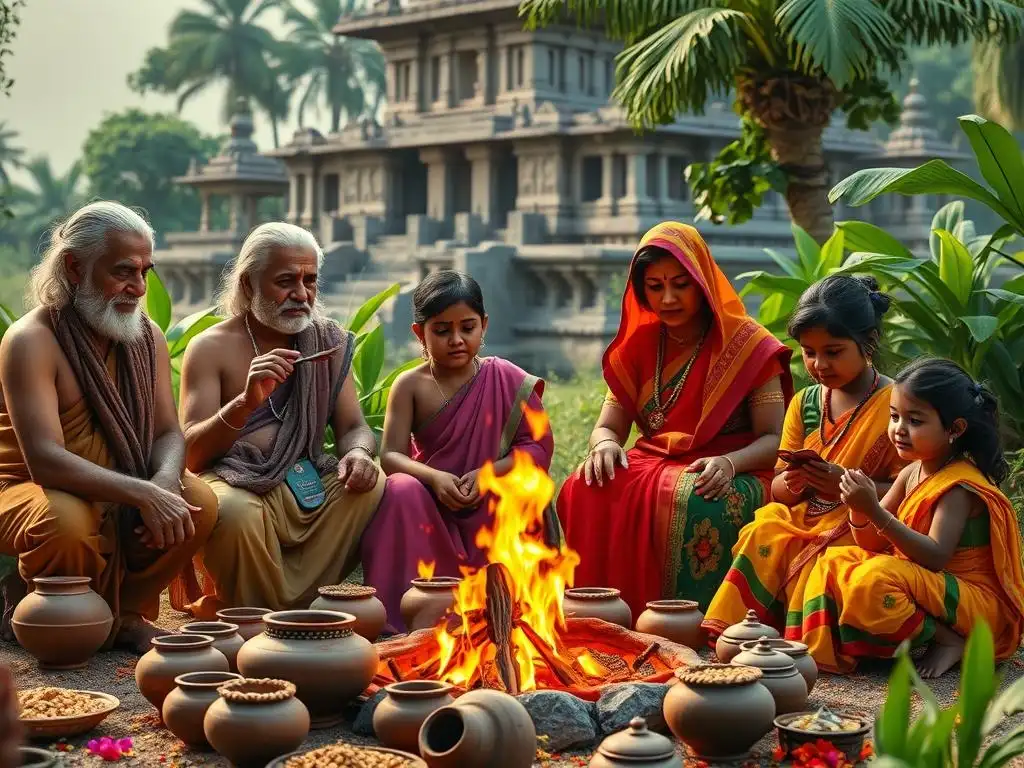
Welcome to Ancient India History, where we embark on a captivating journey through the rich tapestry of ancient Indian civilizations! Delve into the evolution of family practices from the Vedic Age to the Gupta Empire, as we uncover the intricate traditions and societal norms that shaped daily life and culture. What were the values that bound families together, and how did these practices transform over the centuries? Join us as we explore these pivotal questions and more, unveiling the profound legacy of family dynamics in ancient India that still resonate today. Your adventure into the past begins now!
Introduction to Ancient Indian Family Practices
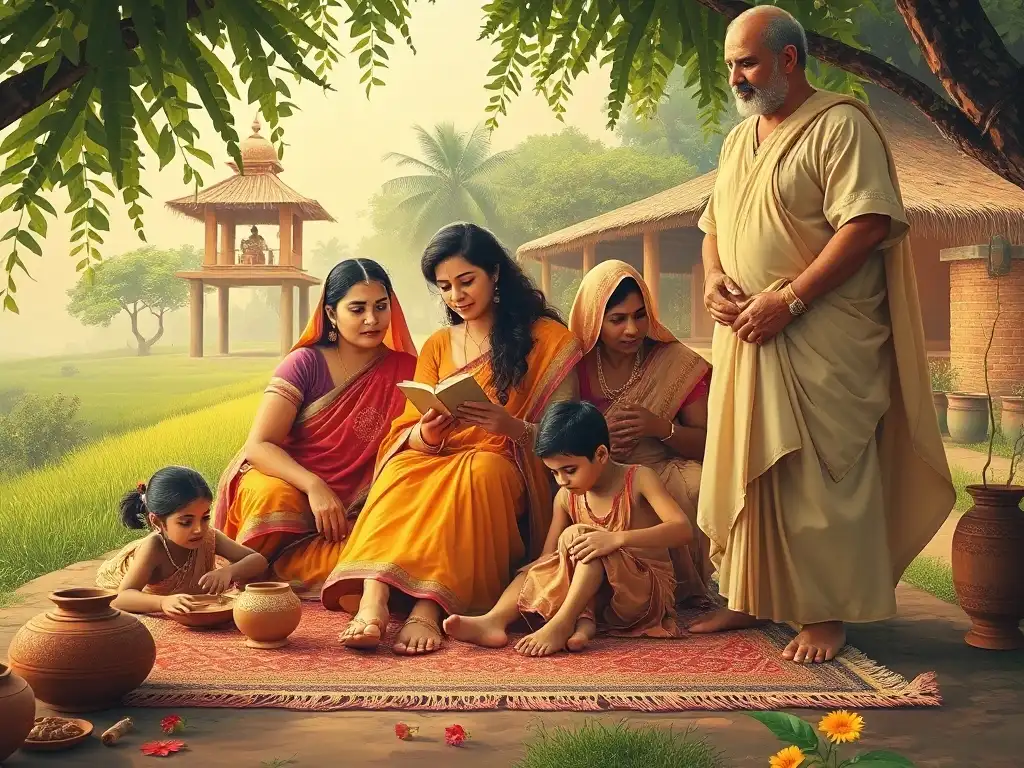
The evolution of family practices in ancient India is a captivating journey that mirrors the social, cultural, and economic transformations that took place over centuries. From the early days of the Vedic Age to the flourishing Gupta Empire, family structures, roles, and customs underwent significant changes, reflecting the dynamics of society at large.
Understanding these ancient Indian family practices provides invaluable insights into the values and norms that shaped the lives of individuals and communities. This article explores the intricate tapestry of family life during these formative periods, highlighting key aspects such as family structures, marriage customs, and gender roles.
Overview of Family Structures in Ancient India
Family structures in ancient India were predominantly characterized by the joint family system, where extended families lived together under one roof. This system promoted close-knit relationships and shared responsibilities among family members. In contrast to the nuclear family model, the joint family structure fostered a sense of collective identity and support, which was crucial in maintaining social harmony and stability.
- Types of Family Structures:
- Joint Family: Consisted of multiple generations living together.
- Nuclear Family: Emerged later as a result of socio-economic changes.
The joint family system not only provided emotional support but also facilitated the pooling of resources, which was essential for agricultural and economic activities.
Importance of Family in Ancient Indian Society
Family played a pivotal role in ancient Indian society, serving as the primary unit for socialization and cultural transmission. It was the cornerstone of social organization, influencing various aspects of life, including education, religious practices, and economic activities. The family was responsible for instilling values and traditions in the younger generation, ensuring the continuity of cultural heritage.
- Key Functions of Family:
- Socialization of children
- Preservation of cultural traditions
- Economic cooperation and support
- Religious practices and rituals
The significance of family extended beyond individual households; it contributed to the broader societal framework, reinforcing social norms and community ties.
Family Practices in the Vedic Age
The Vedic Age, spanning approximately from 1500 to 500 BCE, marked a crucial period in the development of family practices in ancient India. During this time, societal norms and values were codified in the Vedas, which serve as both religious texts and a reflection of the social order.
The Role of the Joint Family System
The joint family system was particularly prominent during the Vedic period, where multiple generations cohabited, sharing resources and responsibilities. This structure provided a safety net for its members, ensuring that the elderly and children were cared for, while also promoting a sense of unity and belonging. The patriarch typically held authority, guiding the family's decisions and ensuring adherence to cultural norms.
- Benefits of the Joint Family System:
- Emotional security and support
- Shared labor and resources
- Collective decision-making
This system also laid the groundwork for various social practices, such as inheritance rights and familial duties, which remained significant in subsequent periods.
Marriage Customs and Rituals during the Vedic Period
Marriage in the Vedic Age was not merely a personal union but a critical social contract that reinforced familial alliances. Various customs and rituals characterized this period, reflecting the importance of marriage as a societal institution.
- Key Marriage Customs:
- Swayamvara: A practice where a bride chose her groom from a group of suitors.
- Kanyadaan: The ritual of giving away the daughter in marriage, symbolizing the transition of responsibility from the father to the husband.
These customs were steeped in cultural significance, often accompanied by elaborate ceremonies that underscored the family's social status and adherence to tradition.
Gender Roles and Responsibilities in Vedic Families
Gender roles during the Vedic period were well-defined, with expectations placed on men and women regarding their duties within the family. Men typically assumed the role of providers and protectors, while women were primarily responsible for managing the household and raising children.
- Men's Roles:
- Engaging in agricultural activities
- Performing religious rituals and sacrifices
- Women's Roles:
- Managing household affairs
- Educating children in moral and cultural values
Despite the patriarchal structure, women held significant status in society, often participating in religious and social gatherings, and their roles evolved over time as societal norms shifted.
Through this exploration of ancient Indian family practices, we gain a deeper understanding of how family dynamics influenced the broader cultural and societal landscape of ancient India, setting the stage for further developments in subsequent eras.
Transition of Family Practices from Vedic Age to Post-Vedic Era
The transition of family practices from the Vedic Age to the Post-Vedic Era marked a significant evolution in the social fabric of ancient India. During the Vedic Age, families were predominantly patriarchal, centered around the extended family unit. The primary focus was on the performance of rituals and sacrifices (yajnas), which were believed to be essential for maintaining cosmic order and prosperity. The family structure was deeply interwoven with religious obligations, where the roles of each member were clearly defined, with men typically taking on the responsibility of priests and providers.
As society progressed into the Post-Vedic Era, several factors contributed to a transformation in family practices. The emergence of new philosophies, the establishment of kingdoms, and interactions with various cultures began to reshape social norms. The family transitioned from an extended model to a more nuclear structure, with the individual family unit becoming more prominent. This shift reflected changing economic conditions, as urbanization increased and trade flourished, leading families to adapt their structures and practices to accommodate new lifestyles.
Socioeconomic Changes Influencing Family Structures
Socioeconomic changes played a pivotal role in reshaping family structures in ancient India. The transition from a primarily agrarian economy to one that encompassed trade and urbanization brought about a need for families to adapt. With the rise of cities, families began to engage in commerce and craft production, which required a division of labor that sometimes contradicted traditional roles.
The increased wealth from trade created a class of merchants and artisans, leading to a more stratified society. This stratification often influenced marriage practices, as families sought to maintain or elevate their social status through alliances. Additionally, as families became more economically independent, the authority of the patriarchal figure was sometimes challenged, leading to a gradual shift in power dynamics within the household.
The Impact of Religious Texts on Family Practices
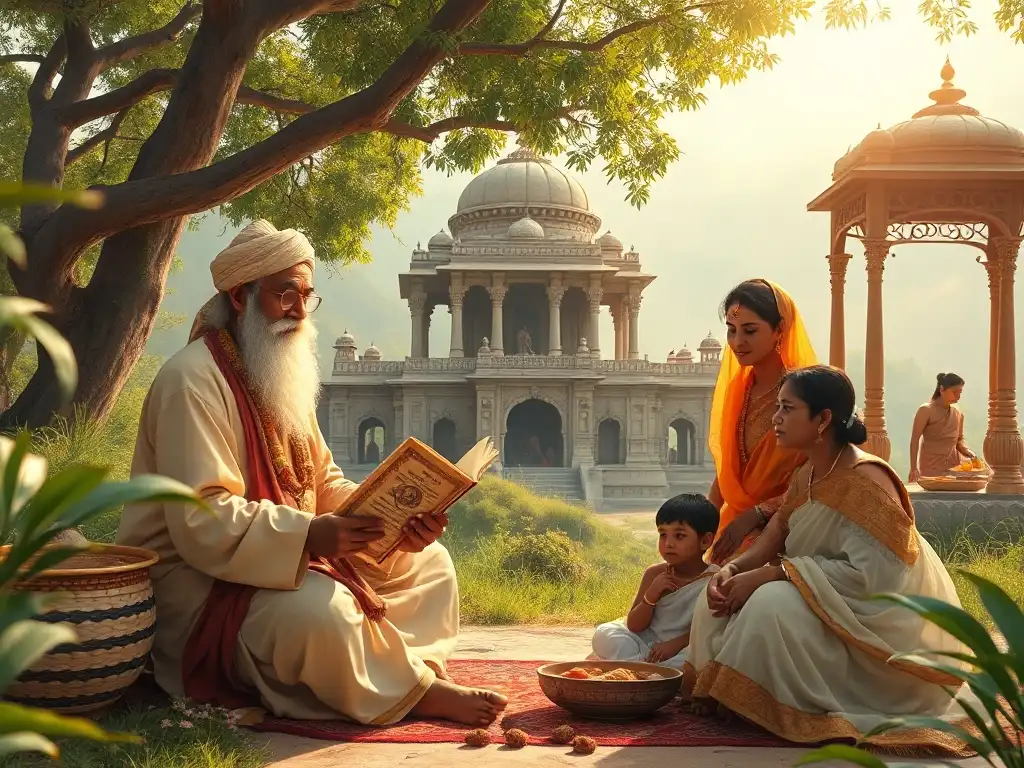
Religious texts from the Post-Vedic period, such as the Dharma Shastras, had a profound impact on family practices. These texts codified social norms and moral guidelines, emphasizing the importance of family duties and responsibilities. The Manusmriti, for instance, provided detailed prescriptions for familial roles, marriage, and inheritance, reinforcing the patriarchal structure while also outlining the obligations of each family member.
As new religious ideologies emerged, particularly with the rise of Buddhism and Jainism, alternative family models were also introduced. These religions advocated for different values, such as non-attachment and asceticism, which began to influence family practices, creating a dialogue between traditional Vedic customs and new religious perspectives.
Evolution of Marriage Norms and Practices
The evolution of marriage norms and practices during this period illustrates the changing dynamics within families. In the Vedic Age, marriages were often arranged with a focus on familial alliances and social status. The concept of swayamvara, where a bride chose her husband, was also practiced, reflecting the agency of women in specific contexts.
However, as the Post-Vedic period progressed, the concept of arranged marriages became more rigid, with families exercising greater control over marital choices. Dowries became more prevalent, leading to economic implications for families and reinforcing the patriarchal structure. The ideal of a woman’s virtue and fidelity gained prominence, shaping societal expectations and family practices concerning marriage.
Family Life during the Mauryan Empire
Family life during the Mauryan Empire exhibited a blend of traditional Vedic values and emerging new practices influenced by the political and cultural landscape of the time. The Mauryan Empire, known for its vast territory and administrative sophistication, fostered an environment where family structures began to reflect the complexities of urban life.
In this period, the nuclear family gained prominence as families sought efficiency and cohesion amidst the changing societal dynamics. The integration of diverse cultures within the empire also introduced new customs and practices, enriching the family life of the era.
Introduction of New Family Practices and Structures
The Mauryan Empire saw the introduction of new family practices and structures that diverged from previous traditions. With the influence of trade and urbanization, families began to adopt practices that accommodated their new lifestyles. Nuclear families became more common, allowing for flexibility in roles and responsibilities.
Additionally, the presence of different communities within the empire led to a blending of customs, resulting in a more varied tapestry of family practices. This period marked a significant shift towards more egalitarian practices in some regions, as families adapted to the complexities of urban life, fostering a sense of community that transcended traditional familial boundaries.
Influence of Buddhism on Family Dynamics
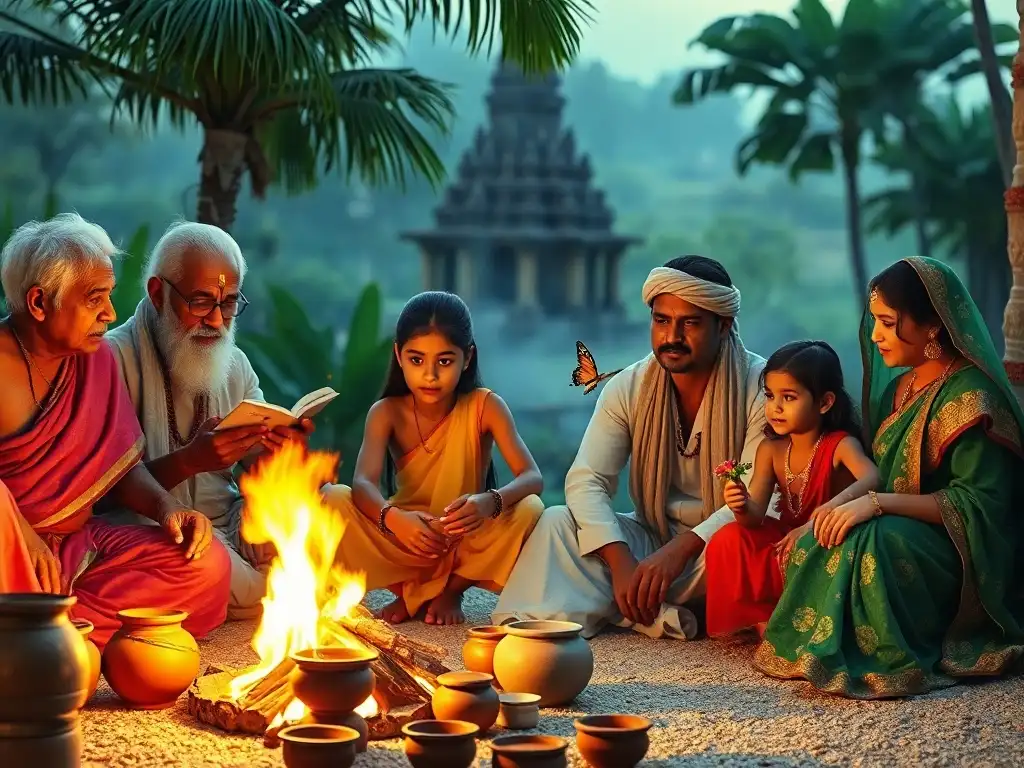
Buddhism played a crucial role in shaping family dynamics during the Mauryan Empire. As the religion gained prominence under Emperor Ashoka, its teachings began to permeate social structures, emphasizing values such as compassion, non-attachment, and community welfare.
These teachings encouraged families to prioritize collective well-being over individual desires. The Buddhist emphasis on moral conduct and ethical living also influenced parenting styles and inter-family relationships, promoting a more harmonious domestic environment. The introduction of monastic life as an alternative to familial responsibilities provided individuals, particularly women, with new options regarding their roles within society.
Comparison of Mauryan Family Practices with Vedic Traditions
Comparing Mauryan family practices with those of the Vedic traditions reveals significant shifts in societal norms and values. While Vedic families operated within a strictly hierarchical and ritualistic framework, the Mauryan period introduced greater flexibility and diversity in family structures.
In the Vedic context, the family was primarily a unit of religious observance, with roles strictly defined by gender. In contrast, the Mauryan era fostered an environment where families could adapt to economic challenges and cultural exchanges. The increasing emphasis on individual agency in marriage and family life during the Mauryan Empire signified a departure from the rigid norms of the Vedic Age, highlighting the evolution of ancient Indian family practices in response to changing social dynamics.
The Gupta Empire: A New Era of Family Practices
The Gupta Empire, which flourished from approximately 320 to 550 CE, marked a significant period in ancient Indian history, characterized by profound cultural, political, and social transformations. This era saw the emergence of a more structured family system, influenced by earlier Vedic traditions yet distinct in its practices. The Gupta period is often referred to as a golden age due to advancements in arts, sciences, and philosophy, which also extended to family practices.
During this time, family units became more defined, often comprising extended families that included not only the nuclear family but also grandparents, aunts, uncles, and cousins. This structure fostered a sense of kinship and communal support, emphasizing familial duty and loyalty. The Gupta Empire also saw the rise of new social classes, which influenced family dynamics and practices. Wealthier families exhibited more elaborate rituals and customs, while lower classes maintained simpler, yet equally meaningful, family structures.
Characteristics of Gupta Family Structures
Family structures during the Gupta Empire were predominantly patriarchal, with the eldest male typically serving as the head of the household. This centralization of authority allowed for the maintenance of family lineage and property, which was vital in an agrarian society. Extended families were common, as they provided economic stability and collective support in agricultural practices.
In contrast to the more fluid family units of the Vedic Age, Gupta families tended to be more rigidly organized. Sons would remain in their parental homes until marriage, reinforcing ties and responsibilities toward the family. Additionally, the practice of joint family living became notable, where multiple generations cohabited, sharing resources and responsibilities. This structure facilitated the preservation of family wealth and status over generations.
Marriage Practices and Social Customs in the Gupta Period
Marriage in the Gupta period was deeply influenced by social standing and familial alliances. The practice of arranged marriages was prevalent, with families negotiating unions to strengthen ties and enhance status. Dowries became an important aspect of marriages, where the bride's family would provide gifts or money to the groom's family, cementing the economic and social partnership between the two families.
Furthermore, specific rituals associated with marriage became more elaborate during this time. The wedding ceremony often involved several rites and customs that reflected the couple’s social status. Festivals and public celebrations accompanied these events, highlighting the community’s involvement in marital unions.
In addition, the Gupta period witnessed a blend of local customs with Brahmanical traditions, creating diverse yet unified marriage practices across the empire. This fusion contributed to a rich tapestry of customs that varied by region, illustrating the cultural diversity inherent in ancient Indian society.
The Role of Women in Gupta Family Life
Women's roles in Gupta family life were complex and multifaceted. While they were primarily associated with domestic responsibilities—managing the household and raising children—they also held significant influence within their families. Women were often educated, particularly in elite families, where they were taught arts, music, and philosophy.
Despite the patriarchal structure, women enjoyed certain rights, including the ability to inherit property and participate in religious rituals. The Gupta period also saw a slight increase in women's visibility in public life, particularly in religious contexts, where they could engage in rituals and community gatherings.
However, the overall societal expectations still largely confined women to roles centered around family and home. This duality in their existence—being both influential yet restricted—reflects the nuanced position women held during this transformative era.
Comparing Family Practices: Vedic Age vs. Gupta Empire
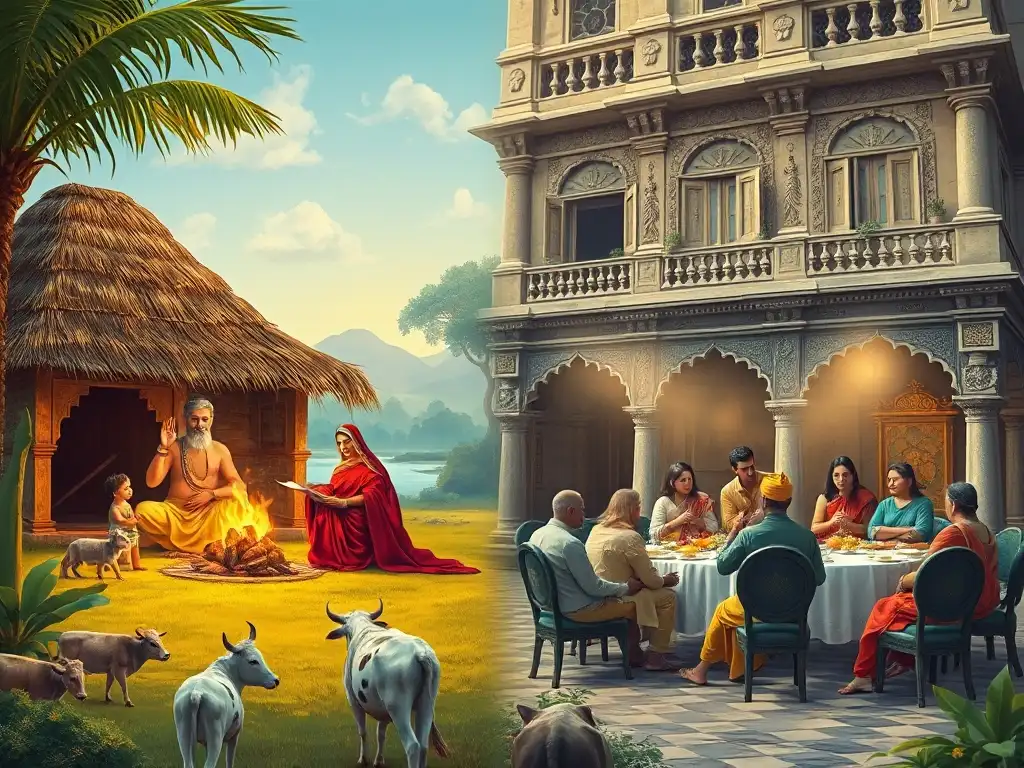
The transition from the Vedic Age to the Gupta Empire represented a fundamental shift in family practices, reflecting broader societal changes. While the Vedic Age emphasized fluid and diverse family structures, the Gupta period introduced a more stratified and organized approach to family life.
Key Differences in Family Structures
One of the most notable differences between family structures in the Vedic Age and the Gupta Empire was the shift from a more egalitarian model to a hierarchical system. In the Vedic Age, families were often nuclear and flexible, allowing for mobility and adaptation. In contrast, Gupta families were predominantly patriarchal, emphasizing lineage and inheritance, leading to a more rigid family hierarchy.
Additionally, the joint family system became more prevalent during the Gupta period, contrasting with the more fluid family units of the Vedic Age. This shift reinforced the importance of maintaining family cohesion and collective responsibility, aligning with the socio-economic needs of the time.
Variations in Marriage Customs and Traditions
Marriage customs also evolved significantly from the Vedic Age to the Gupta Empire. The Vedic period featured more diverse marriage forms, including monogamy and polygamy, often influenced by socio-economic factors. In the Gupta Empire, arranged marriages became the norm, with families playing a central role in the selection of spouses. The practice of dowries emerged as a critical element of marriage, reflecting shifting economic dynamics and social expectations.
Moreover, the rituals and ceremonies associated with marriage became more standardized during the Gupta period, incorporating a blend of local customs and Brahmanical traditions. This shift marked a move toward a more unified cultural identity within the empire, despite its inherent diversity.
Changes in Gender Roles and Responsibilities
Gender roles underwent significant changes from the Vedic Age to the Gupta Empire. In the Vedic period, women had relatively more freedom and could participate in religious and social functions. However, during the Gupta Empire, while women still held influential roles within the family, societal expectations increasingly confined them to domestic spheres.
The Gupta era saw a reinforcement of patriarchal norms, where men primarily assumed roles as economic providers and decision-makers. Women's responsibilities, although crucial for family stability, were largely centered on home and family care. Nonetheless, women continued to assert their influence within these confines, often participating in religious practices and community life, albeit in a limited capacity.
The evolution of ancient Indian family practices from the Vedic Age to the Gupta Empire illustrates the dynamic interplay between culture, society, and familial structure, reflecting broader historical changes that shaped the Indian subcontinent.
Conclusion: The Evolution of Ancient Indian Family Practices
The evolution of family practices in ancient India reflects a complex interplay of social, economic, and cultural changes from the Vedic Age to the Gupta Empire. The family structure transitioned from the patriarchal and joint family systems characterized in Vedic texts to more nuanced forms of family life seen during the Gupta period. This evolution was influenced by the rise of agrarian economies, urbanization, and the increasing integration of diverse cultural practices due to trade and conquest.
As religious texts and philosophical discourses evolved, so too did the roles and expectations of family members. Women's roles, in particular, saw a shift from being largely domestic to more empowered positions in certain contexts, although the overarching patriarchal framework remained dominant. The family unit became central not only as a social structure but also as a vehicle for cultural transmission, ensuring the survival of ancient traditions and practices that would influence later generations.
Summary of Changes from Vedic Age to Gupta Empire
The transition from the Vedic Age to the Gupta Empire marked significant changes in family practices. Key changes included:
- Family Structure: Vedic society emphasized a patriarchal joint family structure, where the eldest male held considerable authority. By the Gupta period, nuclear families began to emerge, reflecting changing economic conditions and social norms.
- Marriage Practices: Marriage during the Vedic Age was often associated with the concept of saptapadi (seven steps) and was primarily arranged. The Gupta period saw a diversification of marriage practices, including the formalization of dowries and increased importance of romantic love in marriages.
- Roles of Women: In the Vedic period, women had relatively more rights, participating in rituals and education. However, by the Gupta period, societal norms increasingly confined women to domestic roles, although some evidence suggests that women in certain regions retained significant agency.
- Religious and Cultural Influences: The introduction of new religious philosophies and the synthesis of various cultural practices during the Gupta Empire led to an evolution in family dynamics, reflecting broader societal changes.
The Legacy of Ancient Indian Family Practices on Modern Society
The ancient Indian family practices laid the groundwork for contemporary family structures in India. The emphasis on familial bonds and duties continues to influence modern Indian society, where family remains a central institution. Key aspects of this legacy include:
- Patriarchal Norms: While modern society has seen a shift towards more egalitarian practices, many patriarchal norms rooted in ancient traditions still persist, affecting gender roles and family dynamics today.
- Marriage Customs: Many contemporary marriage practices in India can trace their origins back to ancient customs, such as arranged marriages and the significance of community approval, reflecting continuity and adaptation over centuries.
- Cultural Values: Values such as respect for elders and the importance of family loyalty have their roots in ancient practices, shaping social interactions and family relationships in today's context.
References
Suggested Readings on Ancient Indian Family Practices
- The Family in Ancient India by R.S. Sharma: This book provides an in-depth analysis of family structures and practices throughout ancient Indian history.
- Marriage and Kinship in Ancient India by A. K. Sharma: A comprehensive overview of marriage customs and kinship patterns in historical contexts.
- Women in Ancient India by Kumkum Sangari: This text explores the roles and status of women from the Vedic Age to the Gupta Empire, shedding light on their contributions to family life.
Academic Sources on Vedic and Gupta Family Life
- Vedic Society: A Historical Perspective by B. N. Mukherjee: An academic exploration of social structures and family life during the Vedic period.
- Family and Society in Early India by P. V. N. Rao: This scholarly work examines the evolution of family practices from the Vedic Age through the Gupta Empire, focusing on social and cultural implications.
- The Gupta Empire: A Historical Overview by R. C. Majumdar: An analysis of the Gupta period, with insights into family dynamics and societal changes during this transformative era in Indian history.
- Introduction to Ancient Indian Family Practices
- Family Practices in the Vedic Age
- Transition of Family Practices from Vedic Age to Post-Vedic Era
- Socioeconomic Changes Influencing Family Structures
- The Impact of Religious Texts on Family Practices
- Evolution of Marriage Norms and Practices
- Family Life during the Mauryan Empire
- Introduction of New Family Practices and Structures
- Influence of Buddhism on Family Dynamics
- Comparison of Mauryan Family Practices with Vedic Traditions
- The Gupta Empire: A New Era of Family Practices
- Comparing Family Practices: Vedic Age vs. Gupta Empire
- Conclusion: The Evolution of Ancient Indian Family Practices
- References
- What are the primary family practices during the Vedic Age?
- How did family structures evolve from the Vedic Age to the Gupta Empire?
- What role did women play in ancient Indian families?
- How did ancient Indian family practices influence modern society?
- What were the key contributions of ancient Indian families to civilization?
Frequently Asked Questions
What are the primary family practices during the Vedic Age?
During the Vedic Age, family practices were largely patriarchal, with an emphasis on rituals, education, and marriage customs that promoted the continuity of family lineage.
How did family structures evolve from the Vedic Age to the Gupta Empire?
Family structures transitioned from joint families to more nuclear families during the Gupta Empire, reflecting changes in societal norms and economic conditions.
What role did women play in ancient Indian families?
Women in ancient Indian families had significant roles as mothers and wives, but their status and freedoms varied, with some periods allowing more education and participation in religious practices.
How did ancient Indian family practices influence modern society?
Many ancient family practices laid the foundation for current customs, particularly in areas such as marriage rituals, parenting, and the importance of family ties in Indian culture.
What were the key contributions of ancient Indian families to civilization?
Ancient Indian families contributed to cultural preservation, knowledge transmission, and the development of social structures, which were vital for the growth of ancient Indian civilization.
Final Reflection: Embracing the Evolution of Ancient Indian Family Practices
The exploration of ancient Indian family practices reveals a profound transformation that resonates with our contemporary understanding of family dynamics. From the Vedic Age to the Gupta Empire, these practices not only shaped the societal framework of their time but also laid the groundwork for the values we hold today. The evolution of family structures, roles, and responsibilities reflects a continuous adaptation to changing social, economic, and cultural landscapes, demonstrating that family is not a static concept but a living, breathing entity that evolves with society.
Cultural and social landscapes are deeply influenced by the family practices of any era, and the legacy of ancient Indian families is no exception. The intricate web of relationships, rituals, and responsibilities established during these periods continues to inform our modern family values and practices. As we navigate our own familial roles today, we can draw inspiration from the wisdom of the past. Tradition is not the worship of ashes, but the preservation of fire.
This quote encapsulates the essence of how ancient practices can ignite our understanding of family in the present, encouraging us to honor our roots while embracing change.
As we reflect on the lessons from ancient Indian family practices, let us consider how we can apply these insights in our own lives. Take a moment to think about your family dynamics and the values you wish to uphold. How can the wisdom of the past guide you in nurturing relationships, fostering unity, and adapting to the ever-changing world around us? Embrace the journey of your family’s evolution, and remember that each generation has the power to redefine what family means, creating a legacy that honors both tradition and innovation.
Embark on Your Journey Through Time!
Thank you for delving into the intricate evolution of family practices from the Vedic Age to the Gupta Empire! You've uncovered valuable insights into how these traditions shaped society and influenced daily life. Now, it's time to take that knowledge beyond the page!
- Explore further: Dive into additional articles on Ancient Indian history to expand your understanding of this captivating era.
- Share your insights: Engage in discussions with friends or family about this topic and explore how their perspectives may differ. Knowledge becomes richer through conversation!
- Join the community: Subscribe to our newsletter to stay informed about the latest discoveries in Ancient Indian history.
What aspect of family life during these periods do you find most intriguing, and in what ways do you think it has influenced modern Indian culture?