
Family and the Afterlife: Beliefs about Ancestors in Ancient India

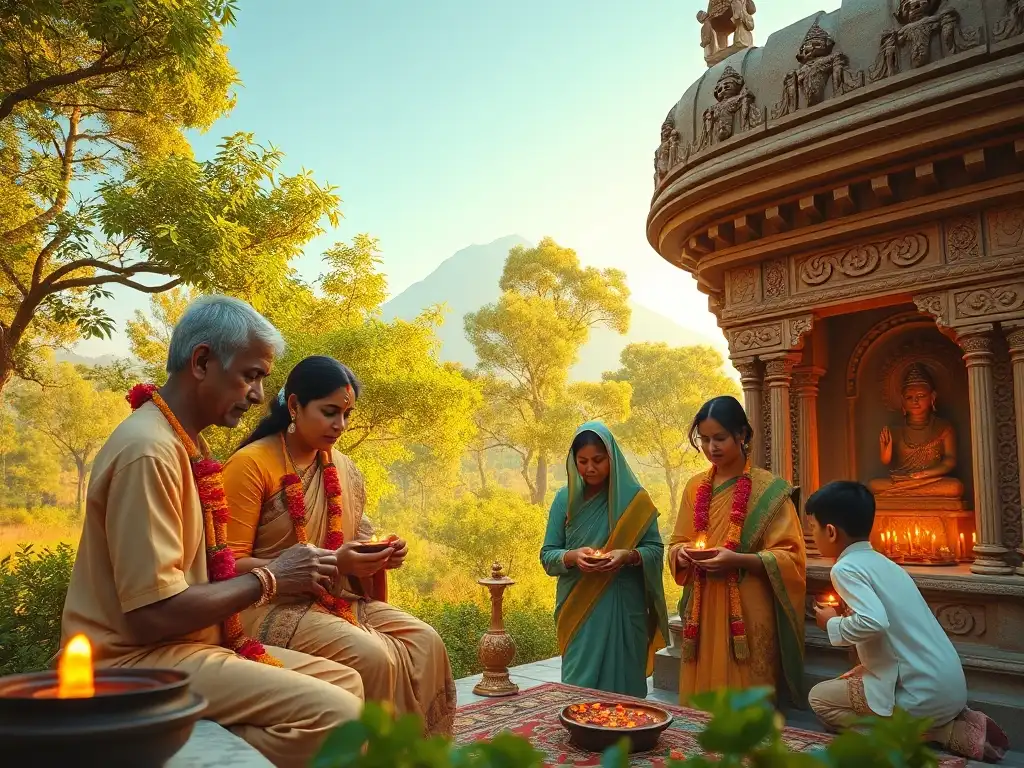
Welcome to Ancient India History, where we embark on a fascinating journey through the vibrant tapestry of ancient Indian civilizations! Delve into the profound beliefs about ancestors that shaped daily life and societal norms from the Indus Valley to the Gupta Empire. In our featured article, "Family and the Afterlife: Beliefs about Ancestors in Ancient India," we unravel the intricate connections between lineage, spirituality, and the reverence for those who came before us.
Prepare to discover how these ancient beliefs continue to influence modern perspectives, sparking curiosity and inviting you to explore the rich legacies of the past. Join us as we illuminate the cultural treasures of ancient India!
Introduction to Ancient Indian Ancestor Beliefs
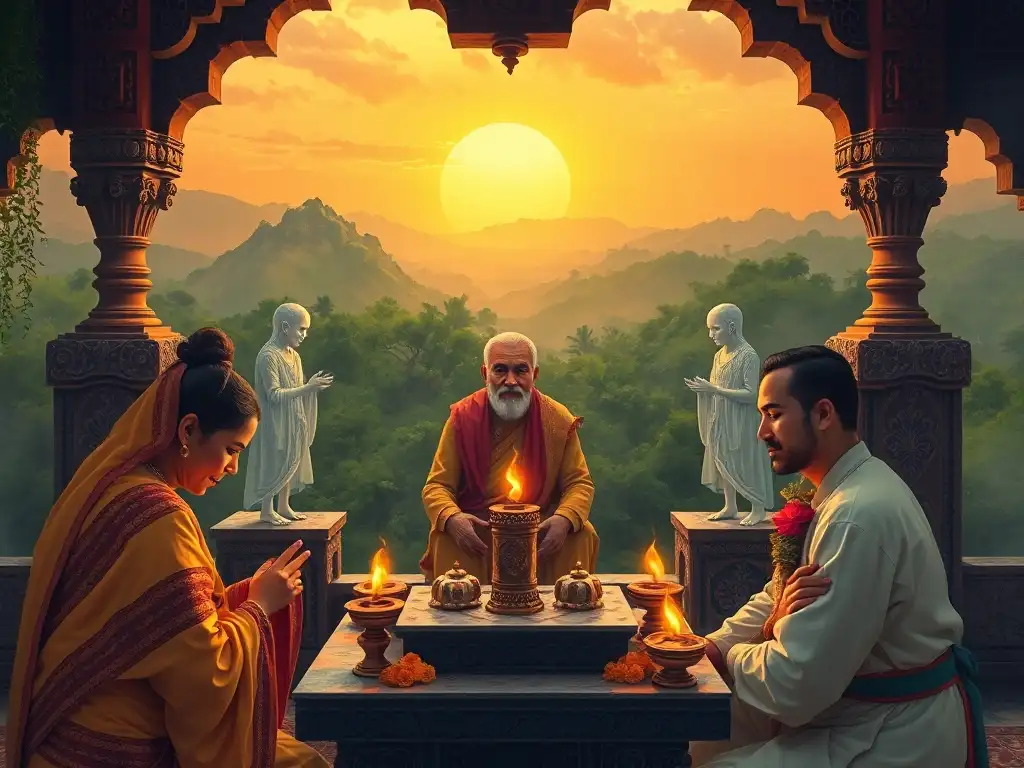
Ancient Indian ancestor beliefs form a fundamental part of the cultural and spiritual landscape of the subcontinent, reflecting the rich tapestry of traditions that have been woven through centuries. These beliefs not only demonstrate the reverence held for ancestors but also illustrate how familial ties were intricately linked to spiritual practices.
Across various ancient civilizations in India, such as the Indus Valley and later societies, the veneration of ancestors played a significant role in shaping societal norms, rituals, and individual identities. Understanding these beliefs offers insight into the complexities of family dynamics and the ways in which ancient Indians perceived life, death, and the afterlife.
Overview of Ancestor Worship in Ancient India
Ancestor worship in ancient India was a deeply ingrained practice that involved rituals and ceremonies aimed at honoring deceased family members. This practice was not merely a remembrance; it was a way to maintain a connection with the past, ensuring that the spirits of ancestors continued to play an active role in the lives of their descendants. Key aspects of ancestor worship included:
- Ritual Offerings: Families would perform rituals, often involving food, flowers, and prayers, to appease and honor their ancestors.
- Tarpana: This specific ritual, performed during the Pitru Paksha, was dedicated to offering water and food to ancestors, reinforcing the bond between the living and the dead.
- Festivals and Observances: Various festivals, such as Mahalaya, were centered around honoring ancestors, showcasing the cultural significance of these beliefs.
The practice of ancestor worship was seen not only as a personal or familial duty but also as a communal responsibility, reflecting the interconnectedness of society in ancient India.
Importance of Ancestors in Family Dynamics
The role of ancestors in family dynamics in ancient India was profound. They were viewed as guardians and protectors of the family lineage, offering guidance and blessings from the afterlife. The importance of ancestors can be summarized through several key functions:
- Cultural Identity: Ancestors provided a sense of identity and continuity, linking individuals to their family history and heritage.
- Moral Guidance: Their teachings and life stories served as moral compasses for living family members, shaping ethical behavior and community values.
- Ritual Accountability: Families often felt a strong sense of accountability to their ancestors, motivating them to uphold traditions and maintain familial honor.
This reverence for ancestors fostered a culture where familial bonds were prioritized, and collective memory was cherished, ensuring that the legacies of previous generations influenced contemporary life.
Historical Context of Ancestor Beliefs in Ancient India
To fully appreciate the significance of ancestor beliefs, it is essential to explore their historical context. The evolution of these beliefs can be traced back to some of the earliest civilizations in India, revealing how they transformed over time.
Evolution of Ancestor Worship from the Indus Valley Civilization
The roots of ancestor worship in ancient India can be traced to the Indus Valley Civilization (circa 3300–1300 BCE), where archaeological findings suggest that the veneration of the dead was prevalent. Evidence such as burial practices, grave goods, and ritualistic structures indicate that the people of this civilization held beliefs centered around the afterlife and the importance of honoring those who had passed. Key points include:
- Burial Practices: The meticulous burial customs, including the placement of items in graves, point towards a belief in an afterlife where the deceased would require certain possessions.
- Symbolic Representations: Artifacts and seals often depicted figures that may represent ancestral spirits, suggesting a recognition of the need to connect with the past.
These early practices laid the foundation for more complex systems of ancestor worship that emerged in later periods.
Influence of Vedic Texts on Ancestor Beliefs
With the advent of the Vedic period (circa 1500–500 BCE), the beliefs surrounding ancestors underwent significant evolution. The Vedic texts, which include the Rigveda and other sacred scriptures, introduced new theological concepts that intertwined with existing ancestral veneration. Notable influences include:
- Concept of Pitrs: The Vedic literature articulated the idea of Pitrs, or ancestral spirits, who were believed to reside in a realm that was accessible through rituals performed by their descendants.
- Rituals and Sacrifices: The introduction of elaborate rituals and sacrifices in honor of ancestors emphasized the need for proper rites to ensure their peace and favor in the afterlife.
- Philosophical Underpinnings: As philosophical thought evolved, so too did the understanding of life, death, and the continuity of the soul, which became central to the practice of honoring ancestors.
Together, these elements illustrate how ancient Indian ancestor beliefs were shaped by both historical context and evolving spiritual understandings, creating a rich and enduring legacy that resonates through time.
Key Concepts in Ancient Indian Ancestor Beliefs
Ancient Indian ancestor beliefs are deeply rooted in the cultural and spiritual fabric of Indian society. Central to these beliefs is the understanding that ancestors play a vital role in the lives of their descendants. The concept of pitr (ancestors) emphasizes the importance of honoring those who have passed away, as it is believed that their blessings are essential for the well-being of the living. Ancestor worship serves as a way to maintain a connection between generations, ensuring that the lineage is respected and remembered.
These beliefs are intertwined with the ideas of dharma (moral duty) and karma (the law of cause and effect), which dictate that one's actions in this life can affect the circumstances of one’s ancestors in the afterlife. As such, performing rituals and honoring ancestors is seen not only as a spiritual obligation but also as a means to influence the fate of the family lineage positively. This intricate relationship between the living and the dead fosters a sense of continuity and responsibility across generations.
The Role of Dharma and Karma in Ancestor Worship
In ancient Indian thought, dharma and karma are foundational concepts that govern moral and ethical behavior. Dharma refers to the moral duties and responsibilities one has towards others, including family and ancestors. It is believed that honoring one's ancestors through rituals and offerings is a crucial aspect of fulfilling dharma. This obligation is seen as a way to express gratitude and respect, ensuring that the ancestors have a favorable view of the living.
Karma, on the other hand, emphasizes that every action has consequences. In the context of ancestor worship, this means that neglecting or disrespecting one’s ancestors can lead to negative karmic repercussions, not just for the individual but also for their descendants. Conversely, performing rituals such as Shraddha (ritual offerings to ancestors) can create positive karma, benefiting both the living and the deceased. Together, these principles underpin the practices surrounding ancestor worship, reinforcing the belief that the past significantly influences the present and future.
Understanding Pitr, the Ancestor Deities
Pitr, in ancient Indian cosmology, refers to the ancestor deities that are revered in various texts, including the Vedas and the Smritis. These deities are often considered as spirits that have transitioned to the afterlife and hold significant power over the fortunes of the living. The term "pitr" is derived from the root word meaning "to protect," underscoring their role as guardians of their descendants.
The Pitr are associated with the Pitru Loka, a realm where ancestors reside. It is believed that they watch over their family and can influence their lives based on how they are treated by the living. Ancestors are often invoked during important life events, such as weddings and births, highlighting their ongoing presence in the family’s narrative. The veneration of Pitr serves to reinforce familial bonds and the continuity of cultural traditions, making ancestor worship a cornerstone of ancient Indian society.
Rituals and Practices Associated with Ancestor Worship
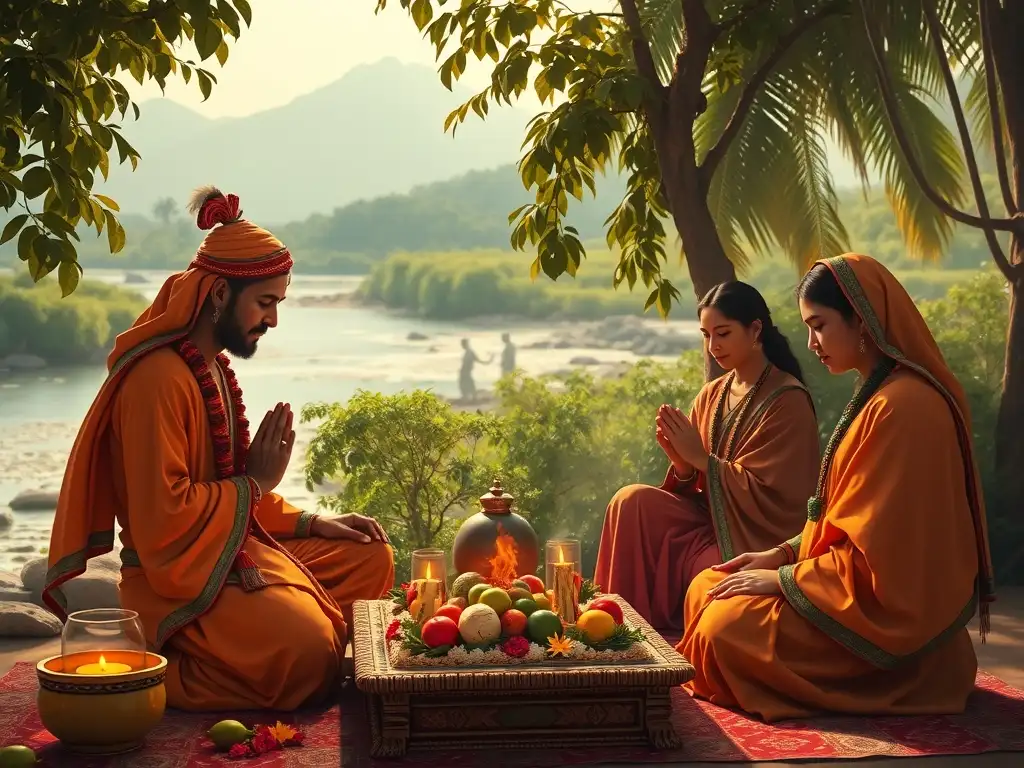
Rituals associated with ancestor worship in ancient India are rich in symbolism and tradition. They serve as a means to connect with the past and ensure that the deceased are honored appropriately. These practices vary across regions and communities, but they all share a common goal: to maintain a spiritual bond between the living and their ancestors.
Common Ancestor Worship Rituals in Ancient Indian Society
Among the most common rituals performed in honor of ancestors is Shraddha, which typically involves offering food and water to the deceased. This ritual is believed to provide nourishment to the ancestors' souls and ensure their peaceful existence in the afterlife. It is often performed during specific lunar phases, particularly during the Pitru Paksha, a fortnight dedicated to honoring ancestors.
Another significant ritual is Pind Daan, which involves the offering of rice balls (pind) to the ancestors. This act symbolizes the sustenance provided to the deceased, ensuring they are not left hungry in the afterlife. Families often gather during these rituals to collectively honor their ancestors, reinforcing familial ties and shared cultural practices.
The Significance of Shraddha and Pind Daan
Both Shraddha and Pind Daan hold immense significance in the context of ancient Indian ancestor beliefs. The performance of Shraddha is viewed as a sacred duty that reflects one's respect for family heritage and moral obligations. It is believed that these rituals not only bring peace to the spirits of the deceased but also invite their blessings upon the living.
Pind Daan, specifically, is crucial for ensuring the well-being of the ancestors in the afterlife. It is thought that failing to perform these rituals can lead to the ancestors experiencing unrest or dissatisfaction, which may adversely affect the living descendants. Therefore, these rituals are not just ceremonial; they embody the deep-rooted belief that maintaining a relationship with ancestors is essential for the spiritual and material prosperity of the family.
Ancestors and Family Identity in Ancient Indian Society
In ancient Indian society, ancestors played a pivotal role in shaping family identity and values. The concept of lineage was deeply ingrained in the social fabric, influencing everything from marriage practices to inheritance. Families often traced their roots back to illustrious forebears, which instilled a sense of pride and continuity among generations. This connection to ancestors was not merely symbolic; it was a crucial aspect of an individual's identity.
The reverence for ancestors also fostered a collective consciousness within families. Rituals and festivals dedicated to honoring the deceased were common, reinforcing familial bonds and shared values. These practices served as reminders of the family’s history, instilling a sense of responsibility among members to uphold the legacy of their forefathers. Furthermore, the belief that ancestors continued to influence the living created a moral obligation to maintain their honor, thereby shaping the ethical framework of family life.
How Ancestor Beliefs Shaped Family Structures
Ancestor beliefs significantly influenced family structures in ancient India. The concept of pitru paksha, a period dedicated to honoring ancestors, exemplifies how these beliefs were woven into the fabric of daily life. During this time, families would perform rituals to appease their ancestors, ensuring their blessings and favor in the present life. This tradition reinforced the importance of family cohesion and mutual support.
Moreover, the patriarchal nature of ancient Indian society placed a premium on male descendants, who were often seen as the primary bearers of the family name and lineage. This led to the establishment of joint family systems, where multiple generations lived together, emphasizing the importance of ancestral ties. The family unit functioned as a microcosm of society, where the teachings and values of ancestors were passed down, contributing to social stability and continuity.
Ancestors were integral to the social status of families in ancient India. Individuals were often judged based on the achievements and standing of their forebears. A family’s lineage could significantly elevate its social position, leading to greater respect and recognition within the community. This connection to ancestry was so profound that it often dictated marriage alliances, with families seeking to unite with others of similar or superior lineage to enhance their status.
Furthermore, various texts, such as the Manusmriti, emphasize the importance of being born into a noble lineage, suggesting that social mobility was often limited by ancestral ties. The status of a family was often reflected in its rituals and the manner in which it honored its ancestors, serving as a public declaration of lineage and social standing.
Regional Variations in Ancestor Beliefs Across Ancient India
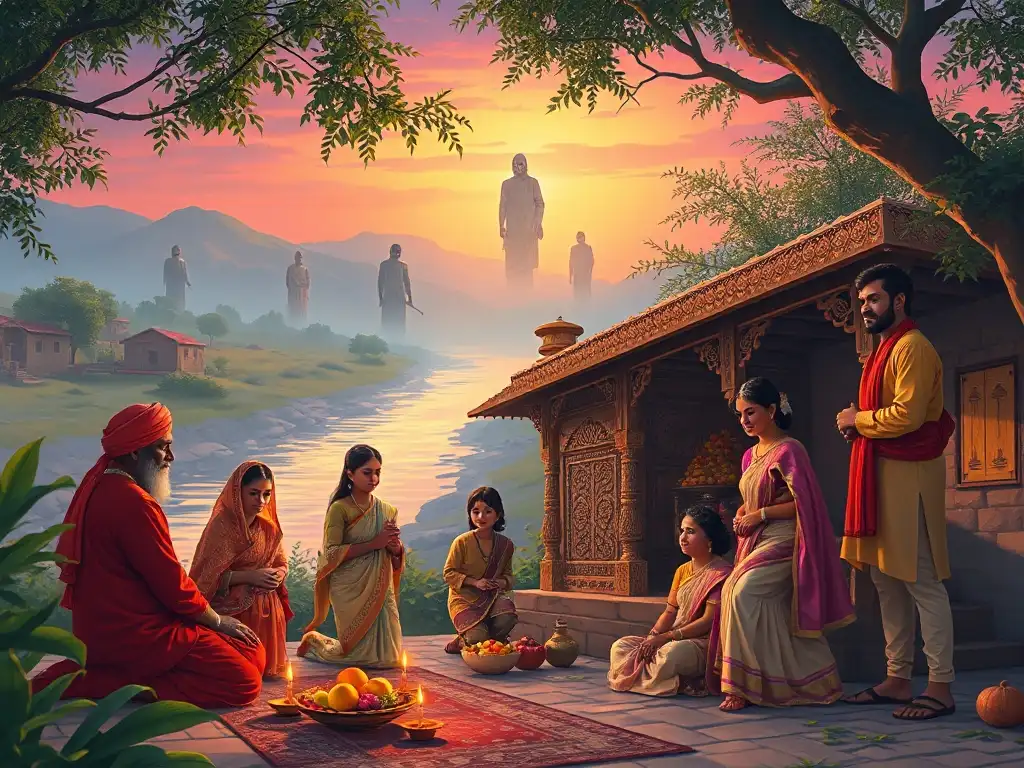
The beliefs surrounding ancestors varied significantly across different regions of ancient India, influenced by local customs, traditions, and religious practices. While the core idea of honoring ancestors remained consistent, the methods and rituals associated with these beliefs diverged, reflecting the diverse cultural landscape of the subcontinent.
Comparison of Ancestor Worship Practices in Different Regions
In northern India, ancestor worship often involved elaborate rituals performed during pitru paksha, where offerings were made to ancestors. In contrast, southern regions saw practices like shraddha, which included specific rites to ensure the well-being of the deceased in the afterlife. Eastern India emphasized the role of ancestors in family prosperity, often incorporating folk traditions into their worship.
The western regions displayed a blend of Hindu and tribal practices, where ancestors were venerated through community gatherings and feasts, underscoring the communal aspect of ancestor worship. This regional variation highlights how local customs shaped the practice of honoring ancestors, creating a rich tapestry of beliefs across the country.
Influence of Local Cultures on Ancestor Beliefs
Local cultures significantly influenced ancestor beliefs, with indigenous traditions often melding with mainstream practices. For instance, certain tribal communities in central India maintained unique ancestor worship rituals that incorporated animistic elements, highlighting their connection to the land and nature. This integration of local beliefs enriched the overall practice of ancestor veneration, demonstrating the adaptability of these traditions.
Additionally, the rise of Buddhism and Jainism introduced alternative perspectives on the afterlife and the role of ancestors, leading to a more diverse understanding of these concepts. The interplay of various religious and cultural influences resulted in a complex landscape of ancestor beliefs that reflected the dynamic nature of ancient Indian society.
The Legacy of Ancestor Beliefs in Modern Indian Society
The beliefs surrounding ancestors in ancient India have left a profound legacy that continues to shape modern Indian society. These beliefs, deeply rooted in the cultural and spiritual fabric of the nation, emphasize the importance of family ties and the reverence for those who came before. The ancient Indian perspective on ancestors is characterized by the understanding that they play an active role in the lives of their descendants, influencing both the material and spiritual realms. This legacy manifests in various customs, rituals, and social practices that honor the deceased, reflecting a continuity of values across generations.
In many Indian households today, ancestral worship remains a vital practice. Families often maintain shrines dedicated to their ancestors, where offerings are made during specific festivals or on death anniversaries (known as Shraddha). This practice not only fosters a sense of connection with the past but also reinforces family unity and identity. Furthermore, the teachings and stories of ancestors are passed down through generations, contributing to the moral and ethical framework within which contemporary Indian families operate.
Continuation of Ancestor Worship Practices Today
Ancestor worship practices in modern India have endured and adapted over time, creating a rich tapestry of rituals that vary across regions and communities. Many families engage in rituals such as Pitru Paksha, a period dedicated to honoring ancestors, during which they perform rites to ensure the peace and well-being of their forebears in the afterlife. This observance highlights the belief that the deceased remain integral to the family’s prosperity and well-being.
Additionally, the custom of offering Tarpan—a ritual involving water offerings to ancestors—remains widespread. This practice is believed to provide sustenance to the souls of the departed, ensuring their continued blessings upon the living. Modern interpretations of ancestor worship also encompass collective family gatherings, where storytelling about ancestors strengthens familial bonds and preserves cultural heritage. These enduring practices underscore the societal recognition of the importance of ancestors in guiding and protecting future generations.
The Relevance of Ancient Indian Ancestor Beliefs in Contemporary Family Life
Ancient Indian ancestor beliefs hold significant relevance in contemporary family life, influencing how individuals perceive their roles within the family and society. The concept of familial duty and respect for elders draws heavily from these beliefs, fostering a sense of responsibility among younger generations to honor and care for their elders. This respect is not limited to the living; it extends to the deceased, reinforcing the idea that family lineage and heritage are vital components of personal identity.
Moreover, these beliefs encourage the practice of intergenerational solidarity, where families come together to celebrate festivals, commemorate anniversaries, and reminisce about shared histories. This collective memory serves to instill values of loyalty, respect, and love among family members. In a rapidly changing world, where individualism often supersedes communal ties, the ancient Indian belief in the significance of ancestors acts as a stabilizing force, reminding individuals of their roots and the importance of family cohesion.
Conclusion
Summary of Key Points on Ancient Indian Ancestor Beliefs
Ancient Indian ancestor beliefs have significantly shaped family dynamics and social structures in India, both in historical contexts and modern practices. The reverence for ancestors is evident in ongoing rituals such as Shraddha and Tarpan, which serve to maintain connections with the past. These beliefs reinforce the values of duty, respect, and familial unity, ensuring that the teachings of ancestors continue to guide subsequent generations.
Final Thoughts on the Importance of Ancestors in Family and Society
The importance of ancestors in family and society cannot be overstated. They provide a framework for understanding one's identity and belonging, offering wisdom that transcends time. As modern Indian society grapples with the challenges of globalization and cultural shifts, the enduring legacy of ancestor beliefs serves as a vital anchor, promoting continuity, respect, and a sense of community. By honoring their ancestors, families not only preserve their heritage but also cultivate a deeper appreciation for the interconnectedness of life, bridging the past with the present.
- Introduction to Ancient Indian Ancestor Beliefs
- Overview of Ancestor Worship in Ancient India
- Historical Context of Ancestor Beliefs in Ancient India
- Key Concepts in Ancient Indian Ancestor Beliefs
- Rituals and Practices Associated with Ancestor Worship
- Ancestors and Family Identity in Ancient Indian Society
- How Ancestor Beliefs Shaped Family Structures
- The Role of Ancestors in Social Status and Lineage
- Regional Variations in Ancestor Beliefs Across Ancient India
- The Legacy of Ancestor Beliefs in Modern Indian Society
- Conclusion
- What role did ancestors play in ancient Indian culture?
- How did ancient Indians honor their ancestors?
- Were there specific gods associated with ancestor worship in ancient India?
- How did the beliefs about ancestors influence ancient Indian society?
- What is the significance of family lineage in the context of ancestor beliefs?
Frequently Asked Questions
What role did ancestors play in ancient Indian culture?
Ancestors were considered guardians and protectors of the family, with their blessings believed to bring prosperity and well-being.
How did ancient Indians honor their ancestors?
Rituals such as shraddha and pind daan were performed to pay homage, ensuring that the spirits of the ancestors were satisfied and at peace.
Were there specific gods associated with ancestor worship in ancient India?
Yes, Pitrs, or ancestral spirits, were venerated, and rituals often invoked their presence, linking them with deities in the afterlife.
How did the beliefs about ancestors influence ancient Indian society?
The beliefs fostered a strong sense of family unity and continuity, with the welfare of the living closely tied to the honoring of their deceased ancestors.
What is the significance of family lineage in the context of ancestor beliefs?
Family lineage was crucial in ancient India, as it connected individuals to their forebears, reinforcing the importance of heritage and identity within the community.
Final Reflection: Embracing the Wisdom of Ancient Indian Ancestor Beliefs
In exploring Ancient Indian ancestor beliefs, we uncover a profound connection between the living and the departed that resonates deeply in today's world. These beliefs remind us of the enduring impact our ancestors have on our identities, values, and spiritual practices. As we navigate the complexities of modern life, the wisdom of our forebears serves as a guiding light, urging us to honor our roots and recognize the significance of familial bonds that transcend time.
The influence of these beliefs extends beyond mere tradition; they shape our cultural and social landscapes in ways that are often overlooked. In a world increasingly focused on individualism, the reverence for ancestors fosters a sense of community and belonging. This connection is beautifully encapsulated in the words of Mahatma Gandhi: A nation’s greatness is measured by how it treats its weakest members.
By acknowledging our ancestors, we not only preserve their legacy but also cultivate a deeper understanding of our responsibilities to one another in the present.
As we reflect on the lessons of the past, let us carry forward the essence of these ancient beliefs into our daily lives. Consider how you can honor your ancestors and integrate their teachings into your own journey. Whether through rituals, storytelling, or simply taking a moment to reflect on their sacrifices, each act of remembrance strengthens the ties that bind us to our heritage. Embrace this opportunity to connect with your roots, and in doing so, enrich your life and the lives of those around you.
Embrace Your Ancestral Legacy Today
Thank you for exploring the fascinating beliefs about ancestors in ancient India with us! You've uncovered valuable insights into the spiritual connections that bind families across generations. Now, it's time to take action and delve deeper into this rich tapestry of heritage.
Here are a few ways you can honor your ancestors and enrich your understanding of their legacies:
- Reflect on Your Family Traditions: Take a moment to document unique family rituals or stories that connect you to your heritage. Sharing these memories with your loved ones can strengthen your bonds.
- Engage with Your Community: Join local cultural or historical groups that celebrate traditional practices and beliefs. This is a wonderful opportunity to experience stories and knowledge firsthand!
- Explore Historical Sites: Plan a visit to ancient temples or significant locations that pay homage to your ancestors, allowing you to reconnect with the rich history that shapes your identity today.
How have your family's beliefs about ancestors influenced your life? We invite you to share your thoughts with us and spark an engaging conversation!