
Exploring the Surgical Practices of Ancient South Indian Dynasties

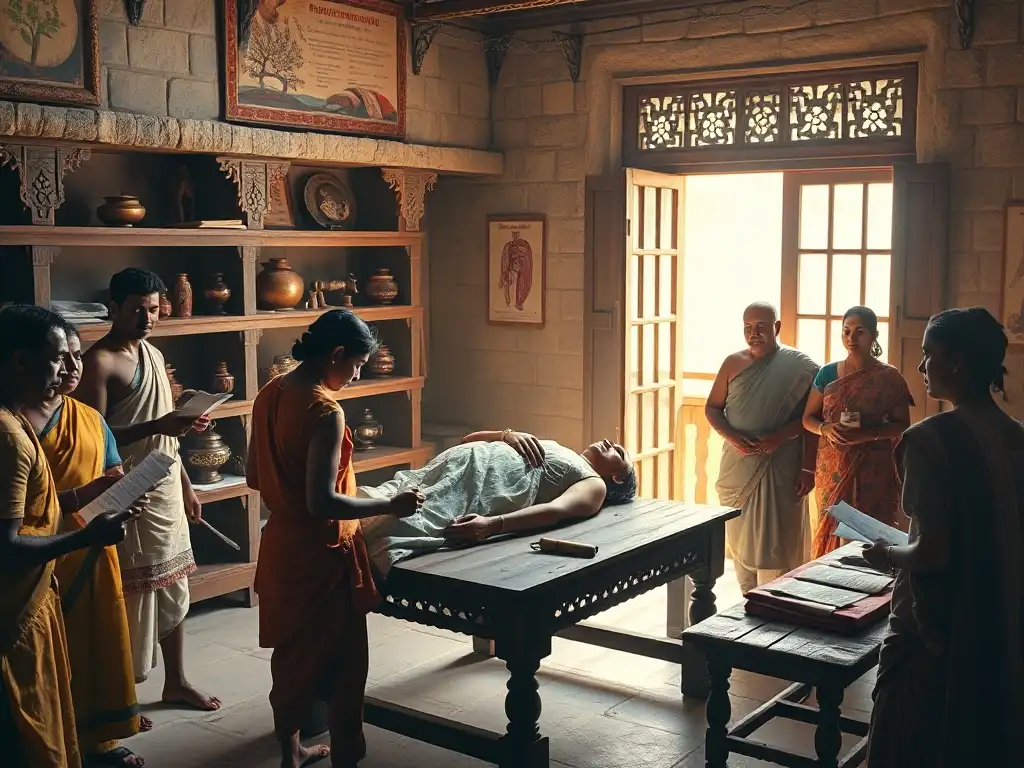
Welcome to Ancient India History, where we embark on an extraordinary journey through time to uncover the remarkable tapestry of India’s ancient civilizations. In this exploration, we delve into the main article on ancient South Indian surgical practices, revealing how these innovative techniques laid the foundation for modern medicine. As we navigate through the intricate world of ancient surgical methods, you’ll discover not only the skill and knowledge of practitioners but also the profound cultural significance behind their practices.
Join us as we spark your curiosity and unravel the mysteries of science and medicine in an era of unparalleled ingenuity. Your adventure into the past begins now!
Introduction to Ancient South Indian Surgical Practices
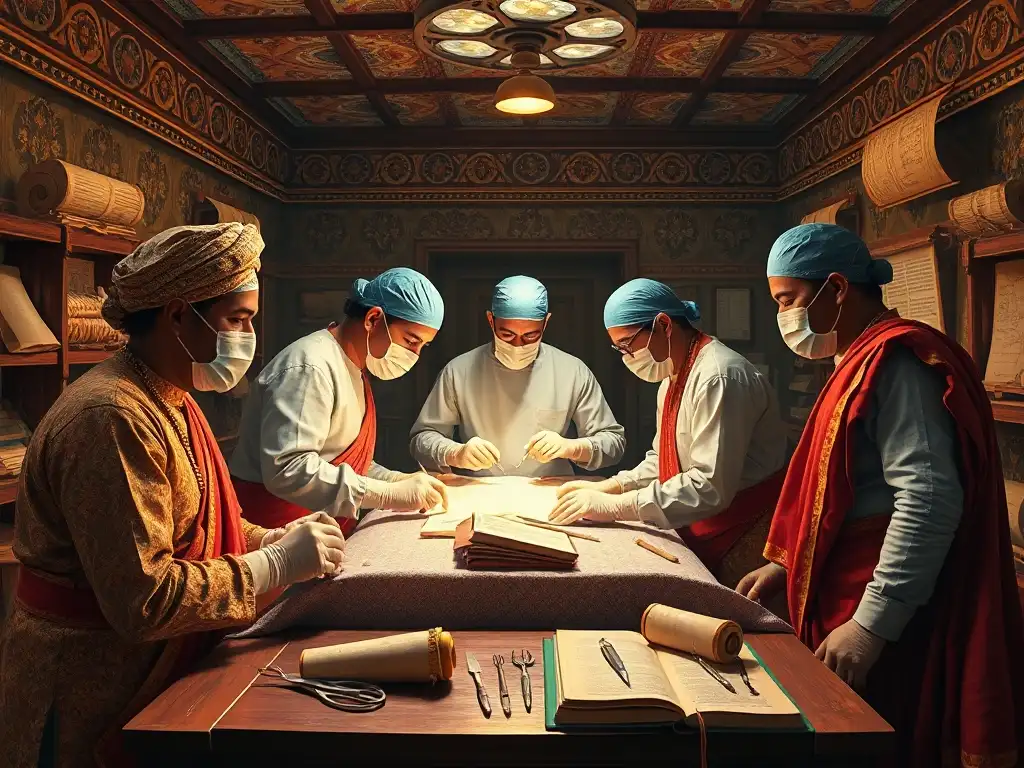
The surgical practices of ancient South Indian dynasties reveal a fascinating blend of science, art, and cultural significance. From the ancient Indus Valley civilization to the flourishing Tamil kingdoms, South India has a rich history of medical knowledge and innovation.
This article aims to delve into the various surgical techniques employed during this era, highlighting the contributions of notable dynasties and their influence on the development of medicine in the region. By exploring ancient South Indian surgical practices, we can gain valuable insights into the medical advancements that shaped not only the local communities but also had a broader impact across the subcontinent.
Overview of Ancient Medicine in South India
Ancient South Indian medicine was characterized by a holistic approach that emphasized the balance of body, mind, and spirit. Medical texts such as the Sushruta Samhita, attributed to the sage Sushruta, laid the groundwork for surgical procedures and methodologies that were practiced in this era. This foundational text delineated various surgical techniques, including those for treating wounds, performing amputations, and even complex procedures like rhinoplasty.
Key elements of ancient medicine included:
- Herbal Remedies: Extensive use of plants and natural substances for healing.
- Surgical Instruments: Development of specialized tools for various surgical procedures.
- Anesthesia Techniques: Early forms of anesthesia were utilized to manage pain during surgeries.
Importance of Surgery in Ancient South Indian Cultures
Surgery held a significant place in ancient South Indian cultures, often viewed as a noble profession. The ability to perform surgery not only showcased the surgeon's skill but also reflected the societal value placed on health and well-being. Surgical practices were essential not only for treating injuries but also for enhancing the quality of life, particularly in a society that faced numerous challenges, including warfare and agricultural accidents.
Moreover, surgical procedures were often accompanied by rituals and ethical considerations, emphasizing the moral responsibilities of surgeons. This intertwining of medicine and ethics showcases the advanced understanding of health and the human body that existed in ancient South Indian civilizations.
Historical Context of Surgical Techniques in South India
The historical context surrounding surgical techniques in ancient South India is marked by the influence of powerful dynasties that fostered advancements in medical science. These dynasties not only patronized scholars and medical practitioners but also established centers of learning where knowledge could be exchanged and expanded.
Influence of South Indian Dynasties on Medicine
Several dynasties played pivotal roles in shaping the medical landscape of ancient South India:
- The Chola Dynasty: Known for its contributions to art and architecture, the Chola dynasty also supported medical practitioners, leading to advancements in surgical techniques.
- The Pandya Dynasty: This dynasty promoted the study of medicine and surgery, resulting in the compilation of medical texts.
- The Vijayanagara Empire: Renowned for its grandeur, this empire also prioritized healthcare, leading to the establishment of hospitals and healthcare systems.
These dynasties not only advanced surgical practices but also facilitated the documentation and dissemination of medical knowledge, ensuring that these practices were preserved for future generations.
Key Dynasties Contributing to Surgical Knowledge
The contribution of key dynasties to surgical knowledge in ancient South India can be summarized as follows:
| Dynasty | Contributions to Surgery |
|---|---|
| Chola Dynasty | Promoted surgical innovations and supported medical scholars. |
| Pandya Dynasty | Encouraged the compilation of medical texts and practices. |
| Vijayanagara Empire | Established hospitals and advanced medical education. |
The interplay of these dynasties with the evolving field of medicine highlights the dynamic nature of ancient South Indian surgical practices and their enduring legacy in the history of medicine.
Ancient Surgical Practices in South India
Ancient South Indian surgical practices are a testament to the advanced medical knowledge and skills that prevailed in this region long before modern surgery came into existence. Evidence from ancient texts, inscriptions, and archaeological findings suggests that South Indian dynasties, particularly during the Chola, Pandya, and Vijayanagara periods, had a well-structured approach to surgery. The practitioners, often referred to as "Surgeons" or "Vaids," employed techniques that were remarkably sophisticated for their time, addressing a variety of ailments through surgical intervention.
The surgical practices were deeply intertwined with the prevailing medical systems, particularly Ayurveda, which emphasized a holistic approach to health. This integration of surgery with herbal medicine, diet, and lifestyle modification reflects a comprehensive understanding of human anatomy and physiology. Ancient South Indian surgeons not only focused on the physical aspects of surgery but also considered the emotional and spiritual dimensions of healing.
Common Surgical Procedures in Ancient South India
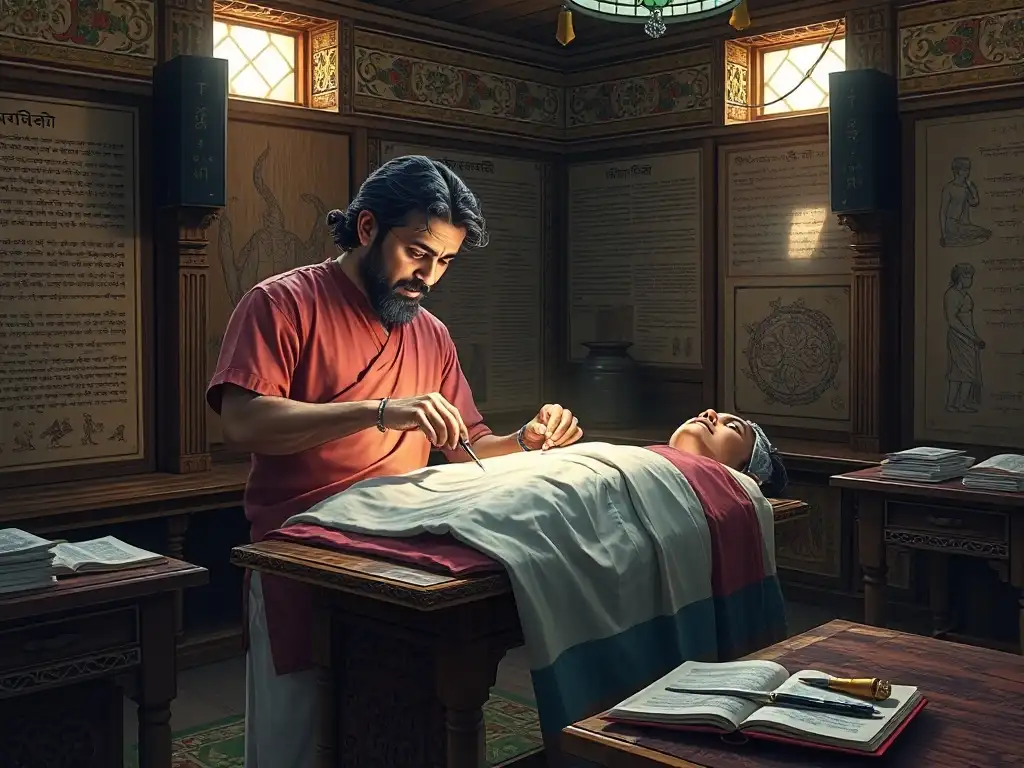
The repertoire of surgical procedures in ancient South India included a range of techniques that addressed both traumatic injuries and chronic ailments. Some common procedures included:
- Suturing and Wound Care: Surgeons were adept at closing wounds using sutures made from natural materials like animal sinew and plant fibers. They employed various techniques to ensure minimal scarring and effective healing.
- Abscess Drainage: The treatment of abscesses through incision and drainage was a prevalent procedure. Surgeons utilized sterile techniques to avoid infections, demonstrating their understanding of cleanliness.
- Amputation: In cases of severe injury or infection, amputation was performed with precision. Ancient texts like the Sushruta Samhita provide insights into the methods used to minimize pain and promote recovery.
- Plastic Surgery: Remarkably, procedures resembling modern reconstructive surgery were documented, particularly for repairing facial injuries. Techniques for rhinoplasty (nose reconstruction) are notably mentioned in ancient texts.
These surgical procedures were often accompanied by herbal remedies to aid in recovery and pain management, showcasing the integration of surgical skill and traditional healing.
Instruments Used in Ancient South Indian Surgery
The surgical instruments from ancient South India were carefully crafted to suit various medical needs. They were primarily made from materials such as bronze, iron, and even stone. Some key instruments included:
- Scalpels: Sharp blades used for making incisions. These were often finely honed to ensure precision.
- Forceps: Employed to grasp and manipulate tissues during surgery, these instruments displayed an understanding of the need for delicate handling.
- Scissors: Used for cutting soft tissues and sutures, showcasing an advanced level of craftsmanship.
- Cautery Instruments: Heated tools used for coagulating blood vessels, which helped control bleeding during surgery.
- Surgical Tables: Although not instruments in the traditional sense, specialized tables were designed for patient positioning during complex procedures, reflecting a sophisticated approach to surgical practice.
The knowledge of metallurgy among South Indian artisans allowed for the production of high-quality instruments that facilitated various surgical techniques and improved patient outcomes.
Philosophical and Cultural Perspectives on Surgery
The philosophical and cultural perspectives surrounding surgery in ancient South India were deeply rooted in the broader context of health, spirituality, and ethics. Surgery was not merely a physical intervention but was also viewed through a lens of moral responsibility and the pursuit of knowledge.
The Role of Ayurveda in Ancient South Indian Surgical Practices
Ayurveda played a pivotal role in shaping the surgical practices of ancient South India. It provided a comprehensive framework for understanding human health, emphasizing balance among the three doshas (Vata, Pitta, and Kapha). Surgical procedures were often considered a last resort, implemented only when other Ayurvedic treatments had failed.
The integration of surgical practices with Ayurvedic principles meant that practitioners were trained to assess patients holistically, taking into account dietary habits, lifestyle, and emotional wellbeing. The use of herbal medicines for pre-operative preparation and post-operative care exemplified this holistic approach, ensuring that surgery was part of a larger healing process rather than an isolated event.
Spiritual Beliefs and Their Influence on Surgical Techniques
Spiritual beliefs significantly influenced surgical techniques in ancient South India. The act of surgery was often accompanied by rituals and prayers, invoking divine blessings for successful outcomes. Surgeons were regarded as healers not only of the body but also of the spirit, and their work was seen as a sacred duty.
The belief in karma and the interconnectedness of all life meant that the ethical implications of surgical practices were paramount. Surgeons were expected to adhere to strict moral codes, ensuring that their interventions promoted healing rather than harm. The intertwining of spirituality and surgery fostered a culture of respect for life, guiding practitioners in their approach to patient care and surgical interventions.
Through these practices and beliefs, ancient South Indian surgical techniques emerged as a sophisticated blend of art, science, and spirituality, reflecting the rich cultural heritage of the region.
Case Studies of Notable Surgical Practices
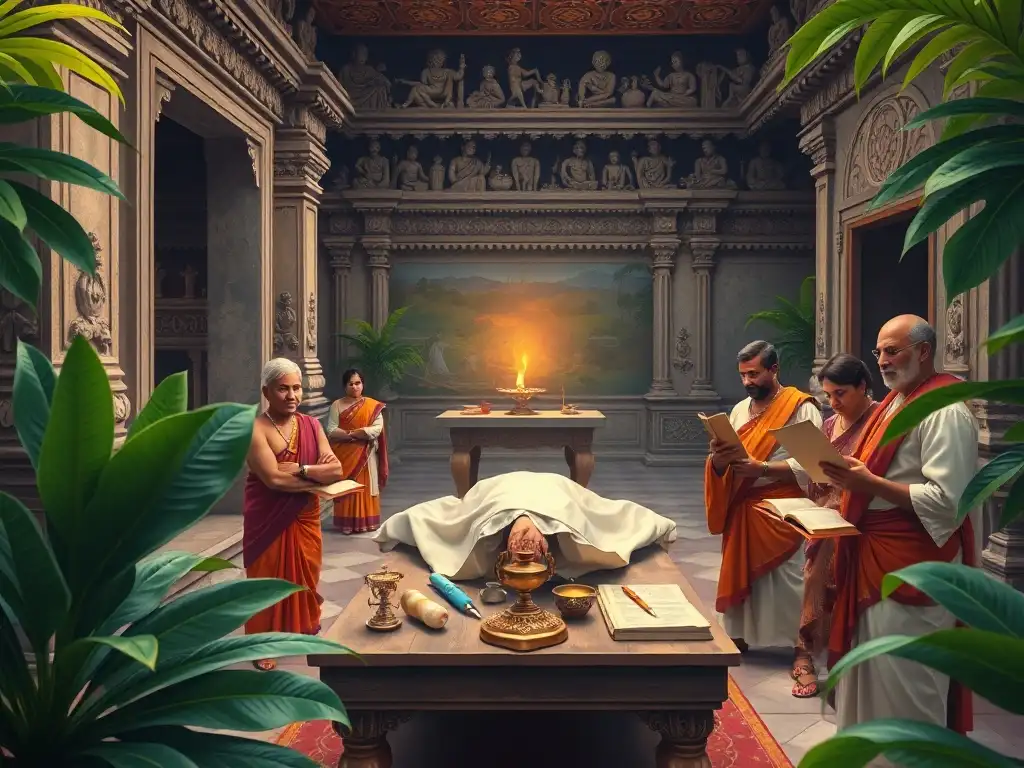
The surgical practices of ancient South Indian dynasties were not only advanced for their time but also demonstrated a deep understanding of human anatomy and physiology. Several case studies reveal the sophistication and effectiveness of these surgical interventions. Among the most notable are accounts from the Chola and Pandya dynasties, where skilled surgeons performed intricate procedures, such as trepanation and the removal of tumors.
One remarkable case involves the treatment of a warrior from the Chola dynasty who suffered a severe head injury during battle. Historical texts recount how the surgeon, utilizing a combination of herbal anesthesia and precise surgical techniques, successfully performed trepanation. This procedure involved drilling a small hole in the skull to relieve pressure and prevent further damage. The patient not only survived but returned to full health, showcasing the effectiveness and skill present in ancient surgical methods.
Another significant case highlights the surgical removal of a large abscess from a nobleman during the Pandya dynasty. The procedure was documented in ancient medical texts, detailing the use of specific surgical instruments crafted from metals like bronze and steel. The successful outcome of this surgery not only alleviated the patient’s suffering but also reinforced the reputation of the surgeon, illustrating the high regard for surgical practitioners in society.
Documented Cases of Successful Surgeries
Numerous ancient texts and inscriptions provide insights into documented cases of successful surgeries performed in ancient South India. The Sushruta Samhita, attributed to the ancient surgeon Sushruta, serves as a cornerstone of surgical knowledge and features numerous case studies. This text illustrates surgical procedures, techniques, and the principles of patient care, emphasizing the importance of hygiene and the use of medicinal herbs.
One particularly famous documented case involves a surgical intervention for cataracts, where a procedure known as couching was performed. Surgeons used a specialized instrument to dislodge the cloudy lens from the eye, restoring vision to many patients. This technique not only illustrates the advanced understanding of ocular anatomy but also highlights the surgeons’ ability to achieve successful outcomes with minimal post-operative complications.
In addition to ocular surgeries, ancient texts describe procedures for rhinoplasty, with detailed accounts of reconstructive surgery following injuries or deformities. The meticulous descriptions of these surgeries underscore the expertise of ancient surgeons and their commitment to restoring the quality of life for their patients.
Analysis of Ancient Texts Describing Surgical Techniques
The analysis of ancient texts, such as the Sushruta Samhita and Charaka Samhita, reveals a wealth of knowledge regarding surgical techniques employed in ancient South India. These texts outline a variety of procedures, from minor surgeries to complex interventions, indicating a profound understanding of surgical principles and patient management.
The Sushruta Samhita, in particular, lays out over 120 surgical instruments, categorizing them based on their uses, which include cutting, probing, and suturing. The meticulous detail in these descriptions demonstrates an advanced level of craftsmanship in instrument-making, reflecting a sophisticated medical tradition. Furthermore, the texts stress the significance of aseptic techniques and the use of medicinal plants for postoperative care, emphasizing the holistic approach to medicine prevalent during this era.
Moreover, the texts also delve into the ethical considerations surrounding surgery, highlighting the importance of consent and the surgeon's responsibility towards patient welfare. This ethical framework not only guided surgical practitioners but also laid the foundation for medical ethics in subsequent generations.
Legacy of Ancient South Indian Surgical Practices
The legacy of ancient South Indian surgical practices is profound, influencing both contemporary surgical techniques and the broader field of medicine in India. The sophisticated methodologies developed during this period have left an indelible mark on modern surgical practices, particularly in the realm of reconstructive and trauma surgery.
Influence on Modern Surgical Practices in India
The influence of ancient South Indian surgical practices on modern surgery is evident in various techniques still in use today. The principles of surgical precision and the emphasis on patient safety derived from ancient texts resonate in contemporary surgical training and practices. Surgeons today continue to rely on the foundational knowledge established by ancient practitioners, particularly in areas such as plastic surgery and orthopedic procedures.
In addition, the surgical instruments and techniques described in ancient texts have inspired the design of modern surgical tools. Instruments that mirror the functionality of those used by ancient surgeons can be found in operating rooms across India, showcasing the enduring relevance of this ancient knowledge. Furthermore, the holistic approach to patient care, which includes pre- and post-operative considerations, remains a cornerstone of modern surgical practice.
Preservation of Ancient Knowledge in Contemporary Medicine
The preservation of ancient surgical knowledge is facilitated through various means, including academic research, traditional medicine practices, and the continued study of ancient texts. Universities and medical colleges in India are increasingly incorporating ancient medical texts into their curricula, recognizing the value of this knowledge in understanding the evolution of medical practices.
Moreover, practitioners of Ayurveda and traditional medicine continue to utilize ancient surgical techniques, blending them with modern practices to provide holistic care. This dual approach not only aids in preserving ancient knowledge but also highlights its relevance in contemporary healthcare settings.
Various organizations and scholars are actively engaged in the documentation and translation of ancient texts, ensuring that this wealth of knowledge is accessible to future generations. Through workshops, seminars, and publications, the surgical practices of ancient South India are being revived and celebrated, ensuring their legacy endures in the ever-evolving field of medicine.
Conclusion
The surgical practices of ancient South Indian dynasties reflect a remarkable blend of scientific inquiry, cultural beliefs, and practical applications that contributed significantly to the field of medicine. From the sophisticated techniques employed in surgical procedures to the rich medical texts that documented their practices, these ancient civilizations have left a lasting legacy that continues to influence modern medical practices today.
Summary of Key Contributions of Ancient South Indian Dynasties to Surgery
Ancient South Indian dynasties, particularly during the periods of the Chola, Pandya, and Vijayanagara empires, made several key contributions to surgical practices:
- Textual Foundations: The compilation of medical texts, such as the Sushruta Samhita, which, although originally from the north, had a profound influence on the southern practices. Scholars in South India expanded upon these texts, integrating local herbs and techniques into surgical practice.
- Innovative Surgical Techniques: Surgeons of the time employed advanced techniques, including the use of scalpels, forceps, and sutures made from natural materials. They developed methods for treating wounds, performing amputations, and even conducting complex operations like cataract surgery.
- Herbal Anesthetics and Antiseptics: The use of local anesthetics derived from plants, as well as antiseptic techniques, showcased the understanding of pain management and infection control long before their modern counterparts emerged.
- Holistic Approach to Medicine: Ancient South Indian surgical practices often emphasized a holistic approach, combining physical treatment with spiritual healing, reflecting the cultural integration of medicine and spirituality.
- Training and Guilds: The establishment of medical guilds and structured training for aspiring surgeons ensured the transmission of knowledge and skills across generations, contributing to the refinement of surgical practices.
The Continuing Relevance of Ancient Surgical Practices in Modern Medicine
The principles and techniques developed by ancient South Indian surgeons remain relevant in contemporary medical practices.
- Surgical Techniques: Many surgical techniques pioneered in ancient times, such as those for wound closure and surgical incision, are still in use today, showcasing the timeless nature of these practices.
- Phytotherapy: The utilization of herbal remedies, which was common in ancient surgical practices, has seen a resurgence in modern medicine, particularly in the field of complementary and alternative medicine. Research into these traditional remedies often validates their efficacy in pain management and healing.
- Integration of Knowledge: The interdisciplinary approach to health that characterized ancient South Indian medicine is mirrored in current trends towards integrative medicine, which combines conventional and alternative therapies for holistic patient care.
- Cultural Heritage: The rich history of surgical practices in ancient South India continues to inspire and inform modern medical education, emphasizing the importance of cultural context in the evolution of medical knowledge.
The surgical practices of ancient South Indian dynasties not only highlight the ingenuity and expertise of their practitioners but also offer valuable insights and techniques that resonate within the framework of modern medicine, perpetuating a legacy that bridges the past and present.
- Introduction to Ancient South Indian Surgical Practices
- Historical Context of Surgical Techniques in South India
- Ancient Surgical Practices in South India
- Common Surgical Procedures in Ancient South India
- Instruments Used in Ancient South Indian Surgery
- Philosophical and Cultural Perspectives on Surgery
- Case Studies of Notable Surgical Practices
- Legacy of Ancient South Indian Surgical Practices
- Conclusion
- What are the main surgical practices of ancient South Indian dynasties?
- How did ancient South Indian surgeons acquire their knowledge?
- What were the tools used in ancient South Indian surgeries?
- How did the practice of surgery in ancient South India influence modern medicine?
- Are there any surviving texts that document these ancient surgical practices?
Frequently Asked Questions
What are the main surgical practices of ancient South Indian dynasties?
Ancient South Indian dynasties, particularly during the Chola and Pandya periods, showcased remarkable surgical techniques that included procedures like trepanation and suturing.
How did ancient South Indian surgeons acquire their knowledge?
Surgeons in ancient South India often learned through traditional texts and oral traditions, with significant contributions from Ayurveda and Siddha medicine, which emphasized holistic health and surgical skills.
What were the tools used in ancient South Indian surgeries?
Surgeons utilized a variety of metallic instruments, including scalpels, forceps, and surgical needles, crafted with precision to perform complex operations safely.
How did the practice of surgery in ancient South India influence modern medicine?
The surgical practices of ancient South India laid foundations for modern medical techniques, with many principles and tools still relevant in contemporary surgical procedures today.
Are there any surviving texts that document these ancient surgical practices?
Yes, several ancient texts, such as the Sushruta Samhita, provide detailed accounts of surgical techniques and practices, influencing both Indian and global medical traditions.
Final Reflection: The Enduring Legacy of Ancient South Indian Surgical Practices
The exploration of ancient South Indian surgical practices reveals a profound connection between history and modern medicine. As we delve into the intricate techniques and philosophies of these ancient dynasties, we uncover not only their remarkable achievements in surgery but also the timeless principles that continue to resonate in contemporary healthcare. The ingenuity and dedication of these early practitioners remind us that the roots of modern medicine are deeply intertwined with the wisdom of the past.
Cultural heritage shapes our understanding of health and healing, and the surgical practices of ancient South Indian dynasties serve as a testament to this enduring influence. From the meticulous methods of wound care to the holistic approach to patient well-being, these practices have left an indelible mark on the medical landscape. As we reflect on this rich history, we are reminded of the words of Hippocrates: Wherever the art of medicine is loved, there is also a love of humanity.
This sentiment echoes through the ages, urging us to appreciate the foundational contributions of those who came before us.
As we look to the future, let us carry forward the lessons learned from these ancient practices. I invite you to reflect on how the wisdom of the past can inform our present and inspire our future in healthcare. Embrace the spirit of inquiry and compassion that characterized these early surgeons, and consider how you can apply these timeless principles in your own life or profession. Together, we can honor the legacy of ancient South Indian surgical practices by fostering a deeper understanding of health that transcends time and culture.
Unveil the Mysteries of Ancient Surgical Arts!
Thank you for diving into the fascinating world of surgical practices in ancient South Indian dynasties! You've explored rich traditions and remarkable techniques that have significantly shaped medical history. Now, it's time to take action and deepen your understanding and appreciation of this ancient wisdom.
- Explore further: Visit your local library or online archives to find more books and resources on ancient medicine and surgical techniques.
- Engage with a community: Join online forums or social media groups focused on history and medicine to discuss your findings and learn from others' insights.
- Share your knowledge: Host a small gathering with friends or family to discuss the intriguing practices you've discovered—who knows what new ideas might emerge?
What aspects of ancient surgical practices surprise you the most, and how do you think they influence modern medicine today?